
ş) and a hospice (darüzziyafe). These additional buildings created a center for religious and educational activities, as well as a space for social gatherings and support for the community.
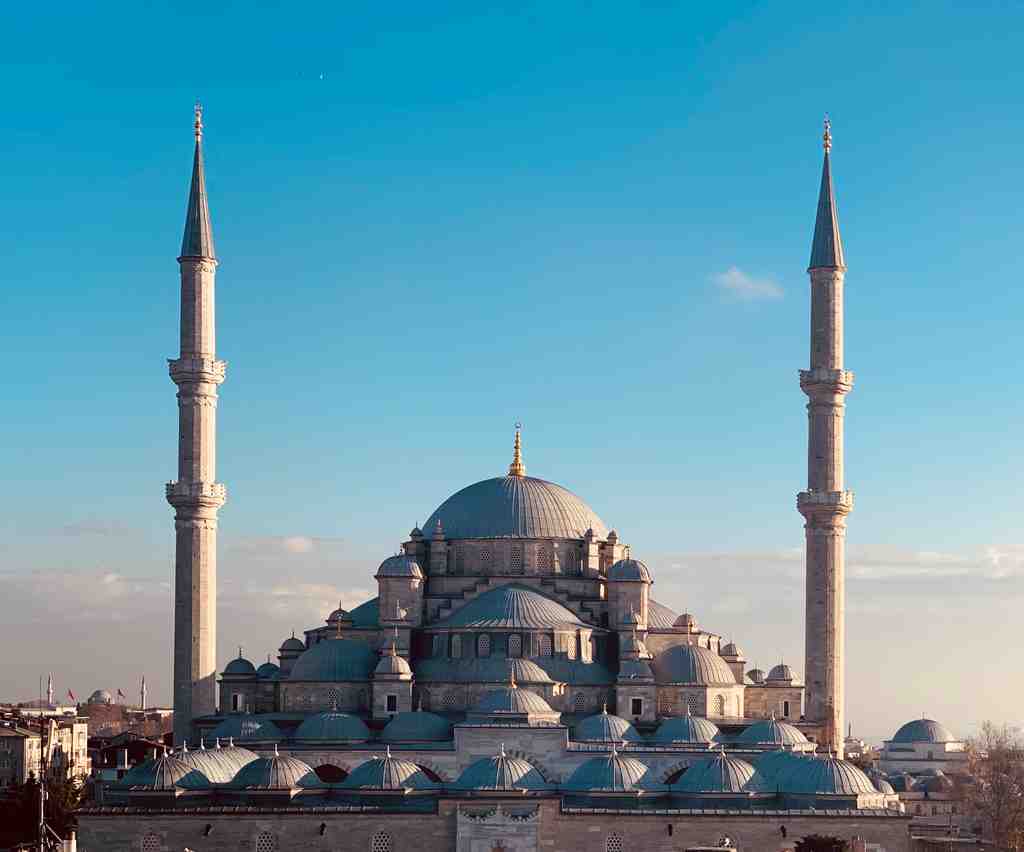
During the 1766 earthquake, the mosque suffered significant damage and was in need of restoration. In 1771, under the direction of the Ottoman architect Mimar Mehmet Tahir Ağa, the mosque was rebuilt in a different design. This new design incorporated elements of both Ottoman and Baroque architecture, creating a unique blend that showcases the cultural influences of the time.
One notable feature of the Fatih Mosque complex is the Sahn-ı Seman Medrese, a theological school that was once an important center for the study of various disciplines including theology, law, medicine, astronomy, physics, and mathematics. It was founded by the renowned Turkic astronomer Ali Qushji, who was invited to the court of Mehmed the Conqueror.
Over the centuries, the Fatih Mosque complex has undergone several renovations and restorations to preserve its historical and architectural significance. The most recent restoration took place in 2009 and was completed in 2021, allowing the mosque to reopen to worshippers.
Today, the Fatih Mosque stands as a magnificent example of Ottoman architecture and serves as an important religious and cultural landmark in Istanbul. Its grand dome, elegant minarets, and intricate interior decorations continue to captivate visitors from around the world, providing a glimpse into the rich history and architectural heritage of Istanbul. As you explore this remarkable mosque, take a moment to appreciate the centuries of history and the enduring legacy of Mehmed the Conqueror, the great sultan who left his mark on both the city and this mosque.


