
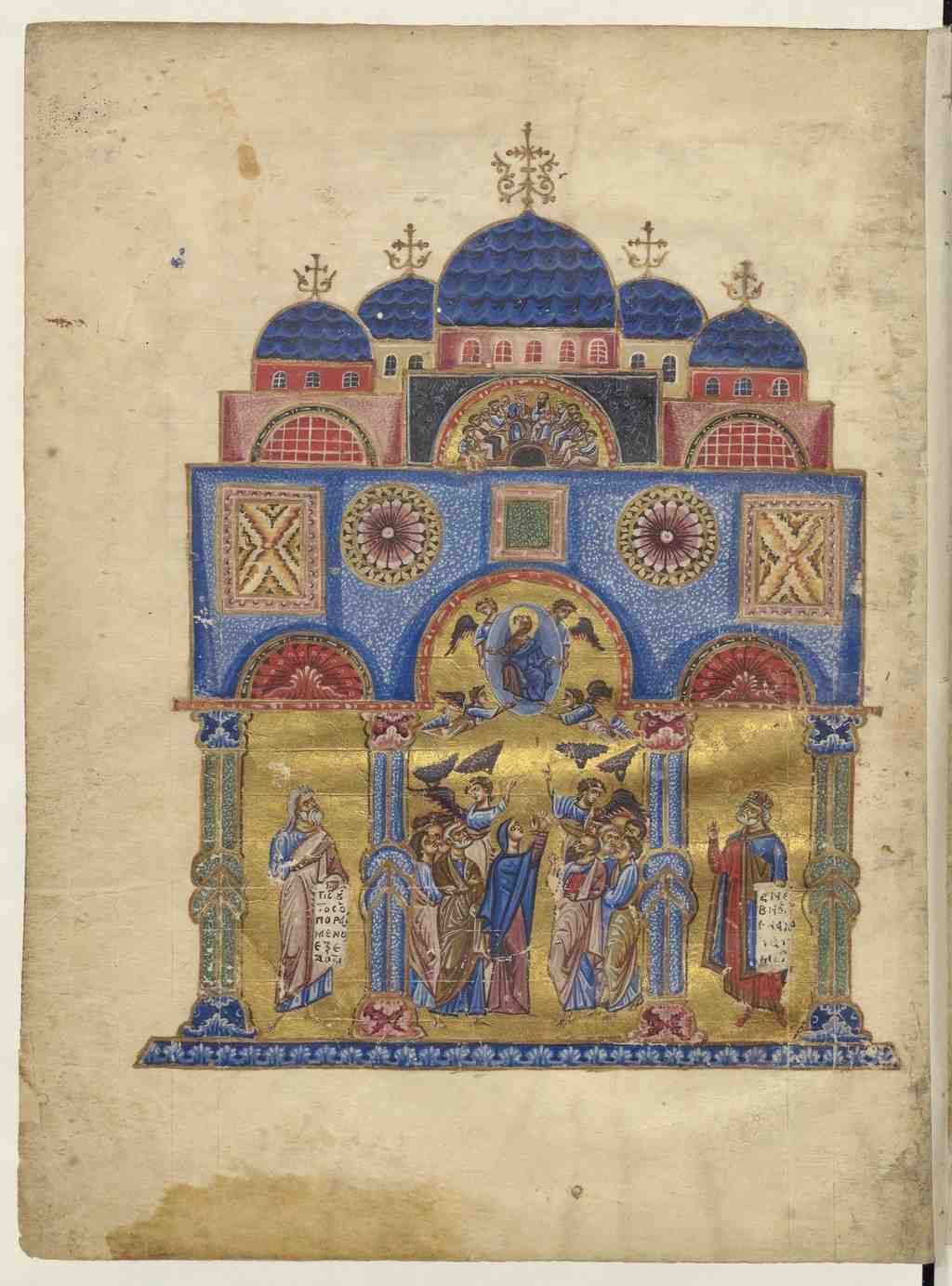
completed in 550 and stood as a magnificent example of Byzantine architecture. It featured a large central dome, supported by four massive piers, and was adorned with beautiful mosaics and intricate marble decorations.
The Church of the Holy Apostles became not only a place of worship but also a burial site for the Byzantine emperors and their families. The Imperial Polyándreion, an underground tomb, housed the remains of numerous emperors, including Constantine himself. The splendor of the church and the significance of the burials within it added to its prestige and importance within the city.
However, the church's fate took a turn with the fall of Constantinople to the Ottomans in 1453. The city was captured by Mehmed the Conqueror, who converted the church into a mosque. For a brief period, it served as the seat of the Ecumenical Patriarch, before the decision was made to move the patriarchate to the Theotokos Pammakaristos Church.
Sadly, the Church of the Holy Apostles fell into disrepair and was ultimately demolished by the Ottomans in 1461. Its destruction made way for the construction of the Fatih Mosque, which stands in its place today. Although the original church no longer stands, its remains and rich history continue to fascinate visitors who come to explore the layers of Istanbul's cultural heritage.
As we stand at this historical site, it's fascinating to imagine the grandeur and magnificence that once filled this space. The Church of the Holy Apostles was not only a place of worship but a symbol of imperial power, a resting place for emperors, and a testament to the rich Byzantine history. Its story reminds us of the ever-changing nature of cities and the layers of history that lie beneath our feet.


