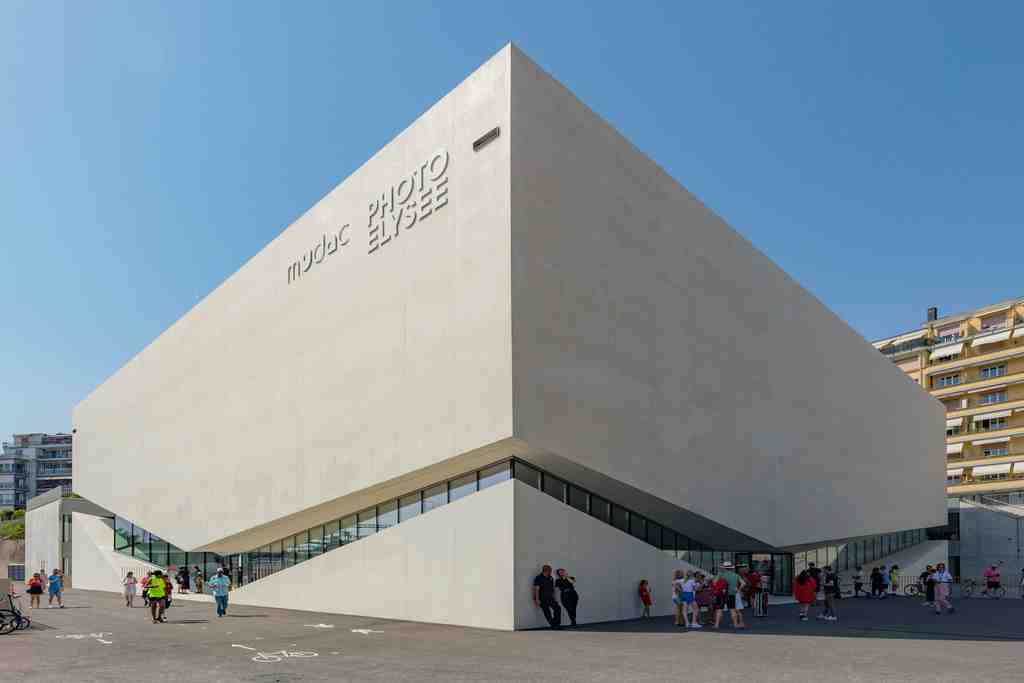
Look for a long, pale concrete building with crisp rectangular lines and the black Photo Elysée name marking the facade.
Welcome to a museum that treats images like public evidence. Photo Elysée opened in nineteen eighty-five as the first museum in Switzerland devoted entirely to photography, which sounds obvious now... but at the time it was a fairly bold way of saying that pictures shape civic memory just as surely as laws, sermons, or bank ledgers.
Charles-Henri Favrod, a writer and photo historian, started it. He didn’t treat photography as a precious hobby for specialists; he pushed it into public life. Locals still remember his Nuits de la photo, evenings that turned looking at photographs into a communal ritual long before digital sharing made that seem normal. In other words, he built not just an archive, but a gathering place.
The museum began in an older kind of prestige: an eighteenth-century manor house in Ouchy called the Campagne de l’Élysée. If you glance at the image on your screen, you can see that first home, elegant and patrician, the sort of place that says culture in a low, confident voice. Then Lausanne shifted the center of gravity. From October twenty twenty to June twenty twenty-two, the museum closed, moved here to Plateforme ten on the former locomotive-hall site, and reopened beside the Cantonal Museum of Fine Arts and mudac, the design and contemporary applied arts museum. Different costume, same authority.
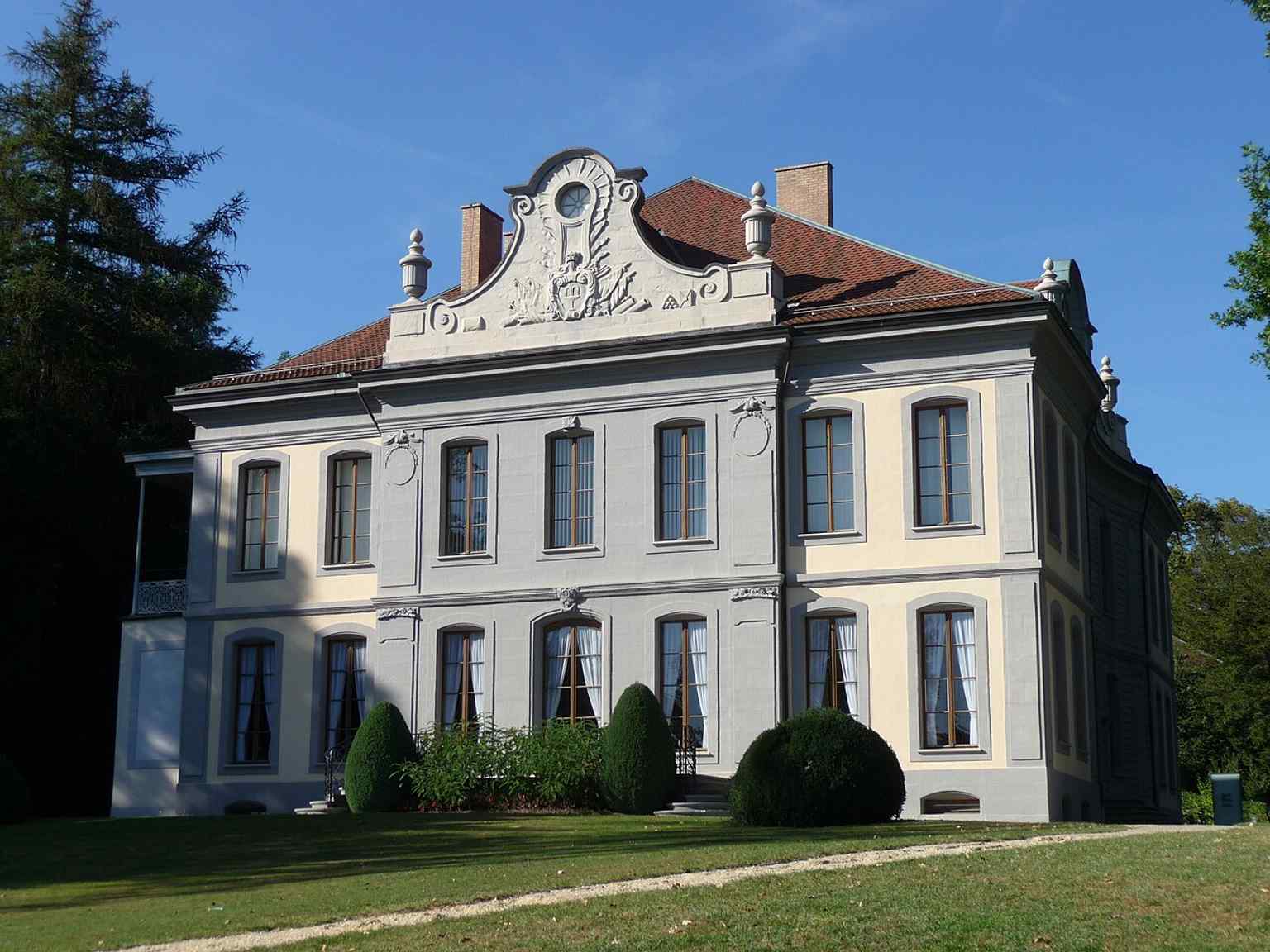
That’s one of Lausanne’s favorite tricks: it keeps relocating prestige without throwing it away. A manor by the lake once gave photography status; now a clean-edged cultural quarter by the rails gives it reach. Power, it turns out, is perfectly willing to change outfits.
Inside, the collection runs deep: more than one hundred thousand original photographs from the nineteenth and twentieth centuries, with names like Francis Frith, Robert Capa, and Mario Giacomelli. It holds major archives too, including Charlie Chaplin, René Burri, Ella Maillart, and Sabine Weiss. Her enormous legacy arrived here in early twenty twenty-four: hundreds of thousands of negatives, contact sheets, and prints entrusted to this museum because she believed it could preserve her life’s work and keep it accessible.
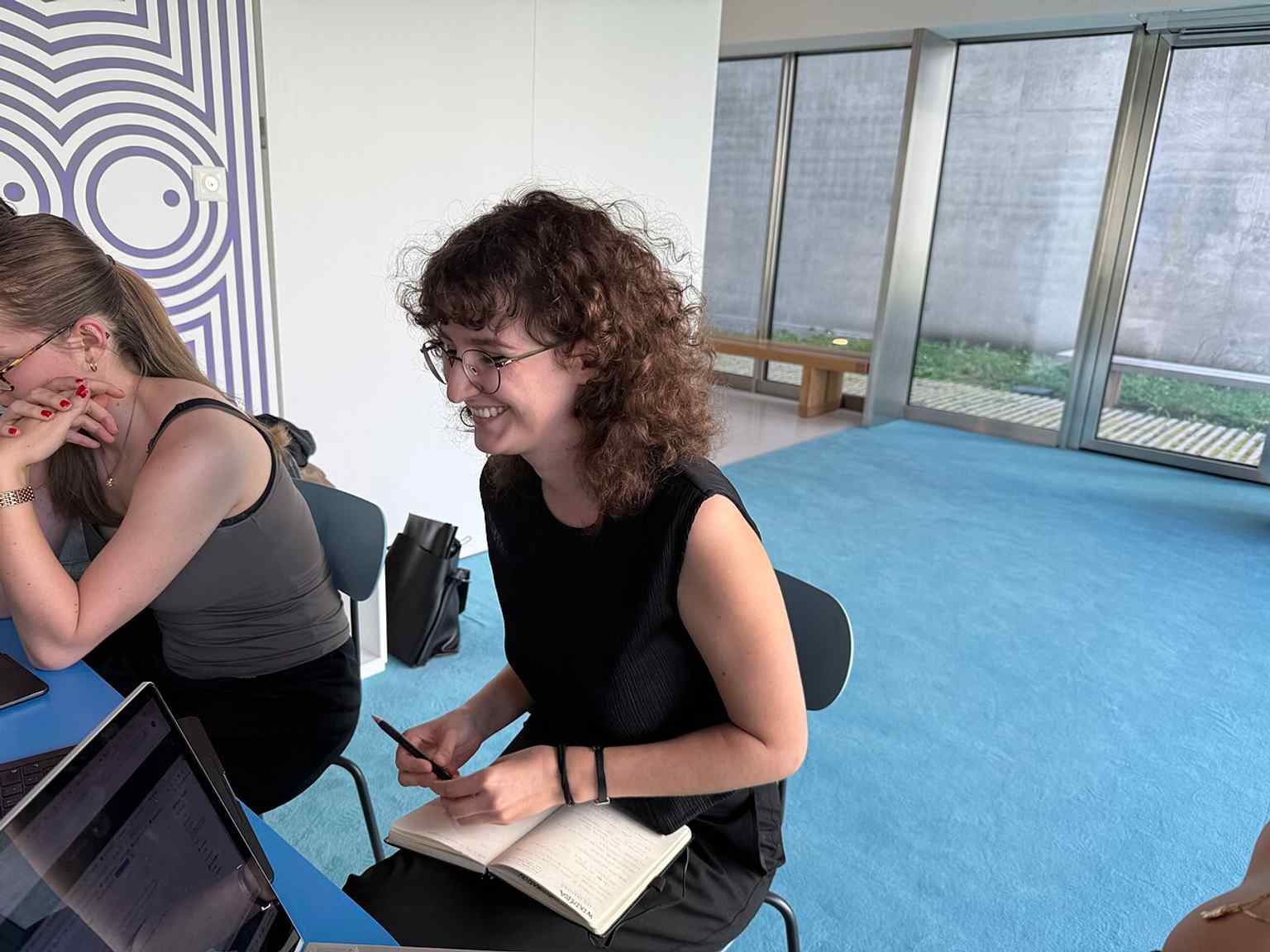
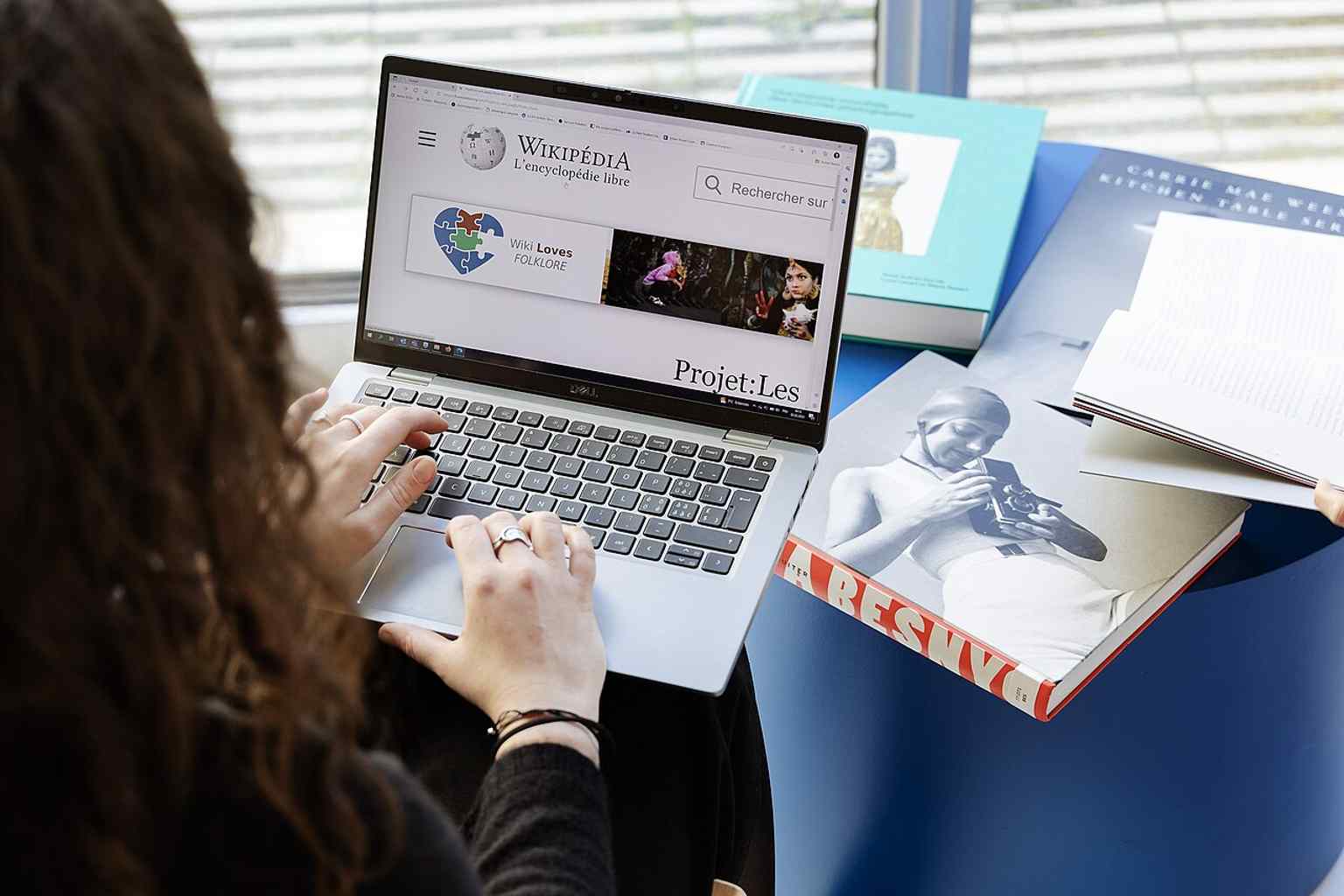
If you check another image, you’ll see the place still works the way Favrod imagined: people gathered around photographs, not tiptoeing past them like relics.
Before you move on, consider this: when a city decides that pictures deserve a museum of their own, which version of itself is it trying to preserve... and who gets to hold the frame?
Lausanne will keep answering that question in different costumes. Our next stop, Lausanne Billiard Masters twenty fifteen, is about a ten-minute walk from here.
If you want to come back inside later, Photo Elysée usually opens from ten AM to six PM, stays closed on Tuesdays, and keeps its doors open until eight PM on Thursdays.