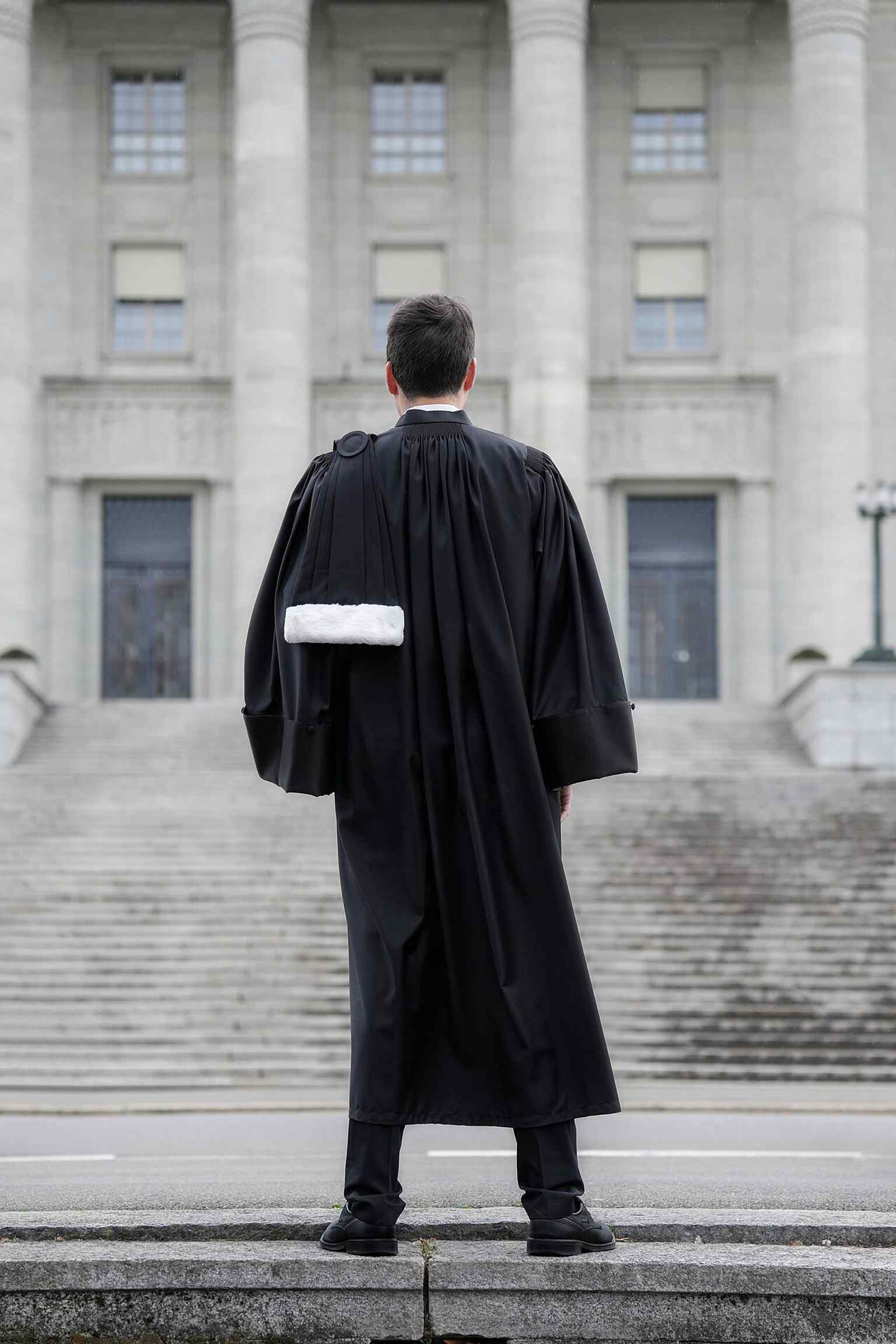
On your right stands the Federal Supreme Court, where Swiss power reaches its most polished and least theatrical form... which is saying something in a city that has given authority some very fine costumes.
The court did not begin in grandeur. After the constitutional revision of eighteen seventy-four turned it into a permanent national court, the new institution in Lausanne had exactly one workroom. One room for the highest court in the country... a modest start for justice with national ambitions. Then came confidence. Between eighteen eighty-one and eighteen eighty-six, architect Benjamin Recordon gave the court its first purpose-built home at Place de Montbenon, with a monumental facade, French Renaissance style, and fifteen kinds of stone gathered from across Switzerland, as if the young federal state wanted to say: every region belongs in this wall, and in this law.
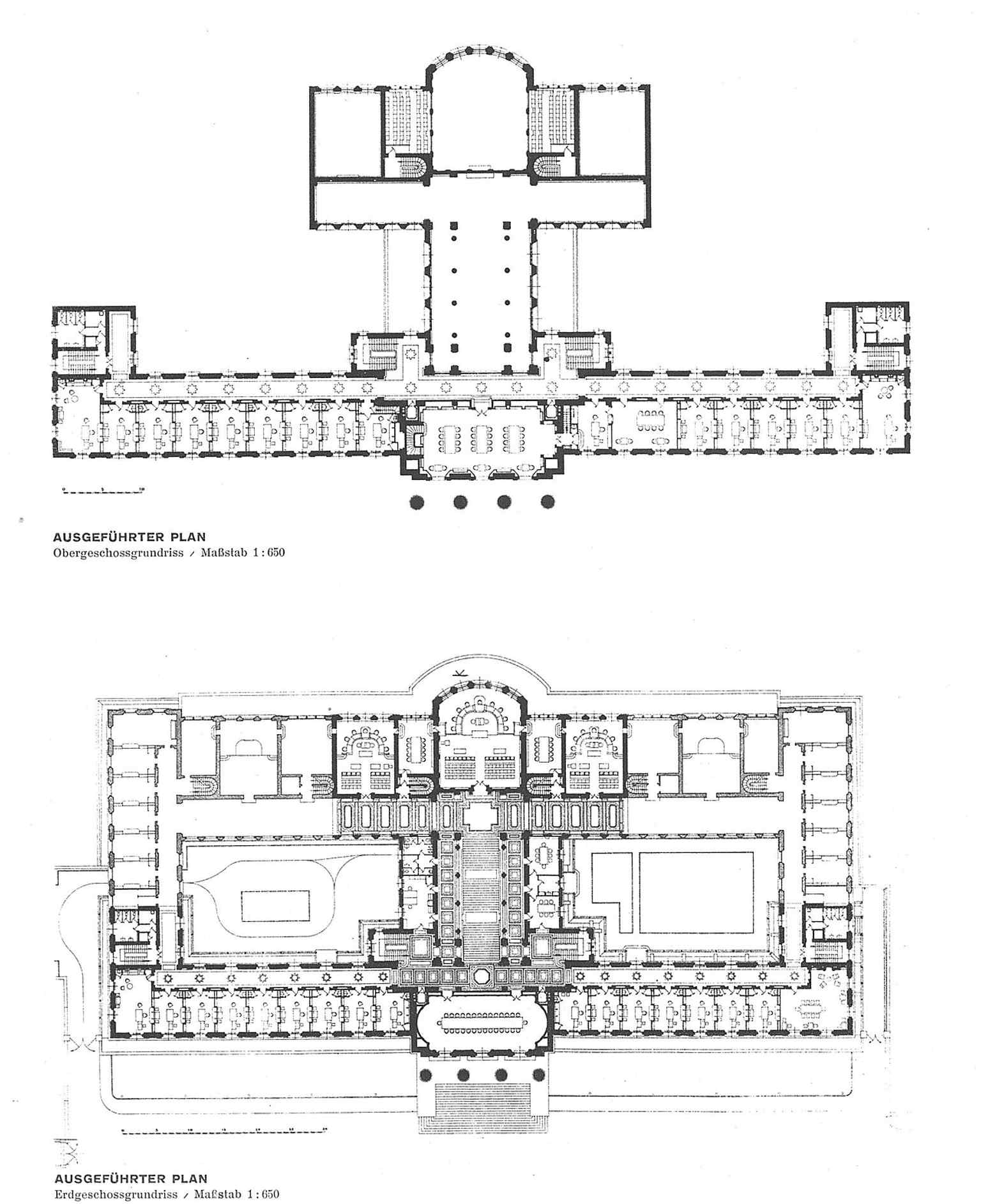
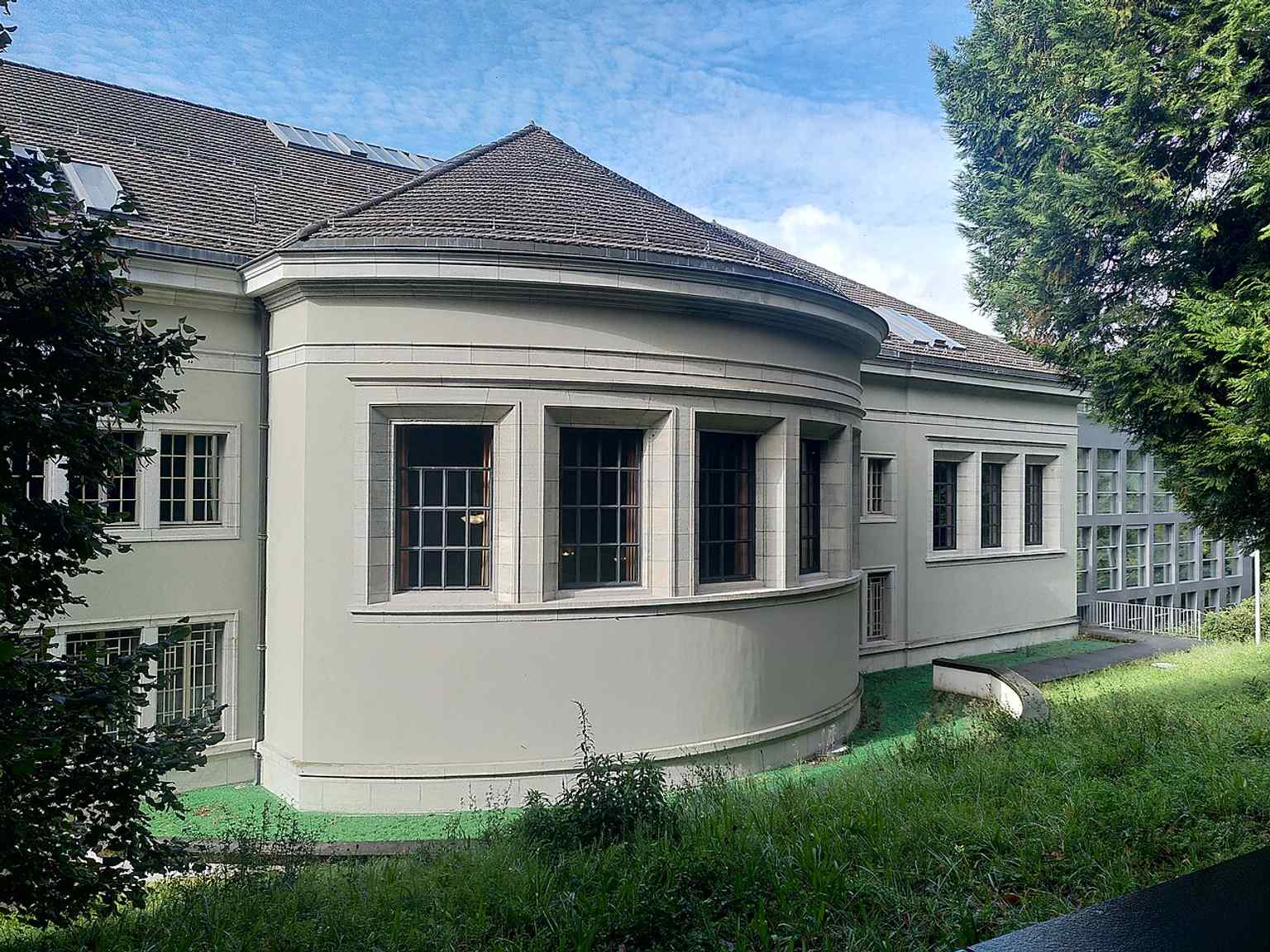
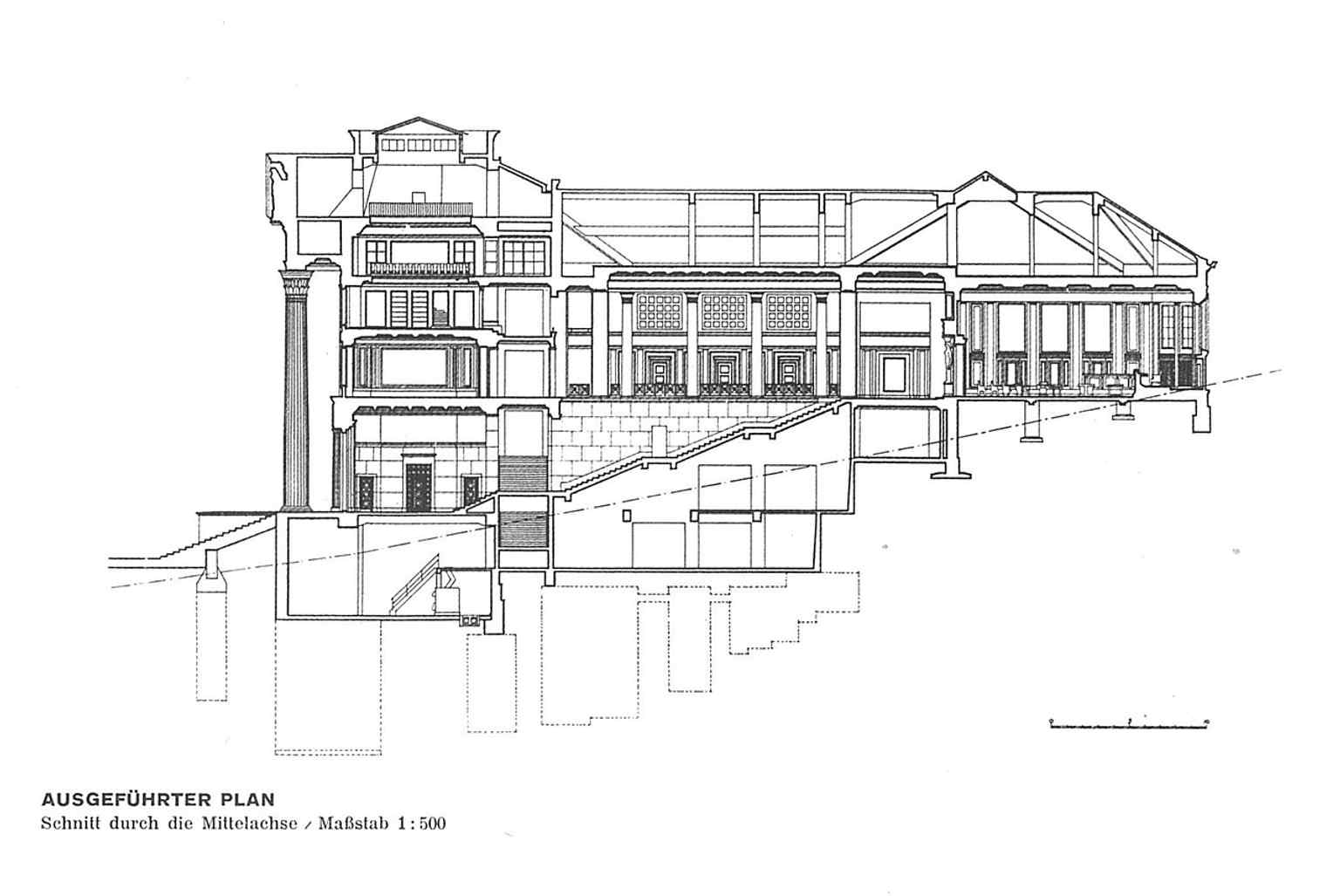
This building followed in the nineteen twenties, set here in Parc Mon Repos and completed between nineteen twenty-two and nineteen twenty-seven by Prince, Begin, and Alphonse Laverrière. Laverrière matters because he did not stop at the shell. He and his partners designed the interiors and the furniture too, and those plans still survive here. If you check the image on your screen, you can see that total design mentality in section, almost like a legal argument drawn in stone and wood. Laverrière worked closely with the Held joinery in Montreux, which crafted much of the interior, including the library. Even the library later had its own small restoration drama: in twenty eleven, workers carefully uncovered parts of the original linoleum floor and refreshed the woodwork while the court kept functioning. Quiet repair... very Swiss, very court-like.
And the institution kept changing inside its dignified walls. In nineteen seventy-two, the annual report noted the election of a woman as a substitute judge; in nineteen seventy-four, the first female federal judge joined the bench. For a court long shaped almost entirely by men, that was not decoration. That was a shift in who got to interpret the country.
Today, around one hundred and eighty court clerks help the judges weigh cases and draft rulings, and about two hundred more staff keep the machine running. In twenty twenty-five, the court received seven thousand nine hundred and forty-seven complaints and resolved seven thousand eight hundred and eighty-three. The average case lasted one hundred and eighty-nine days, and only ten and a half percent succeeded. So yes, the building is grand, but its real business is disappointment, precision, and the occasional correction of the state.
Since two thousand and seven, its decisions have generally appeared online in anonymized form, and final rulings without reasons are publicly posted in the Lausanne courthouse for four weeks. Even this highest authority has learned that legitimacy needs daylight. A useful reminder: even the top interpreter of the law must submit to scrutiny.
After everything this city has shown you, which power feels strongest here: the power to preserve, to persuade, to finance, to heal... or to judge? Lausanne seems to answer that none of them stands alone. Trust lives in the braid between them, and the city holds because each leaves a record the others can test.
If you plan to come back, the court is generally open on weekdays from seven thirty in the morning to six in the evening, and closed on weekends.