
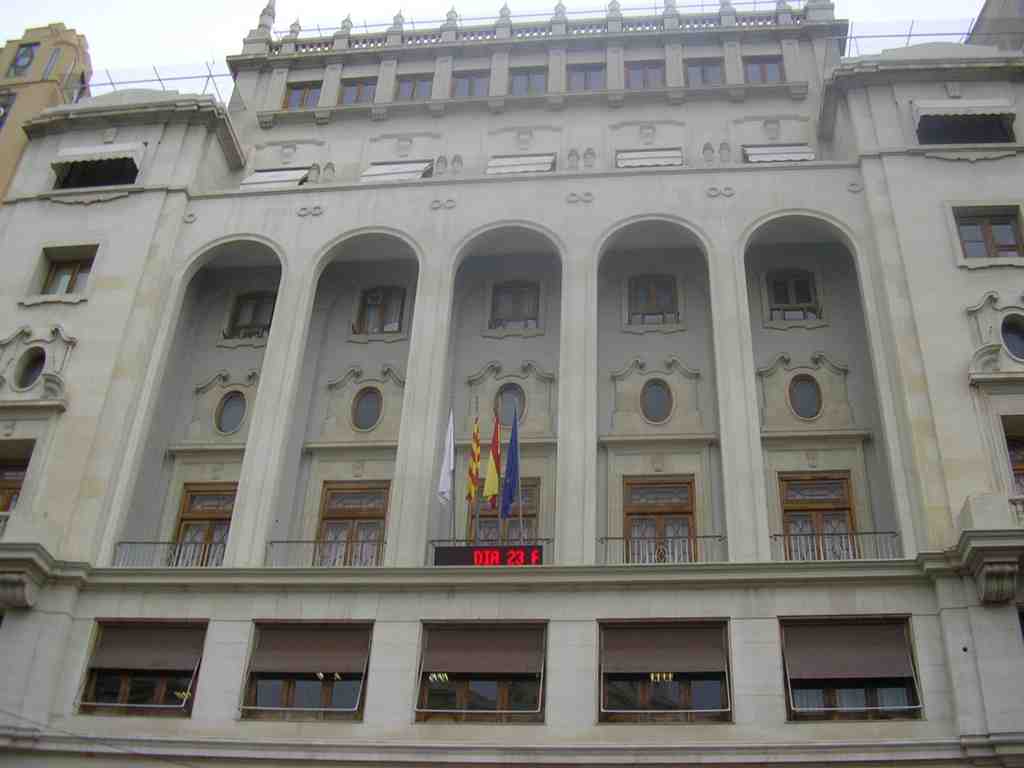
To spot the Ateneo Mercantil de Valencia, just look straight ahead for a grand cream-colored building with tall, arched columns and several proud flags fluttering above the main entrance-trust me, its stately façade won't let you miss it!
Alright, traveler, pause a moment and soak in the air outside this historic hub-we’re standing before one of Valencia’s beating cultural hearts. Picture the year 1879: the streets rattle with horse carriages and traders, the aroma of roasted almonds wafting from nearby stalls, and a group of determined gentlemen, led by Estanislao García Monfort and Eduardo Pérez Pujol, decide the city needs a new kind of gathering place. Not another tavern or a merchant’s guild, but a society for the everyday shop assistants-people who worked hard in the vibrant pulse of commerce yet thirsted for more learning and connection. And so, on March 23rd, the Ateneo Mercantil de Valencia was born - a place to nurture minds, spark creativity, and serve as the anchor for Valencia’s ever-curious spirit.
Fast forward through decades, and you can almost hear the. The Ateneo quickly became more than a club for shopkeepers; it grew into Valencia’s civil soul, championing culture, education, and entertaining amusements of all kinds. From organizing trade schools to launching the city’s first stock exchange (wait, that’s more thrilling than it sounds, especially if you enjoy a dramatic hand-gesture-filled bidding war), the Ateneo kept pushing boundaries.
But here’s a little suspense: Valencia in the 20th century saw its fair share of drama. The Ateneo threw its elegant weight behind landmark projects, like the mighty Regional Exposition of 1909-a massive event whose legacy includes that proud and playful Valencian Regional Anthem. Imagine crowds filling the square, bands playing, and banners fluttering with civic pride. Even during the Spanish Civil War, the Ateneo’s fate twisted and turned-renamed as the ‘Ateneo Popular’ and then, in the rubble of post-war years, shut down from 1939 to 1950. Yet, like a determined hero in a classic telenovela (maybe with a slightly messy mustache), it bounced back, declared of public utility and gold-medaled by the city itself.
The story only grows richer. Let’s take a stroll-well, a mental one-into the library upstairs, where nearly 53,000 books are waiting, some as old as San Vicente Ferrer himself. The air smells of paper and possibility, and tucked among these tomes are priceless manuscripts, centuries-old newspapers, and more stories than any one person could hope to read in a lifetime. The Ateneo’s pinacotheca even shelters paintings once owned by the photographer Antonio García Peris-a man legendary enough to be Joaquín Sorolla’s father-in-law!
Oh, and guess what? The legacy is modern and bright, too. For the first time in 2013, a woman-Carmen de Rosa Torner-took its helm, leading the institution with a lawyer’s cleverness and the heart of someone who believes in public service. She’s brought new life, digital pizzazz, and a global mindset to the rooms where gentlemen in top hats once debated the price of oranges.
Today, the Ateneo Mercantil is bursting with events-art exhibitions, language classes, lectures, and more coffee-fueled meetings than your favorite café. Its doors are open to almost 4,000 members, and plenty of outside groups rent its stately rooms for festivals, conferences, and, I’m told, the occasional impromptu dance.
So, as you stand here, feel the lively pulse of history under your feet! This isn’t just a beautiful building. It’s a time machine, a living testament to Valencia’s creativity, solidarity, and stubborn belief that every single citizen’s dream matters. Now, who’s up for joining a century-old club? Don’t worry-membership doesn’t require you to recite Latin or wear a powdered wig, but I’d love a photo if you tried!


