
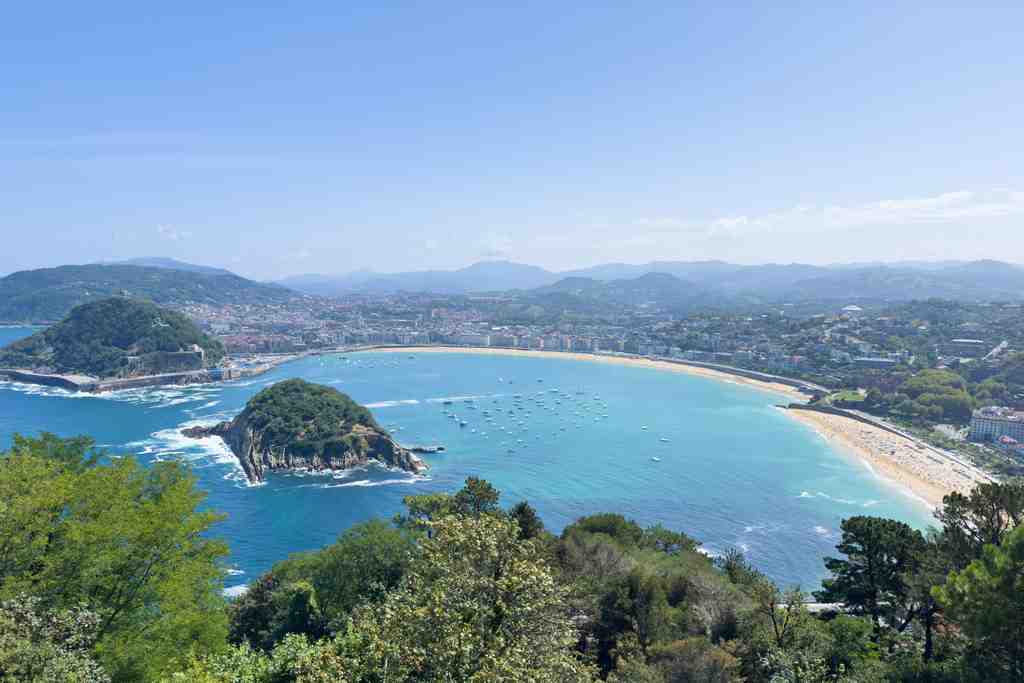
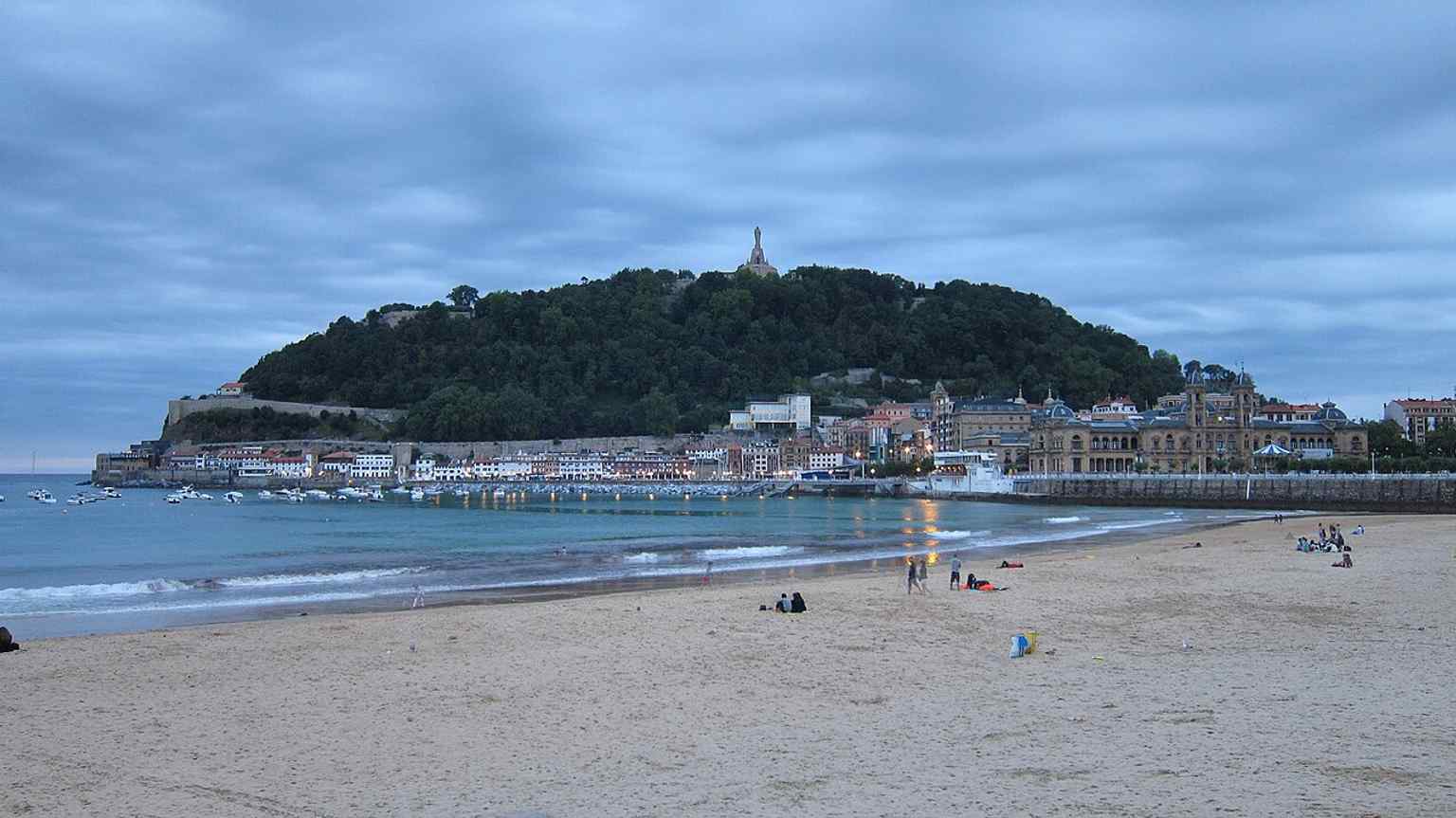
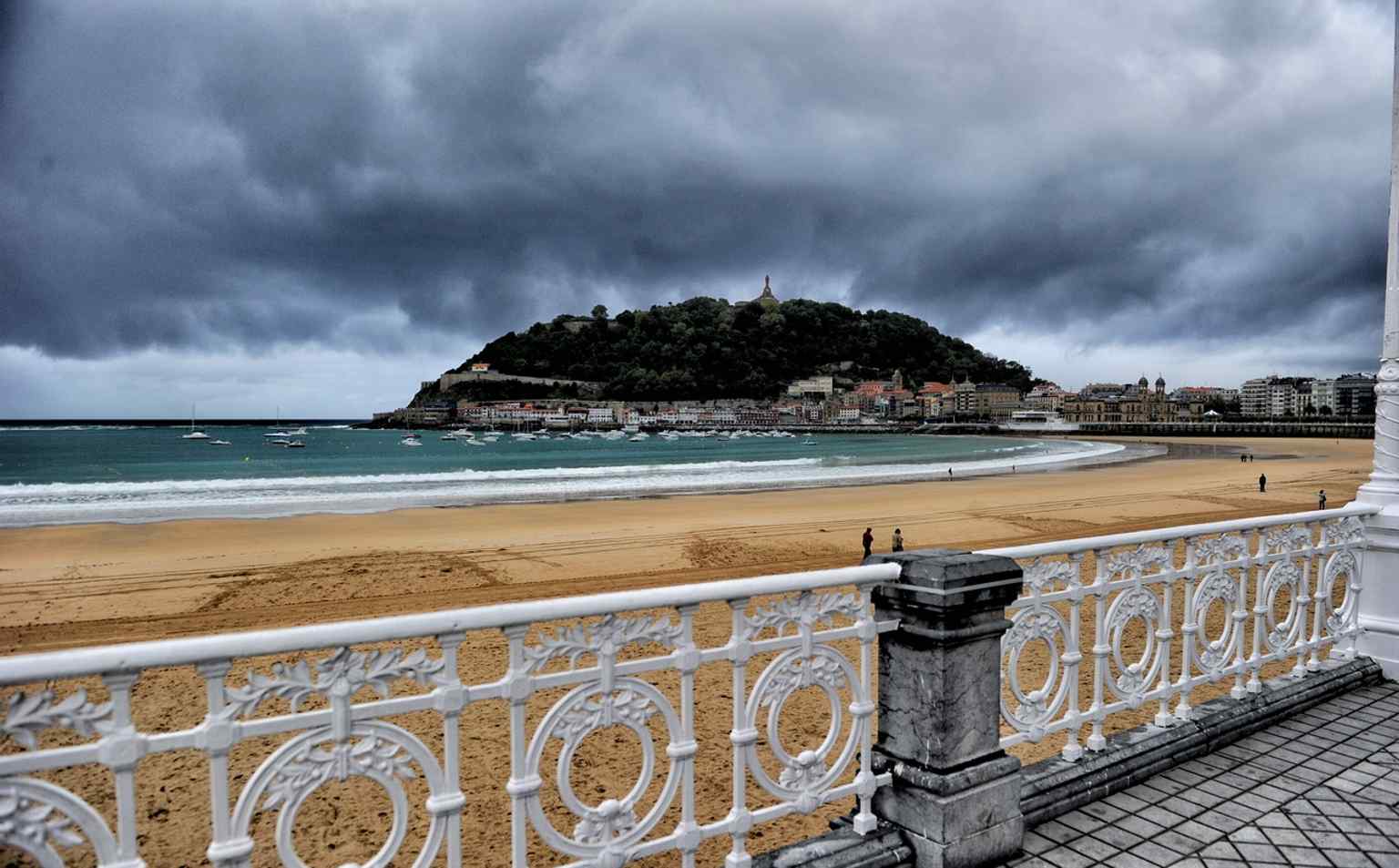
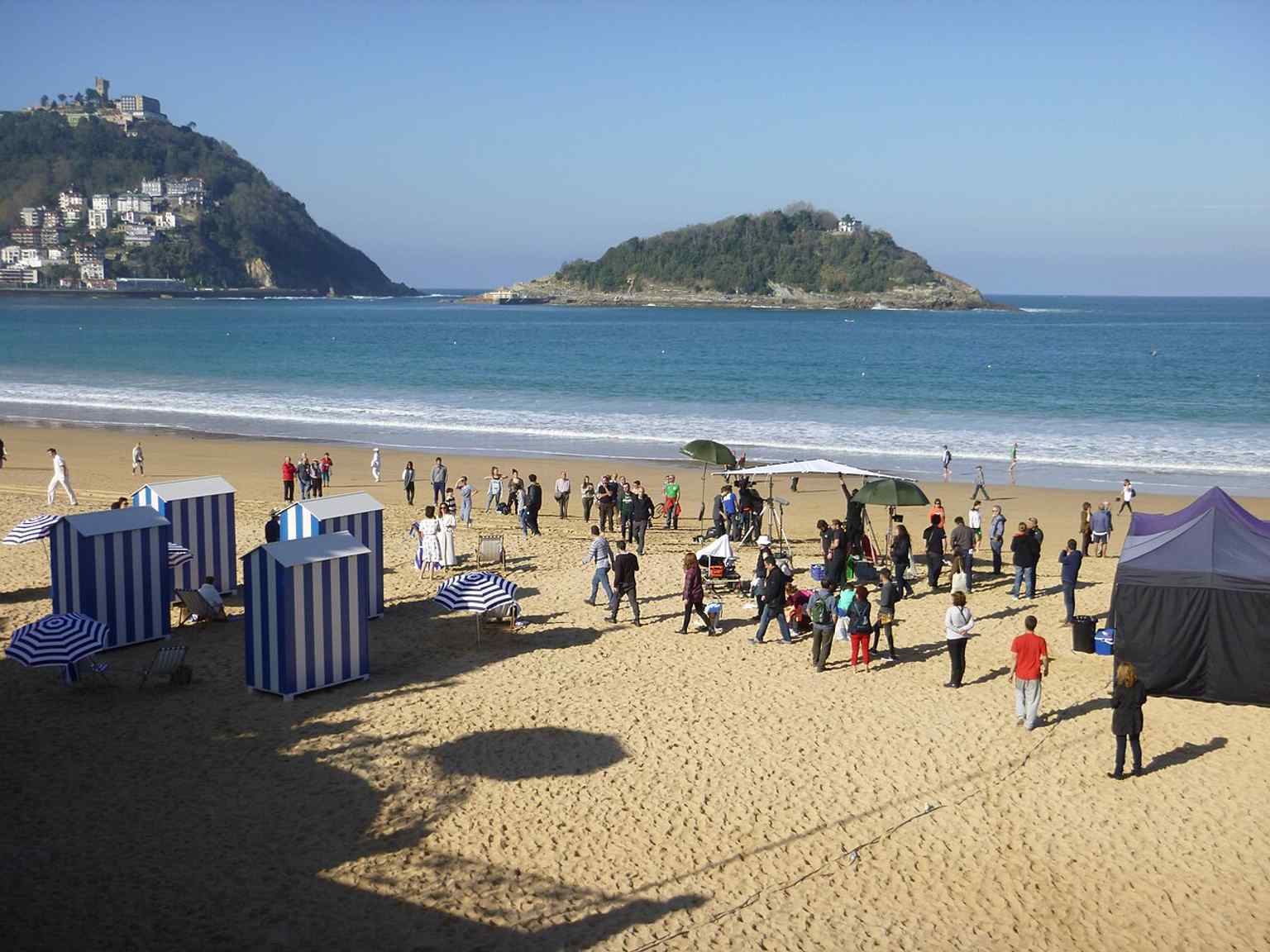
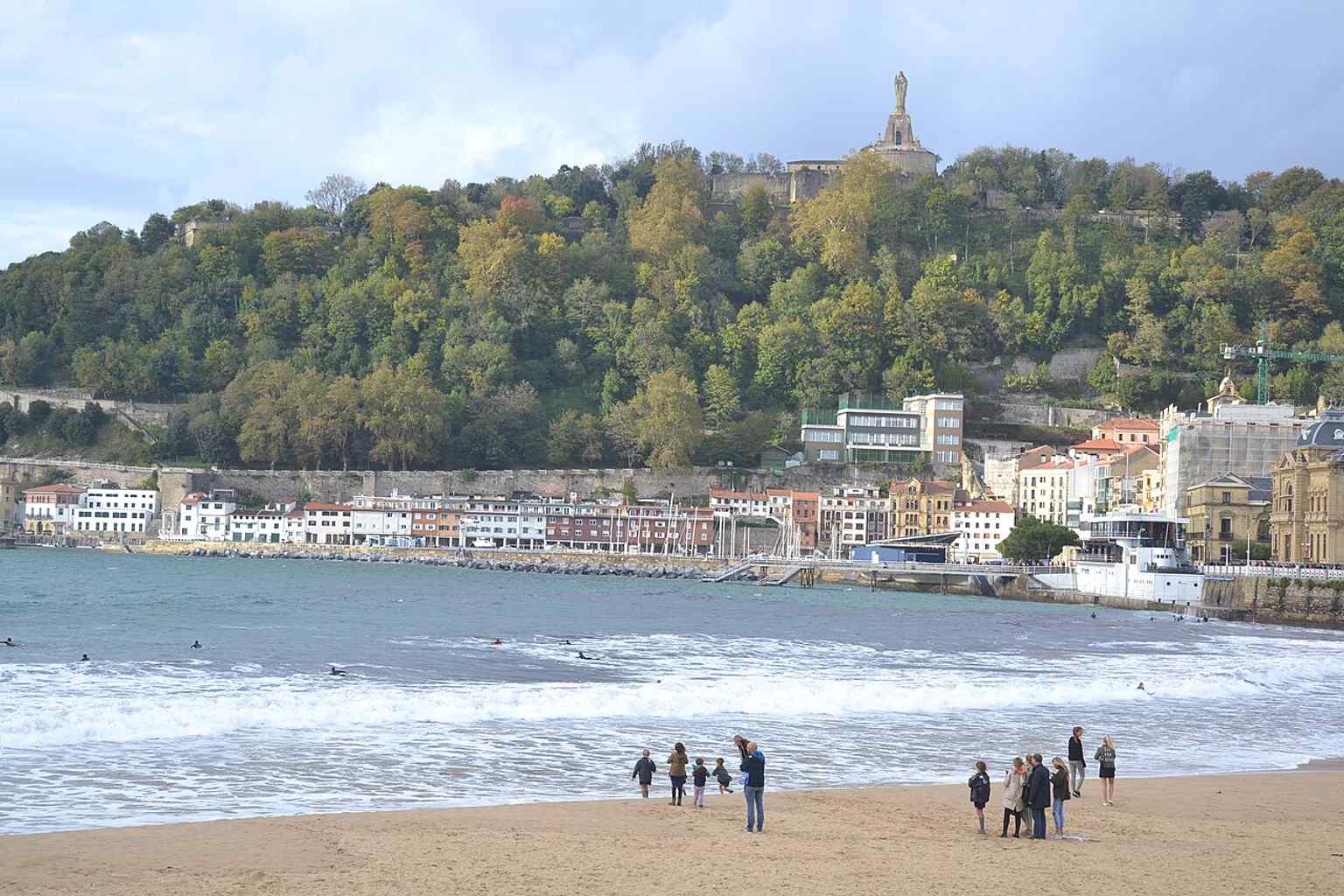
Look to your right for the wide crescent of pale sand, bordered by a stone promenade and the white iron La Concha railing that runs along the bay like a handwritten flourish.
La Concha looks effortless, as if the city simply found a perfect beach and decided to admire it. In truth, San Sebastián kept shaping itself around this curve. In the nineteenth century, Queen Isabel the Second came here to bathe in the sea for her health, and that royal habit changed everything. Later, Queen María Cristina ordered Miramar Palace above the bay in eighteen ninety-three, and the shoreline became a summer stage for rank, ritual, and display.
Pause a moment and follow the sweep of the bay with your eyes, then the railing above it. You can see why people turned this place into both promenade and performance.
By eighteen seventy-nine, the water had its own annual drama: the Bandera de La Concha regattas. Traditional traineras - long rowing boats first used by fishermen - raced here with thirteen rowers and a helmsman, while the beach and promenade filled with spectators as if the whole city had taken a seat in an open-air theatre. Around nineteen ten, Juan Rafael Alday gave that theatre its signature frame with the railing you see today; if you want a closer look, there is a fine detail image in the app.
But locals know the bay has never belonged only to leisure. On the second of April, nineteen ten, the French aviation pioneer Hubert Le Blon crashed into the sea near Pico del Loro, becoming the city’s first aviation fatality. La Concha, for a moment, turned from fashionable resort into accident ground. Others followed: Elie Hanouille in nineteen fourteen, Jean Boullersin in nineteen nineteen. Even in nineteen forty-five, Léon Degrelle came down here in a German aircraft and began his long exile.
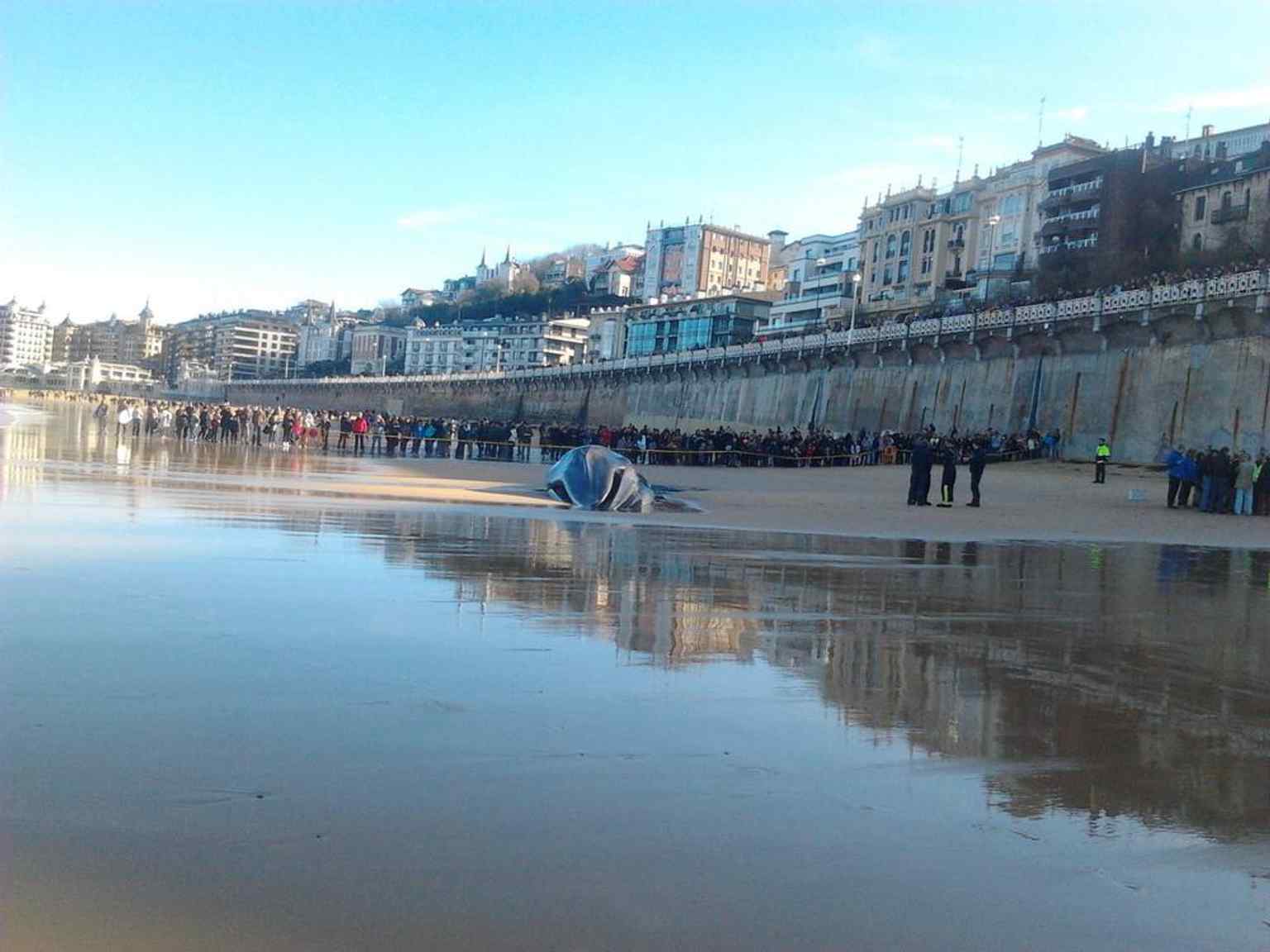
If you fancy it, glance at the before-and-after image in the app; the nineteen eighteen shoreline looks battered, not polished.
That is La Concha’s truth: beauty, applause, danger, repair. And from this exposed edge of the city, we now turn toward authority itself, at the Provincial Council of Guipúzcoa, about six minutes away.





.jpg)
.jpg)


