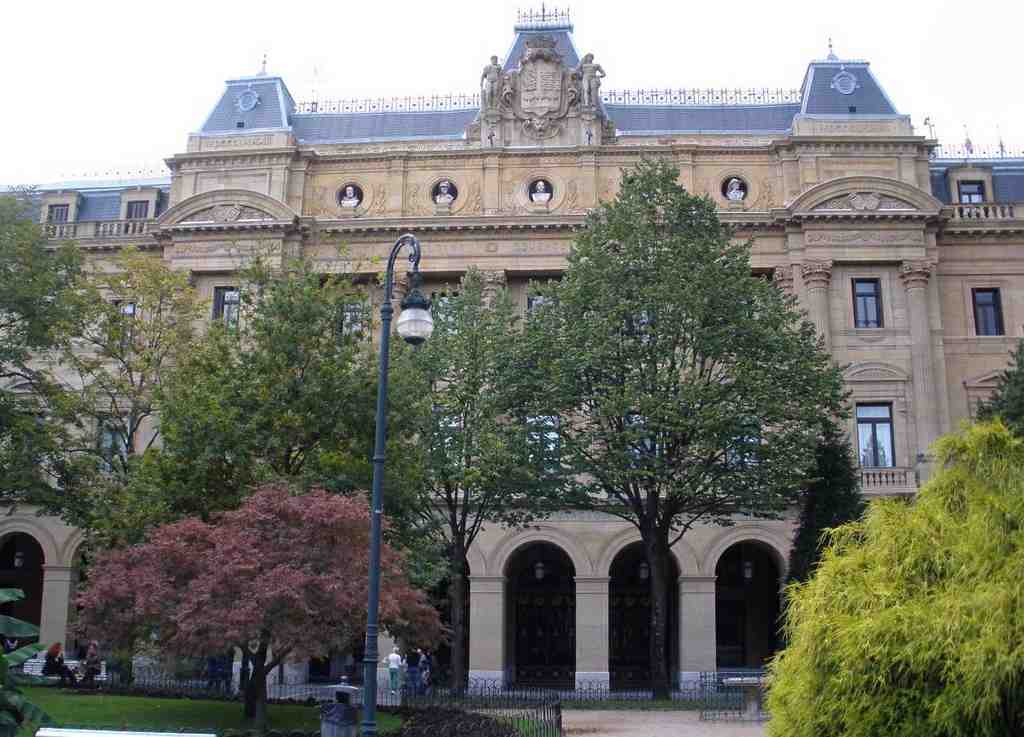
On your left stands a long pale-stone palace with a dark mansard roof and a central arched entrance crowned by the coat of arms of Gipuzkoa.
This is the Provincial Council of Gipuzkoa, the seat of the foral government. “Foral” refers to old local rights and powers, once held by the Basque territories themselves: the ability to govern certain affairs, raise taxes, and defend a measure of self-rule. In eighteen seventy-six, after those rights were abolished, the council survived, but in a diminished form, reduced to an ordinary provincial administration without fiscal or military sovereignty.
That loss matters here, because this building is not merely elegant; it is political memory in stone. José Goicoa designed it as a single grand front for three authorities at once: the Treasury in the right wing, the Civil Government in the centre, and the provincial council in the left. The council did not gain control of the whole building until nineteen fifty-eight. For decades, local and state power lived under one roof, not always comfortably.
Then came one of the building’s darkest human stories. On the fourth of October, nineteen seventy-six, Juan María de Araluce Villar, the last president before the democratic transition, left here to go home for lunch. E-T-A, the Basque separatist armed group, assassinated him nearby, along with his driver and three police escorts. His death fixed this address in the violent atmosphere of late Franco-era Gipuzkoa.
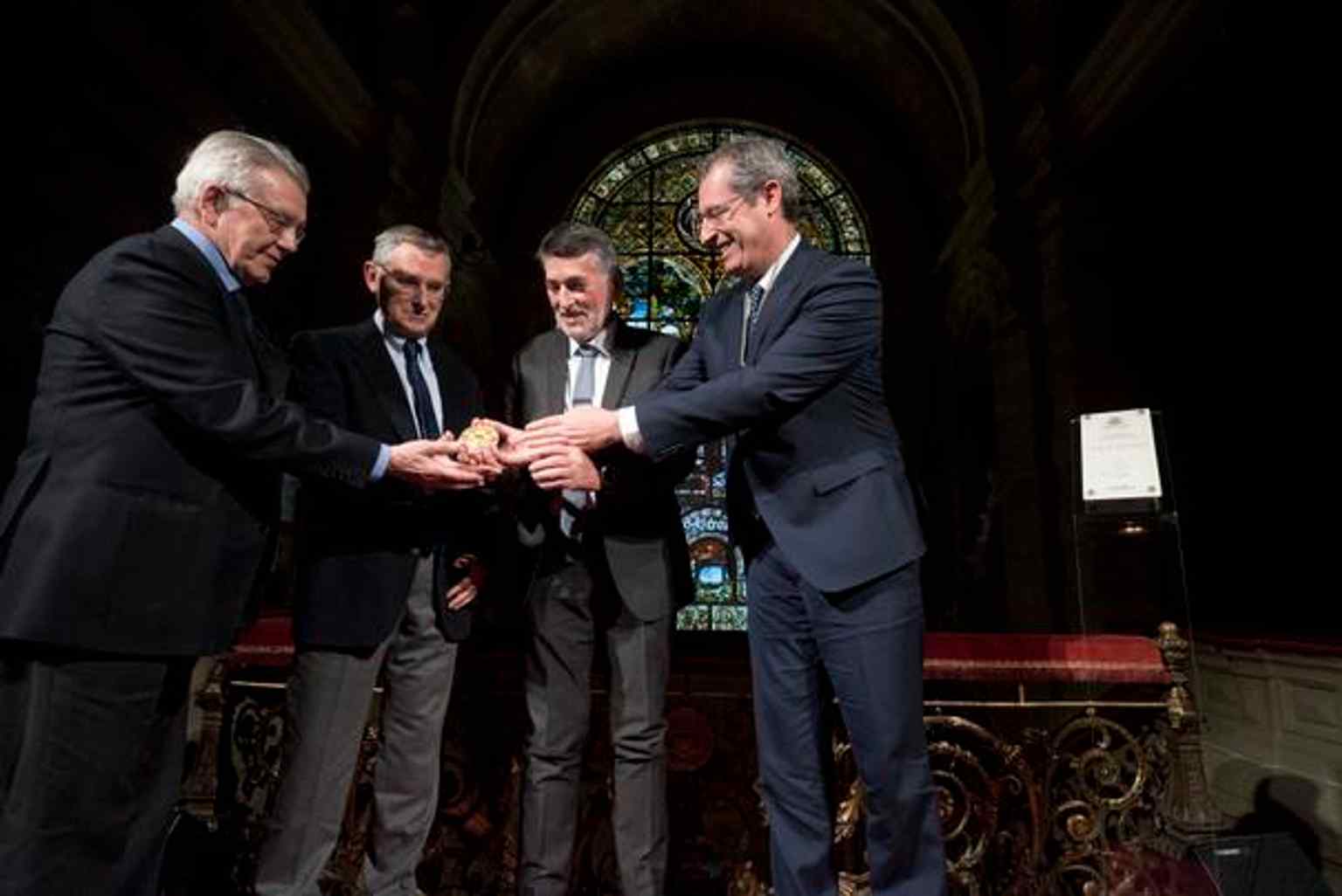
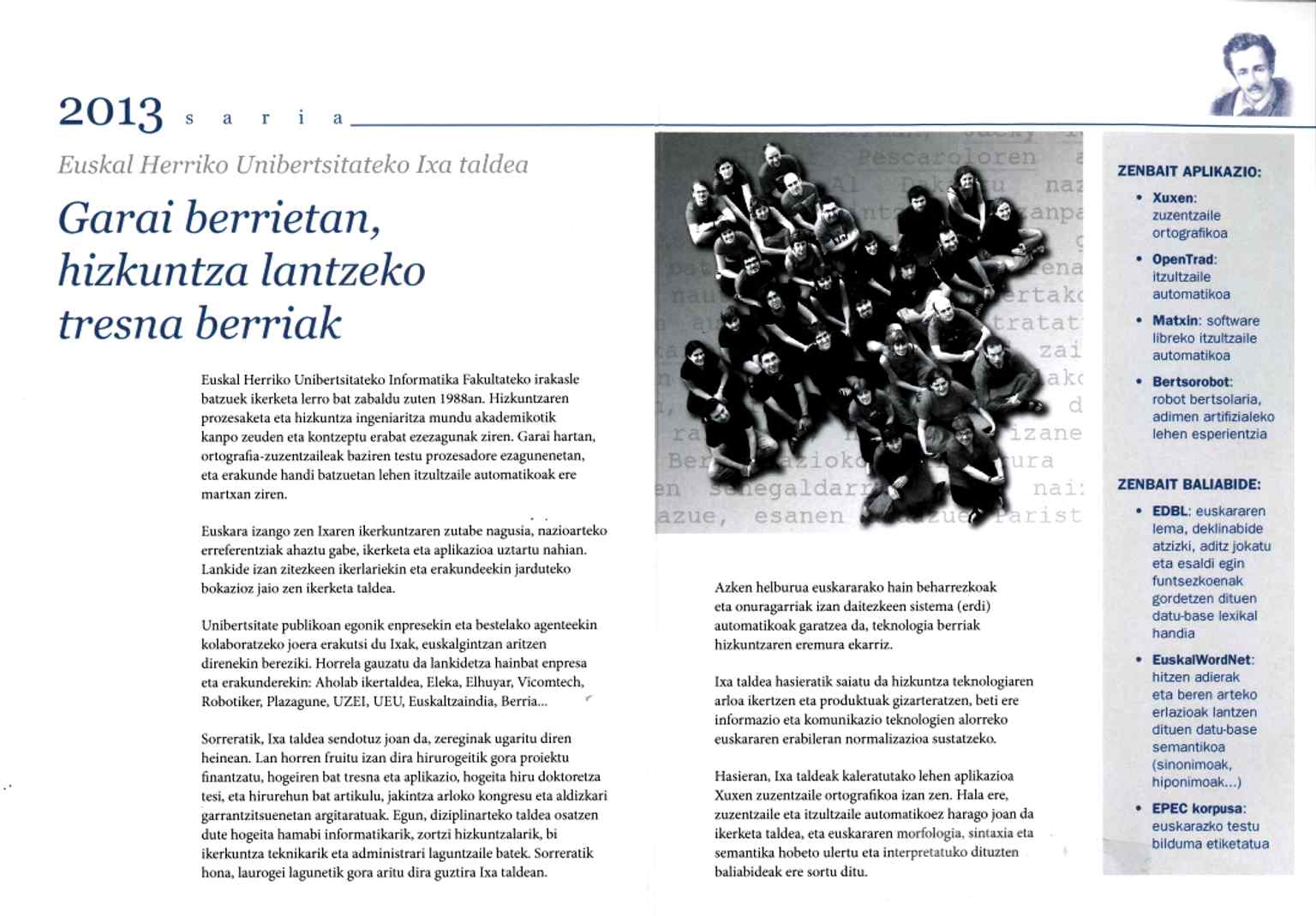
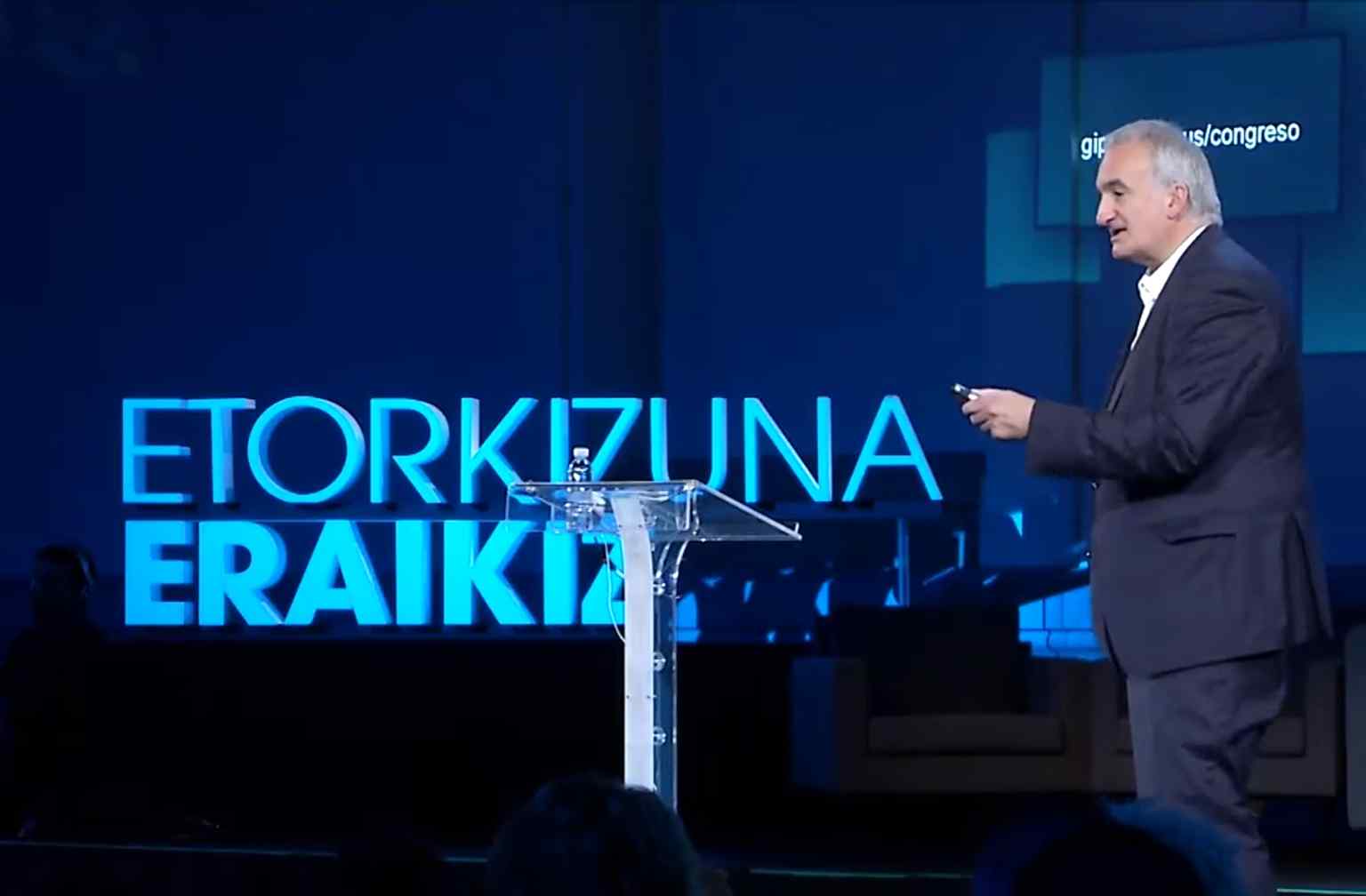
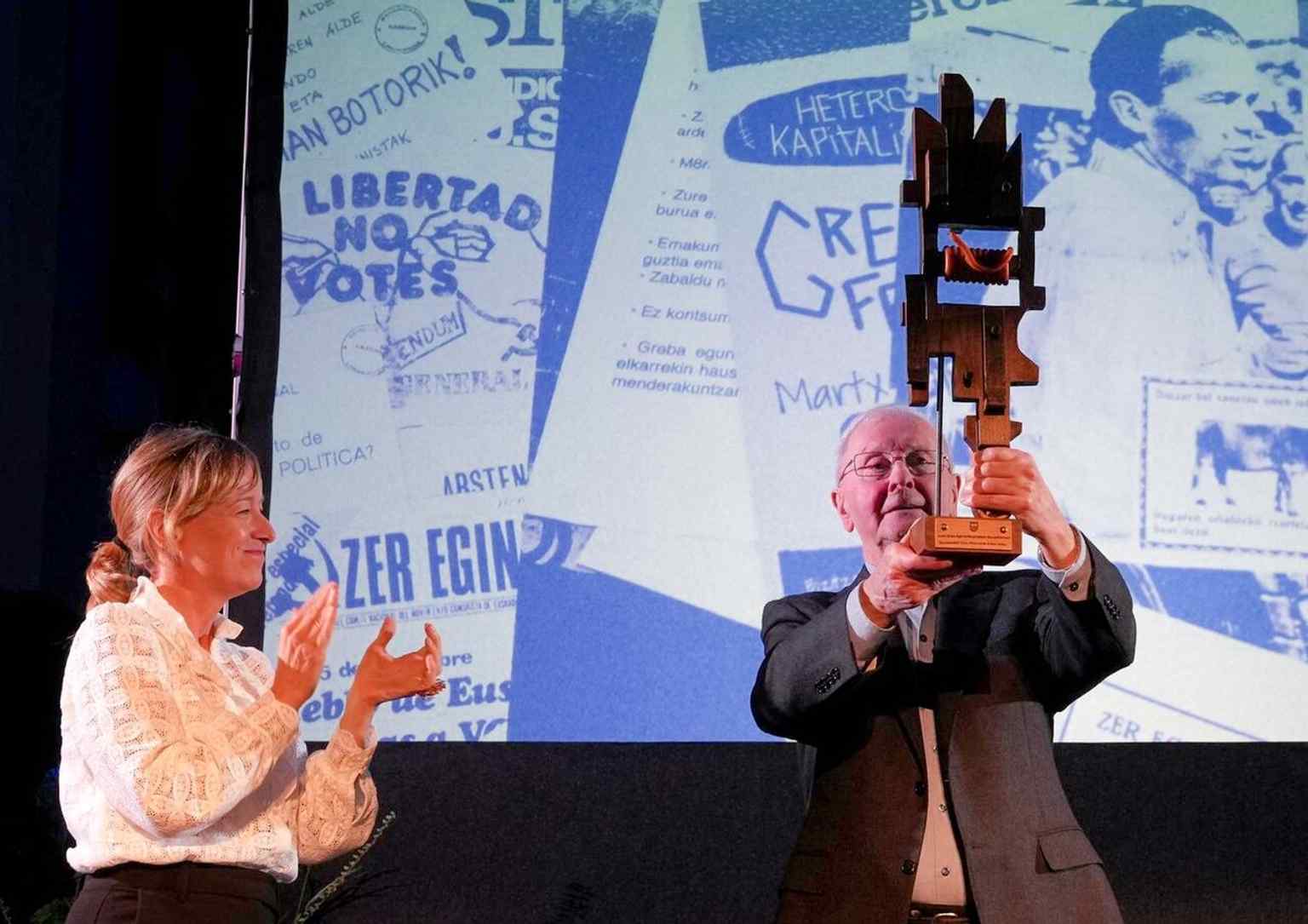
And yet the institution returned. In nineteen seventy-seven, the General Assemblies and the Foral Council were restored, and in April nineteen seventy-nine the first democratic Foral Council took shape here under Javier Aizarna, though the opening already showed political strain when six deputies from Herri Batasuna did not attend. If you glance at the images in the app, you can see how the institution now presents honours and public ceremonies rather than fear and fracture, and how it supports culture and research as part of modern self-government.
So this façade teaches a useful lesson: handsome civic buildings may hide older struggles over who truly holds power. The Town Hall, about four minutes away, carries exactly that sort of double life.