
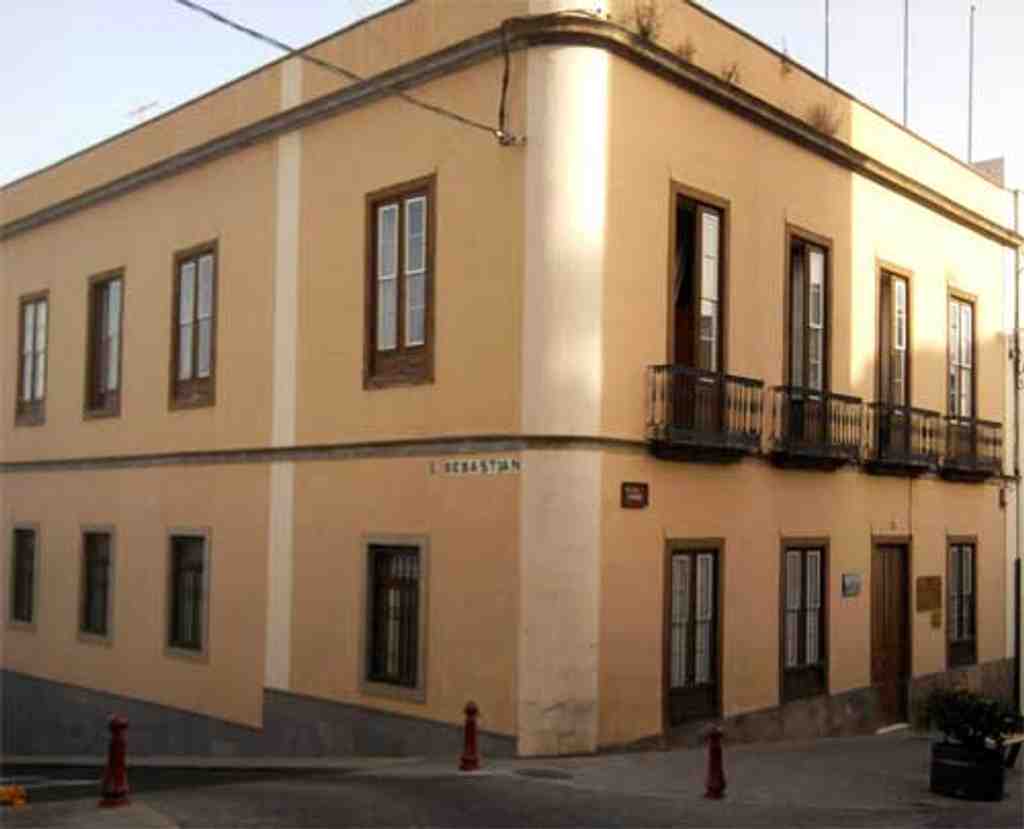
To spot the Canaria Orotava Foundation for the History of Science, look for a stately, two-story, cream-colored building with tall windows and a small iron balcony, set right at the corner where two narrow streets meet-almost like it’s keeping watch over the neighborhood.
Now, let’s pull you back in time-imagine the year is 1999, just before the dawn of the new millennium. The streets here buzz with excitement and curiosity as a group of professors, brimming with enthusiasm and coffee, decide that history and science are simply too fascinating to be left gathering dust in musty old books. So, in the heart of La Orotava, they unite and create this very foundation. Here, the air always seems tinged with the soft hum of scholarly debate, bouncing around these sunlit rooms.
But before this chapter began, roll the tape back to 1990. Here you’d find the curious birthplace of the story-a humble seminar called the Orotava Science History Seminar. Founded by teachers from local high schools-IES Villaba Hervás, IES Rafael Arozarena-and professors from the University of La Laguna, this was no boring book club. These folks were on a mission to unravel how science changed the world, particularly from a Canary Islands perspective. The debates sometimes lasted so long the janitors probably saw more scientific breakthroughs than the students!
With passion and growing momentum, the little seminar needed a bigger stage. That’s when the foundation was officially born, gaining important champions: the local government, university hotshots, and even the mayor-all of them now part of the foundation’s patronage. As you stand outside today, imagine meetings filled with laughter, debate, and a shared sense of purpose echoing inside these walls.
But what actually happens inside? Well, the foundation is like the Indy 500 of history and science events. It runs digital projects, like the Humboldt and Agustín de Betancourt projects, which bring dusty old scientific documents into the digital age, helping future historians avoid sneezing fits over ancient paper. It also hosts research groups, diving into everything from famous Spanish scientists to the often-unheard stories of women in science, or how genius minds like Einstein found their way into local classrooms. No two days here are ever the same-one day it’s packed with international experts arguing whether Newton would’ve preferred the beach or the blackboard, the next there could be a congress on the curious connections between New Spain and the Canaries.
Even if you’re not a scientist, you’re welcome, too. There’s a conference room for riveting talks and a treasure trove of a library-over five thousand books! If only those shelves could talk, right? The Foundation’s efforts even spill onto its website, crammed full of free articles and education materials for everyone from kids to curious grown-ups.
You might be wondering: is this just a local gig? Not at all! The list of collaborators reads like the guest list from a science-nerd’s dream party, with institutions from Mexico to Russia bringing their expertise.
In the end, whether you’re a wandering student, a passionate teacher, or just happened to take a wrong turn while looking for ice cream, this building stands as a powerhouse of curiosity, discovery, and the sheer joy of learning-and who knows, maybe you’ll catch the buzz that’s kept this place busy for decades!




