
Guadix Audio Tour: Wandering Through the Historical Heart of Guadix
A city of caves, catacombs, and sun-baked brick, Guadix hides centuries of lost secrets just beneath the surface. Walk at your own pace through winding streets with this self-guided audio tour and unlock the untold stories behind every shadowy archway and silent ruin that most travelers never notice. What ancient plot nearly toppled the Church of San Miguel before a single sermon could be heard? Why did roaring crowds at the Roman Theatre fall mysteriously silent overnight? And whose forgotten recipe might still lie buried among the faded archives of La Magdalena? Trace your steps through rebellion, faith, disaster, and triumph as you breathe in incense-soaked air and feel old stones vibrate underfoot. Every corner turns rumor into revelation as Guadix’s most intriguing legends come to life. Curiosity awaits—set off now and discover what Guadix has hidden in plain sight.
Tour preview
About this tour
- scheduleDuration 40–60 minsGo at your own pace
- straighten1.9 km walking routeFollow the guided path
- location_on
- wifi_offWorks offlineDownload once, use anywhere
- all_inclusiveLifetime accessReplay anytime, forever
- location_onStarts at Church of La Magdalena
Stops on this tour
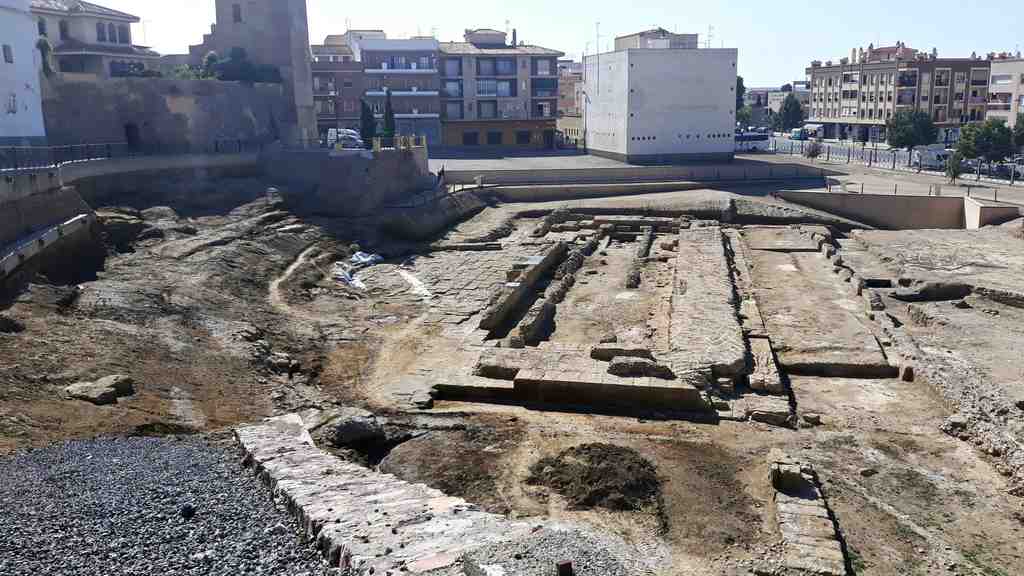
To spot the Roman Theatre of Guadix, look down into the large, open archaeological site right in front of you, where you’ll see rectangular stone foundations and the ancient…Read moreShow less
To spot the Roman Theatre of Guadix, look down into the large, open archaeological site right in front of you, where you’ll see rectangular stone foundations and the ancient outlines standing exposed in the earth surrounded by modern buildings. Alright, step right up-imagine yourself almost two thousand years ago, around the year 25 AD, where you’re now standing in the buzzing center of Roman Guadix! The Colonia Iulia Gemella Acci was a lively city with people rushing to its grand new theatre, built right where you see these exposed stones. Close your eyes-or maybe just squint a little-and picture crowds streaming through the entrance, chattering in Latin and Greek, their sandals shuffling over those very same stones. This theatre wasn’t just any old stage. For nearly two centuries, it was the place for comedies, tragedies, and, of course, a dash of ancient Roman gossip. Imagine the bright costumes, the clapping, the shouts of approval, and maybe a few rotten figs thrown at actors who forgot their lines! But then, mysteriously, the laughter faded away, and the stones sat silent as time marched on. People started reusing parts of the theatre-some stones turned into walls, others into the foundations of new homes. It’s like a Hollywood set after filming is over, only everyone left and no one cleaned up. For centuries, this place was lost to memory, hidden right beneath the feet of busy modern life. Then, in 2007, during some routine underground works, a worker’s shovel clanked against something solid, and-surprise!-the ancient theatre emerged from the darkness. Archaeologists were like kids unlocking a forgotten level in an ancient video game, uncovering the orchestra floor, the stage’s thick walls, and finding hints of even more secrets buried under the surface. So, as you stand here, you’re not just looking at old rocks-you’re peeking into a forgotten world of applause, drama, and maybe an ancient snack break. Who knows what more the earth is hiding right beneath your feet?
Open dedicated page →
Show 9 more stopsShow fewer stopsexpand_moreexpand_less
 4
4Guadix city wall
Buy tour to unlock all 16 tracksTo spot the Guadix city wall, look straight ahead for rows of ancient stone and earth rising from the ground, with a tall, square fortress tower topped with crenellations standing…Read moreShow less
To spot the Guadix city wall, look straight ahead for rows of ancient stone and earth rising from the ground, with a tall, square fortress tower topped with crenellations standing guard over the landscape. Now that you’re face to face with these weathered stones, close your eyes for a moment and imagine it’s nearly a thousand years ago-around the 11th century. The air is tense, and the clatter of craftsmen echoes as they move heavy blocks, building this mighty wall under the hot Andalusian sun. The city of Guadix lies within, and the wall, originally built under Arab rule by the kingdom of the Zirids, was never just decoration. It was a protector, a warning to any would-be invaders: “Think twice before trying anything funny!” But here’s something you won’t find in just any wall story-parts of these fortress stones were repurposed from the old Roman theatre of Acci. Imagine the drama: blocks that once echoed with applause now bristling with tension as archers scan for threats. The wall wasn’t finished in one go, though; in the 12th century, it got an upgrade with the barbican-an extra defensive corridor added to almost the entire perimeter. The oldest, best-preserved section today is up high in the area known as the almazana, almost daring you to climb and catch the best view in town. You might notice gaps where the northern and eastern stretches once stood, but don’t worry, the city’s secrets haven’t escaped-remains of the Torreón de Ferro stand tall, and the ghostly outlines of old entrance gates like San Torcuato still watch over the city. Every stone and crack has held centuries of whispered plans, nervous laughs, and probably one or two clumsy guards tripping on night duty. Today, these walls are shielded as a Cultural Heritage site, and if you listen closely, maybe you’ll hear a story or two in the Andalusian breeze. Now, onward to the next adventure!
Open dedicated page → 6
6Catedral de la Encarnación de Guadix
Buy tour to unlock all 16 tracksTo spot the Guadix Cathedral, look for a towering golden sandstone façade with elaborate carvings, grand columns, and a dramatic set of steps rising just beyond the ornate black…Read moreShow less
To spot the Guadix Cathedral, look for a towering golden sandstone façade with elaborate carvings, grand columns, and a dramatic set of steps rising just beyond the ornate black iron fence-definitely hard to miss as you approach the square! Now, step right up and take a good look-because you’re standing in front of one of the most extraordinary cathedrals in all of Andalusia! The Guadix Cathedral, or Cathedral of the Incarnation, bursts out of the square with such a theatrical flair, you’d almost expect it to start singing an opera. Built over nearly two centuries, this colossal structure is really the city’s time machine. Imagine the scene around the year 1500: Guadix was freshly reclaimed by Christian forces, triumphantly celebrating the end of Islamic rule. The air is filled with the clang of hammers, chisels scraping stone, and maybe even a few arguments over the best style for a front door. But this isn’t just any cathedral. Underneath your feet lies the site of a much older church, where local legend says Saint Torquatus-one of the very first Christian missionaries to Spain-preached to crowds all the way back in the first century. Now, that’s old school! Through conflagrations, conquests, and changes in fashion, Guadix remained a diocese, passed from Visigoths to Islamic rulers, and back to Christians. For a while, the sacred site even served as a mosque, echoing with calls to prayer before Christian monks returned, dusted things off, and got to work. When construction started, everyone thought, “Let’s go Gothic-it’s all the rage!” But by the time they mixed the mortar, gothic was out and the Renaissance had sashayed into town. Diego de Siloé, a master architect, was called in to blend the best new styles. He created a wonder of curves and columns, played with classical lines, and filled the spaces with dazzling detail-making the place so ornate you half expect cherubs to leap off the walls. And while Siloé kicked things off, a parade of architects followed: some added towers, some swirled in Baroque touches, some ran short on money and left it half-finished (it’s tough being creative on a budget, right?). Funding woes hit in the late 1500s, causing hammers to fall silent across the site. But you can’t keep a grand idea down for long! Later bishops begged, borrowed, and convinced kings to pony up, reigniting a wave of construction that gave us the grand, layered, and utterly theatrical Baroque façade you see now. Look closely at the front-those swirling curves and impressive columns weren’t just there for show. They were meant to give Guadix a sense of identity so bold, even Granada’s architects turned green with envy. Step inside the imagination for a second: candlelight flickering over marble saints, incense coiling under the soaring dome, and organ music echoing beneath Renaissance arches. Don’t miss the apse and sacristy-the stonework here is so clever you’d think Italian masters had just popped by for espresso! Now, glance up at the bell tower, built square and proud. At 30 meters tall, it offers the best views in town (if you’re game for 160 dizzying steps, that is). And up there, since 1945, there’s been a colossal statue of the Sacred Heart-his chest glowing red after dusk, slowly rotating like the world’s holiest disco ball. The mechanism had stopped for years, but as of 2022, he once again watches over Guadix, spinning his heart as night falls. So, as you stand in this sunlit plaza, feel the layers of history humming around you. If these stones could talk, they’d have centuries of secrets-though, let’s be honest, they’d probably argue over the best architectural style. Now there’s a debate even time can’t settle!
Open dedicated page →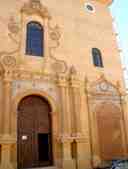 7
7Church of Santa María de las Lágrimas
Buy tour to unlock all 16 tracksTo spot the Church of Santa María de las Lágrimas, look for a grand yellowish stone facade with two massive wooden doors and swirling stone decorations around the top window,…Read moreShow less
To spot the Church of Santa María de las Lágrimas, look for a grand yellowish stone facade with two massive wooden doors and swirling stone decorations around the top window, right across from where you’re standing. Now, let’s travel back in time for a moment! Imagine it’s the late 1500s. Where you’re standing was part of a grand old mansion owned by the Saavedra family, but in 1594, it was transformed-picture the echo of monks’ sandals on stone, the peaceful hush of prayer-into the San Agustín convent. Over the centuries, this building has seen more drama than a soap opera! Not long after, the French came marching in, turning the quiet convent into a noisy barracks, leaving quite a mess behind. It didn’t end there-wars raged, and the church was passed around like a hot potato: it was exiled, sold off, used as a grocery warehouse during Spain’s Civil War, and suffered so much damage that its great central dome collapsed. But like a true Spanish hero, it rose again after 1949 thanks to the bishop’s efforts. The inside was transformed, with a single main nave and bright arches letting the sunlight pour in. By the end of the 20th century, the city took over the convent, and the church found a new life with the devoted Hermandad of Our Lady of the Tears. If these walls could talk, they’d probably ask for a vacation! Take a breath and imagine centuries of footsteps, and the thousands of hopes and worries carried here-what a story.
Open dedicated page →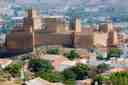 8
8Alcazaba of Guadix
Buy tour to unlock all 16 tracksTo spot the Alcazaba of Guadix, look straight ahead for a huge reddish-brown fortress with tall square towers and thick ramparts rising proudly above the rooftops of the…Read moreShow less
To spot the Alcazaba of Guadix, look straight ahead for a huge reddish-brown fortress with tall square towers and thick ramparts rising proudly above the rooftops of the town. Picture yourself standing in front of these ancient walls, where, over a thousand years ago, guards kept a sharp lookout from those very towers. The Alcazaba of Guadix was built back in the 10th and 11th centuries, at a time when rival kingdoms battled for power in southern Spain. If you listen closely, you might just imagine the steady thud of boots on the ramparts above you. This mighty structure was first started by the Zirid dynasty to keep Christian invaders at bay, and over the years, the fortress was expanded and toughened by the Nasrids. Back then, life here was anything but boring-if you smell the spicy tang of old gunpowder in the air, that’s the memory of all the sieges and skirmishes that happened right here. The reddish color of the walls comes from "tapial," the compacted earth technique used by its Muslim builders-imagine the sun baking those walls until they glowed in the evening light. With its tall, square keep tower and chunky battlements up top, the Alcazaba was both a home for important people and an unbreakable shield for the city. But when the Catholic Monarchs captured Guadix in 1489, the fortress slowly lost its purpose, and by the 16th century, much of its interior was damaged and abandoned. In Napoleon’s time, French troops made their own noisy changes to the old stronghold -it seems no conqueror could resist leaving their mark! If the towers could talk, they’d tell stories of epic battles, spies slipping through shadows, and everyday folks taking comfort behind these mighty walls. Today, you’re walking in the footsteps of countless adventurers and guardians, standing where legends were made. And hey, don’t worry-these days, the only invaders you’ll face are curious tourists with comfy shoes!
Open dedicated page →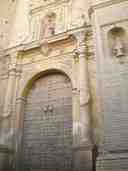 9
9Church of the Conception
Buy tour to unlock all 16 tracksTo spot the Church of the Conception, look for a grand, sun-worn doorway flanked by two columns with a pair of statues above, guarding the entrance like stone sentinels from the…Read moreShow less
To spot the Church of the Conception, look for a grand, sun-worn doorway flanked by two columns with a pair of statues above, guarding the entrance like stone sentinels from the past. Imagine yourself in Guadix in the year 1655, the air thick with the scent of freshly cut stone and the busy sounds of builders as the church began its life, serving a quiet convent nearby. The Church of the Conception was a place where nuns would murmur prayers beneath a soaring barrel-vaulted ceiling, their voices echoing up to a sky painted by soft rays slipping through small windows called “lunettes.” But this peaceful scene didn’t last forever-trouble has a way of making things interesting, doesn’t it? In 1677, and again in 1948, hungry flames swept through the church, forcing its caretakers to rebuild, reshape, and-just maybe-whisper a few extra prayers for good luck. Standing here now, you can feel the endurance of this building. Its thick stone walls still wear the scars of fire, but they hold up those beautiful portals and domes with a kind of determined pride. Look at those doorways-ornate, welcoming, and a little mysterious-each one a gateway to centuries of secrets, whispers, and hope. So next time you burn your toast, just remember: even churches get a second chance to shine!
Open dedicated page →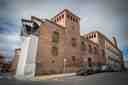 10
10Peñaflor Palace
Buy tour to unlock all 16 tracksTo spot the Peñaflor Palace, just look for the grand, sandy-colored brick building with a sturdy, boxy tower and an elegant white-walled balcony facing the street, right as you…Read moreShow less
To spot the Peñaflor Palace, just look for the grand, sandy-colored brick building with a sturdy, boxy tower and an elegant white-walled balcony facing the street, right as you round the corner from the Plaza de Santiago. Welcome to the intriguing Peñaflor Palace! Imagine yourself stepping back to the 1500s, when this impressive building first popped up in Guadix, commissioned by the mighty Pérez de Barradas family-real marquises who probably liked their palaces sturdy and their ceilings fancy. Their new home pressed up right against the ancient city wall, almost as if demanding extra protection from history itself. You might hear the echo of horse hooves on cobbles as noble carriages once clattered in and out. Back then, the palace looked a bit different-a renaissance work in progress, made even grander in the 1700s, as later generations of Barradas added their own touches and made room for new legends. Picture standing in front of the thick brick walls, flanked by two solid square towers that stand like sentinels. The outside is elegantly simple, but step inside (in your imagination, at least!) and you'd gaze up at ornate wooden Mudéjar ceilings, carved to impress visiting dignitaries-and maybe make them a little jealous. Here, family secrets rustled through echoing halls, and guests nervously waited under the shadow of those towers-would they get a feast or a gentle reminder about overdue taxes? Over the centuries, winds of history banged against the windows as generations passed and fashions changed, but the palace stood firm, watching old Guadix from its eastern wall. Now, the palace belongs to everyone-recently given to the city so it can be transformed into a museum. One day soon, these rooms may whisper even more stories to new visitors. For now, take in its calm strength, and imagine all the drama that unfolded behind those thick wooden doors. If only walls could talk… although with all that nobility running around, maybe it’s better they stay quiet!
Open dedicated page →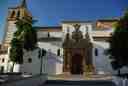 11
11Iglesia de Santiago
Buy tour to unlock all 16 tracksTo spot the Church of Santiago, just look for the tall, pointed brick bell tower and the white-walled building with an incredibly ornate, golden-stone entrance standing proudly in…Read moreShow less
To spot the Church of Santiago, just look for the tall, pointed brick bell tower and the white-walled building with an incredibly ornate, golden-stone entrance standing proudly in front of you. Now, let’s step back in time together! Imagine the year is 1533: the streets are alive with the sound of hammers and saws, as master builder Diego de Siloé sketches his grand plans, surrounded by a cloud of dust and a crowd of curious onlookers. He’s working at the command of Francisco de Centeno, and his vision? To create something that would stand tall for centuries. The Church of Santiago may not shout from the rooftops, but its three naves, separated by round pillars without capitals and half-columns stuck to the walls, carry whispers of a genius at work. And while we all want to make a grand entrance, just look at this one-it was designed by Rodrigo de Gibata, probably after three strong coffees and a good dose of ambition! This doorway doesn’t just say “come inside”-it nearly dares you. Perhaps it’s a little challenge: will you enter a world where history and worship blend? Imagine the echo of footsteps over stone, sunlight streaming through, painting gold on whitewashed walls. It’s a place for both quiet wonder and a few goosebumps. And if you listen closely, maybe-just maybe-you’ll hear Diego chuckling, proud that his church still grips imaginations after almost 500 years.
Open dedicated page →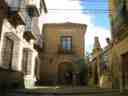 12
12House of the Arias of Medina
Buy tour to unlock all 16 tracksTo spot the House of the Arias of Medina, look straight ahead for a large, elegant brick building with a sturdy wooden door, a central balcony with ironwork, and a simple yet…Read moreShow less
To spot the House of the Arias of Medina, look straight ahead for a large, elegant brick building with a sturdy wooden door, a central balcony with ironwork, and a simple yet noble appearance that stands out on the cobbled street. Now, take a moment to imagine yourself in another time, right here in front of this grand house. The year is somewhere in the 1500s-the shuffle of boots and the soft whisper of cloaks swish past you. This mansion was home to the powerful Arias de Medina family, the big shots in charge of making decisions for Guadix. The house may seem quiet now, but back then, it buzzed with secrets: a place where deals were struck in shadowy corners and guests entered through those big wooden doors, hearts pounding with curiosity (or maybe fear)! Of course, the inside is just as impressive. Imagine wandering through rooms arranged around a sunlit courtyard with four tall stone columns and, just off to one side, a deep well capped with stone. People hundreds of years ago would have gathered around, maybe making plans, maybe gossiping-always within the echo of old laughter. In recent years, a new splash of color came when artist Julio Visconti Merino lived here, filling the silence with the scratch and splatter of his paintbrushes. If these walls could talk, they’d have quite the gallery of stories-and maybe a few family squabbles to share!
Open dedicated page →
Frequently asked questions
How do I start the tour?
After purchase, download the AudaTours app and enter your redemption code. The tour will be ready to start immediately - just tap play and follow the GPS-guided route.
Do I need internet during the tour?
No! Download the tour before you start and enjoy it fully offline. Only the chat feature requires internet. We recommend downloading on WiFi to save mobile data.
Is this a guided group tour?
No - this is a self-guided audio tour. You explore independently at your own pace, with audio narration playing through your phone. No tour guide, no group, no schedule.
How long does the tour take?
Most tours take 60–90 minutes to complete, but you control the pace entirely. Pause, skip stops, or take breaks whenever you want.
What if I can't finish the tour today?
No problem! Tours have lifetime access. Pause and resume whenever you like - tomorrow, next week, or next year. Your progress is saved.
What languages are available?
All tours are available in 50+ languages. Select your preferred language when redeeming your code. Note: language cannot be changed after tour generation.
Where do I access the tour after purchase?
Download the free AudaTours app from the App Store or Google Play. Enter your redemption code (sent via email) and the tour will appear in your library, ready to download and start.
If you don't enjoy the tour, we'll refund your purchase. Contact us at [email protected]
Checkout securely with 


