
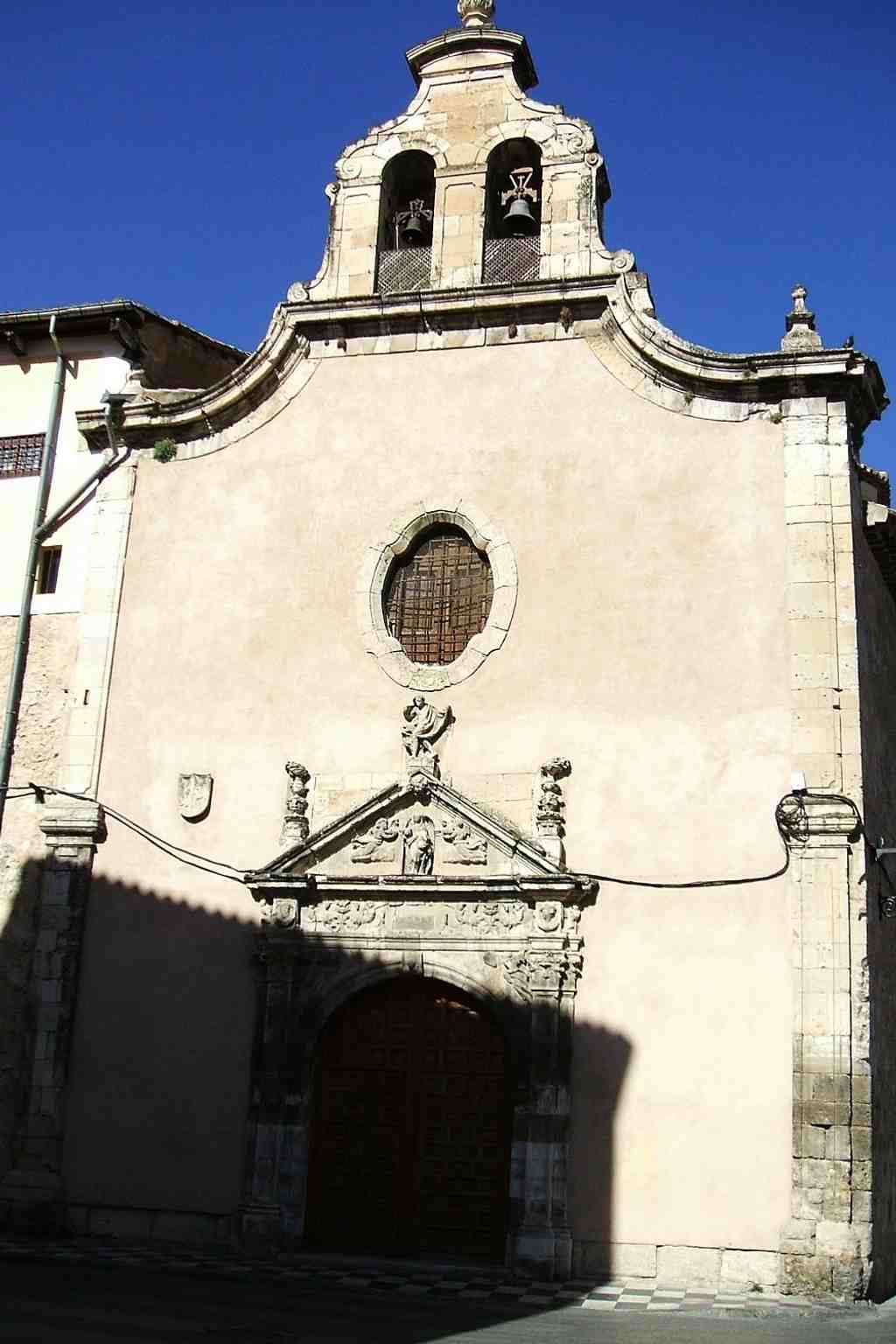
To spot the Monasterio de la Concepción Franciscana, stand facing the pale, almost fortress-like façade with few windows, a round stone-framed opening above a simple arched doorway, and a bell-gable topping the roof.
Now that you’re here, take a moment to look up at the quiet, sun-warmed walls-can you imagine the bells ringing above your head on a crisp morning? This monastery has watched over Cuenca since 1504, back when it was founded by Alvar Pérez de Montemayor-a canon with big dreams and an even bigger heart for legacy. Don’t let the plainness of the exterior fool you. Like a good mystery novel, what’s plain on the cover hides countless stories and secrets within.
Montemayor didn’t just establish a home for the nuns of the Order of the Immaculate Conception-he went all out and declared that the grand chapel inside would be the final resting place for him and his family. Picture a cool, candlelit interior, the air thick with quiet prayer, and in the center, a brilliant alabaster tomb crafted by Diego de Flandes in 1512. The founder’s statue lay there, ever so regal, flanked by a loyal page, with lions crouched beneath-like a medieval security system, only hairier!
If you look along the worn stone, you’ll notice odd, scattered tiny windows and small carved shields. These details, for all their randomness, each reflect the needs and memories of the nuns inside. The entrance itself is a slice of local history-a simple semicircular arch leading to spaces once bustling with daily routines: hushed footsteps, whispered conversations, and, probably, a lot of bread baking and whispered gossip behind hands.
Step closer to the doorway and you’ll find the grand, yet delightfully quirky, Plateresque entrance from the 16th century. Imagine its creator, Pedro de Alviz, hurrying to finish his carvings as curious townsfolk peered over his shoulder. Medallions, chubby little angels-each holding shields-flaunt the founder’s legacy, while in the triangular top, the Virgin calmly stands, flanked by fruit-offering angels. For a final (and slightly spooky) touch, look up-a lone stone figure sits with a skull as company, perhaps musing on the fleeting nature of time, or, just maybe, keeping the monks from midnight snack raids.
By the 18th century, changes swept in under the direction of José Martín, who rebuilt with a flair for drama. Picture soaring domes and a central space soaked in bright, Rococo light. Even the choir sits above the entrance, giving the place a sense of unity, as if the monks above and the people below sang together. Light spills through, and cherubs carved between the columns grin down, as if daring anyone to take things too seriously.
Today, while the monastery is still a place of quiet reflection-accessible to the nuns alone-the church doors are open to those who wander in. It’s a living puzzle: part medieval fortress, part Baroque fantasy, and always-a story waiting for its next chapter. So as you rest here, take a breath and listen. The stones around you have seen centuries of secrets, celebrations, and perhaps, the odd wayward monk sneaking out for a walk.




