The station is a broad stone-and-brick facade with a symmetrical, almost U-shaped front, a tall central entrance, and a monumental classical face that hides the great curved train shed behind it.
Welcome to Bilbao’s front door... and like most front doors in this city, it has been rebuilt, argued over, and made to do more jobs than anyone first planned.
Rail reached this spot in eighteen sixty-three, when Abando was still a separate municipality and the first station opened here to connect Biscay with the Spanish interior. That original building came from the engineer Charles Blacker Vignoles and leaned in an English direction. What you see now arrived in nineteen forty-eight, when the architect Alfonso Fungairiño gave Bilbao a new terminal on the same ground: bigger, sterner, and meant to look permanent. The style is classical with a hard official edge, built in reinforced concrete dressed up with granite, limestone, and brick, like a workhorse wearing its Sunday jacket.
This is a good place to begin with urban reinvention. Bilbao has a habit of remaking itself by remaking its thresholds, and this station sits right at the front of that process. First it welcomed industrial arrivals, then commuter Bilbao, then a city recovering from disaster, and now it stands on the brink of another transformation, with plans to bury the tracks and fold high-speed rail into a new piece of the city above.
One man’s shadow still hangs over the name: Indalecio Prieto, the Bilbao-born public works minister. In nineteen thirty-three, he backed the idea of a new station here that would help organize Abando as part of the city, not just dump passengers into it. He wanted a connector. Ironically, the finished building turned out more closed than he hoped, more barrier than bridge. Bilbao, being Bilbao, kept working on that problem anyway.
Take a moment and study how the facade meets the streets around Plaza Circular. Even from where you’re standing, you can sense the pull in several directions at once: into the hall, along Gran Vía, toward Hurtado de Amézaga, and down into the transport network. A city shows its character pretty quickly in the way it moves people.
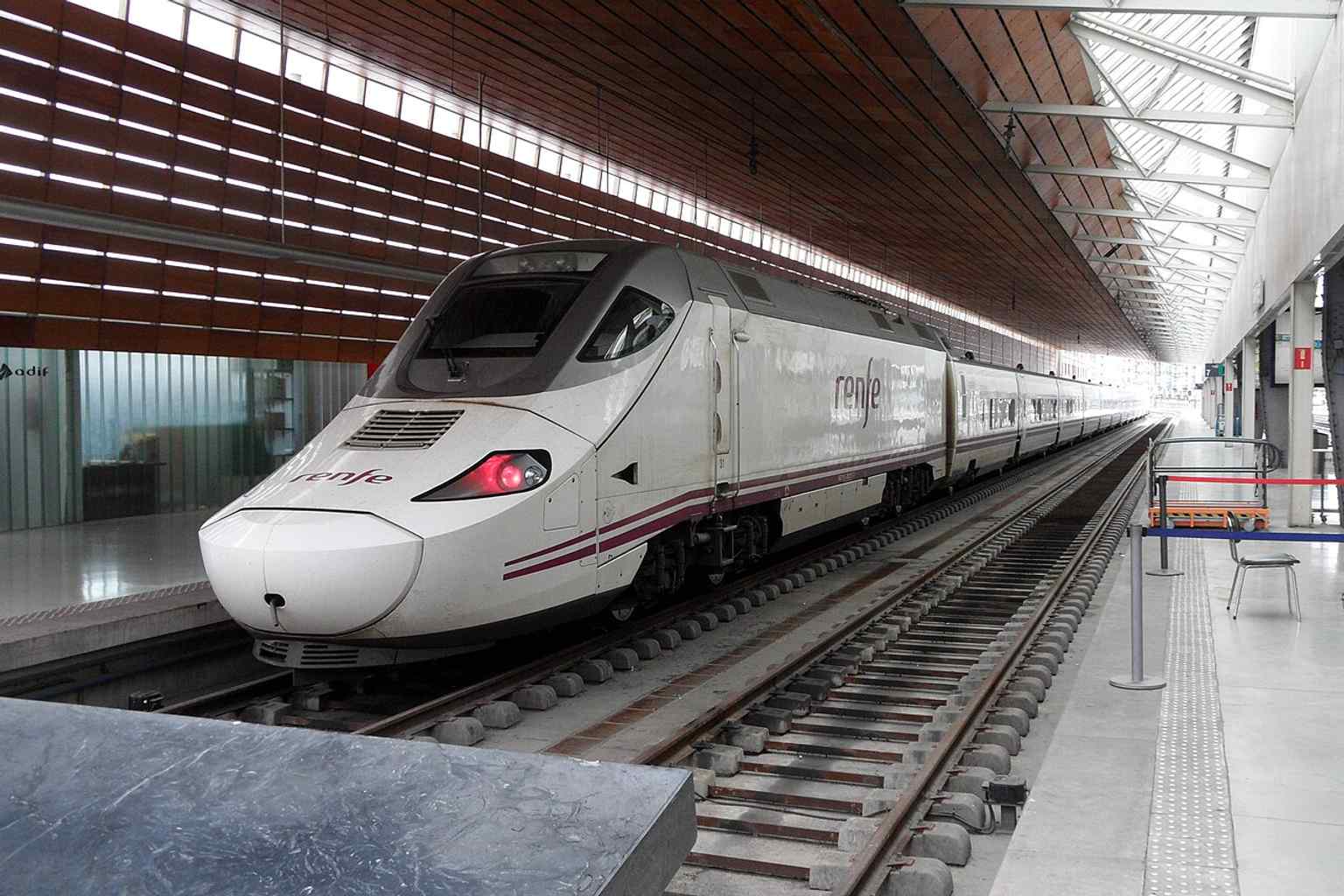
That brings us to gateways and circulation. Abando is not just a station; it’s an interchange folded into architecture. Long-distance trains leave from here for Madrid and Barcelona, three commuter lines begin or end here, the tram stops nearby, buses cluster around the surrounding streets, and the neighboring Concordia station adds more regional links. The elegant local trick is easy to miss: from inside the main hall, the transfer to Metro Bilbao’s line one and line two slips underground as part of the building itself, so changing from train to metro feels less like crossing systems and more like continuing through one big machine.
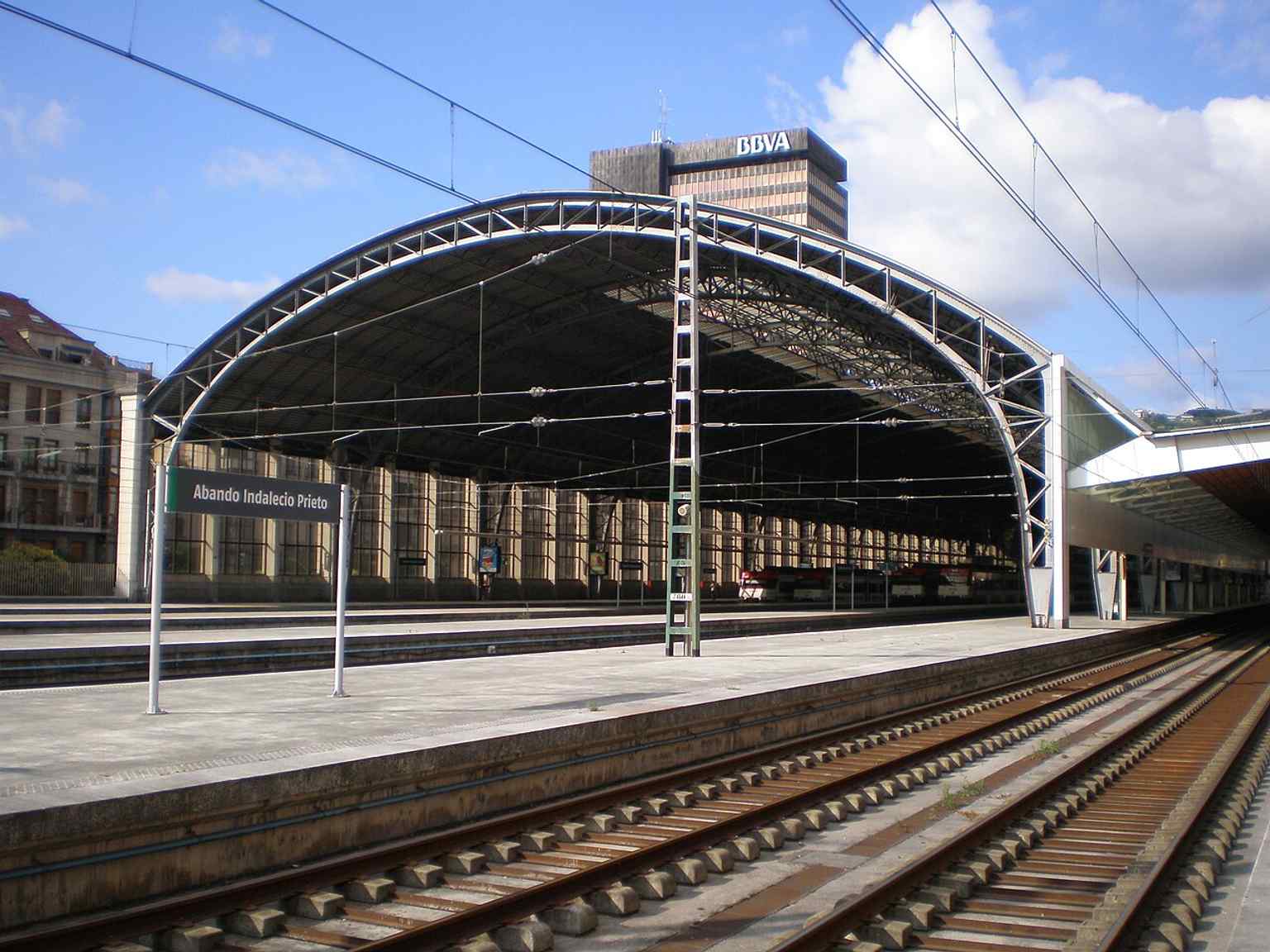
If you glance at the platform image in the app, you’ll catch that long-distance side of Abando in action. Behind this formal front sits the great semicircular shed over the tracks, carried by twelve lattice arches. And inside, out of your sight from here, there’s one of Bilbao’s signature pieces: a huge stained-glass window, three hundred and one colored panels wide, with a clock at its center and scenes of Biscayan life around it.
This place has absorbed rough moments too. During the devastating floods of nineteen eighty-three, about five hundred people spent the night trapped in three express trains here before evacuations got them out. The reforms that followed added escalators down to the platforms and made the station easier to use, a practical answer to a hard memory.
Even the name stirred debate when officials changed Bilbao-Abando to Abando Indalecio Prieto in two thousand and six. Around here, names are never just labels; they tell you who thinks they have the right to define the city.
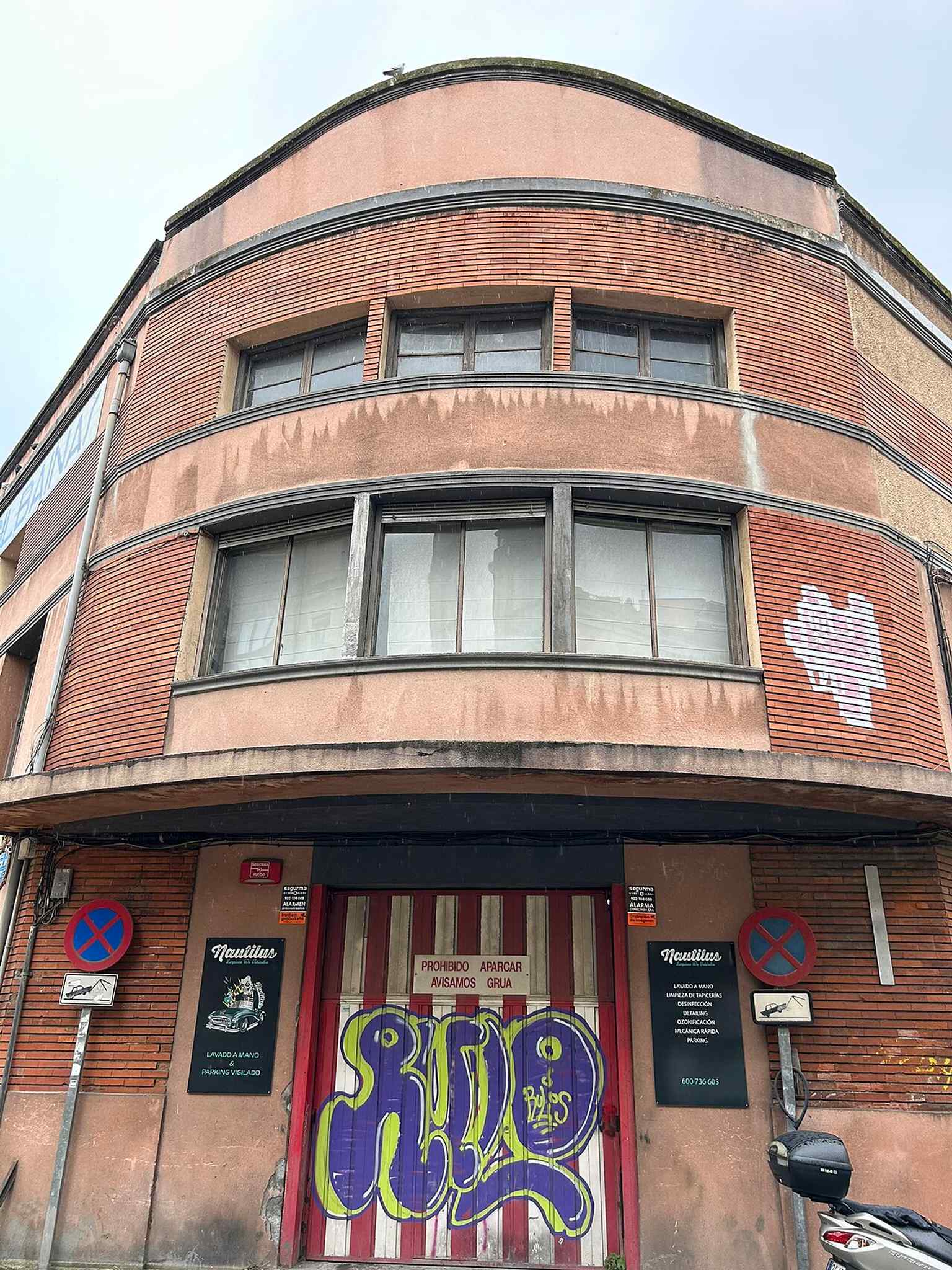
And that’s our cue. From the place where people arrive in Bilbao, we’ll head next to a place where a certain Bilbao once decided who belonged in its social world: the Building of the Bilbaina Society.