
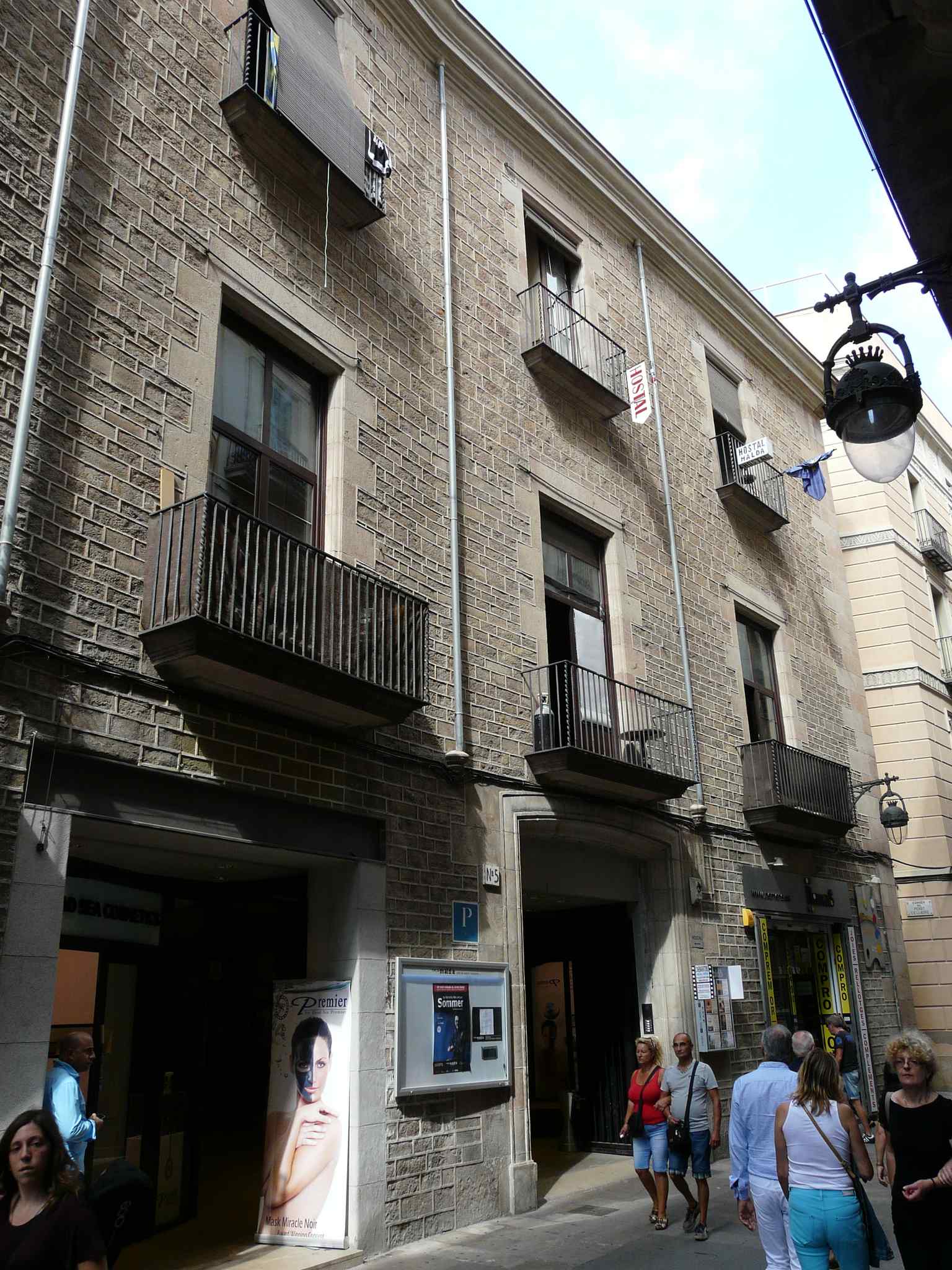
Notice the stately stone building with wrought iron balconies and a massive, molded archway at the entrance just to your left. This is Palau Maldà. Imagine the sheer opulence that once waited just on the other side. In the mid eighteenth century, this palace was widely considered to have the most sumptuous interiors in all of Barcelona, packed with marble fireplaces and ornate painted ceilings. It was the playground of Rafael de Amat, the first Baron of Maldà. The Baron was an eccentric, conservative aristocrat who kept a massive fifty volume diary called Calaix de sastre, which translates to a tailor's drawer. In it, he chronicled his absolute favorite subject... doing nothing. He was completely obsessed with the sweet idleness of aristocratic life, filling page after page with his love for rich food, fine wine, and private concerts in his grand halls. He also flatly refused to write his diary in Castilian Spanish, dismissing it bitterly as the language of the land registry and taxes. But his protected, frivolous bubble was violently popped. In 1808, the French invasion sparked the brutal War of Independence. The Baron was utterly terrified. He abandoned this beautiful palace and fled Barcelona, becoming a wandering refugee. He drifted through rural towns like Vic and Berga, scribbling desperately in his diary about his miserable exile, far away from his beloved home, until he died in 1819.
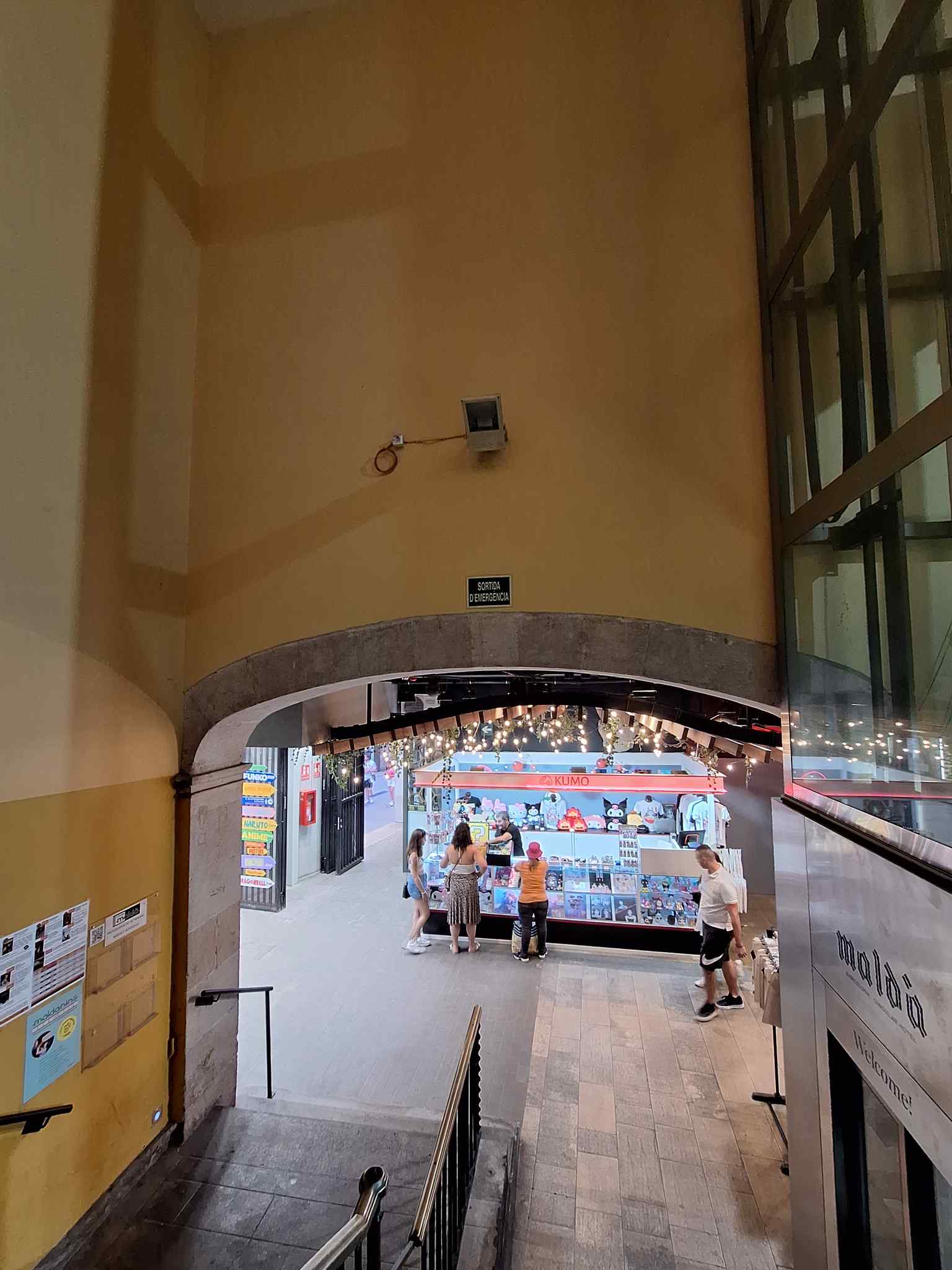
This palace never quite recovered its old aristocratic soul, instead entering a long, restless cycle of reinvention and decay. By 1942, the grand ground floor stables and gardens were carved out to create the Galerías Maldà, an indoor shopping arcade modeled after Parisian covered streets. It thrived for decades, housing a famous doll hospital where broken toys received actual surgical care like replacing lost glass eyes. Then came an inevitable decline in the 1980s, turning the grand halls into a ghost town. A sudden burst of life happened in 2017 when a massive wizarding shop opened, sparking a brief pop culture renaissance... only for almost the entire complex to abruptly shut down again by late 2024. Yet, the most profound secret of this building's endurance was discovered completely by accident. The old private theater of the Baron had eventually been turned into a cinema. In 2006, workers restoring the movie theater dismantled the main screen. Hidden right behind it, they found a religious niche. It was the remains of the Basque Chapel. During the Spanish Civil War in the 1930s, when Catholic worship was heavily persecuted and churches across the city were being attacked, this tiny room managed to stay open as a secret sanctuary for over two years. In a city tearing itself apart, the Baron's old theater quietly protected the faithful. Let us leave this place of sheltered memories and step further back in time. We are heading into the narrow, winding alleys of the ancient Jewish Quarter. Our next stop is the Ancient Synagogue, just a short four minute walk away. Follow your map and I will meet you there.






