
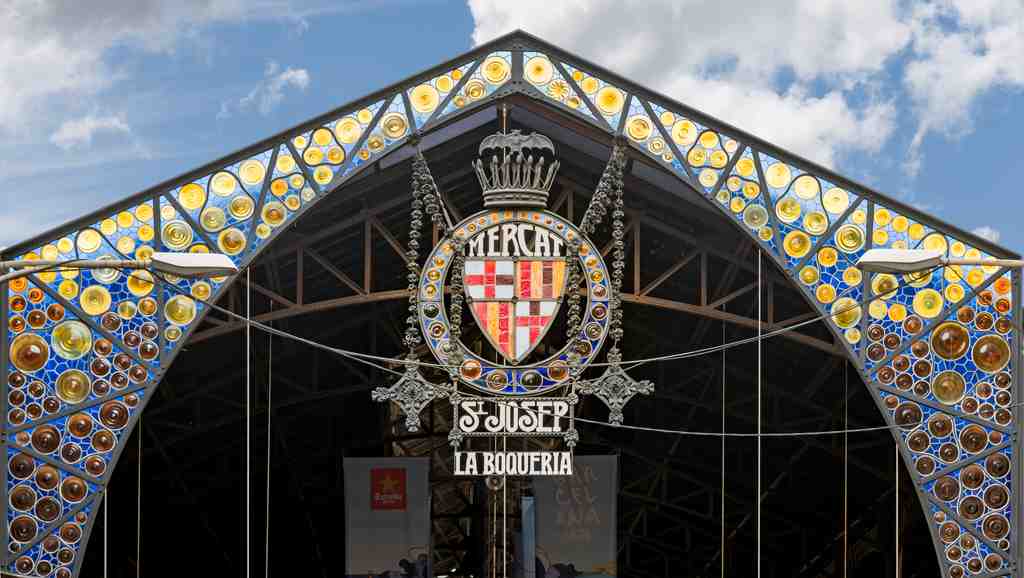
Look up at the towering, peaked wrought-iron archway framed by circular panels of yellow and blue stained glass, with a large, ornate crest hanging in the center reading Mercat Sant Josep La Boqueria.
This is Catalonia's largest and most famous market, a massive space offering everything from local goat meat to exotic fruits. But beneath the bright, modern culinary scene lies a rather dark history... one born from sudden violence.
Back in 1835, a convent of Carmelite monks stood right where you are standing. That summer, a notoriously bad bullfight at a nearby arena sparked an unusual chain of events. The bulls were apparently so small and tame that the enraged crowd dragged a dead bull through the streets, and their frustration quickly mutated into a violent anti-clerical riot, an uprising targeting the church's wealth and social influence. The mob surrounded the convent on this exact spot, setting its heavy wooden doors and windows ablaze to flush out the monks inside. The local militia barely managed to rescue the religious men before they were killed, but the building was completely ruined, which allowed the city to confiscate the land and clear away the rubble to build a public market.
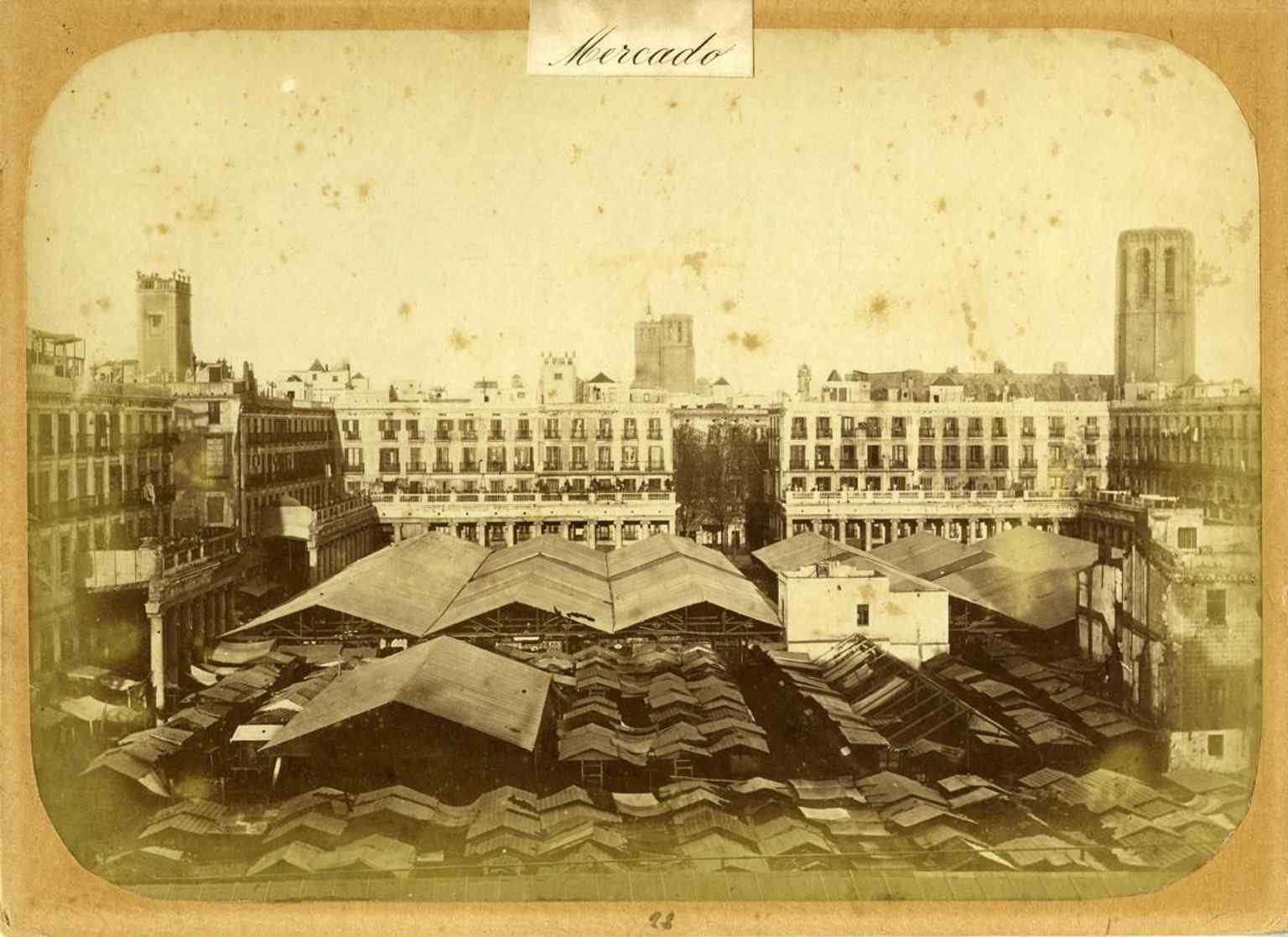
You can tap your screen to check out a comparison image showing the transformation of La Boqueria's entrance over a century, evolving from a simpler historic plaza into the grandly roofed marketplace that draws millions of visitors today.
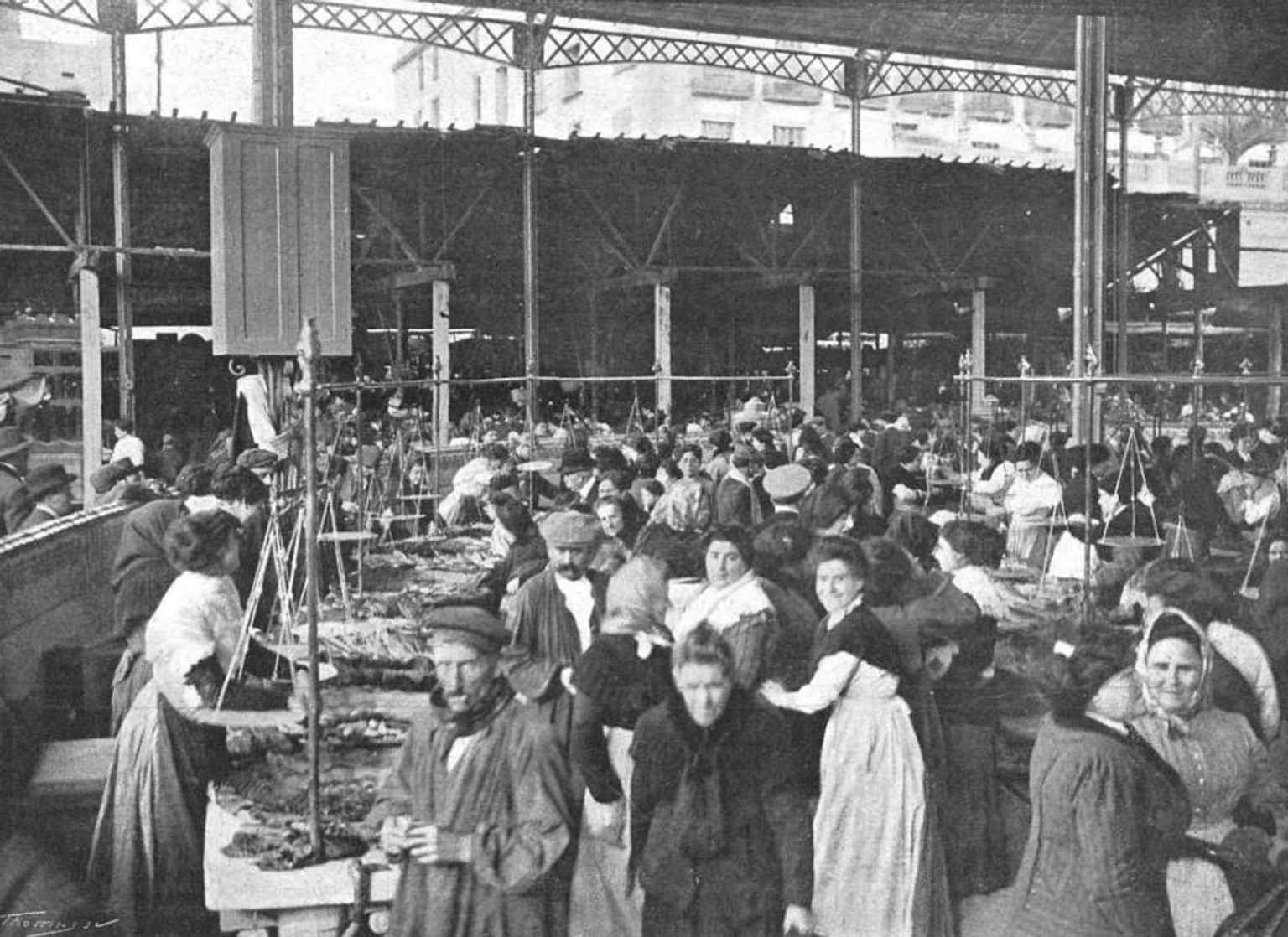
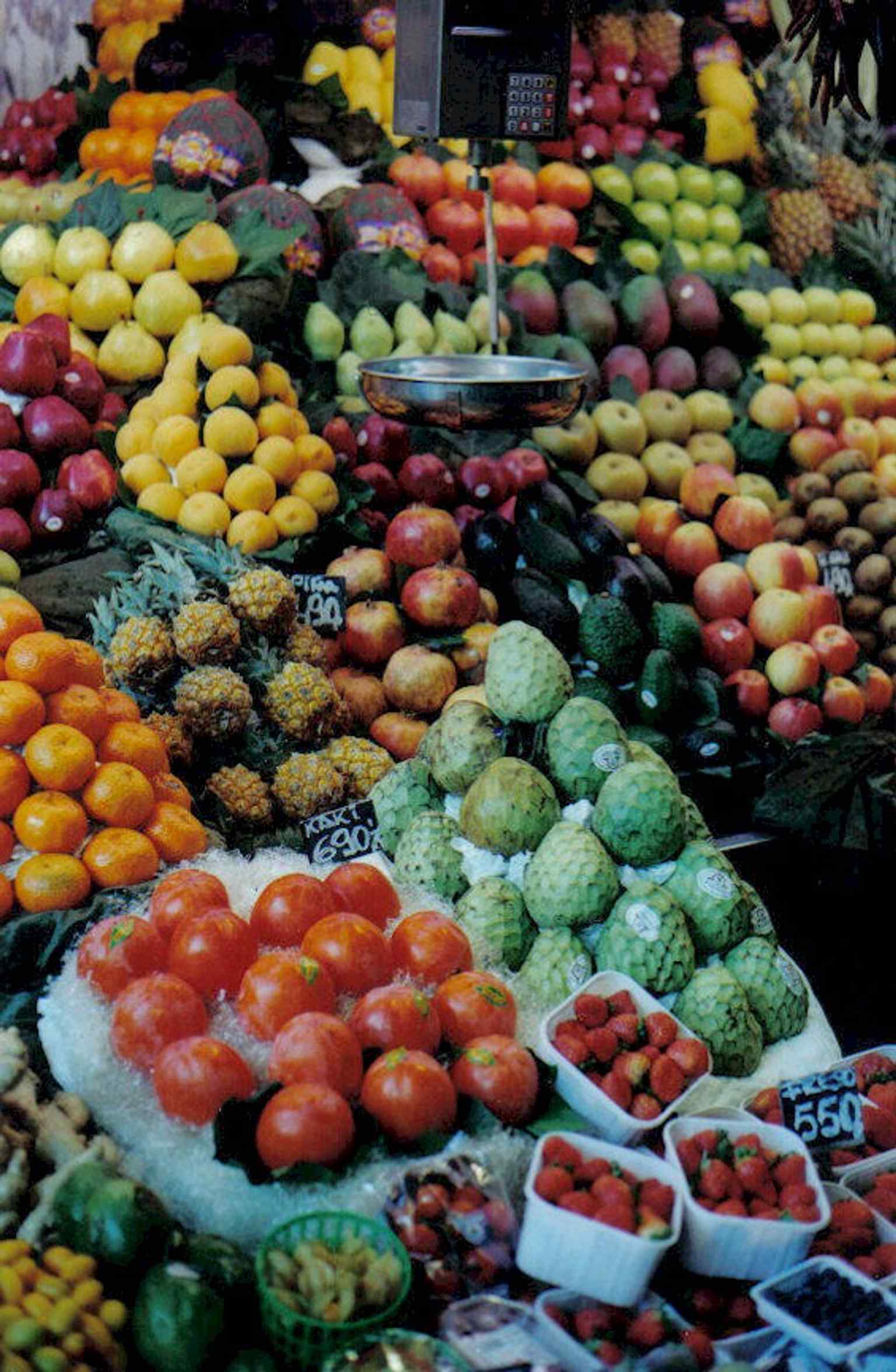
That friction between the shadows of the past and the relentless push of modern commerce is woven right into the fabric of this place. If you look at your screen again, you will see an interior shot of the massive modern operation, which houses over three hundred stalls under the metallic roof added in 1914.
Many of these stalls have been run by the exact same families for over one hundred and fifty years. But even in its golden era of modern gastronomy, the market has never quite shaken its flair for the dramatic. Take Ramón Cabau, a local pharmacist turned dandy, who helped popularize Catalan cuisine. With his impeccable suits and a mustache that practically defied gravity, he was a beloved daily fixture here. Then, one morning in 1987, he casually greeted his favorite vendors, pulled out a glass of water, and committed suicide by swallowing a cyanide pill right in the middle of the crowded aisles. The loss plunged the market into a mourning period that lasted for years.
The market carries on, absorbing every tragedy and triumph into its daily routine. By the way, the stalls are open Monday through Saturday from 8 AM to 8:30 PM, and are closed on Sundays.
Let us keep moving. Head further down the Rambla toward the grand opera house, and we will reconnect at the Liceu.





.jpg)


