
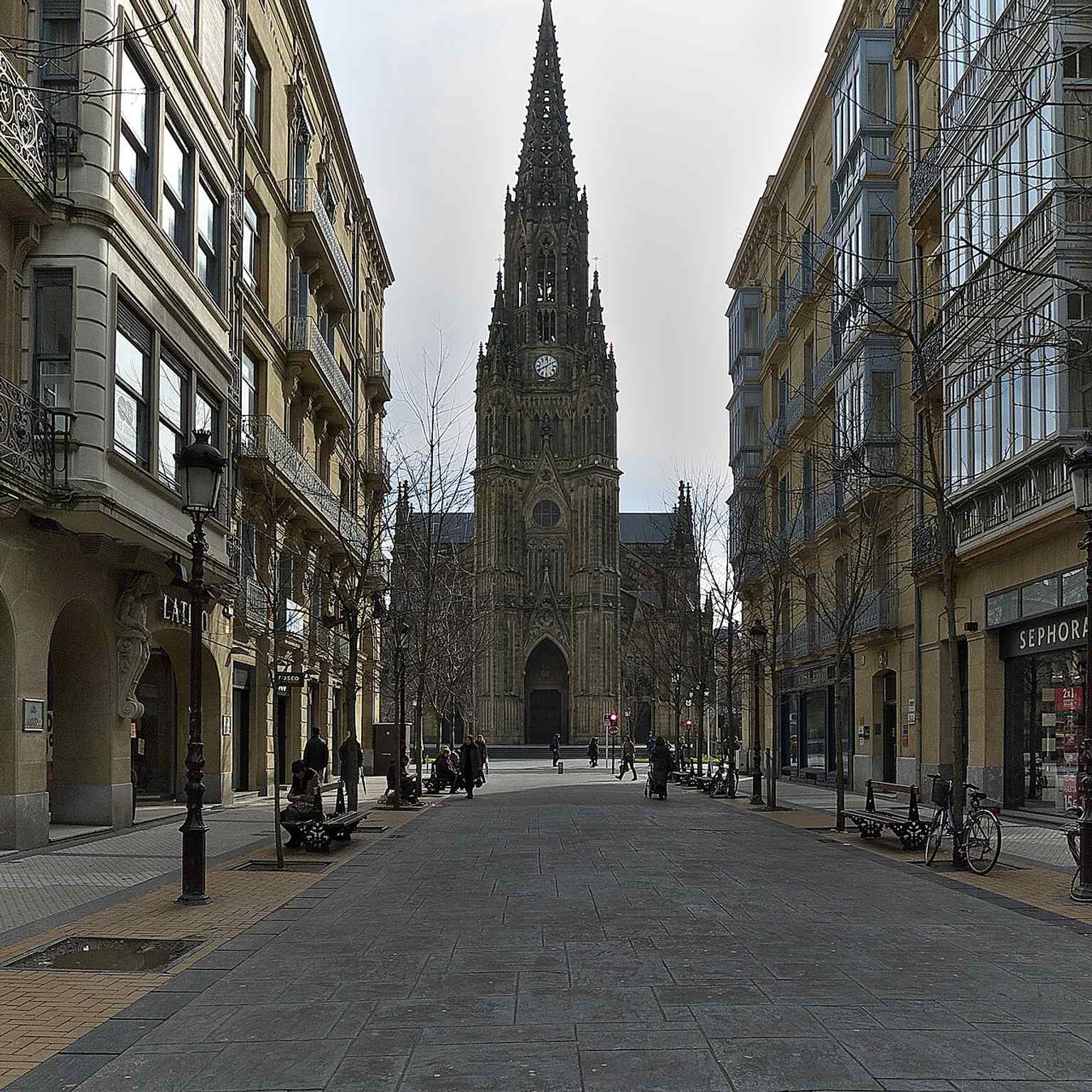
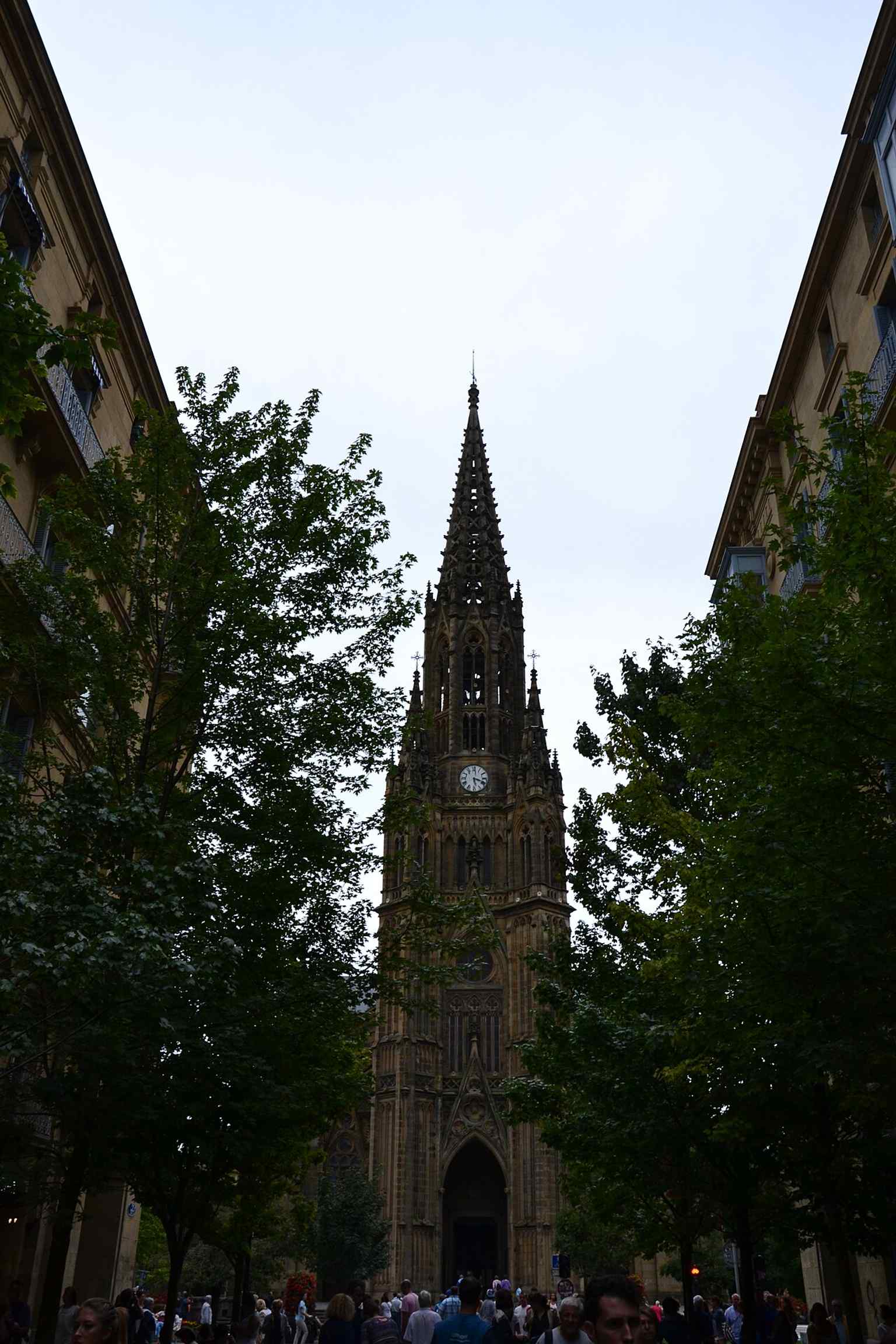
In front of you rises a pale sandstone church with a sharply pointed façade, clustered buttresses, and a needle-like tower set directly above the main entrance.
The Cathedral of the Good Shepherd is San Sebastián’s great vertical gesture: neo-Gothic, ambitious, and still the largest church in Gipuzkoa. From where you stand, near the front-left side, the building seems to pull itself upward in stages, from the pointed doorways to the pinnacles and then that seventy-five-metre spire, which local architect Manuel Echave designed with Cologne Cathedral very much in mind.
And yet the secret of this place is that it began in improvisation.
In the eighteen eighties, this part of the city was expanding southward, and residents wanted a parish of their own. The council gave over this plot in eighteen eighty-seven, land between the Urumea and La Concha that had been sand and marsh. While builders prepared the foundations with painstaking drainage, the faithful gathered somewhere much humbler: a provisional wooden church dedicated to the Sacred Heart, near the old San Martín Market. The first parish life of this grand stone church took place in timber.
Pause for a moment and let your eyes travel from the doorway up to the tower. It is rather extraordinary to think that all this confidence in stone grew out of a stopgap wooden chapel.
Royal summers in San Sebastián gave projects like this a very particular charge. When Queen Regent María Cristina stayed in the city with her children, local ceremonies acquired the sheen of national theatre. This church benefited from that attention twice: at the laying of the first stone in eighteen eighty-eight, and again at its inauguration in eighteen ninety-seven, when María Cristina and the young Alfonso the Thirteenth both attended.
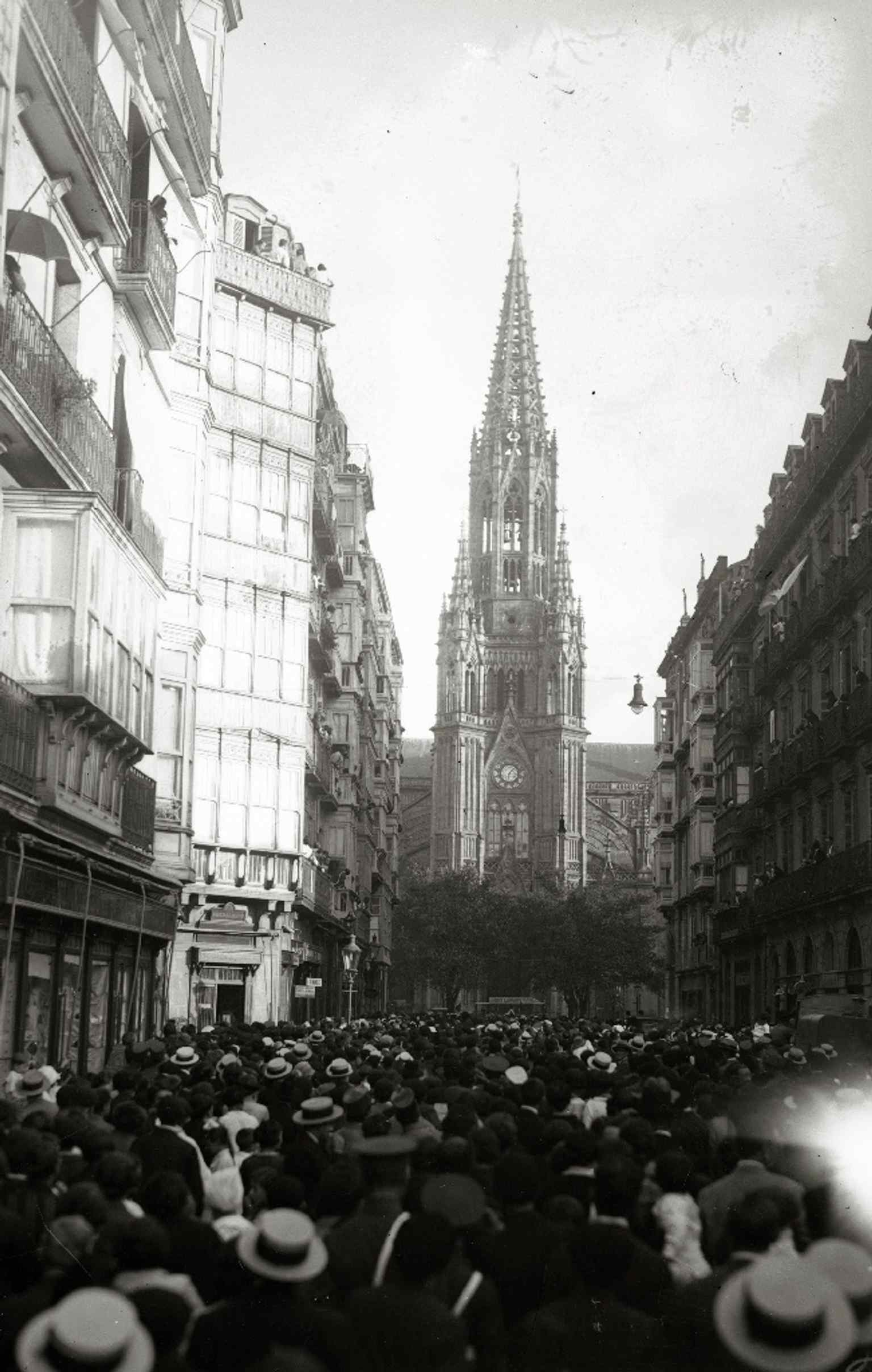
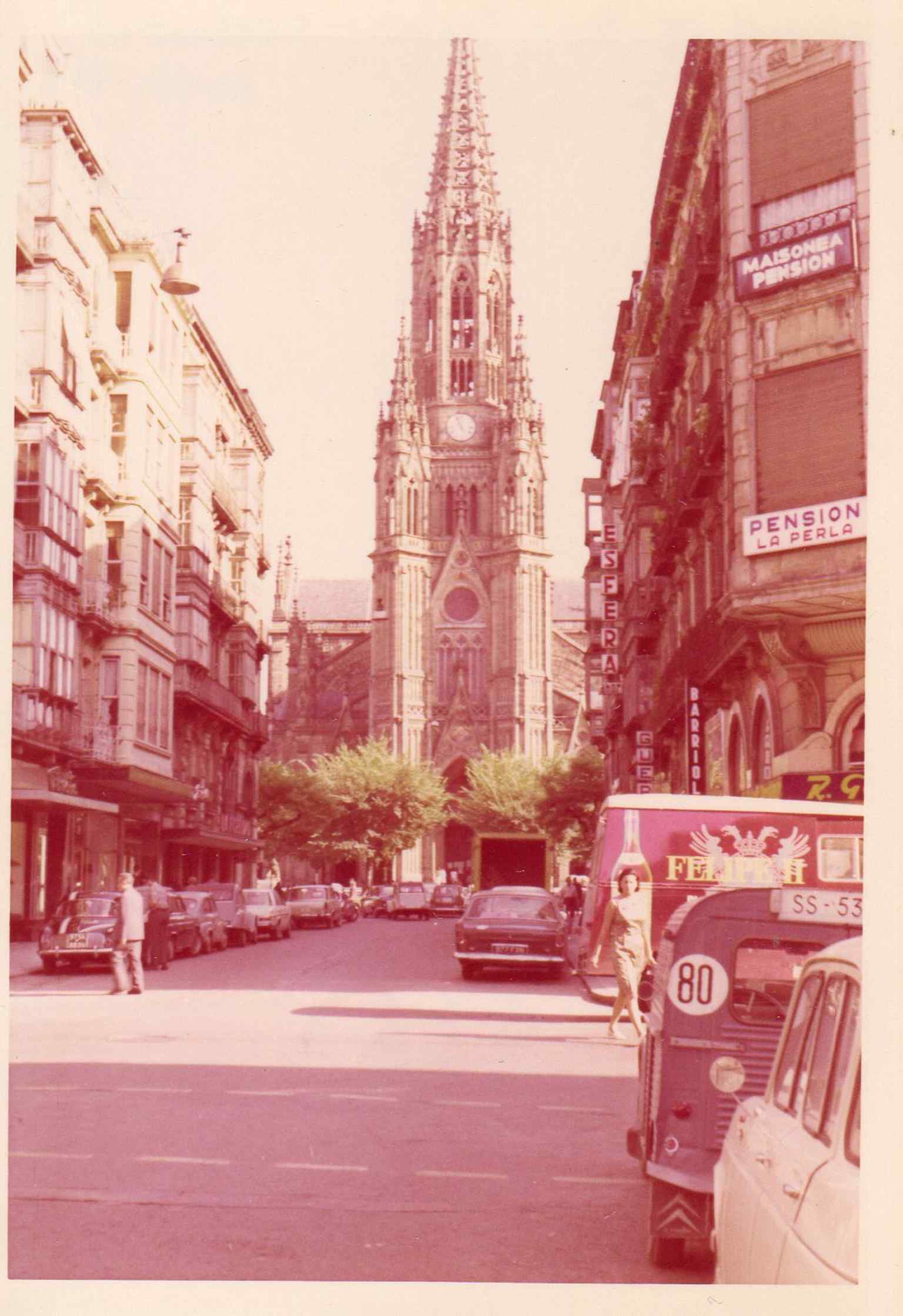
If you glance at the historic exterior on your screen, you can see how quickly the cathedral became one of the city’s fixed silhouettes. But the most delicious detail lies beneath the stone, almost like a scene from a novel. At the cornerstone ceremony, a lead box was sealed inside with portraits of the Pope and the royal family, coins, and copies of the official newspapers of the day. Then came the signature on the ceremonial document: Alfonso the Thirteenth was only two years and four months old, so María Cristina guided his hand herself. A formal act, yes, but intimate too, as though monarchy wished to leave its fingerprint inside the foundations.
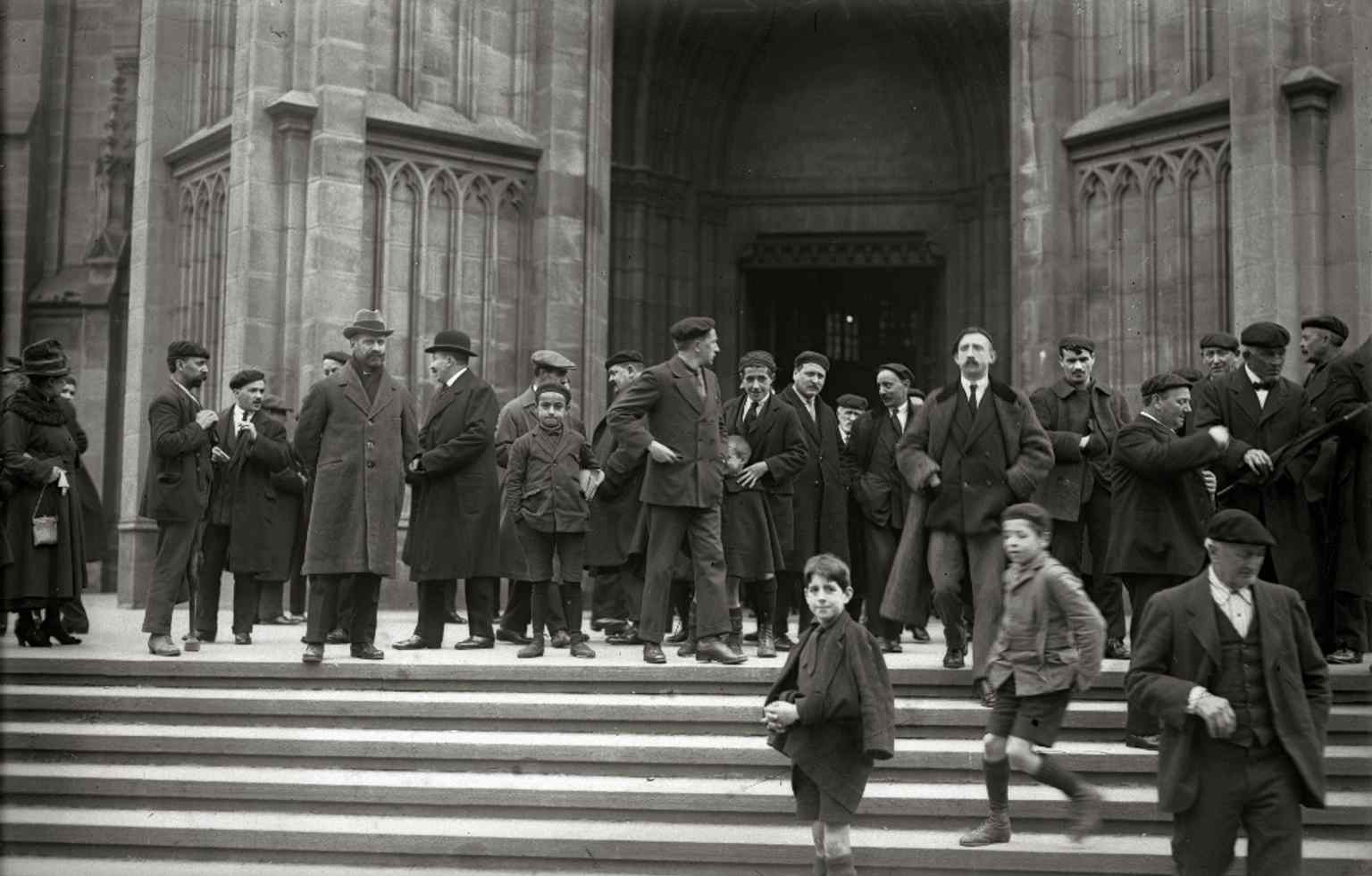
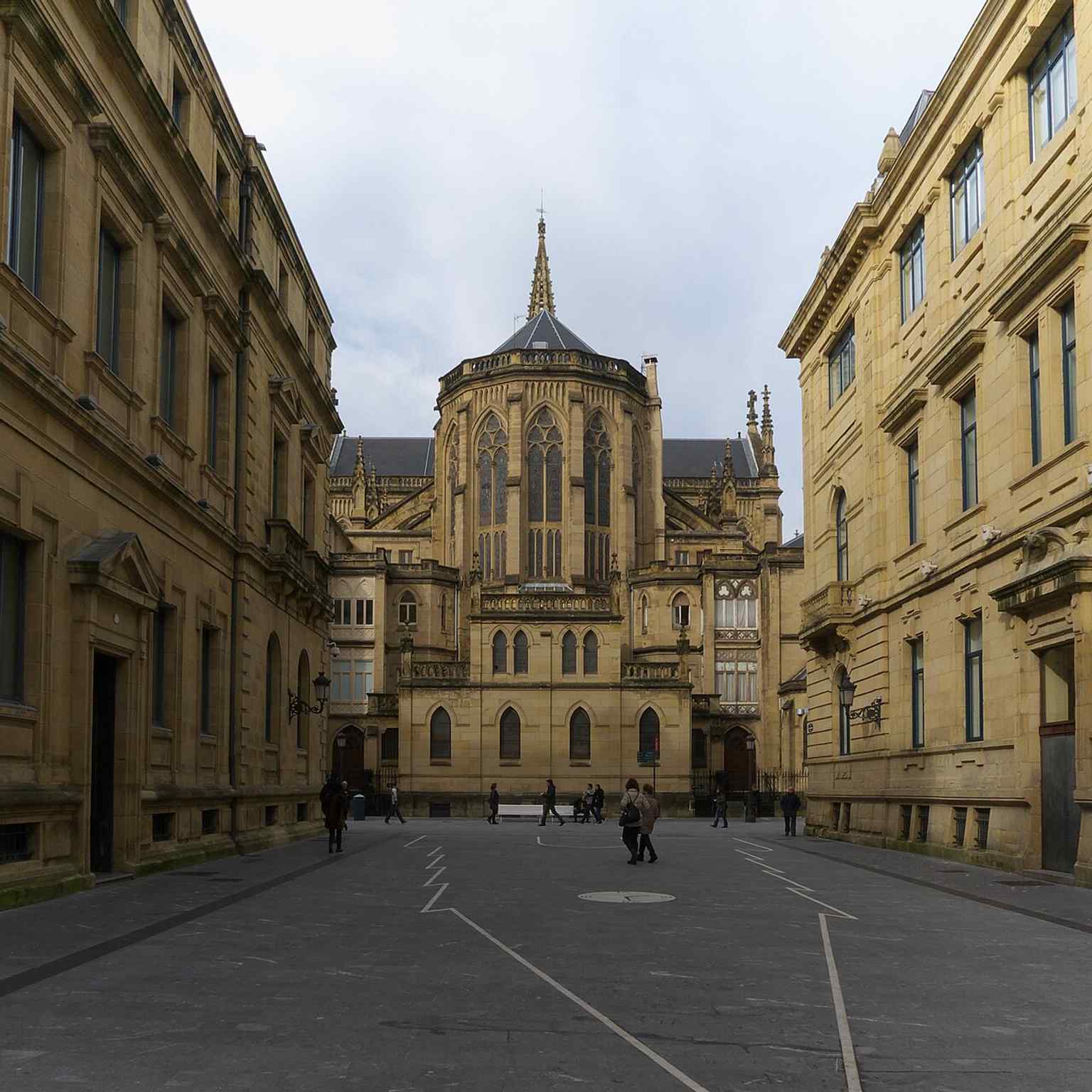
Echave and his builders gave the church real substance: sandstone from Mount Igueldo, roof slate from Angers in France, and stonework by Basque labourers throughout. The tower was not even fully finished when the church opened for worship; that final completion came in eighteen ninety-nine. Later, when San Sebastián gained its own diocese in nineteen fifty, the city chose this church as its seat, and in nineteen fifty-three it officially became a cathedral.
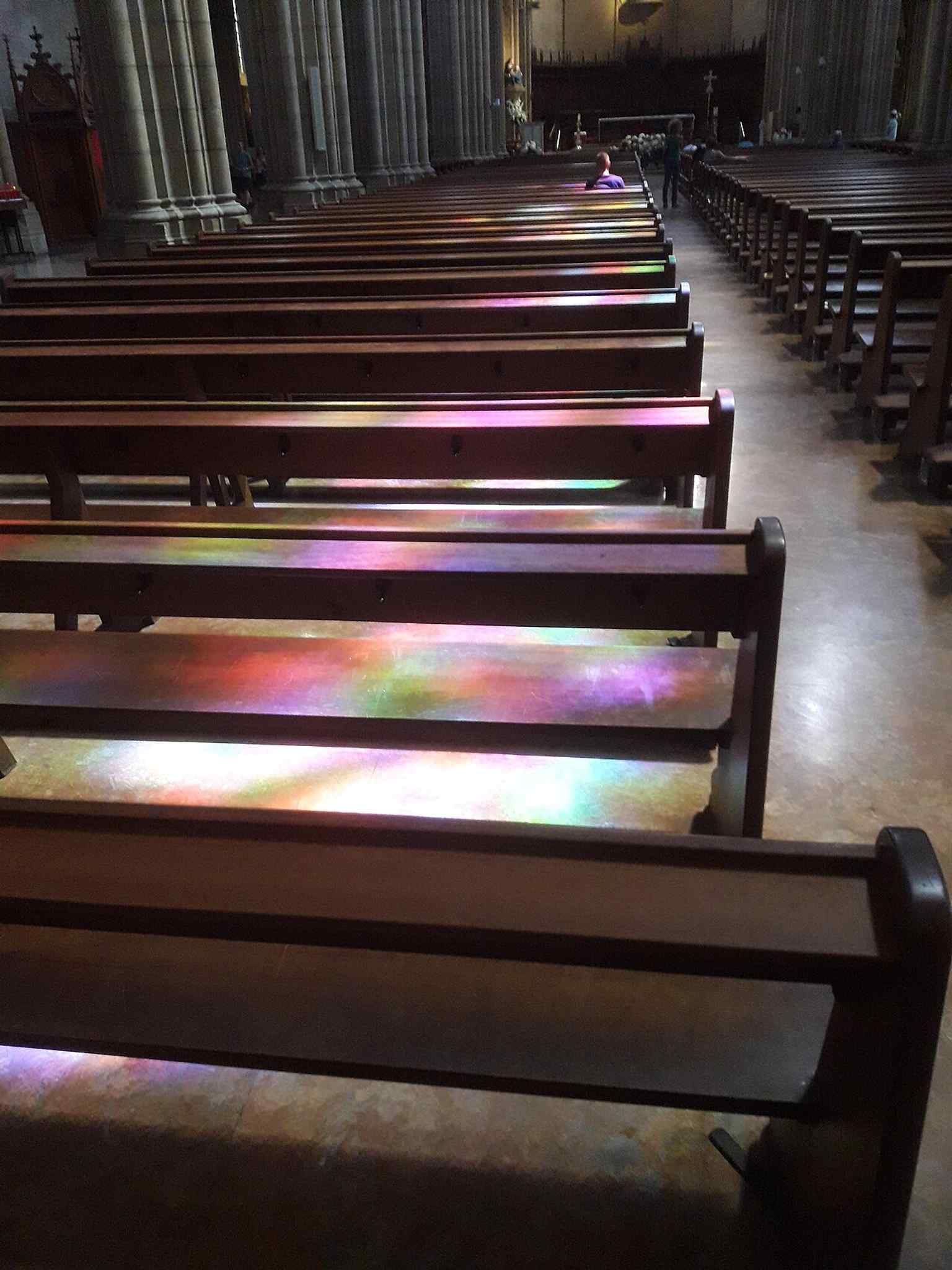
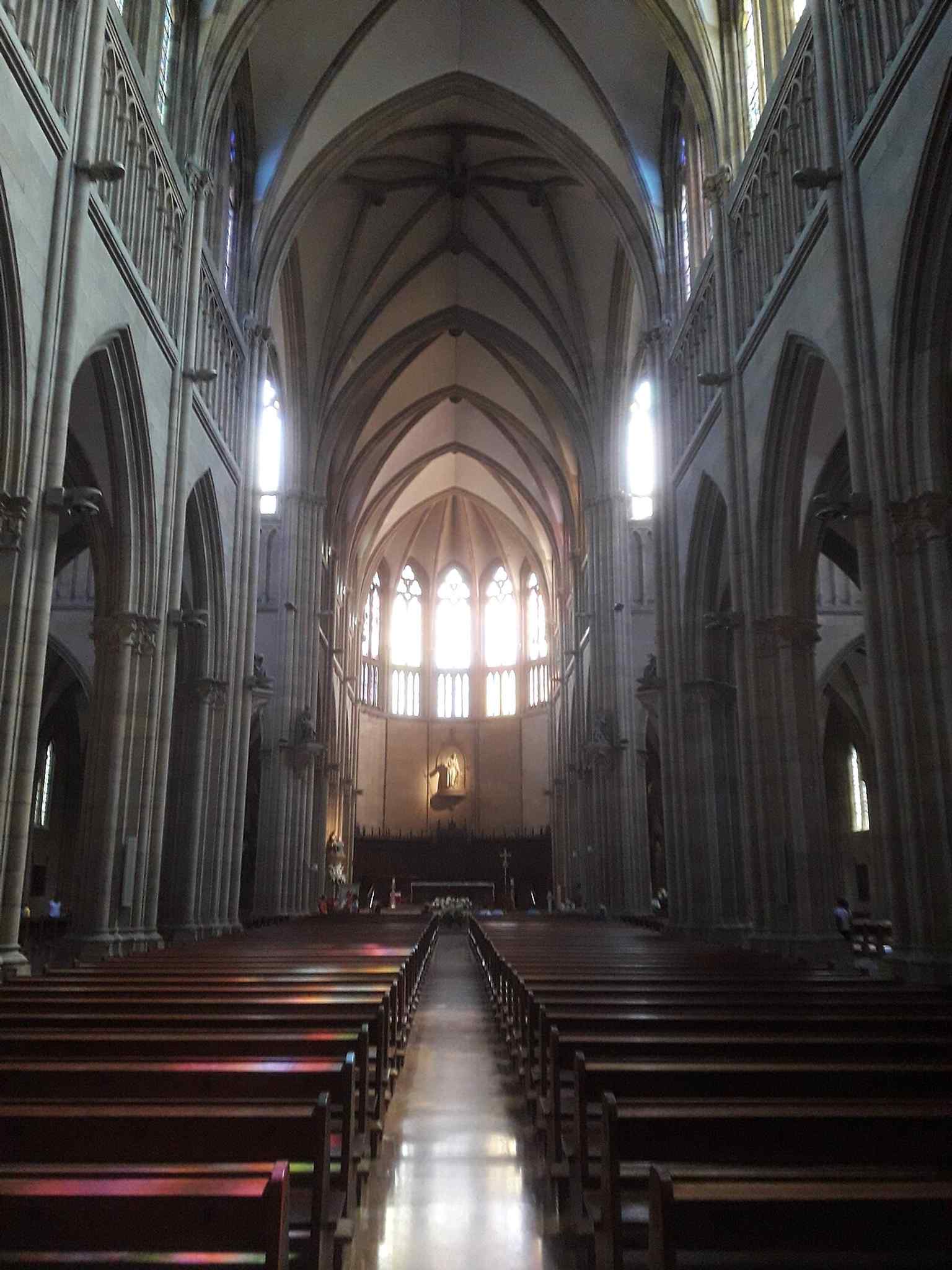
If you look at the interior image in the app, the bright central hall and ribbed vaults show the reward of all that ambition. Yet what matters most, perhaps, is the contrast: grandeur resting on necessity, ceremony resting on makeshift beginnings.
We shall carry that thought to San Martín Market, about a three-minute walk from here, where the practical life of the city once sheltered this parish before stone took over from wood.





%20-%20Fondo%20Car-Kutxa%20Fototeka.jpg)

%20-%20Fondo%20Mar%C3%ADn-Kutxa%20Fototeka.jpg)
%20-%20Fondo%20Car-Kutxa%20Fototeka.jpg)

.%20San%20Sebasti%C3%A1n.jpg)
.%20%C3%81bside.jpg)


