
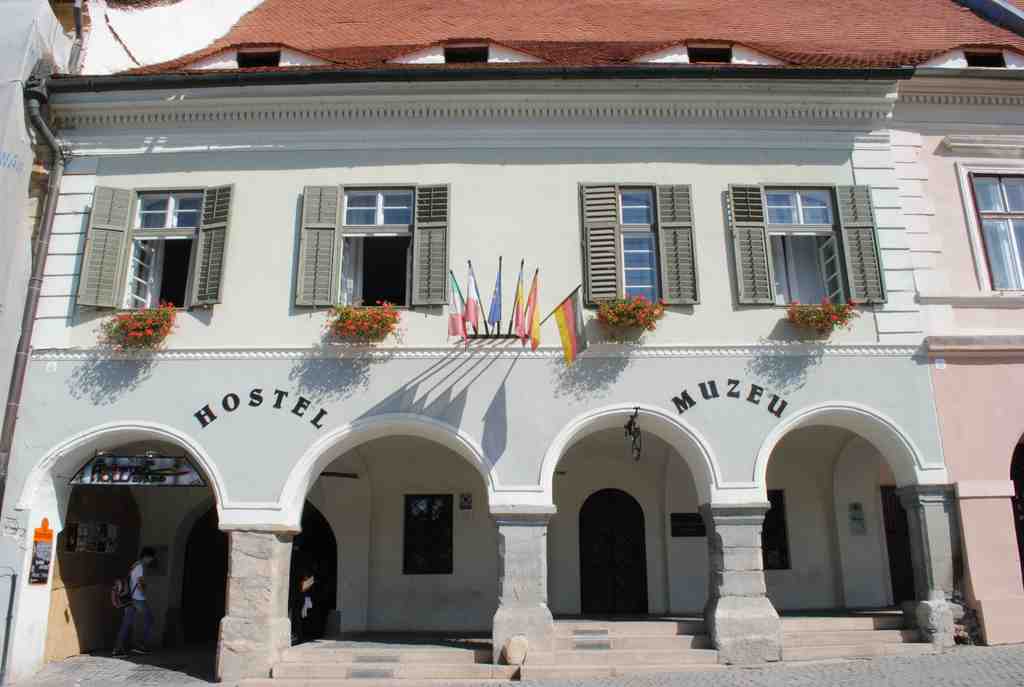
You are standing in front of a handsome, light-colored building with a ground-floor arcade of thick stone arches and a steeply pitched roof dotted with small dormer windows. This is the Museum of the History of Pharmacy, housed in a fifteen sixty-eight architectural gem known as Casa Hess.
Let me tell you, this place holds some truly unexpected secrets. Sibiu actually had the very first documented pharmacy in present-day Romania way back in fourteen ninety-four. That was during the second great plague pandemic, a time when apothecaries-the historical predecessors to modern pharmacists-were the absolute lifelines of the city. While that first pharmacy was over in the Large Square, a new apothecary opened right here in this building around sixteen hundred. If you check your screen, you can see how this handsome Renaissance and Gothic structure appeared historically as the home of that very shop.
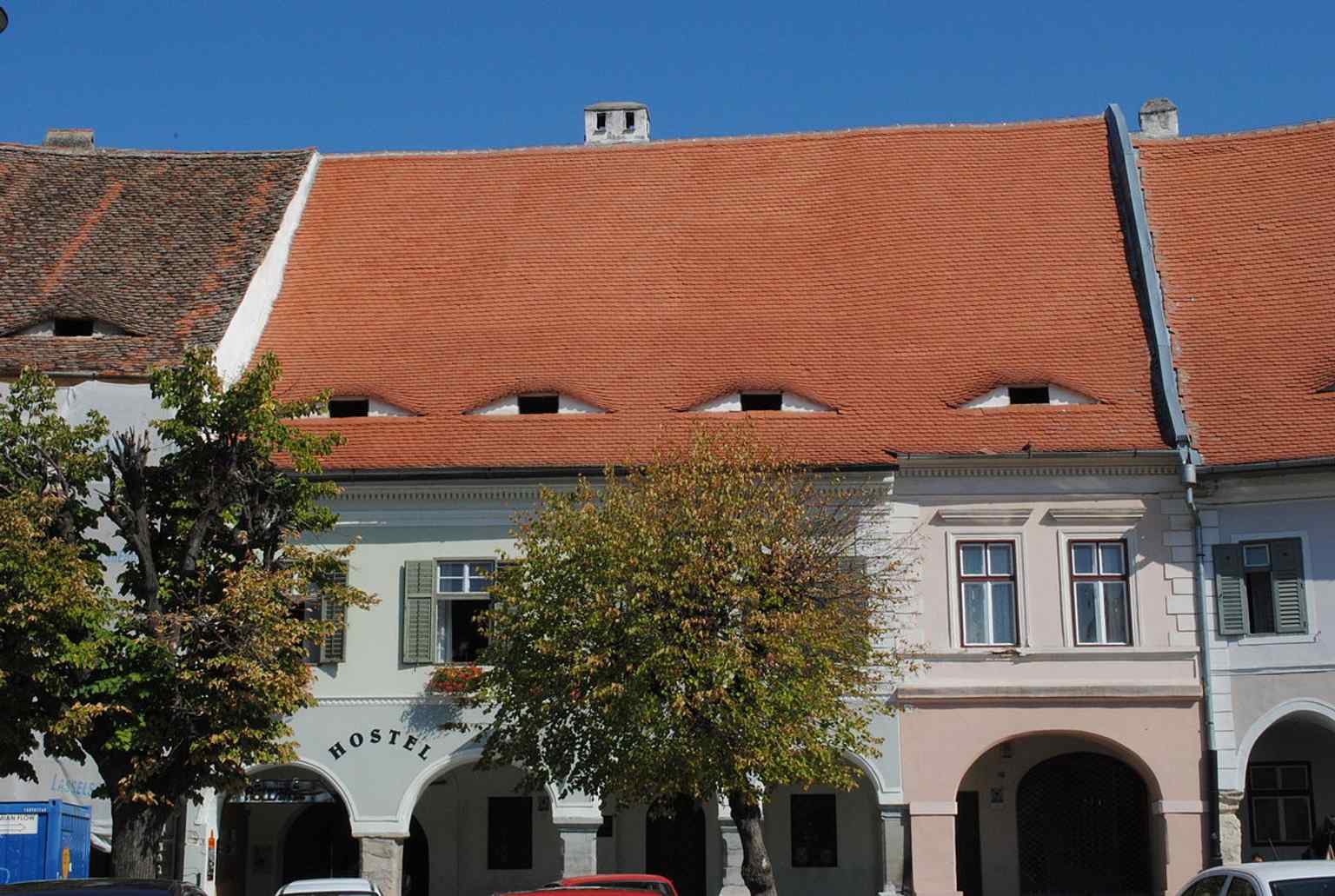
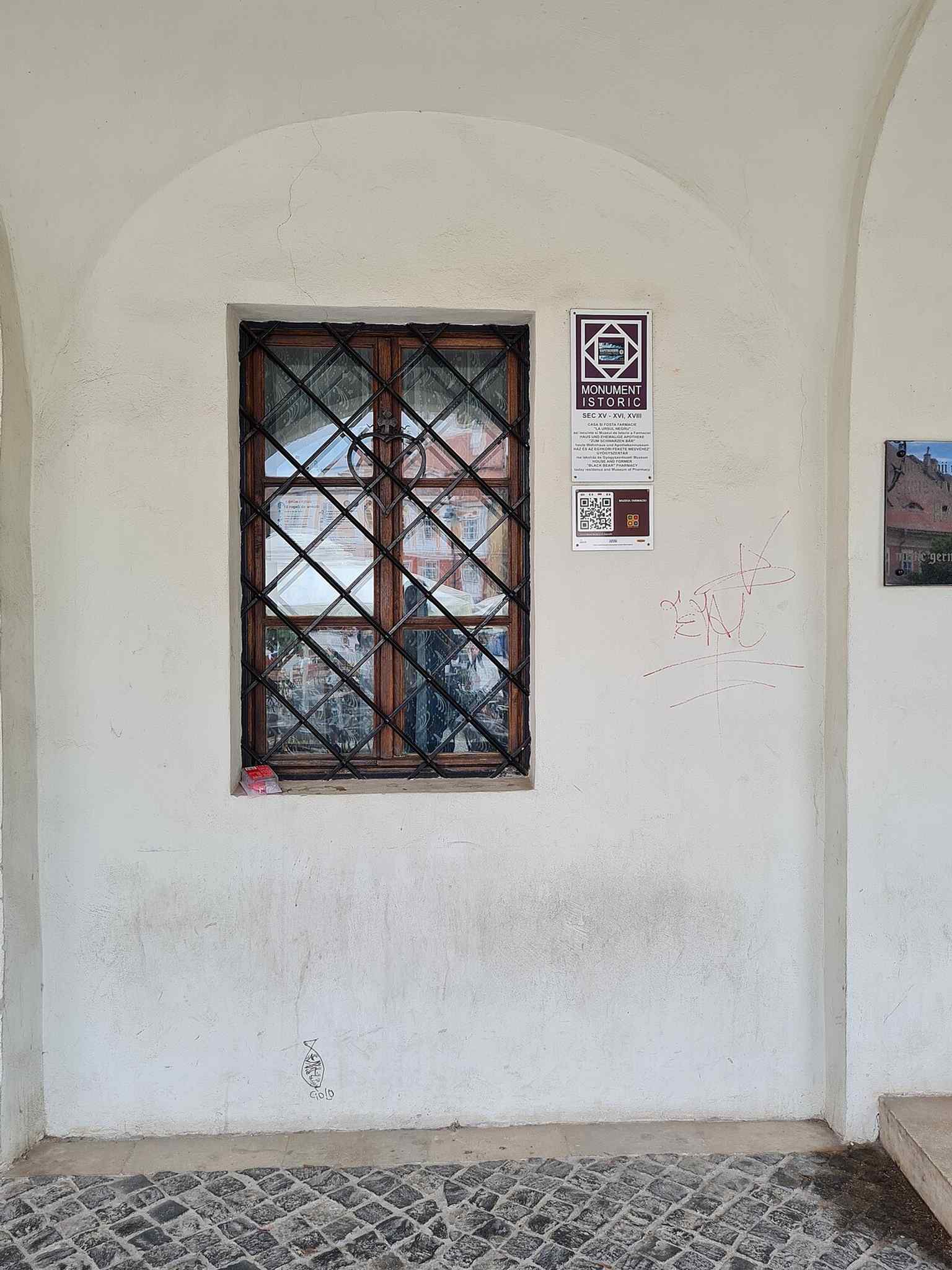
In eighteen hundred and nine, the owner, Johann Georg Kayser, officially named it At the Black Bear. It stayed in his family for generations, blending scientific rigor with the respected community standing you would expect from a trusted healer. But in nineteen forty-nine, private enterprise came to an abrupt end. The communist state nationalized the business, and the last owner, Guido Fabritius, had to watch his family's proud legacy become simply, and rather soullessly, State Pharmacy Number Six.
Fortunately, a government decree in the nineteen fifties accidentally saved all these treasures by ordering the collection of pharmaceutical relics from all over the country into a single storage depot. Today, those items make up this museum's collection of over six thousand six hundred pieces.
If you step inside, you will find intricate bronze mortars, heavy marble pestles, and old tools for crushing roots and herbs. You will also find ingredients that seem more like magic than medicine. The most striking is Mumia vera. In case your Latin is rusty, that translates to a powder made by grinding up actual Egyptian mummies. Right up into the twentieth century, doctors believed it was a miracle cure, especially for stopping bleeding, making it incredibly expensive. The museum still has the original eighteenth and nineteenth-century wooden jars containing the authentic, macabre remnants of this powder, kept carefully sealed today to prevent it from vanishing into thin air.
There is another fascinating connection here. The founder of homeopathy-a system of alternative medicine based on highly diluted substances-was Samuel Hahnemann, who lived in Sibiu between seventeen seventy-seven and seventeen seventy-nine. He worked as a physician and secretary to the governor of Transylvania. While organizing the governor's massive library, Hahnemann had access to rare medical texts. He was also initiated into the local Freemason lodge, a secretive fraternal organization. His famous motto, meaning "Dare to be wise," was directly inspired by the Masonic symbolism he absorbed right here in this city. You can see his influence in the museum's rare collection of almost three thousand homeopathic pieces.
It is amazing to think of the cures, the scientific breakthroughs, and the simple hopes that have echoed through these arches over the centuries. Take a moment to soak this in. When you are ready, we can head to the next stop.


.jpg)
