AudaTours logoAudaTours

Stop 7 of 14

"Altemberger House" History Museum

headphones 03:40 Buy tour to unlock all 16 tracks
"Altemberger House" History Museum
History Museum of Sibiu
History Museum of SibiuPhoto: Andrei kokelburg, Wikimedia Commons, CC BY-SA 3.0 RO. Cropped & resized.

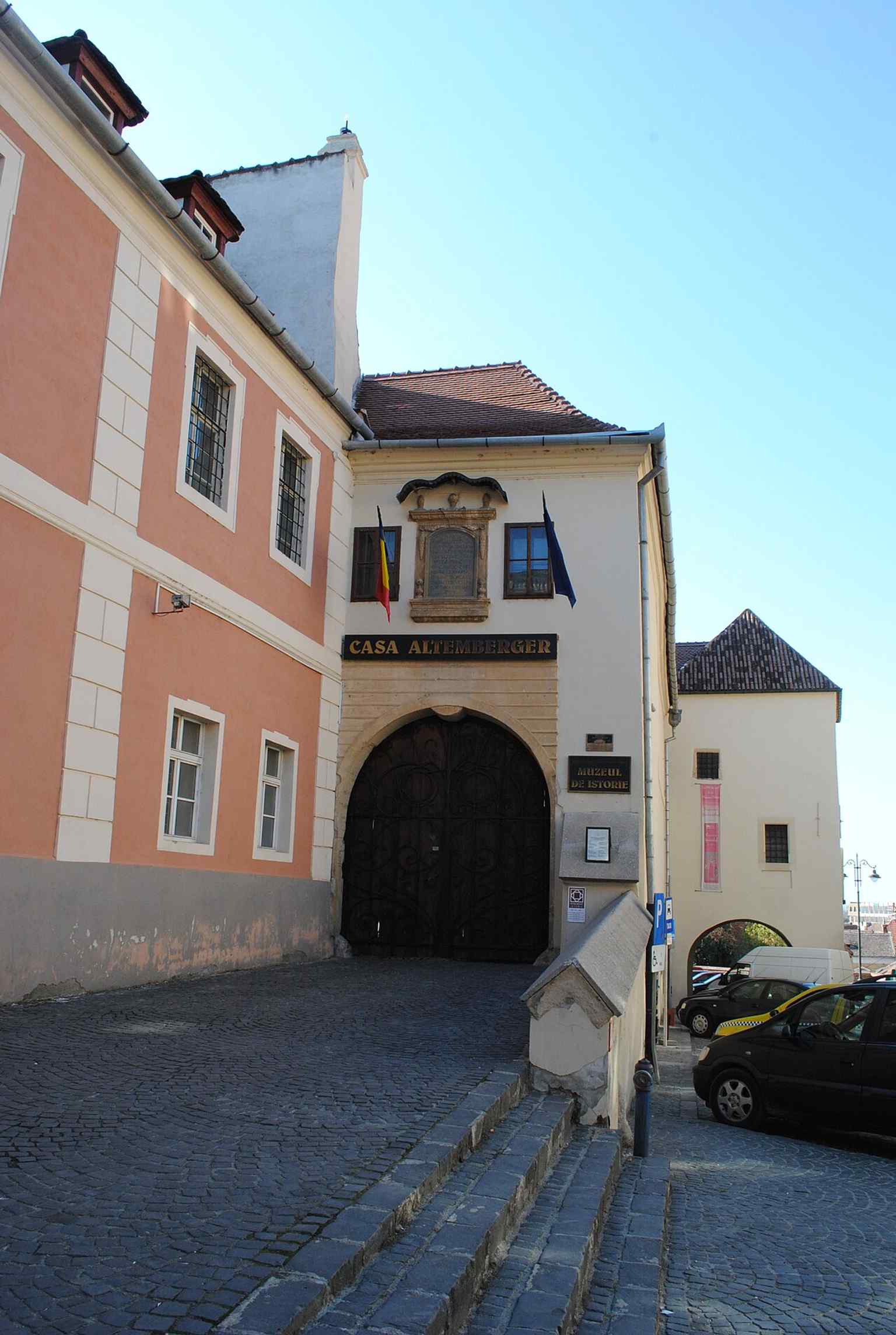
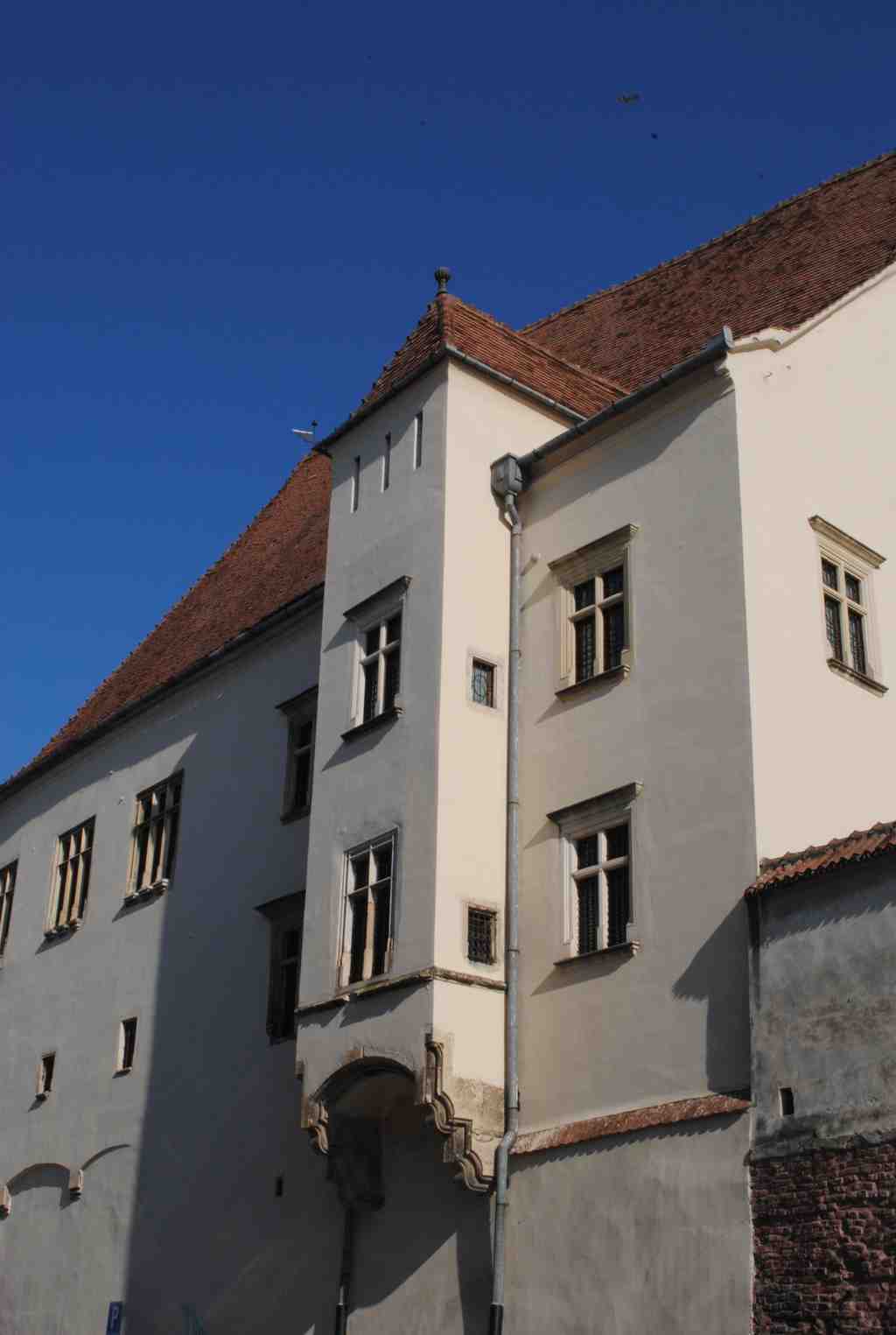
Look for the imposing, light-colored stone building with a steep red-tiled roof, featuring a distinct rectangular tower structure that juts out from the facade on ornate stone supports.

You are standing in front of the Altemberger House, which today serves as the History Museum of Sibiu. Built between fourteen seventy and fourteen ninety-one, this is actually the most important Gothic civil architecture complex in all of Transylvania. By Gothic, I mean that late medieval style characterized by tall, imposing structures, pointed arches, and a general sense of grand durability.

The original owner of this political powerhouse was Mayor Thomas Altemberger. He was a highly educated man for his time, having studied law and theology in Vienna. But his fabulous wealth did not come from a city salary. He controlled the mining of noble metals in the region, and that money built this palace. He even bought the first urban law code for the area in fourteen eighty-one, a compilation of customary law, meaning rules based on long-standing community traditions rather than royal decrees. This book formed the bedrock of local justice for over two centuries.

Take a glance at your screen to see a wide view of the entire complex.
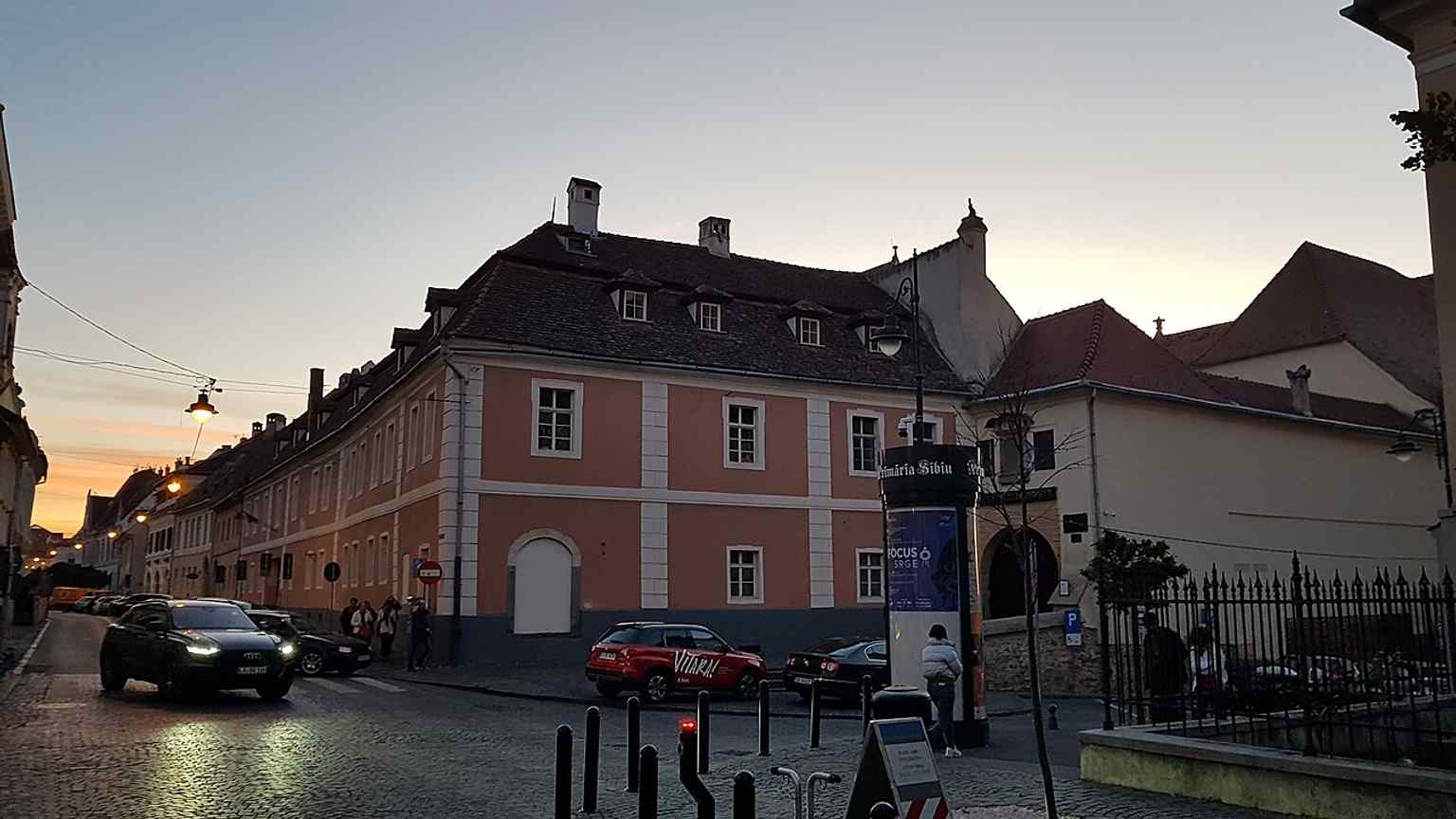
A clear view of the History Museum of Sibiu, the most important Gothic civil architecture complex in Transylvania, built by Mayor Thomas Altemberger between 1470 and 1491.
A clear view of the History Museum of Sibiu, the most important Gothic civil architecture complex in Transylvania, built by Mayor Thomas Altemberger between 1470 and 1491.Photo: Leontin l, Wikimedia Commons, CC BY-SA 4.0. Cropped & resized.

In fifteen forty-five, the city bought the house to use as its City Hall, a role it held for four straight centuries until nineteen forty-eight. Over the years, this place was the true nervous center of the city. It housed the Saxon University, the courthouse, the police headquarters, and even the local fire department.

It was also the site of a rather famous visit. In the summer of seventeen seventy-three, the Habsburg Emperor Joseph the Second stayed here for ten days to write a report for his mother, Empress Maria Theresa. During his stay, the young Emperor completely upended the strict etiquette of the day. He refused to let people kneel before him and insisted on receiving petitions personally, whether they came from high-ranking clergy or poor local serfs.

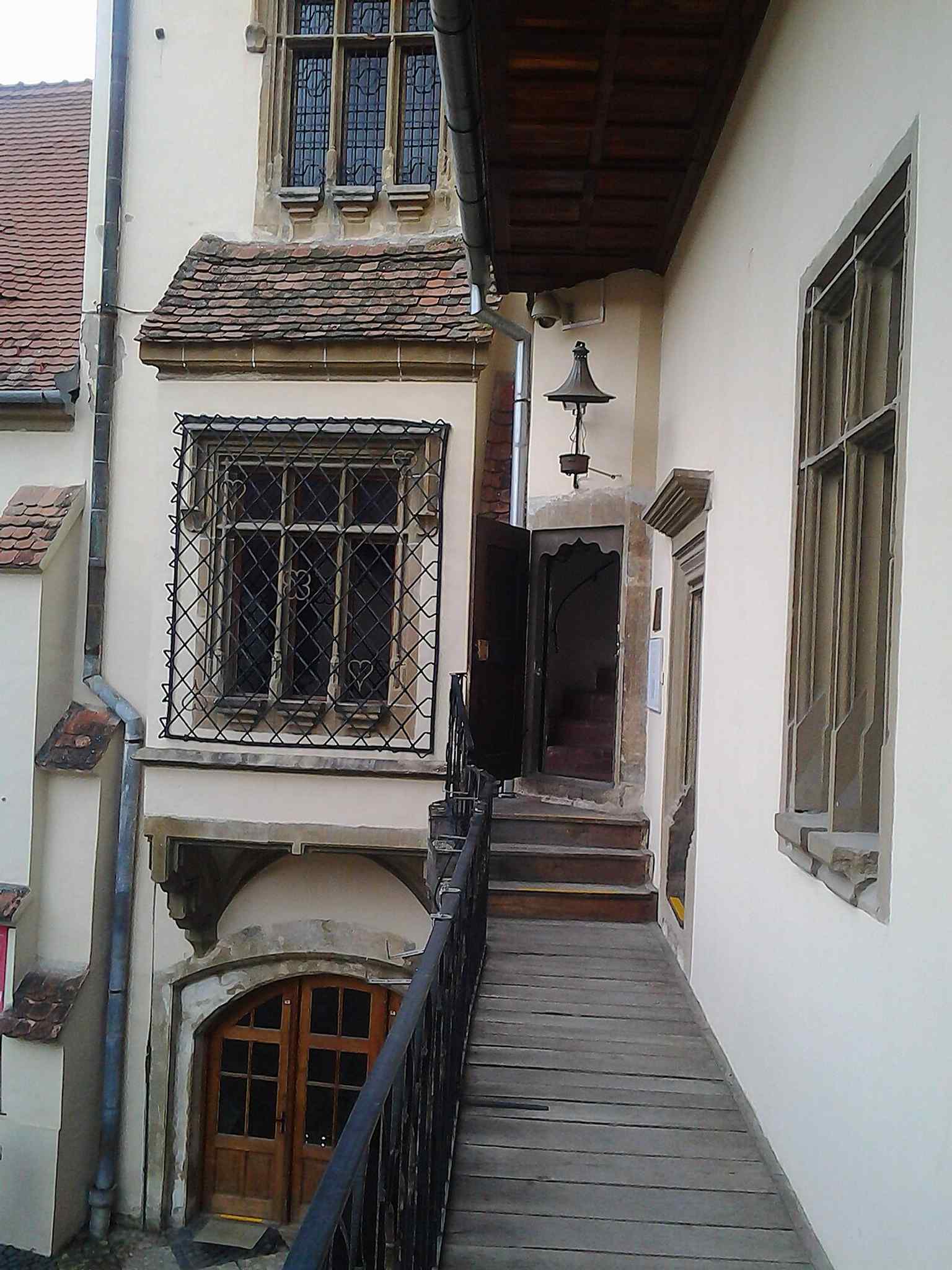
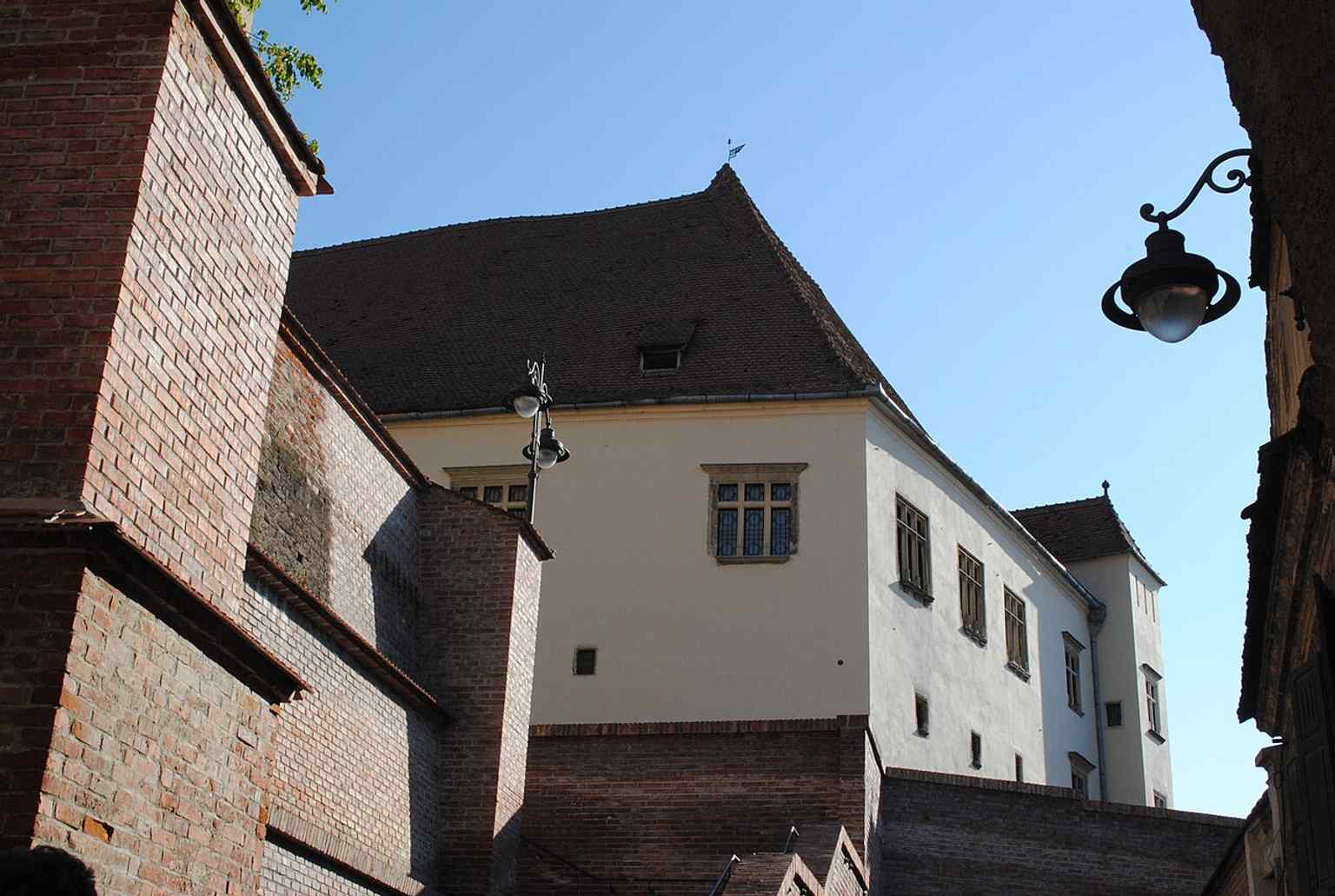
Look at your app to see a view of the stairway passage. These very stairs were transformed into a bustling pilgrimage site where thousands of subjects lined up, hoping to get justice directly from the Emperor.
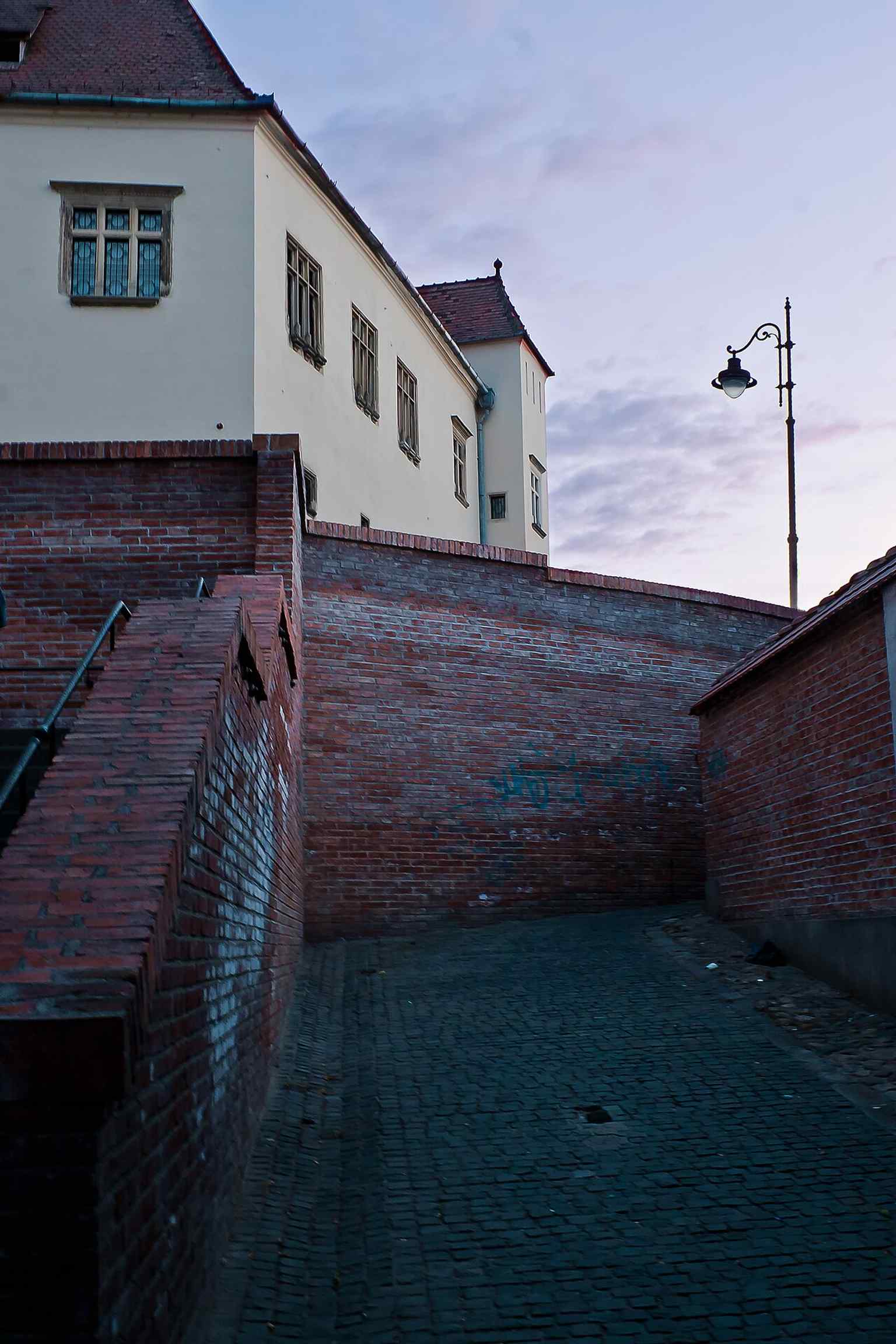
View of the museum from the stairway passage, evoking the historical significance of the building's stairs, where Emperor Joseph II famously received petitions directly from citizens in 1773.
View of the museum from the stairway passage, evoking the historical significance of the building's stairs, where Emperor Joseph II famously received petitions directly from citizens in 1773.Photo: Bogdan Parau, Wikimedia Commons, CC BY-SA 3.0 ro. Cropped & resized.

Now, every old building has its dark side, and this one is no exception. Until seventeen forty-seven, the building also functioned as the city prison. There is a second courtyard here that visitors often mistakenly call the Garden of Martyrs. That is actually a very bad translation of the original German term, which translates to the Garden of Torture. It was exactly what it sounds like, a secluded space where physical punishments were carried out against thieves and serious offenders.

On a lighter note, if you explore the main courtyard, you will find a fascinating piece of history called the Iron Soldier. It is a wooden statue from nineteen fifteen, carved to raise funds for World War One orphans and invalids. Anyone who donated money earned the right to hammer a metal nail or plaque into the wood, and it remains the only surviving statue of its kind in Romania today.

If you want to explore the extensive exhibits inside, keep in mind the museum is open Wednesday through Sunday from nine in the morning to five in the afternoon.

Take your time admiring the history layered into these walls. Whenever you are ready, we can head to the next stop.
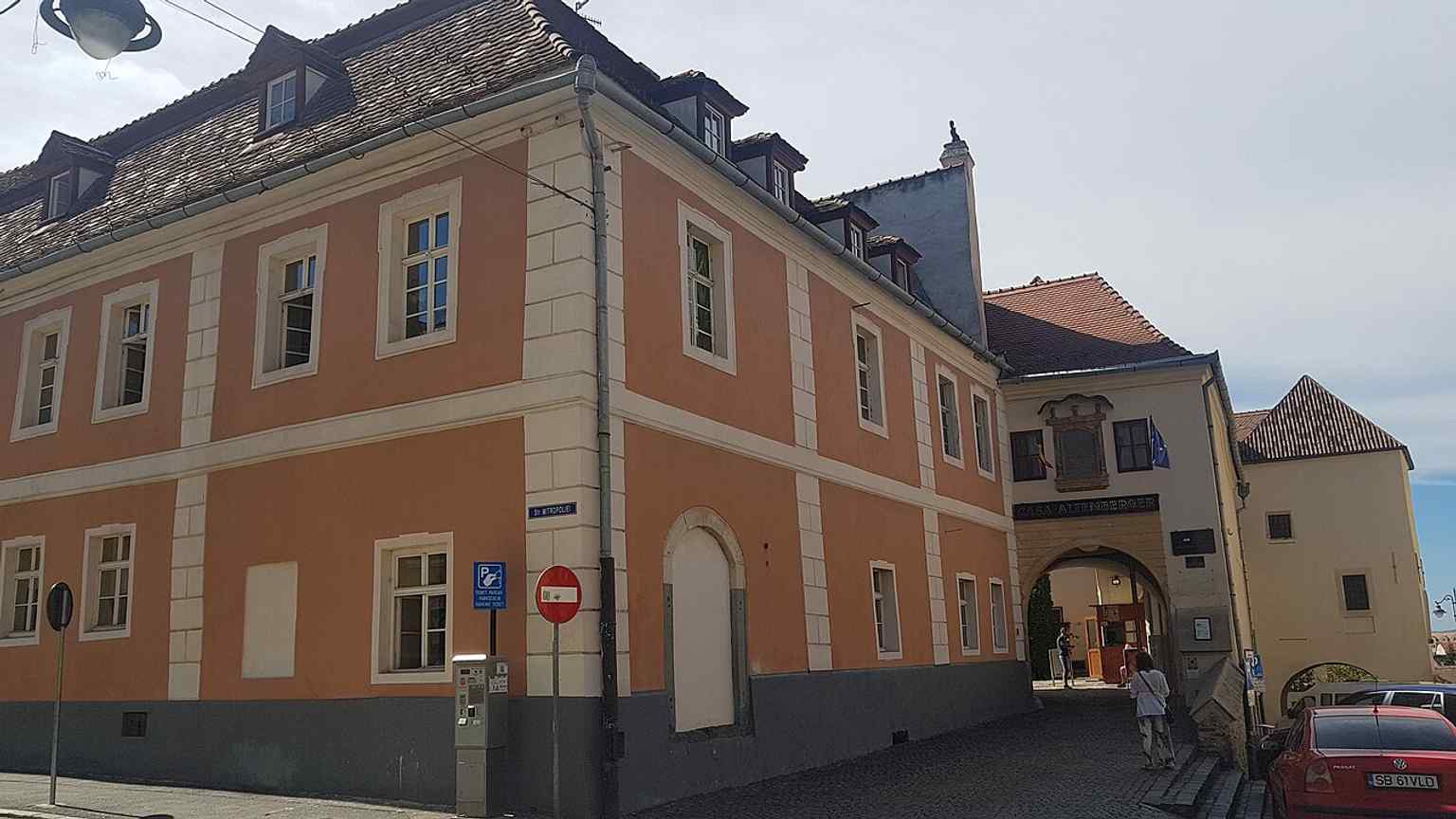
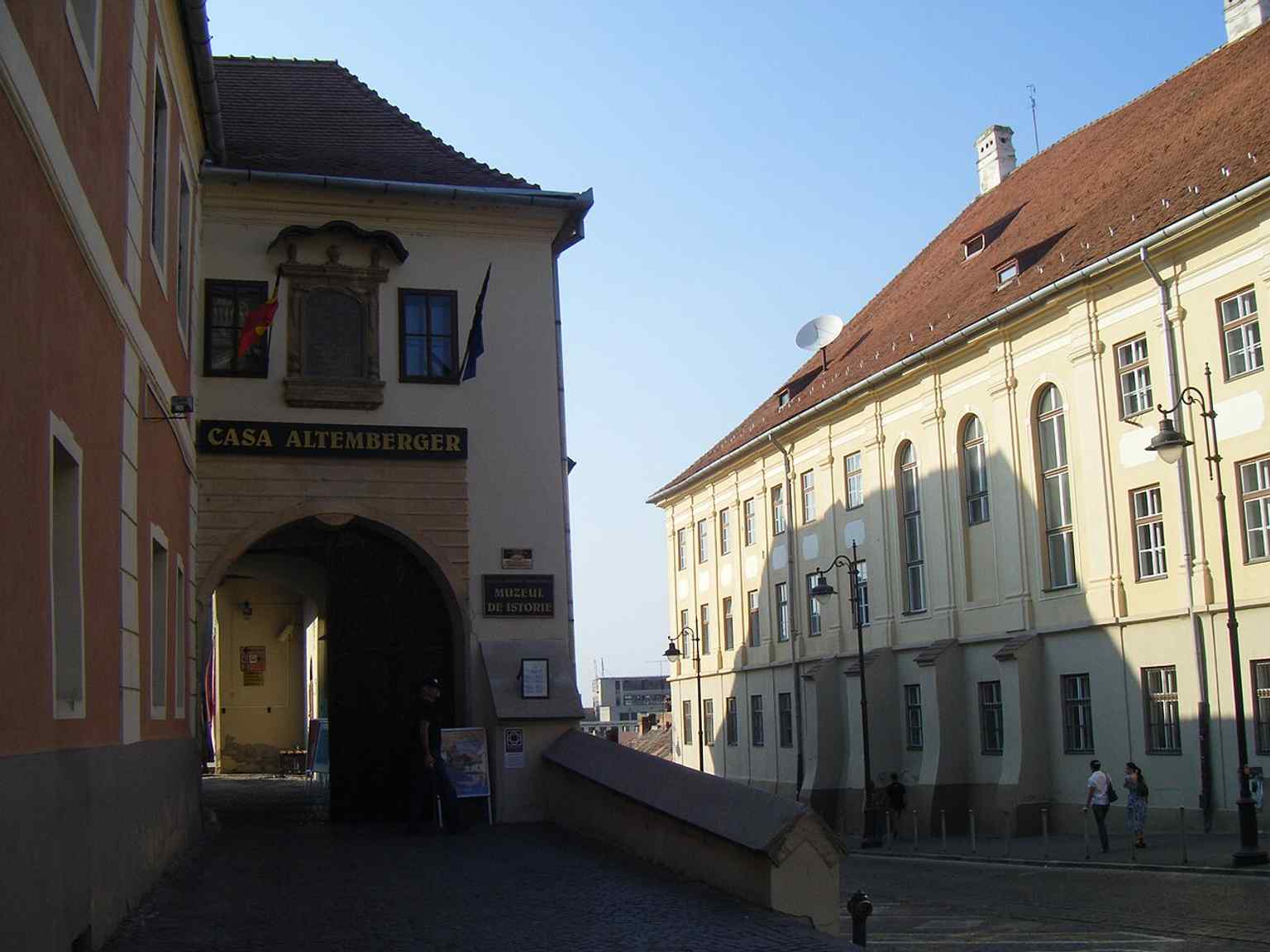
A wide view of the Altemberger-Pempflinger House, which served as Sibiu's City Hall from 1549 until 1948, marking nearly four centuries as the city's administrative hub.
A wide view of the Altemberger-Pempflinger House, which served as Sibiu's City Hall from 1549 until 1948, marking nearly four centuries as the city's administrative hub.Photo: Leontin l, Wikimedia Commons, CC BY-SA 4.0. Cropped & resized.
The imposing exterior of the Altemberger-Pempflinger House, a Gothic monument with Renaissance elements that originally served as a residential tower before becoming the city's City Hall.
The imposing exterior of the Altemberger-Pempflinger House, a Gothic monument with Renaissance elements that originally served as a residential tower before becoming the city's City Hall.Photo: Oprea.alex, Wikimedia Commons, CC BY-SA 3.0. Cropped & resized.
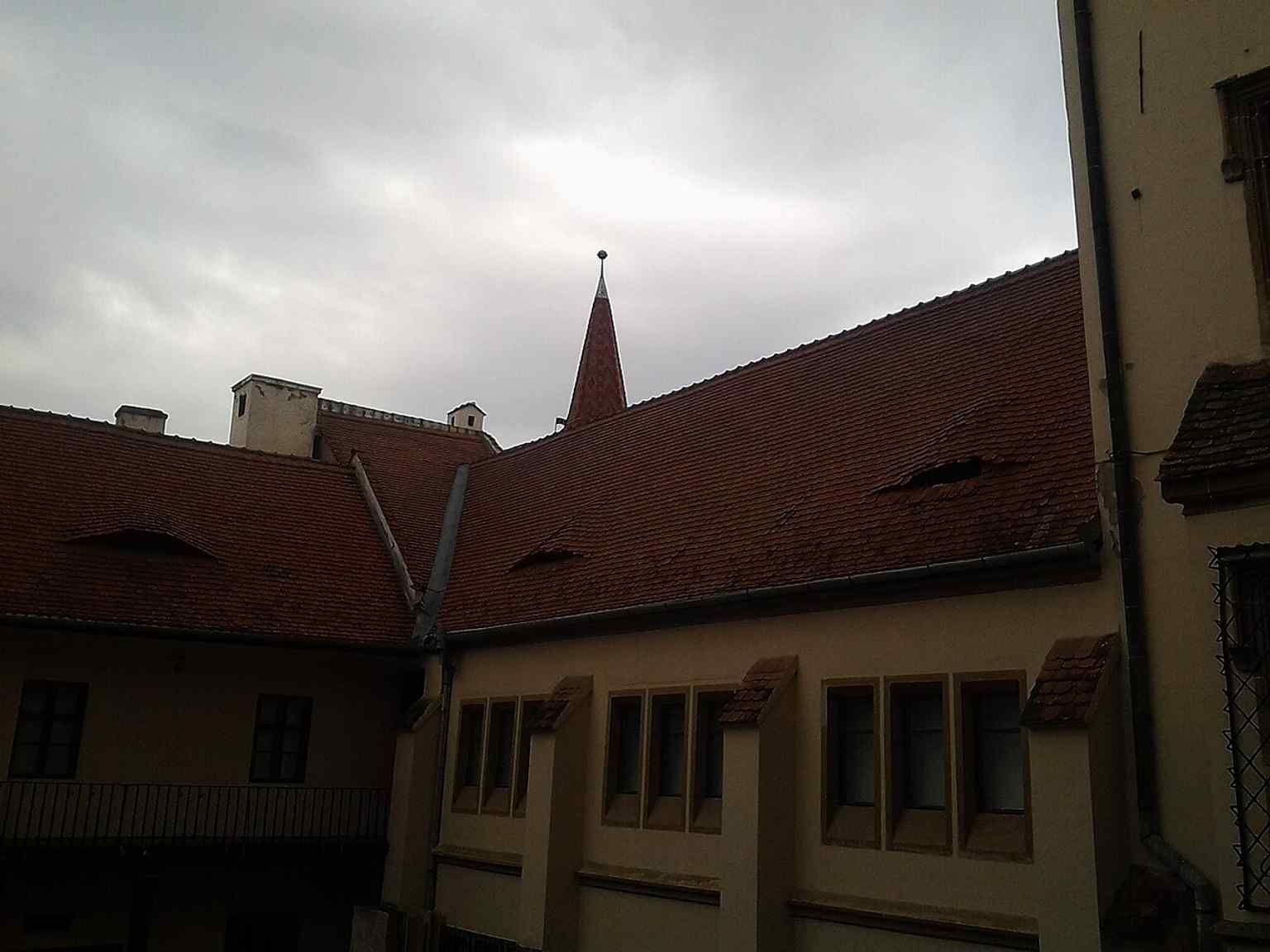
A towering perspective of the building, which once housed not only the City Hall but also the Saxon University, courthouse, police headquarters, and even the Sibiu fire department.
A towering perspective of the building, which once housed not only the City Hall but also the Saxon University, courthouse, police headquarters, and even the Sibiu fire department.Photo: Andrei kokelburg, Wikimedia Commons, CC BY-SA 3.0 ro. Cropped & resized.
A broad view of the Altemberger-Pempflinger House, which underwent extensive restoration between 1967 and 1988, revealing original architectural details that had been covered by successive administrative changes.
A broad view of the Altemberger-Pempflinger House, which underwent extensive restoration between 1967 and 1988, revealing original architectural details that had been covered by successive administrative changes.Photo: Andrei kokelburg, Wikimedia Commons, CC BY-SA 3.0 ro. Cropped & resized.
A frontal view of the building, notable for the attached defense tower that was part of the city's third defensive enclosure and housed the city's archive from 1546 to 1923.
A frontal view of the building, notable for the attached defense tower that was part of the city's third defensive enclosure and housed the city's archive from 1546 to 1923.Photo: Leontin l, Wikimedia Commons, CC BY-SA 4.0. Cropped & resized.
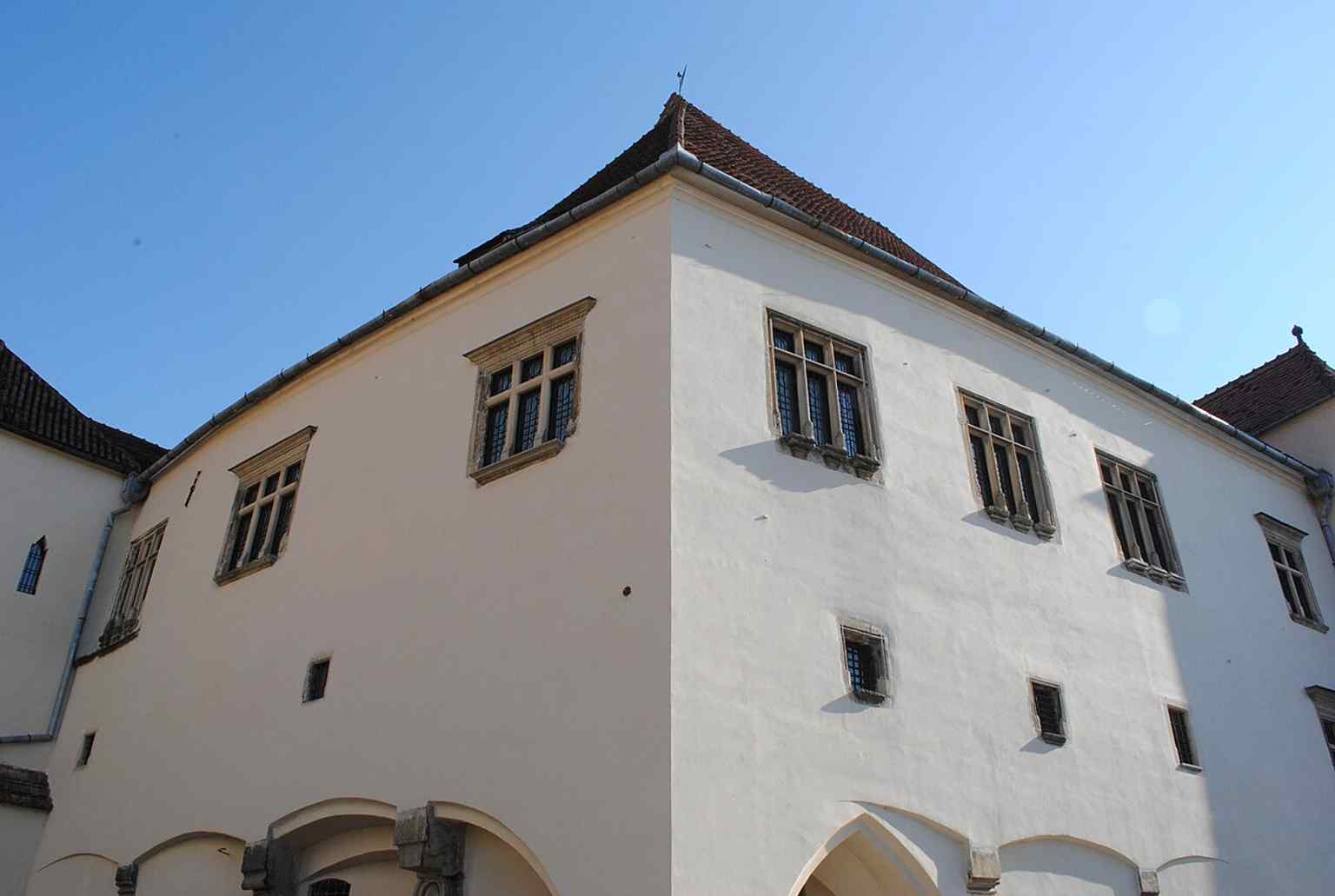
A vertical perspective of the museum, highlighting its status as a declared historical monument, built in several stages from the late 15th to the 19th centuries.
A vertical perspective of the museum, highlighting its status as a declared historical monument, built in several stages from the late 15th to the 19th centuries.Photo: Leontin l, Wikimedia Commons, CC BY-SA 4.0. Cropped & resized.
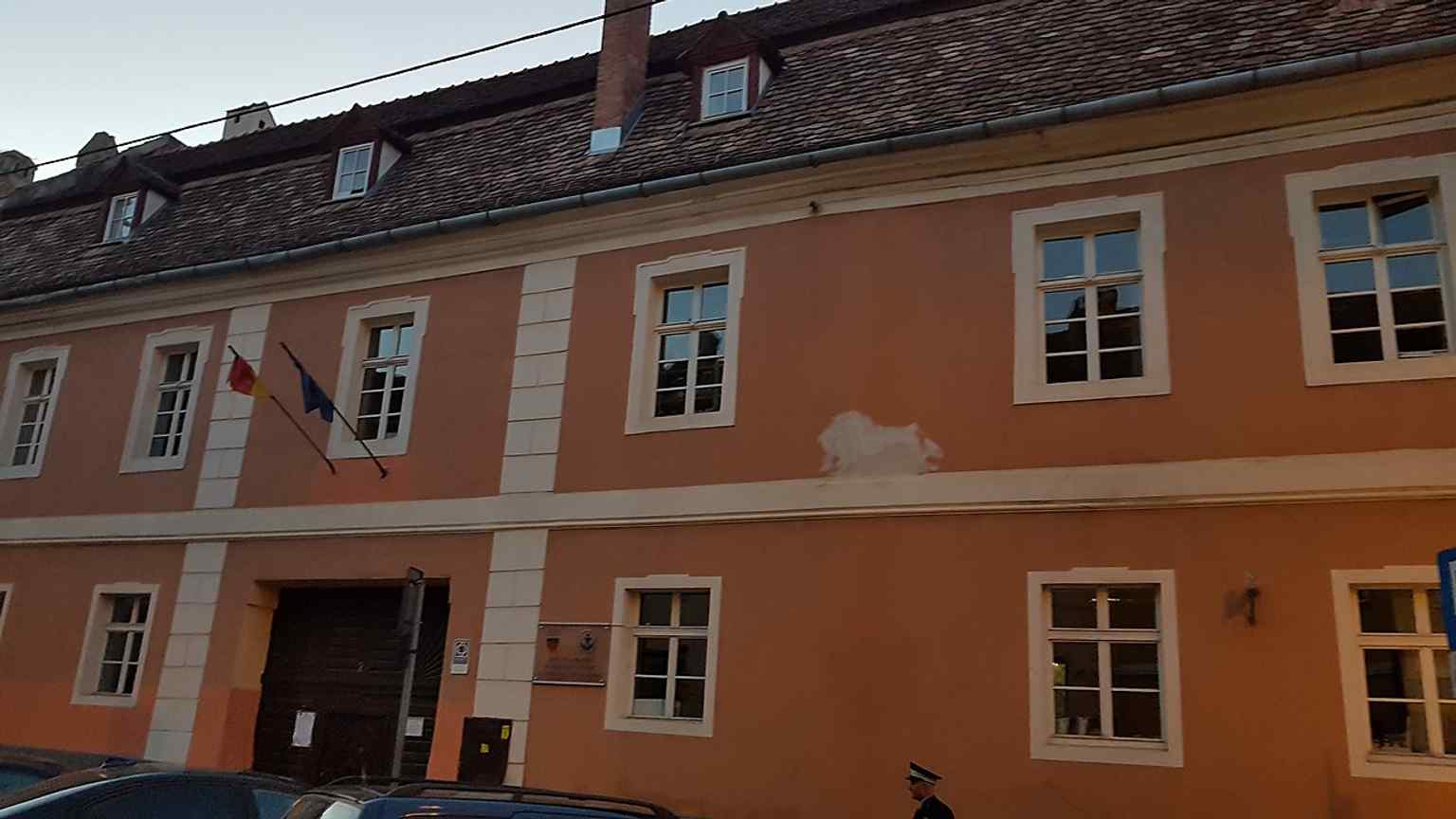
The facade of the Altemberger-Pempflinger House, which was acquired by the city in 1545 to serve as the new seat of the city council, showcasing its role as a central decision-making body.
The facade of the Altemberger-Pempflinger House, which was acquired by the city in 1545 to serve as the new seat of the city council, showcasing its role as a central decision-making body.Photo: Andrei kokelburg, Wikimedia Commons, CC BY-SA 3.0 ro. Cropped & resized.
A view capturing a section of the museum building, reflecting its long history as the "nervous center" of Sibiu, where all major decisions, from economic regulations to judicial sentences, were made.
A view capturing a section of the museum building, reflecting its long history as the "nervous center" of Sibiu, where all major decisions, from economic regulations to judicial sentences, were made.Photo: Leontin l, Wikimedia Commons, CC BY-SA 4.0. Cropped & resized.
arrow_back Back to Sibiu Audio Tour: Towers, Traditions & Timeless Treasures

AudaTours: Audio Tours

Entertaining, budget-friendly, self-guided walking tours

Try the app arrow_forward

Loved by travelers worldwide

format_quote This tour was such a great way to see the city. The stories were interesting without feeling too scripted, and I loved being able to explore at my own pace.
Jess
Jess
starstarstarstarstar
Tbilisi Tour arrow_forward
format_quote This was a solid way to get to know Brighton without feeling like a tourist. The narration had depth and context, but didn't overdo it.
Christoph
Christoph
starstarstarstarstar
Brighton Tour arrow_forward
format_quote Started this tour with a croissant in one hand and zero expectations. The app just vibes with you, no pressure, just you, your headphones, and some cool stories.
John
John
starstarstarstarstar
Marseille Tour arrow_forward

Unlimited Audio Tours

Unlock access to EVERY tour worldwide

0 tours·0 cities·0 countries
all_inclusive Explore Unlimited