
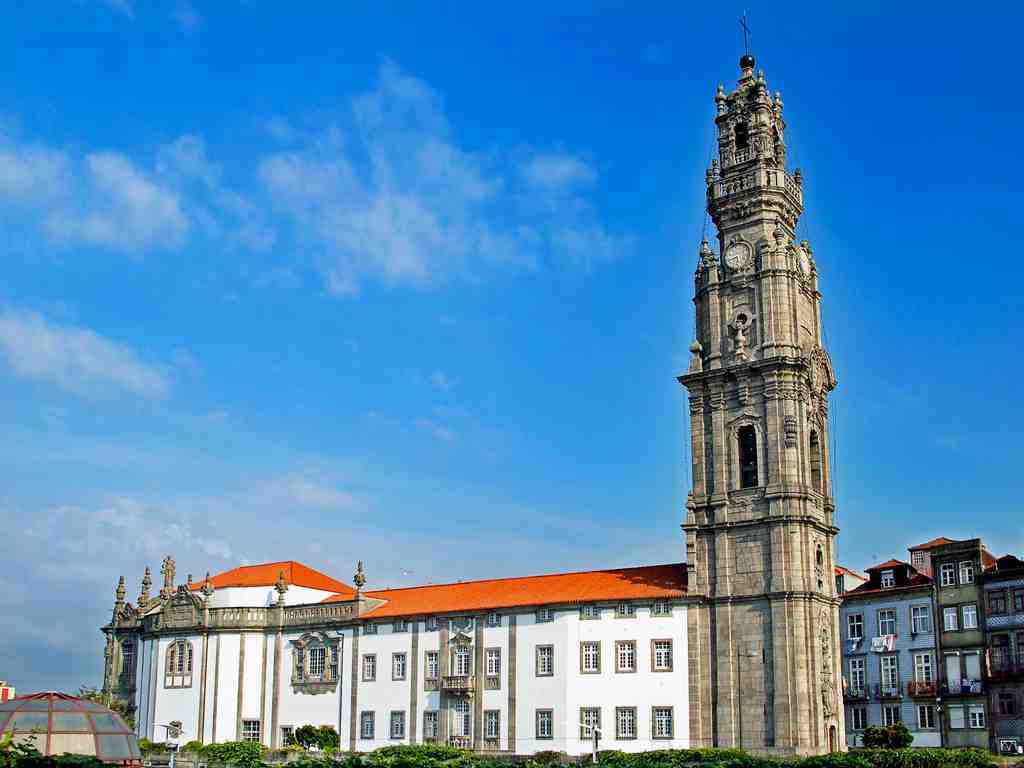
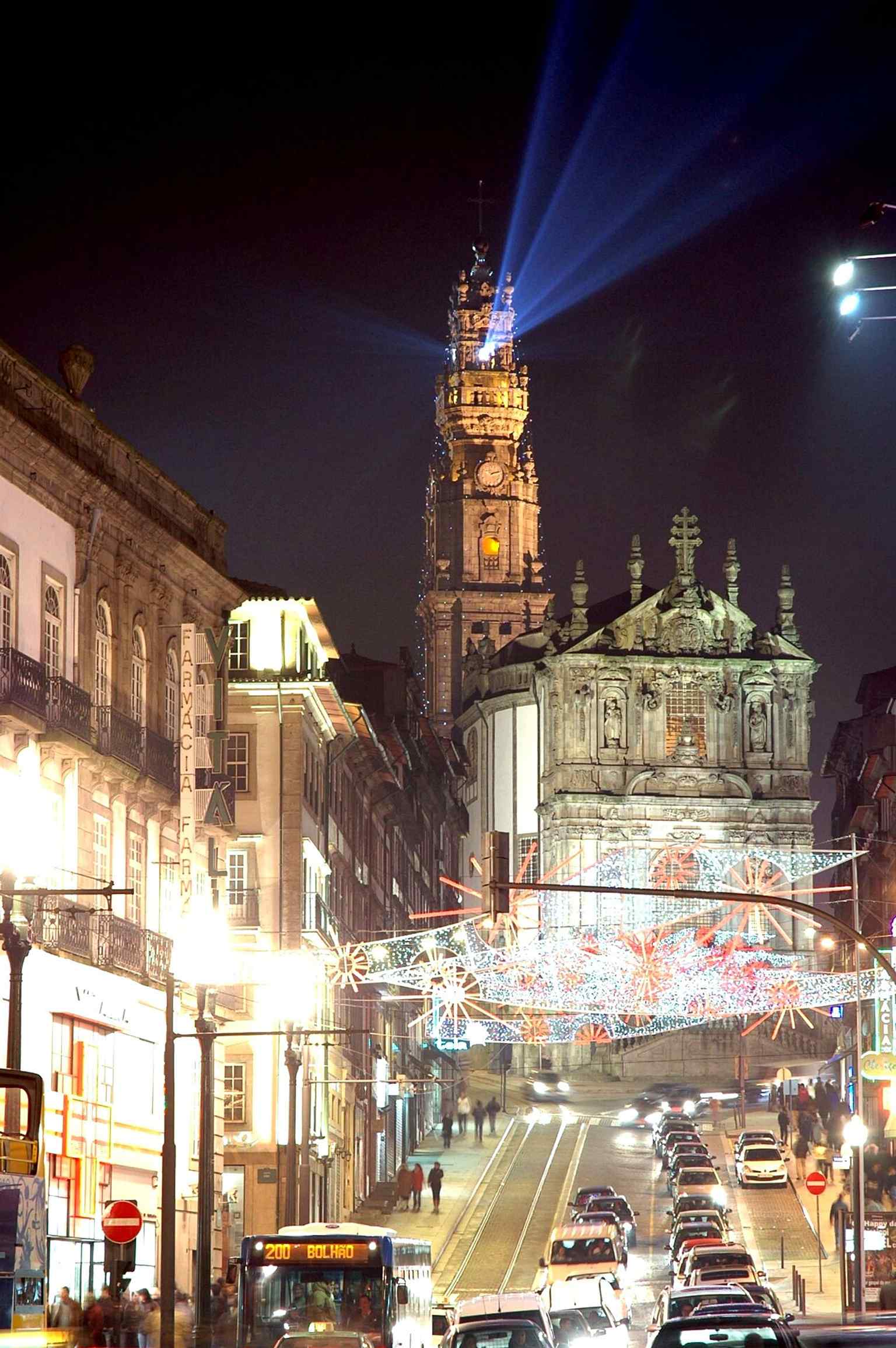
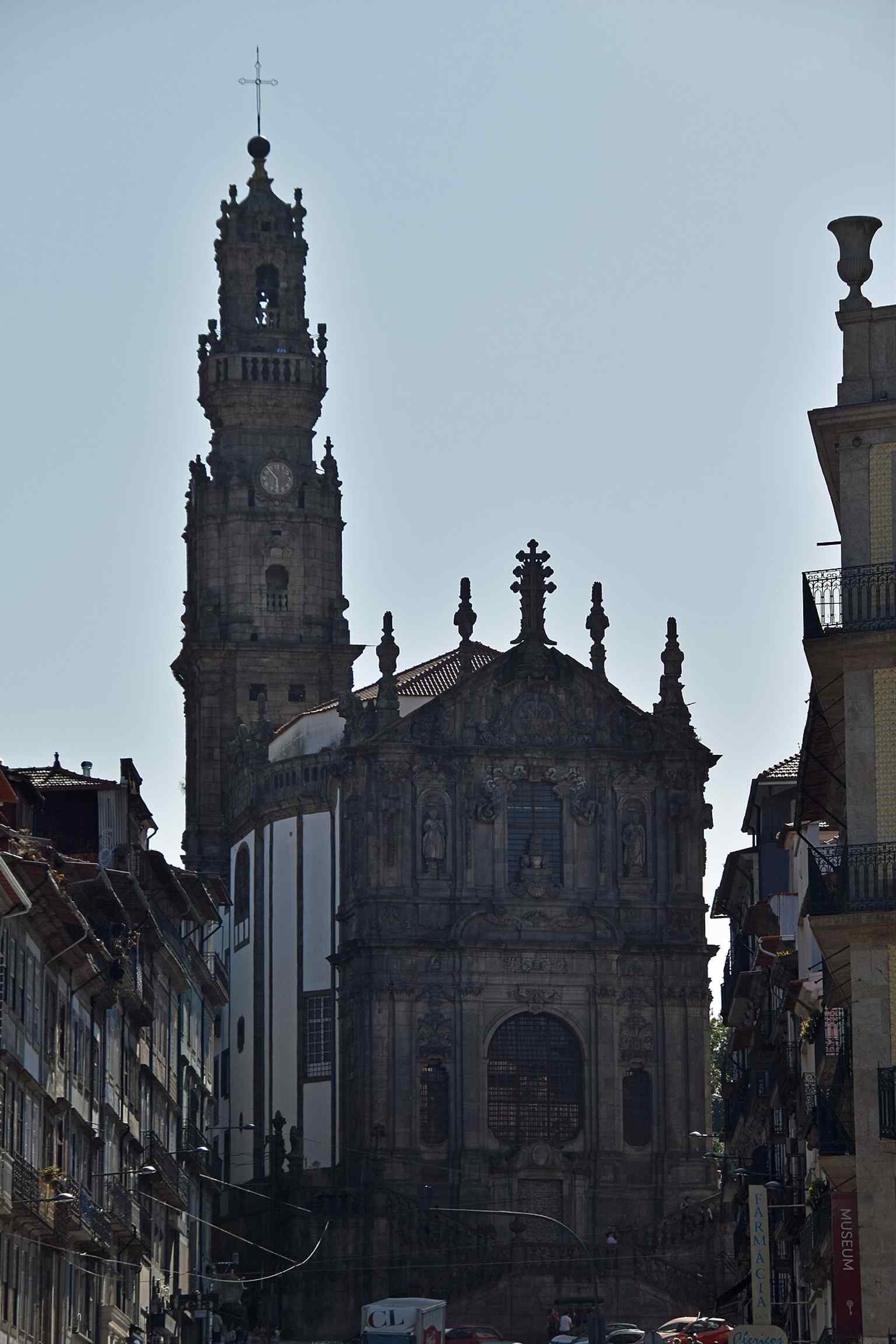
On your right, look for a narrow granite façade rising like a carved screen, crowned with a cross and backed by the tall bell tower that marks the Porto skyline.
This is Clérigos: church, tower, and the House of the Brotherhood between them, all drawn together by Nicolau Nasoni, the Italian architect from Tuscany who came to Porto from Malta and gave the city one of its boldest signatures. People often treat the tower as a postcard. It is that, certainly. But it began with something quieter and more human.
In the early eighteenth century, Porto had many clergy, and not all of them lived comfortably. Some grew poor, some fell ill, some died without support. So in seventeen oh seven, three local religious brotherhoods joined forces to care for them. Out of that practical act of mercy came this entire complex. Even the choice of patron saint had a touch of theatre: the different groups could not agree, so the name of Our Lady of the Assumption was drawn from an urn.
The site itself carried an awkward memory. This ground lay near the Adro dos Enforcados, a place associated with executions and the burial of the condemned. Yet Porto has a habit of taking troubled ground and giving it a new purpose. The church rose first, from seventeen thirty-two to seventeen forty-nine. The House of the Brotherhood followed, then the tower, finished in seventeen sixty-three.
And what a tower it is: seventy-five metres high, stacked in six levels, with two bell chambers, a carillon of forty-nine bells, and a stair of two hundred and twenty-five steps. It did more than call people to worship. It marked time with a daily gunpowder signal at noon, served as a telegraph, guided boats on the Douro, signalled merchants when packets arrived, and even played a part in moments of conflict. Faith gave Porto a lookout.
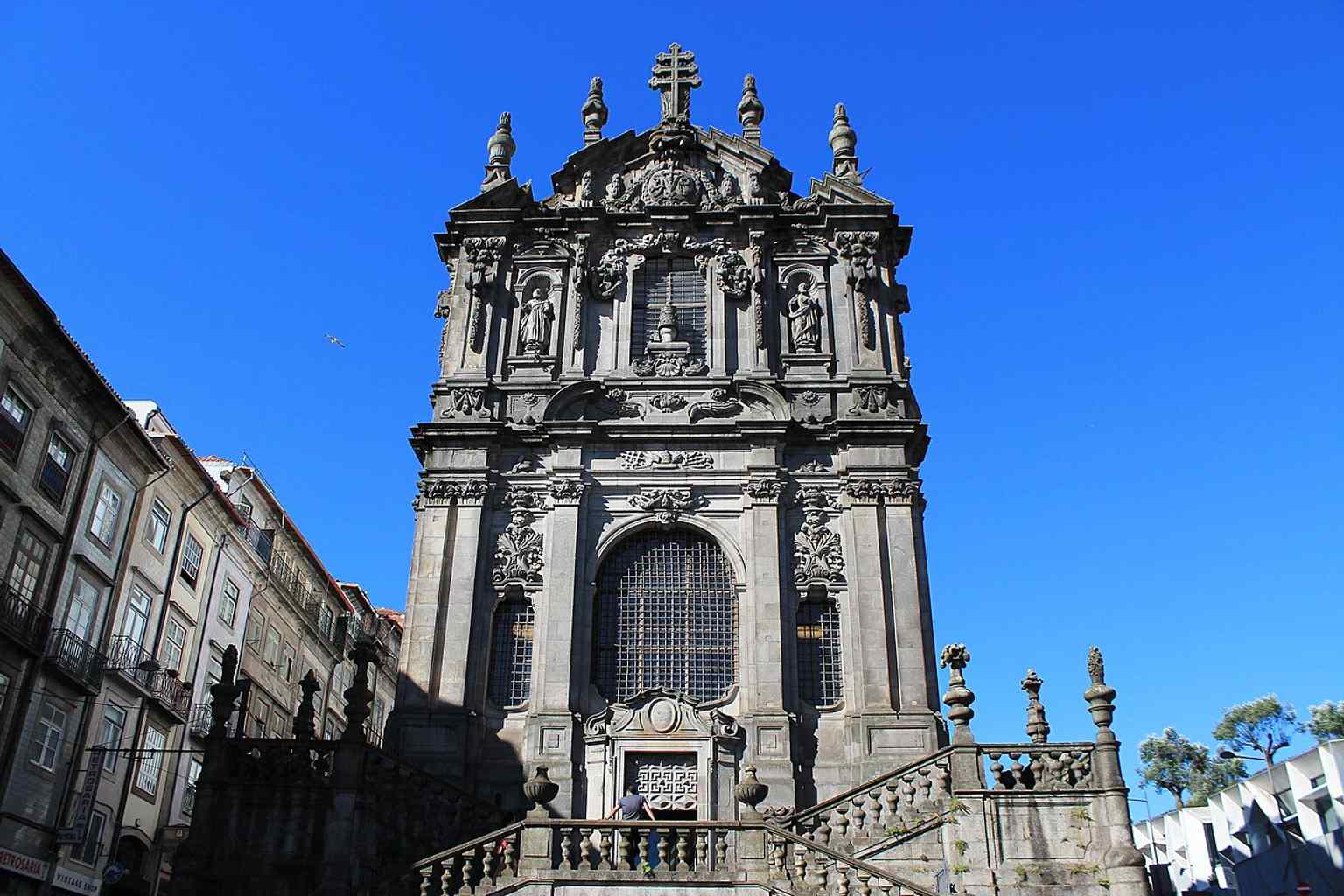
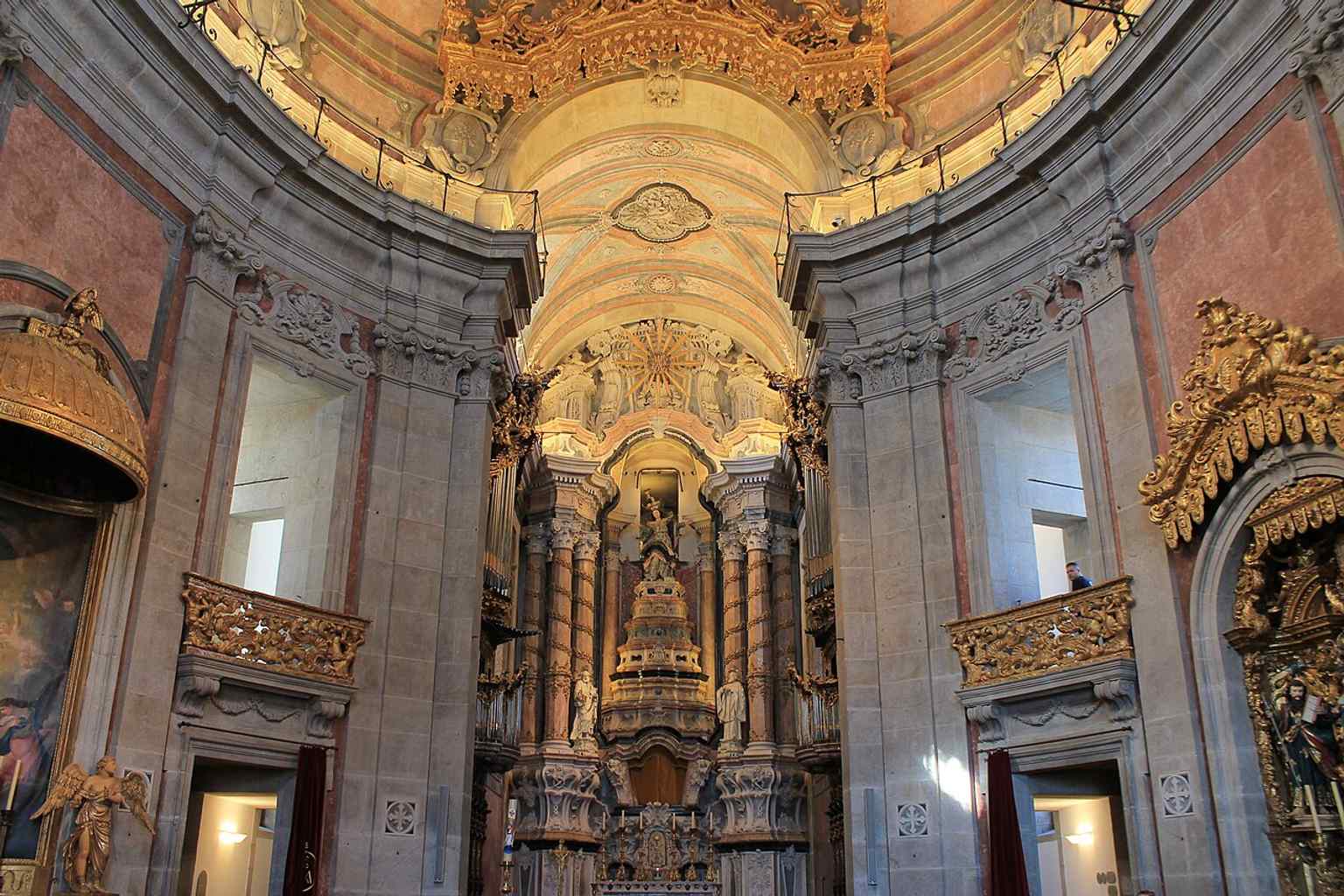
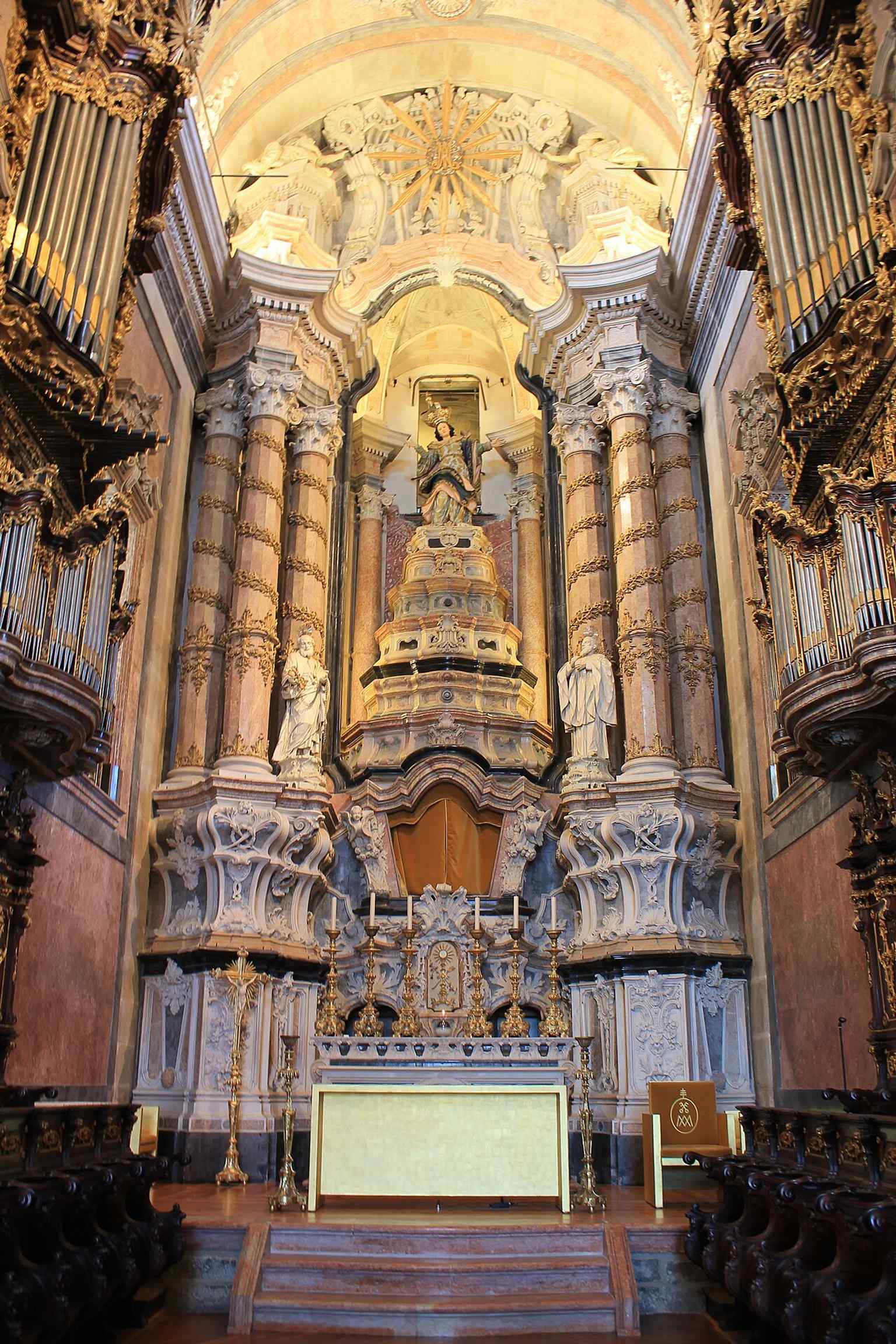
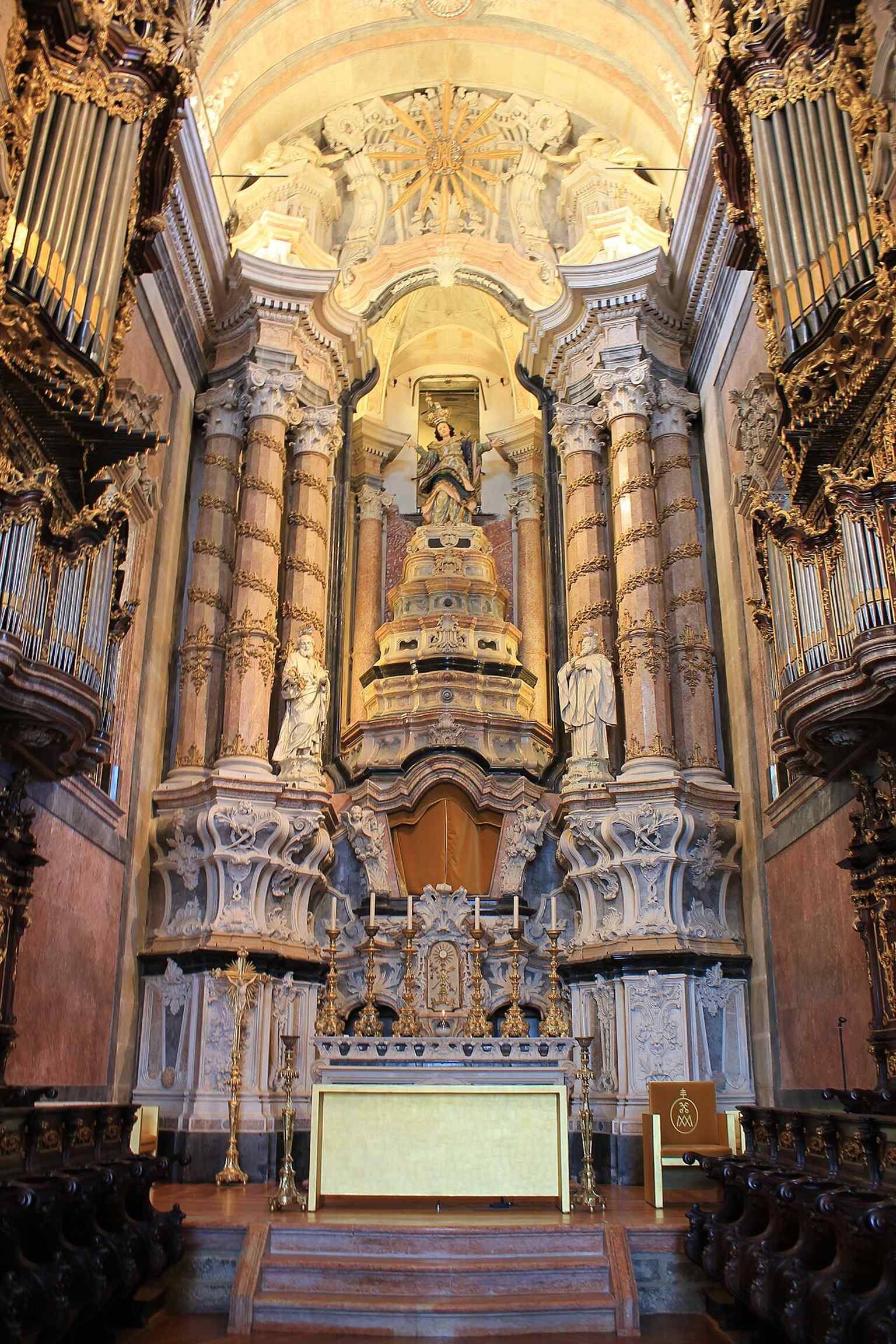
If you glance at the image on your screen, you can see how the interior opens into an oval nave, the church’s main hall, rather than a long simple rectangle. That shape was unusual here. Outside, Nasoni turned granite into something almost fluid. The façade narrows and rises dramatically, with curves, niches, and ornament so lively that the stone seems carved like wood.
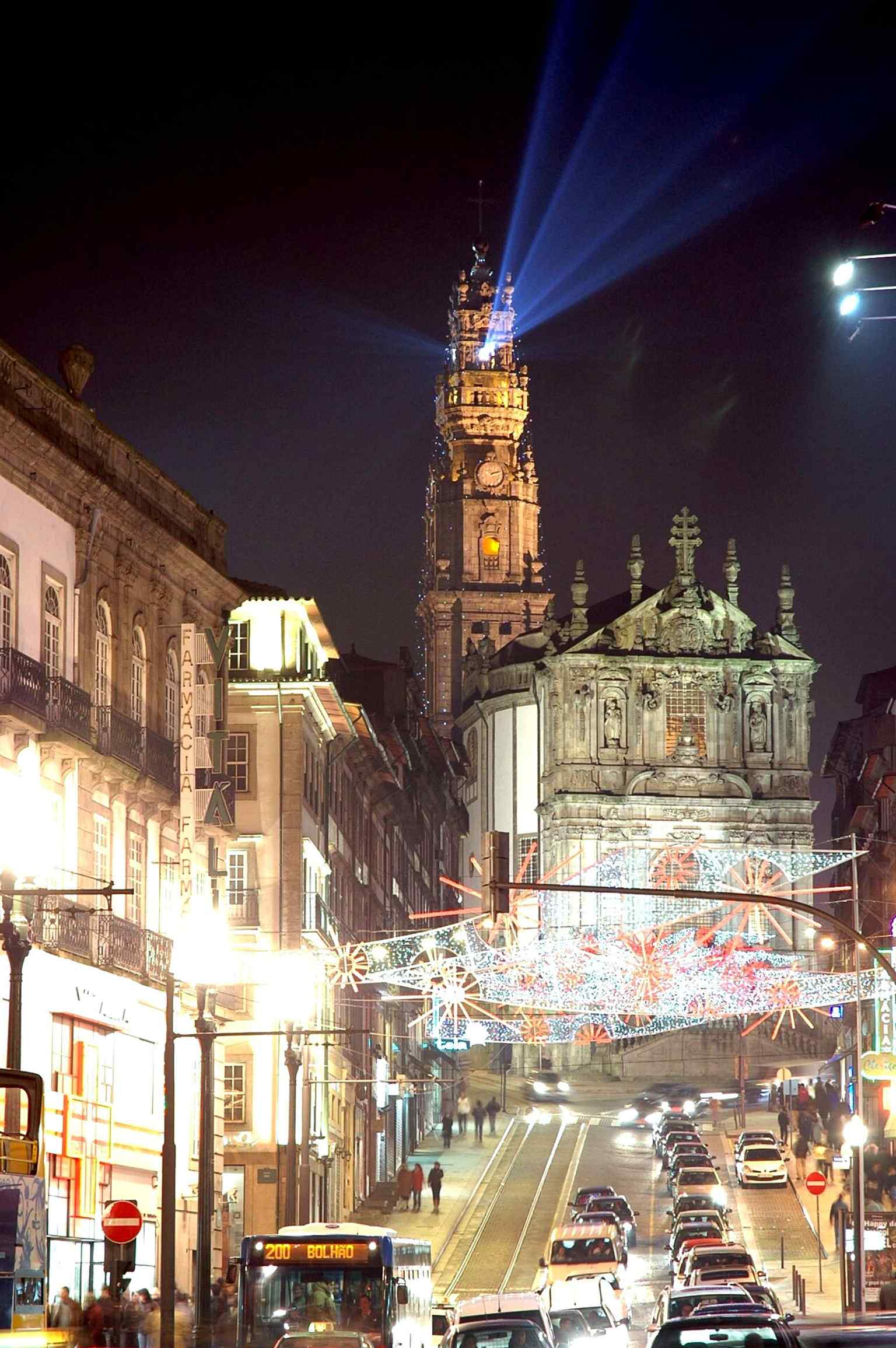
But here is the part locals never quite tire of. Nasoni gave decades of his life to this place, and the records say he was buried here as a “poor cleric.” Yet nobody can point to his grave. During the major restoration completed in two thousand and fourteen, workers uncovered an eighteenth-century crypt by accident. Archaeologists found twenty-six bodies there, including António de Santo Ilídio, the bishop-elect of Aveiro, who died in eighteen forty-nine. They also identified four possible candidates for Nasoni. Even so, the architect of Porto’s most recognisable monument remains, in death, uncertain inside his own creation.
If you want a sense of how completely the tower commands the city, the aerial view in the app makes the point rather well. From here, Porto seems to gather around it.
And now we leave this great upward gesture of stone and bells for another kind of ambition: the University of Porto, where the city turned height into thought, and authority into learning. If you plan to go inside later, the Clérigos complex is generally open every day from nine in the morning until seven in the evening.





.JPG)


