AudaTours logoAudaTours

Stop 11 of 16

Rainbow Travel Agency

headphones 03:44 Buy tour to unlock all 16 tracks
Rainbow Travel Agency
Rainbow
RainbowPhoto: Panek, Wikimedia Commons, CC BY-SA 4.0. Cropped & resized.

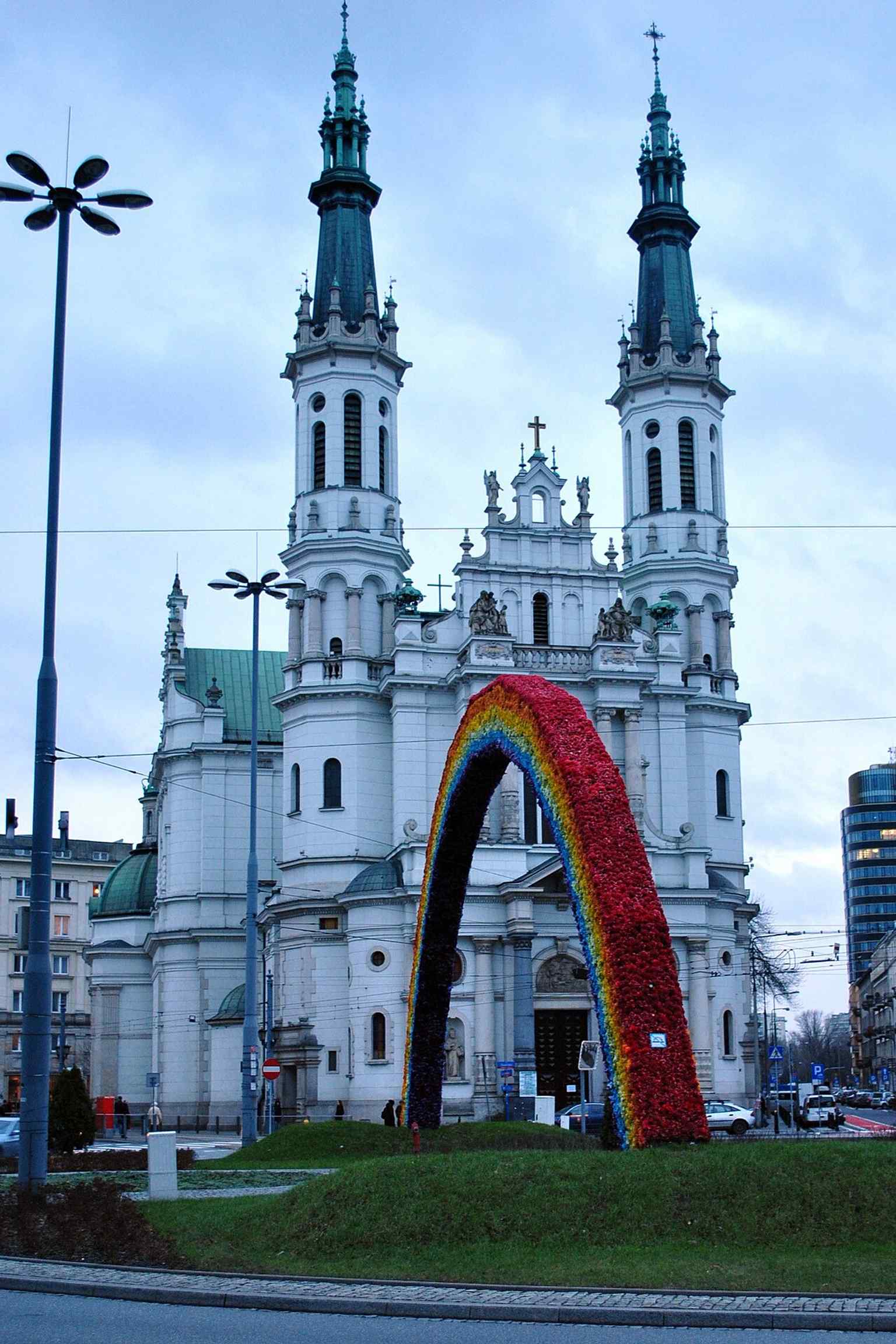
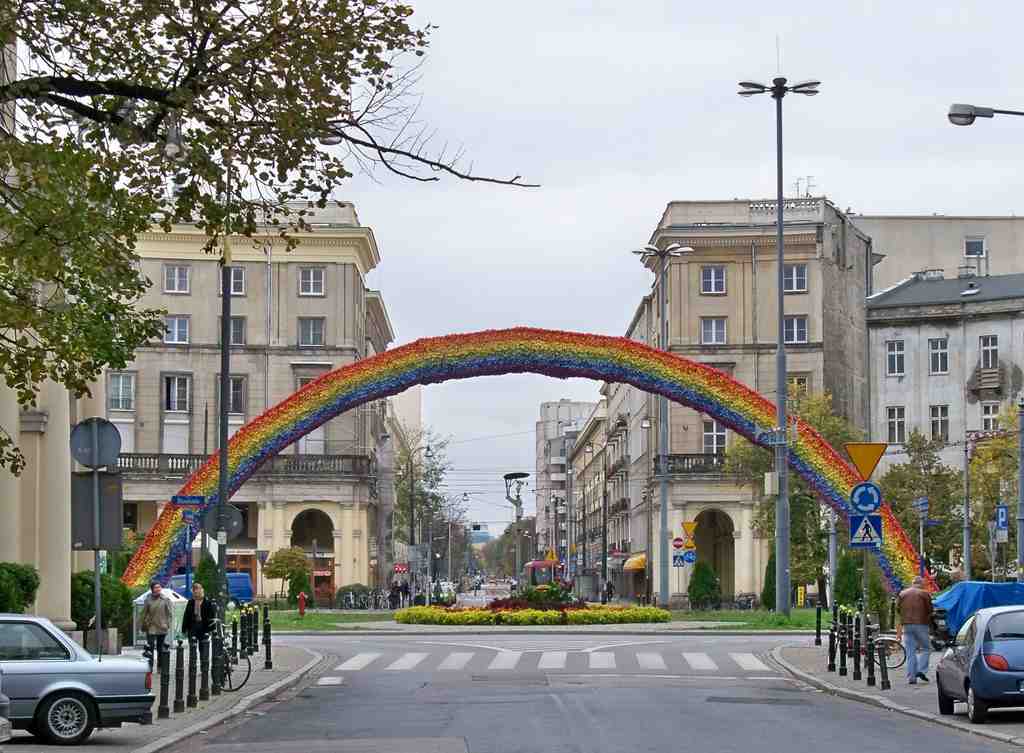
On your left once stood a giant steel arch, packed with artificial flowers and curved into a six-color rainbow at the center of Plac Zbawiciela.

Julita Wójcik did not set out to build a national nervous breakdown. In the summer of two thousand twelve, the Adam Mickiewicz Institute brought her Rainbow here from an earlier version shown in Brussels during Poland’s presidency of the European Union. The idea sounded almost suspiciously wholesome: love, peace, hope... an apolitical sign anyone could claim.

Its roots were even more traditional. Wójcik first created a version in two thousand ten at the Camaldolese Monastery in Wigry, where it helped support crumbling walls and pointed to the biblical covenant between God and humanity. Then Warsaw got involved, and Warsaw, as usual, did not keep things simple.

More than one thousand volunteers - seniors, students, artists - gathered at Zachęta and spent weeks threading sixteen thousand artificial flowers onto wires. Wójcik called it cooperativism: shared labor creating beauty together. Which is a lovely plan, right up until beauty lands in front of a church and acquires six colors.

That is where The Rainbow Controversy began. Many people embraced it as open, generous public art. Far-right nationalist and Catholic groups read it as an L-G-B-T symbol planted in a loaded spot, directly before the Church of the Holiest Saviour. The artwork’s meaning expanded far beyond the artist’s brief and turned into a test of what the square, and the city, could tolerate.

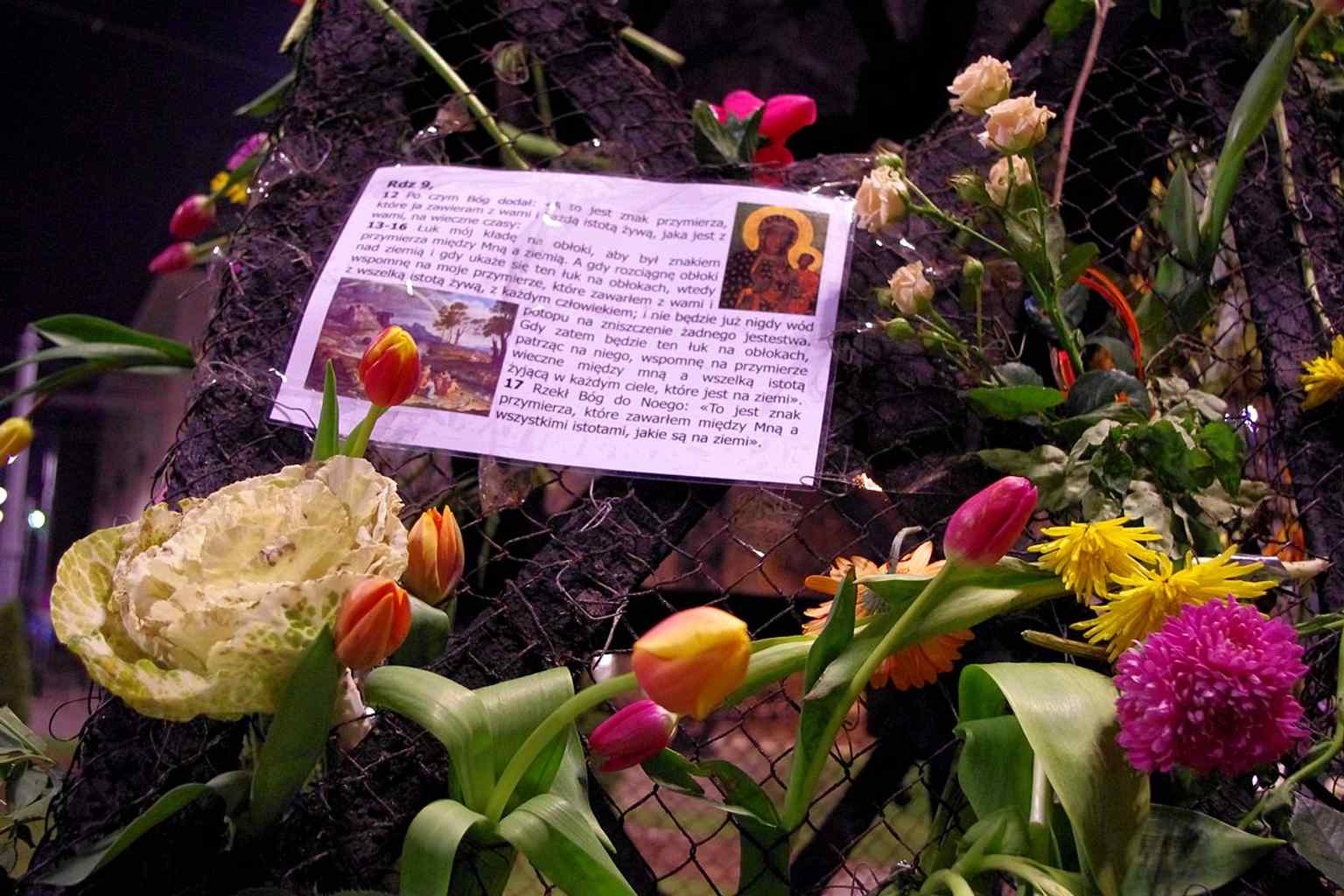
By late two thousand thirteen, people had attacked it again and again - fires, damage, reconstruction, then more damage. The worst came on the eleventh of November, two thousand thirteen, during the Independence March. The flowers melted, black smoke rose, and the burning arch against the church became one of those images a country cannot unsee. If you want, take a quick look at the before-and-after image in the app... it shows the jump from cheerful landmark to cultural wreckage in one glance.

And then came the counter-voice. The next day, citizens pushed fresh real flowers into the charred metal frame. Couples held a kiss-in beneath it. Mayor Hanna Gronkiewicz-Waltz said the city would rebuild it as many times as necessary, and Warsaw spent more than one hundred thousand zloty on reconstruction, adding non-flammable flowers and even sprinklers. When a city keeps repairing an artwork after repeated attacks, is it defending free expression... or just proving how badly a symbol can get under people’s skin?

By August two thousand fifteen, the fight ended in removal. Workers stripped off the flowers and dismantled the steel frame, but even that became a public event. Crowds gathered, watched in silence, and pocketed discarded blossoms as souvenirs - a sad festival for an object made of plastic flowers and very real feeling.

From here, continue to Constitution Square, about six minutes away. The app oddly lists visiting hours as nine A-M to ten P-M, closed Sunday... disciplined scheduling for a landmark that now survives mostly in memory.
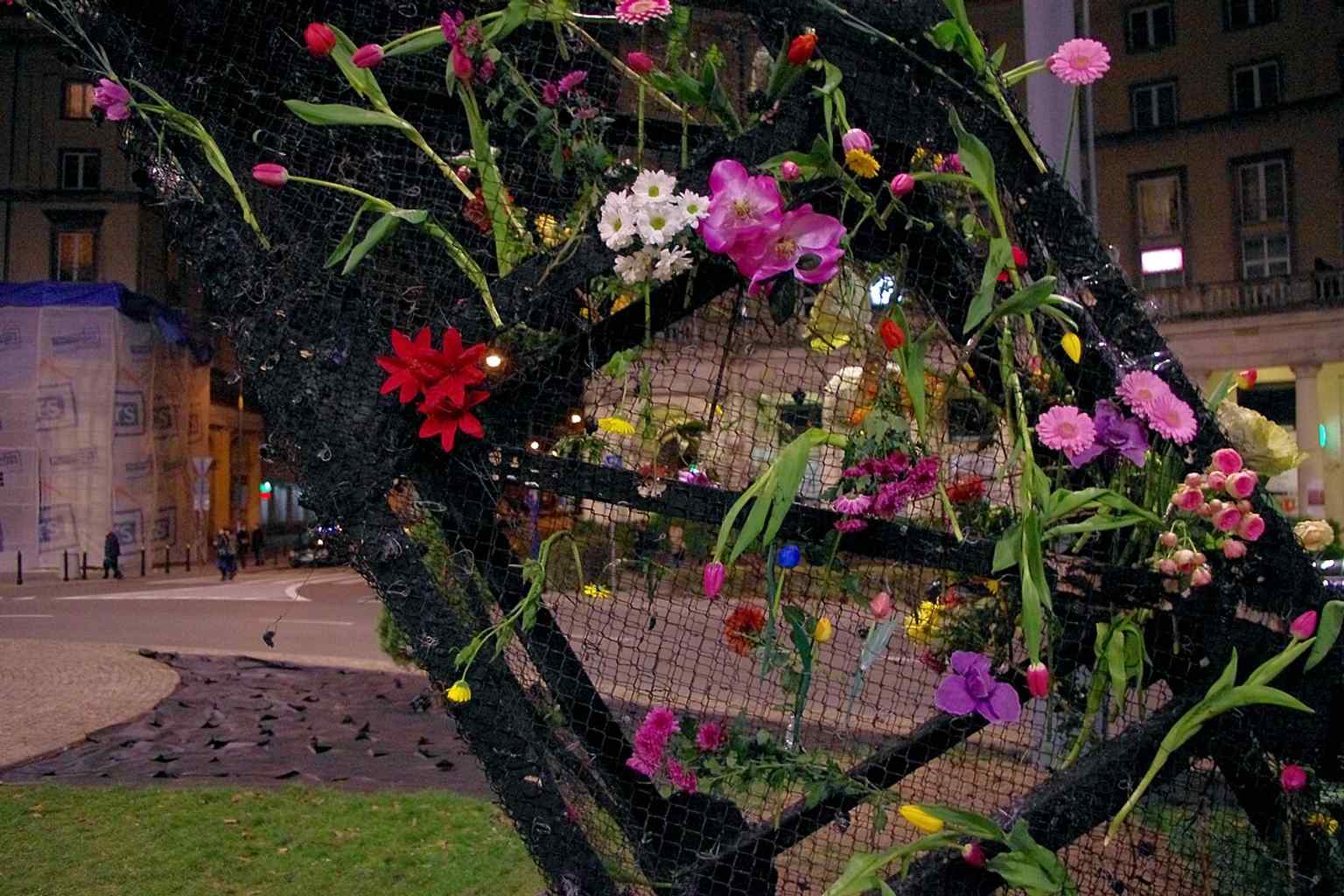
The day after the 2013 burning, when the devastated arch still stood in the square and drew crowds back to the site.
The day after the 2013 burning, when the devastated arch still stood in the square and drew crowds back to the site.Photo: Mateusz Opasiński, Wikimedia Commons, CC BY-SA 3.0. Cropped & resized.
Another post-fire view from Plac Zbawiciela — useful for showing the scale of damage before the reconstruction.
Another post-fire view from Plac Zbawiciela — useful for showing the scale of damage before the reconstruction.Photo: Mateusz Opasiński, Wikimedia Commons, CC BY-SA 3.0. Cropped & resized.
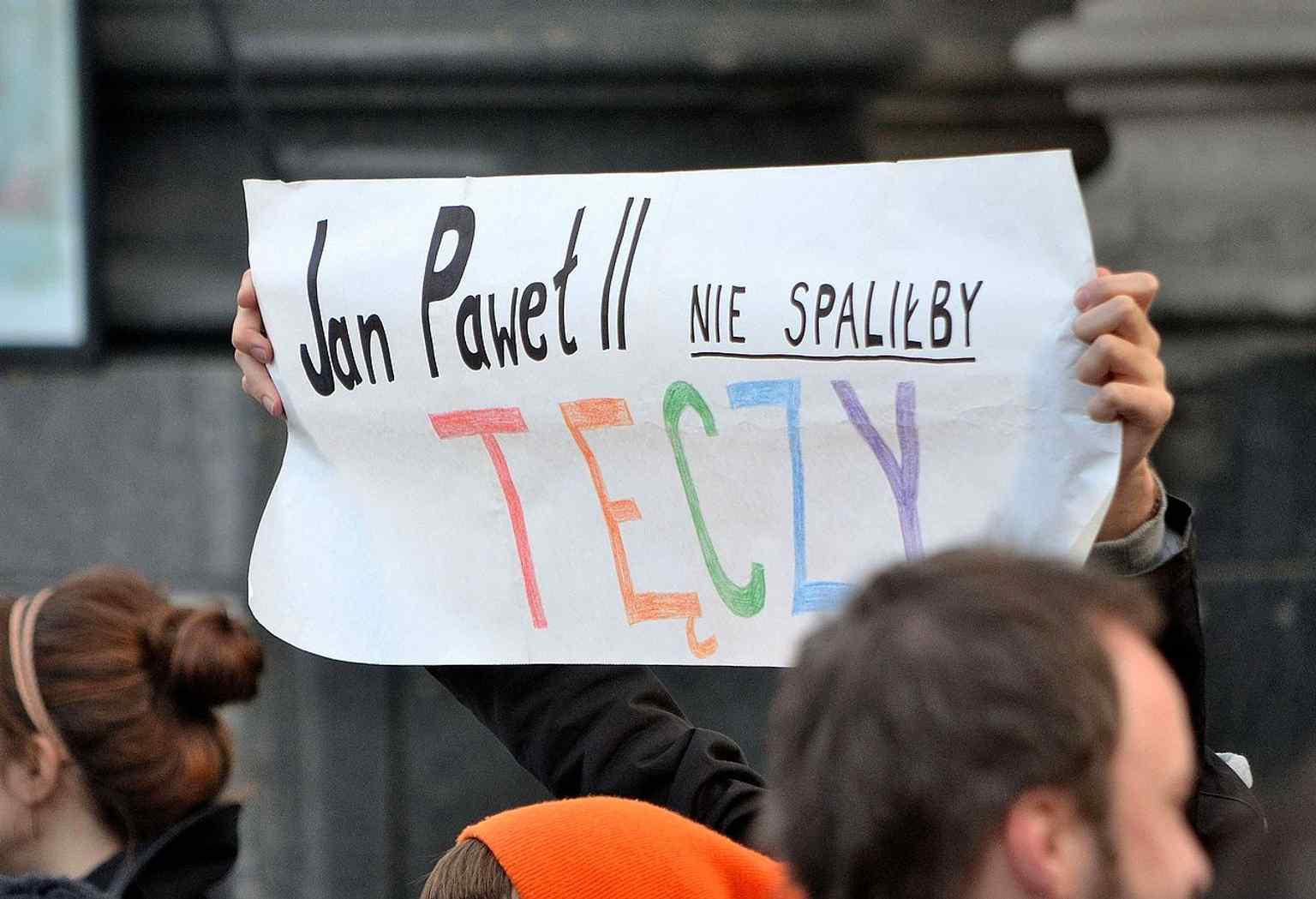
Supporters gathered with a sign defending the Rainbow in 2014, reflecting the public activism the artwork inspired.
Supporters gathered with a sign defending the Rainbow in 2014, reflecting the public activism the artwork inspired.Photo: Adrian Grycuk, Wikimedia Commons, CC BY-SA 3.0 pl. Cropped & resized.
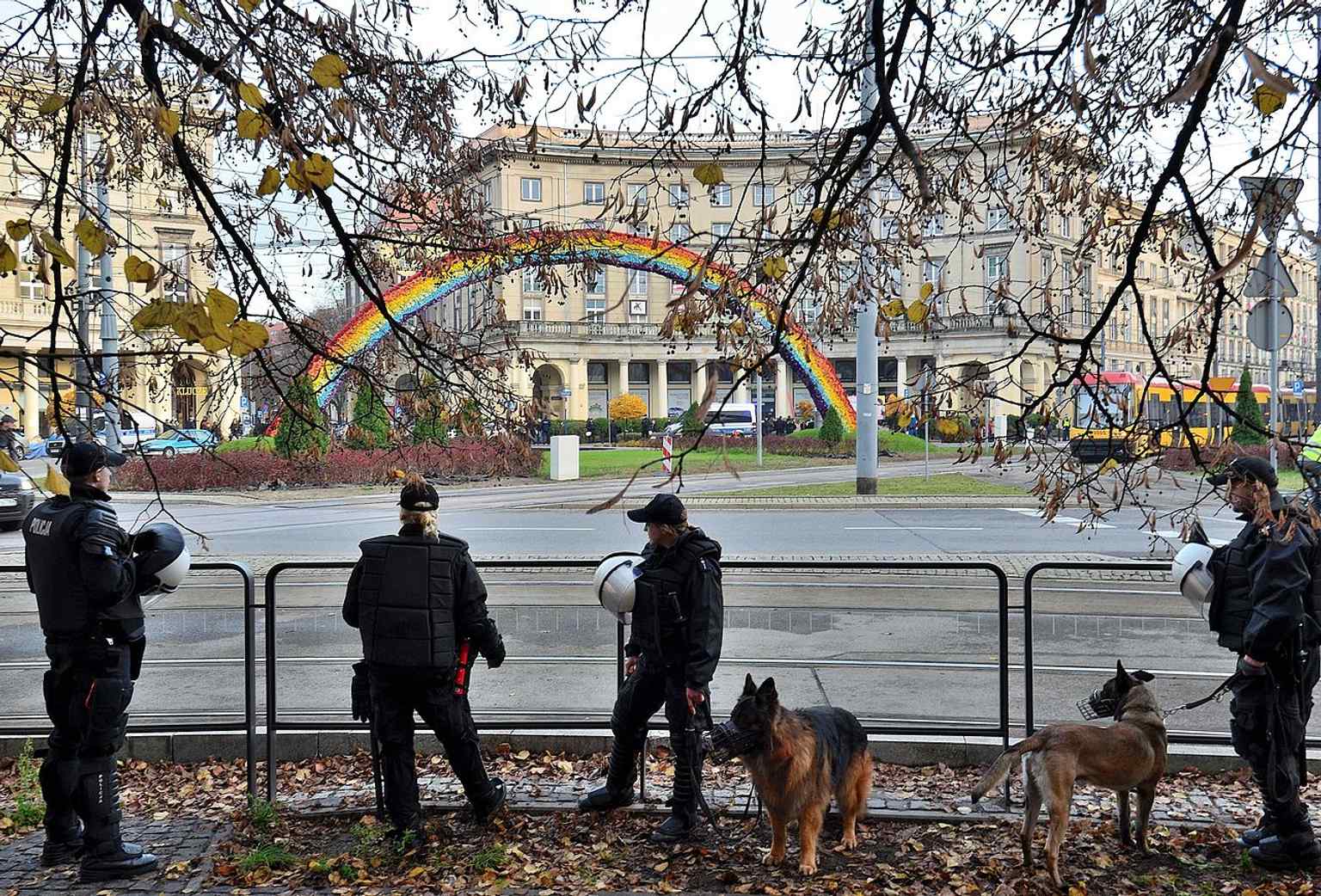
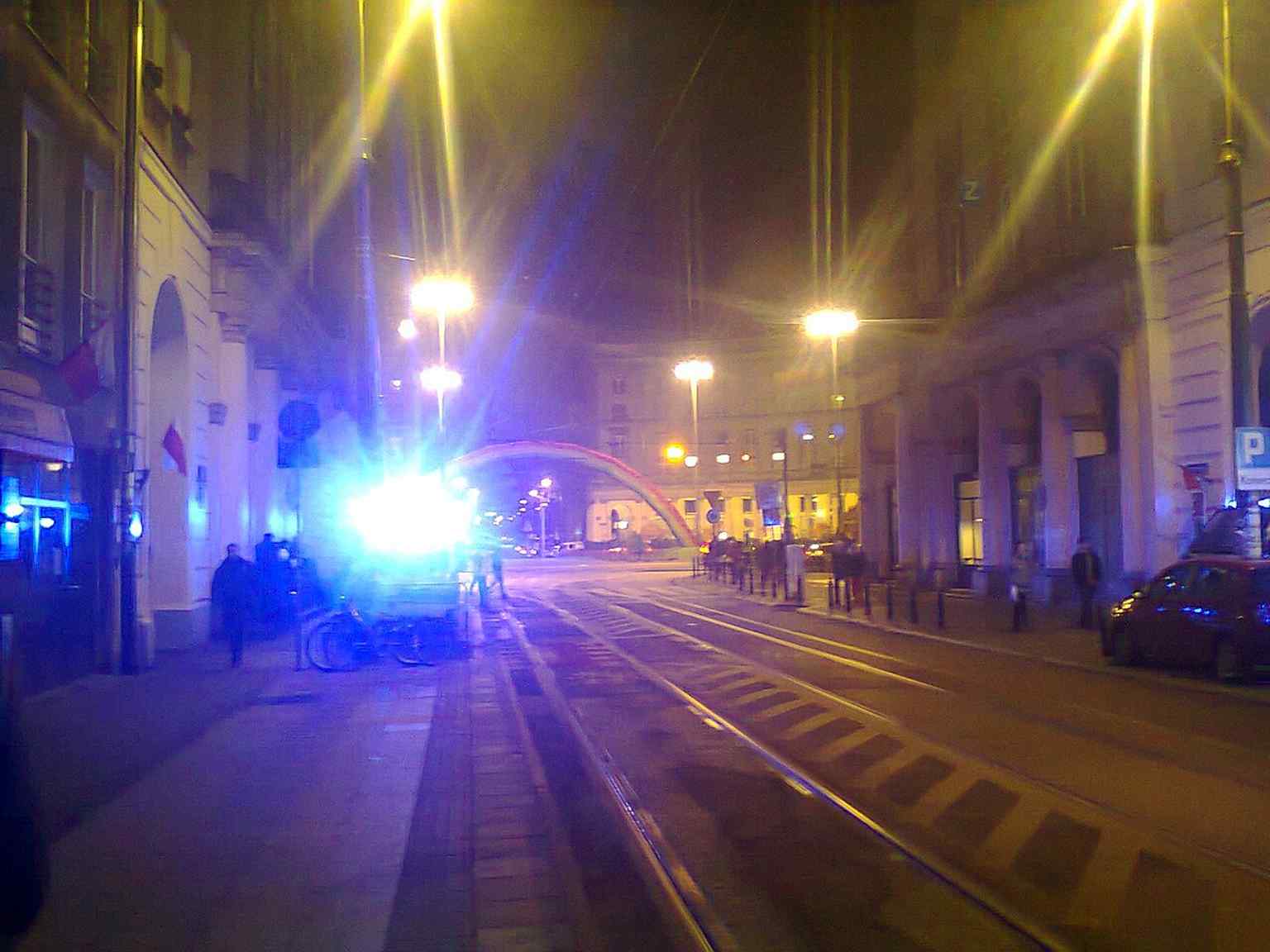
Police guarding the Rainbow on Independence Day 2014 — a sign of how politically charged the installation had become.
Police guarding the Rainbow on Independence Day 2014 — a sign of how politically charged the installation had become.Photo: Adrian Grycuk, Wikimedia Commons, CC BY-SA 3.0 pl. Cropped & resized.
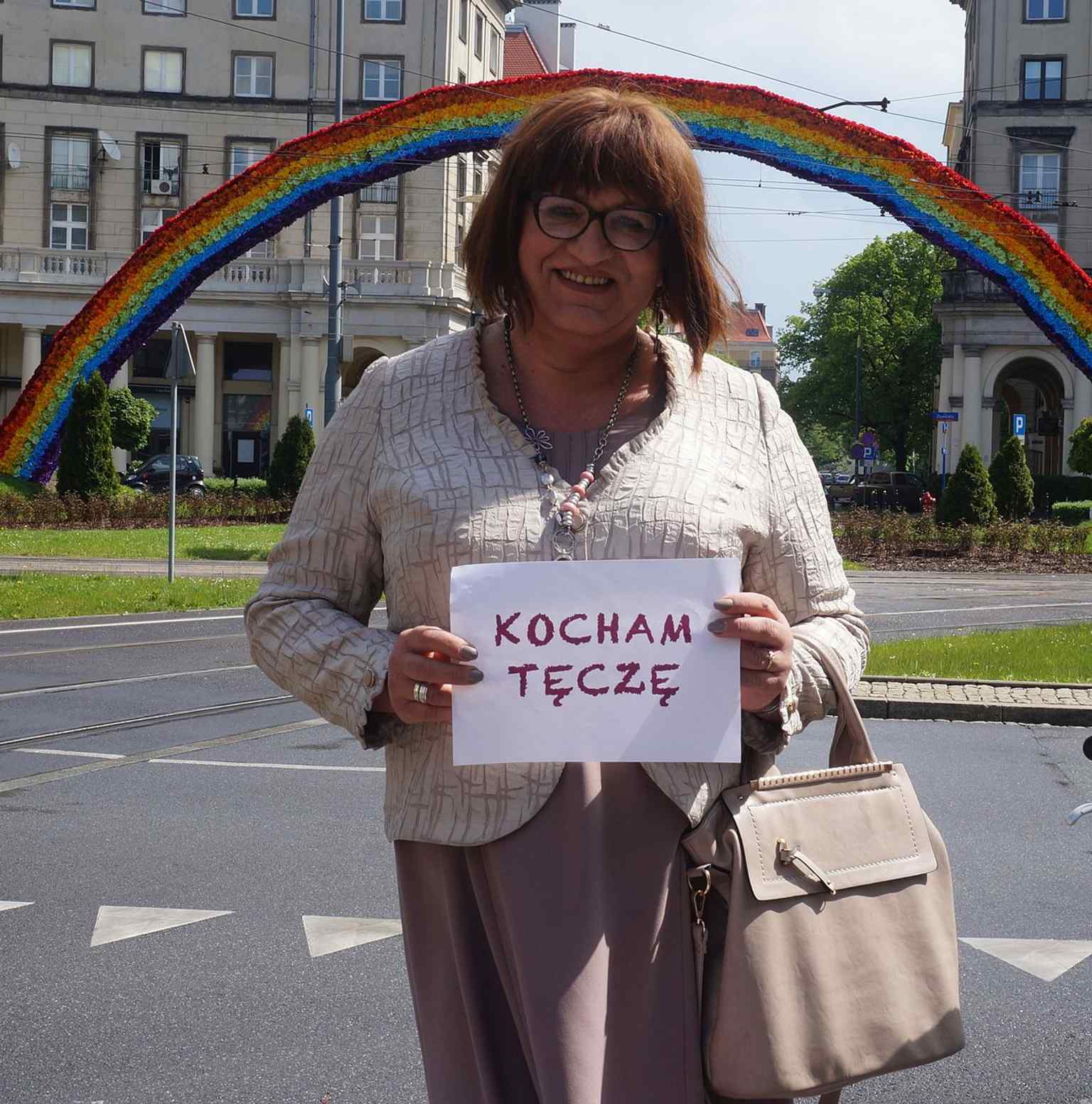
Anna Grodzka standing under the Rainbow in 2014, highlighting how the site became linked to LGBT visibility and support.
Anna Grodzka standing under the Rainbow in 2014, highlighting how the site became linked to LGBT visibility and support.Photo: LalkaPodobinska, Wikimedia Commons, CC BY-SA 4.0. Cropped & resized.
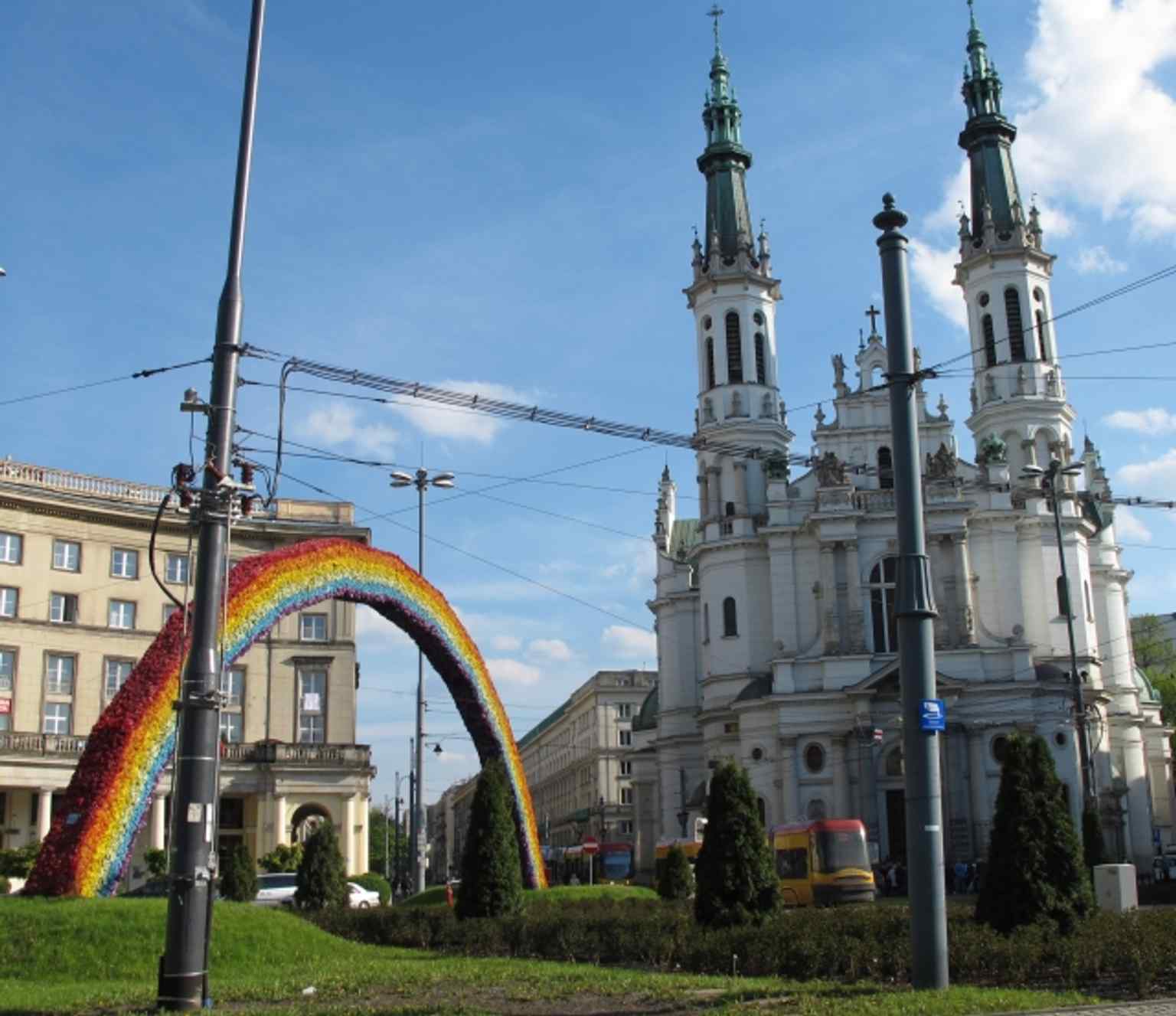
Plac Zbawiciela with the Church of the Holiest Saviour and the Rainbow together in 2015 — the square where art, religion, and politics collided.
Plac Zbawiciela with the Church of the Holiest Saviour and the Rainbow together in 2015 — the square where art, religion, and politics collided.Photo: Ratoncito Perez, Wikimedia Commons, CC0. Cropped & resized.
The Rainbow framed by the church in late 2014, a classic view of the installation in its urban setting.
The Rainbow framed by the church in late 2014, a classic view of the installation in its urban setting.Photo: Marek Mróz, Wikimedia Commons, CC BY 4.0. Cropped & resized.
A later 2014 view of Tęcza in Plac Zbawiciela, showing the rebuilt artwork after repeated vandalism.
A later 2014 view of Tęcza in Plac Zbawiciela, showing the rebuilt artwork after repeated vandalism.Photo: Qkiel, Wikimedia Commons, CC BY-SA 4.0. Cropped & resized.
arrow_back Back to Warsaw Audio Tour: Stories of Squares, Streets, and Silent Symbols

AudaTours: Audio Tours

Entertaining, budget-friendly, self-guided walking tours

Try the app arrow_forward

Loved by travelers worldwide

format_quote This tour was such a great way to see the city. The stories were interesting without feeling too scripted, and I loved being able to explore at my own pace.
Jess
Jess
starstarstarstarstar
Tbilisi Tour arrow_forward
format_quote This was a solid way to get to know Brighton without feeling like a tourist. The narration had depth and context, but didn't overdo it.
Christoph
Christoph
starstarstarstarstar
Brighton Tour arrow_forward
format_quote Started this tour with a croissant in one hand and zero expectations. The app just vibes with you, no pressure, just you, your headphones, and some cool stories.
John
John
starstarstarstarstar
Marseille Tour arrow_forward

Unlimited Audio Tours

Unlock access to EVERY tour worldwide

0 tours·0 cities·0 countries
all_inclusive Explore Unlimited