AudaTours logoAudaTours

Stop 2 of 16

Wawel Royal Castle-State Art Collection

Wawel Royal Castle-State Art Collection
Wawel Royal Castle
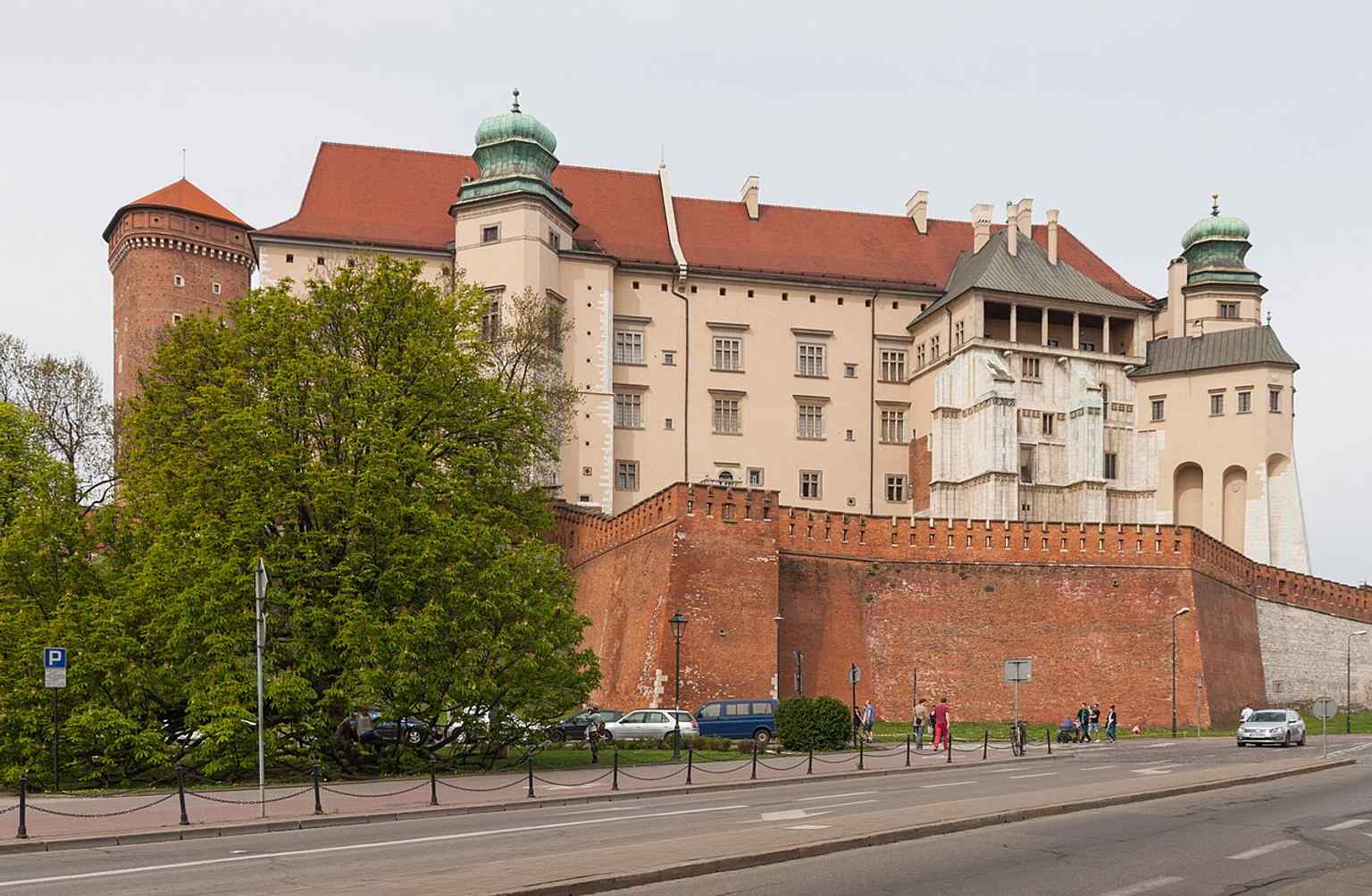
Wawel Royal CastlePhoto: Monika Towiańska, Wikimedia Commons, CC BY-SA 4.0. Cropped & resized.

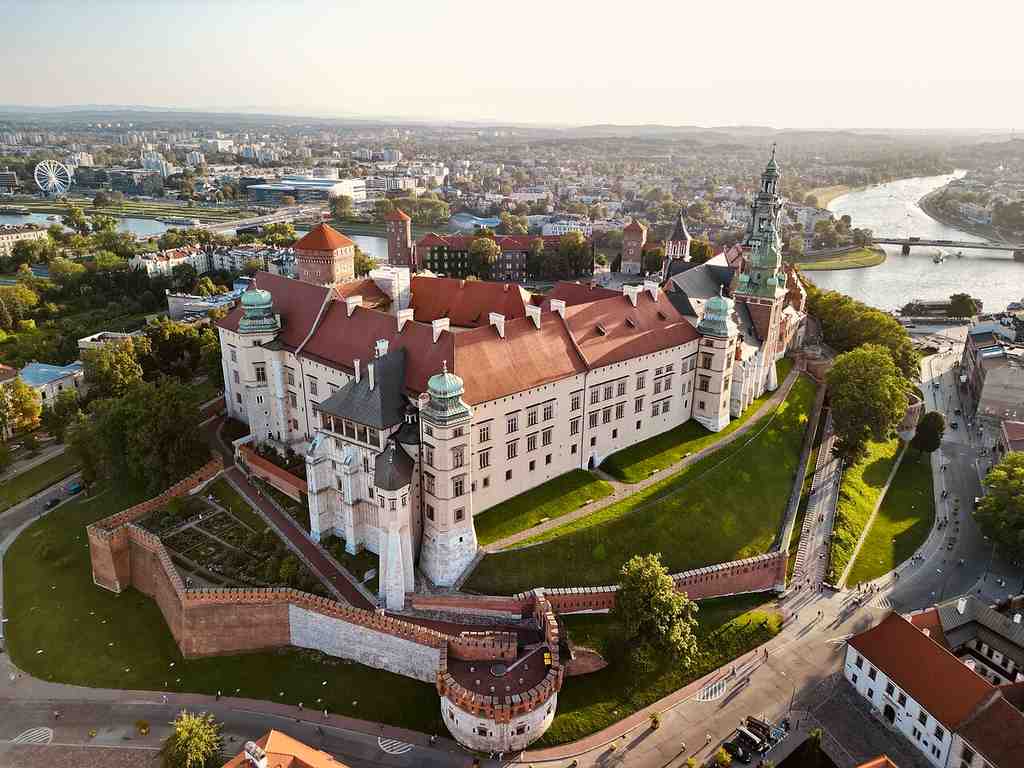
Look for pale stone walls and red roofs gathered into broad rectangular wings, with slim corner towers and the castle’s layered mass rising from Wawel Hill.

This is where Kraków starts to feel less like a city and more like an excavation with ambitions. Archaeologists found masonry here from the eleventh century onward: residences, chapels, and even a great hall supported by twenty-four pillars. In other words, the hill did not become important all at once... it kept collecting power, room by room, wall by wall, century by century.

Wawel Hill became the place where rule announced itself. A fortified seat rose here after Kraków took over as Poland’s capital, and from then on this hill worked as both stronghold and address of prestige... the sort of place that tells the rest of the city where the center is.

Take a second and look at the outline in front of you. Notice how the hill, walls, towers, and palace wings don’t form one neat design. They stack. That uneven silhouette is the point.

The earliest castle here had Romanesque defenses, a square tower, gate structures, and stone walls. Later rulers kept adding to it: Gothic rooms, more towers, and under King Casimir the Great a residence fit not just for a monarch, but for the machinery of the state. Then came the great Renaissance makeover. In fifteen oh four, King Alexander brought in Franciszek Florentczyk, an Italian architect arriving from Hungary, to rebuild the tired medieval residence in the new style. After him, King Sigismund the Old pushed the project further, and Bartolomeo Berrecci completed the arcaded elegance that still gives Wawel its courtly swagger.

And then, because history dislikes tidy endings, fire and war kept interfering. Flames hit in fifteen thirty-six, again in fifteen ninety-five, and disastrously in seventeen oh two. Swedes looted it. Austrians turned it into barracks. During the German occupation, Hans Frank used it as his headquarters. Very few homes can claim such a résumé and still look composed.

If you like, check the before-and-after image in the app; it shows Wawel above a much wilder bend of the Vistula than the managed city panorama around it now.

What matters is that people here chose not to erase the older layers. After the hill came back under Polish stewardship in nineteen oh five, Adolf Szyszko-Bohusz helped restore the castle and even exposed ancient remains, including the relics of Saint Gereon’s church, instead of covering them up. Earlier, in eighteen eighty-two, Jan Matejko donated his painting Prussian Homage to Wawel while the site was still in Austrian hands, as if staking a cultural claim before the keys were handed back.

Today the castle holds seventy-one exhibition rooms, but even from outside you can read its real collection: fortress, palace, ruin, museum, symbol. And right beside it, power crosses the courtyard and enters sacred ground. Let’s continue to the cathedral next.

If you plan to go inside later, the castle usually opens at ten on Monday and at nine on other days, closing in the late afternoon.
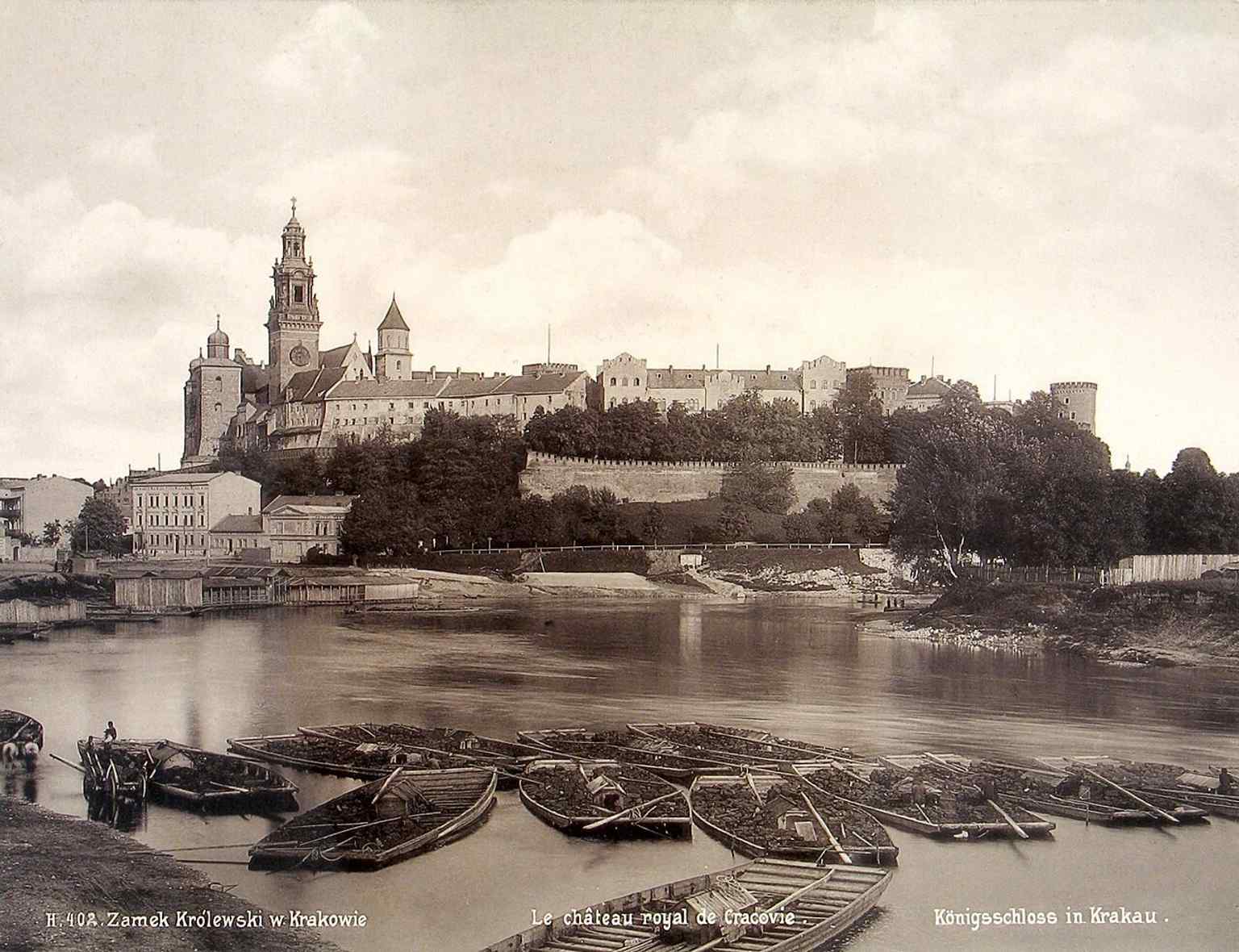
A 1900 view of Wawel above the Vistula — the hill’s dramatic setting helped make the royal residence both a fortress and a symbol of Kraków.
A 1900 view of Wawel above the Vistula — the hill’s dramatic setting helped make the royal residence both a fortress and a symbol of Kraków.Photo: Natan Krieger, Wikimedia Commons, Public domain. Cropped & resized.
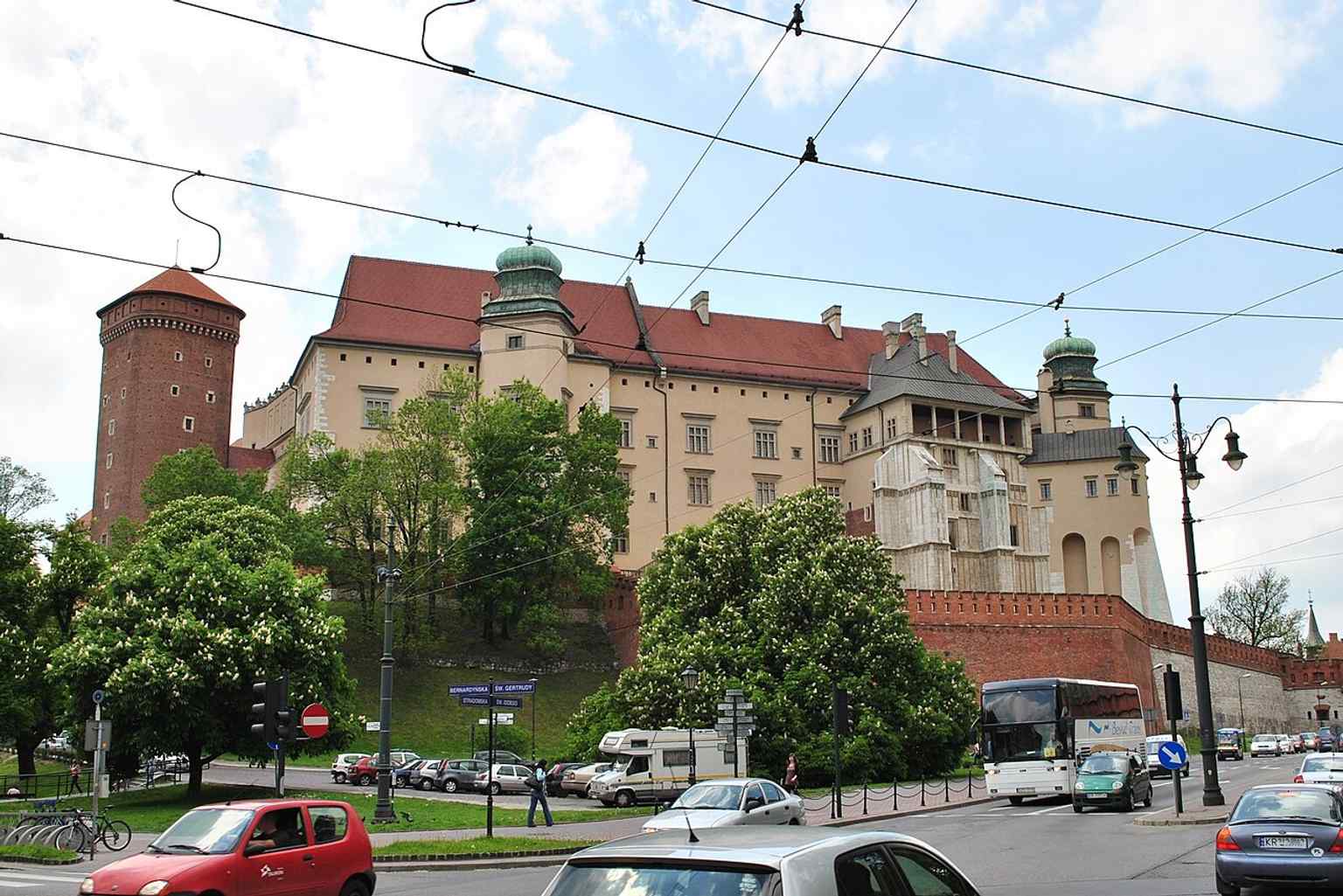
The castle seen from the east, where the medieval and Renaissance layers of Wawel’s long rebuilding history are especially visible.
The castle seen from the east, where the medieval and Renaissance layers of Wawel’s long rebuilding history are especially visible.Photo: Marek Mróz, Wikimedia Commons, CC BY 4.0. Cropped & resized.
A broad 2015 exterior view of Wawel Royal Castle, showing the reconstructed royal complex that now houses the museum.
A broad 2015 exterior view of Wawel Royal Castle, showing the reconstructed royal complex that now houses the museum.Photo: Marcin Konsek, Wikimedia Commons, CC BY-SA 4.0. Cropped & resized.
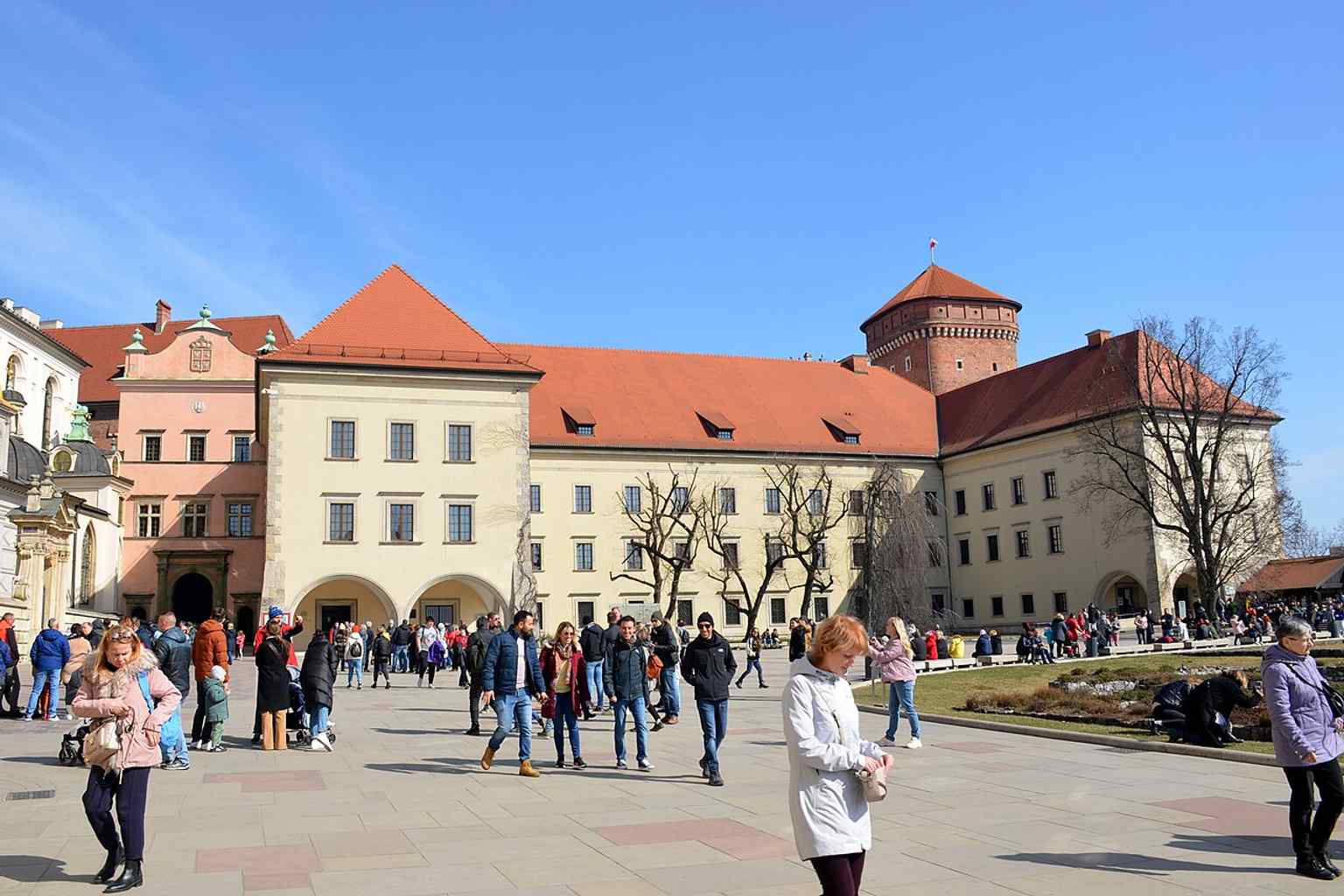
The outer courtyard of Wawel Castle — a good overview of the residential-fortress layout described in the tour text.
The outer courtyard of Wawel Castle — a good overview of the residential-fortress layout described in the tour text.Photo: Silar, Wikimedia Commons, CC BY-SA 4.0. Cropped & resized.
A wartime-era building on Wawel’s west side, reflecting the site’s 20th-century transformation under occupation.
A wartime-era building on Wawel’s west side, reflecting the site’s 20th-century transformation under occupation.Photo: Silar, Wikimedia Commons, CC BY-SA 4.0. Cropped & resized.
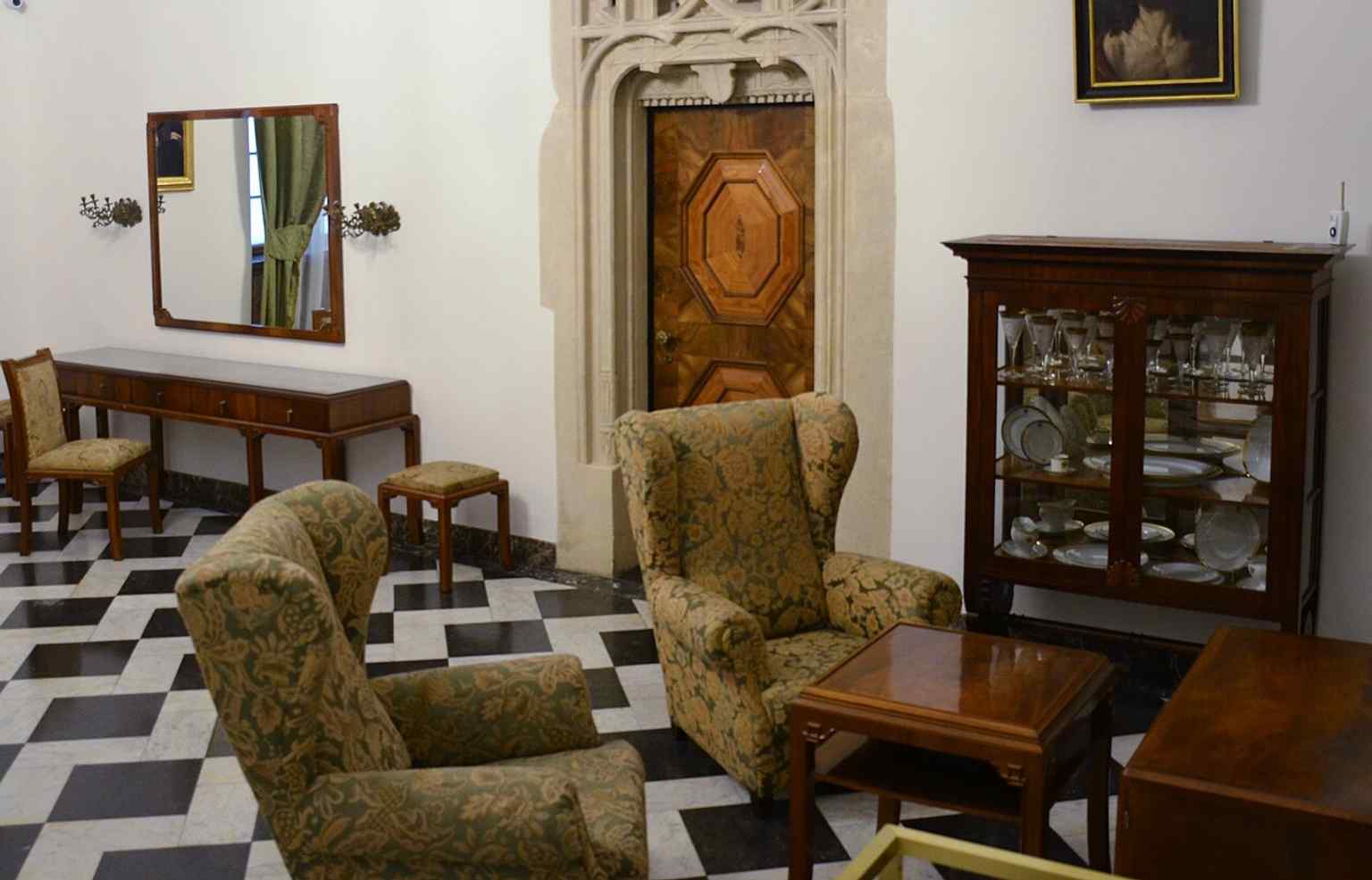
The preserved presidential private apartment recalls Wawel’s role as a state residence in the interwar and wartime periods.
The preserved presidential private apartment recalls Wawel’s role as a state residence in the interwar and wartime periods.Photo: Silar, Wikimedia Commons, CC BY-SA 4.0. Cropped & resized.
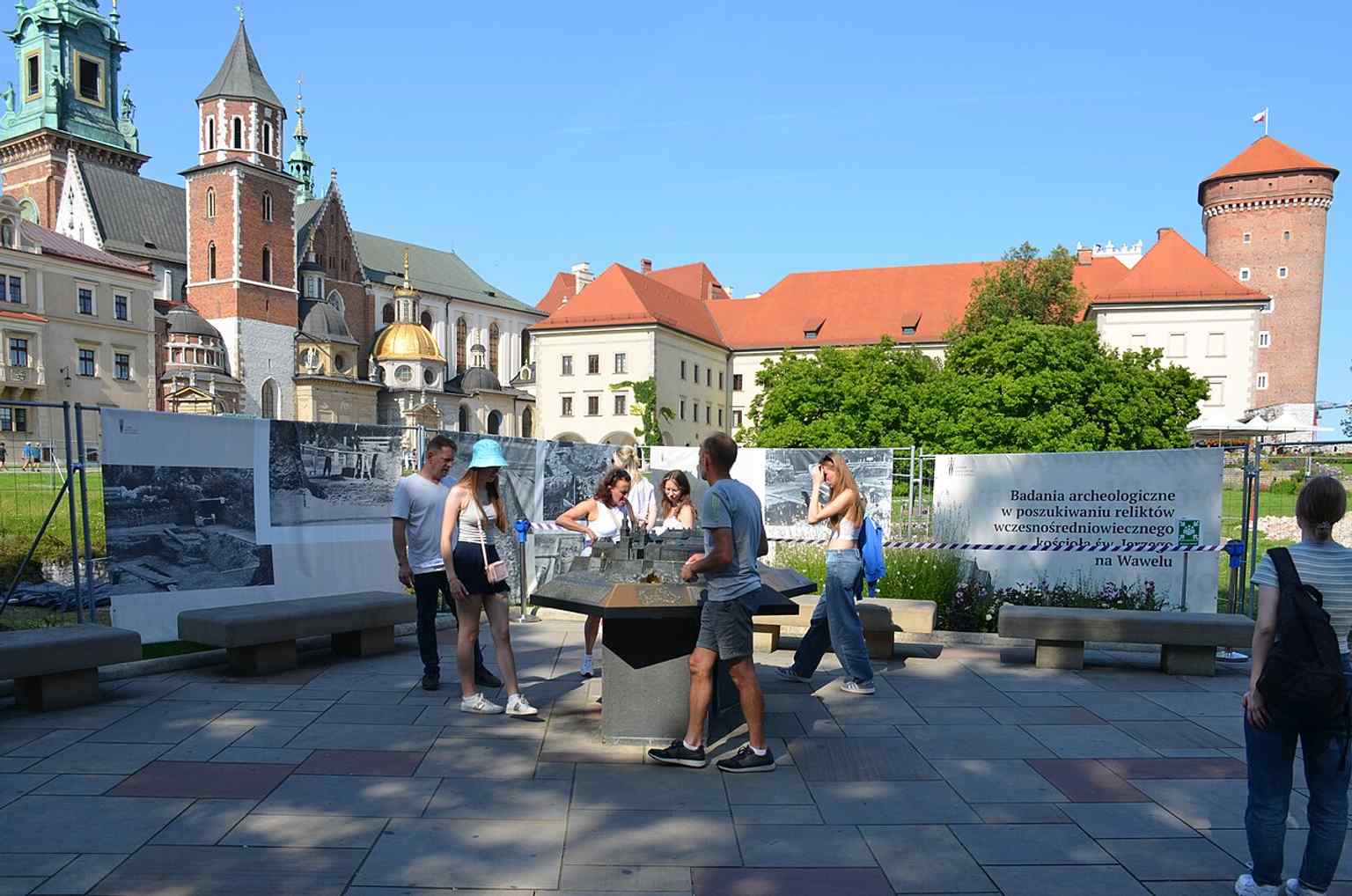
A scale model of Wawel that helps explain the castle’s layered plan, with courtyards, towers, and multiple wings.
A scale model of Wawel that helps explain the castle’s layered plan, with courtyards, towers, and multiple wings.Photo: Marsilar, Wikimedia Commons, CC BY-SA 4.0. Cropped & resized.
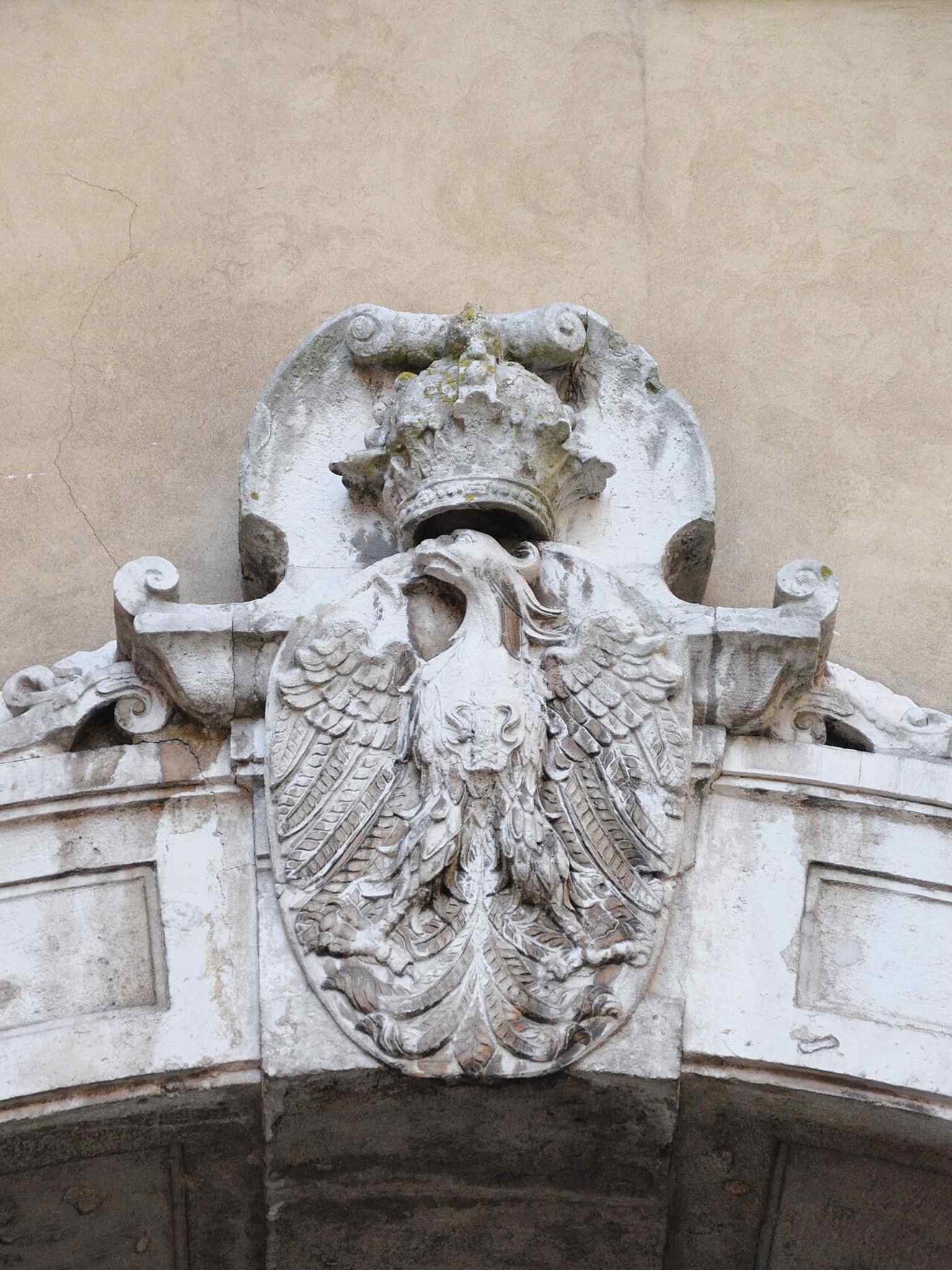
The Vasa eagle points to the royal insignia and dynastic symbolism that were central to Wawel’s treasury and court culture.
The Vasa eagle points to the royal insignia and dynastic symbolism that were central to Wawel’s treasury and court culture.Photo: Silar, Wikimedia Commons, CC BY-SA 4.0. Cropped & resized.
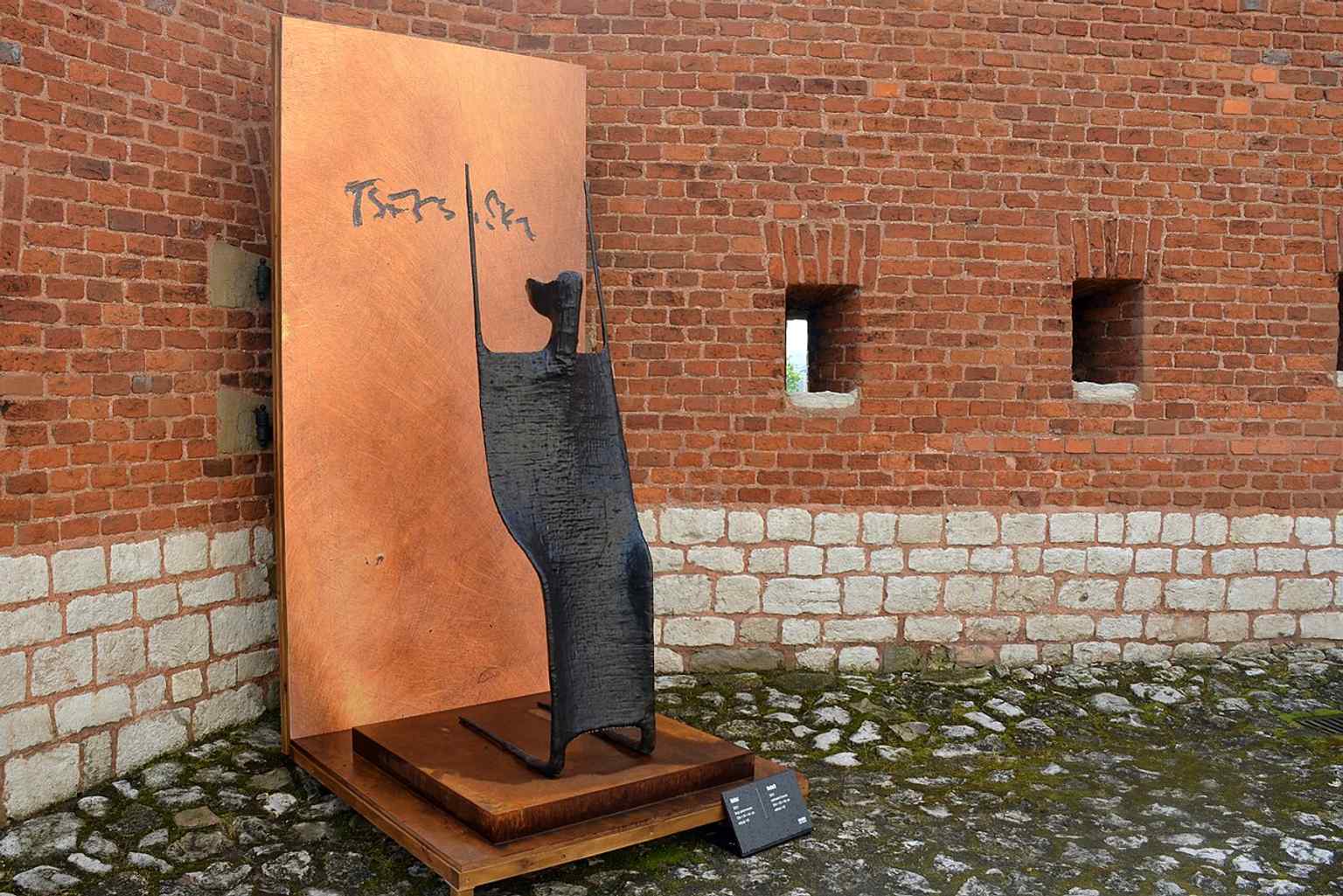
Beksiński’s sculpture in the royal gardens connects the castle to its newest landscape layer, the restored Renaissance-style gardens.
Beksiński’s sculpture in the royal gardens connects the castle to its newest landscape layer, the restored Renaissance-style gardens.Photo: Silar, Wikimedia Commons, CC BY-SA 4.0. Cropped & resized.
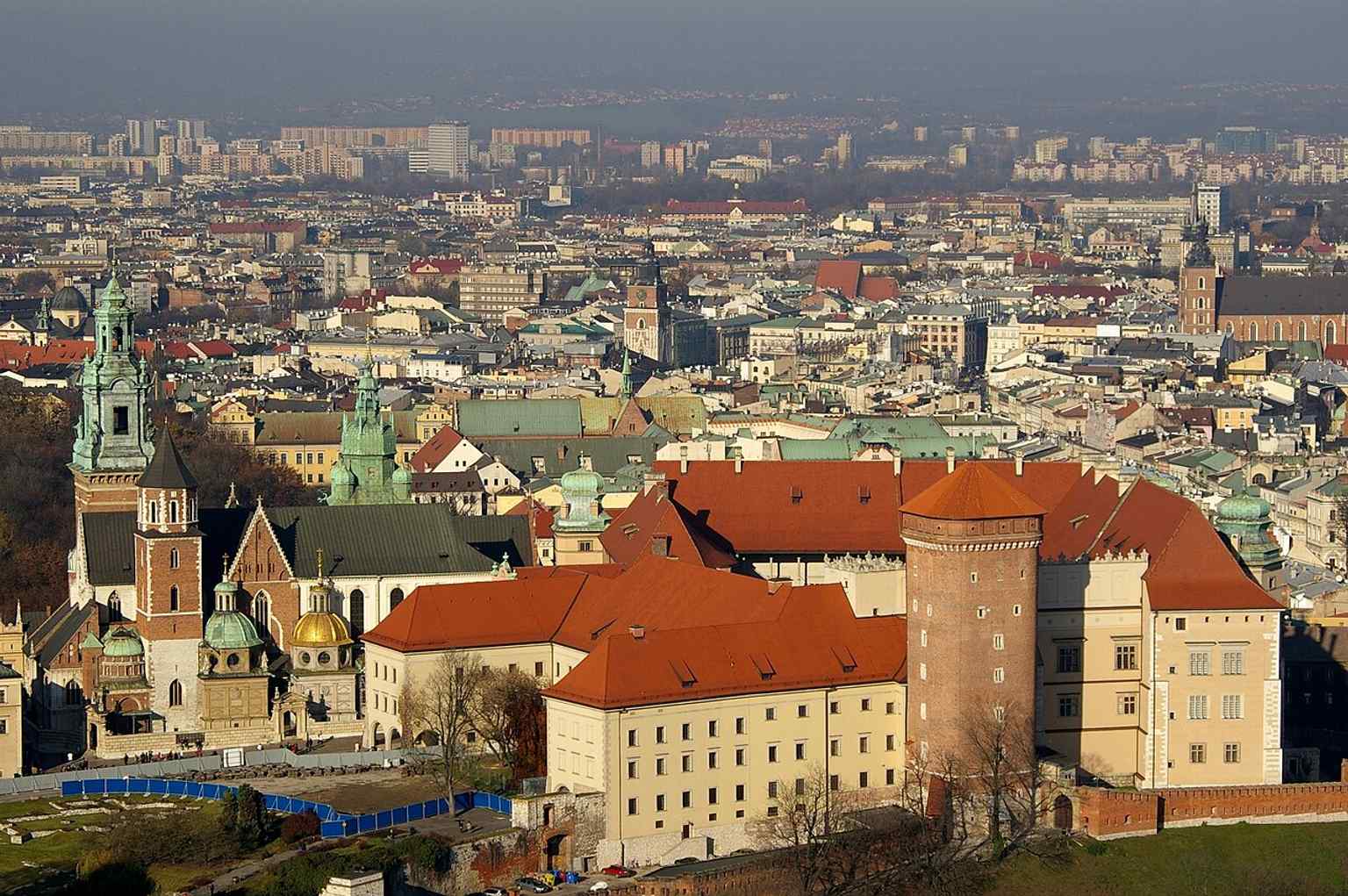
A balloon view over Wawel Hill and the river bend — ideal for showing how the castle dominates Kraków’s skyline.
A balloon view over Wawel Hill and the river bend — ideal for showing how the castle dominates Kraków’s skyline.Photo: Jakub Hałun, Wikimedia Commons, CC BY-SA 4.0. Cropped & resized.
arrow_back Back to Krakow Highlights Audio Tour: Royal and Architectural Heritage
Loved by travellers

Thousands of tours started.
Plenty of opinions.

4.8 across the App Store and Google Play. Here's a few we keep coming back to.

starstarstarstarstar
This was a solid way to get to know Brighton without feeling like a tourist. The narration had depth and context, but didn't overdo it.
Christoph
Christoph
Brighton Tour
starstarstarstarstar
Started this tour with a croissant in one hand and zero expectations. The app just vibes with you, no pressure, just you, your headphones, and some cool stories.
download Get the app

Pop your headphones in.
Step outside.

Free to download. Tours in every city. Start in 60 seconds — no account, no card.

Download on the App StoreGet it on Google Play
starstarstarstarstar_half
4.8
AudaTours app icon
headphones
~ 4 min until your first tour starts
public
1,000+ cities worldwide
all_inclusive
AudaTours
Unlimited

Every tour. Every city. One subscription.

3101 tours2271 cities138 countries50+ languages