AudaTours logoAudaTours

Stop 15 of 16

Kraków Barbican

Kraków Barbican
The Barbican in Krakow
The Barbican in KrakowPhoto: Mach240390, Wikimedia Commons, CC BY 4.0. Cropped & resized.

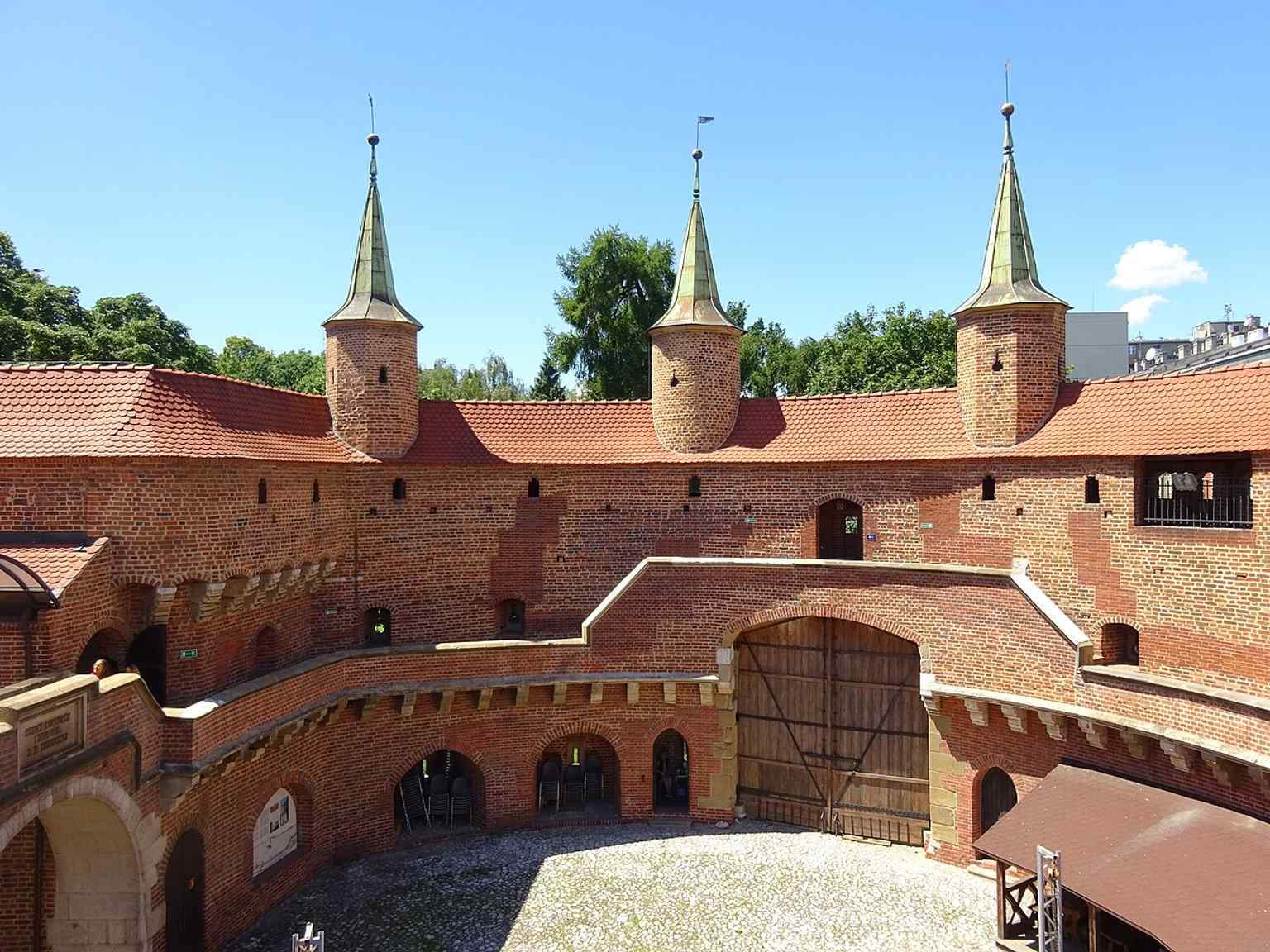
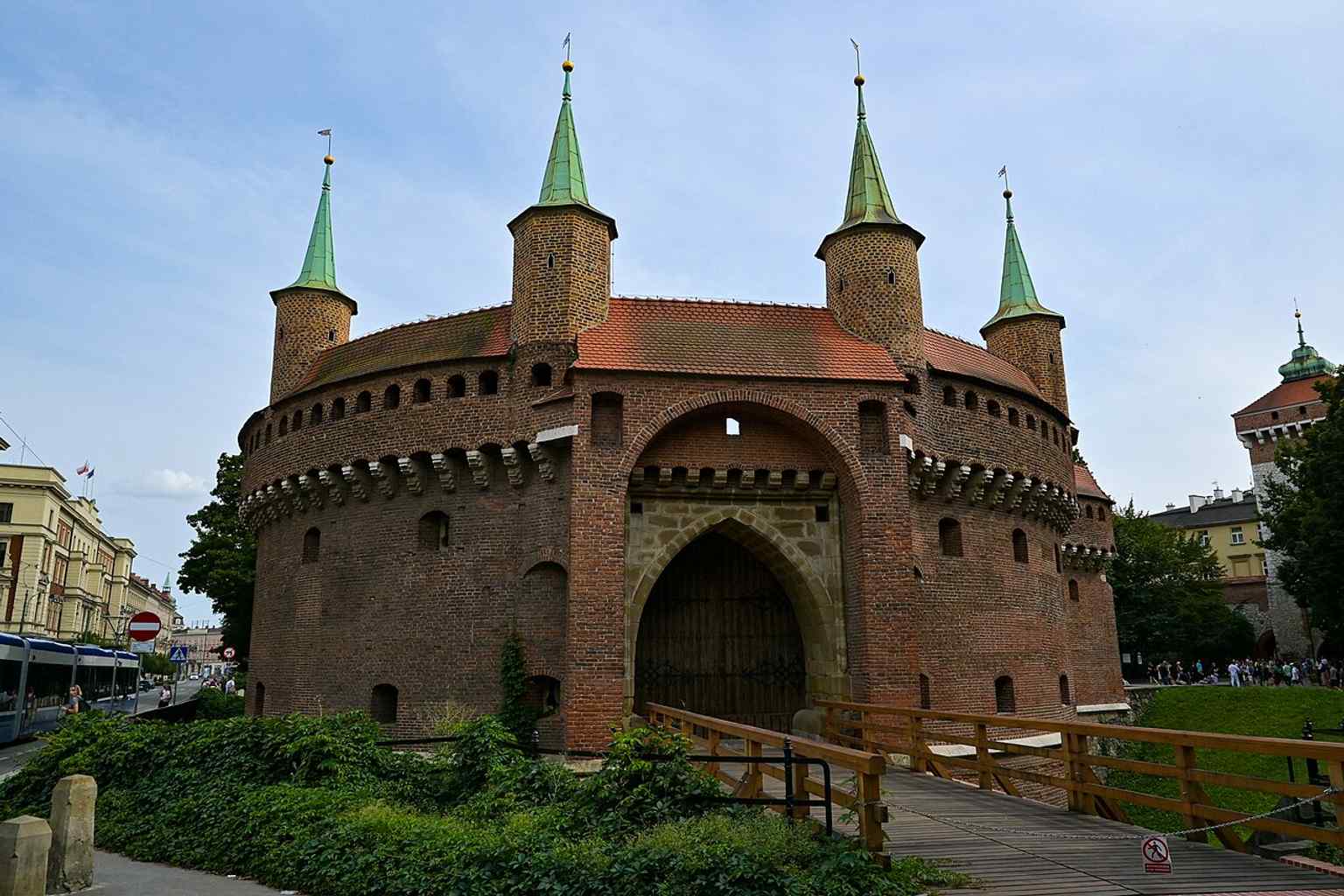
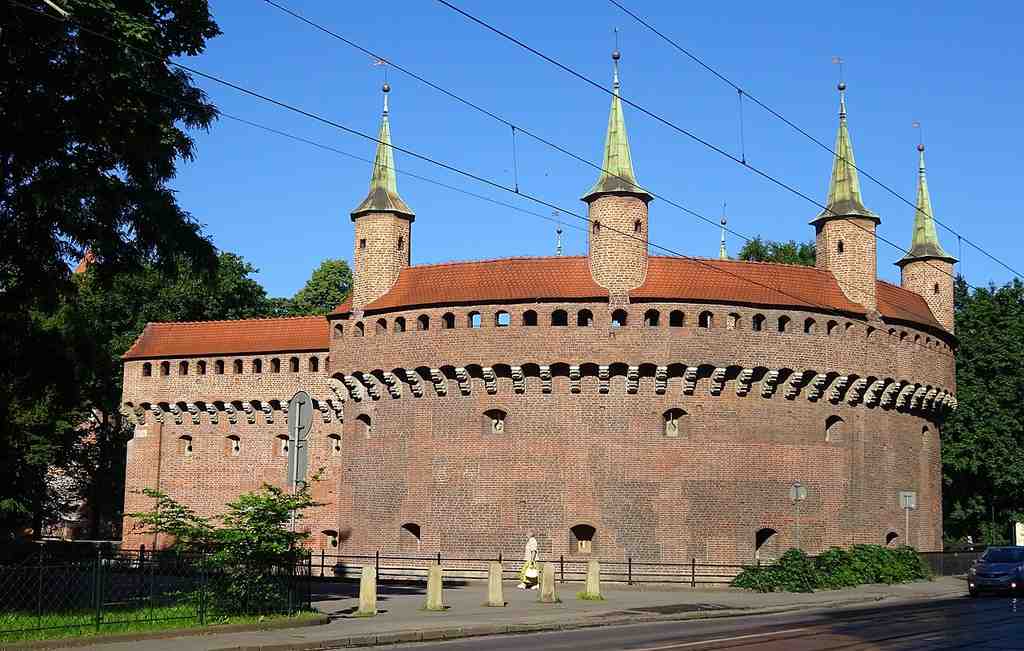
On your left, the Barbican is a massive red-brick round fortress, ringed with seven small turrets and topped with a crown of Gothic battlements.

This is Kraków thinking ahead in brick. A barbican is an outer defensive work, a fortified shield set in front of a city gate, and this one guarded St. Florian’s Gate like a boxer with both fists up. King Jan Olbracht ordered it in fourteen ninety-eight and fourteen ninety-nine after the Bukovinian defeat left Poland staring at the threat of a Wallachian-Turkish attack. Most visitors never hear the useful local detail: Kraków did not invent this form out of pure pride. The king took a hard military lesson from elsewhere, looked to the formidable barbacans in Toruń, and translated that warning into Kraków stone and brick. He even laid the cornerstone himself and gave one hundred grzywnas toward the work, a substantial sum at the time.

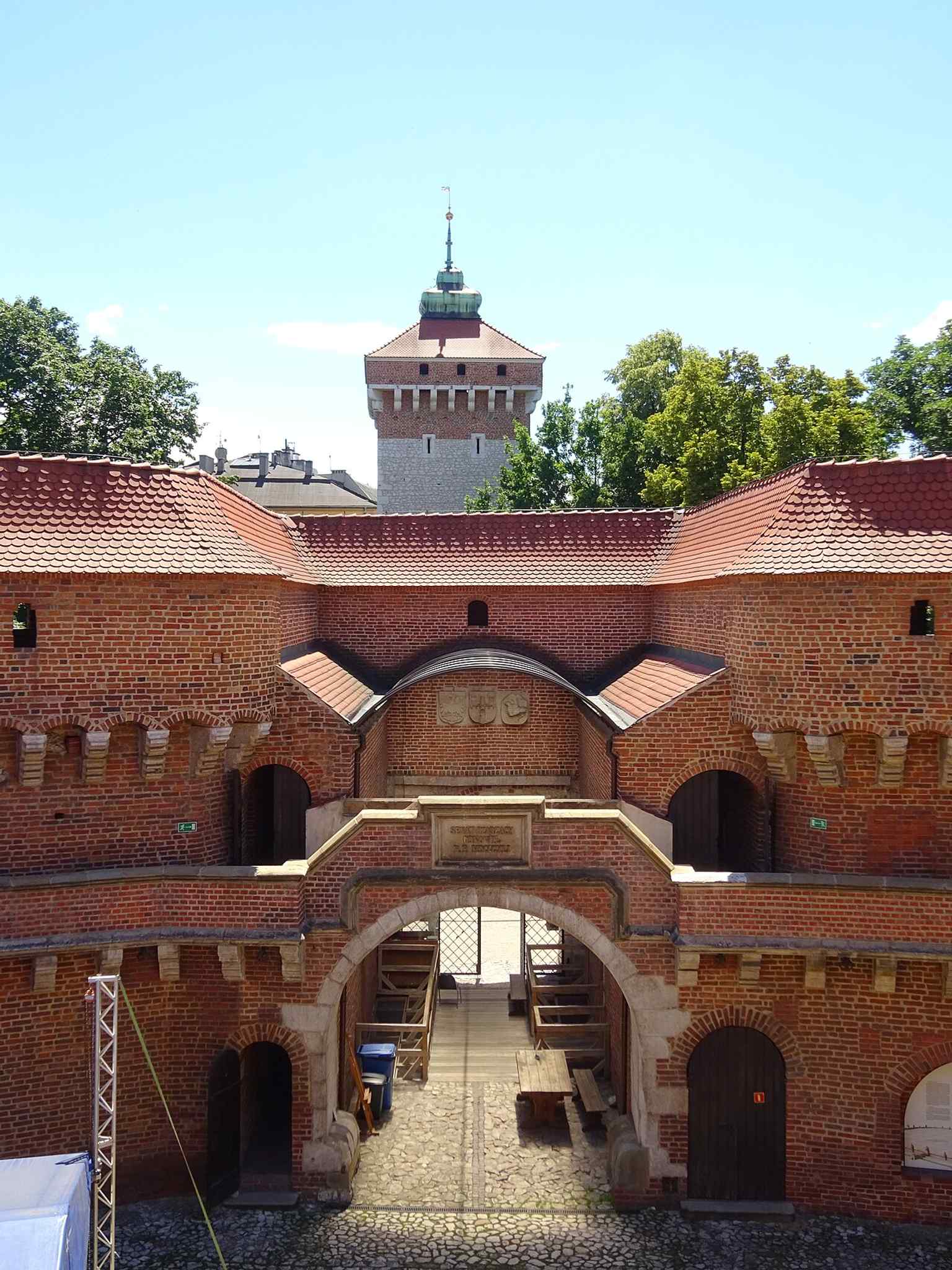
Look at the shape. The inner circle measures about twenty-four meters across, the walls run more than three meters thick, and the seven turrets alternate between round and six-sided, as if geometry had joined the city watch. A long fortified neck once linked this bastion to St. Florian’s Gate. Attackers coming from Kleparz faced drawbridges over a stone-lined moat twenty-four meters wide and three and a half meters deep, plus firing slits positioned for flanking fire... which is the polite military term for being shot from the side when you thought you were attacking straight on.

And this was no decorative medieval leftover. In fifteen eighty-seven, Kraków prepared to defend this northern approach against Archduke Maximilian Habsburg. The Swedes tested it in sixteen fifty-five and sixteen fifty-seven. Russian forces entered the story in seventeen ninety-two. Even in quieter years, the city treated this place as part of a daily security machine; a gate-closing ordinance from seventeen twenty-one carefully spelled out who carried keys, who gave signals, who shut what, and when.

Then came the stranger battle: saving the fortress from peace. In eighteen sixteen, Senator Feliks Radwański argued against demolition by claiming that without the Barbican and St. Florian’s Gate, harsh northern winds would sweep into the center and leave Kraków with fluxes, rheumatism, maybe even paralysis. Ridiculous? Maybe. Effective? Absolutely. He won, and the Barbican survived.

If you swipe to the comparison image, you can watch the surroundings change from nineteen thirty to two thousand twenty-two while the fortress keeps its place at the old northern gateway.

Today it serves as a museum branch and a restored monument, after major conservation in the late twentieth and early twenty-first centuries. That feels right. Across this walk, Kraków kept showing you the same stubborn habit: it changes its uses, argues with itself, survives the argument, and keeps the older outline in view. Here, at the edge of the old city, that habit takes its clearest form... a round red warning, still standing. If you want to go inside, it is generally open Tuesday through Sunday from ten thirty A-M to six P-M, and closed on Monday.
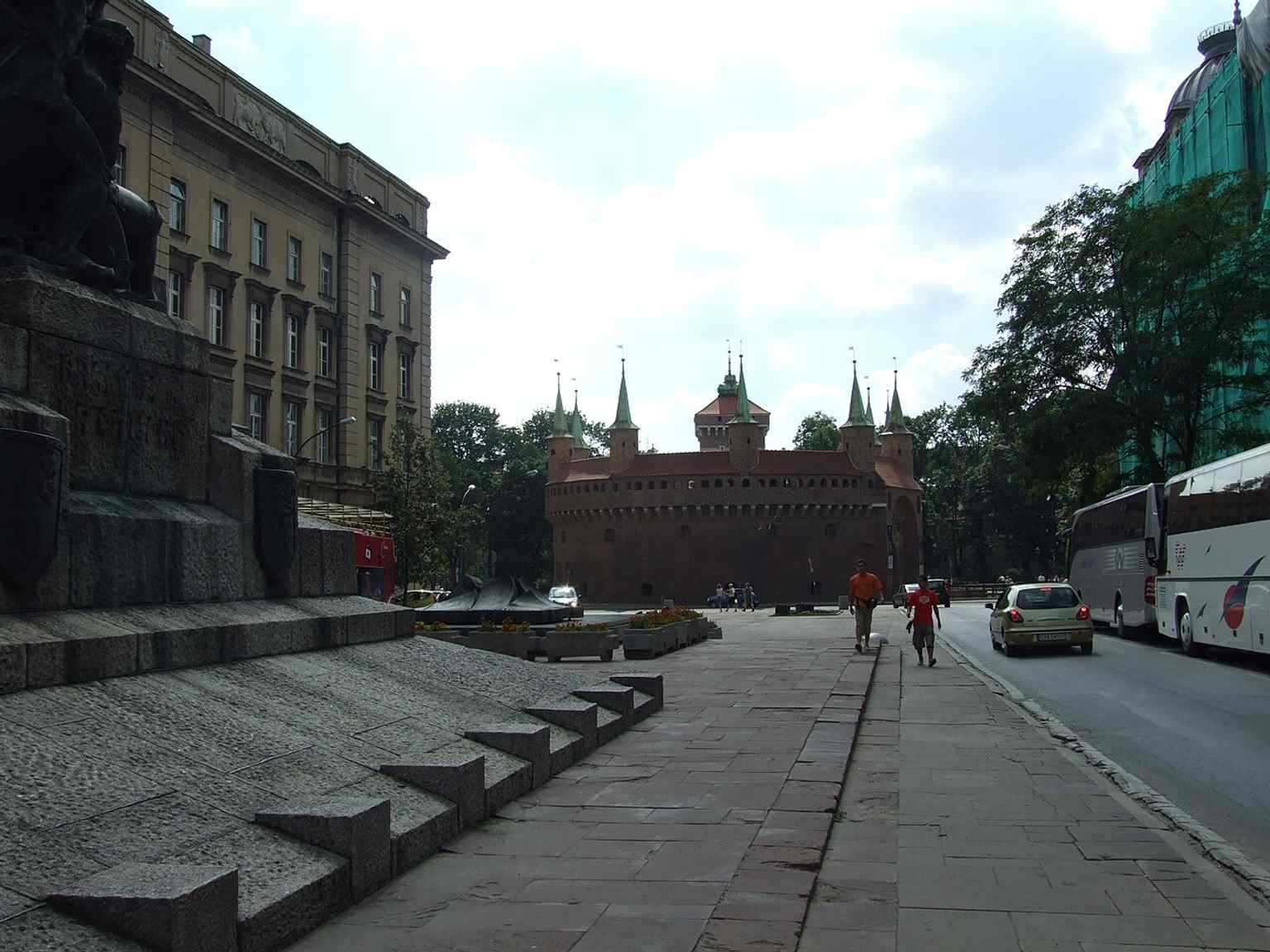
The Barbican beside Matejko Square places the fortress in its urban setting at the edge of Kraków’s Old Town and Planty park.
The Barbican beside Matejko Square places the fortress in its urban setting at the edge of Kraków’s Old Town and Planty park.Photo: Necrothesp, Wikimedia Commons, CC BY-SA 3.0. Cropped & resized.
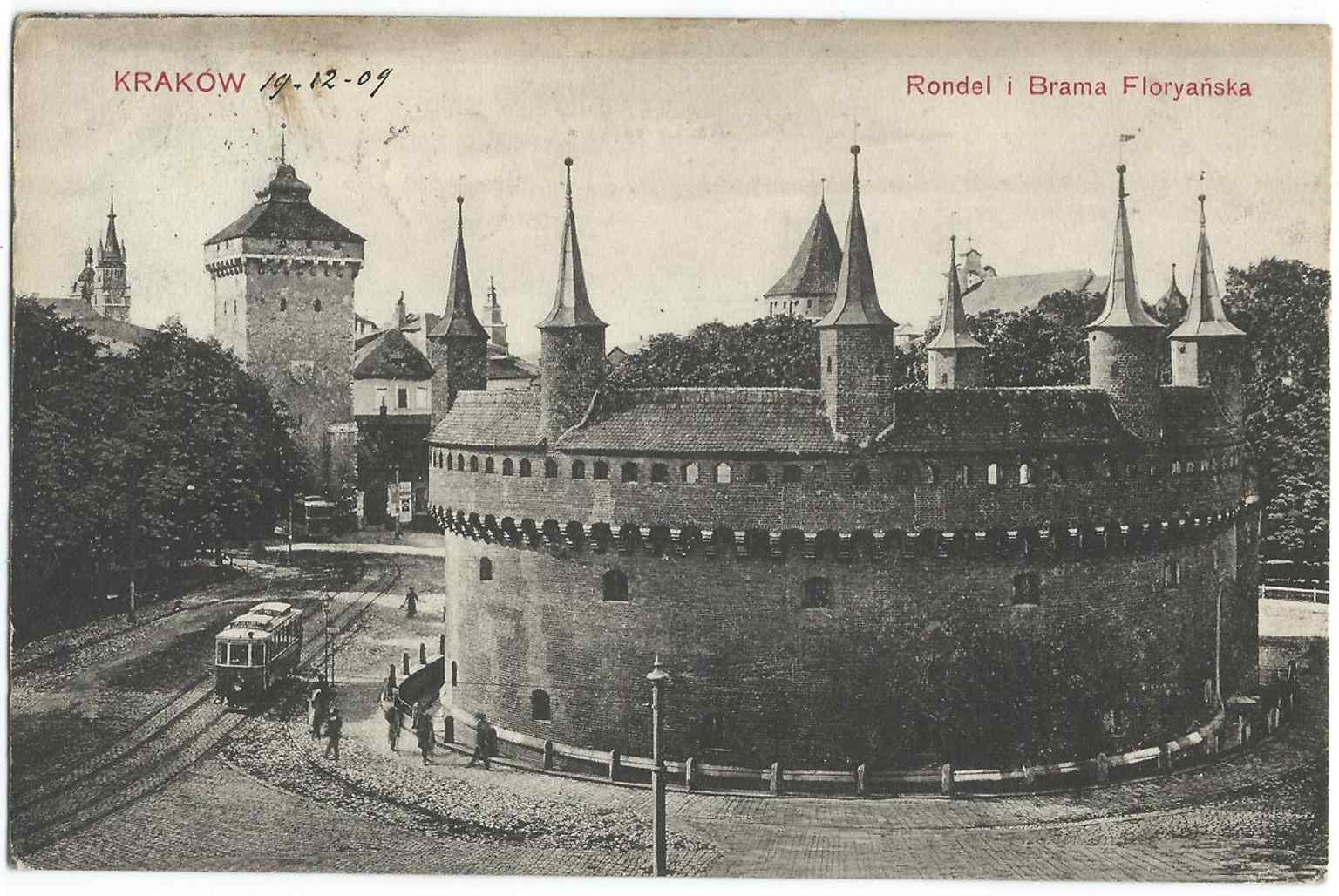
An early 20th-century postcard view of the Barbican and Florian Gate area, echoing the period when the monument was debated as a historic landmark to protect.
An early 20th-century postcard view of the Barbican and Florian Gate area, echoing the period when the monument was debated as a historic landmark to protect.Photo: Unknown authorUnknown author, Wikimedia Commons, Public domain. Cropped & resized.
Inside the Barbican, the circular courtyard makes clear how this Gothic stronghold was built for defense from all sides.
Inside the Barbican, the circular courtyard makes clear how this Gothic stronghold was built for defense from all sides.Photo: Mach240390, Wikimedia Commons, CC BY 4.0. Cropped & resized.
The interior looking toward the narrow 'neck' and Florian Gate shows the Barbican’s original connection to the city gates it helped defend.
The interior looking toward the narrow 'neck' and Florian Gate shows the Barbican’s original connection to the city gates it helped defend.Photo: Mach240390, Wikimedia Commons, CC BY 4.0. Cropped & resized.
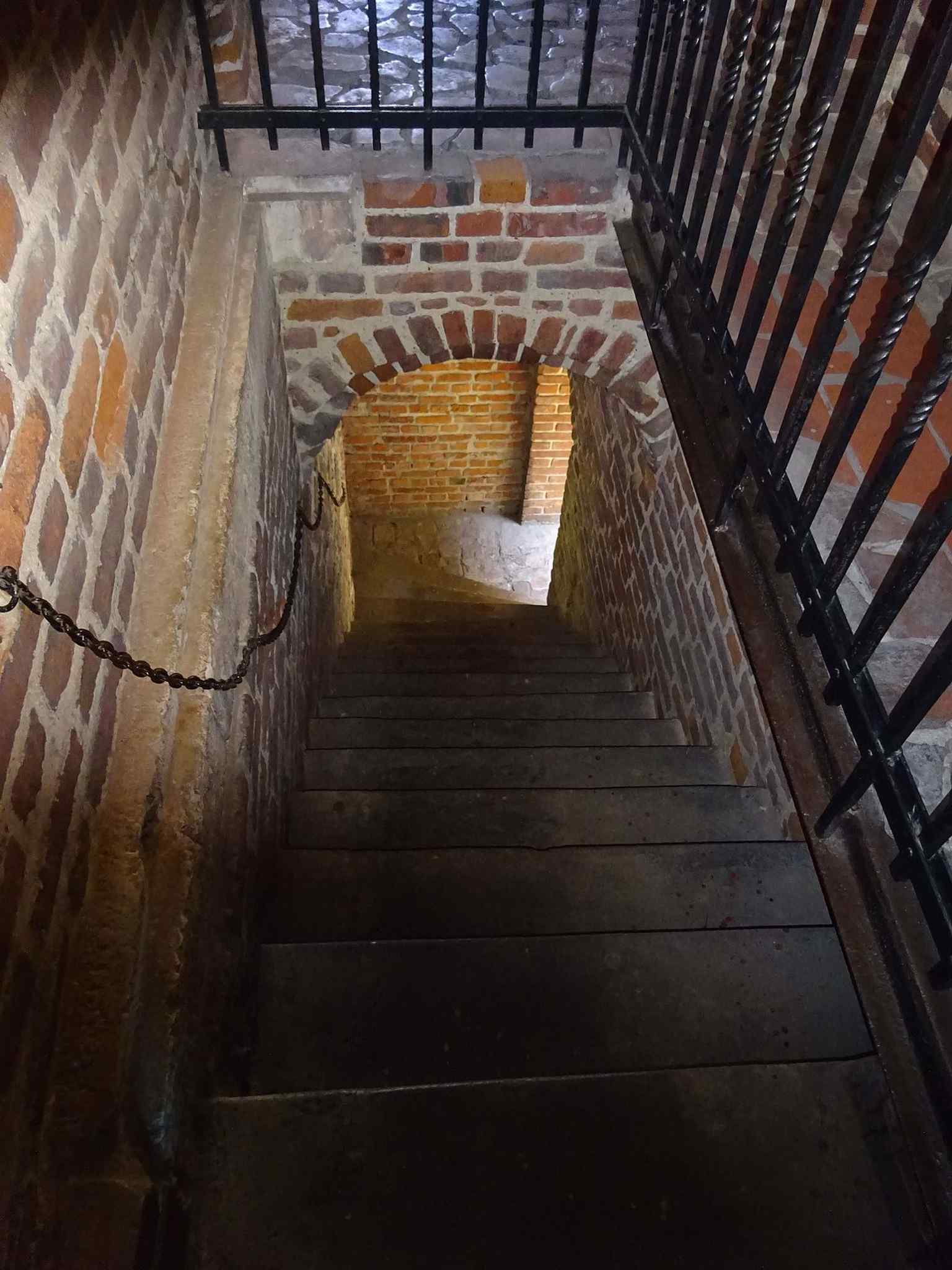
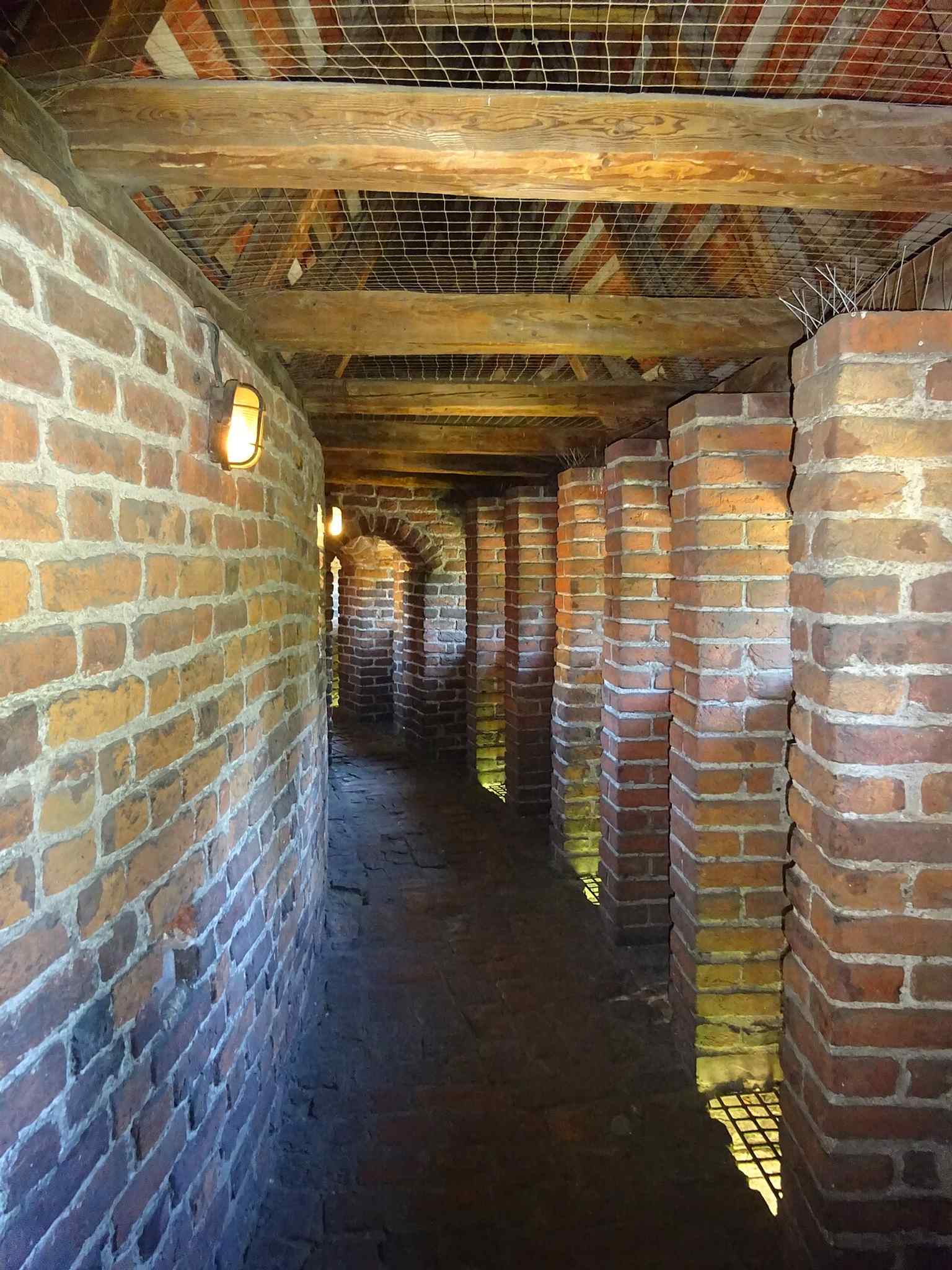
A stair to the balcony reveals the layered defensive structure of the Barbican, including walkways used by guards above the walls.
A stair to the balcony reveals the layered defensive structure of the Barbican, including walkways used by guards above the walls.Photo: Mach240390, Wikimedia Commons, CC BY 4.0. Cropped & resized.
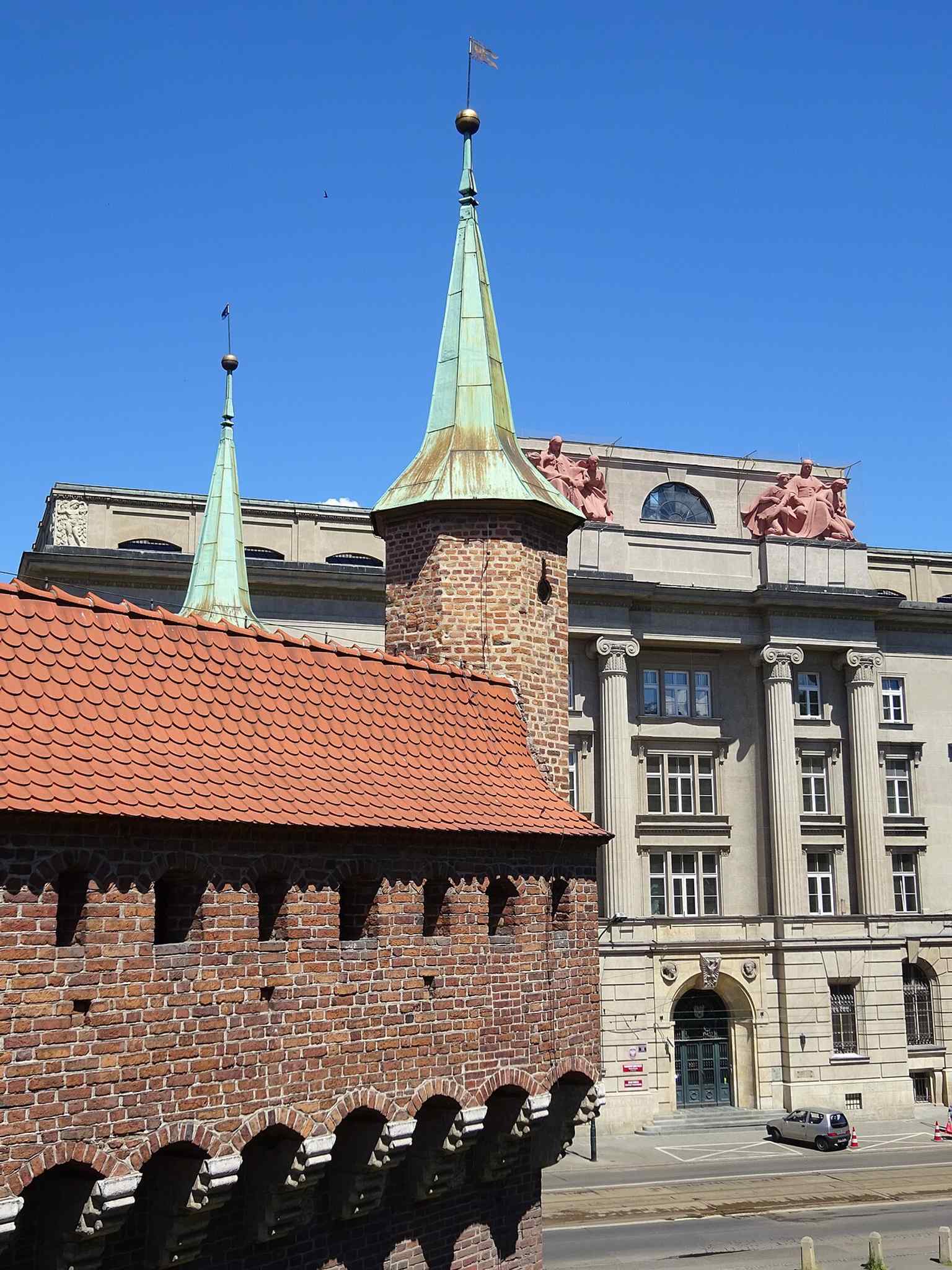
A close look at the crenellation highlights the fortress’s military design, with firing positions built into the brickwork.
A close look at the crenellation highlights the fortress’s military design, with firing positions built into the brickwork.Photo: Mach240390, Wikimedia Commons, CC BY 4.0. Cropped & resized.
The alternating turret and crenellation detail shows the Barbican’s seven-tower rhythm, one of its most distinctive Gothic features.
The alternating turret and crenellation detail shows the Barbican’s seven-tower rhythm, one of its most distinctive Gothic features.Photo: Mach240390, Wikimedia Commons, CC BY 4.0. Cropped & resized.
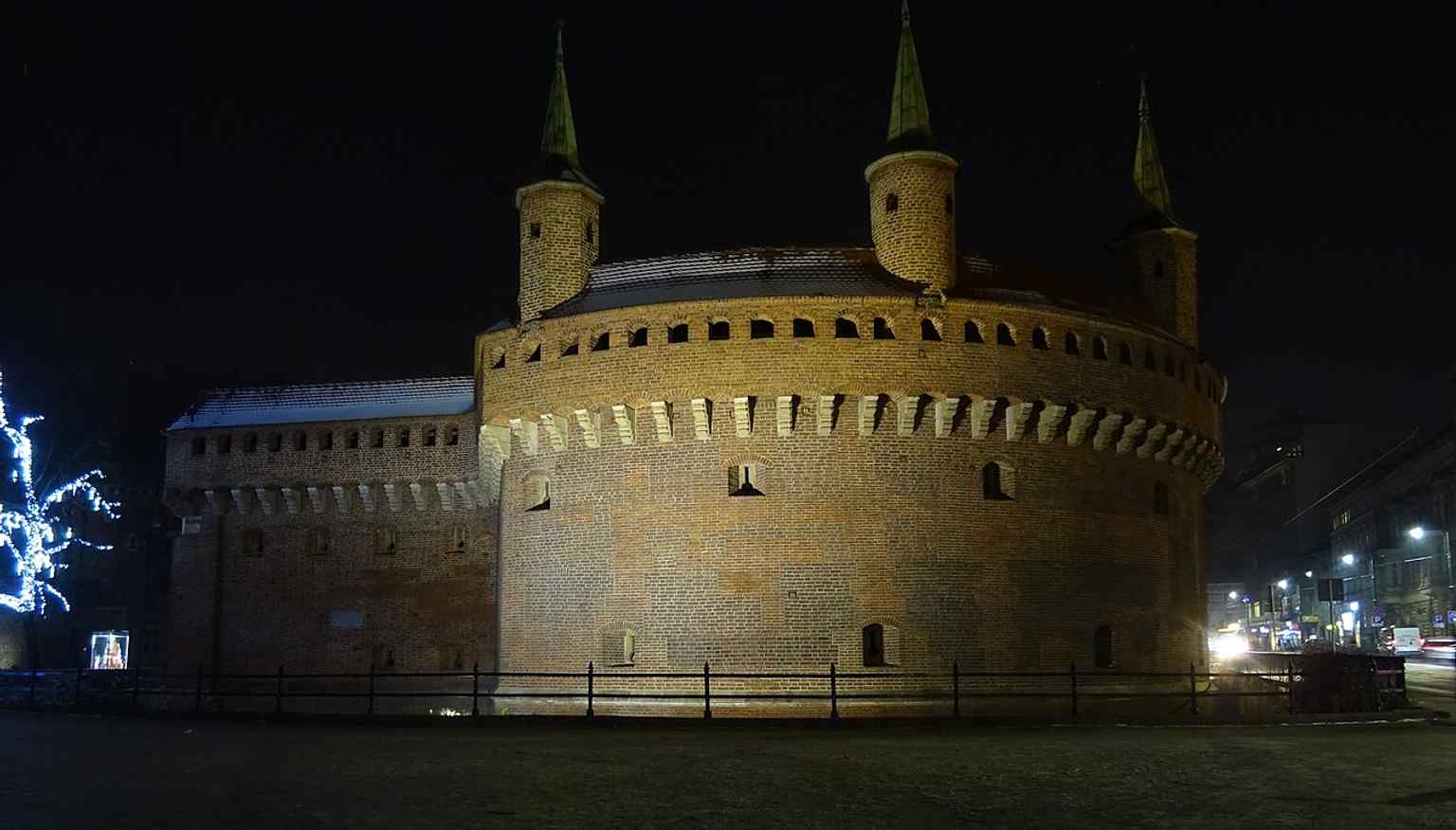
Night lighting transforms the Barbican into a dramatic silhouette, while still showing the massive round bastion that once faced attackers from the north.
Night lighting transforms the Barbican into a dramatic silhouette, while still showing the massive round bastion that once faced attackers from the north.Photo: Mach240390, Wikimedia Commons, CC BY 4.0. Cropped & resized.
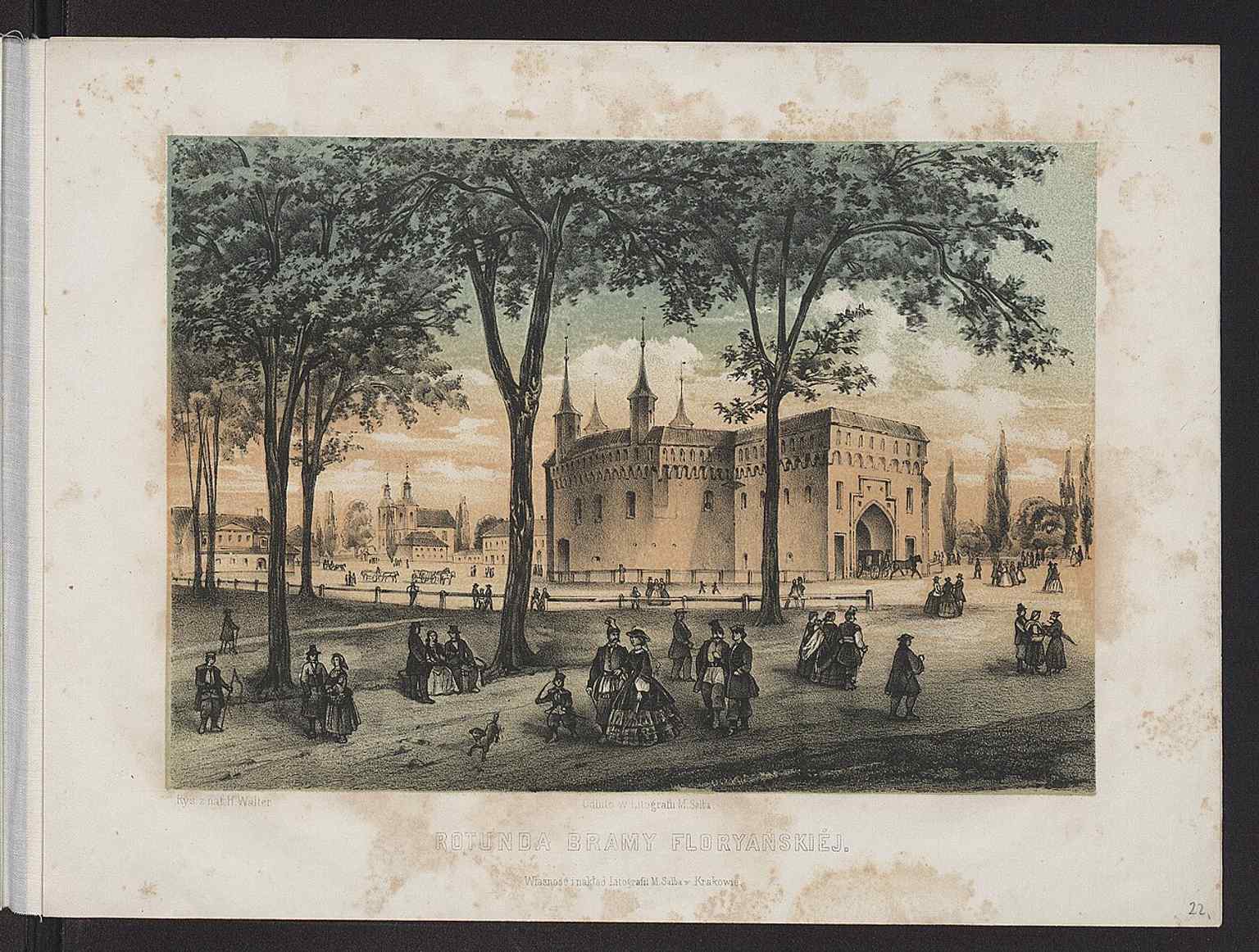
This 1862 illustration documents the Barbican in an older visual tradition, useful for showing how Kraków’s fortifications were recorded before modern photography.
This 1862 illustration documents the Barbican in an older visual tradition, useful for showing how Kraków’s fortifications were recorded before modern photography.Photo: Unknown authorUnknown author, Wikimedia Commons, Public domain. Cropped & resized.
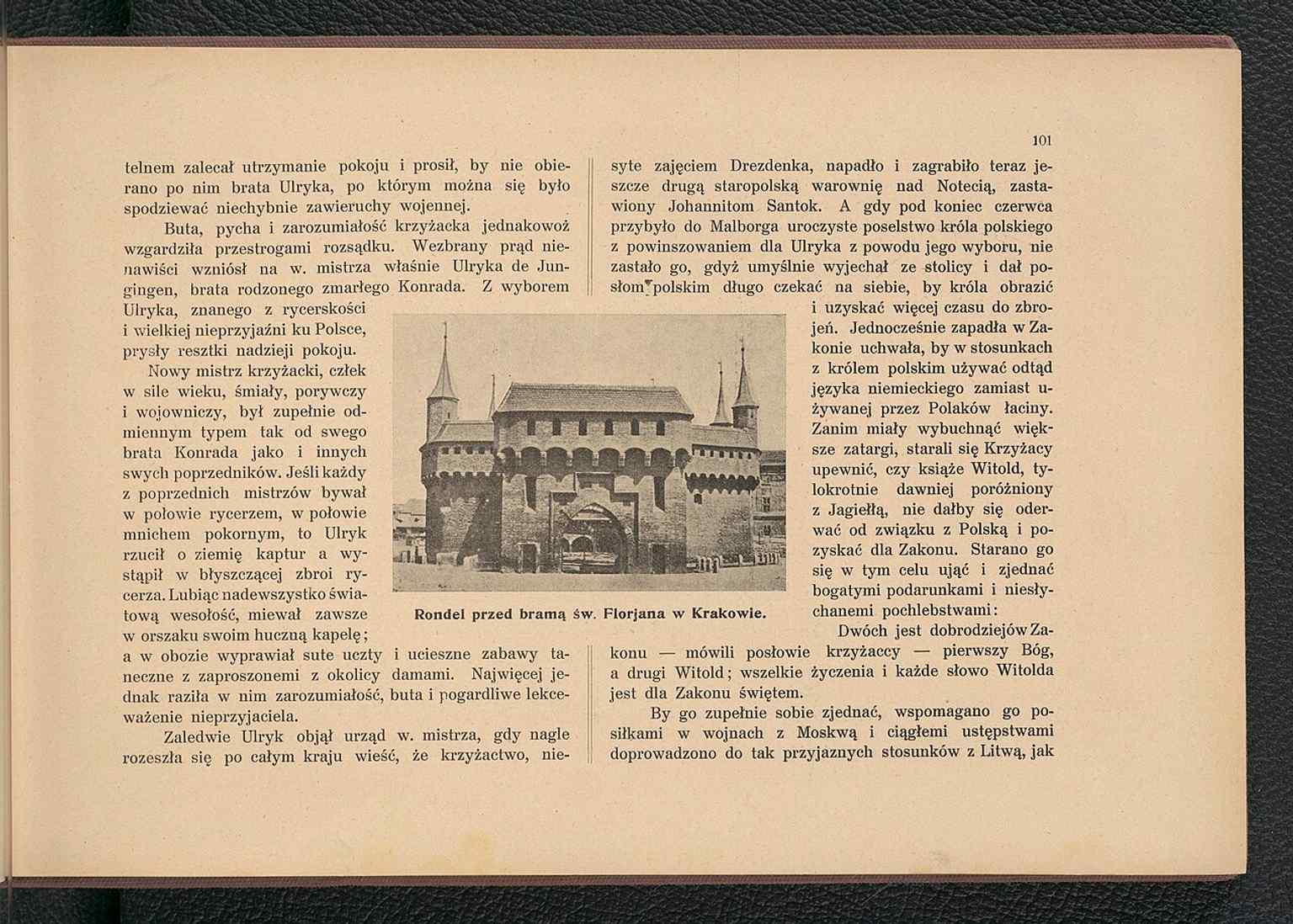
A 1910 publication connected to the Grunwald anniversary recalls the controversial plan to place a Panorama Grunwaldzka inside the Barbican.
A 1910 publication connected to the Grunwald anniversary recalls the controversial plan to place a Panorama Grunwaldzka inside the Barbican.Photo: Jan Bratkowski, Wikimedia Commons, Public domain. Cropped & resized.
A recent wide view of the Kraków Barbican shows the preserved monument as it appears today after major conservation work.
A recent wide view of the Kraków Barbican shows the preserved monument as it appears today after major conservation work.Photo: ProtoplasmaKid, Wikimedia Commons, CC BY-SA 4.0. Cropped & resized.
arrow_back Back to Krakow Highlights Audio Tour: Royal and Architectural Heritage
Loved by travellers

Thousands of tours started.
Plenty of opinions.

4.8 across the App Store and Google Play. Here's a few we keep coming back to.

starstarstarstarstar
This was a solid way to get to know Brighton without feeling like a tourist. The narration had depth and context, but didn't overdo it.
Christoph
Christoph
Brighton Tour
starstarstarstarstar
Started this tour with a croissant in one hand and zero expectations. The app just vibes with you, no pressure, just you, your headphones, and some cool stories.
download Get the app

Pop your headphones in.
Step outside.

Free to download. Tours in every city. Start in 60 seconds — no account, no card.

Download on the App StoreGet it on Google Play
starstarstarstarstar_half
4.8
AudaTours app icon
headphones
~ 4 min until your first tour starts
public
1,000+ cities worldwide
all_inclusive
AudaTours
Unlimited

Every tour. Every city. One subscription.

3101 tours2271 cities138 countries50+ languages