
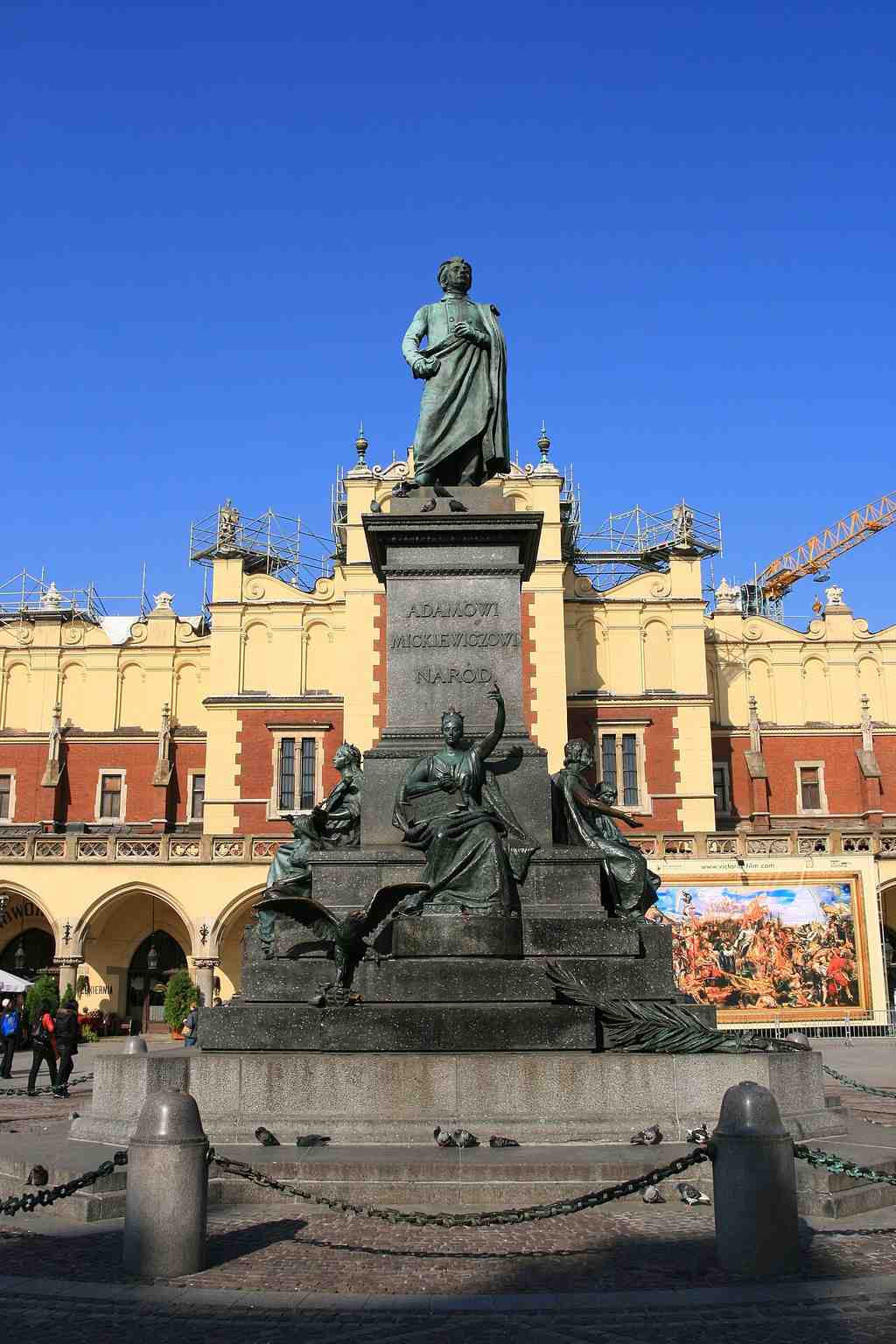
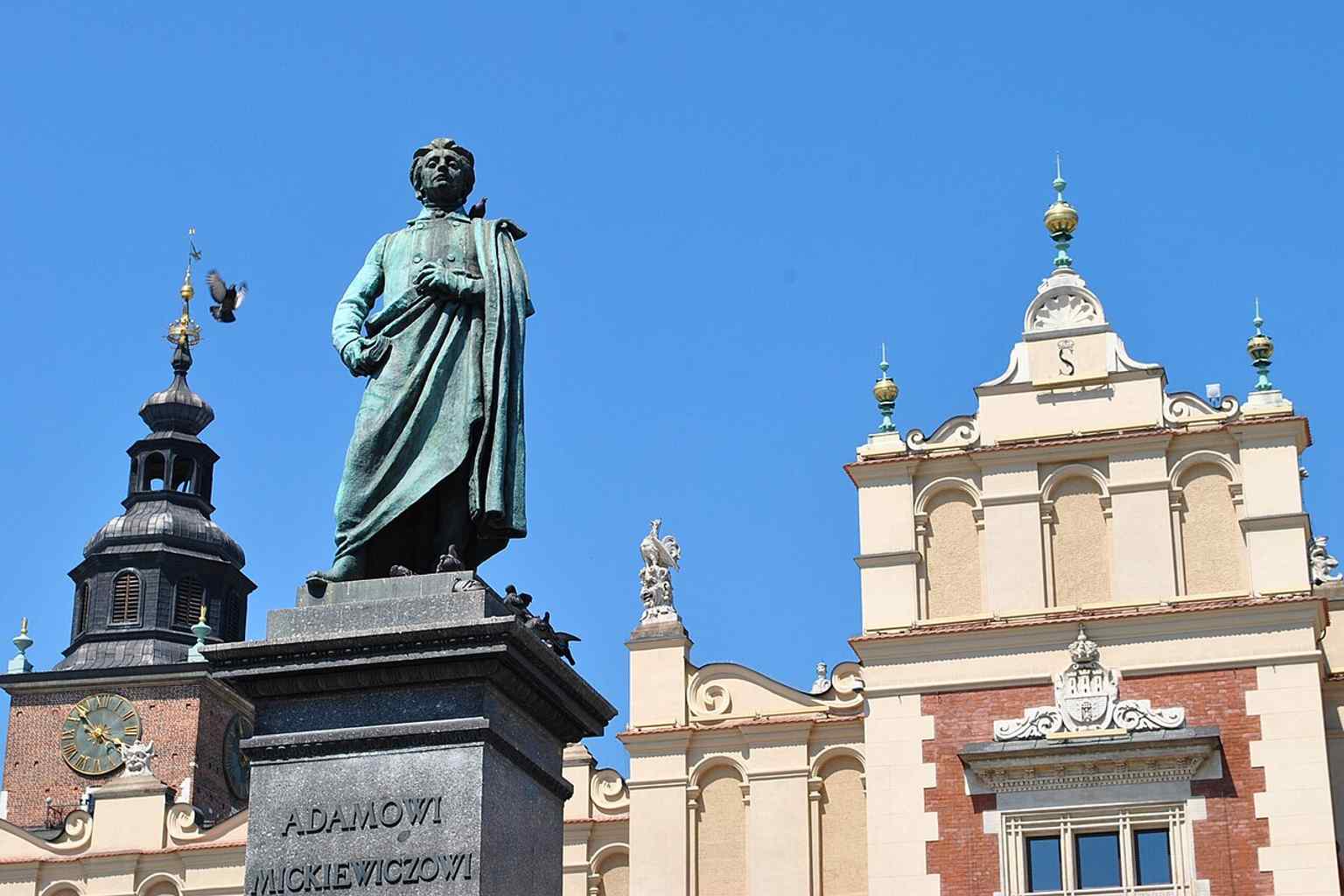
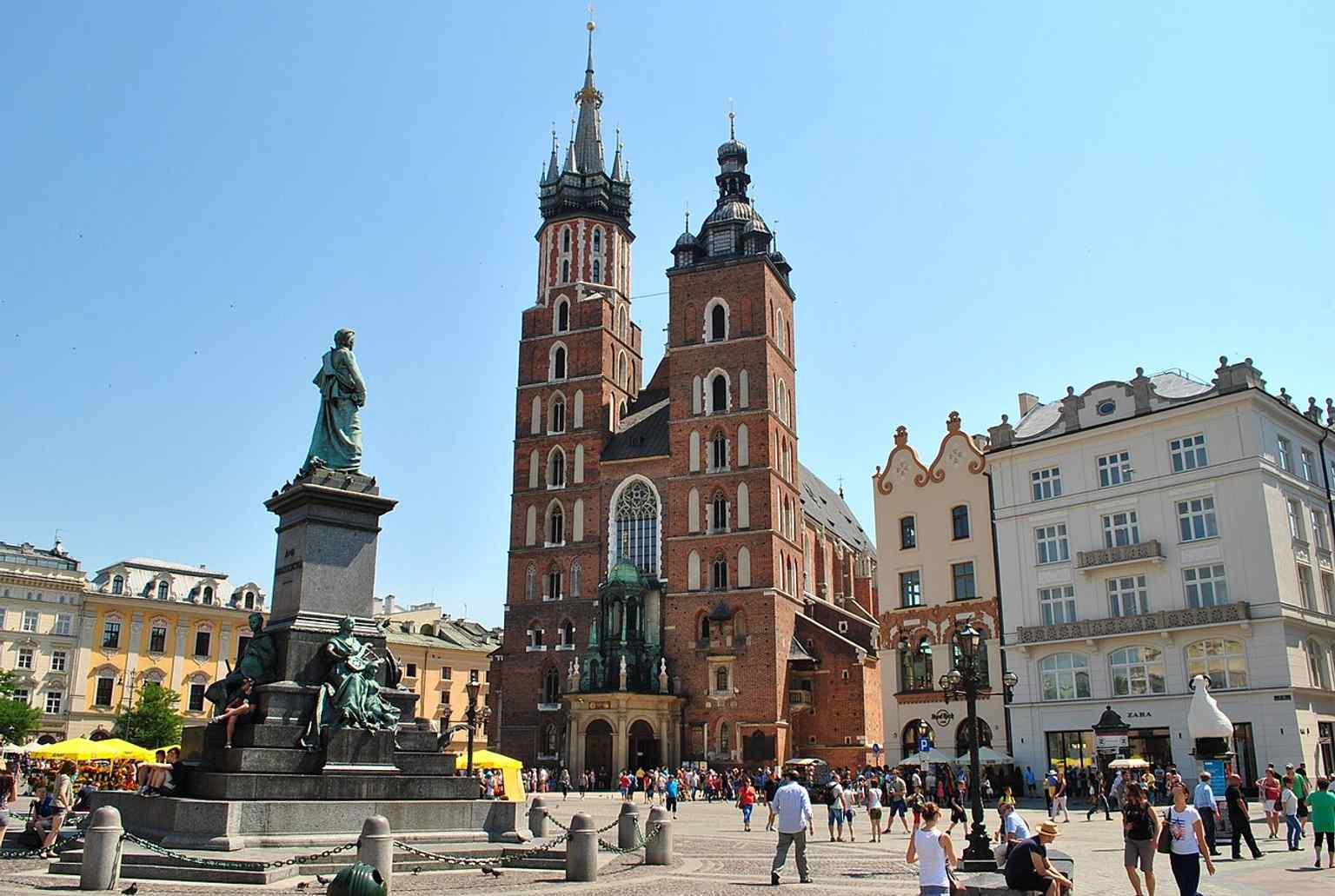
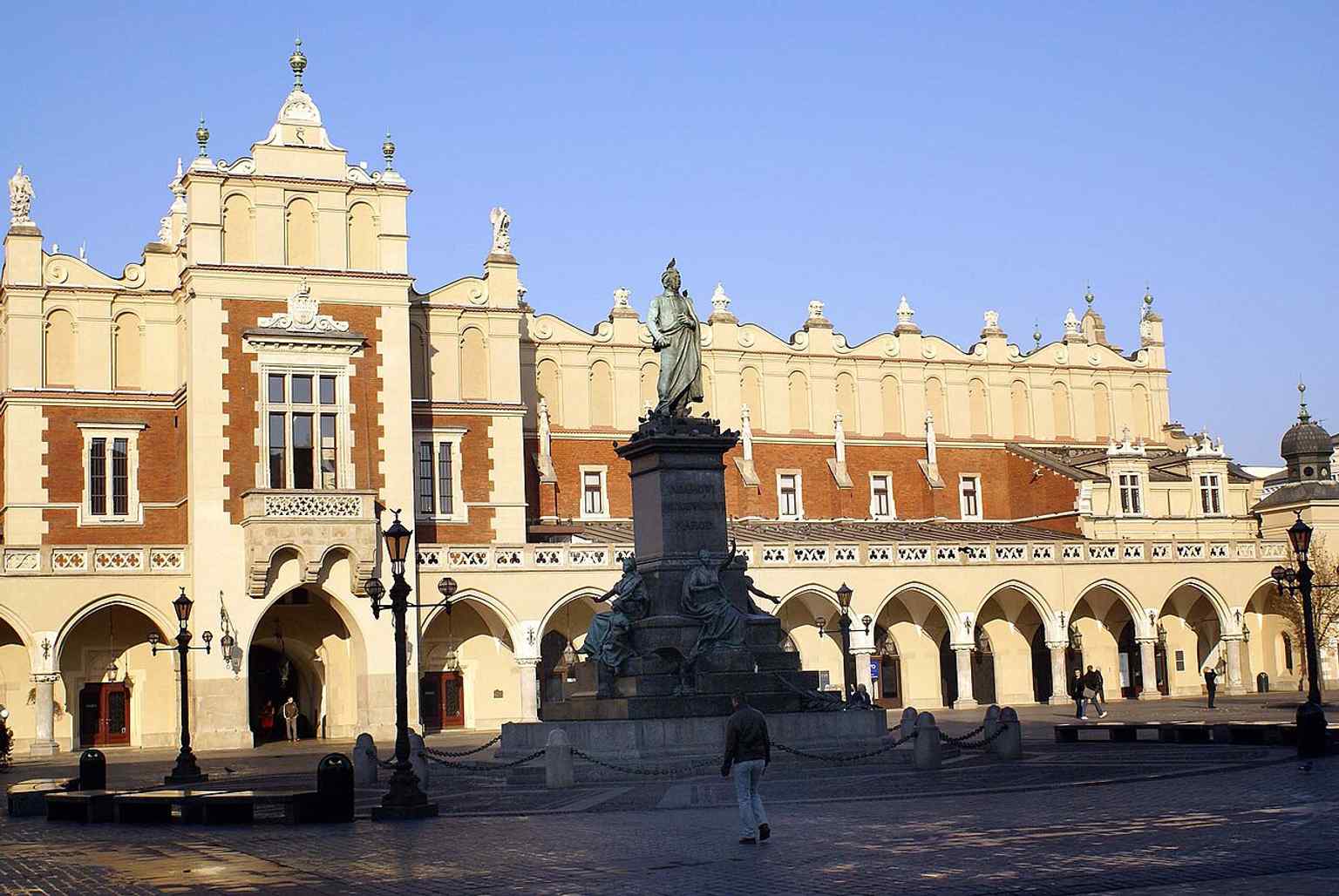
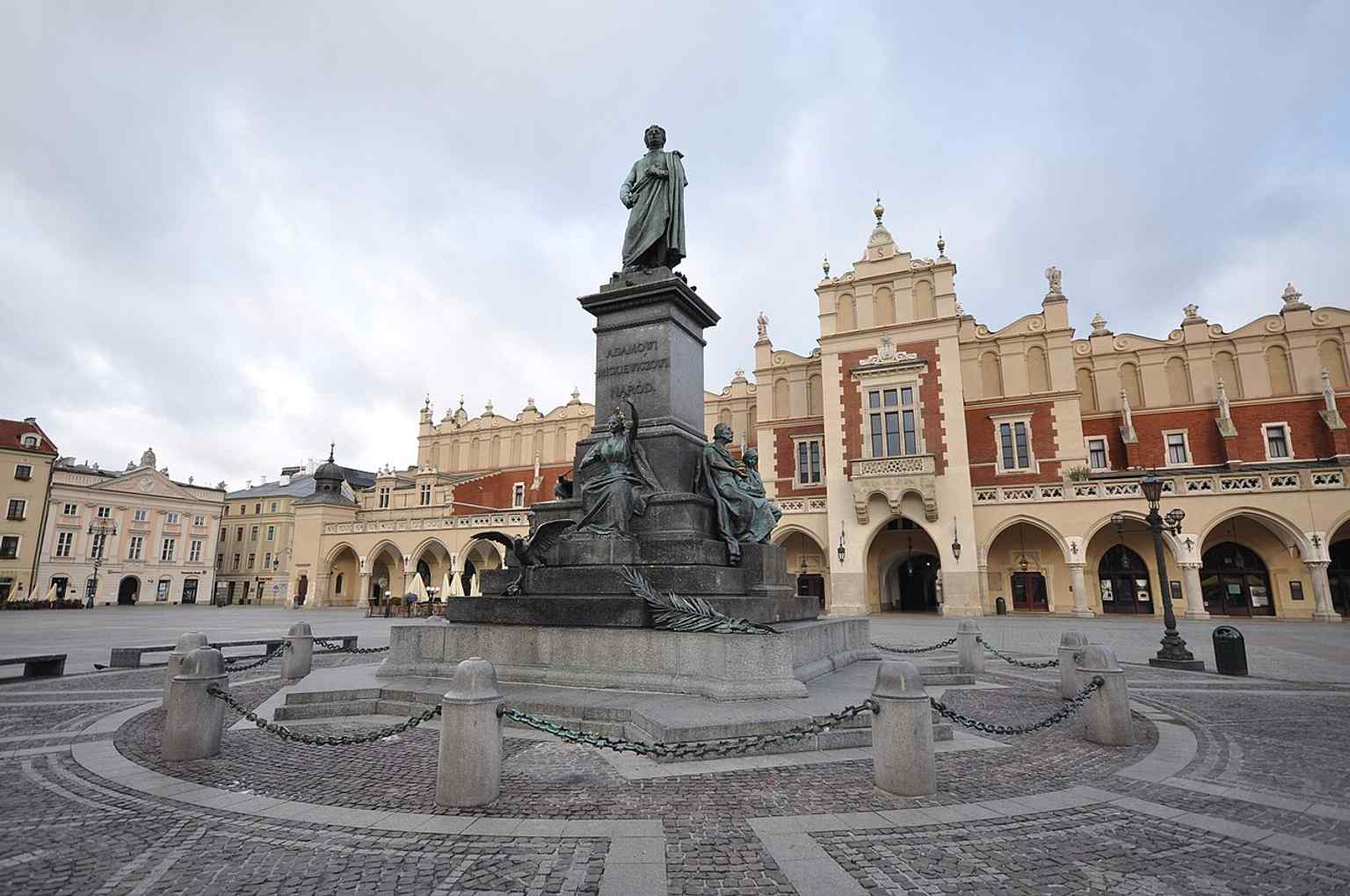
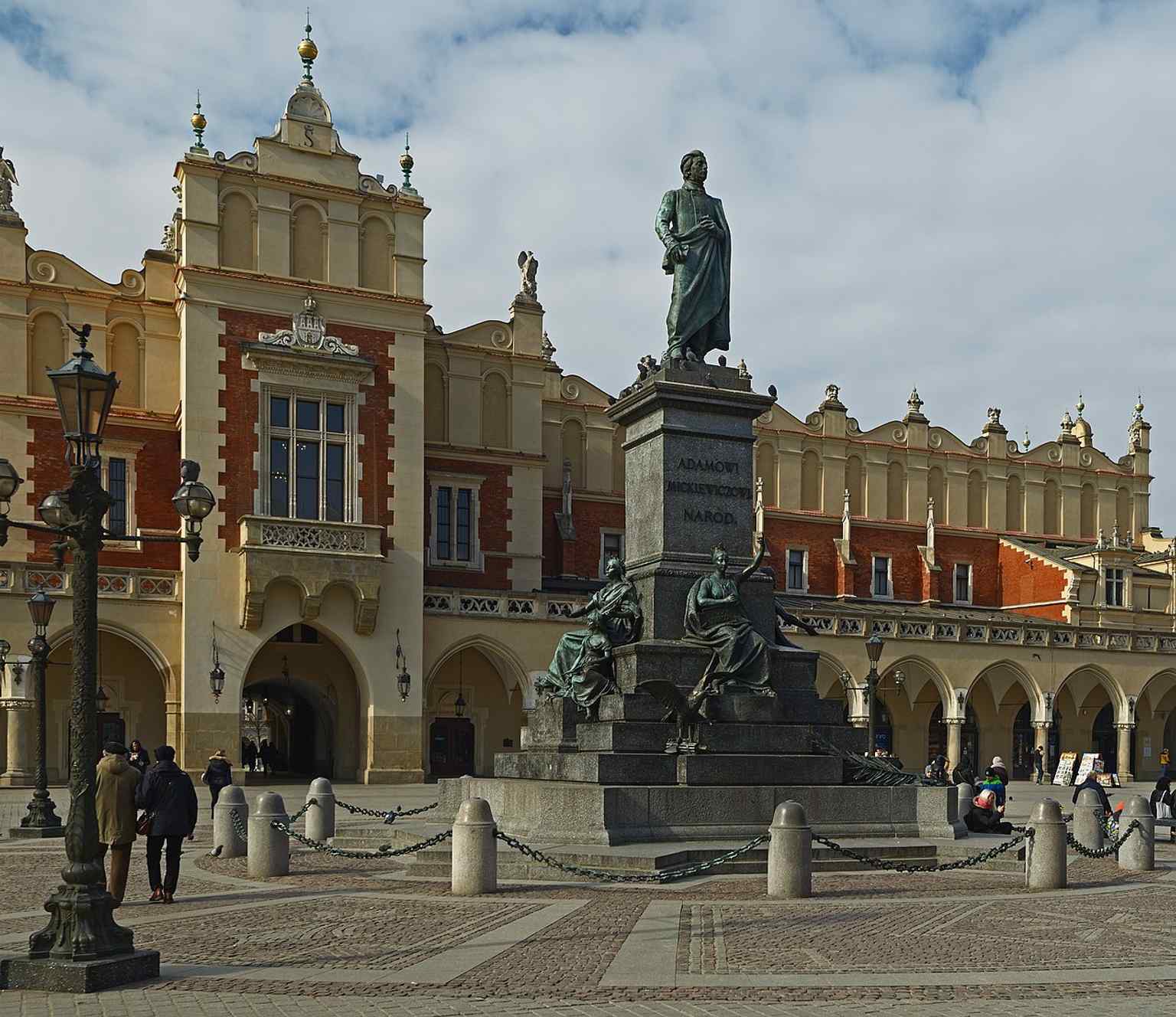
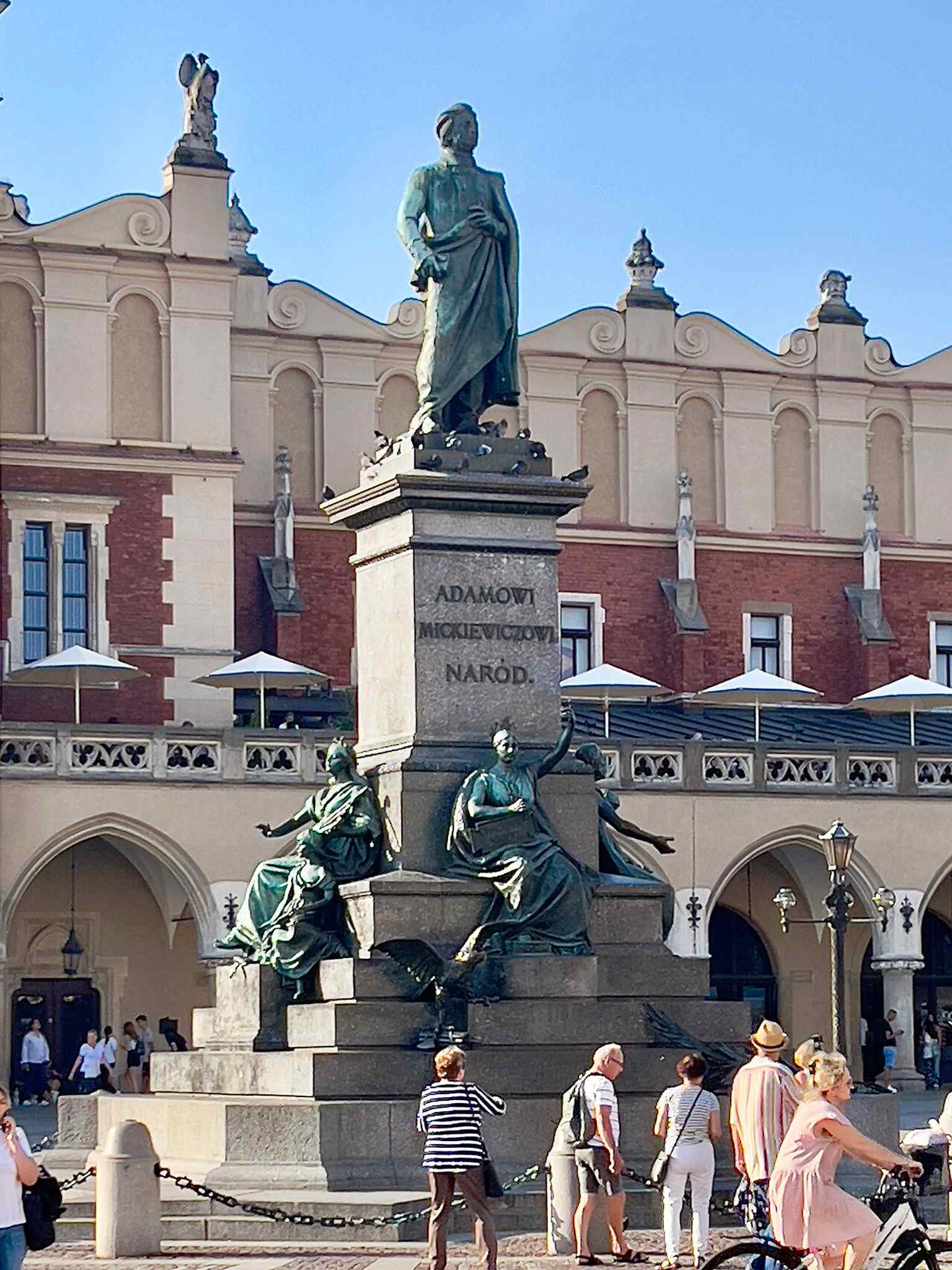
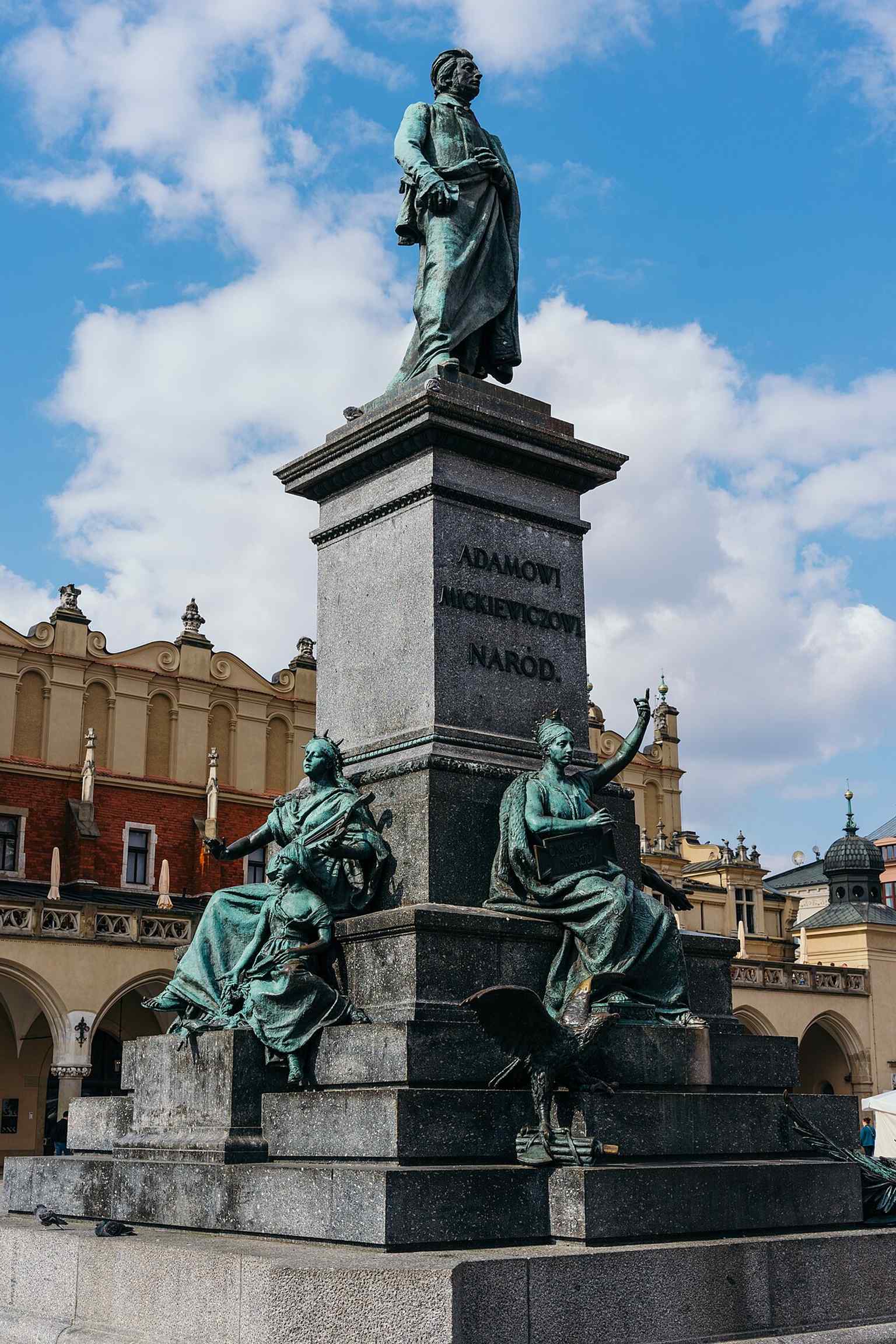
On your left is a tall bronze poet standing on a pale stone pedestal, with four seated figures at the base and one raised arm that makes the monument easy to spot.
Kraków calls him Adaś... which is charmingly informal for a national icon. Adam Mickiewicz was Poland’s great Romantic poet, a writer turned moral symbol, and this city adopted him so completely that many visitors assume he must have lived here. He never did.
That is the first twist. This monument began not simply as art, but as a patriotic project dreamed up by Kraków’s academic circles in the late eighteen sixties. They linked it to the idea of bringing Mickiewicz’s remains from Paris to Wawel, so the statue would help declare Polish identity in public space.
And then... everybody argued.
The first competition, in eighteen eighty-one, drew twenty-seven designs. The winning version by Tomasz Dykas placed Mickiewicz on Franciszkański Square, seated calmly in a chair. Kraków did not want a relaxed, armchair prophet. Writer Bolesław Prus criticized it, and even Władysław Mickiewicz, the poet’s son, objected. The city wanted something grander, more central, more useful as a symbol. Public memory, it turns out, needs stagecraft.
Only the third competition finally settled it. Teodor Rygier won, partly because public opinion pushed hard, and in eighteen ninety-eight, on the hundredth anniversary of Mickiewicz’s birth, his monument rose here in the Main Square. They had hoped the budget would stay under one hundred thousand Austrian florins, a very large sum at the time. The final cost climbed to one hundred sixty-four thousand. Even national reverence, as ever, had invoices.
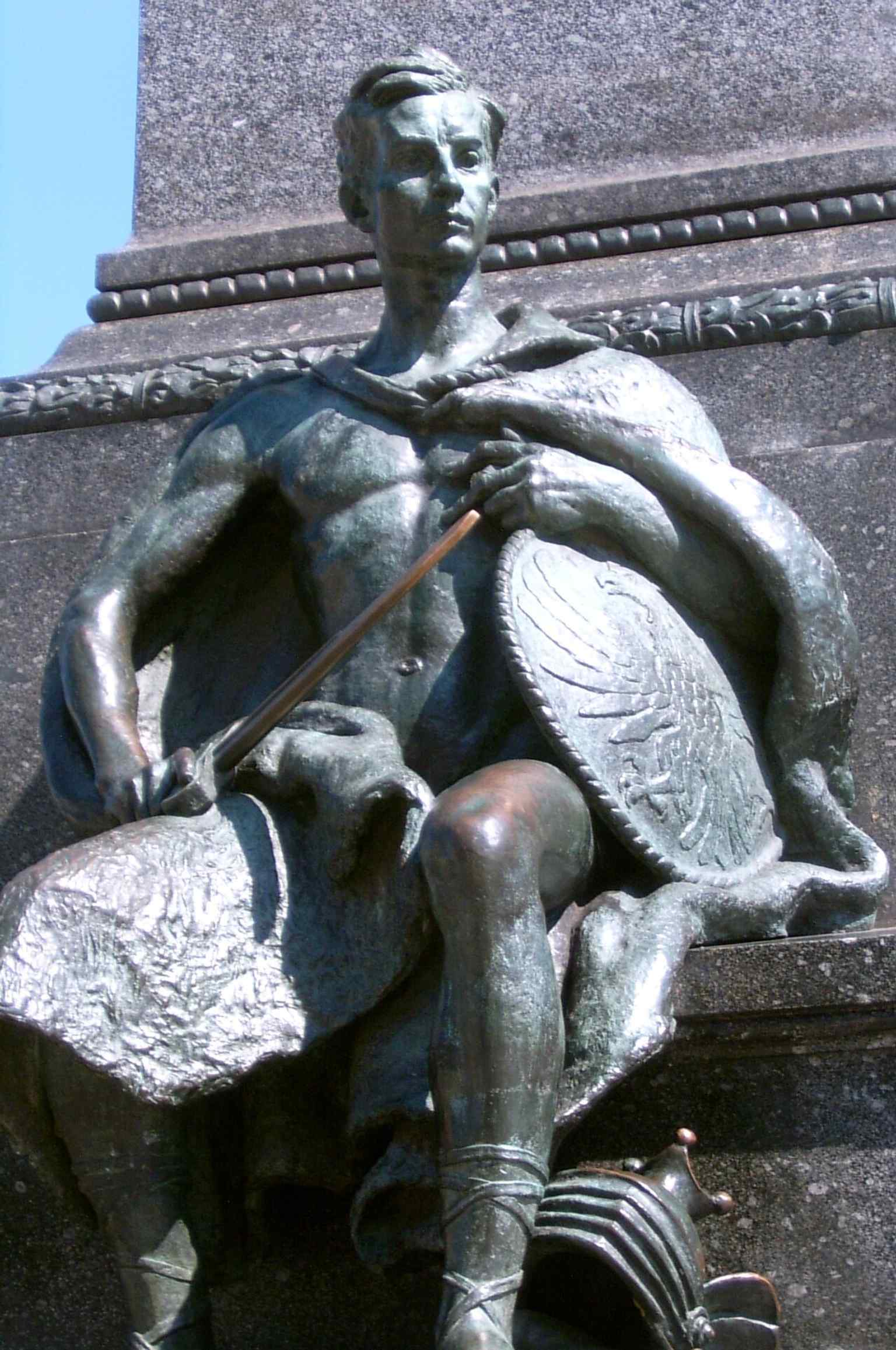
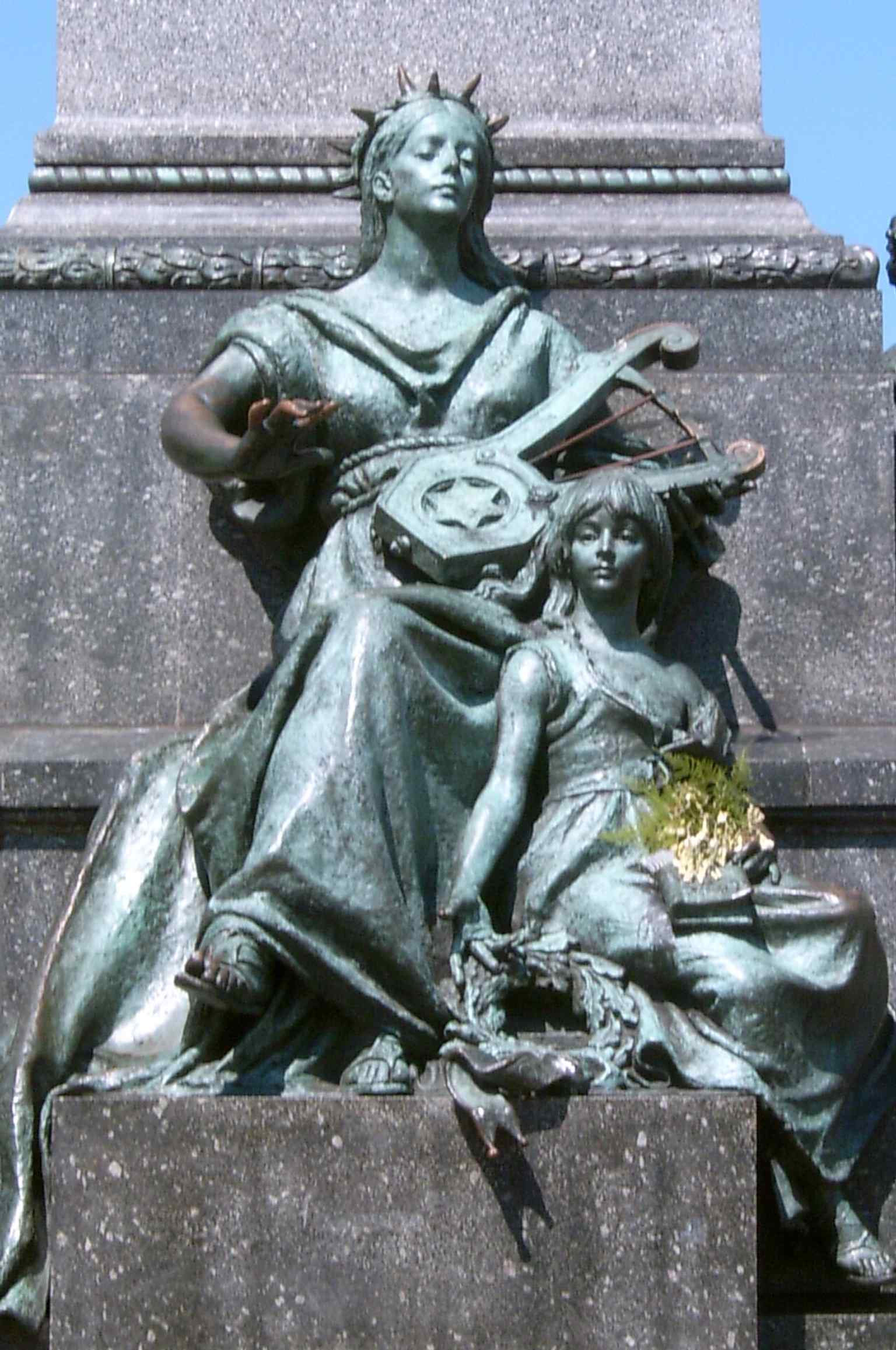
If you want a closer look, the image in the app shows the sculpted base well: the four figures at the base spell out the monument’s civic message in allegorical form. The inscription reads, “To Adam Mickiewicz, from the Nation.”
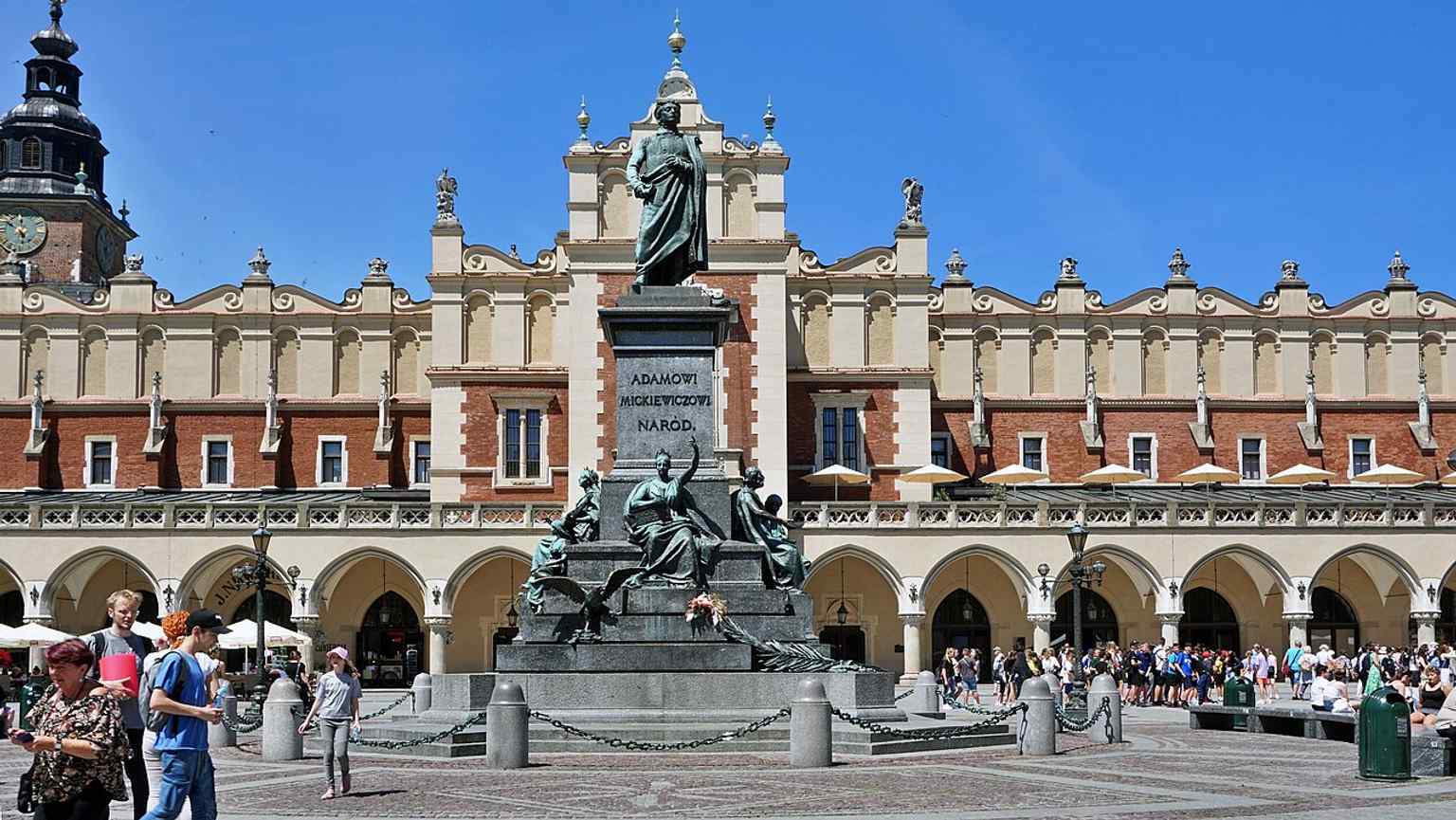
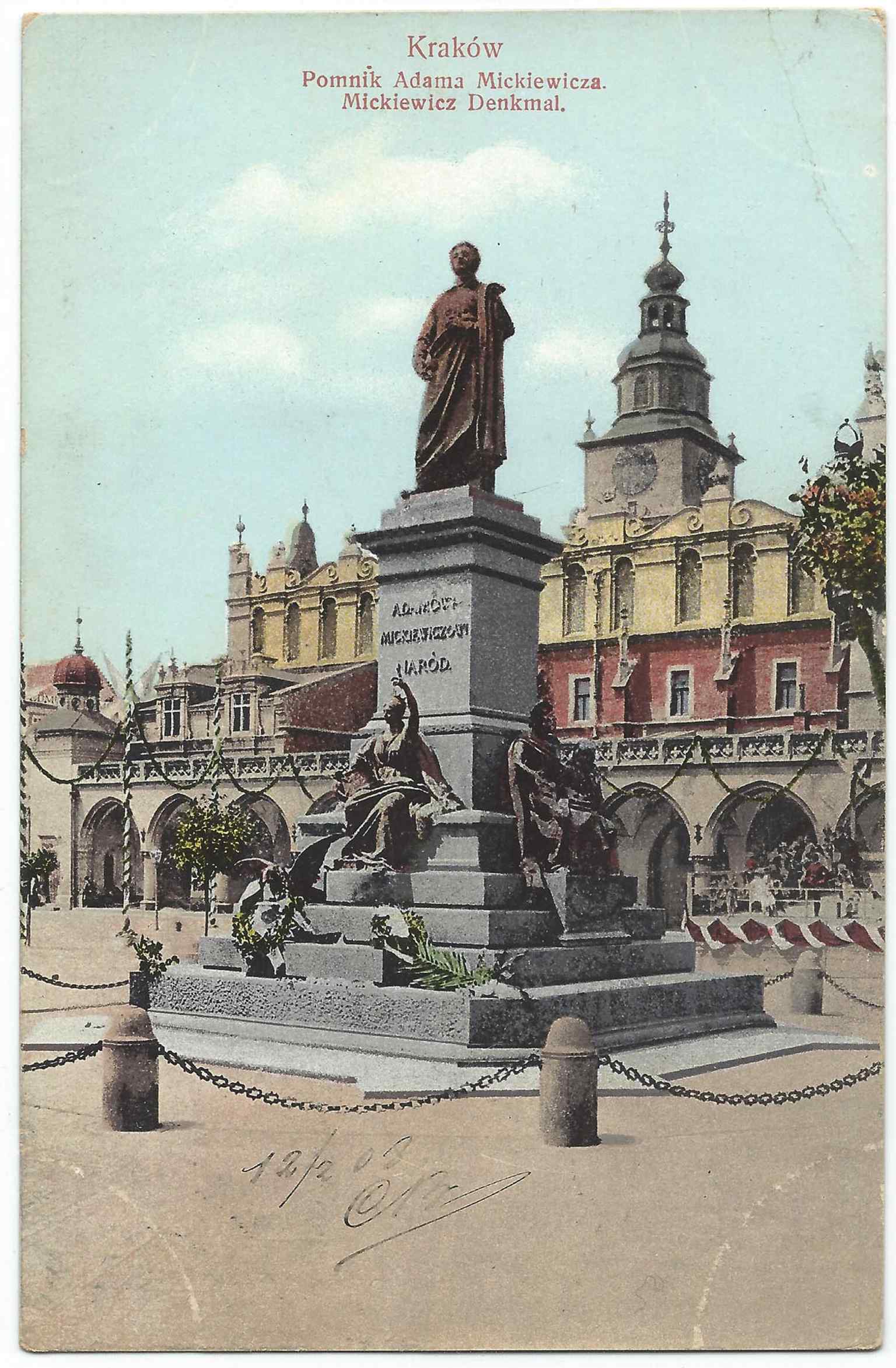
If you look at the comparison image, you’ll see how the monument held its ground while the square around it traded horse traffic for a more open civic stage.
Then came the second twist. On the seventeenth of August, nineteen forty, German occupiers destroyed the monument as part of a wider assault on Polish symbols in Kraków. After the war, the city recovered fragments locally and found major pieces in a Hamburg scrap yard. Józef Lepiarczyk led the rebuilding effort, and artists Stanisław Popławski, Janina Reicher-Tothow, and Franciszek Tothow reconstructed it, working in the Isaac Synagogue on Kazimierz... because Kraków rarely takes the simple route. The city unveiled Adaś again in nineteen fifty-five, exactly one hundred years after the poet’s death.
Today people meet “under Adaś,” celebrate victories here, and students circle him on one leg before exams, bargaining with fate in the usual scholarly way. Look across the square toward St. Mary’s Basilica now; its story is older, less tidy, and written in brick, imbalance, and survival. And yes, Adaś is available all day, every day.






%20Memorial%2C%201898%20design.%20by%20Teodor%20Rygier%2C%20Main%20Market%20square%2C%20Krak%C3%B3w%2C%20Poland.jpg)
.jpg)
.jpg)
.jpg)


