
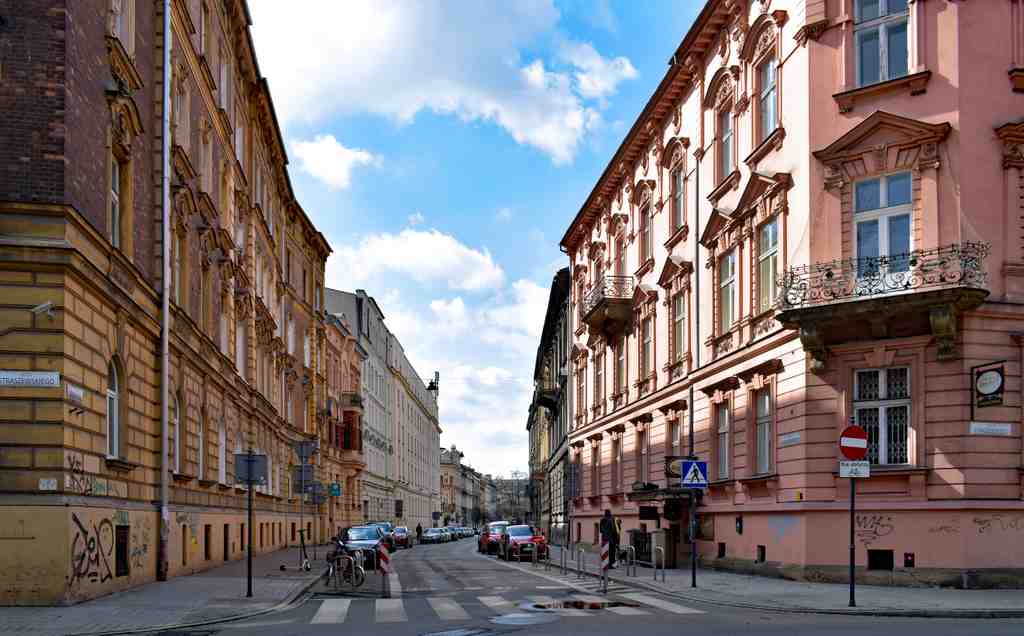
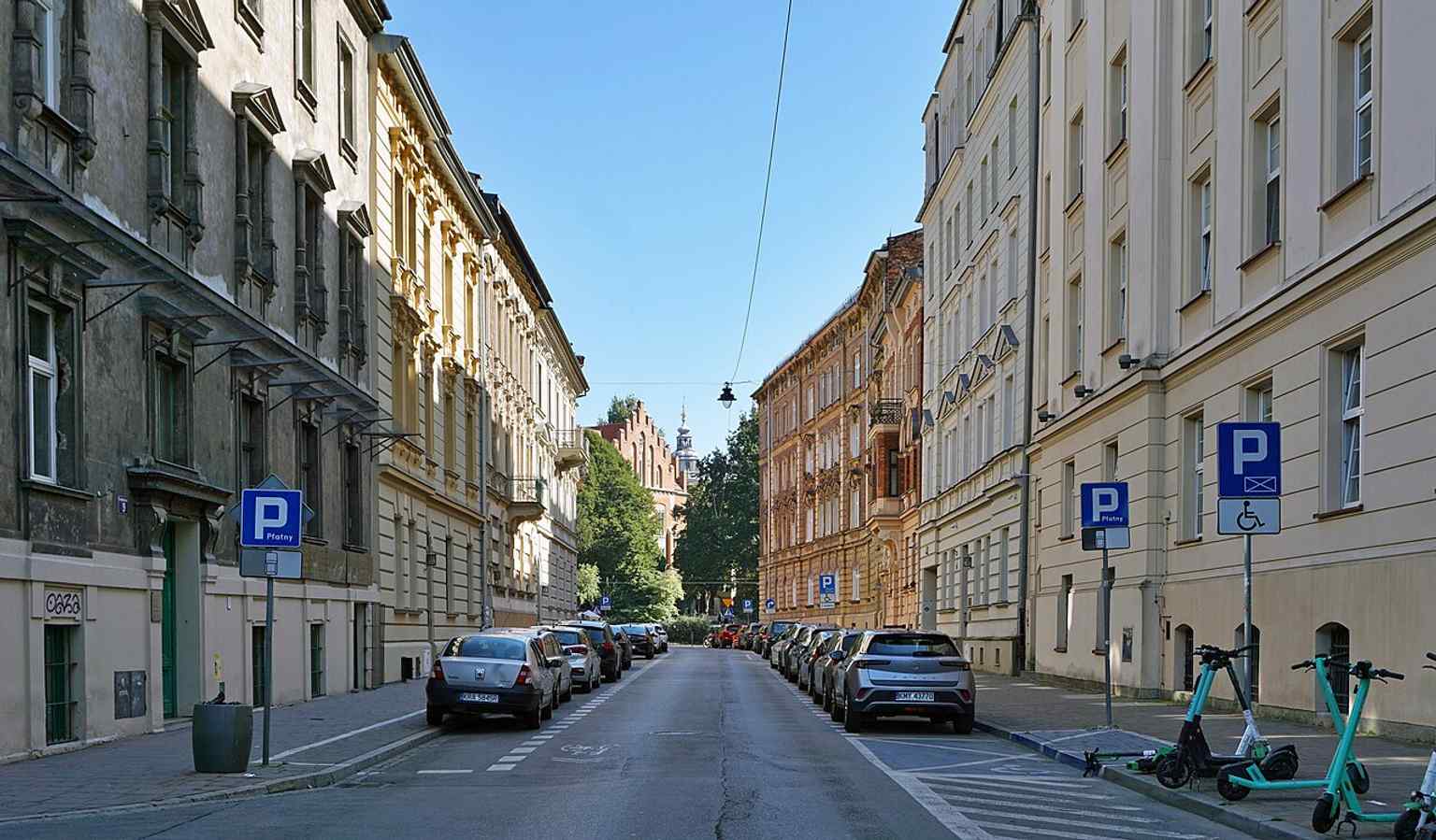
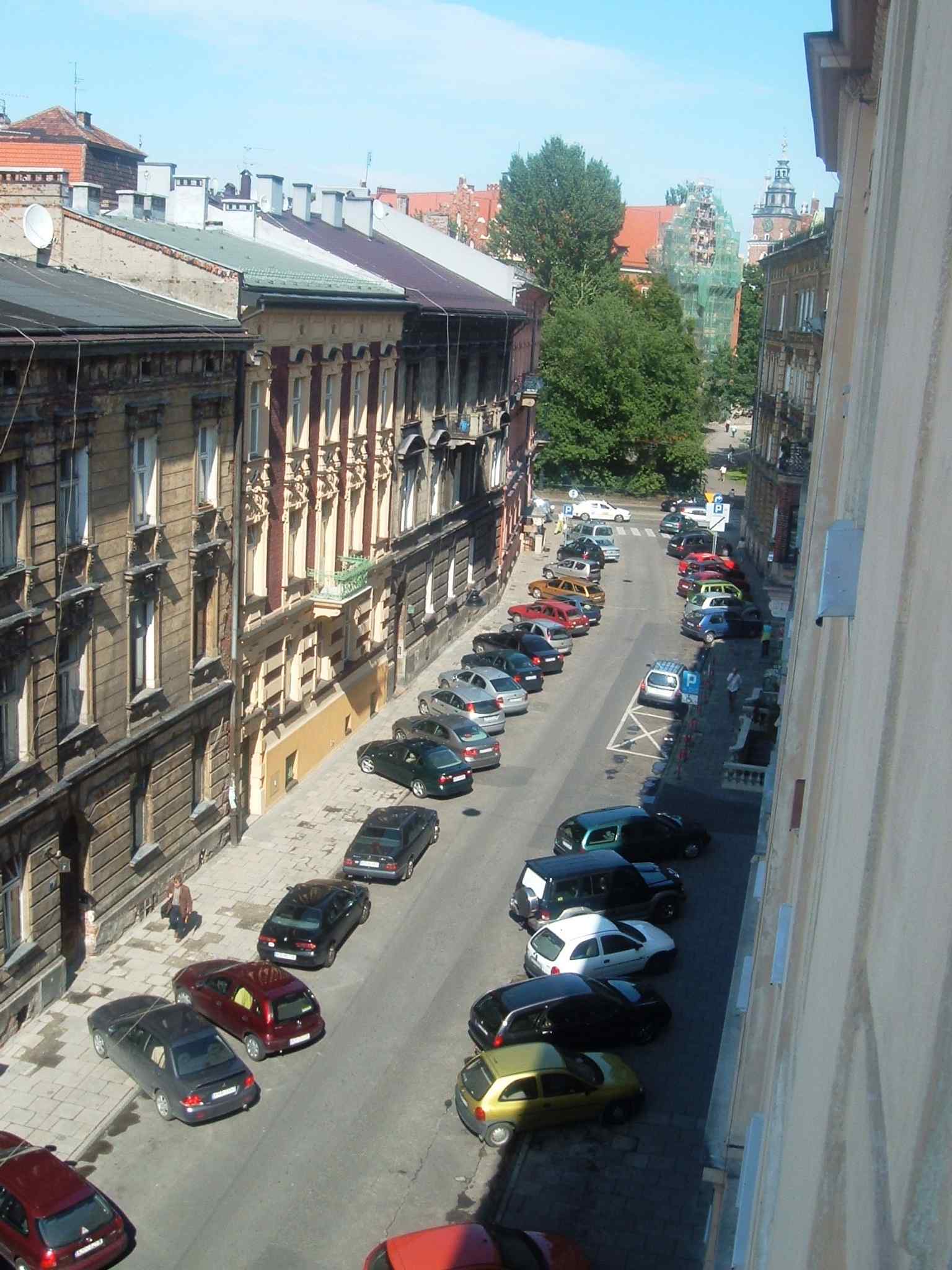
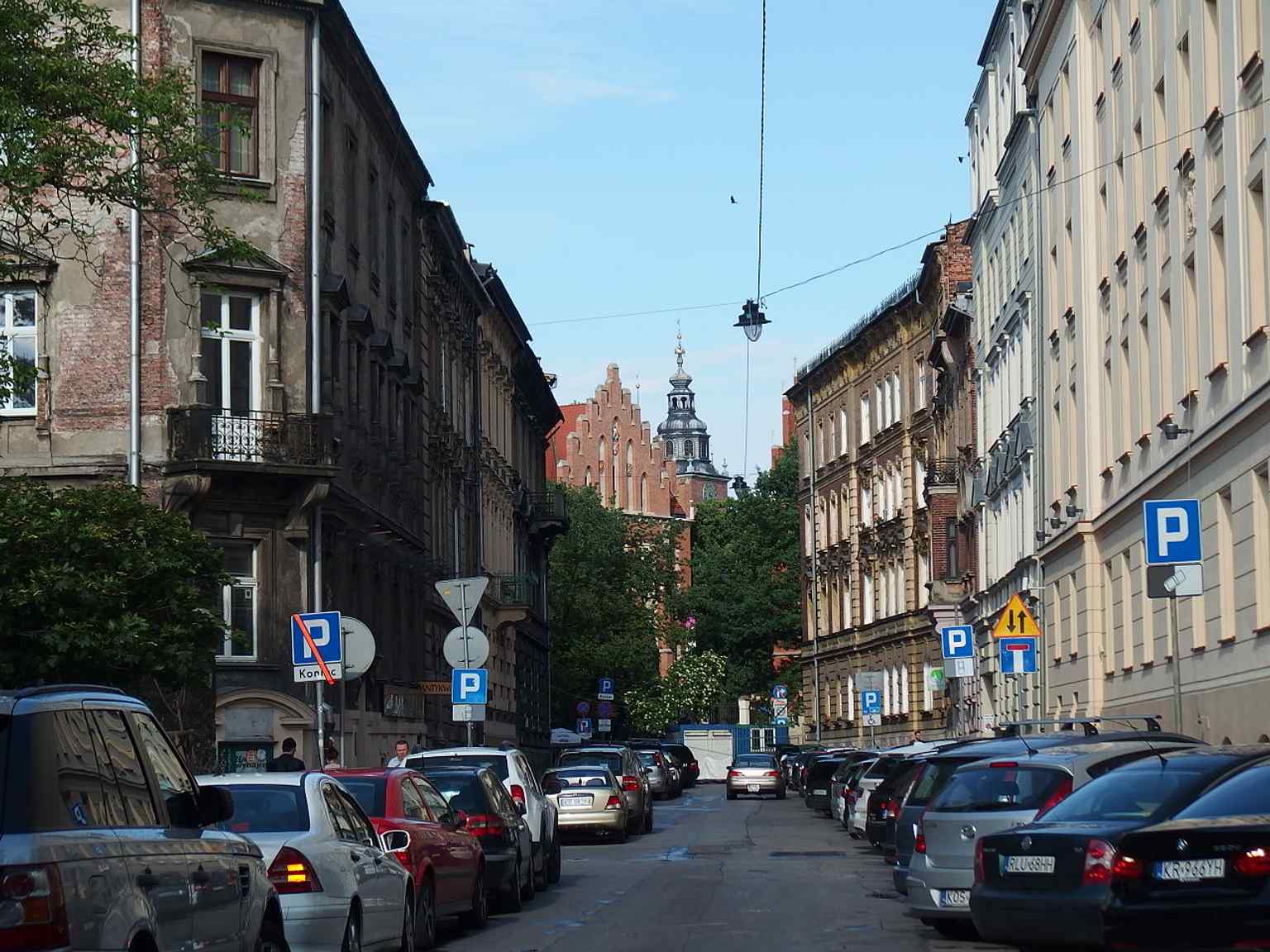
Ahead of you is a short, straight street lined with stone late nineteenth-century tenements, their tall rectangular windows and the rounded corner mass of the Hussarzewski House giving the whole frontage a composed, urban rhythm.
When a government renames a street, it does more than replace a plaque. It tries to train everyday memory itself: how people write their address, how they give directions, which past gets spoken and which one is quietly pushed aside.
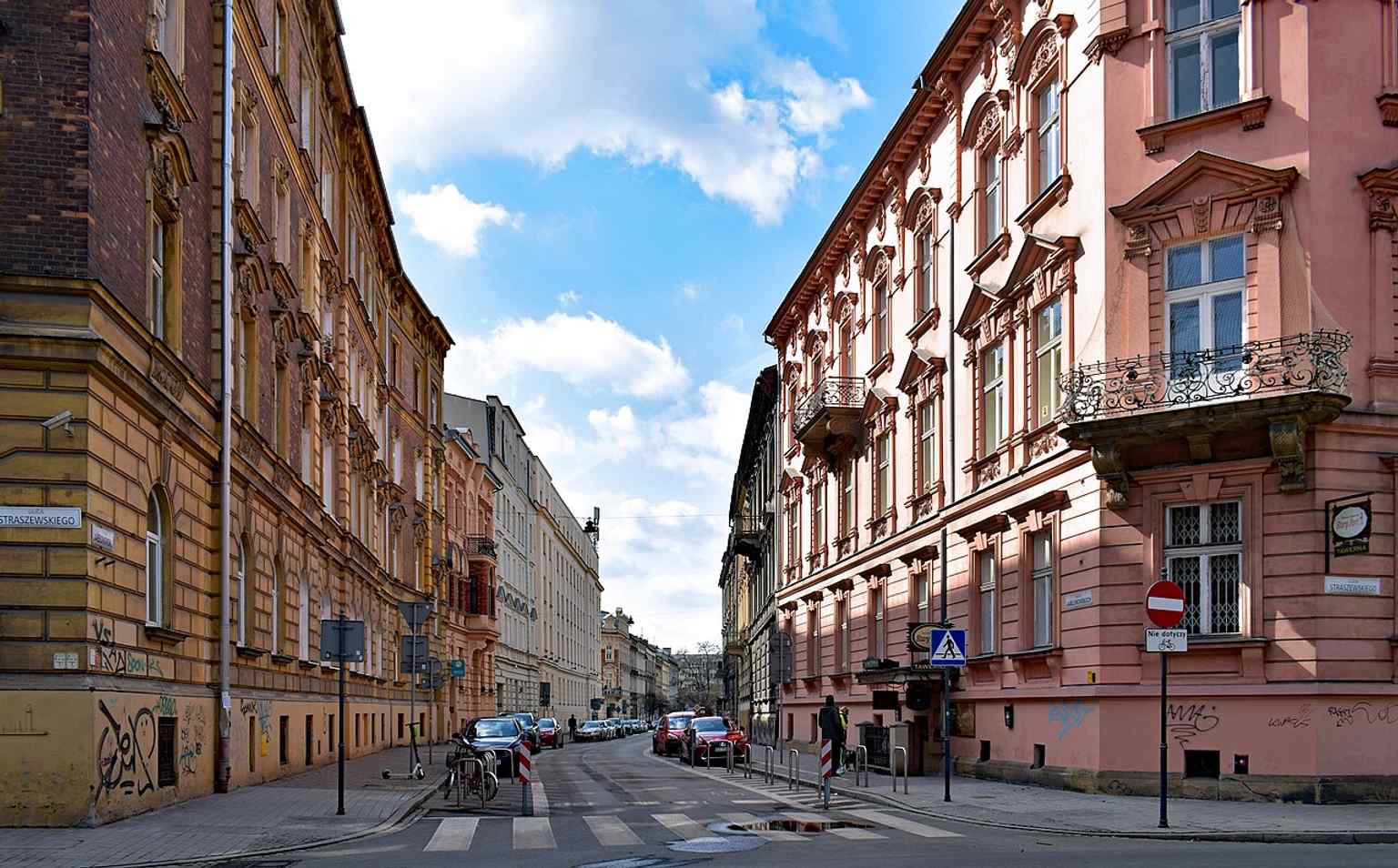
Jabłonowskich began as aristocratic ground. The land west of the old city walls belonged to the Jabłonowski family, and when Kraków expanded hard in the eighteen seventies and eighteen eighties, their gardens gave way to plots, and the plots gave way to rental houses. The city laid out this street at the end of the eighteen eighties and officially named it in eighteen ninety. If you glance at the image in the app, you can see that long, orderly residential perspective still holding its shape. Then came the twentieth century’s heavier hand. From nineteen fifty-two until nineteen ninety, this was officially Stanisława Ziai Street. For nearly four decades, every letter delivered here, every identity card, every doorway number, served a state-sponsored version of remembrance. That is the detail most visitors miss: an entire ordinary street turned into an instrument of ideological branding.
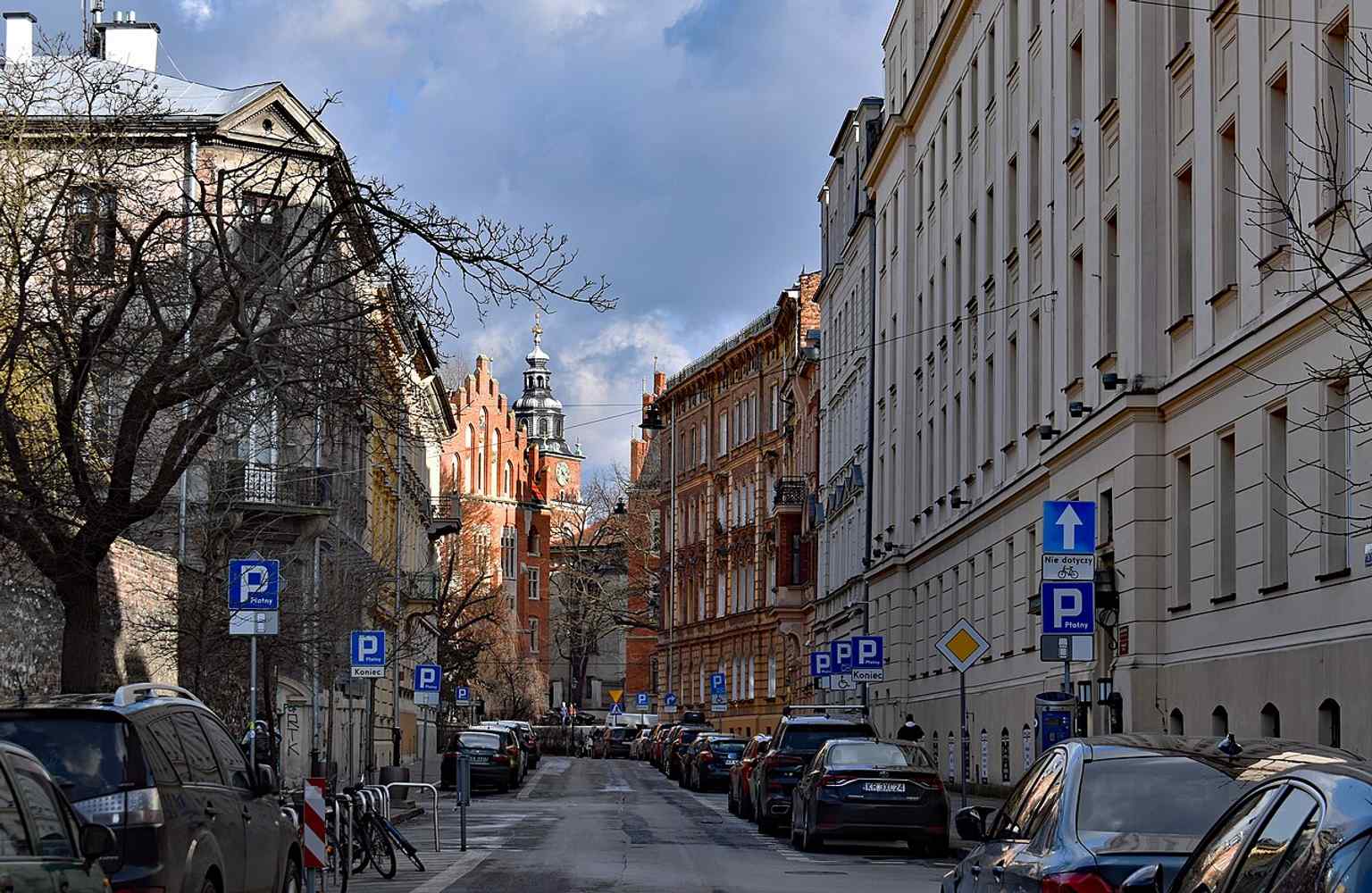
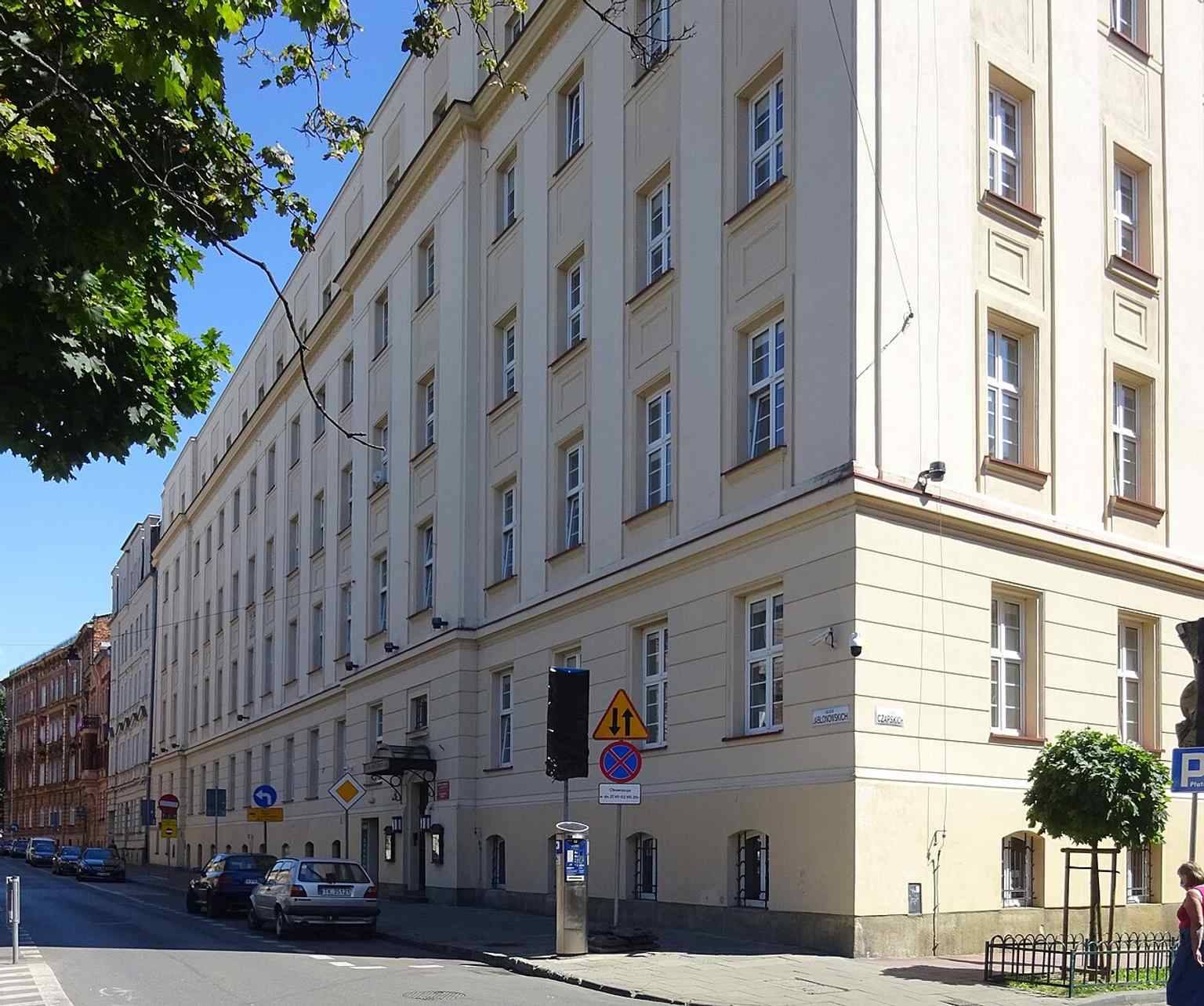
The crucial building stands at numbers ten to twelve, the student house known as Bratniak. Have a look at it on your screen. In nineteen sixty-three, the communist authorities renamed the building Blokada, or Blockade, claiming to honour a left-wing student action from nineteen thirty-seven. But the truth is rather sharper. In the nineteen thirties, Bratniak was largely a fortress of nationalist students, and the notorious blockade of the university aimed to pressure the rector into introducing segregated seating for Jewish students. The official story softened that ugliness, then tried to overwrite it.
That is where Stanisław Ziaja enters. He studied philosophy at the Jagiellonian University, lived here in the student house, joined the illegal Communist Party of Poland, and suffered repeated arrests for it. He likely stood on the opposite side of those student battles. He died violently in nineteen forty-four, in Kraków, though some sources place his end in the Płaszów camp. After the war, the new regime chose him as a fitting patron and pushed the old Jabłonowski name aside. Like the Rejtan monument earlier, this is a reminder that memory is fought over; only here, the struggle hid inside an address.
And yet the story refused to stay obedient. In Bratniak’s cellars, the student club Buda later gave birth to the cabaret Pod Budą, with Bohdan Smoleń among its founders. A building used to discipline memory ended up nurturing laughter instead. Hold onto that thought as we continue to the EUROPEUM, where another old structure discovers a second cultural life.






.jpg)

