AudaTours logoAudaTours

Stop 8 of 17

Katedra pw. św. Marcina i Mikołaja

headphones 03:45 Buy tour to unlock all 19 tracks
Katedra pw. św. Marcina i Mikołaja
Cathedral of St. Martin and Nicholas in Bydgoszcz
Cathedral of St. Martin and Nicholas in BydgoszczPhoto: Mariusz Guć, Wikimedia Commons, CC BY-SA 4.0. Cropped & resized.

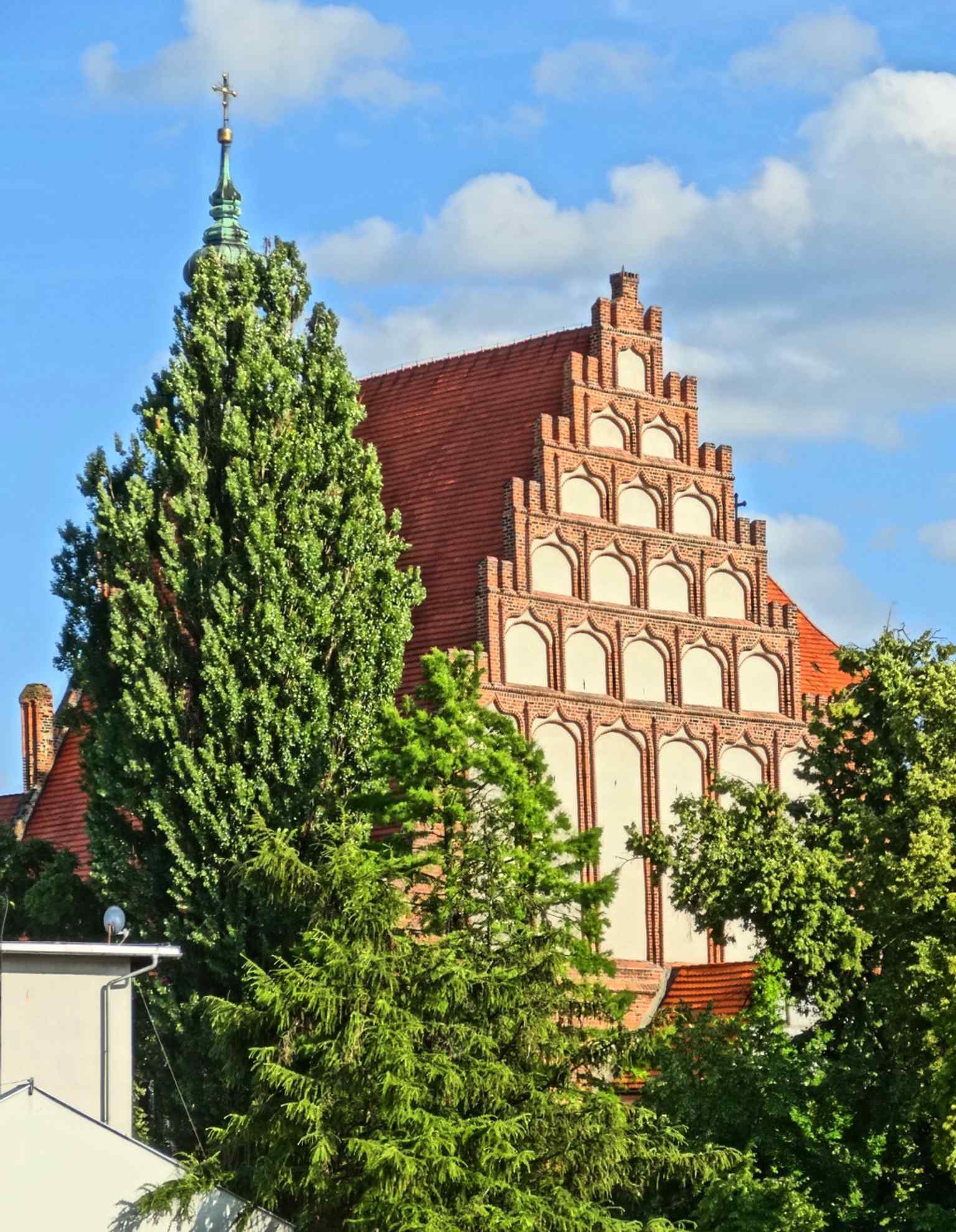
On your left, look for a tall red-brick Gothic church with pointed-arch windows, a broad stepped gable, and a small octagonal turret sitting right on the roof ridge.

This is the Cathedral of Saint Martin and Nicholas, and it has that rare thing some buildings carry without trying: gravity. For centuries people here simply called it the fara, meaning the main parish church. Bydgoszcz set this plot aside when the city received its charter in thirteen forty-six, right at the edge of the old town near the Brda and the mill channel, so the church has always belonged to the riverside rhythm of the city.

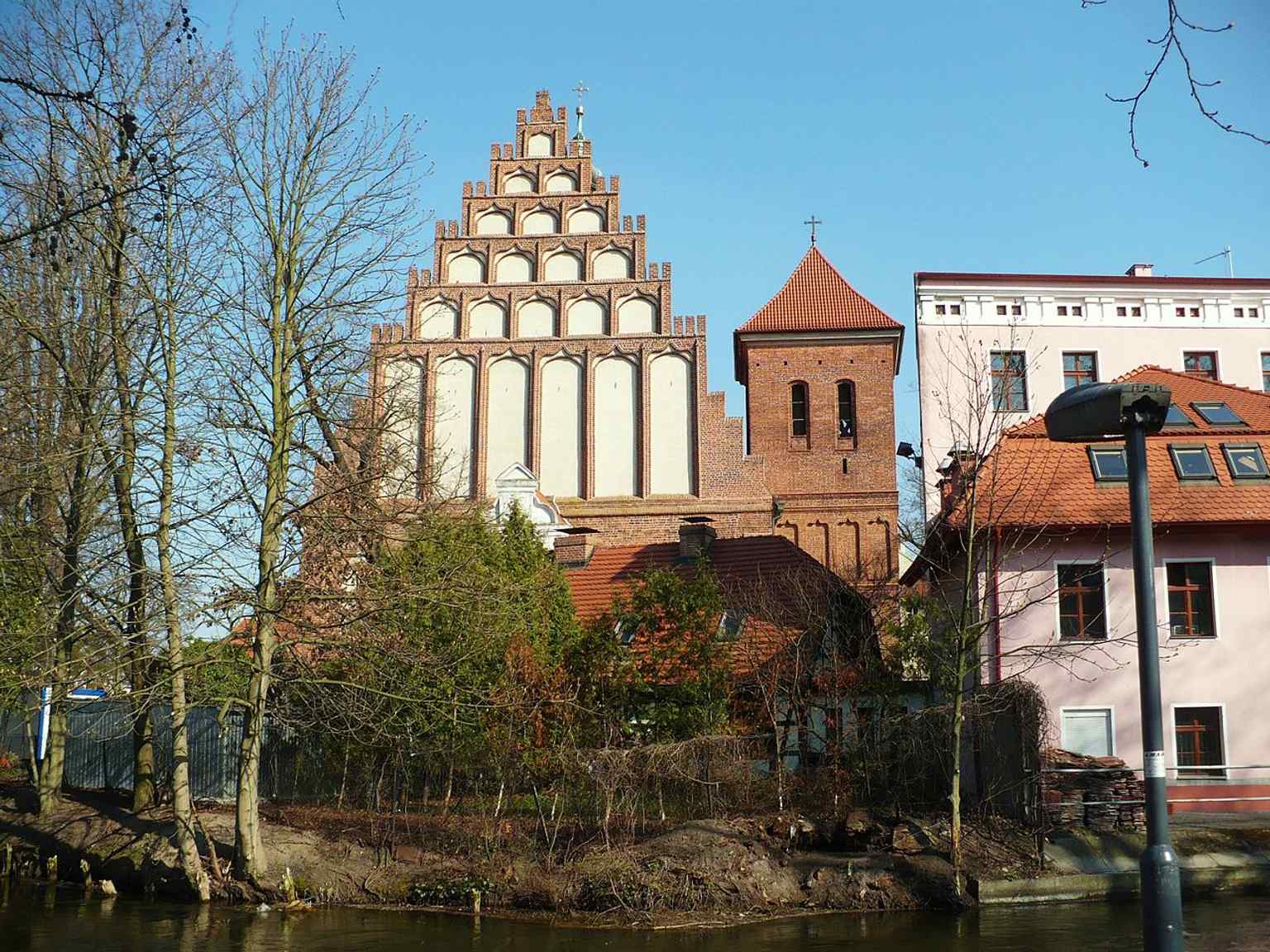
If you glance at your phone, that wider river view shows how naturally the cathedral locks into the waterfront scene.
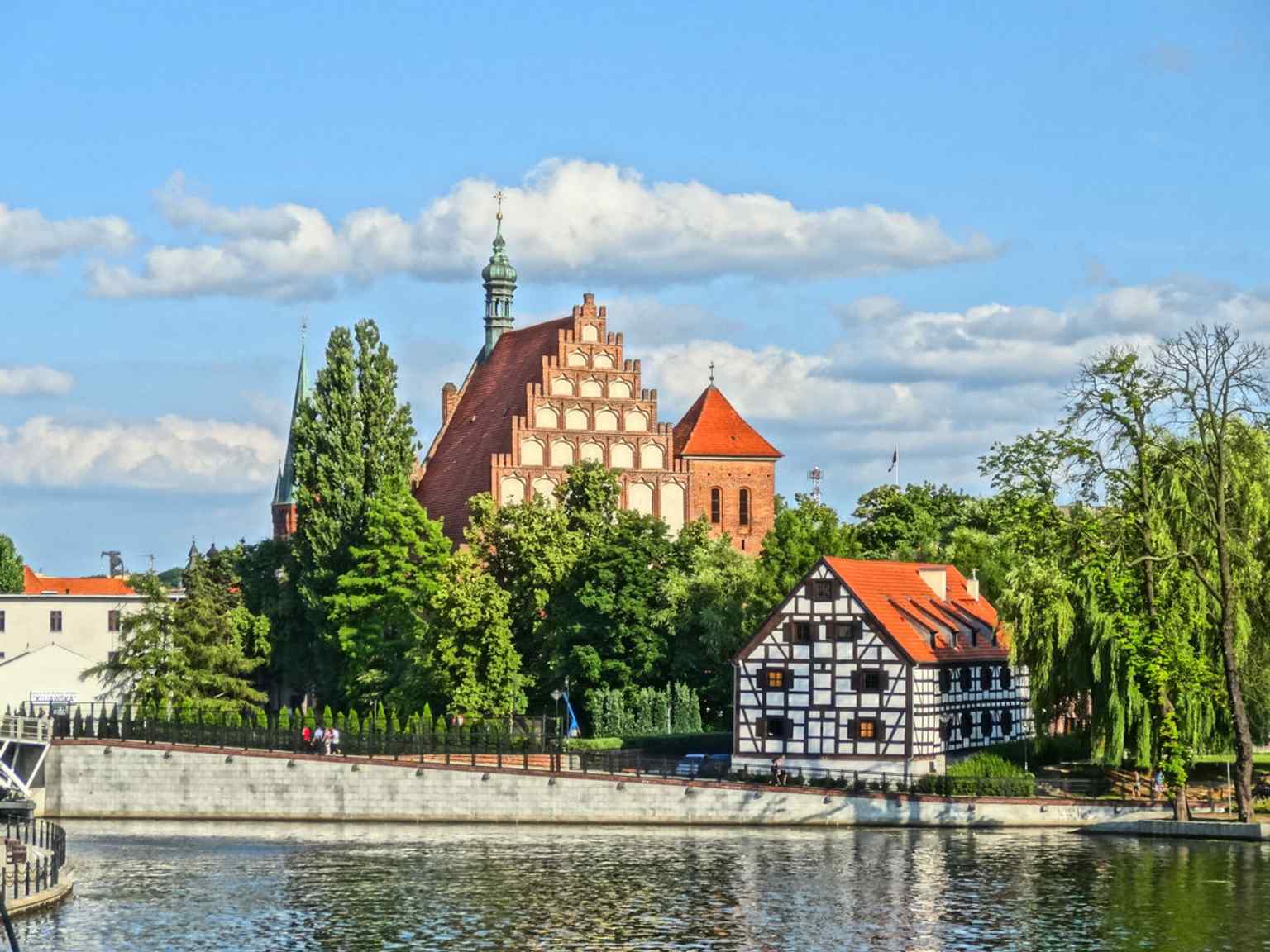
The cathedral seen from the Mill Island embankment, showing how closely this medieval church is tied to Bydgoszcz’s riverside landscape.
The cathedral seen from the Mill Island embankment, showing how closely this medieval church is tied to Bydgoszcz’s riverside landscape.Photo: Pit1233, Wikimedia Commons, CC0. Cropped & resized.

The first church here may have started in wood, but by the early fifteenth century it had already grown into a serious brick sanctuary. Then came disaster. In fourteen twenty-five, a huge city fire tore through Bydgoszcz, burned the church, and destroyed the municipal records stored inside. Imagine that... one blaze taking both prayer and paperwork in the same breath. The rebuilding began almost right away and stretched for decades, from fourteen twenty-five to fourteen sixty-six.

Here is the fun architectural twist: the builders kept one older northern wall instead of starting from scratch. That choice nudged the new plan slightly off line, so the chancel, the part around the main altar, ended up wider than the main body of the church by almost two meters. In other words, this cathedral is gloriously, historically a little crooked.

During the Thirteen Years’ War, King Casimir the Fourth Jagiellon visited Bydgoszcz again and again, along with nobles, clergy, and courtiers. That traffic brought money, prestige, and momentum, and the church rose into one of the largest parish churches in the whole Włocławek diocese.

The outside kept evolving. The south tower came later, the western porch took on a Mannerist look in the seventeenth century, and the little roof turret you can spot above the church gained its Baroque form in the early eighteenth century. On another image, you can see that ridge turret more clearly, like a tiny crown balancing on the roofline.
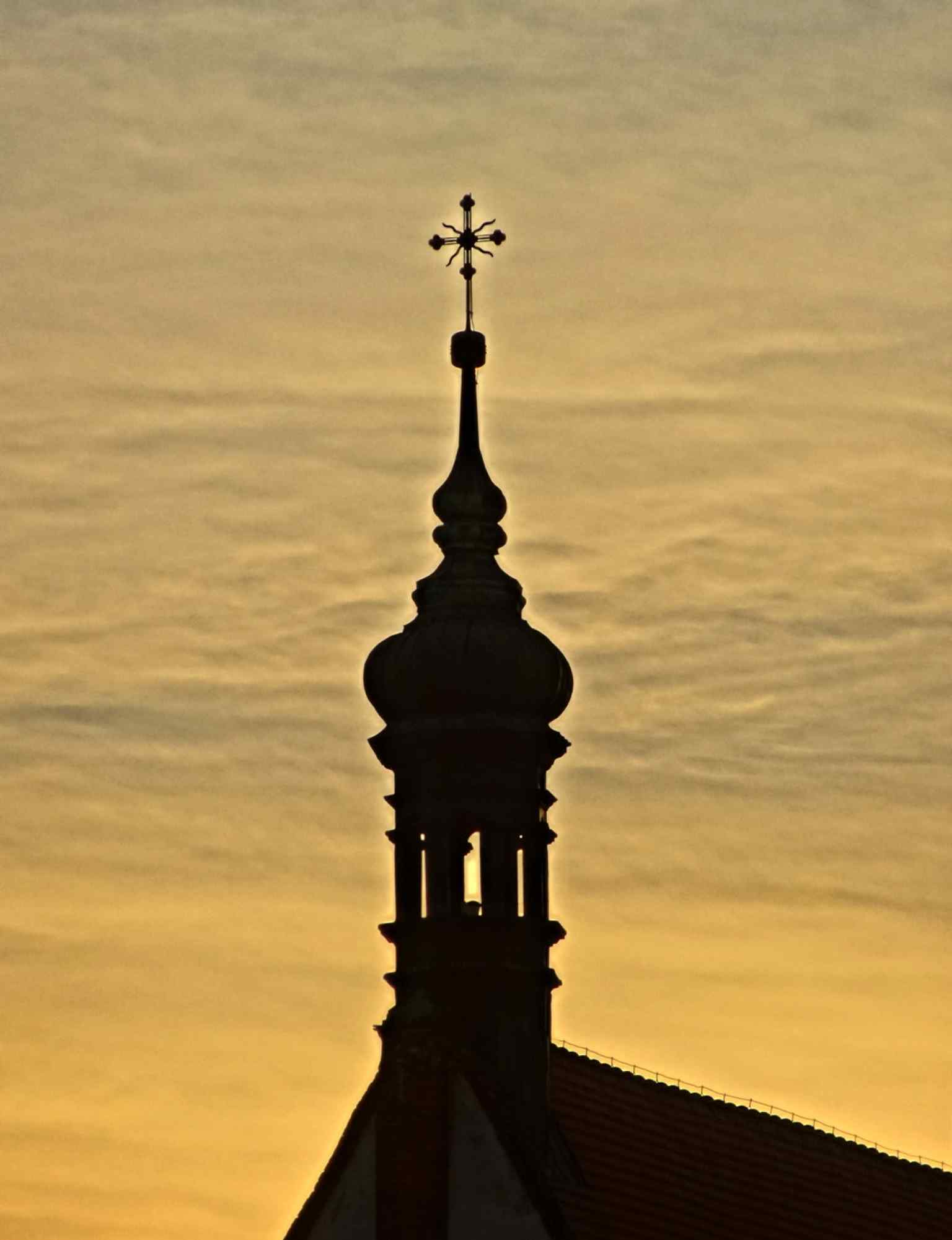
A tighter look at the roof and small ridge turret, recalling the church’s historic signaturka and its long bell tradition.
A tighter look at the roof and small ridge turret, recalling the church’s historic signaturka and its long bell tradition.Photo: Pit1233, Wikimedia Commons, CC0. Cropped & resized.

Inside lives the building’s emotional center: the Madonna with a Rose, a late fifteenth-century image later honored as Our Lady of Beautiful Love. People hung silver votive gifts beside it in thanks for favors received. In nineteen sixty-six, Cardinal Stefan Wyszyński crowned the image, and in nineteen ninety-nine Pope John Paul the Second crowned it again. A second treasured Marian painting, Our Lady of the Scapular, arrived here from the old Carmelite church after the Prussian authorities suppressed monasteries.

This church went through hard miles too. Soldiers used it during the Napoleonic era, war damaged it in nineteen forty-five, and yet it kept coming back. Then in two thousand and four, it became the cathedral of the newly created Diocese of Bydgoszcz. Not bad for a church that survived fire, partitions, occupation, and the usual human chaos.

And one last wild detail: in twenty eighteen, archaeologists found a hidden cache under the floor, including seventeenth-century jewelry and four hundred eighty-six gold coins, probably concealed during the Swedish wars.

This place feels less like a monument and more like a long, stubborn heartbeat.

Take one more look at the brickwork, and when you’re ready, we can wander on toward Jezuicka Street.
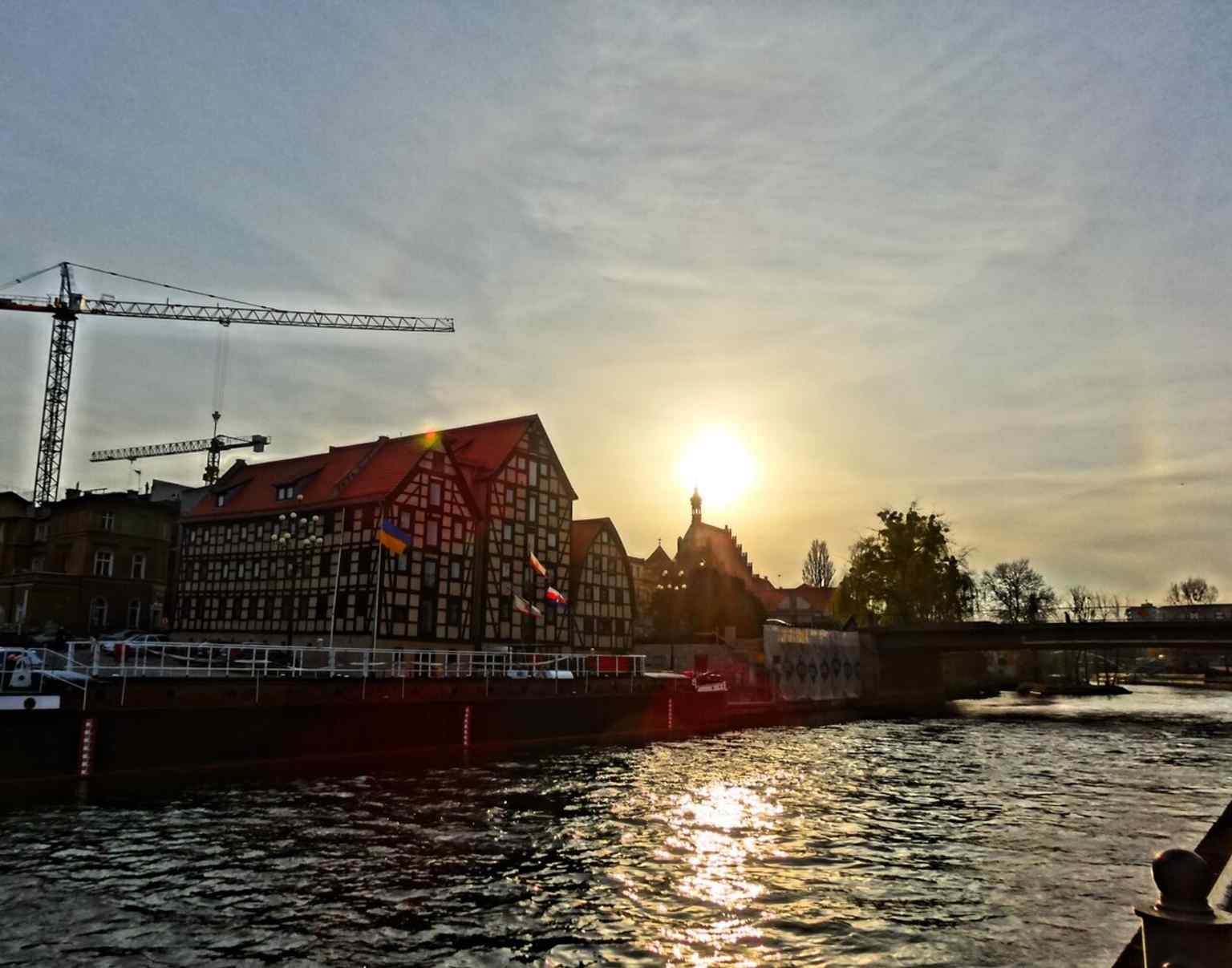
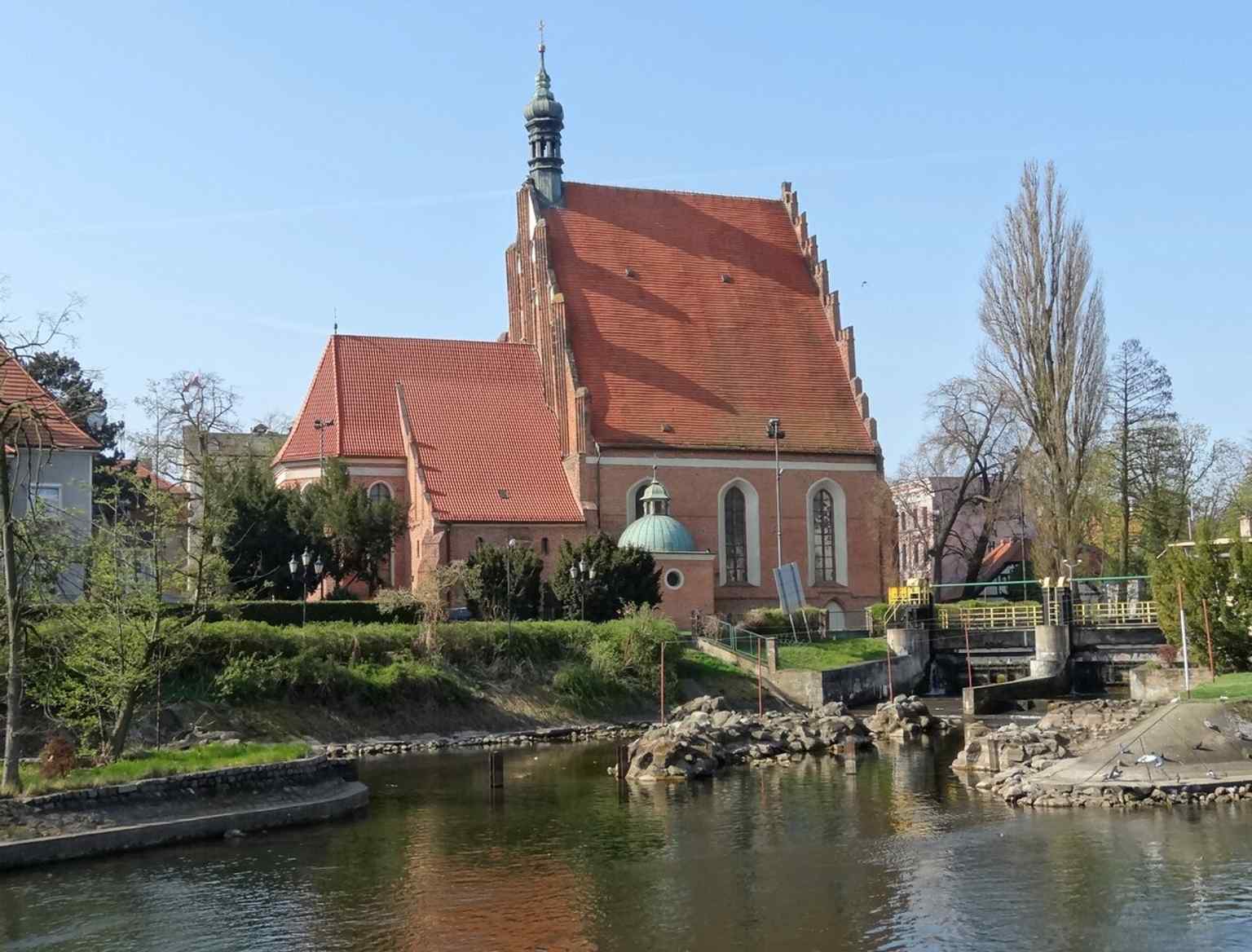
A classic riverfront view of the cathedral over the Brda, matching the source’s emphasis on its place in the city’s waterfront scenery.
A classic riverfront view of the cathedral over the Brda, matching the source’s emphasis on its place in the city’s waterfront scenery.Photo: Pit1233, Wikimedia Commons, CC0. Cropped & resized.
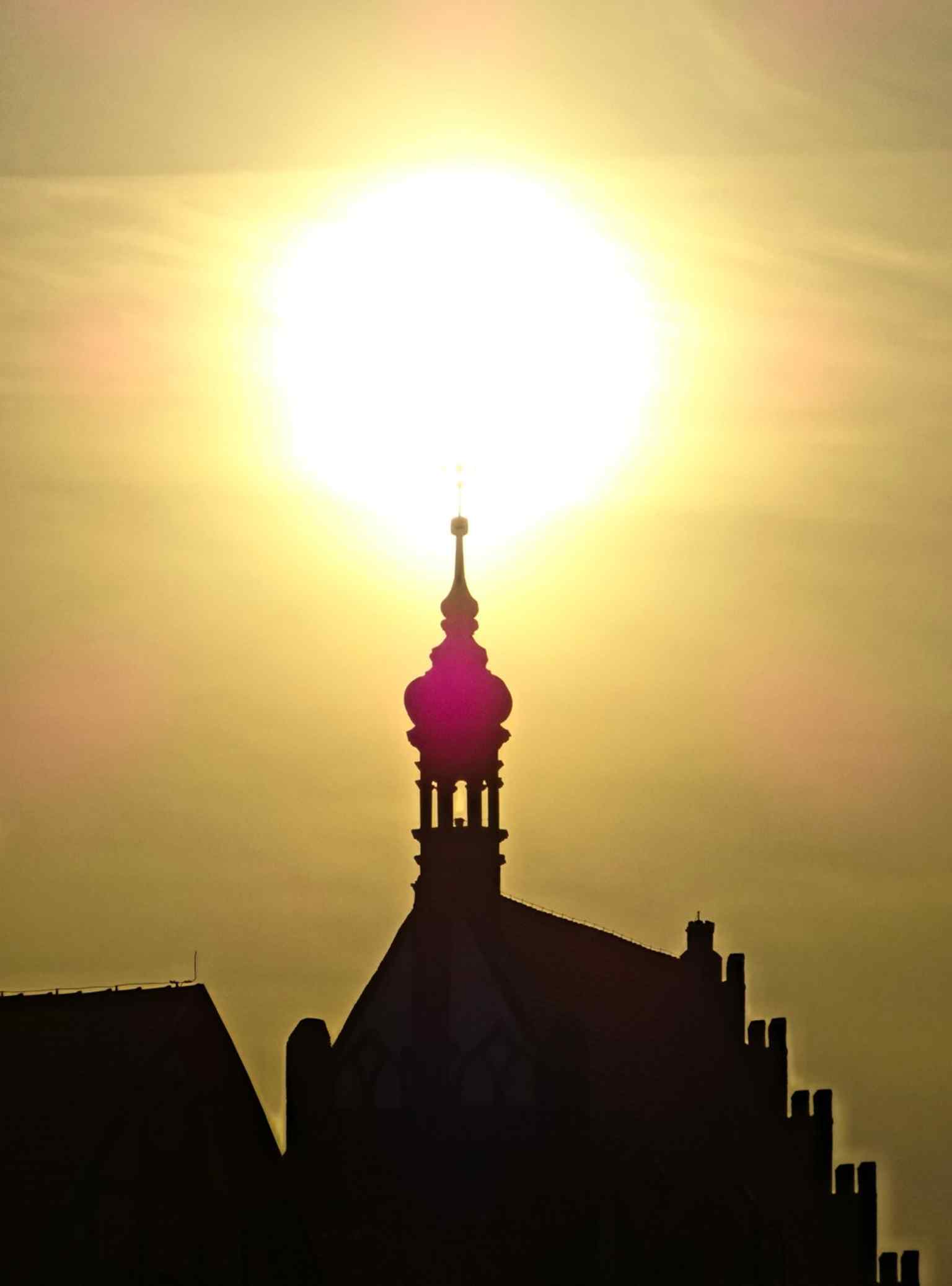
The tower and roofline from the Brda side, a good view of the fortress-like Gothic massing described in the history of the church.
The tower and roofline from the Brda side, a good view of the fortress-like Gothic massing described in the history of the church.Photo: Pit1233, Wikimedia Commons, CC0. Cropped & resized.
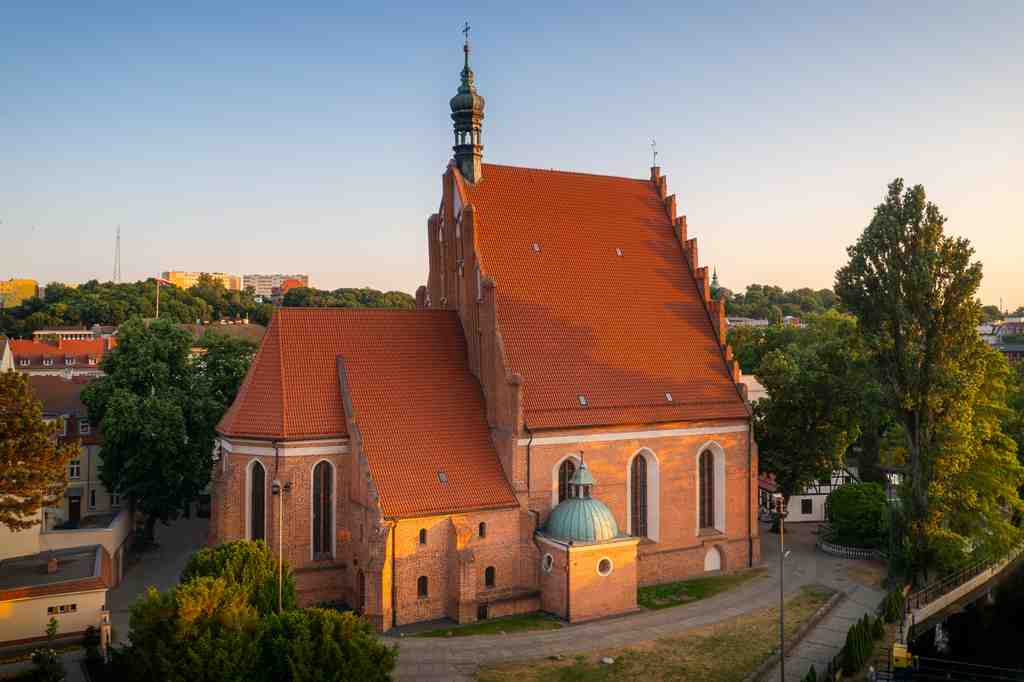
A full daylight view of Saint Martin and Nicholas Cathedral, the main exterior portrait of the landmark.
A full daylight view of Saint Martin and Nicholas Cathedral, the main exterior portrait of the landmark.Photo: Pit1233, Wikimedia Commons, CC0. Cropped & resized.
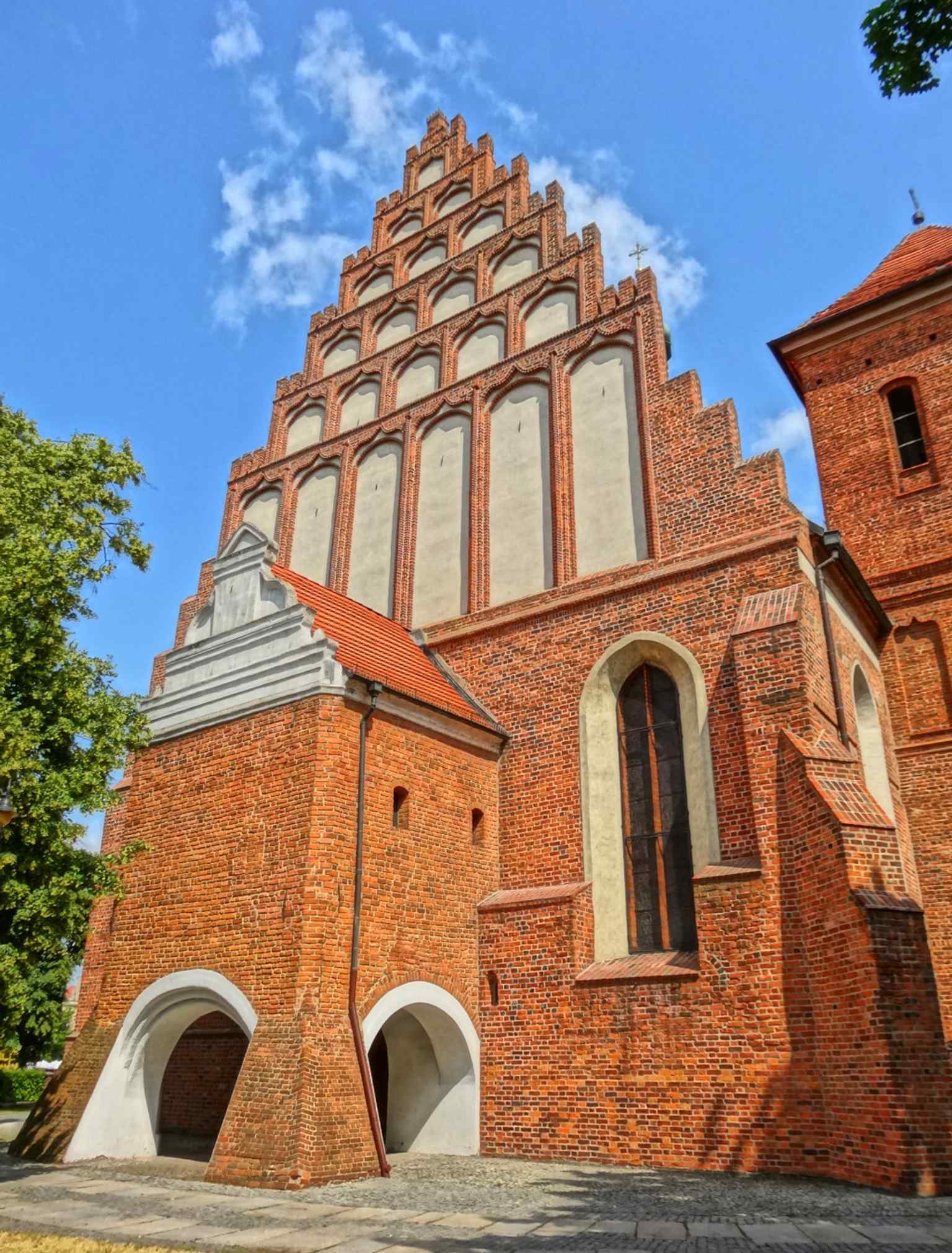
The western Gothic gables and stepped brick silhouette, key features of the cathedral’s late-medieval architecture.
The western Gothic gables and stepped brick silhouette, key features of the cathedral’s late-medieval architecture.Photo: Pit1233, Wikimedia Commons, CC0. Cropped & resized.
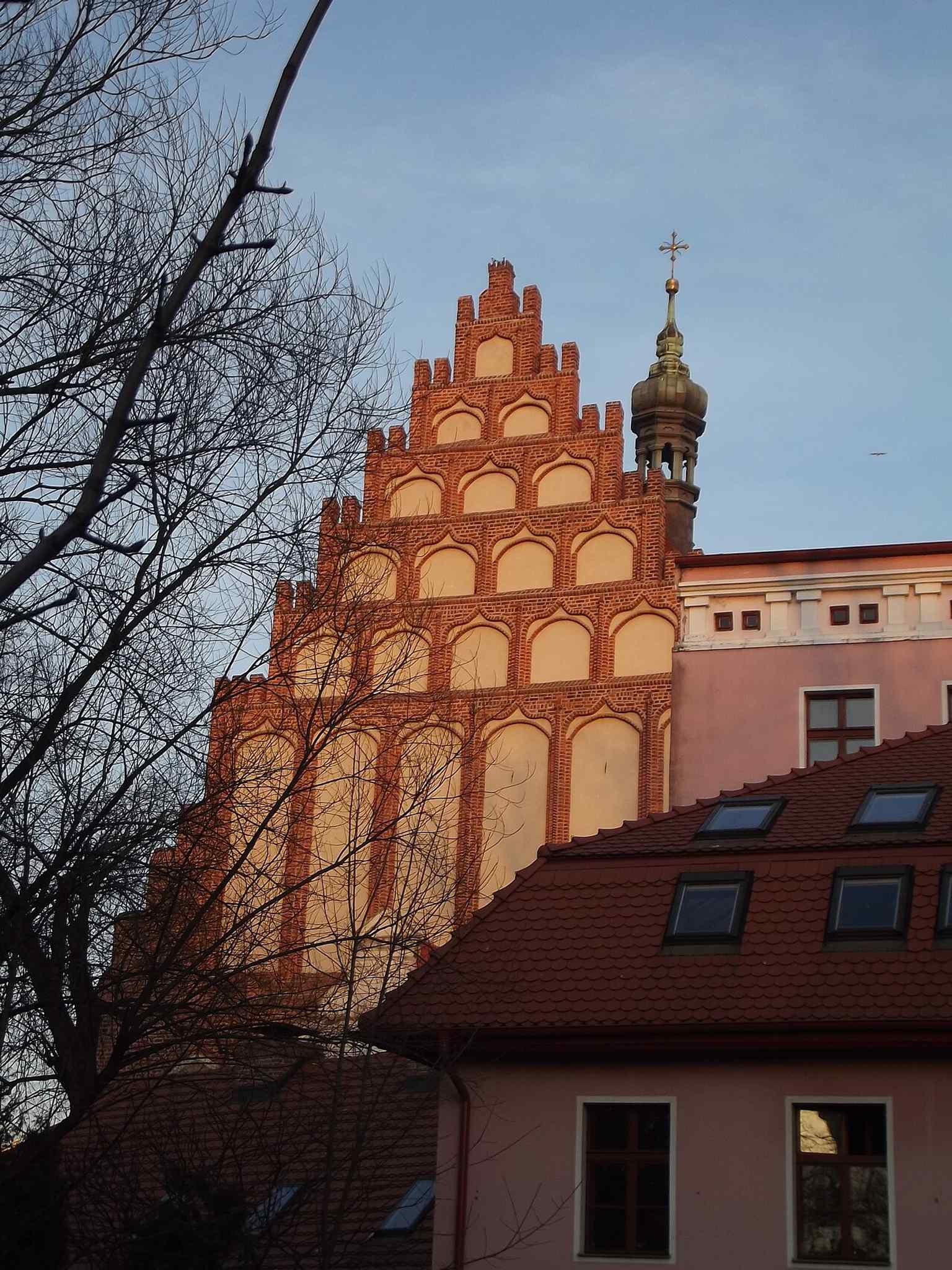
Another broad exterior view that helps show the cathedral’s overall shape and scale in the old town.
Another broad exterior view that helps show the cathedral’s overall shape and scale in the old town.Photo: Darpaw, Wikimedia Commons, CC BY-SA 4.0. Cropped & resized.
The stepped west gable in close view, highlighting the brick Gothic ornament that defines the building’s medieval character.
The stepped west gable in close view, highlighting the brick Gothic ornament that defines the building’s medieval character.Photo: Taktoperz77, Wikimedia Commons, CC BY-SA 4.0. Cropped & resized.
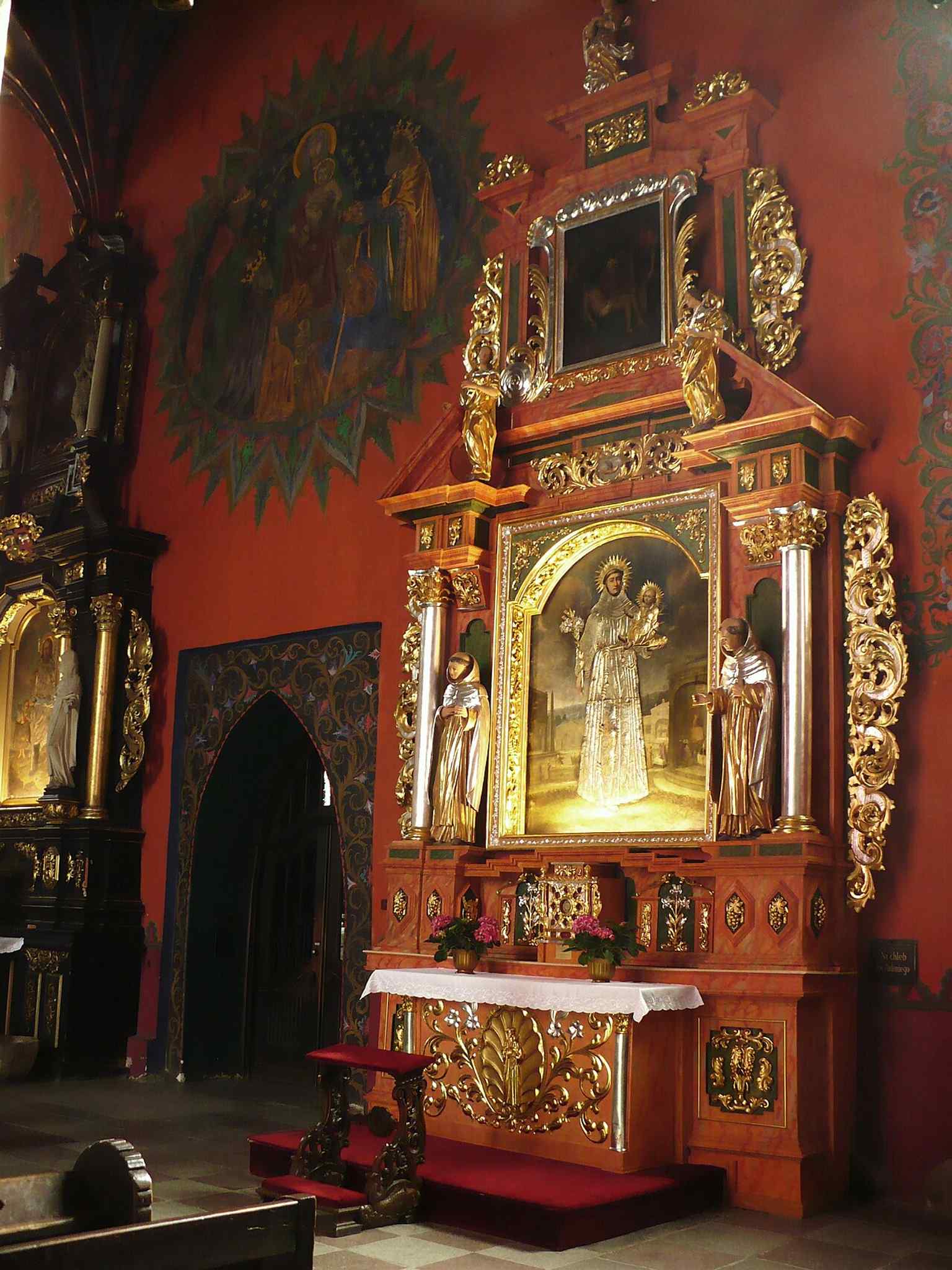
The Baroque Saint Anthony altar, one of the furnishings moved here from demolished Bydgoszcz churches after the Prussian-era losses.
The Baroque Saint Anthony altar, one of the furnishings moved here from demolished Bydgoszcz churches after the Prussian-era losses.Photo: Taktoperz77, Wikimedia Commons, CC BY-SA 4.0. Cropped & resized.
The cathedral from the Brda side with the sanctuary name in view, fitting the story of its riverside setting and Marian cult.
The cathedral from the Brda side with the sanctuary name in view, fitting the story of its riverside setting and Marian cult.Photo: Pit1233, Wikimedia Commons, CC0. Cropped & resized.
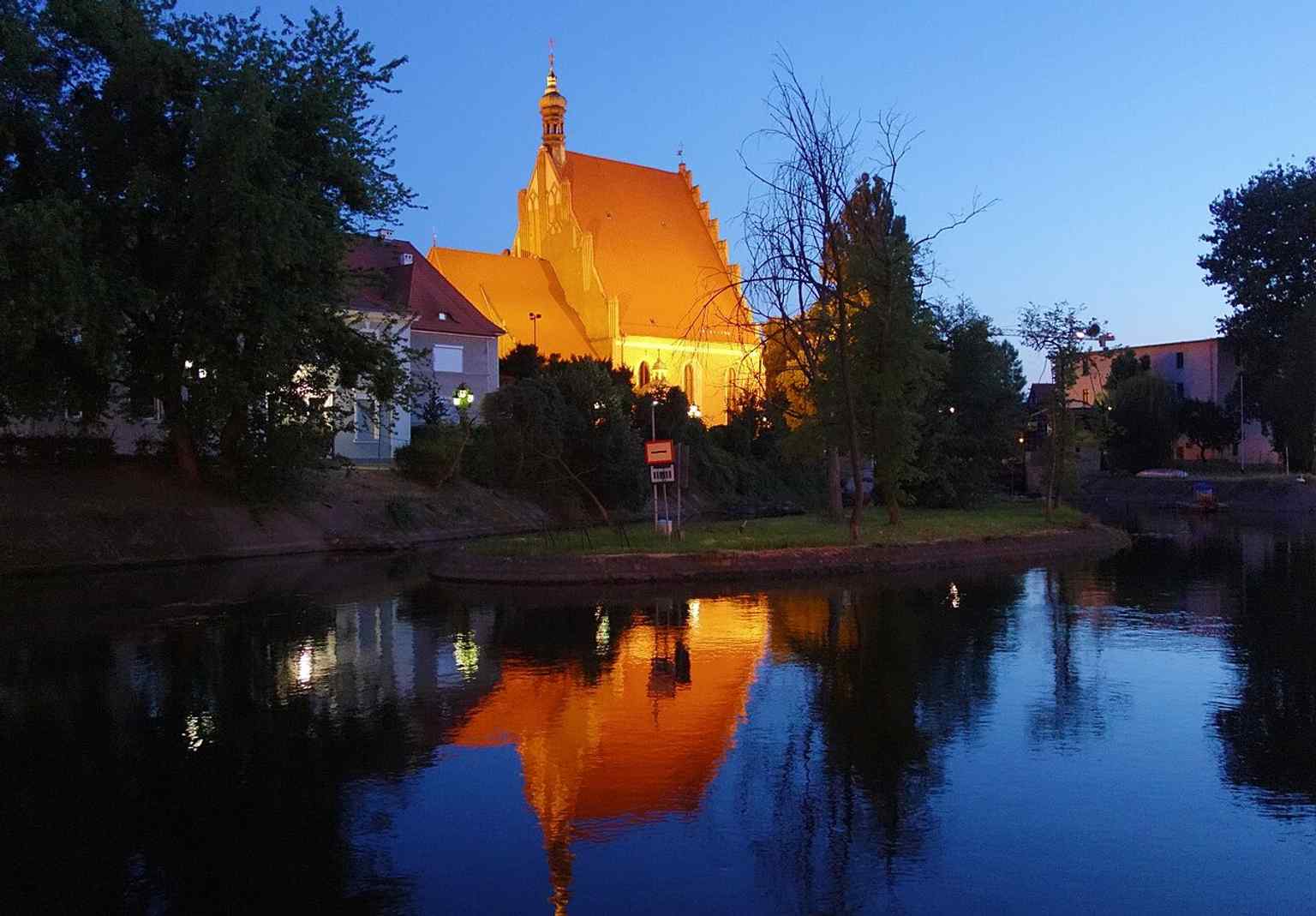
The cathedral at night, showing how the building still dominates the waterfront after dark.
The cathedral at night, showing how the building still dominates the waterfront after dark.Photo: Pit1233, Wikimedia Commons, CC0. Cropped & resized.
arrow_back Back to Bydgoszcz Audio Tour: Isles, Monks & Market Mysteries

AudaTours: Audio Tours

Entertaining, budget-friendly, self-guided walking tours

Try the app arrow_forward

Loved by travelers worldwide

format_quote This tour was such a great way to see the city. The stories were interesting without feeling too scripted, and I loved being able to explore at my own pace.
Jess
Jess
starstarstarstarstar
Tbilisi Tour arrow_forward
format_quote This was a solid way to get to know Brighton without feeling like a tourist. The narration had depth and context, but didn't overdo it.
Christoph
Christoph
starstarstarstarstar
Brighton Tour arrow_forward
format_quote Started this tour with a croissant in one hand and zero expectations. The app just vibes with you, no pressure, just you, your headphones, and some cool stories.
John
John
starstarstarstarstar
Marseille Tour arrow_forward

Unlimited Audio Tours

Unlock access to EVERY tour worldwide

0 tours·0 cities·0 countries
all_inclusive Explore Unlimited