AudaTours logoAudaTours

Stop 15 of 16

Zocherpark

Zocherpark
Zocherpark
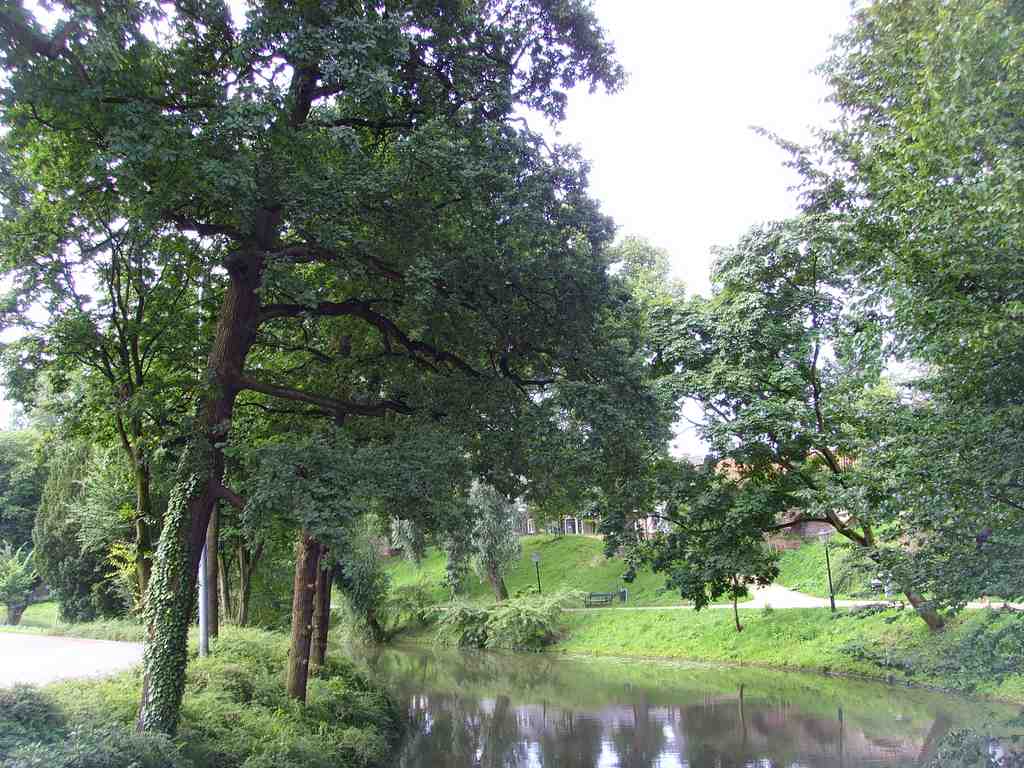
ZocherparkPhoto: Luctor, Wikimedia Commons, Public domain. Cropped & resized.

Look ahead to the towering trees with thick, ivy-wrapped trunks stretching their branches over the wide, curving waterway. Welcome to Zocherpark, the final stop on our journey.

Looking at this peaceful scene, you might assume nature just shaped it over thousands of years. But almost everything you see here is entirely engineered by human hands. And even wilder, this tranquil green space used to be a massive, terrifying military fortress.

From the year eleven twenty-two all the way into the sixteenth century, the city of Utrecht was locked inside a massive ring of stone defenses. We are talking high walls, heavy gates, watchtowers, and a deep defensive moat designed to keep heavily armed invaders out. If you pull up the screen on your device, check out this incredible sixteenth-century design drawing of Vredenburg Castle, which illustrates just how robust these fortifications really were.
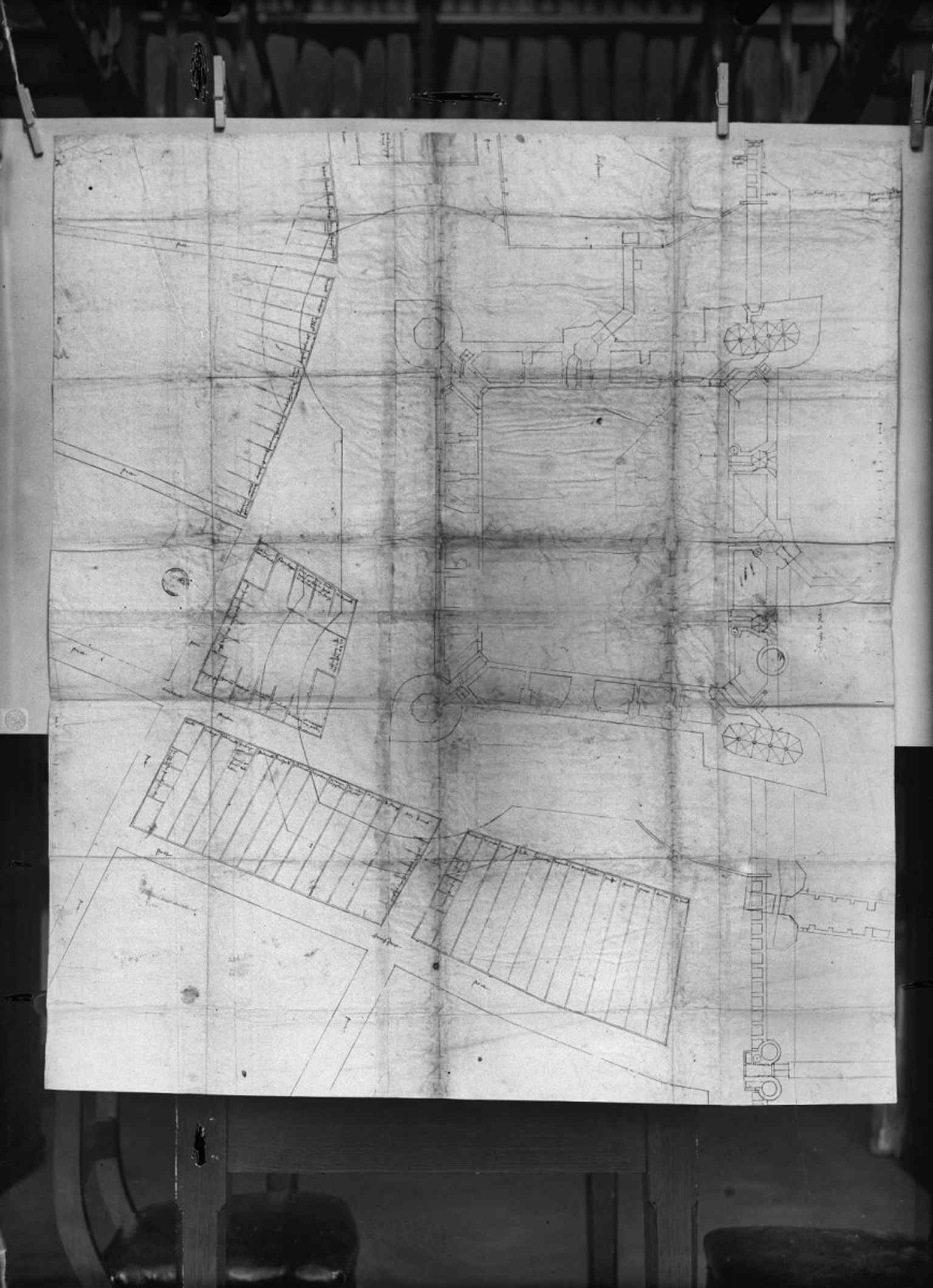
This 16th-century design drawing of Vredenburg Castle illustrates one of the robust city defenses that once stood on the site now occupied by Zocherpark.
This 16th-century design drawing of Vredenburg Castle illustrates one of the robust city defenses that once stood on the site now occupied by Zocherpark.Photo: Rombout II Keldermans, Wikimedia Commons, Public domain. Cropped & resized.

By the eighteen twenties, modern artillery had made those old stone walls completely useless. The city council decided it was time to tear them down. Enter Jan David Zocher junior, a brilliant landscape architect. He pitched an incredibly ambitious idea. Instead of just flattening the rubble and building houses, Zocher proposed transforming the entire defensive ring into a continuous public park. He wanted to use the English landscape style, an approach to garden design meant to look wild, romantic, and completely natural, with sweeping views and rolling hills instead of rigid, straight lines.

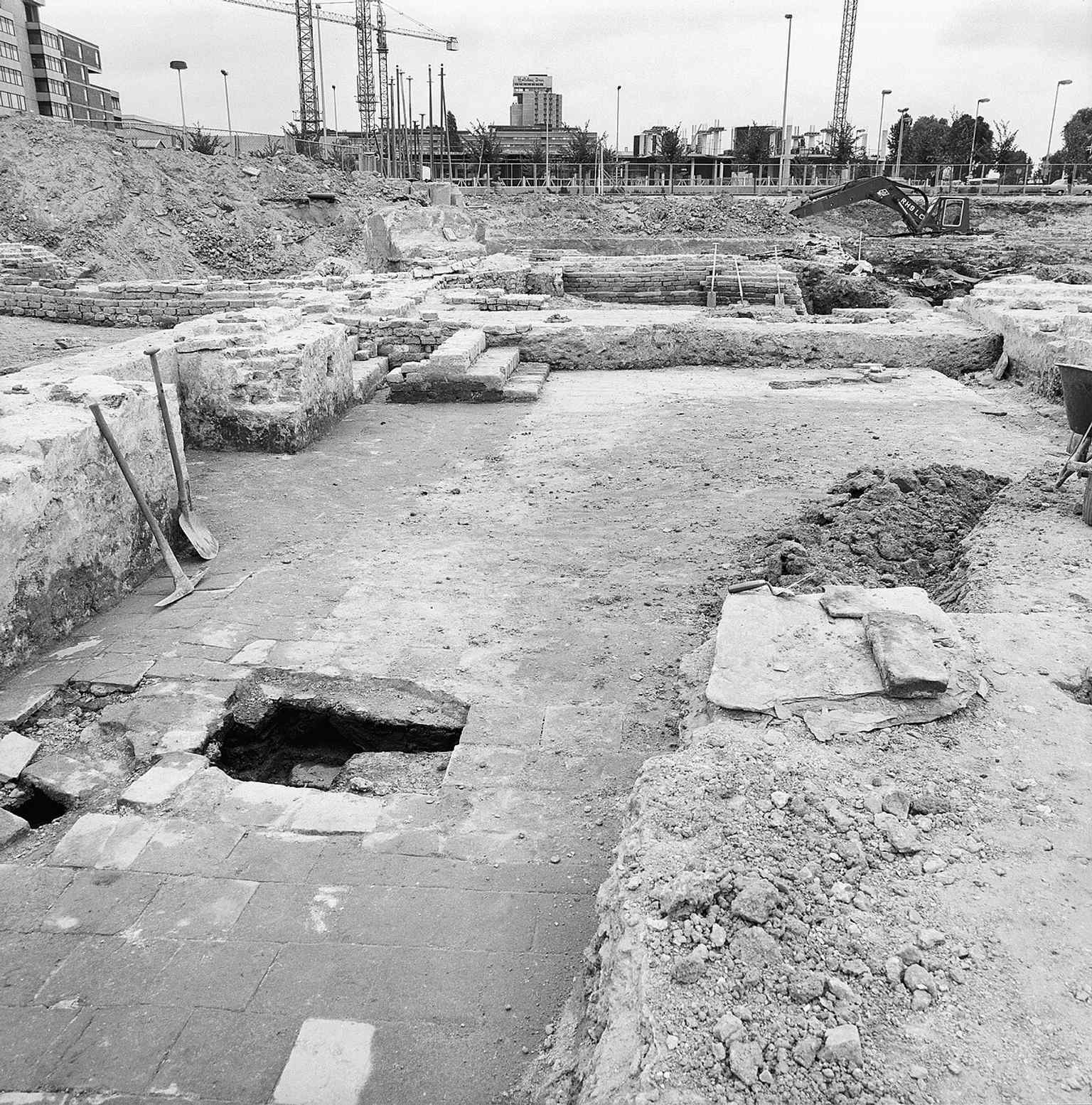
And his execution was genius. He did not fill in the old defensive moat. Instead, he softened its harsh military edges, turning it into the gently winding river you see right in front of you. And those grassy slopes and small hills you can walk up and down? Those are actually the buried, smashed-up remains of the old medieval city walls. Zocher just piled earth right on top of the rubble. Take a glance at your app again to see a nineteen seventy-six archaeological excavation of the castle, revealing the massive, complex stone foundations still hiding just below the dirt.
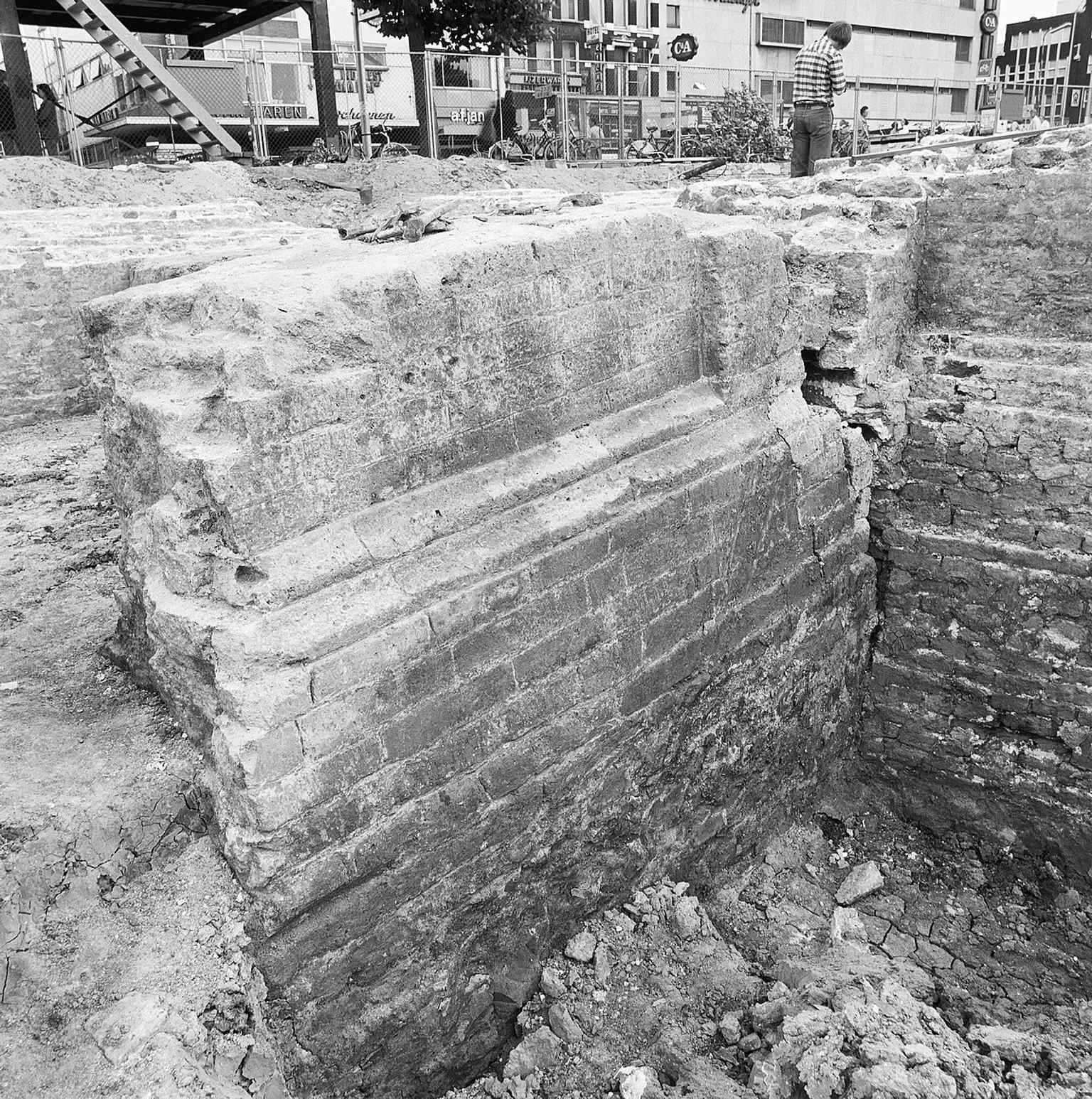
An archaeological excavation of Vredenburg Castle in 1976, revealing the foundations of the former city defenses that were dismantled to make way for Zocherpark.
An archaeological excavation of Vredenburg Castle in 1976, revealing the foundations of the former city defenses that were dismantled to make way for Zocherpark.Photo: Ton Schollen, Wikimedia Commons, CC BY-SA 4.0. Cropped & resized.

The colossal project of tearing down the walls and planting the park took over forty years. Zocher's son, Louis Paul, eventually joined him to finish the job. Today, Zocherpark is one of the oldest existing public parks in the Netherlands. In fact, about two hundred fifty of the trees standing here today were planted during that original construction in the eighteen thirties. They have been quietly watching the city change for nearly two centuries.

And since this beautiful, historic space never closes, you can stay and explore those winding paths as long as you like.
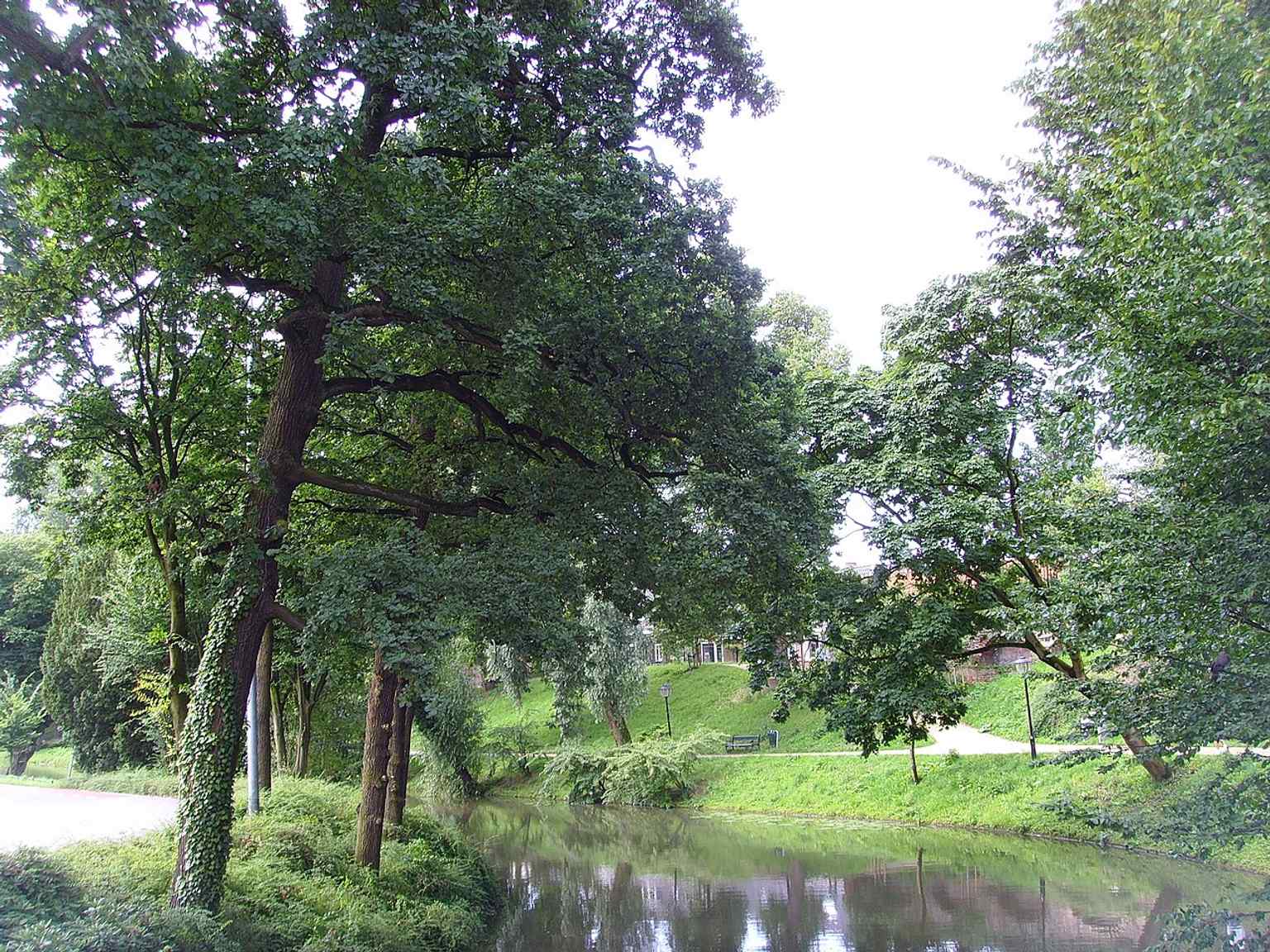
This modern view of the Maliesingel from Lucasbolwerk shows a section of Zocherpark, a city park designed by Jan David Zocher jr. in the 19th century.
This modern view of the Maliesingel from Lucasbolwerk shows a section of Zocherpark, a city park designed by Jan David Zocher jr. in the 19th century.Photo: Luctor, Wikimedia Commons, Public domain. Cropped & resized.
Another view of the 1976 excavation of Vredenburg Castle, demonstrating the complex structures of the old fortifications before their transformation into a public park.
Another view of the 1976 excavation of Vredenburg Castle, demonstrating the complex structures of the old fortifications before their transformation into a public park.Photo: Ton Schollen, Wikimedia Commons, CC BY-SA 4.0. Cropped & resized.
arrow_back Back to Utrecht Audio Tour: Timeless Treasures of Binnenstad’s Hidden Paths
Loved by travellers

Thousands of tours started.
Plenty of opinions.

4.8 across the App Store and Google Play. Here's a few we keep coming back to.

starstarstarstarstar
This was a solid way to get to know Brighton without feeling like a tourist. The narration had depth and context, but didn't overdo it.
Christoph
Christoph
Brighton Tour
starstarstarstarstar
Started this tour with a croissant in one hand and zero expectations. The app just vibes with you, no pressure, just you, your headphones, and some cool stories.
download Get the app

Pop your headphones in.
Step outside.

Free to download. Tours in every city. Start in 60 seconds — no account, no card.

Download on the App StoreGet it on Google Play
starstarstarstarstar_half
4.8
AudaTours app icon
headphones
~ 4 min until your first tour starts
public
1,000+ cities worldwide
all_inclusive
AudaTours
Unlimited

Every tour. Every city. One subscription.

3101 tours2271 cities138 countries50+ languages

