
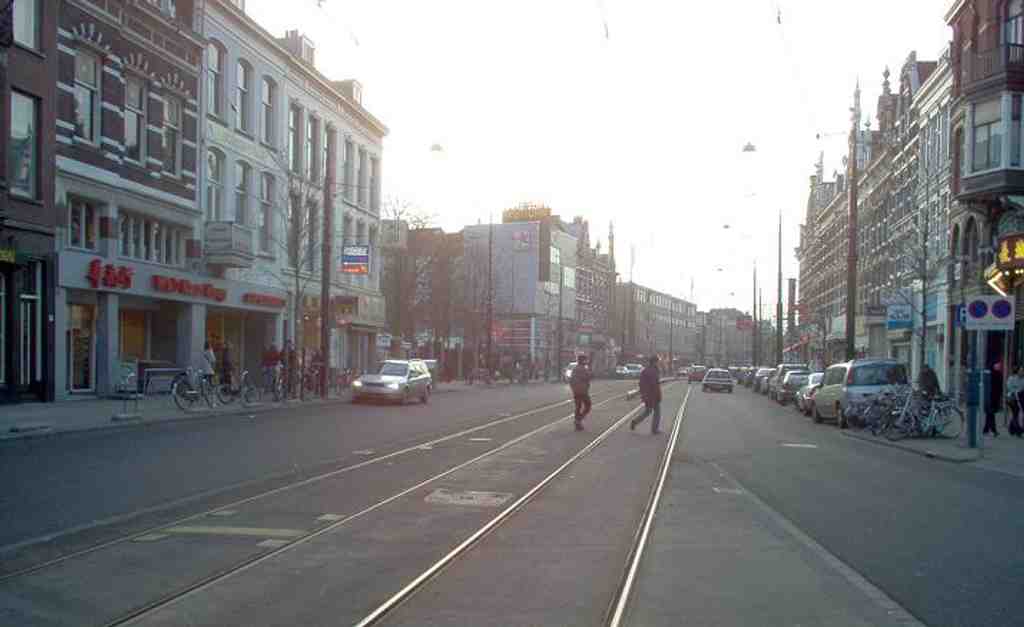
Directly ahead, you’ll see the busy tram tracks flanked by lines of tall, ornate buildings and lively storefronts-look for the classic city architecture and colorful shop signs to know you've arrived at the Kruiskade.
Let’s step back in time to imagine this street, the Kruiskade, as it once was-a simple dike on the edge of Rotterdam, keeping water at bay and guiding foot traffic through marshy land. Now, with trams rattling past, you’re surrounded by bright shops and cafés. But more than six hundred years ago, all of this would have been quiet, damp countryside split between tiny villages and winding waterways.
By the 19th century, the street was growing fast, filling with houses and shops. Just try to imagine the spectacle here-children dodging between horse carts, shopkeepers shouting their wares, and in the distance, the grand entrance of the old Rotterdam Zoo that once stood where West-Kruiskade and Kruiskade meet. There were even elegant cinemas-like Thalia, Lumière, and Corso-that are still here today, though they now dish up steaming coffees and spicy dishes instead of silent films.
But everything changed in May of 1940, when bombs fell upon Rotterdam. In moments, nearly all of Kruiskade vanished in smoke and chaos, except for the brave old Hotel Central and the Luxor cinema, survivors among the wreckage. Amidst the ruins, Rotterdam rebuilt. This wide street you see before you was reborn-modern, airy, full of shops and flavors from every corner of the world.
Look to your left and right. On West-Kruiskade, you’ll find exotic grocers, the scents of soy and spices spilling onto the pavement, and proud red Chinese characters announcing Rotterdam’s own Chinatown. This is a place transformed by many hands and many stories-a perfect spot to taste new things and to remember how even after disaster, a city can buzz with new life.


