
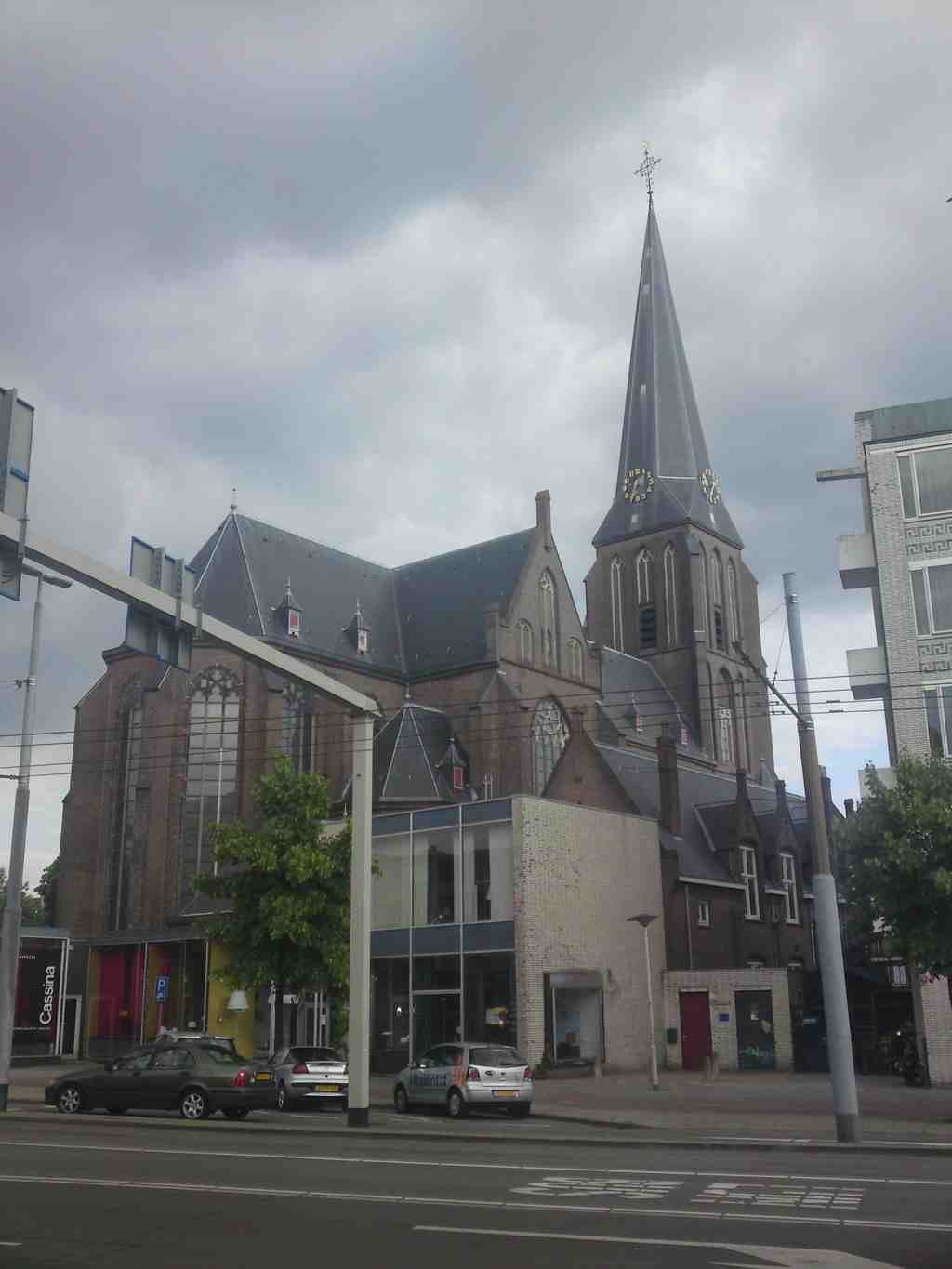
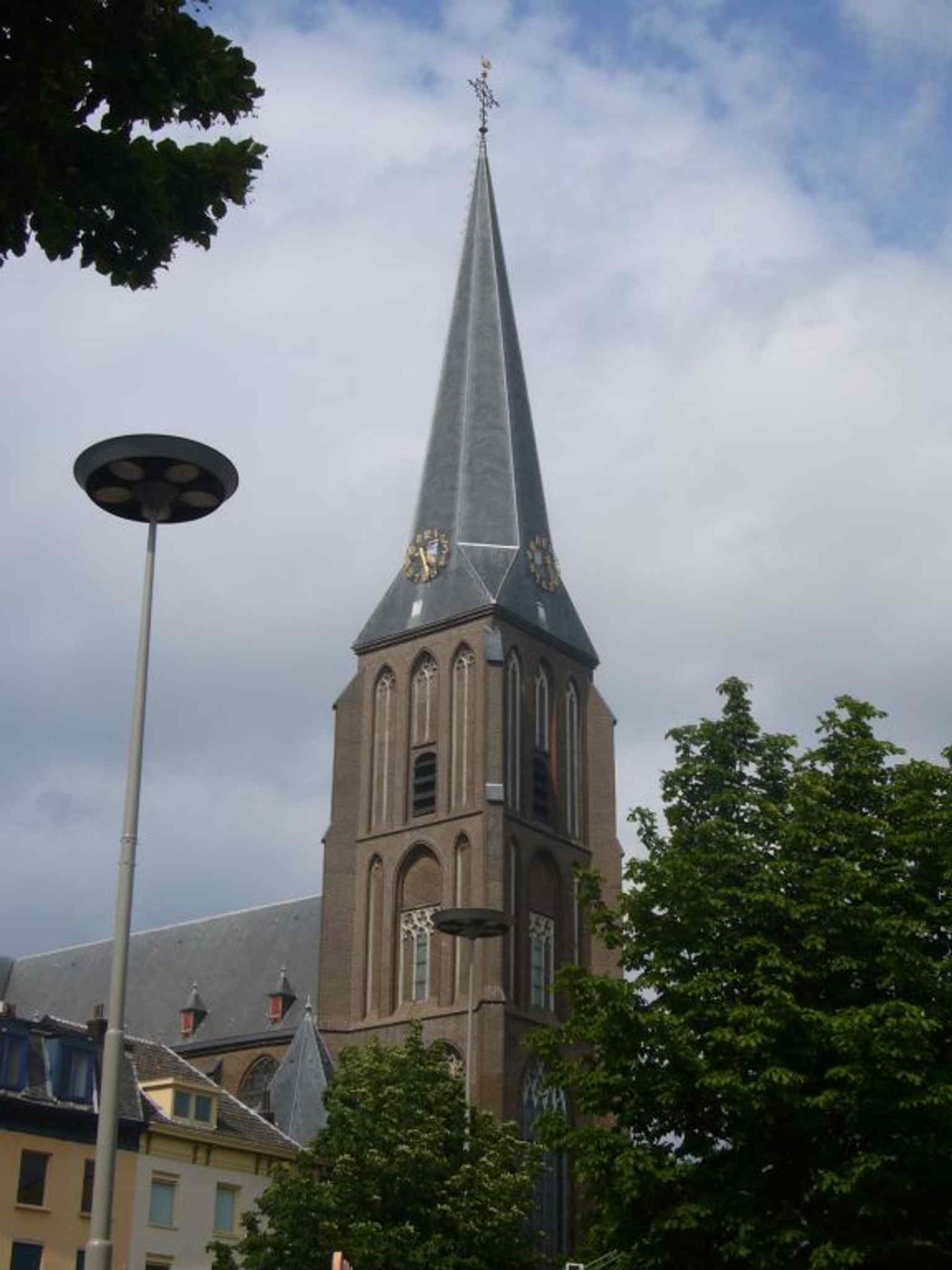
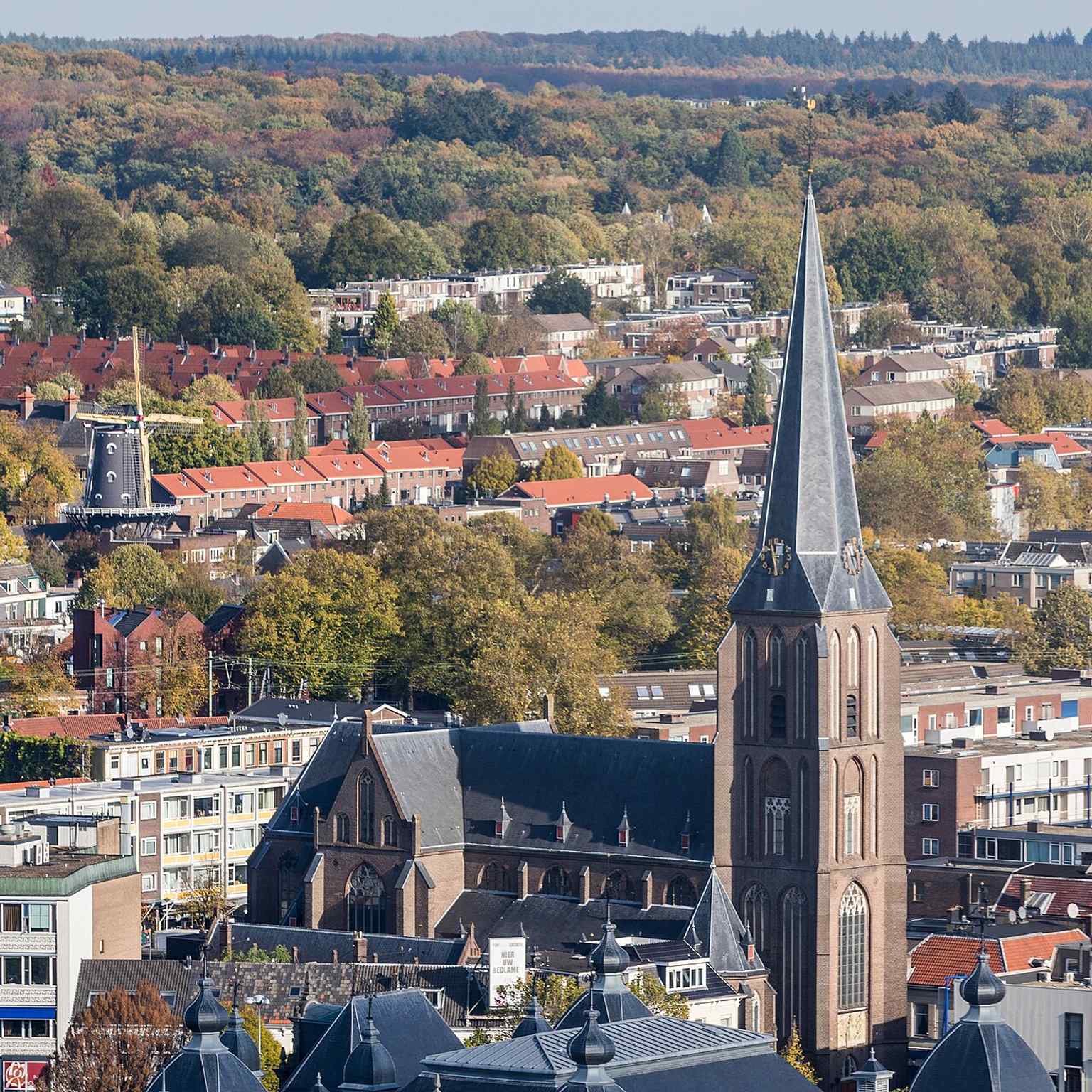
On your left, St. Martin’s Church rises in red brick with a tall square tower, a narrow six-sided spire, and a Sacred Heart statue set above the entrance.
This church carries a quiet kind of perseverance. Arnold Tepe designed it in the eighteen seventies, when Arnhem-North was growing fast and new neighborhoods like the railway district and the Spijkerkwartier needed a parish of their own. He gave them a grand neo-Gothic church - meaning a newer church shaped in the spirit of the Middle Ages - with a long central hall and side aisles, and stone detailing that was unusual for him. The tower climbs to about seventy meters, as if it meant to reassure a city still stretching outward.
And yet even that generous church filled so quickly that another Catholic church had to rise nearby only twenty years later. Arnhem kept growing, and faith had to keep finding room.
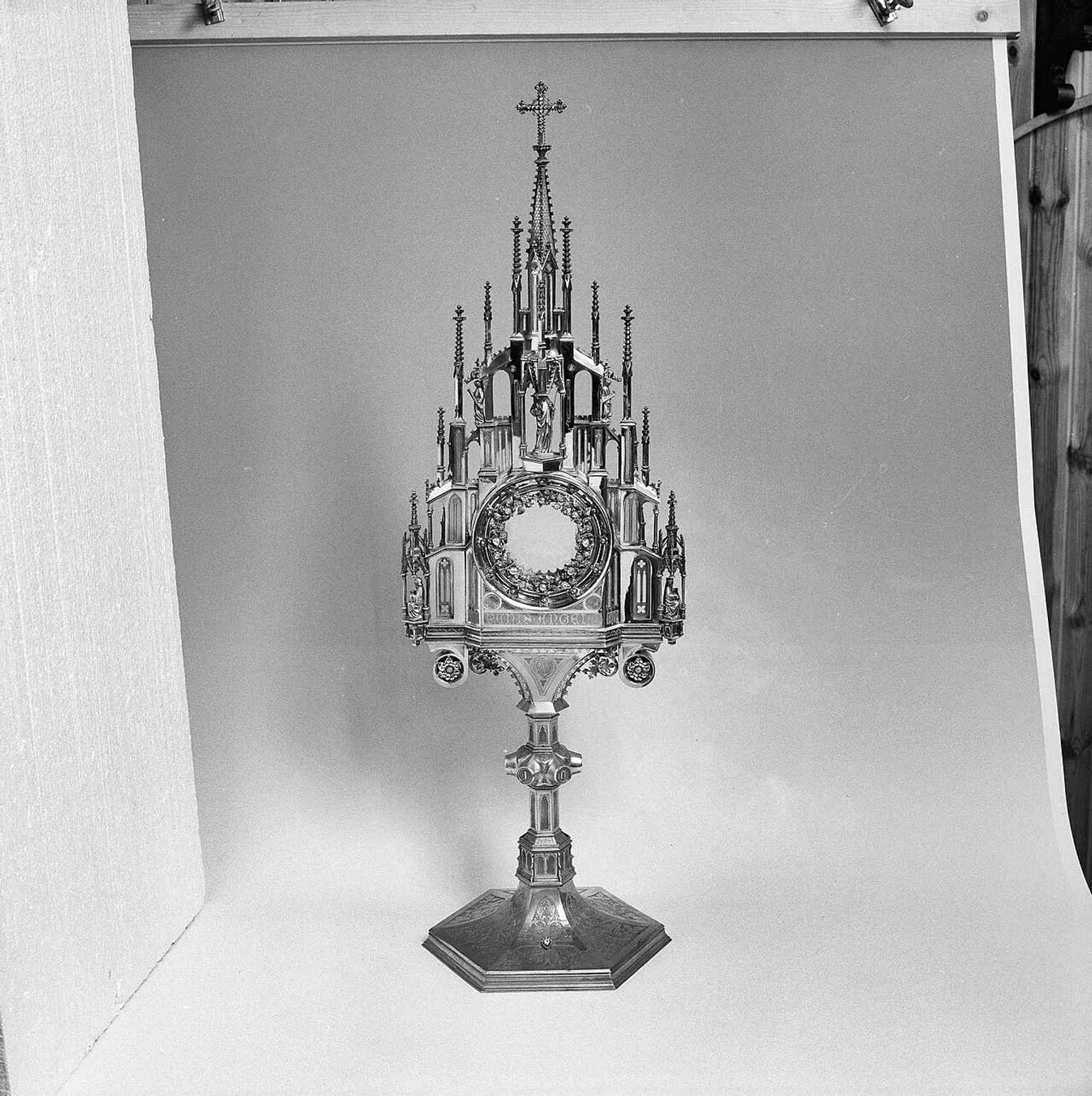
What makes this place especially moving is how it gathered older devotion into a newer neighborhood. In two thousand twenty-four, Pastor Tuan welcomed back Arnhem’s relic bust of Saint Eusebius, a silver image said to contain relics long believed to include his skull and, later, his tongue. That bust had traveled through centuries of upheaval - the Reformation, war, church closures, even a period of safekeeping in Utrecht - before returning here. So this church is not only a parish for one district. It has become the Catholic heart that inherited Arnhem’s older sacred memory.
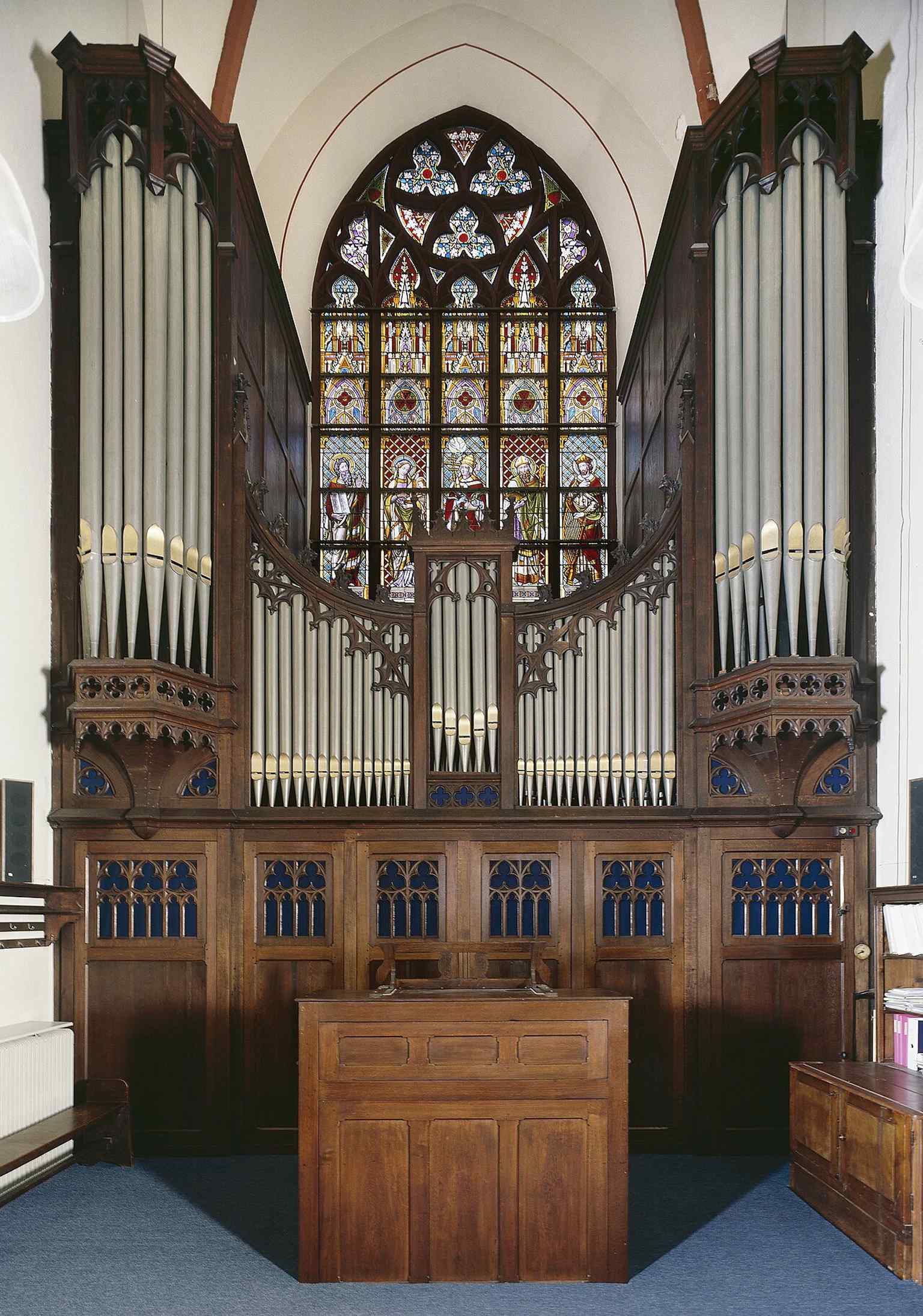
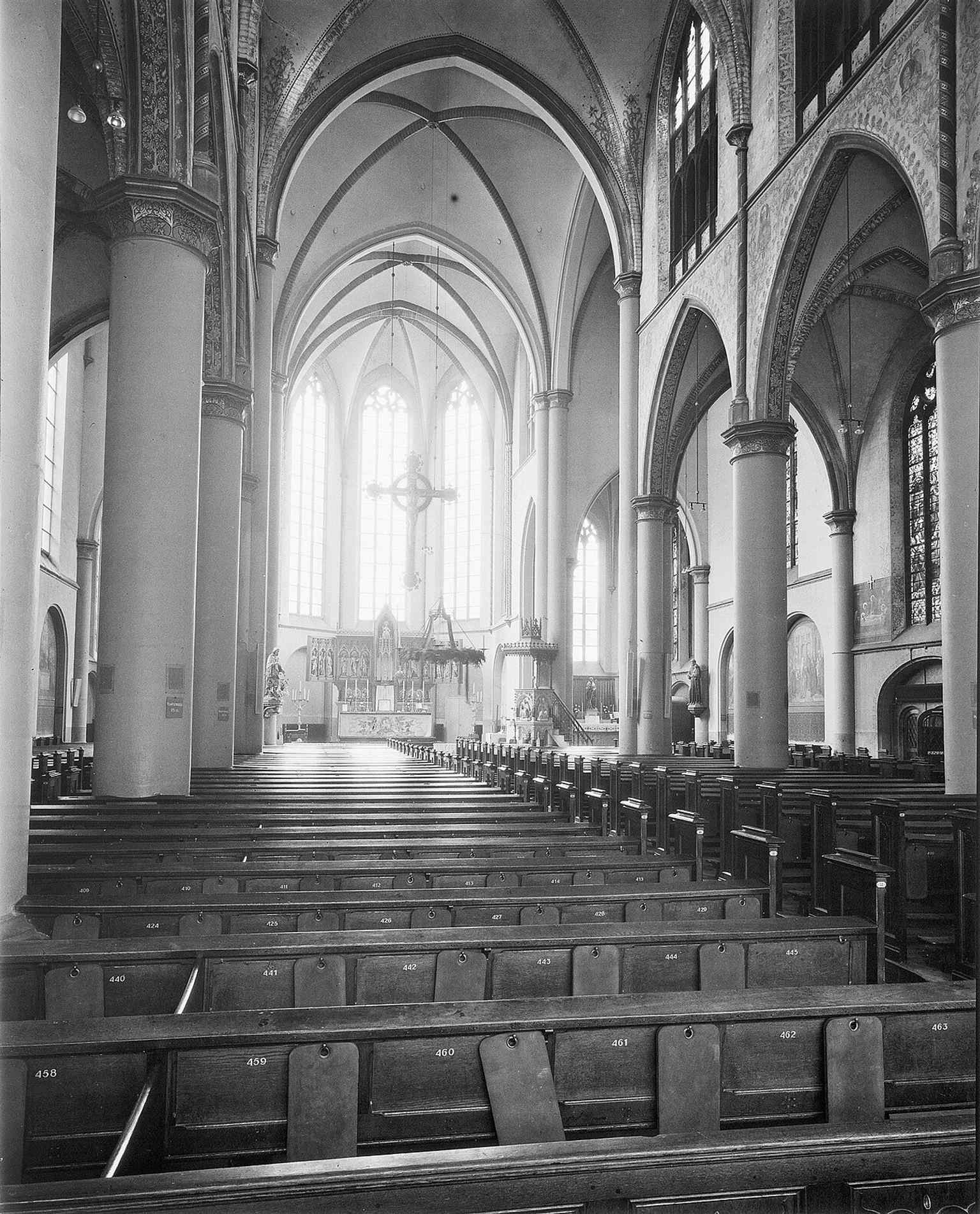
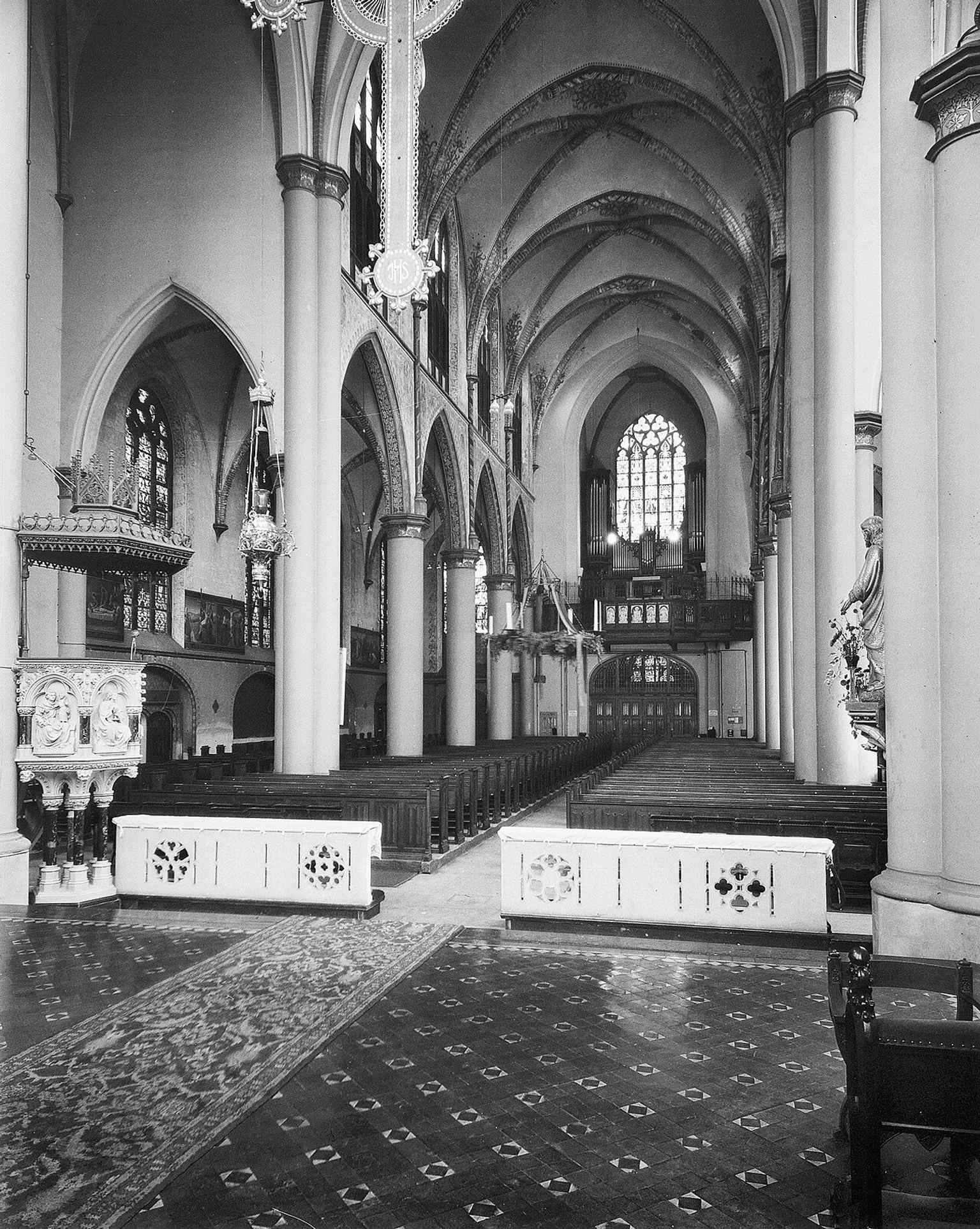
Inside, the story continues in layers. In nineteen sixty-one, workers covered the church’s original painted colors under white paint. During the restoration in the late nineteen nineties, parts of those colors and even figurative wall paintings came back into view, as if the building were remembering itself. If you glance at the organ photo in the app, you can see the Gradussen organ, first installed around eighteen ninety and lovingly restored after later changes.
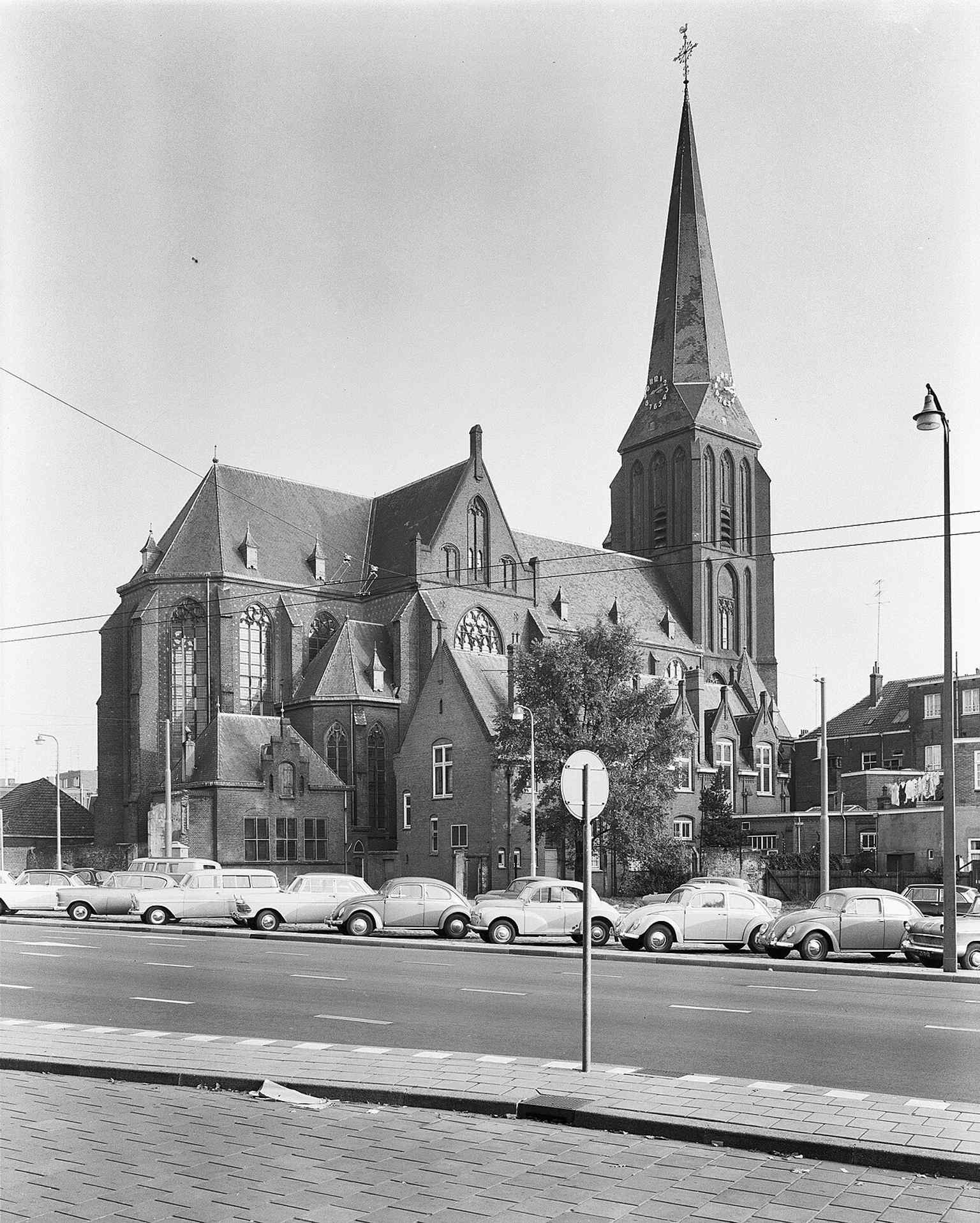
The church also sheltered community life. Under Pastor W. G. A. H. van Berkel, parish rooms were turned into a chapel for children’s Masses. In nineteen sixty-seven, Polish Catholics repaired that chapel, and today the church still serves both Dutch and Polish worshippers. Even in the Battle of Arnhem, when so much nearby suffered, this building escaped with little more than broken windows.
If you want, take a peek at the before-and-after image; Velperplein changes completely, but the church remains the steady point in both views.
That feels like a fitting note this late in our walk: a city changes, streets widen, people arrive, churches close, treasures move... and still some places keep the thread unbroken.
From here, we head toward the Spijkerkwartier, about an eight-minute walk away - one of the neighborhoods that helped call this church into being. The church is usually open during daytime hours, with shorter opening times on Thursday, Saturday, and Sunday.






%20-%20Arnhem%20-%2020298853%20-%20RCE.jpg)