
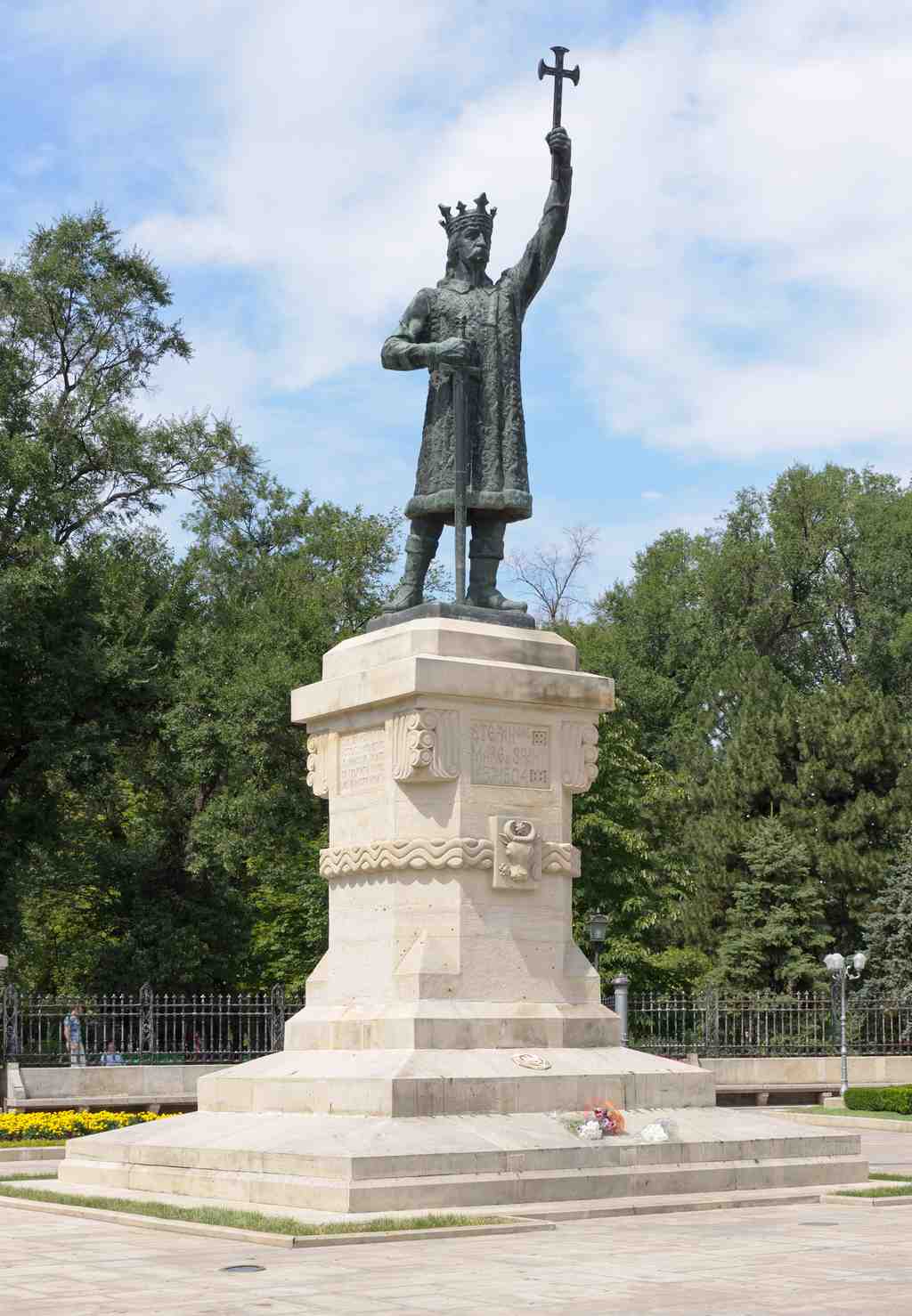
On your left, look for a tall bronze ruler standing on a pale stone pedestal, marked by Stephen’s raised cross and strong vertical silhouette.
This monument honors Ștefan cel Mare, Stephen the Great, who ruled Moldavia from fourteen fifty-seven to fifteen oh-four. Sculptor Alexandru Plămădeală shaped it between nineteen twenty-five and nineteen twenty-eight, but the metal itself carries an older memory: in nineteen twenty-seven, a Bucharest foundry cast the statue from bronze taken from six large Ottoman cannons captured in the war of independence of eighteen seventy-seven to eighteen seventy-eight. Even the material tells a story of victory reclaimed.
It first appeared here on the twenty-ninth of April, nineteen twenty-eight, on the tenth anniversary of Bessarabia’s union with Romania. The pedestal came from Cosăuți stone, cut into five giant monoliths, and Eugen Bernardazzi, son of Chișinău’s great city architect, designed it with engineer G. A. Levițchi. If you glance at the image in the app, you can see how firmly the restored statue commands its setting.
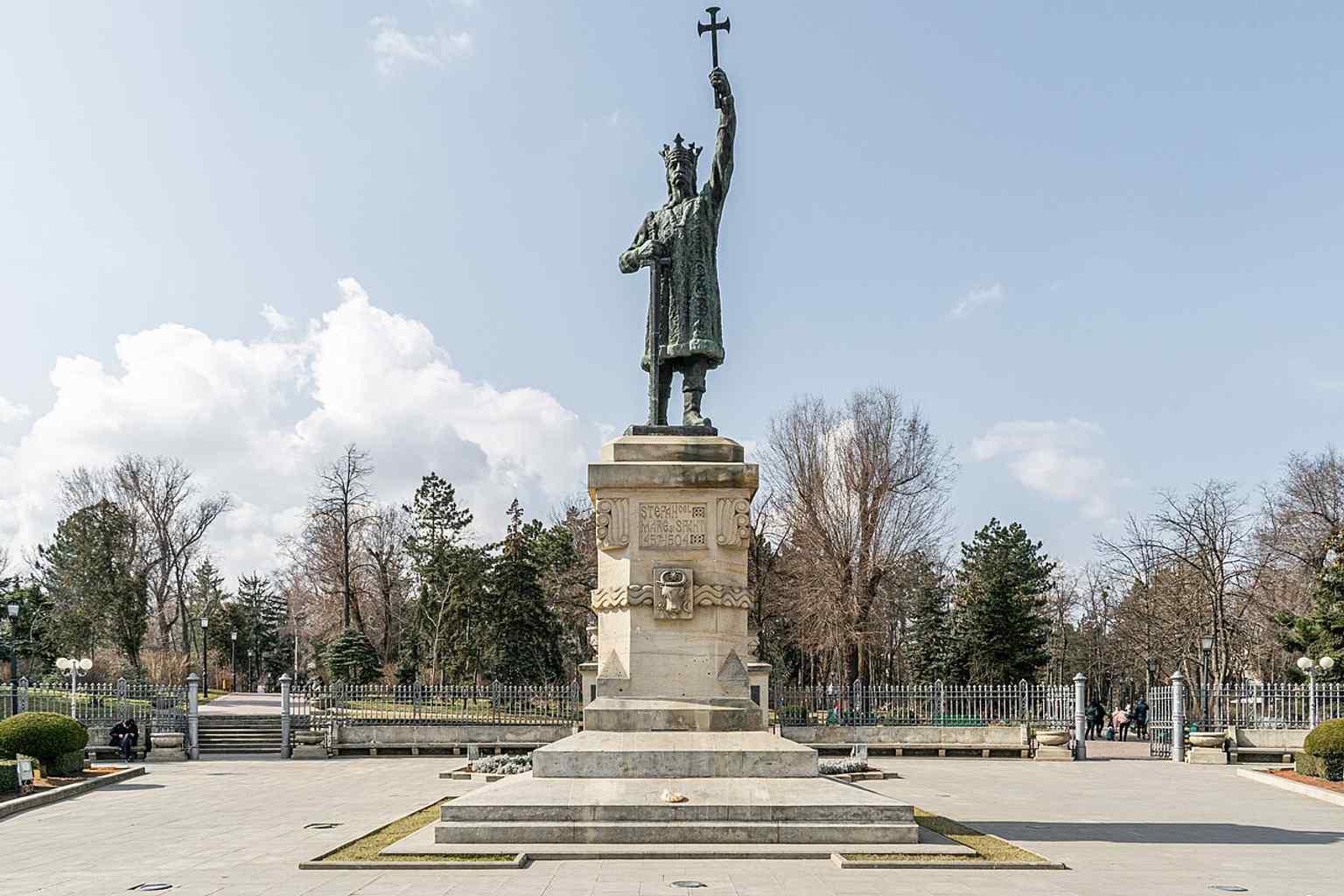
Then history turned rough. In nineteen forty, officials carried the statue to Vaslui after the Soviet ultimatum, and they demolished the pedestal left behind. It returned, left again, and ended up in a park in Craiova, where Plămădeală’s student Claudia Cobizeva recognized it in nineteen forty-five and helped bring it back. In nineteen sixty-seven and again in nineteen seventy-two, authorities tried to push this “inconvenient” monument aside, but protests saved it. Another photo on your screen shows the dignified stone base restored in nineteen ninety, with the original inscription returned.
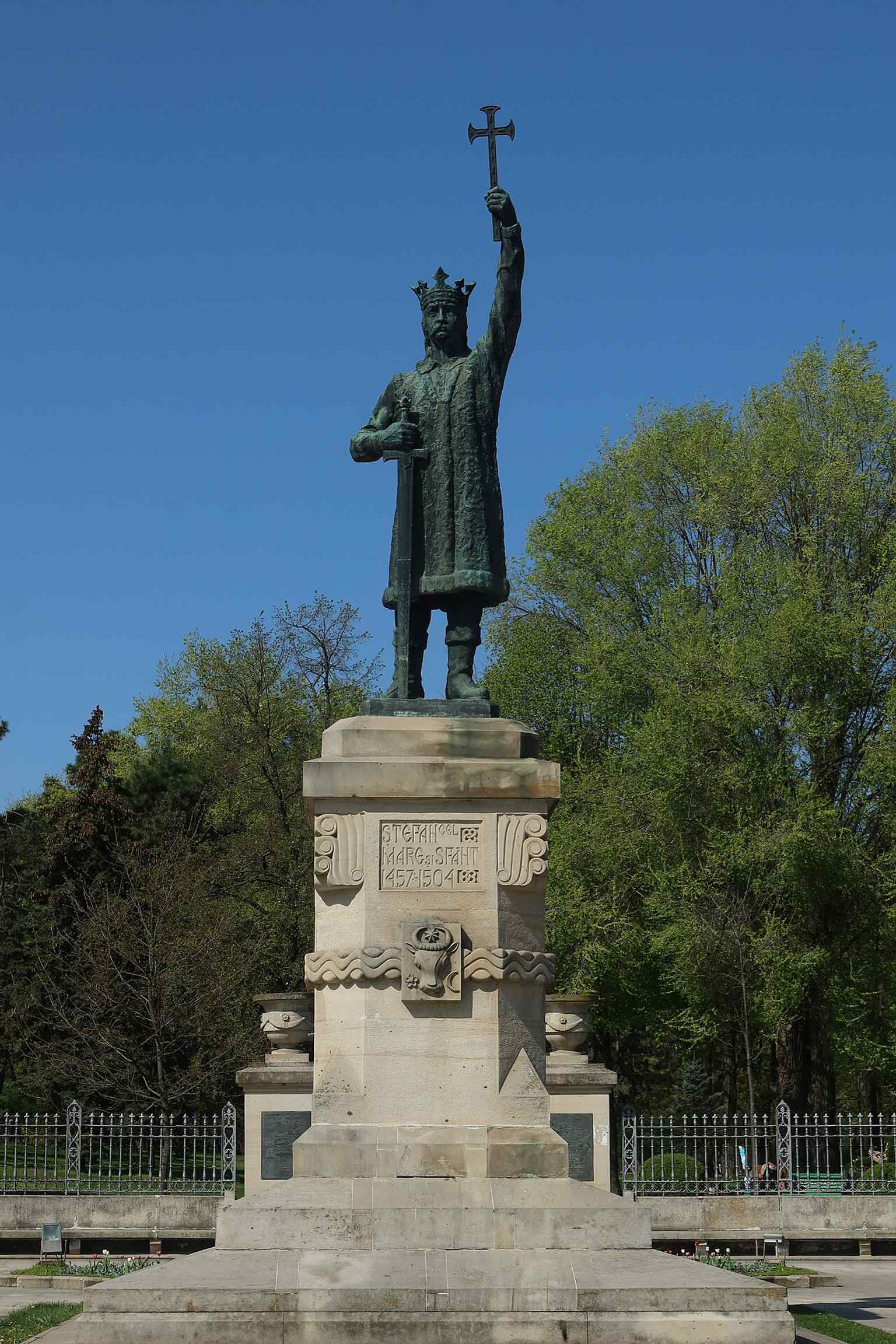
That is why this statue feels less like decoration and more like a survivor.
You can come back to it at any hour, and when you’re ready, we’ll continue on to the Theological Seminary of Chișinău.





.jpg)
