
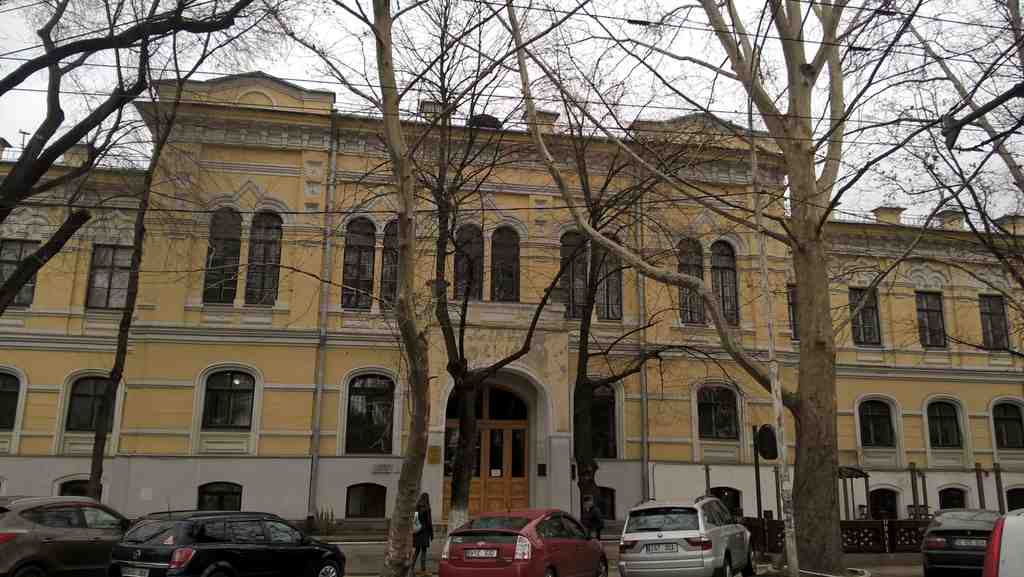
On your left, look for a pale masonry building with a long rectangular front, tall evenly spaced windows, and a formal central entrance that gives it the gravity of an old school.
This former Theological Seminary carries the weight of a very old idea: that a city shapes its future by deciding how it will educate its clergy, teachers, and thinkers. A seminary, in the simplest sense, trained future priests. But across Europe, places like this often did more than that. They taught language, philosophy, discipline, and public duty. In time, many of those religious schools became the seedbed of modern universities.
A revealing parallel comes from another seminary in Europe. There, in seventeen oh one, the theologian and pastor Jean-Frederic Ostervald began training future pastors. That teaching did not break for more than a century. In eighteen thirty-three, the pastors' company turned that living tradition into a formal Faculty of Theology. A year later, an older academic world began to gather around it. Back in seventeen thirty-two, the city had already created a chair of philosophy for Louis Bourguet, a scholar connected to the great European minds Leibniz and Reaumur, and soon after added a chair in belles-lettres, meaning literature and refined letters.
So the pattern is clear... theology first, then philosophy, then the wider life of the mind.
In eighteen thirty-seven, the government of Neuchâtel asked the King of Prussia, Frederick William the Third, to fund an academy. The money came in eighteen thirty-eight. The first official academic year opened in eighteen forty, the inauguration followed in eighteen forty-one, and by eighteen forty-three the academy awarded its first degree, a license in letters. Then history intervened. In eighteen forty-eight, politics, finances, and educational reform closed the academy altogether.
That could have ended the story. Instead, it sharpened it.
In eighteen sixty-six, a second academy opened with faculties of letters, science, and law. Theology rejoined in eighteen seventy-three. In nineteen oh nine, the academy became a university with the right to award doctorates. That change mattered. It marked the moment when older institutions of moral and religious training fully entered the modern research world.
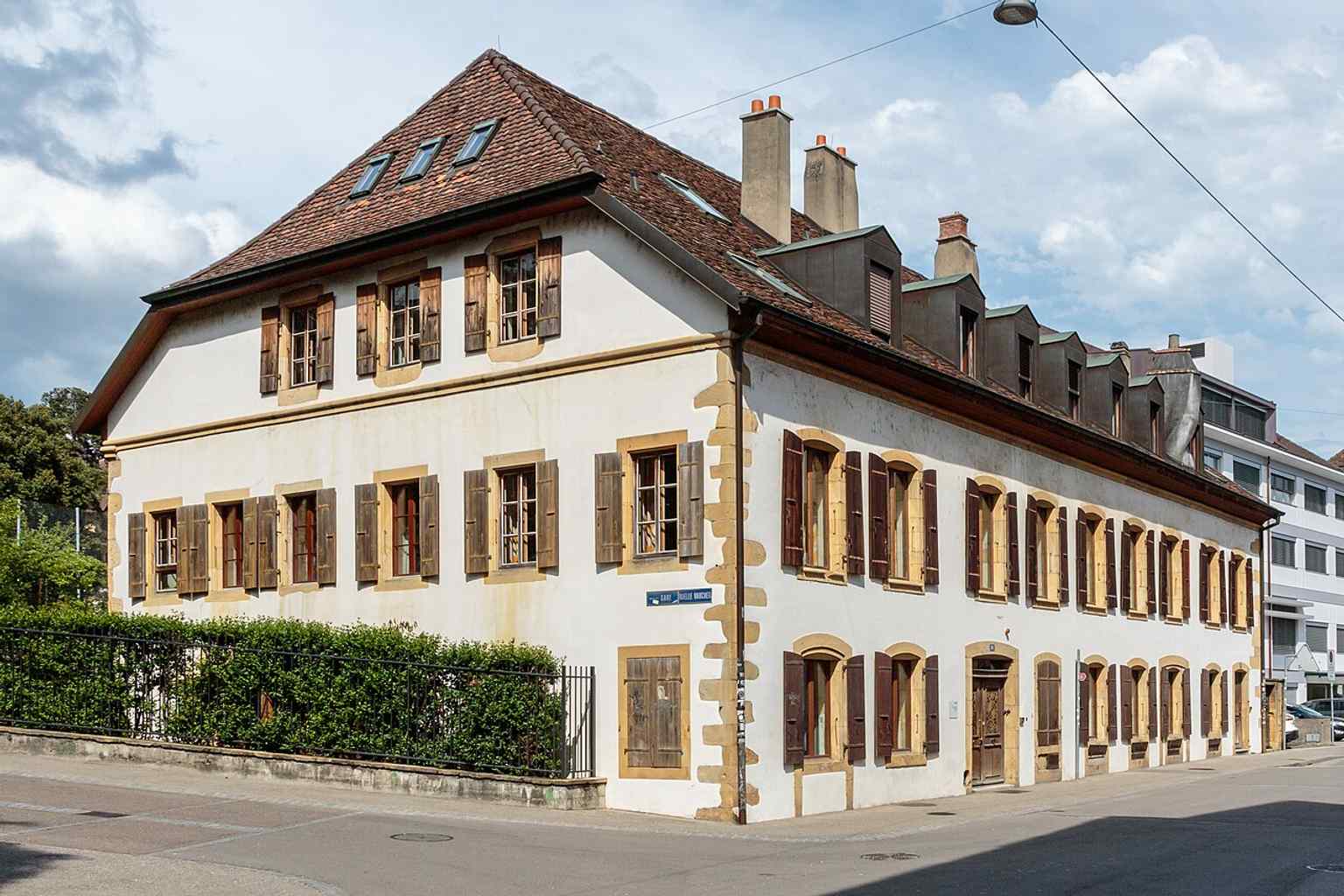
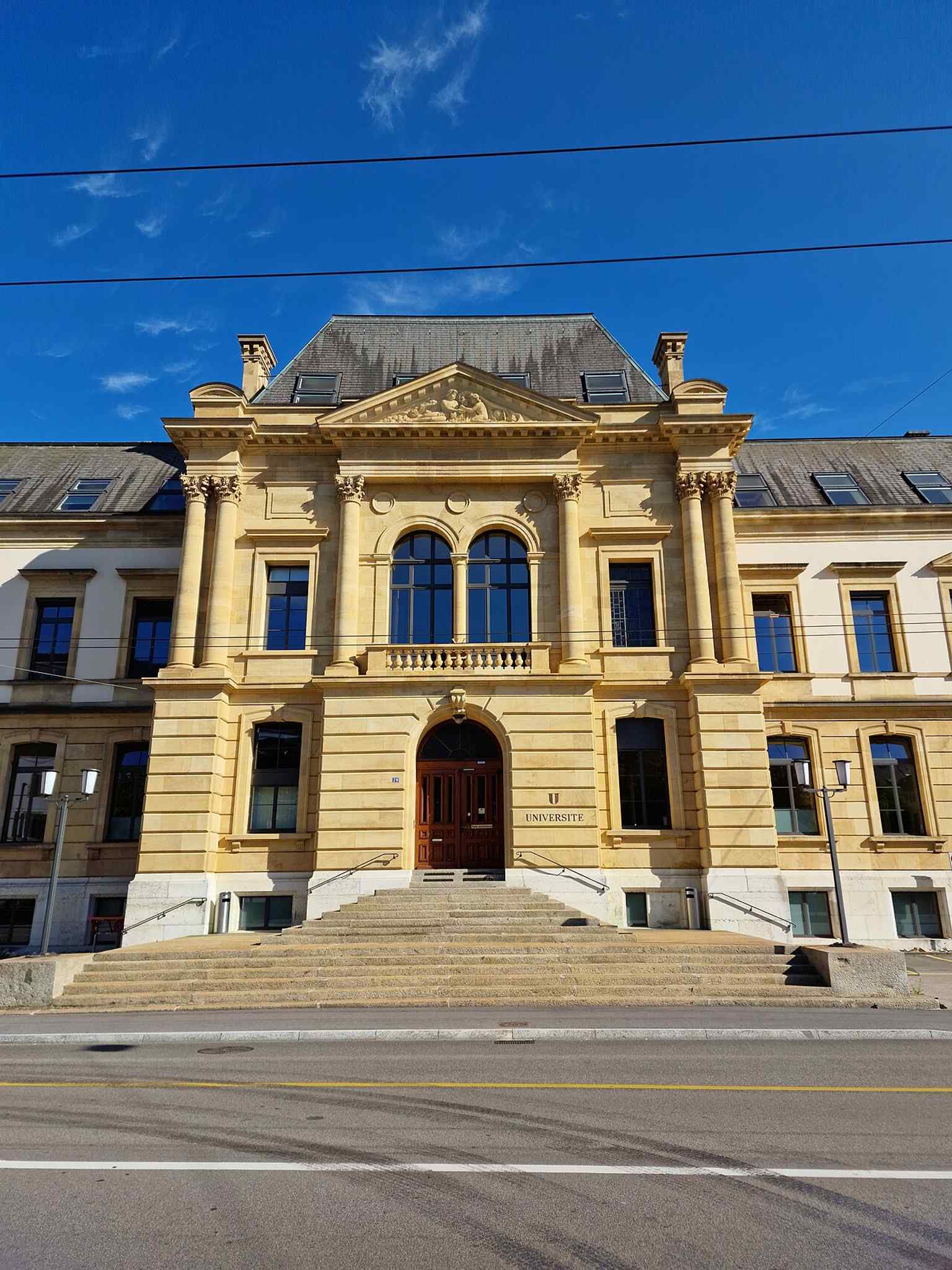
If you glance at your screen, one image shows the humanities side of Neuchâtel, a reminder that language, history, and philosophy still grew from those earlier roots. Another shows the university entrance itself, much more modern in feeling, but born from the same long chain of decisions about what knowledge a society should protect.
The arc continued. In nineteen forty-three, Sophie Piccard became the first woman in French-speaking Switzerland to hold a full professorship at a university. In two thousand eight, Martine Rahier became the first woman to lead a university in that same region. By two thousand twenty-four, Neuchâtel counted four main faculties: law, letters and human sciences, science, and economics. It ran about eight hundred research projects at once, linked students to more than two hundred partner agreements abroad, and ranked among the world’s best small universities.
And yet one detail feels especially fitting here: in two thousand fifteen, Neuchâtel closed its Faculty of Theology.
That is the quiet lesson of this seminary. Institutions change their shape, sometimes completely. A seminary trains clergy. An academy trains scholars. A university trains a whole society. But each stage grows from the one before it. Standing here, outside this old house of formation, you are looking at the beginning of that long transformation.





.jpg)
