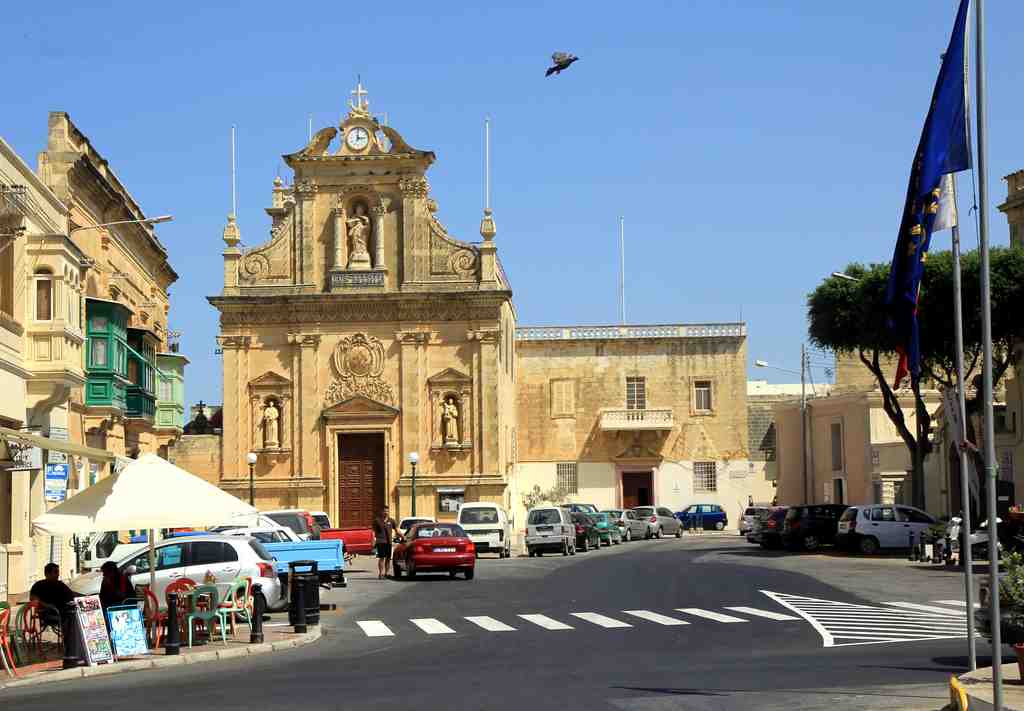
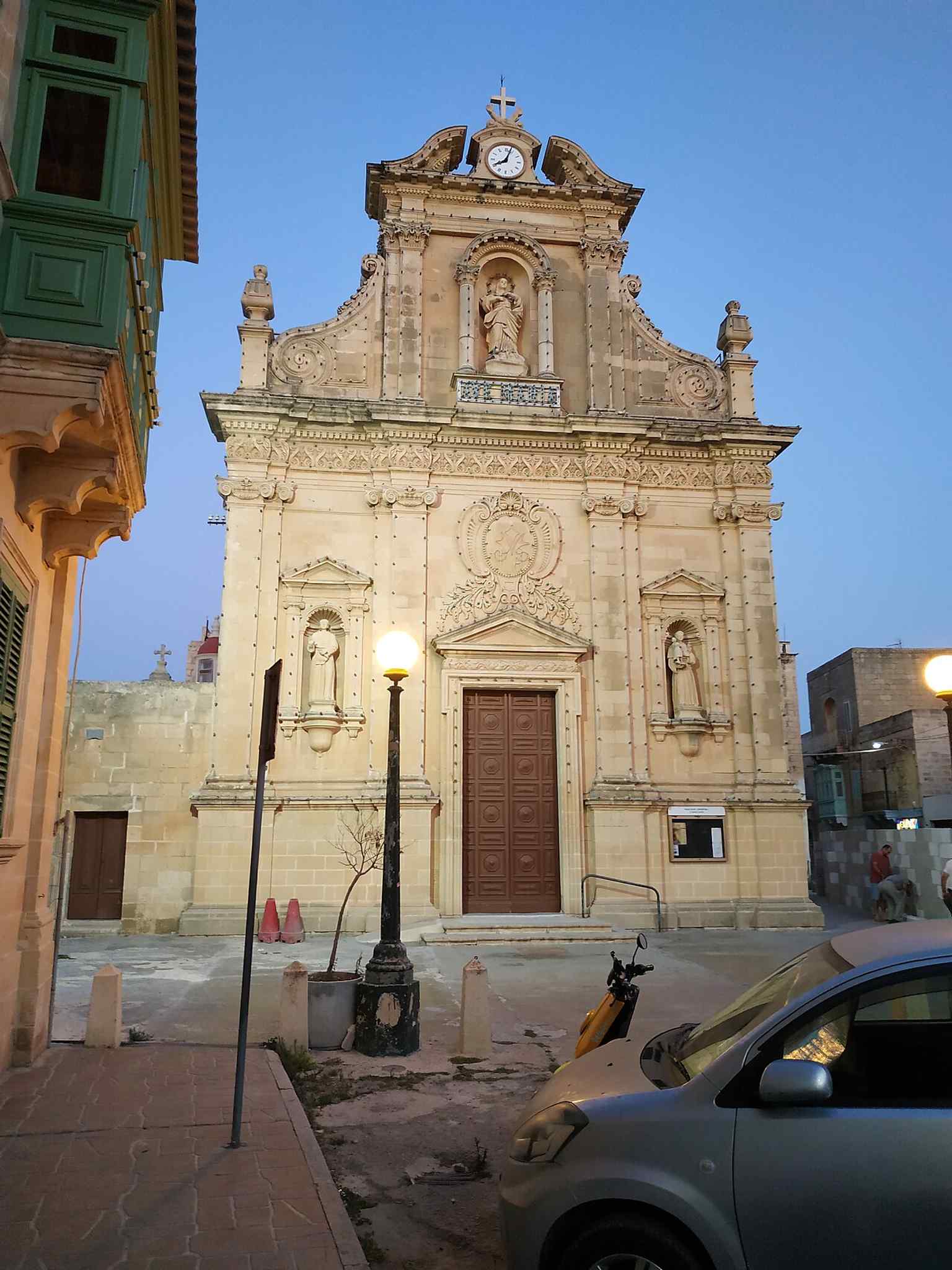
In front of you stands a honey-colored limestone church with a broad baroque façade, a tall arched doorway, and a compact bell tower peeking above the roofline.
Here is Victoria in miniature: a church that began around fourteen ninety-two as St Mark, changed its name to St Francis in fifteen thirty-five, took on most of its present form in the seventeenth century, and still refused to behave like a tidy official timeline. The building was ready for worship by sixteen thirty-three... yet the formal consecration, the ceremony that fully dedicates a church, did not happen until nineteen oh-six. Apparently heaven was less bothered by paperwork than people were.
The Conventual Franciscans, the friars living beside the church, kept the place going through exactly the sort of uncertainty that makes old buildings feel human. In sixteen fifty-two, Pope Innocent the Tenth nearly confiscated the property, and only an intervention by an influential supporter saved it. Local tradition says the first friars in Gozo had even lived in nearby caves, and during fears of Turkish raids they sheltered at night inside the Citadel. Not glamorous, but survival rarely is.
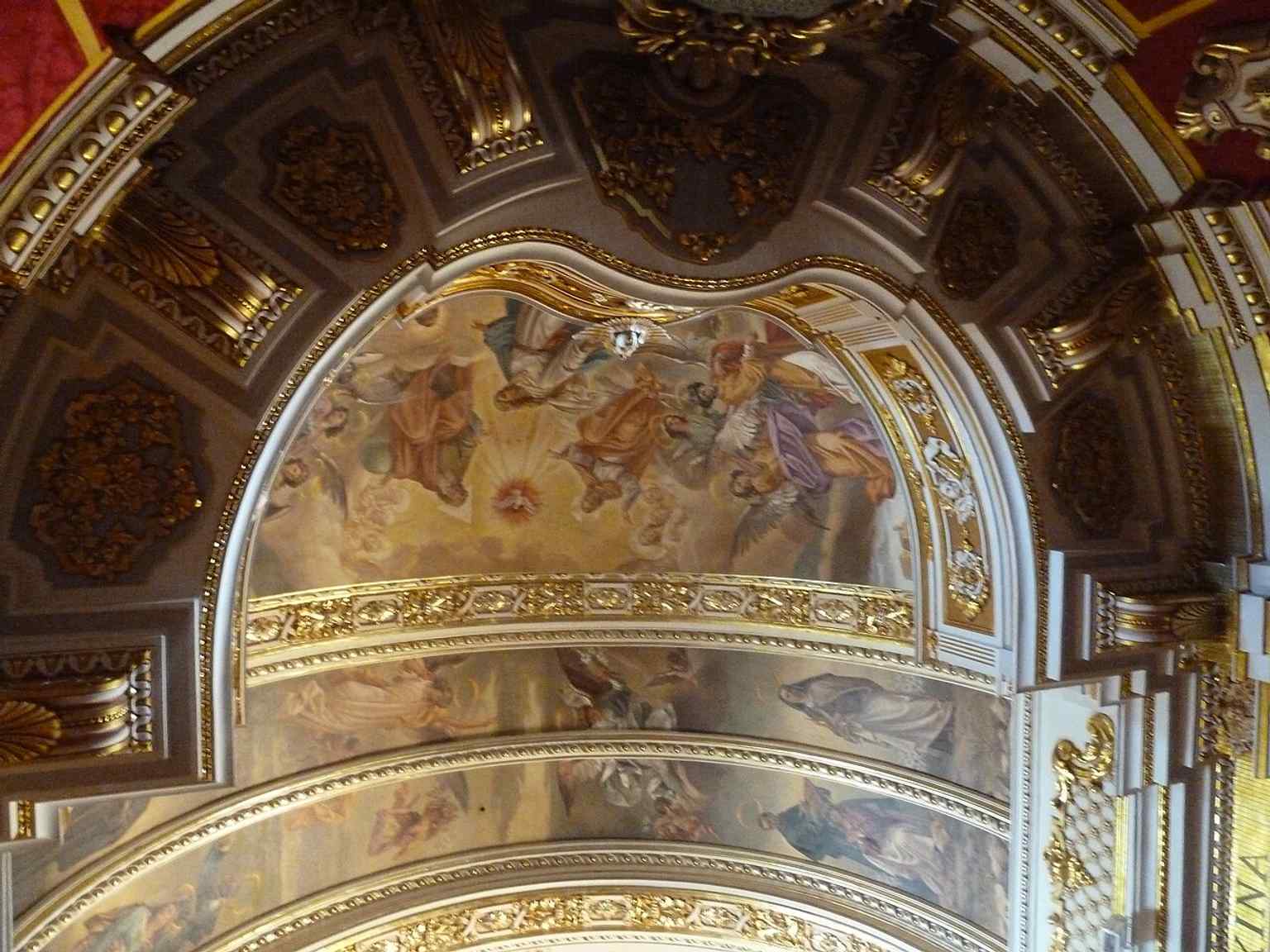
If you glance at your screen, the exterior detail shows the later rebuilding work that followed one of the church’s rougher chapters. In December of eighteen ninety, the government shut the church because the ceiling had become dangerous. Workers rebuilt the ceiling and the façade, and the church reopened in April of eighteen ninety-three. So... when does a sacred place truly become a community’s own: at the first prayer, at the official blessing, or after generations refuse to give it up?
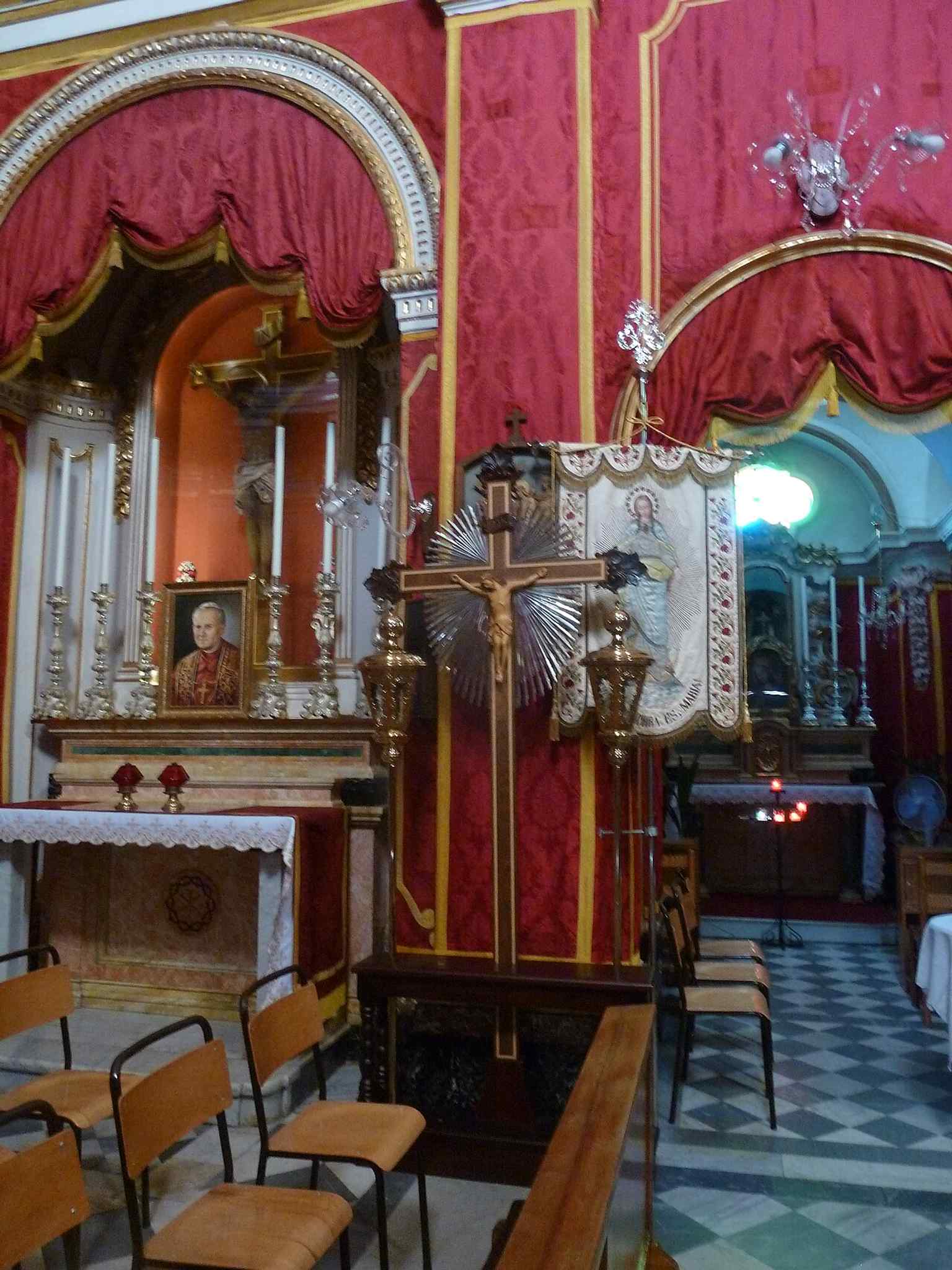
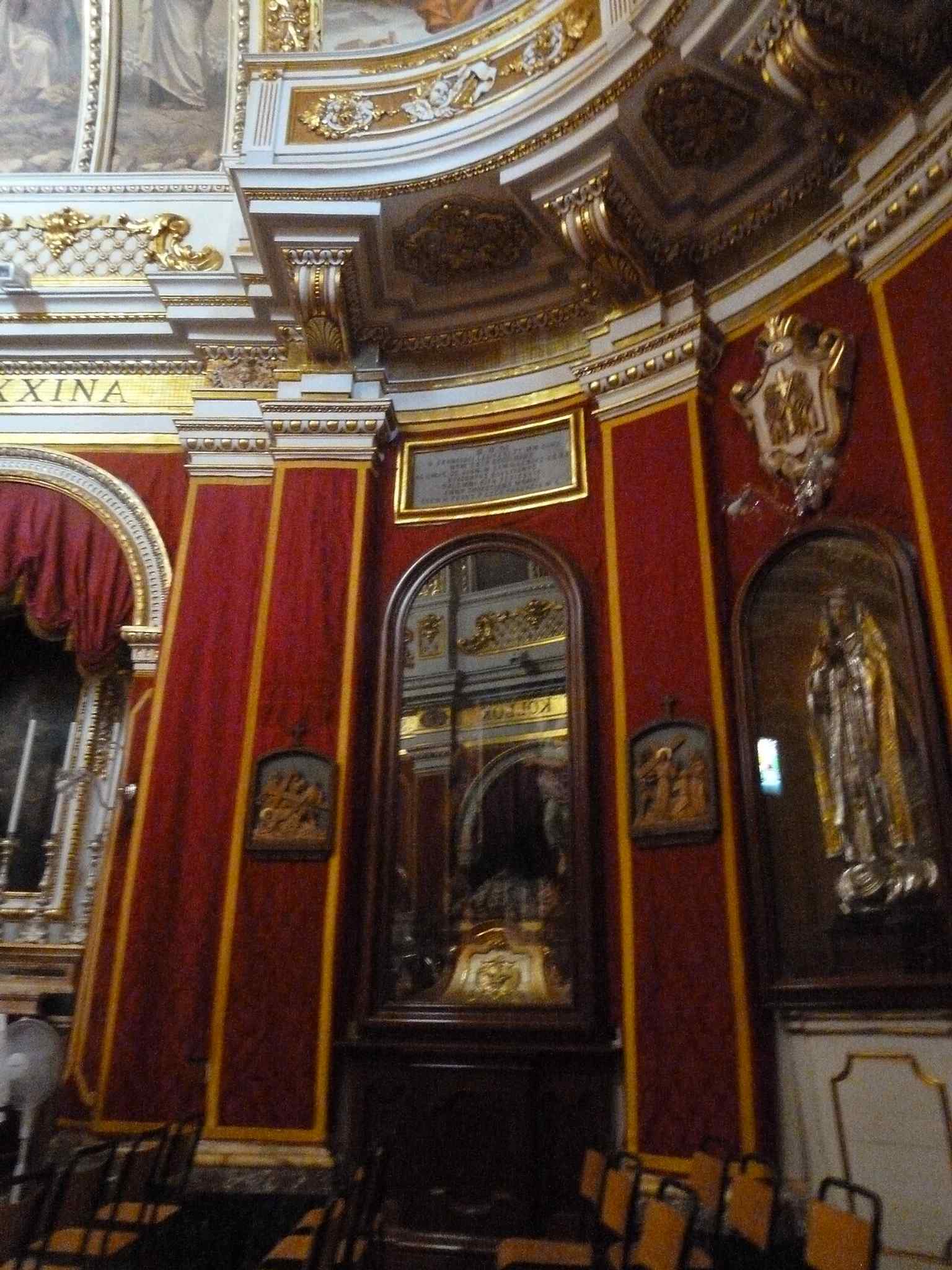
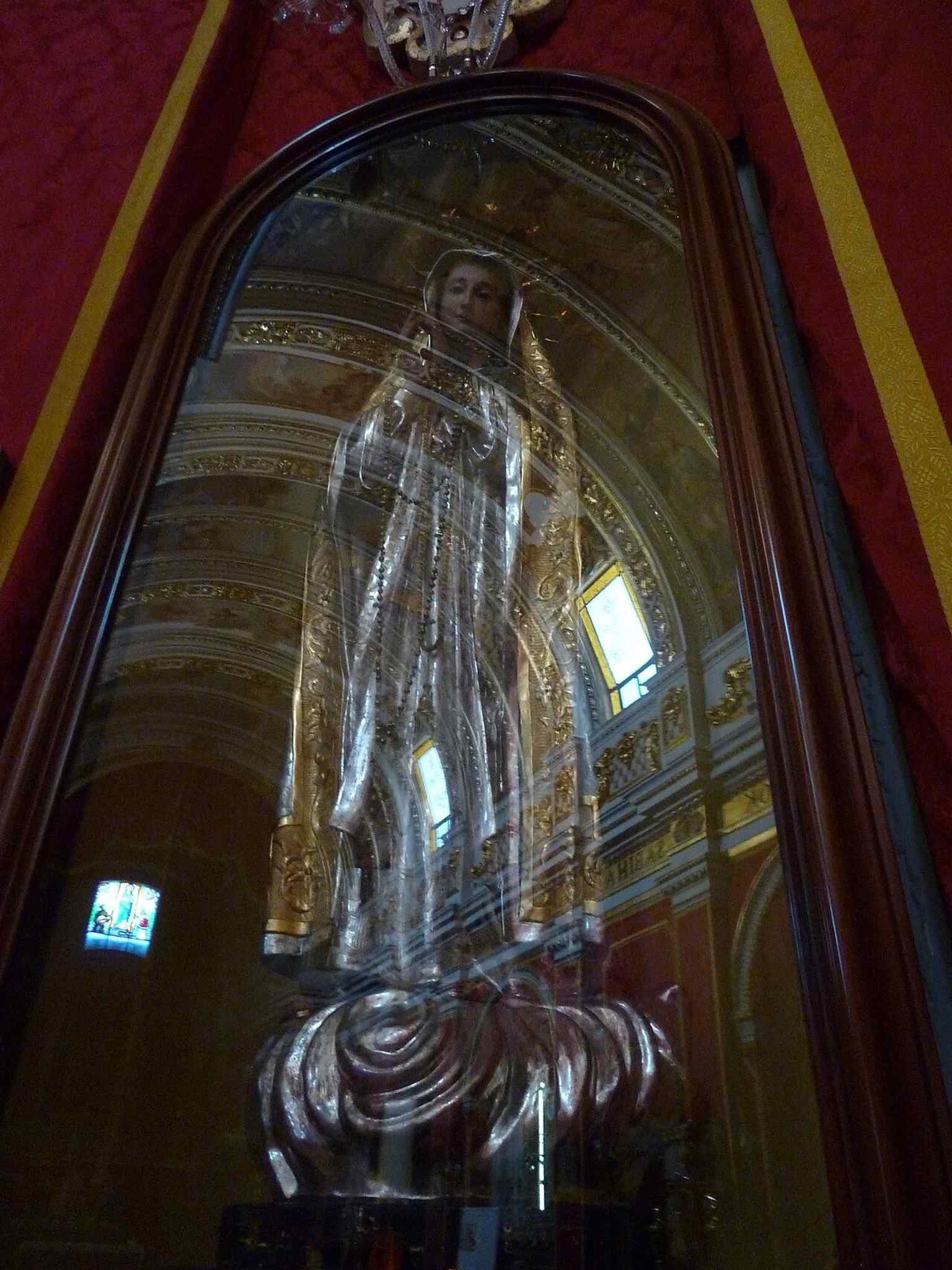
There’s a more personal trace here too. In seventeen forty-two, Grand Master António Manoel de Vilhena stayed in the convent for five days while taking possession of Gozo, and the friars marked his visit with an inscription in the room he used. And inside, as you can see on your phone, devotion kept accumulating: Jean-Baptiste van Loo’s painting of St Francis receiving the stigmata still presides over the church.
This is only one convent church, but it opens the door to a whole town shaped by different religious houses, each adapting, repairing, and carrying on. From here, the Church of St Augustine is about a six-minute walk away.