

Hiroshima Audio Tour: Echoes and Stories of Naka-ku’s Living Heart
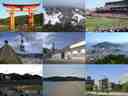
Explore the heart of Naka-ku, Hiroshima with a meaningful journey through history and culture. Begin at the Hiroshima Peace Memorial Park, a serene space dedicated to hope and remembrance, where the iconic Genbaku Dome (Atomic Bomb Dome) stands as a powerful symbol of resilience. Then, visit the NHK Hiroshima Broadcasting Station to get a glimpse of local media in action. This tour offers a unique blend of reflection, education, and vibrant city life, making it an unforgettable experience in Hiroshima.
Tour preview
About this tour
- scheduleDuration 90–110 minsGo at your own pace
- straighten3.5 km walking routeFollow the guided path
- location_on
- wifi_offWorks offlineDownload once, use anywhere
- all_inclusiveLifetime accessReplay anytime, forever
- location_onStarts at Sun Mall
Stops on this tour
lock_open 3 free previews · 10 unlock with purchase
If you look up and spot a sleek, modern facade covered with bold neon signs for GU and UNIQLO, sheltered under a bright arched glass roof, you’ve found Sun Mall-right at the heart…Read moreShow less
If you look up and spot a sleek, modern facade covered with bold neon signs for GU and UNIQLO, sheltered under a bright arched glass roof, you’ve found Sun Mall-right at the heart of bustling Kamiyacho! Welcome to Sun Mall, where the pulse of Hiroshima’s shopping scene kicks into high gear! Imagine yourself stepping back in time to 1948, right after the war, when this very spot was the “Hirogoku Shopping Street.” Picture a lively T-shaped market bursting with hope, built mainly by survivors and returnees, eager to bring energy and flavor back to their city. Back then, instead of fashion and coffee, the busy main street featured sword fighting shows, magic acts, stand-up comedy, and even singing storytellers! The old name “Hirogoku” was inspired by Kyoto, hoping some of Kyoto’s charm would rub off on Hiroshima. As the decades went on, Hirogoku struggled against old age and bigger competitors. Stores found themselves fighting for shoppers with new, tall department stores nearby-kind of like a game of retail whack-a-mole! So, the shopkeepers formed a bold plan: tear down the old and build something dazzling and new. After years of debate, delays, and even a little drama (picture heated arguments and stubborn business owners), construction finally started in 1971. In October 1972, the Sun Mall opened its doors with a parade down Main Street, marching bands and all. The place was packed-just imagine the sound of laughter and applause, and don’t forget those long, hungry lines for Hiroshima’s very first Mister Donut. Over time, Sun Mall became more than just a building; it became a launching pad for young fashion and quirky culture. On the second floor, there’s UNIQLO for simplicity lovers; but go higher, and you’ll discover entire floors filled with subculture shops and trendy boutiques-a paradise for anyone seeking something a little different. They even experimented with satellite radio studios on the fifth floor and threw funky events all around! Every few decades, Sun Mall has had the courage to reinvent itself, investing millions to stay fresh, hip, and ahead of the curve. In 1986, after a big renovation, they proudly called themselves a “city bazaar,” and in the bubble era of the late 1980s, annual sales soared over 100 billion yen! But you know shopping, right? Sometimes sales go up, sometimes they dip, and sometimes you just need a new hat. Even when things got rough after the millennium, clever remodels and fun new tenants helped Sun Mall bounce back. They even created a rooftop blueberry garden in 2013-yes, a blueberry patch high above the city! The famous local singer Rinana Fuchigami was even crowned “official blueberry ambassador,” and the place got an image song, because who doesn’t want fruit and a jingle? Sun Mall is also home to some lovable mascots-Stan and Chibi-Stan-who brighten up posters and comics. And if you need a snack, head to the basement supermarket; if you just need to rest tired shopping feet, take a moment here like so many have before you. Maybe wave hello to those passing by on their way to catch a tram-it’s just a couple minutes’ walk to Kamiyacho’s tram stops. Today, Sun Mall is still going strong, surrounded by plans for futuristic redevelopment, but standing with its arms wide open for locals, students, office workers, and visitors alike. So, take a deep breath, soak up the sounds and energy of Kamiyacho, and perhaps-if you listen closely-you can almost hear echoes of that first noisy market street, performers and shopkeepers hustling, all those years ago beneath the bright covered arcade. Shall we head to our next stop? There’s plenty more to discover, and I promise-no blueberry picking in the gym! Want to explore the summary, floor plan or the tenant in more depth? Join me in the chat section for a detailed discussion.
Open dedicated page →Standing right in front of you is a tall, modern high-rise with clean, reflective glass windows and the bold NHK logo-just look for the big building beside the street with a…Read moreShow less
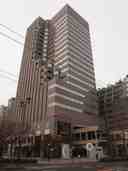
Standing right in front of you is a tall, modern high-rise with clean, reflective glass windows and the bold NHK logo-just look for the big building beside the street with a Starbucks and a café entrance near the corner. Alright, let’s dive into the time machine-because the NHK Hiroshima Broadcasting Station is far more than just a shiny tower in the city center. Imagine the air humming with anticipation and electricity, because you’re looking at the headquarters for NHK in the entire Chugoku region-so, yes, if the news is breaking in five prefectures, it probably passes through here first! But, what really makes this place tick isn’t just the endless weather updates or baseball broadcasts-although, trust me, locals never miss a Carp game. Now, let’s roll the calendar back to 1928. Back then, this was the place where Hiroshima tuned in to hear the very first radio waves-long before Netflix binges or TikTok trends, neighbors would huddle around the radio for updates. It started off as just a humble radio station, but by 1934, it was promoted to a central hub, commanding attention for the whole region. Then, the world changed on August 6th, 1945. Picture a morning as ordinary as any-announcers getting ready, scripts in hand-when suddenly, time froze. At 8:13am, the air was split by a voice announcing, "Enemy bombers overhead..." Just two minutes later, silence swept the city as the atomic bomb struck. The broadcast building was destroyed. Thirty-six staff lost their lives, yet, in an almost miraculous act of resilience, the surviving crew gathered at another small station outside the city and, by the next day, they were broadcasting again. Word spread: “Hiroshima cannot broadcast-Osaka, please take over... Osaka, please... please...” Their desperate call wasn’t just a message; it became a historic echo-a plea for help broadcast over the airwaves to the world. Over the years, the NHK Hiroshima station has become a voice not just for news but for peace and remembrance. They’re especially active each August, covering the Hiroshima Peace Memorial Ceremony and creating special programs about war, atomic bombing, and the hope for a peaceful future. Some of their dramas, like "The Hat" or "Fish of Fire," have even picked up awards-and trust me, you haven’t seen passion for storytelling until you’ve met a broadcaster who’s lived through history! Now, fast forward to today, and you’re standing outside a building that’s grown tall both physically and in spirit. NHK Hiroshima isn’t just one department; it’s a whole ecosystem inside this skyscraper! There’s a management center, a content center for creating TV and radio shows, and even a viewer relations center that listens to the many voices of Chugoku’s people (hopefully, not just the ones complaining about the weather forecast, but we can’t make any promises). Technology here has evolved too-color TV showed up in the ’60s, FM broadcasts arrived in the early ’60s, and then, in 2006, Hiroshima started digital broadcasting. If you’ve ever watched a Carp game on TV or caught the regional morning show "Ohayou Chugoku," you’ve tuned into the beating heart of this place. Oh-and just for fun, next time you see a cute candle character or a samurai with a rice scoop on TV, that’s “Peace-kun” and “Shamobee,” the NHK mascots! They might not help you check your mail, but they sure know how to liven up the local news. So, as you stand here, let your imagination tune in to all those layers-modern news, echoes of history, and the undying hope for peace-broadcast not just through antennas but straight from Hiroshima’s heart. And if you listen really carefully, you might just catch the spirit of the voices that kept broadcasting through the darkest hour, ensuring that no story, no matter how hard, was left untold. To delve deeper into the history, main channels and frequencies or the main hiroshima station production programs, simply drop your query in the chat section and I'll provide more information.
Open dedicated page →Directly ahead, you’ll spot a long, modern building lifted high on sturdy pillars and wrapped in tall, narrow windows-in other words, if it looks a bit like a floaty, glass box…Read moreShow less
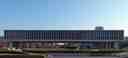
Directly ahead, you’ll spot a long, modern building lifted high on sturdy pillars and wrapped in tall, narrow windows-in other words, if it looks a bit like a floaty, glass box above the park, you’ve found the Hiroshima Peace Memorial Museum. Now, let’s dive into its story! Picture yourself here in Hiroshima, just after World War II, when the city was struggling to find its voice again after facing the unimaginable. In 1955, people decided the world needed to remember what happened-so they built this museum, designed by the famous architect Kenzō Tange (who definitely knew a thing or two about dramatic entrances-look at all those pillars!). Right here, millions of people have gathered each year, from excited kids on school trips to visitors from every corner of the globe; together, they come to learn, remember, and hope. Step inside (but not yet-let’s finish our story first!), and you’ll find more than just walls and windows. The museum is filled with belongings left behind by the victims, heart-wrenching photos, and items that have survived fire, blast, and time-like a melted pocket watch forever frozen at the exact moment of the blast. If you ever wanted to see what a firestorm does to glass, stone, and even lunchboxes, this is your place. And if you listen closely, you might almost hear the whispers of the scientists and leaders from old letters, debating whether building the bomb would change the world-for better or worse. Renovated to tell the story even better, the museum is now divided, like a great dramatic play, into an East Wing and a West Wing. The East Wing sets the stage, showing Hiroshima’s life before and after, how the bomb arrived, and how the city rebuilt. Don’t miss the glowing city model that lights up to show you just how much changed in a single instant. The West Wing puts you in the shoes of the people who lived through it, displaying charred clothes, everyday treasures, and the kind of sorrow that makes you pause a moment longer. Through it all, there’s a single wish that echoes here: to free the world from nuclear weapons and build real peace. So welcome to the place where history meets hope-and where, if you’re feeling a bit emotional, you’re definitely not alone. Now, are you ready to explore inside and discover the stories that made the world promise, “Never again?”
Open dedicated page →

Show 10 more stopsShow fewer stopsexpand_moreexpand_less
In front of you, you'll see a wide green park with a sweeping curved stone arch standing quietly over a pool of white gravel, with colorful flowers at its base, and if you look…Read moreShow less
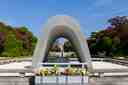
In front of you, you'll see a wide green park with a sweeping curved stone arch standing quietly over a pool of white gravel, with colorful flowers at its base, and if you look straight through the arch, the dome of another building rises in the distance-welcome to Hiroshima Peace Memorial Park. Now, time for a story that’s as moving as it is unforgettable! Picture this: You’re standing where, almost 80 years ago, bustling shops once filled the air with laughter and chatter, before a single moment changed everything. The park you see today is peaceful, but back in 1945, it was the very heart of Hiroshima’s busiest downtown. On August 6th, at exactly 8:15 in the morning, an atomic bomb exploded high above. Suddenly, the world went quiet-except for the deafening hurricane of history. After the shock, this area had become a flattened, barren land, shockingly empty except for a lone skeleton of a building-the A-Bomb Dome, still visible if you look through the cenotaph’s arch. Miraculously, the dome’s warped remains survived the blast and the years that followed. It’s now a World Heritage Site, a sacred skeleton, and a powerful witness to the disaster. You know you’re looking at a historical superstar when even the bricks seem to whisper, “I’ve seen things you wouldn’t believe.” As you wander, you’ll find monuments everywhere-each with its own tale of hope and heartbreak. Near you rises the Memorial Cenotaph, shaped like a shelter to watch over the souls and names of all who died in the bombing. The words on its stone: “Let all the souls here rest in peace, for we shall not repeat the error.” It’s like humanity’s ultimate sticky note-not to forget the evil of war, no matter which pocket you leave your lunch in. The arch lines up perfectly with the Peace Flame and the distant A-Bomb Dome, creating a path of memory and a promise. The Peace Flame burns nearby, flickering day and night since 1964. But here’s the twist: it stays lit until every nuclear weapon on the planet is gone! That flame is stubborn-like that one candle on your birthday cake that just won’t blow out. And then there’s the Children’s Peace Monument, dedicated to the memory of young lives lost. At its top is a statue of a girl lifting a paper crane-a symbol born from the story of Sadako Sasaki, who folded cranes in hope and in legend. Even today, people around the world send paper cranes, and their colors pile up like small mountains of hope. Don’t miss the Peace Bell, hanging near the Children’s Peace Monument. Visitors come from everywhere to ring it, the chime stretching across the park as a call for peace. Its surface shows the whole world and carries ancient messages in Greek, Sanskrit, and Japanese-one big “know yourself” in three languages, just in case someone missed the memo. Scattered among gardens and streams, you might notice a grassy mound-the Atomic Bomb Memorial Mound-where the ashes of 70,000 unidentified victims rest silently, beneath the grass and sunlight. There’s also a memorial for Korean victims, recognizing the many who suffered not just here, but throughout Japan’s painful past. Each year, on August 6th, the park transforms for the Peace Memorial Ceremony. Thousands gather at sunrise; silence falls at exactly 8:15 a.m. to remember and hope together. As night descends, gentle lanterns float down the Motoyasu River, carrying messages of peace on their glowing backs. The park is more than memorials-it’s a living place, with museums holding stories, paintings, and even a clock frozen at the exact moment of the explosion. You can find a Rest House that survived, its basement untouched by fire, sheltering the only person inside to live through the blast. Today, you can buy souvenirs here, chat with friendly staff, or reflect in a corner of living history. From heartbreaking tragedy, this park grew into a beacon for millions every year-tourists, survivors, schoolkids, and peace-seekers. Every path and plaque asks us not just to remember, but also to imagine and to act. So as you stand here, take a breath; the voices of Hiroshima’s past echo through the air-whispering stories of memory, of mistakes, and of humanity’s never-ending wish for a peaceful tomorrow. To delve deeper into the notable symbols, ceremonies or the museums, simply drop your query in the chat section and I'll provide more information.
Open dedicated page →To spot the Hiroshima Municipal Stadium (1957), just look straight ahead for a large, round building with tall light towers reaching skyward around the outer edge-it sits right at…Read moreShow less
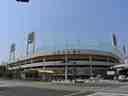
To spot the Hiroshima Municipal Stadium (1957), just look straight ahead for a large, round building with tall light towers reaching skyward around the outer edge-it sits right at the corner of a busy intersection, standing out with its white façade and wide entrance. Now, let’s step into the vibrant world that this stadium once held! Picture the buzz-crowds rushing in, laughter, and the smell of ballpark snacks wafting in the air. Built in 1957, this was the home turf of the Hiroshima Toyo Carp, the city’s beloved baseball team. Imagine nearly 32,000 fans packed into the stands, hearts pounding with each pitch, each crack of the bat echoing across central Hiroshima, just across from the Peace Memorial. For more than 50 years, it was not just a stadium; it was a stage for hope, competition, and community spirit-an arena where dreams were fueled by cheers. But time doesn’t stand still, and in 2009, a new stadium took its place. The old field got a new name and briefly welcomed amateur teams, but soon, the city decided the iconic stadium would be closed for good. By 2010, it faced demolition, and with a bittersweet farewell, memorabilia was auctioned off, giving lucky fans a piece of history to treasure. As the walls came down, a piece of the right field stands was carefully preserved, a silent guardian of memories. So, if you listen closely, you can almost hear the echoes-roars of victory, groans of defeat, and the heartbeat of Hiroshima’s baseball-loving soul. Makes you want to swing for the fences, doesn’t it?
Open dedicated page →To spot the Hiroshima Prefector, look for a stately and modern government building near the heart of the city, almost blending into its lively cityscape with a clean façade-you’ll…Read moreShow less
To spot the Hiroshima Prefector, look for a stately and modern government building near the heart of the city, almost blending into its lively cityscape with a clean façade-you’ll see it standing prominently in front of you, usually bustling with activity around its entrance. Alright, welcome to the front steps of the Hiroshima Prefector-home base for the whole prefecture, and what a grand story this region has to tell! Imagine you’re standing not just at a seat of administration, but in the heart of where so much history, culture, and a dash of drama has unfolded. Step back in time with me: centuries ago, this region was mostly mountains and rivers, with the mighty Seto Inland Sea just beyond. Even though the land is mostly hilly-about 80% is mountain, so if you ever feel tired walking uphill, you’re basically channeling the spirit of Hiroshima! The name “Hiroshima” itself sounds like it could be a superhero’s alias, but its roots are clever: “Hiro,” from an ancient lord’s name, and “Shima,” which means “island,” hint at both power and place. It’s said that this land has been lived on since the time of mammoths and ancient pottery, with legends claiming emperors and samurai walked these grounds. For a little mystery, there’s even a legend about islands being dedicated to the gods more than a thousand years ago! As you stand here, imagine the tension centuries ago when great lords-like the famous Mōri clan-built massive castles and ruled wide swathes of land from just nearby. Their armies clanked across stone bridges, samurai armor shimmering, all while the locals invented delicious things like oyster farming and, later, the world-famous Hiroshima okonomiyaki. Then, steam ahead into the modern age! Hiroshima boomed thanks to the sea-ships were built here, steel forged, and, later, Mazda cars began their engines nearby. But, let’s not forget the emotional side of this city: in World War II, Hiroshima was tragically the first city to experience an atomic bomb. The pain from that morning changed the world, yet Hiroshima rebuilt, determined and hopeful, like a phoenix rising. Around you, echoes of resilience blend with modern energy-today, the population is about 2.7 million, making it a major hub in Western Japan. The air here is mild, with less rain than much of Japan, but if you venture north, you might be surprised: those mountains get winter snow deep enough to swallow cars whole. The rivers-mysterious and winding-flow from those steep hills down to the sea, carrying stories and sometimes the city’s favorite snack, lemons, downriver. In fact, Hiroshima’s got a bit of everything: buzzing city life, ancient shrines, island views, and food that’s almost a reason for a dedicated tour (I hope you’re hungry). It even produced countless inventors and risk-takers-nearly 100,000 people left from here over a century ago to start new lives all around the world, especially in Hawaii, where the local Japanese even picked up the Hiroshima dialect! Sports fans, listen up: the city is nuts for baseball, with the Hiroshima Carp having almost mythical status. The stadium crowds and fireworks still echo with the cheers of hopeful fans, as does the pride in their local soccer-because here, sports are about community, healing, and big dreams. You don’t just find tradition here, but creativity too-unique crafts like lacquered chopsticks and prized calligraphy brushes have been made for generations. Sometimes, they say, there’s a bit of competition between the east and west parts of the prefecture, with their own dialects, jokes, and affinity for different accent flavors. It just makes every conversation a bit more fun-imagine a family reunion where everyone brings their own tasty dish! So, as you look at the building before you, remember: this isn’t just where taxes and paperwork are shuffled-this is Hiroshima’s brain, beating in time with stories of courage, invention, delicious food, sports fever, and a spirit that always, always gets back up. Next time you meet someone from Hiroshima, you’ll know: they come from a place that’s as sturdy as its mountains and as lively as its famous festivals. Ready for the next stop? Here, history keeps walking right beside us! Want to explore the summary, geography and region or the population in more depth? Join me in the chat section for a detailed discussion.
Open dedicated page →To spot the Hiroshima Prefectural Gymnasium, look for two huge, rounded buildings with green dome-shaped roofs and smooth gray walls, just up ahead on your left. Welcome to the…Read moreShow less
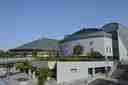
To spot the Hiroshima Prefectural Gymnasium, look for two huge, rounded buildings with green dome-shaped roofs and smooth gray walls, just up ahead on your left. Welcome to the grand finale of our tour: the Hiroshima Prefectural Gymnasium! Take a good look around-can you smell the faint tang of fresh floor wax or maybe even the ghost of gym socks past? Famous for its sleek, futuristic curves, the building almost looks like two giant turtles having a race. But these turtles are serious-they’re hiding all kinds of athletic drama and history inside. Step back with me for a moment to the Edo period, when this whole area was lined with the stately homes of samurai families, tucked right up next to Hiroshima Castle’s keep. Then, in the Meiji era, the clanging of swords was replaced by the marching boots of Japan’s 5th Army Division. The whole place became the pulsing heart of military Hiroshima. But everything changed on that fateful morning in 1945. The bomb’s blast left this busy center in cinders and, for a while, all you’d have found here was silence and ash. Post-war, as Hiroshima leafed out from its wounds, this area was chosen to become the city's Central Park. Picture rows of temporary houses for people starting new lives, as bulldozers prepped the land for what was to come: places to gather, play, and heal. In 1962, right here, the first Hiroshima Prefectural Gymnasium opened, joining the city’s new library and port as proud symbols of rebirth. Sports, concerts, exhibitions-imagine nearly every type of gathering echoing within these walls for thirty years. But as time rolled on and the world set its eyes on Hiroshima for the Asian Games in 1994, the original arena was rebuilt, rising anew like a heavyweight boxer after a tough round. And so was born the sprawling, crown-shaped structure before you. The big hall-known as the Hiroshima Green Arena-can hold up to 10,000 roaring fans. There’s a smaller arena, too, and rooms for every sport you can think of, from martial arts to archery. Rumor has it there’s even a fitness plaza for those brave enough to try tackling a treadmill. Volleyball fans, you’re standing on hallowed ground! The local team, JT Thunders Hiroshima, has had some smashing victories here. Get ready for more slam dunks soon, because the Hiroshima Dragonflies basketball team will call this place home court for the next five years. And if you listen closely, you might just catch an echo of bouncing balls and squeaking shoes on polished wood. But it’s not all about sports. The arena has seen dramatic showdowns from pro wrestling to classic boxing knockouts-one famous champ even KO’d his opponent here with only a second left in the round! Music legends have come too: Led Zeppelin held a charity concert here in 1971, funneling proceeds to atomic bomb survivors. Imagine the thunder of those guitars mixed with the cheers of a city on the mend! Oh, and for you manga fans, this story has a plot twist: the national tournament from "Slam Dunk" also took place right here-or at least, in the world of comics. No spoilers, but the excitement on those illustrated courts is only matched by real-life tournaments and international championships hosted within these walls. Beyond sports and music, the gymnasium has often been a buzzing hive during big events. In 2023, it transformed into the international media center for the G7 Summit. Can you picture the flash of cameras, the murmur of reporters in a dozen languages? And when you’re finished peeking through the glass, just know this place is for everyone: from locals getting fit at the gym, to students trying fencing for the first time, to families catching a pro volleyball match. Its story, like Hiroshima’s, is one of resilience, rebirth, and always finding ways to bring people together. So, as you stand in the gentle breeze outside this massive, friendly sports palace, remember that every shout, every cheer, every note of music rings out over ground where once there was only silence. Thanks for joining me on this journey through Naka-ku-now, who’s ready for a cool-down lap? Interested in a deeper dive into the summary, facility overview or the major competitions and events? Join me in the chat section for an insightful conversation.
Open dedicated page →
Frequently asked questions
How do I start the tour?
After purchase, download the AudaTours app and enter your redemption code. The tour will be ready to start immediately - just tap play and follow the GPS-guided route.
Do I need internet during the tour?
No! Download the tour before you start and enjoy it fully offline. Only the chat feature requires internet. We recommend downloading on WiFi to save mobile data.
Is this a guided group tour?
No - this is a self-guided audio tour. You explore independently at your own pace, with audio narration playing through your phone. No tour guide, no group, no schedule.
How long does the tour take?
Most tours take 60–90 minutes to complete, but you control the pace entirely. Pause, skip stops, or take breaks whenever you want.
What if I can't finish the tour today?
No problem! Tours have lifetime access. Pause and resume whenever you like - tomorrow, next week, or next year. Your progress is saved.
What languages are available?
All tours are available in 50+ languages. Select your preferred language when redeeming your code. Note: language cannot be changed after tour generation.
Where do I access the tour after purchase?
Download the free AudaTours app from the App Store or Google Play. Enter your redemption code (sent via email) and the tour will appear in your library, ready to download and start.
If you don't enjoy the tour, we'll refund your purchase. Contact us at [email protected]
Checkout securely with 




