
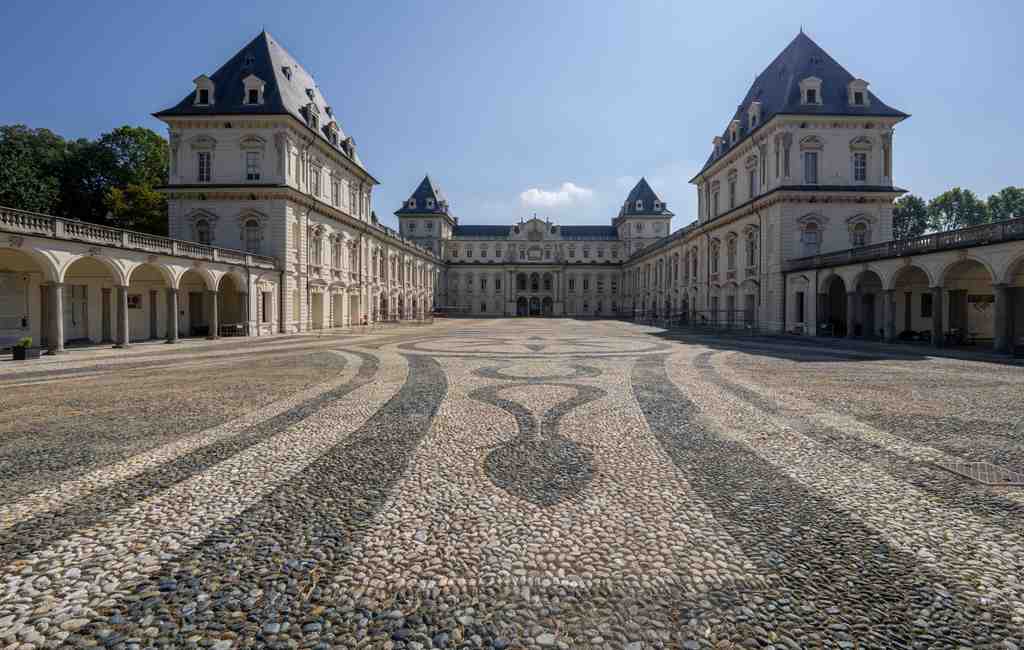
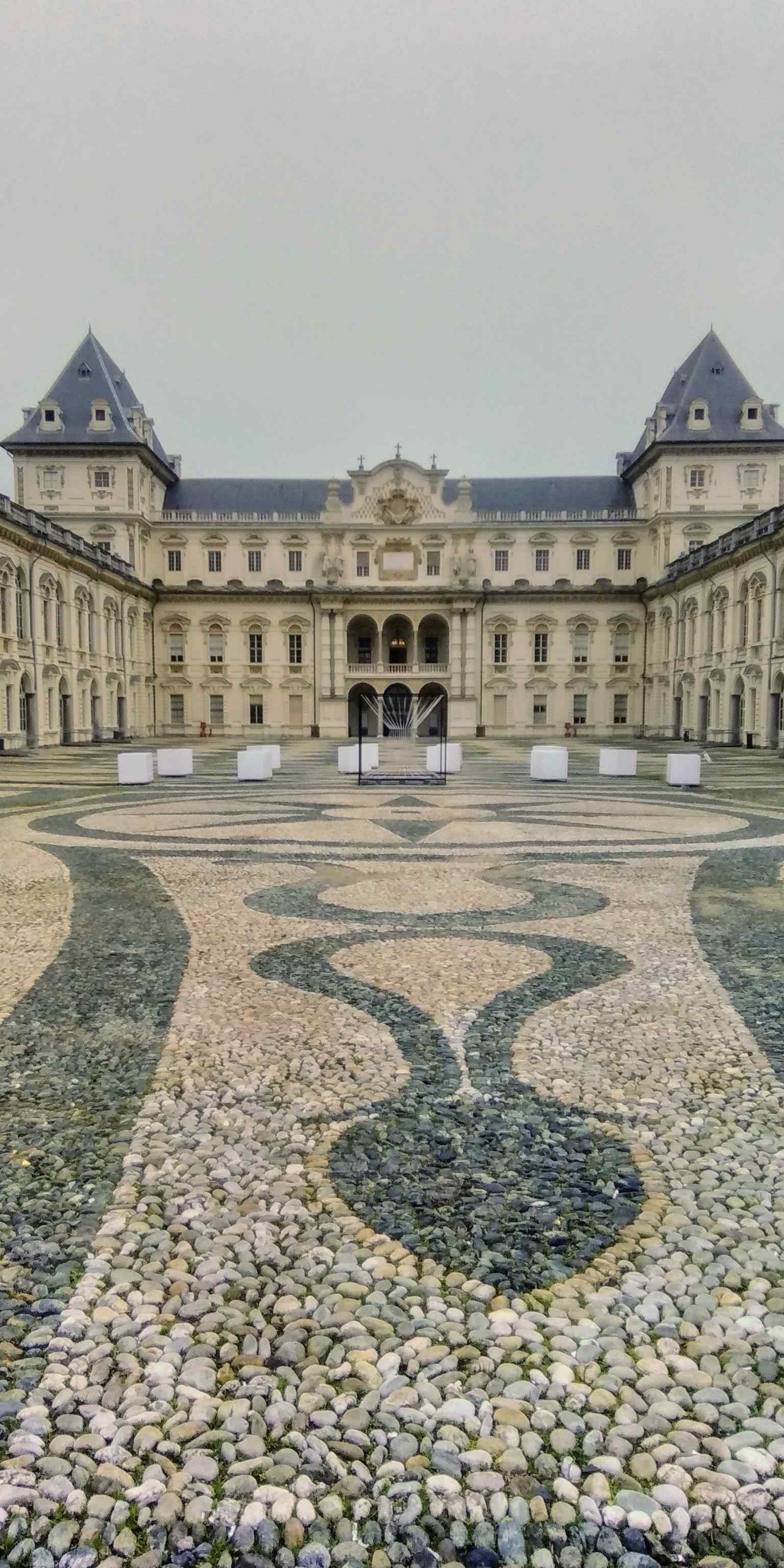
Leaving the quiet beauty of the botanical garden behind us, you have arrived at Valentino Castle. Look for the grand U shaped white stucco palace surrounding a vast courtyard paved with swirling cobblestone patterns, all crowned by steep dark slate roofs.
This is Castello del Valentino, and its very name is steeped in mystery. Some old records suggest it comes from the local geography, describing a small valley with a stream. But another, much more romantic legend tells us that relics of Saint Valentine himself were once kept in a tiny church right where you are standing. It is said that every February fourteenth, local nobles would gather here for a lavish party where every lady would affectionately call her chosen knight, Valentino.
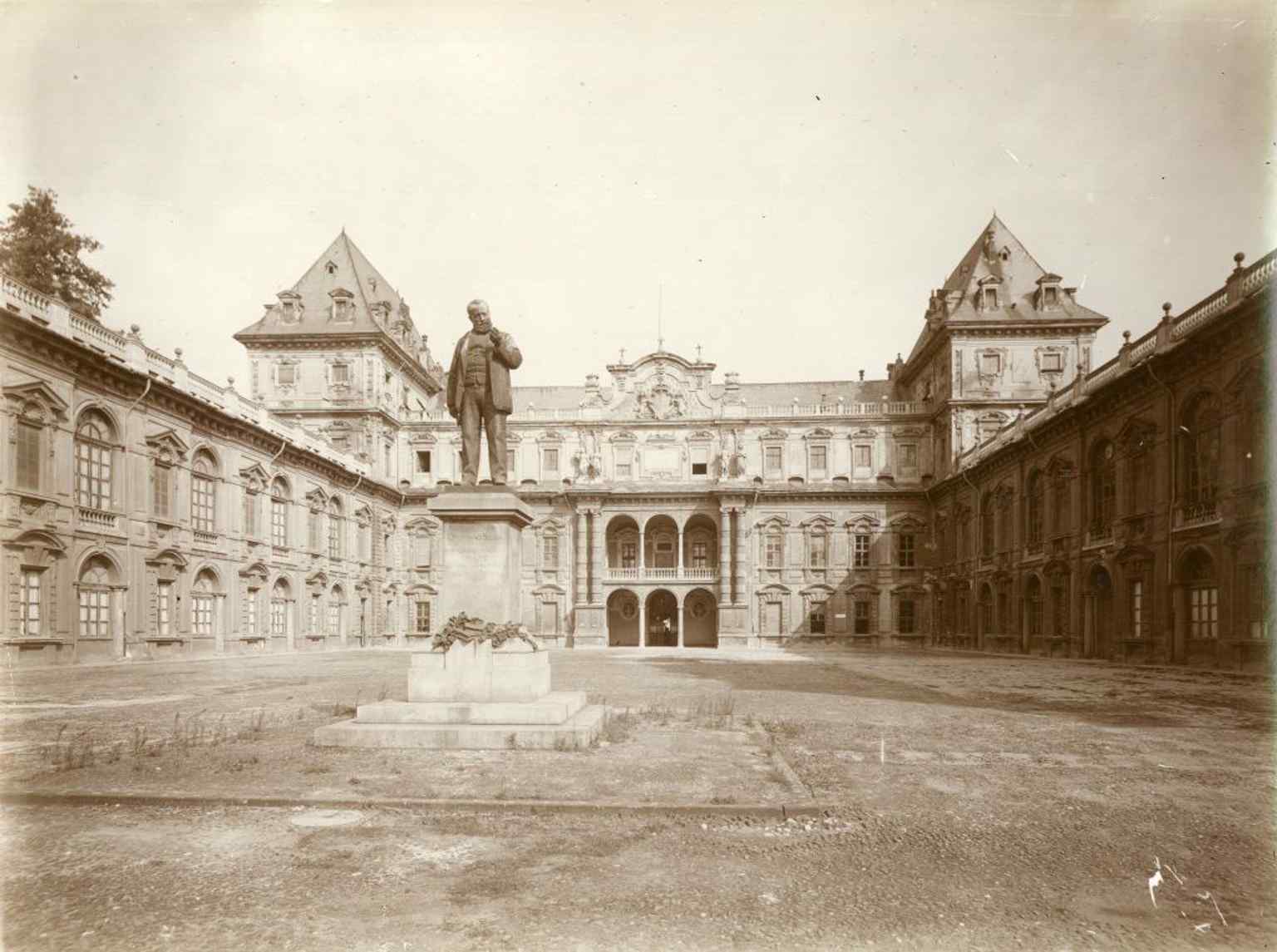
Whatever its true origins, this site soon became the crown jewel of the royal family's presence in the area. In the seventeenth century, a French princess named Maria Cristina of Bourbon married into the family and received this estate as a wedding gift. When she became a young widow and Regent of the Duchy, she poured her heart into transforming the building into a magnificent riverside pleasure palace.
She missed the architecture of her homeland, so she demanded those steep, French style slate roofs you see above you. They were so utterly foreign to local Italian builders that they had to invent a clever architectural trick, building a false attic space under the roofline just to make the sharp angles look harmonious to Piedmontese eyes.
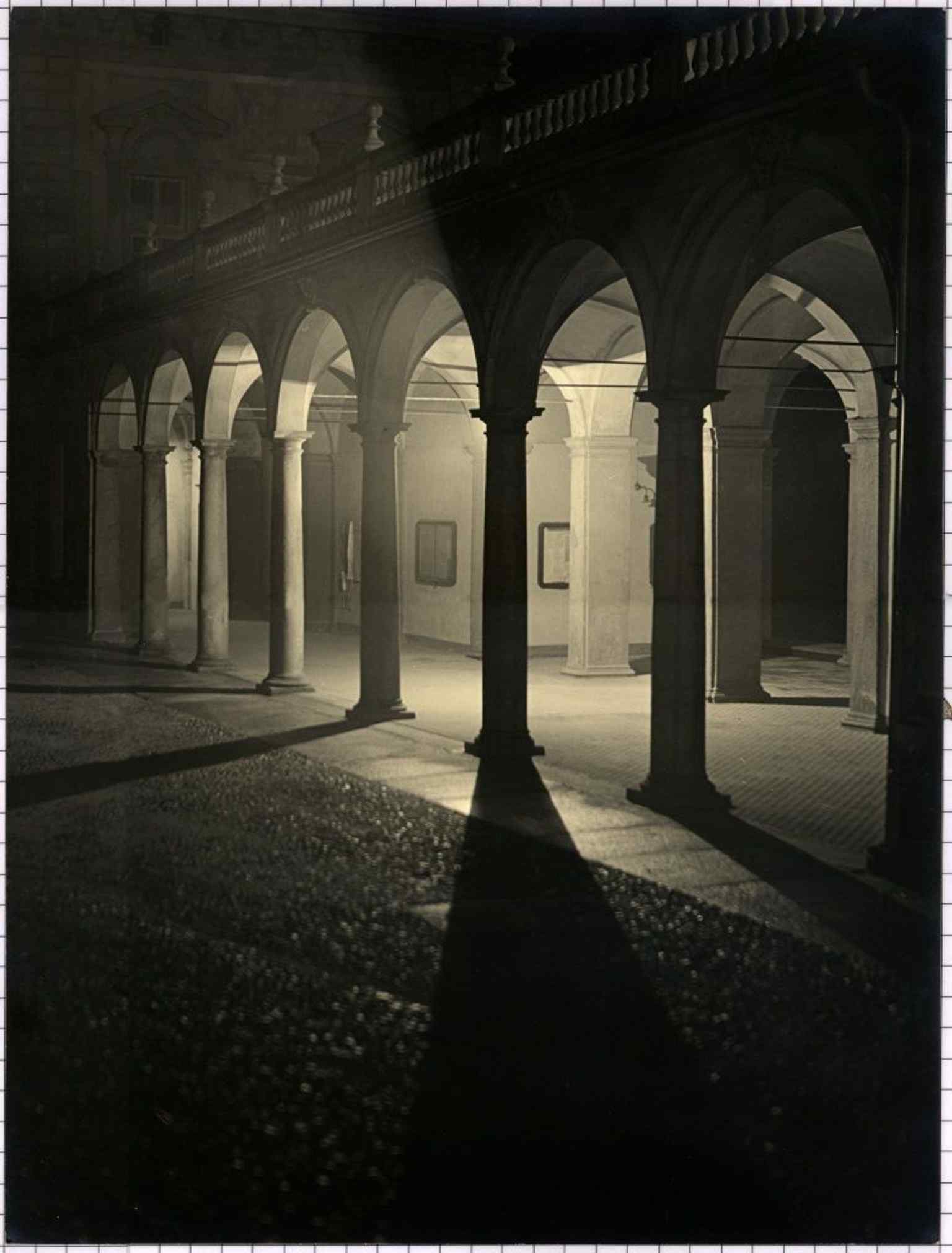
But a dark, lingering mystery surrounds Madama Cristina. Rumors whispered that she used the palace for secret trysts, disposing of her unfortunate lovers by tossing them into the nearby Po River, or even down a hidden well lined with sharp blades. Though historians dismiss these tales, they birthed a persistent legend that her ghost still haunts these halls, sometimes appearing as a veiled lady or simply as a sudden, unexplained scent of floral perfume in an empty room.
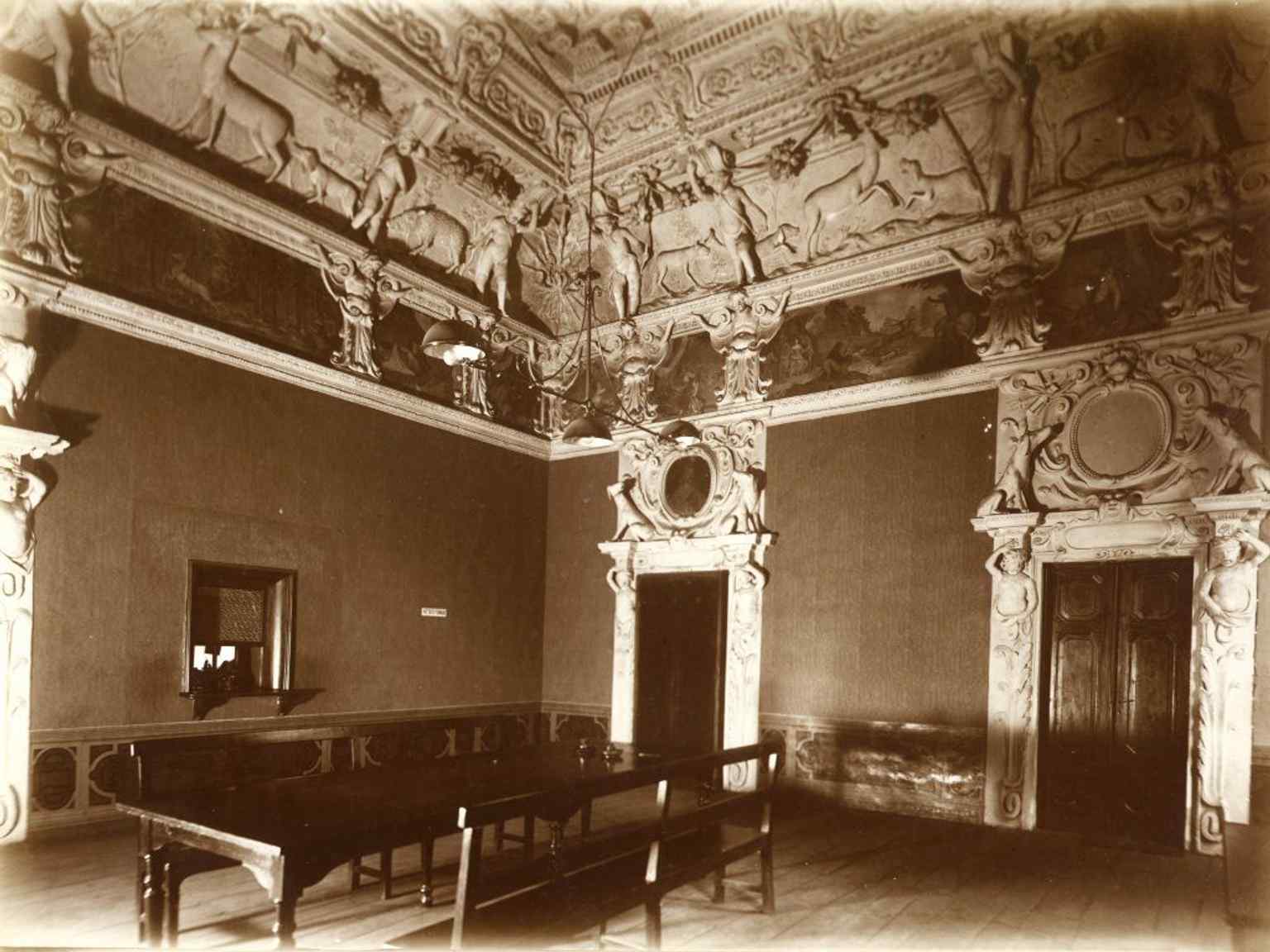
As the centuries passed, this regal estate evolved, mirroring the profound shift in the city itself, moving away from an exclusive fortress of kings and queens into a dynamic, open hub of learning, science, and public life. In the nineteenth century, it housed military regiments, and later, advanced hydraulic laboratories for the study of fluid mechanics. It was even inside these very walls, in 1863, that a group of mountaineers founded the prestigious Italian Alpine Club.
The castle suffered deeply during the Second World War when bombings collapsed large sections of the roof. Yet, out of that tragedy came a breathtaking discovery. The blasts and subsequent restorations uncovered original seventeenth century fresco portraits of Madama Cristina and her husband, paintings that had been sealed under layers of plaster for hundreds of years.
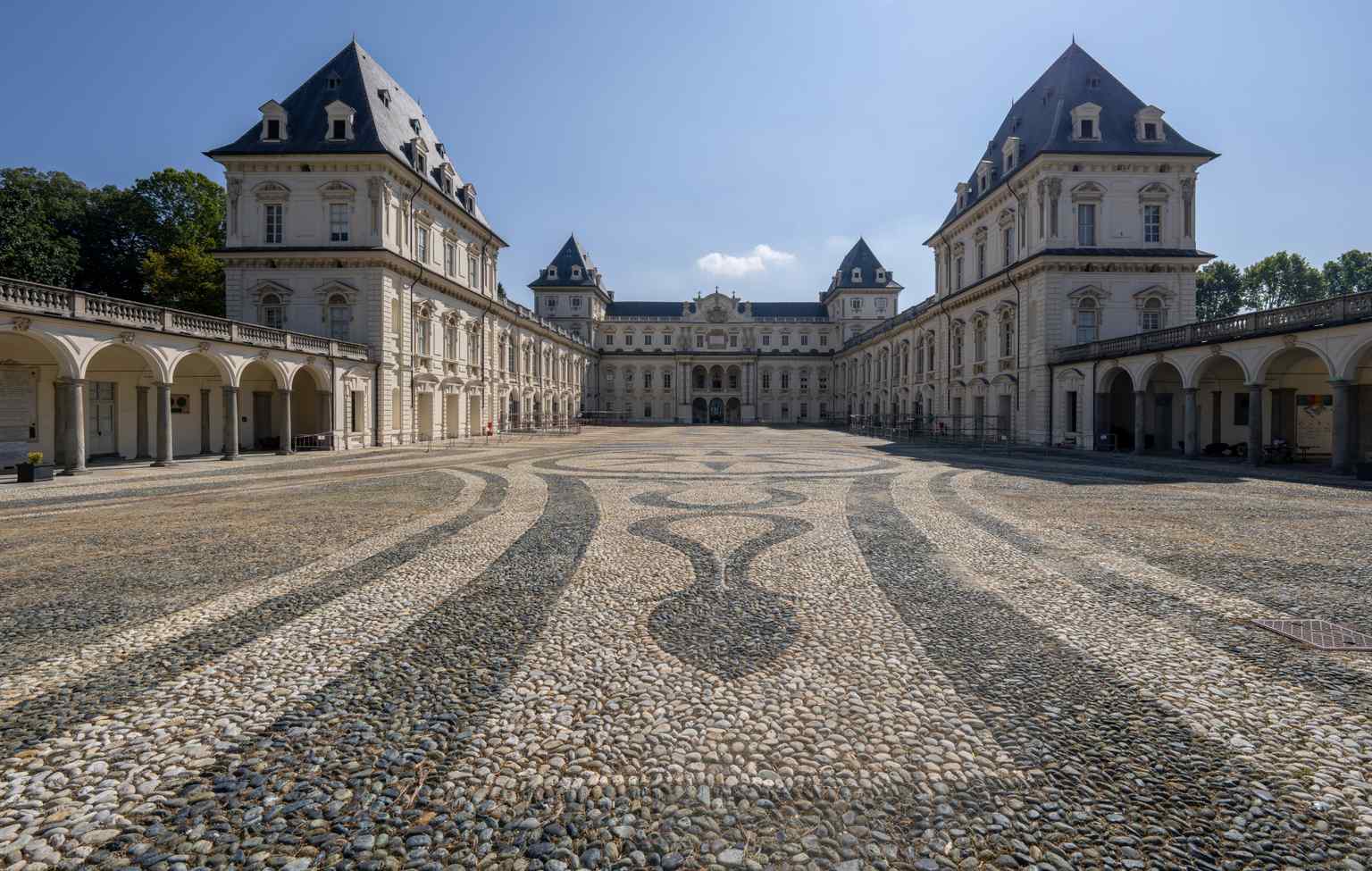
Today, it is a protected heritage site and a bustling home for university architecture students, open to visitors from 7:30 AM to 9:00 PM on weekdays, and 8:00 AM to 4:00 PM on Saturdays, though it is closed on Sundays. Let us continue our walk now, stepping just two minutes away into the wider green embrace of Valentino Park.






._Torino-_Castello_Del_Valentino%2C_Vista_Generale_Del_Cortile_Col_Moumento_053B10.jpg)


