
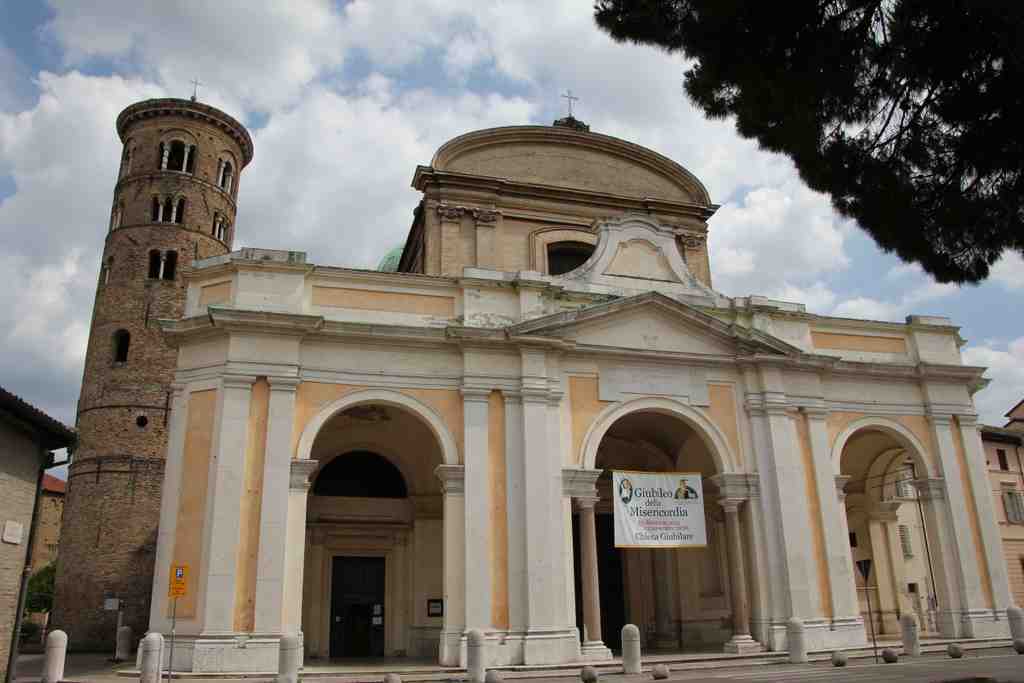
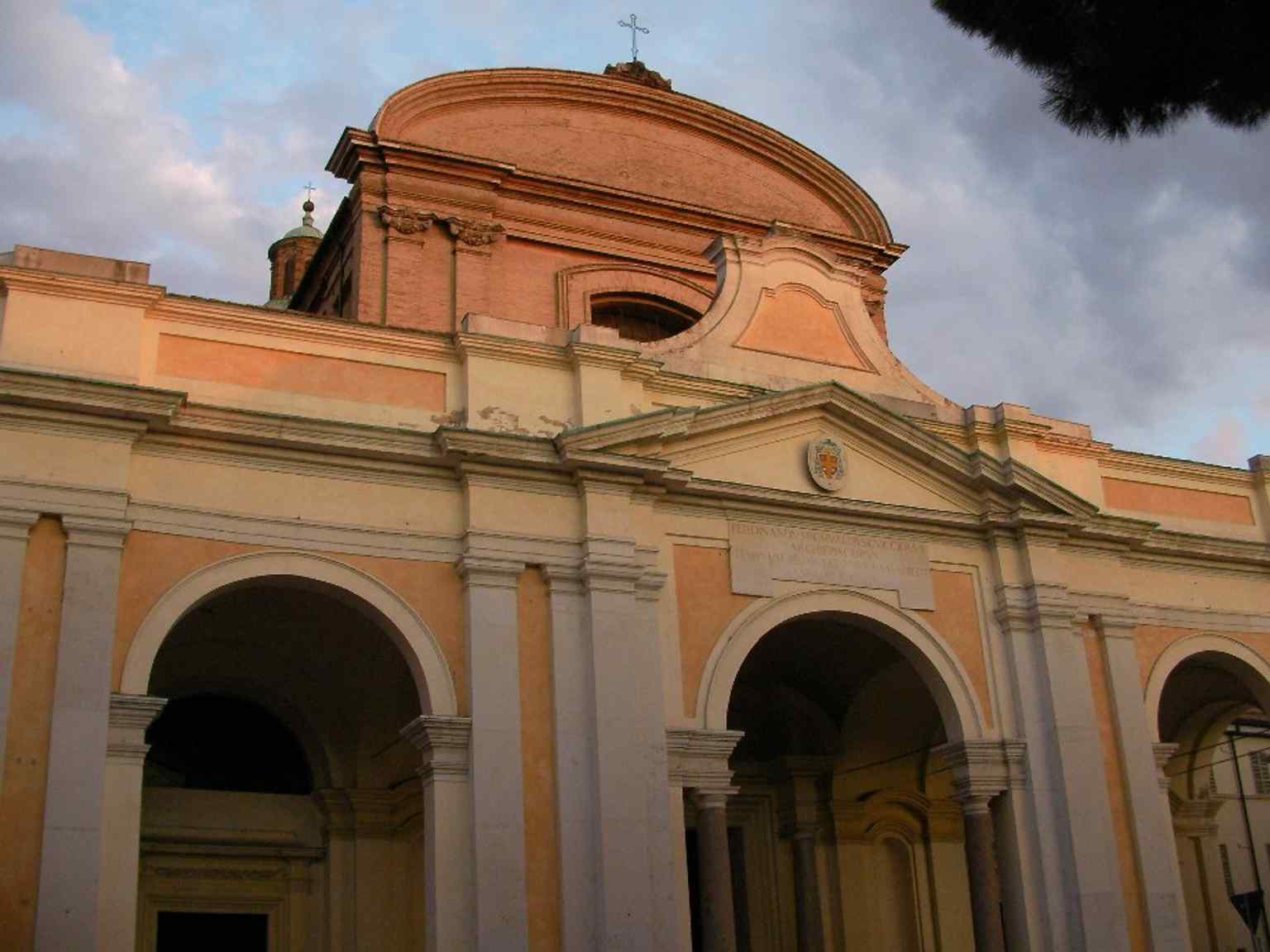
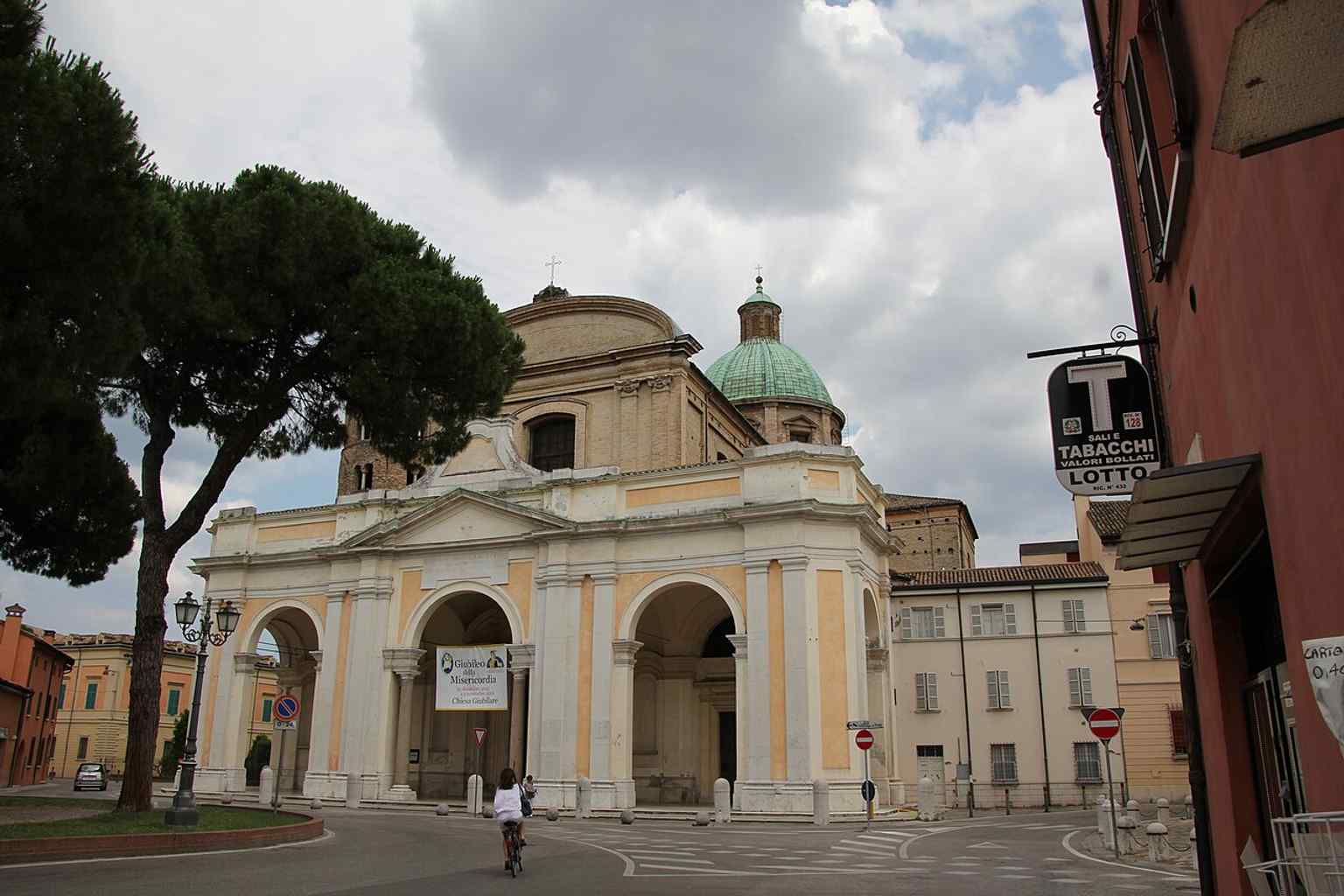
Look for the pale Baroque façade with its broad arched portico, the cylindrical brick bell tower rising just behind it, and the pair of pink granite columns at the central entrance.
This is Ravenna’s cathedral, dedicated to the Resurrection of Christ, and it stands in one of the city’s most charged pieces of ground. What you see is the eighteenth-century answer to a far older question: how should a capital pray? When the Western Roman court moved here from Milan in the early fifth century, Bishop Orso raised a vast new cathedral on this site to match the city’s new imperial status. He consecrated it on the third of April, four hundred and seven. People later called it the Basilica Ursiana, after him.
That lost church is one of Ravenna’s great ghosts. It stretched to roughly sixty metres by thirty-five, with five aisles and a great apse at the end, a building made for a city that had suddenly become imperial. Very little of it still shows itself. And yet it never truly left.
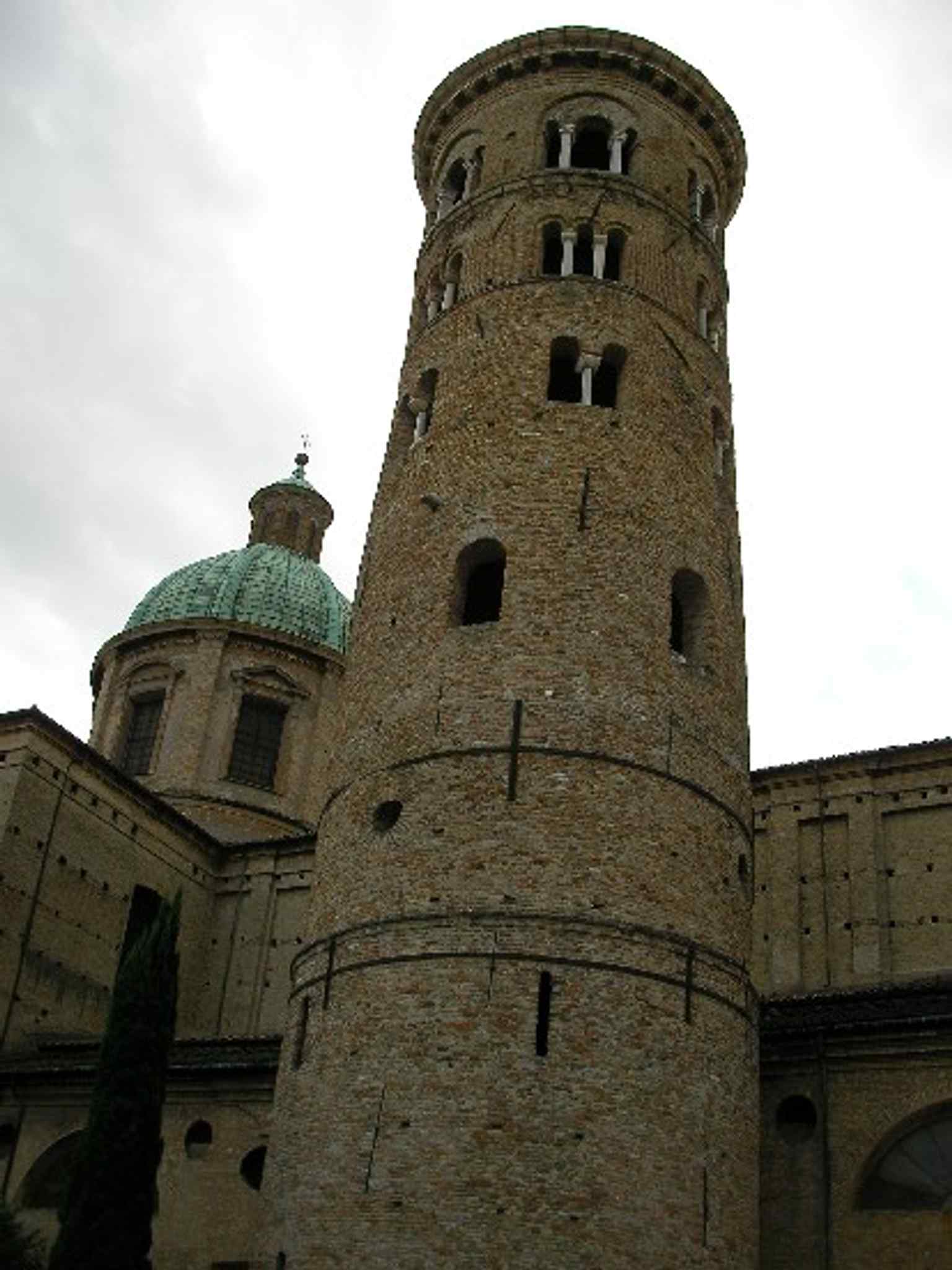
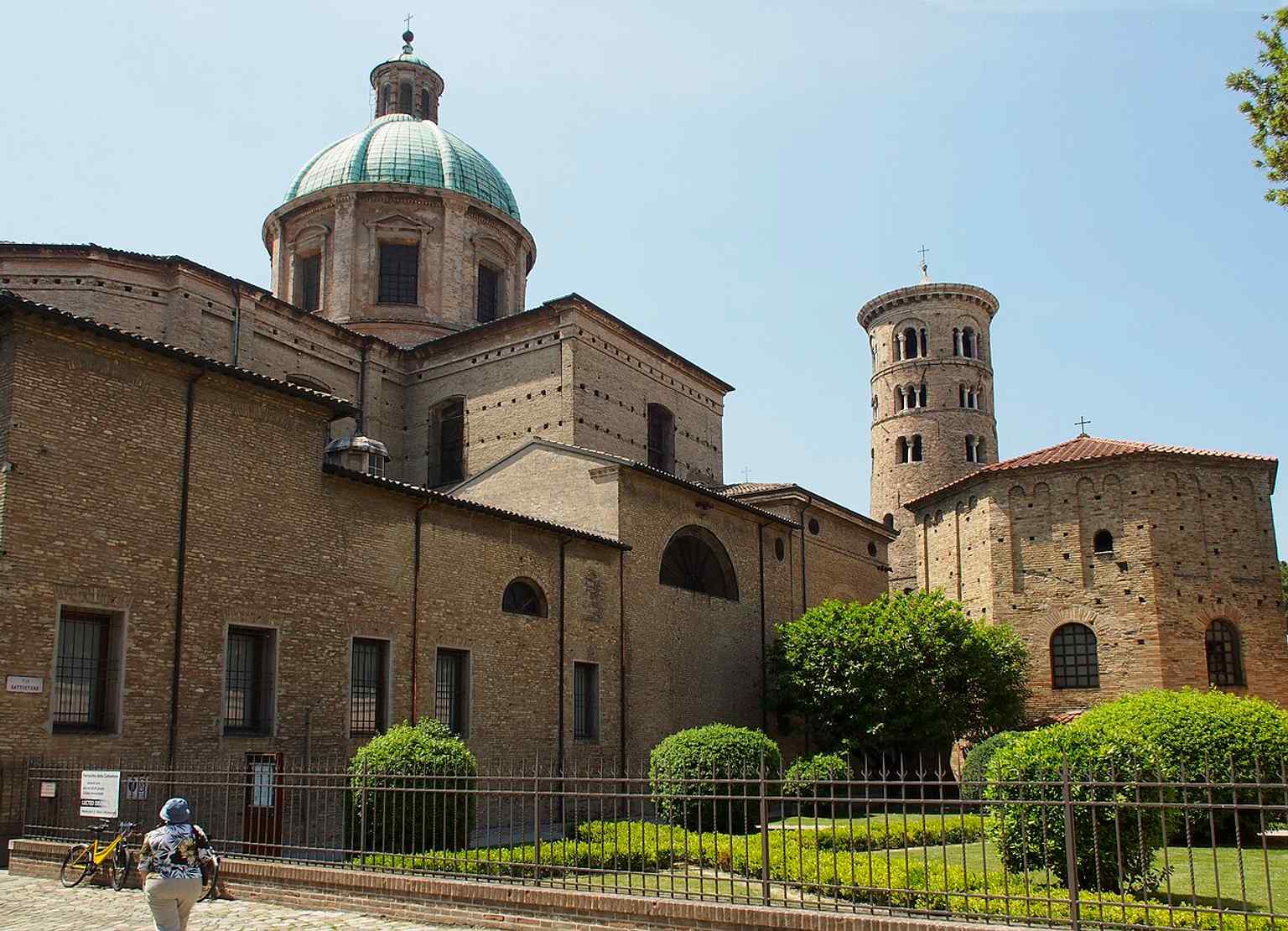
Pause for a moment and let your eyes travel from the ordered Baroque front to the round medieval tower. Then try to imagine a much larger basilica lying beneath this whole precinct, almost entirely gone, but still setting the terms of the place.
That is the legacy of the lost Basilica Ursiana: a vanished cathedral whose surviving scraps still hold Ravenna’s bishopric in place, like memory hidden under fresh plaster.
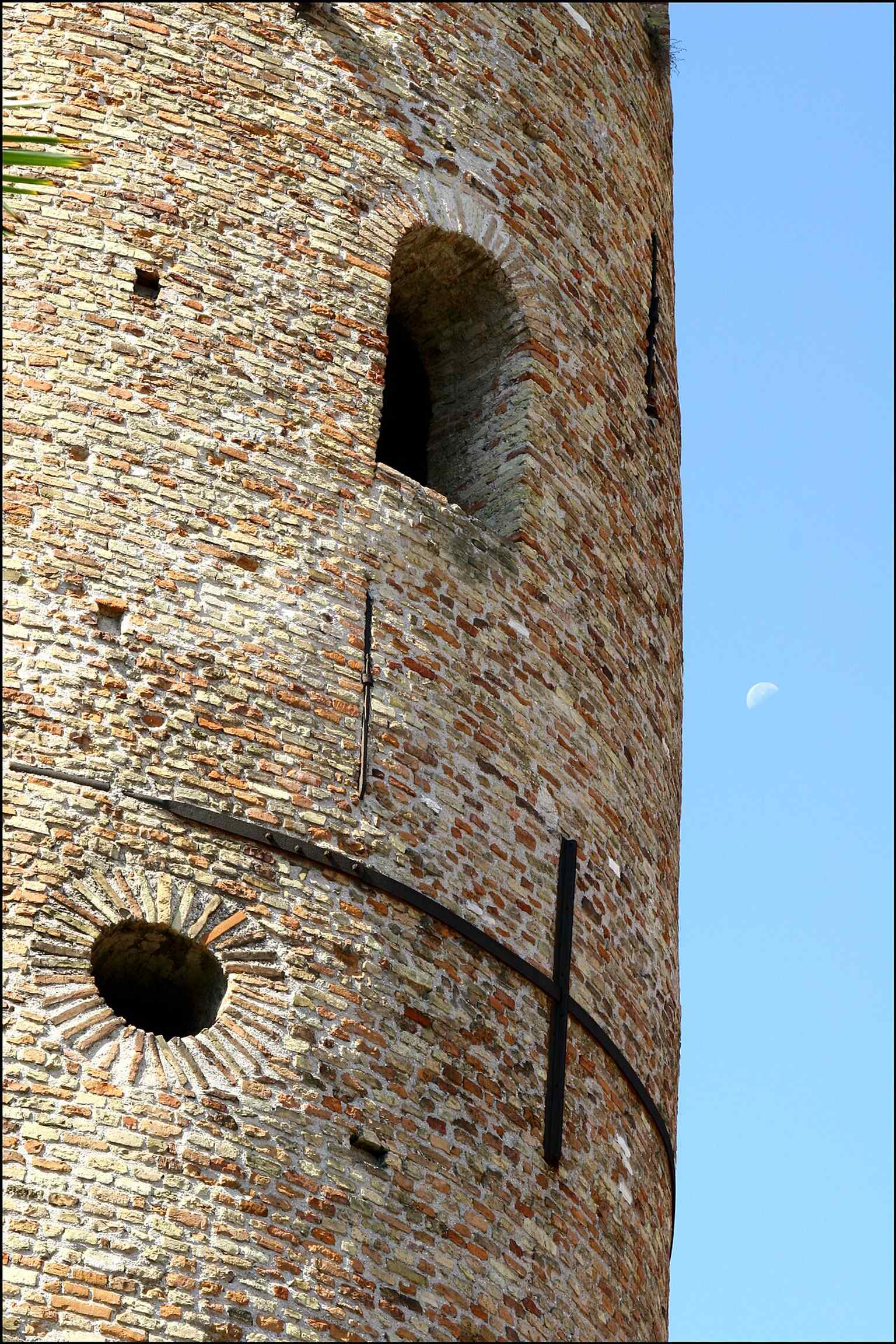
The tower beside you is one of the clearest survivors, begun in the tenth century. Even the façade confesses its debt to the old church. Those pink granite columns at the central opening came from Ursiana, and inside, the new builders set ancient marble shafts into the piers so the previous cathedral quite literally continues inside the present one. Some of the old marbles even returned in the floor, cut and reset into new patterns. If you glance at the image of the museum complex behind the cathedral, you are looking toward the place where fragments of Ursiana’s lost decoration still survive.
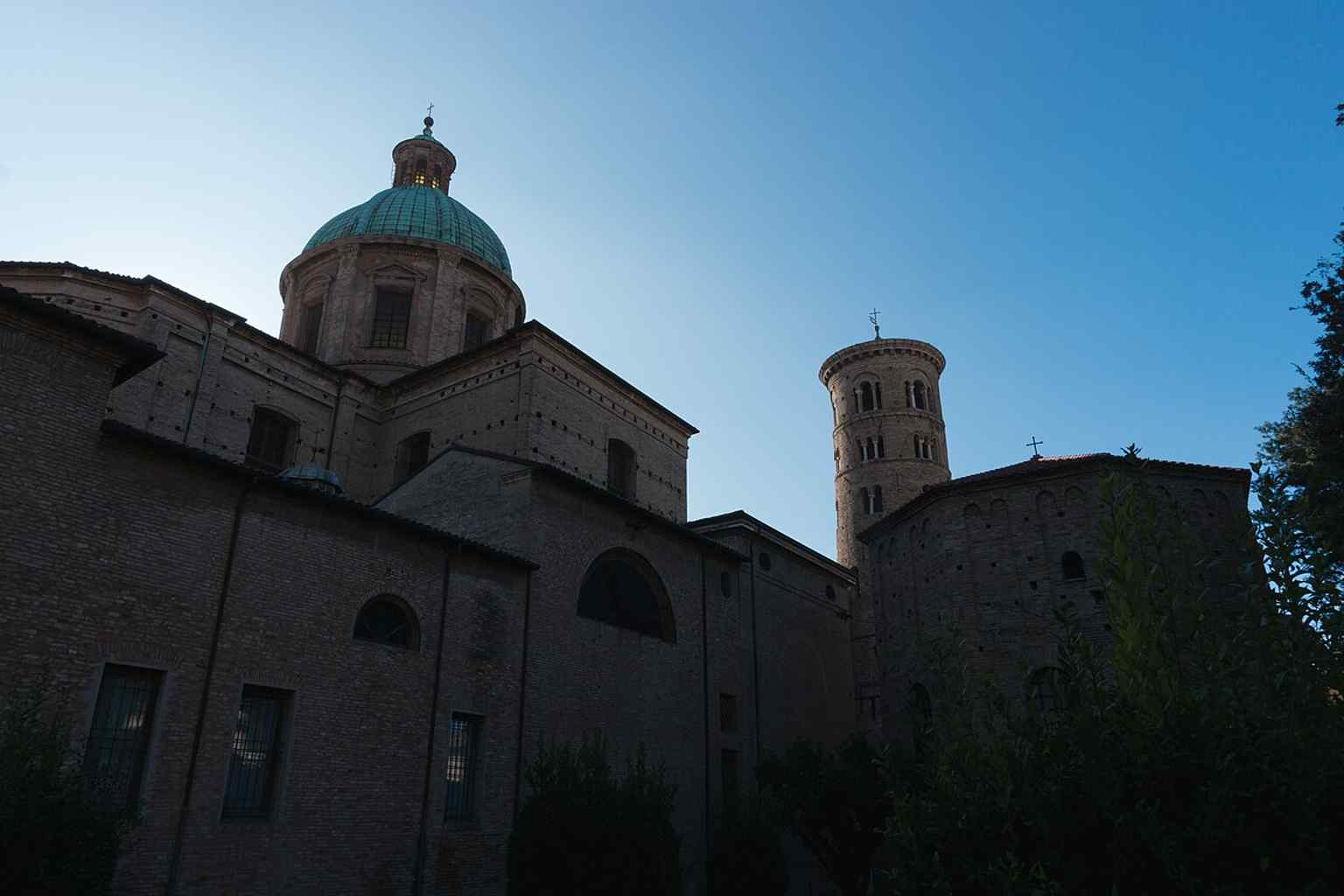
In the eighteenth century, Archbishop Maffeo Nicolò Farsetti decided Ravenna needed a modern cathedral. He hired Giovan Francesco Buonamici, laid the first stone in seventeen thirty-four, and swept away most of the ancient basilica. Not everyone applauded. Paolo Soratini, a Camaldolese monk and architect who had first worked with Buonamici, became one of the sharpest critics of the demolition. He thought Ravenna had traded an ancient inheritance for something too new, too flat, too ready to forget. He was blunt enough to make himself unpopular, which rather suggests he was seeing clearly.
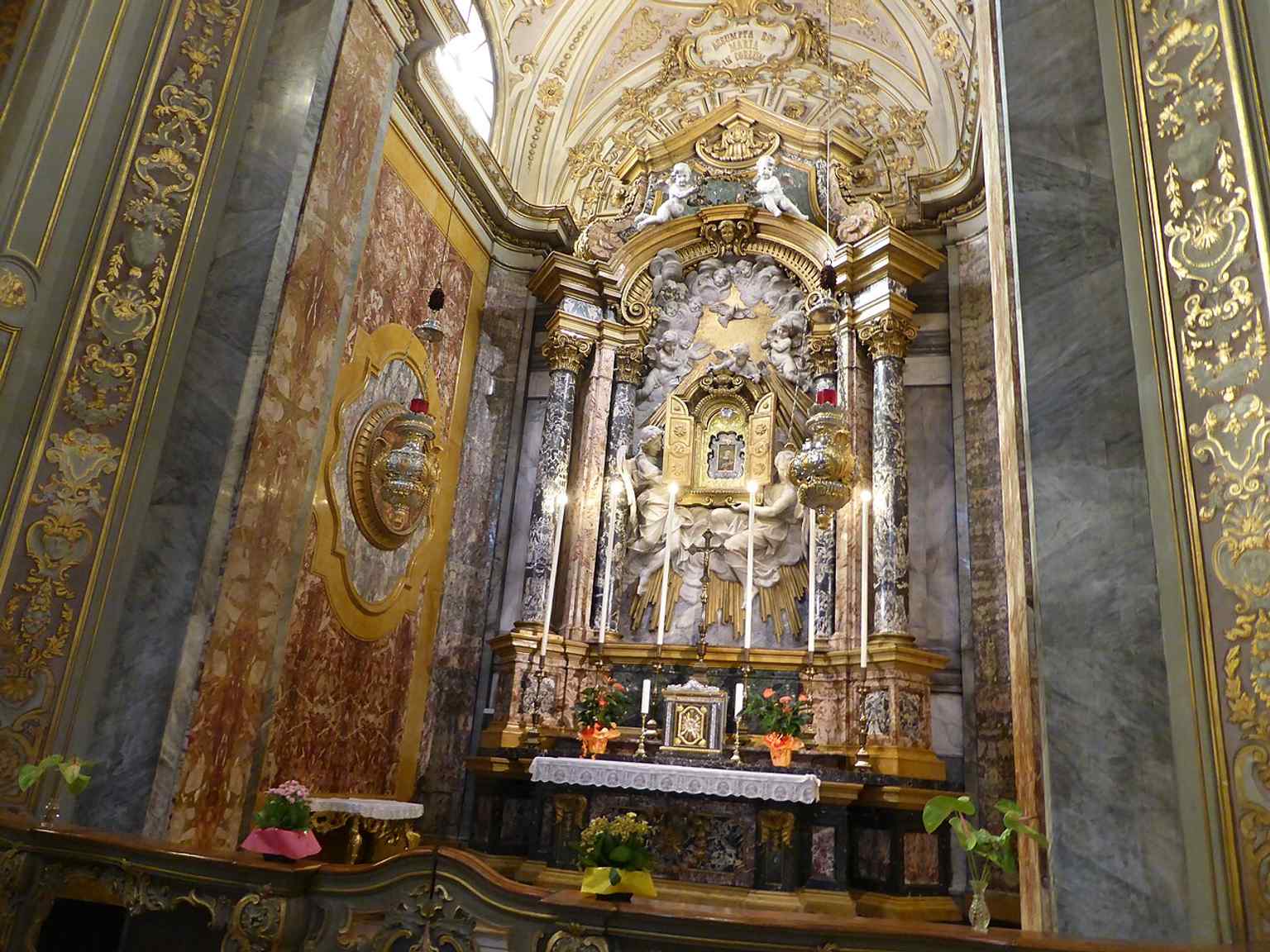
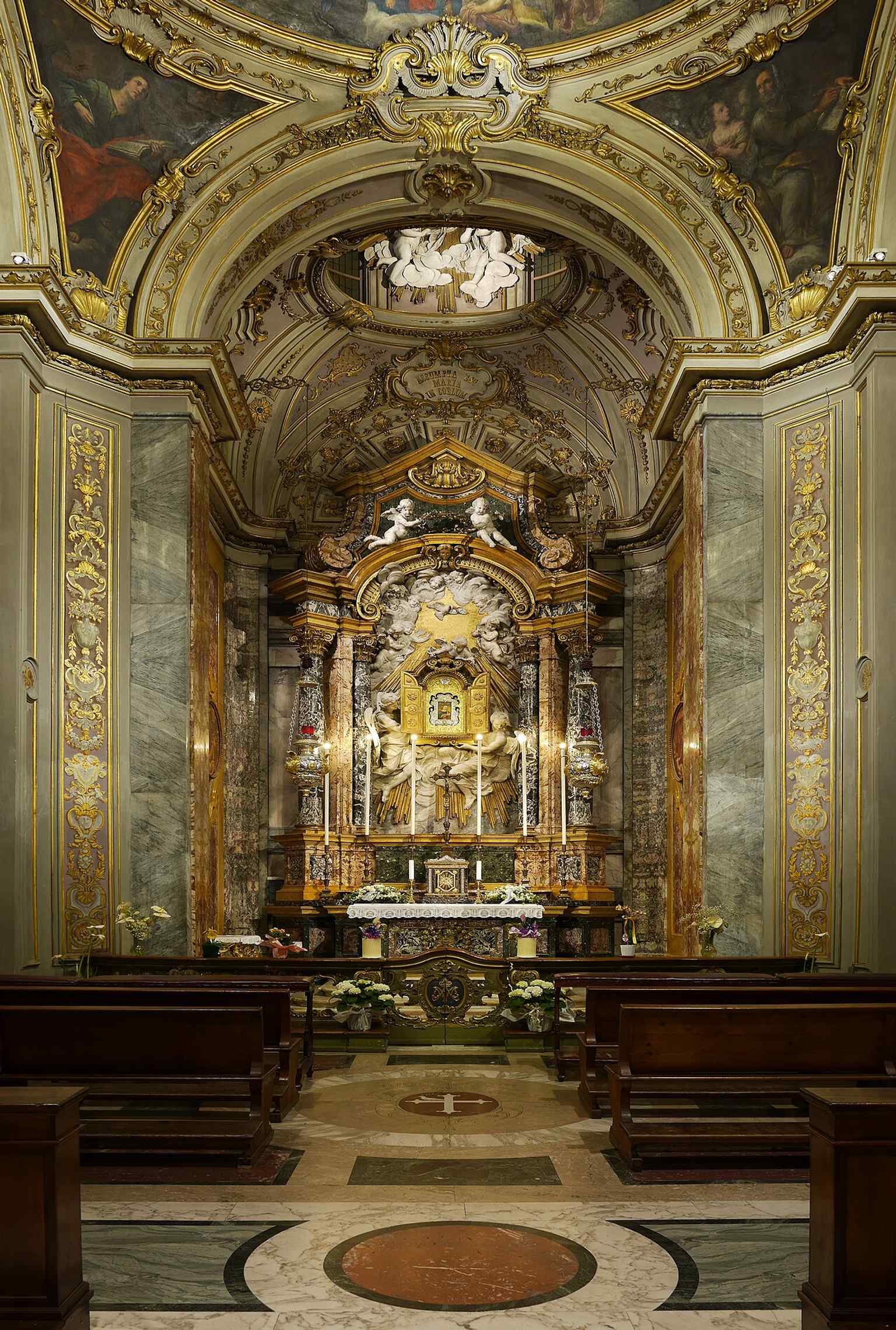
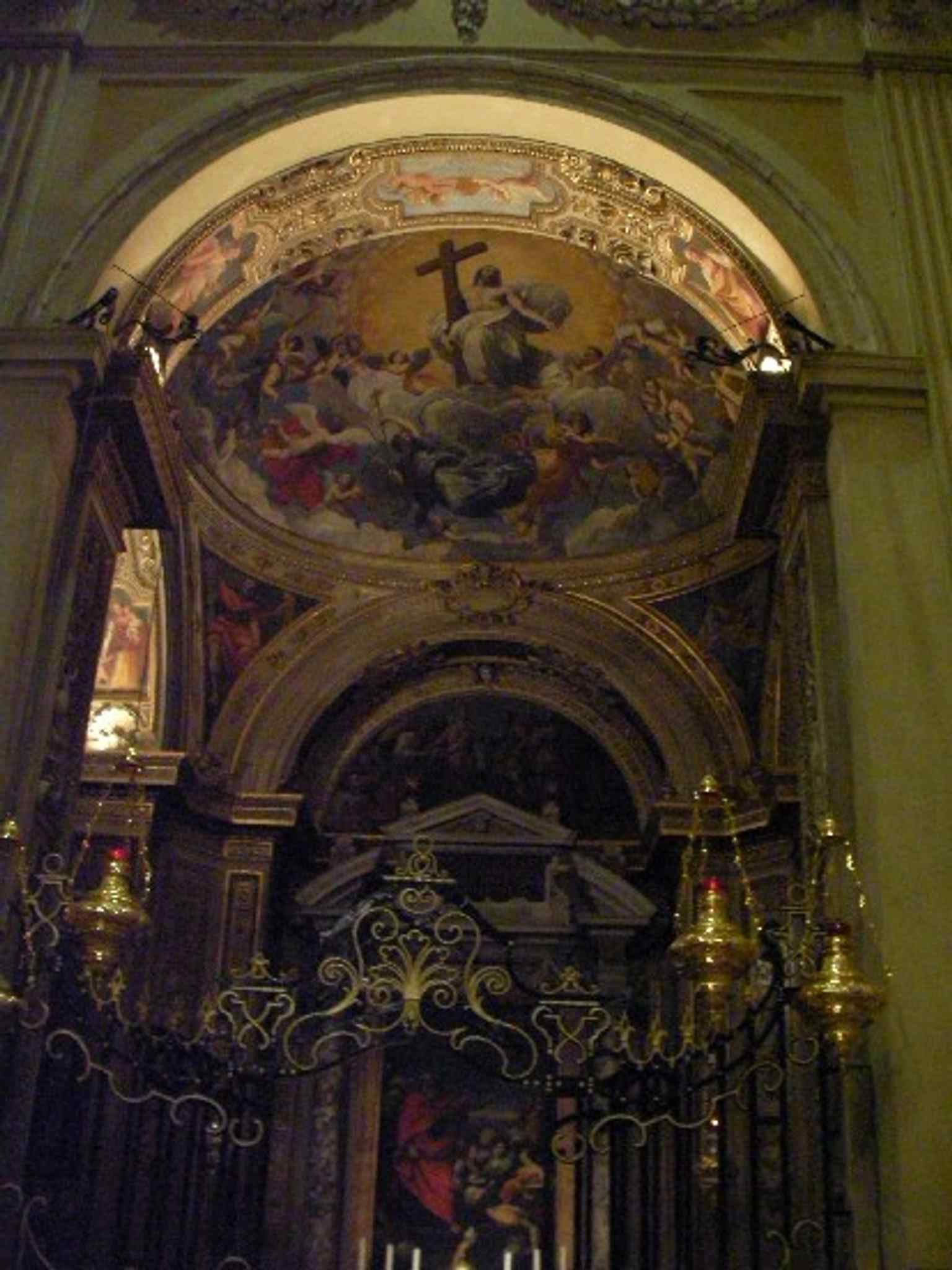
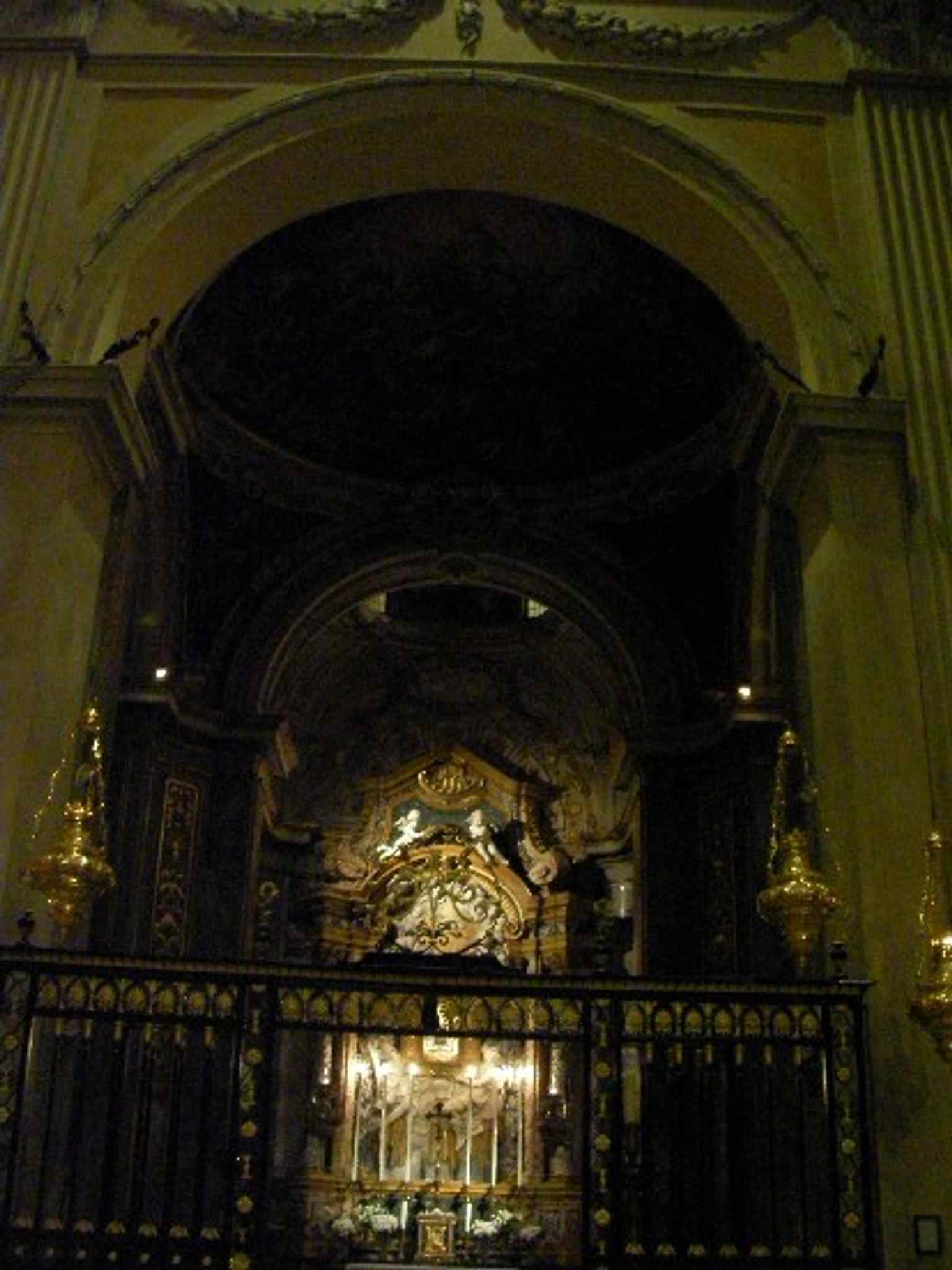
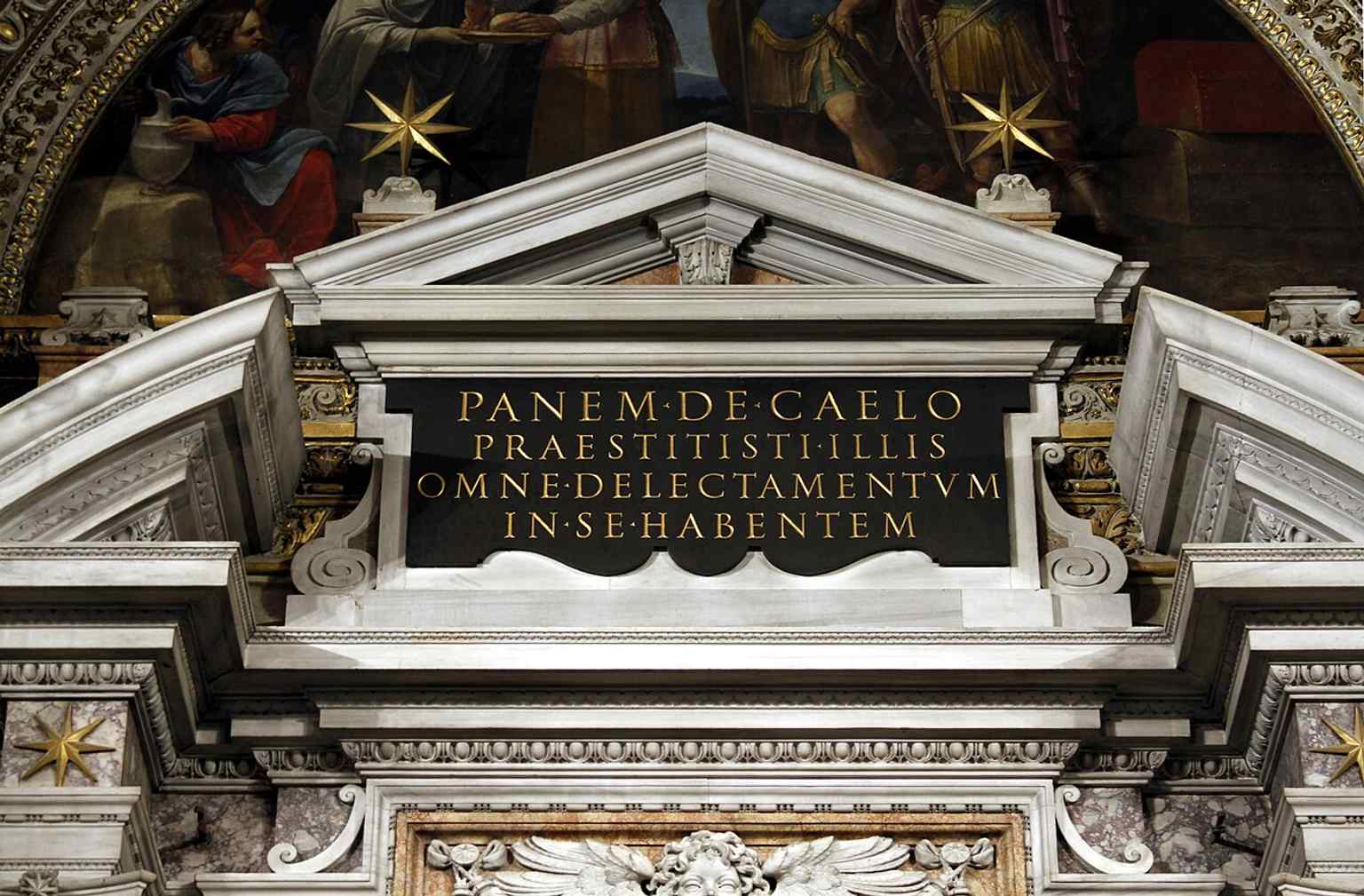
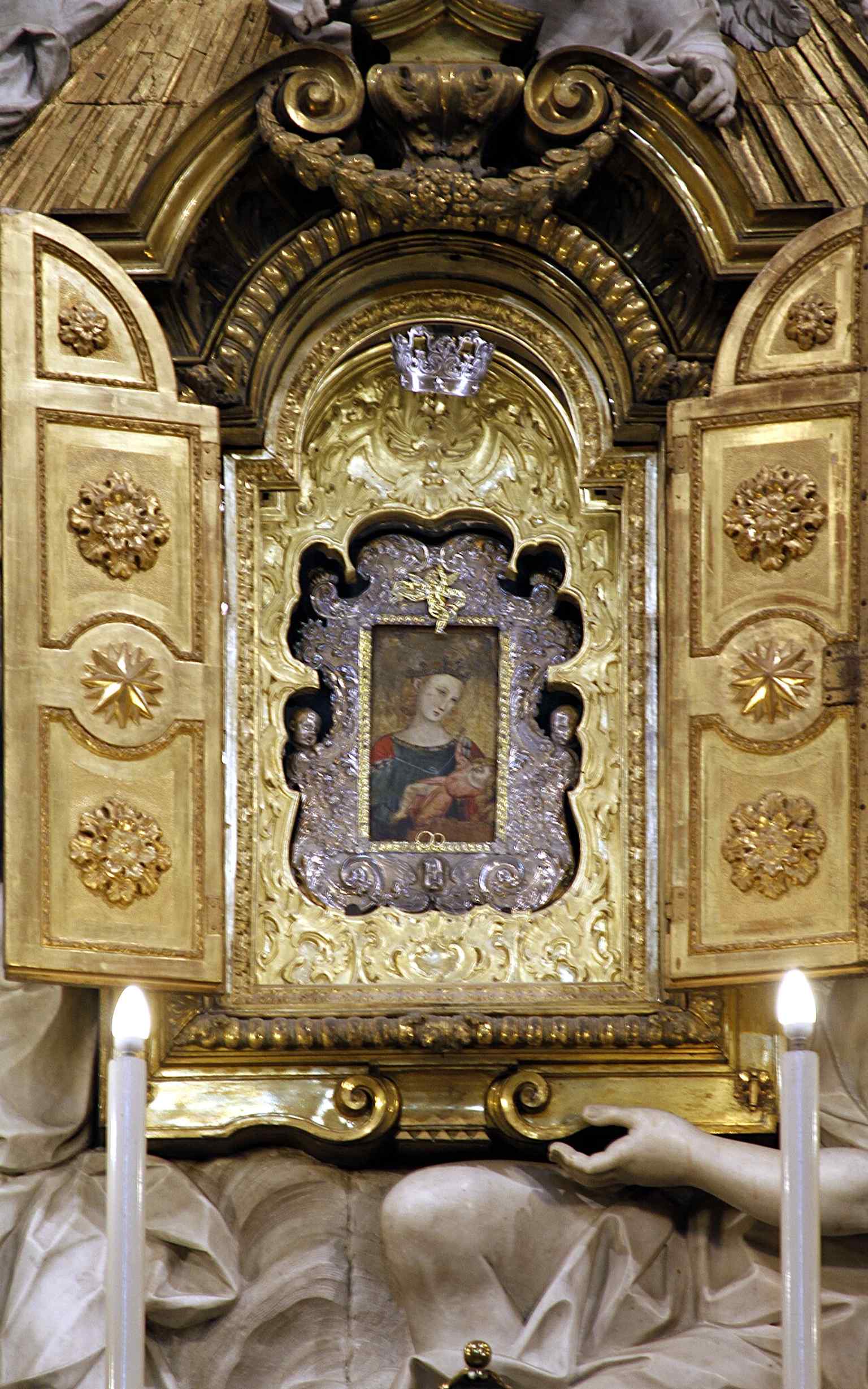
And still, the story refused to settle. Within a few decades the new church needed repairs, and later builders even replaced its first dome with the elliptical one above the crossing. Authority kept redrawing this sacred centre, from imperial bishops to Baroque archbishops. Yet older visions persisted: in the tower, in reused stone, in the museum fragments, in the devotion still alive inside, where chapels such as the Madonna del Sudore keep the cathedral from becoming a mere monument.
From here, power shifts costume. We leave episcopal grandeur and move toward aristocratic display at Palazzo Rasponi dalle Teste, only about a two-minute walk away. If you wish to step inside the cathedral later, it is generally open daily from seven thirty in the morning until five in the afternoon.






.jpg)


.jpg)


