
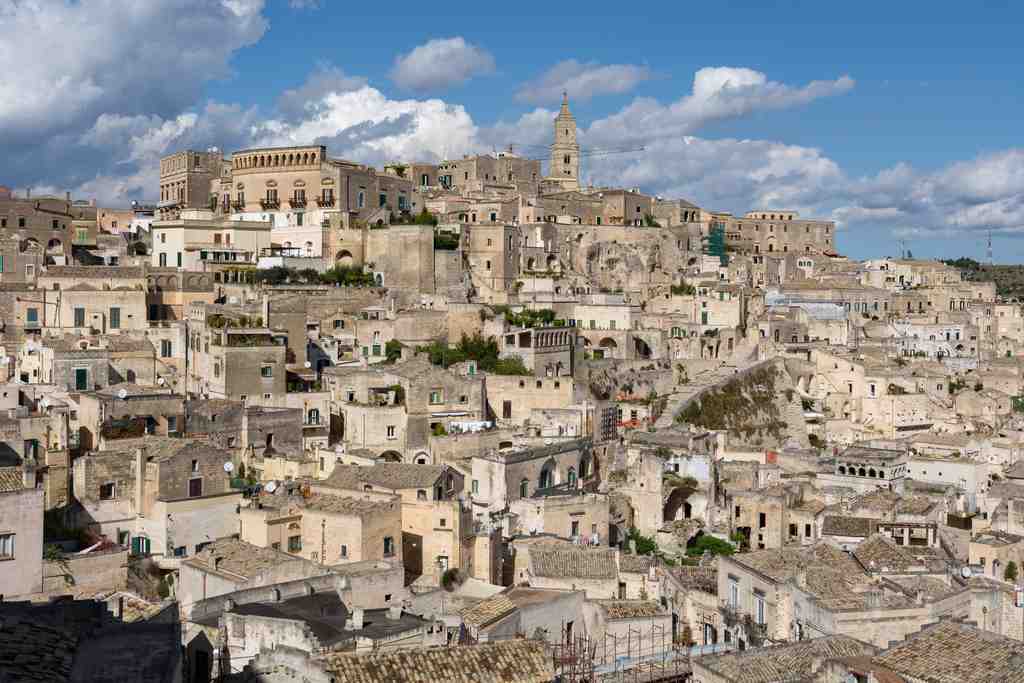
To spot the Palazzo Bernardini, look for the grand, light-colored palace with arched windows and a stately elegance perched high up in the sea of stone buildings dominating the skyline above Sasso Caveoso-it's one of the most distinguished, regal structures you’ll see.
Now, let’s take you on a little journey through time right here in front of Palazzo Bernardini. Imagine the comings and goings of aristocrats, whispers of secret inheritances, and a few golden ducats shuffled under candlelight. This isn’t just any stately home-this palace has been the beating heart of Matera’s noble life for centuries, known not only as Palazzo Bernardini, but with a parade of names to match its colorful past: Palazzo Ferraù, or even Giudicepietro depending on which family crest was hanging at the door.
Originally, this grand building belonged to the Ulmo family, but fate, love, and a strong dowry intervened. Beatrice Ulmo, clever as ever, brought it into the hands of Giambattista Ferraù. Thanks to a distant uncle with a suspiciously deep wallet-don Antonio Tarsia-Ferraù and his wife inherited a fortune of eighty thousand ducats, helping to raise their status to one of Matera’s nine most powerful families in 1592. And as with all good families, there was intrigue: entries and exits switched locations depending on taste or perhaps a little gossip, especially after the local government set up house next door in 1759.
When it came to impressing his wife, Giambattista’s son, Giuseppe, didn’t just buy flowers-he decked out entire rooms in luscious white and gold stucco, with mythological scenes painted above the doors. The palace became a stage for opulence and drama, especially in 1806 when King Joseph Bonaparte himself came to town. What better excuse for a royal ball? The entrance was moved to the grand piazza, the music echoed from high-ceilinged rooms adorned with Murano glass chandeliers and delicate mirrors, and the family’s best damask chairs were put to the test by Matera’s dancing nobles.
Art lovers, listen up: inside those walls, mythological figures parade through paintings, and even today you’ll find echoes of ancient Rome, with color palettes inspired by the archaeological wonders of Pompeii and Herculaneum. The palace changed hands-eventually landing with the Bernardini family after more than a few passionate marriages and strategic sales-and today, it’s still a treasure chest of Matera’s golden age. If these stones could talk, they’d certainly have a few spicy stories to share about love, power, and a party or two that lasted until sunrise. Shall we move on, or do you need a moment to recover from all that imagined dancing?




