
To spot the Church of the Trinity of the Pilgrims, look for a small, simple stone building with a squared-off front, a triangular pediment above the main door, and two vertical stone strips topped with decorative capitals framing the entrance.
Now, as you stand right outside this humble gem, let’s step into a place where the clock seems to tick in reverse. Picture Lecce at the end of the 1500s-dust swirling through narrow stone streets, and weary travelers arriving at the Ospedale dei Pellegrini, hoping for rest and a bit of kindness. Built in 1589 because a generous man named Achille Marescallo wanted to help those on pilgrimages, this spot quickly became a center of compassion thanks to the Brotherhood of the Holy Trinity of the Pilgrims. Imagine monks in simple robes bustling inside, offering aid and comfort against the backdrop of stone walls and candlelight, their footsteps echoing in the single, long nave.
But the story doesn’t stop with travelers and charity. As the centuries rolled on, the hospital’s job faded away. By the time the 1800s rolled in, the hospital had closed-no more bandages or soup, and the building began its next act as a regular city palace. The brotherhood passed the torch to another group, the Confraternity of the Name of God, and the nickname “del Bambino” was born. Why? Look up, and you might spot a little crowned baby Jesus perched above the old prior’s staff, like a divine game of hide-and-seek.
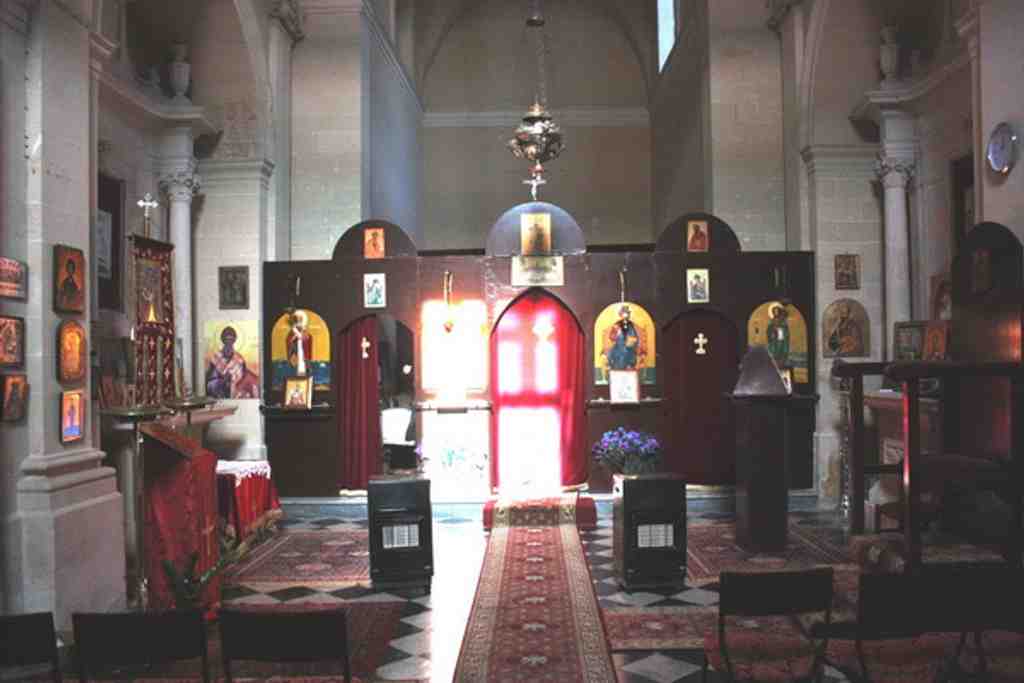
Step inside and you'll see how compact and tidy the church feels-three bays split by flat columns, the sunlight sneaking through a simple rectangular window. The hospital upstairs even had a loft so someone could peer down at the service below, perhaps tossing in a prayer (or a yawn, let’s be honest). Today, though much of the original decoration is gone, the gorgeous late Baroque altars carved from Lecce’s famous pale stone still remain, standing quietly on either side, waiting for stories of their own.
Nowadays, it’s called the Church of San Nicola, and serves Lecce’s Orthodox community, keeping the spirit of welcome alive. If these walls could talk, they’d tell tales of tired pilgrims, dedicated caretakers, and centuries of transformation-living proof that even the most modest façades hide layers of mystery and heart. And hey, if a little crowned baby Jesus could pop up here, who knows what else you might spot in Lecce? Keep your eyes-and your curiosity-wide open!




