
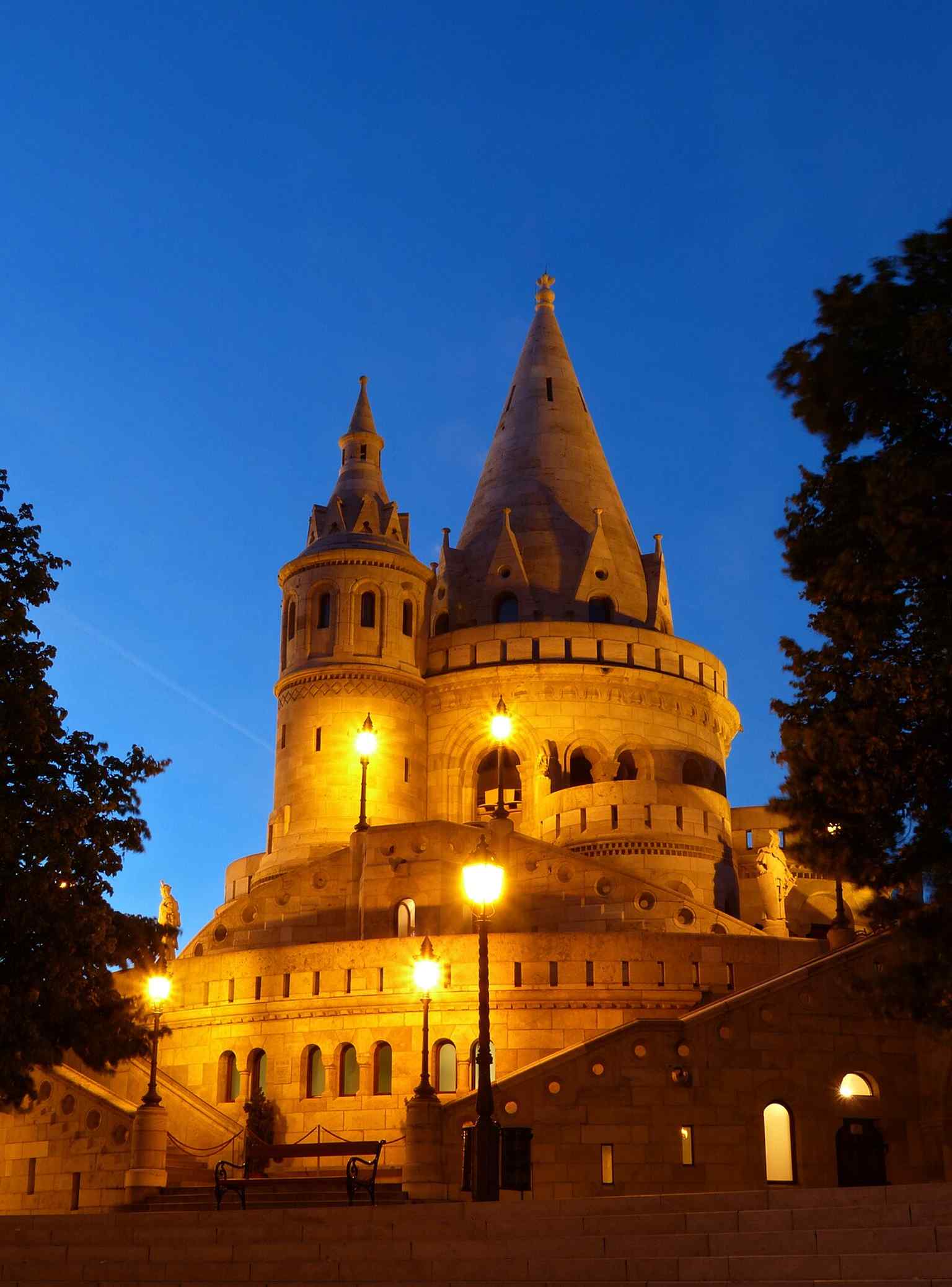
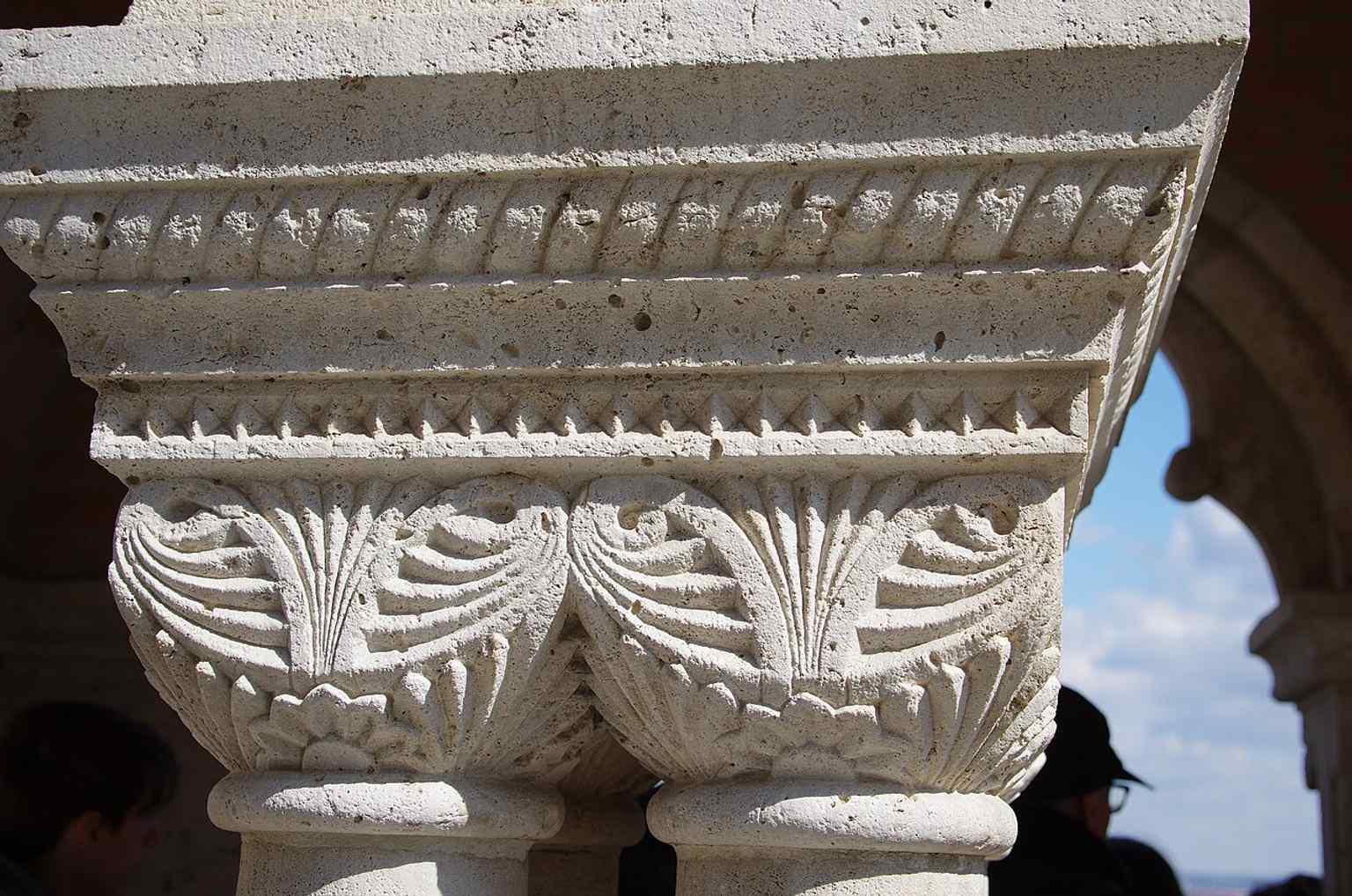
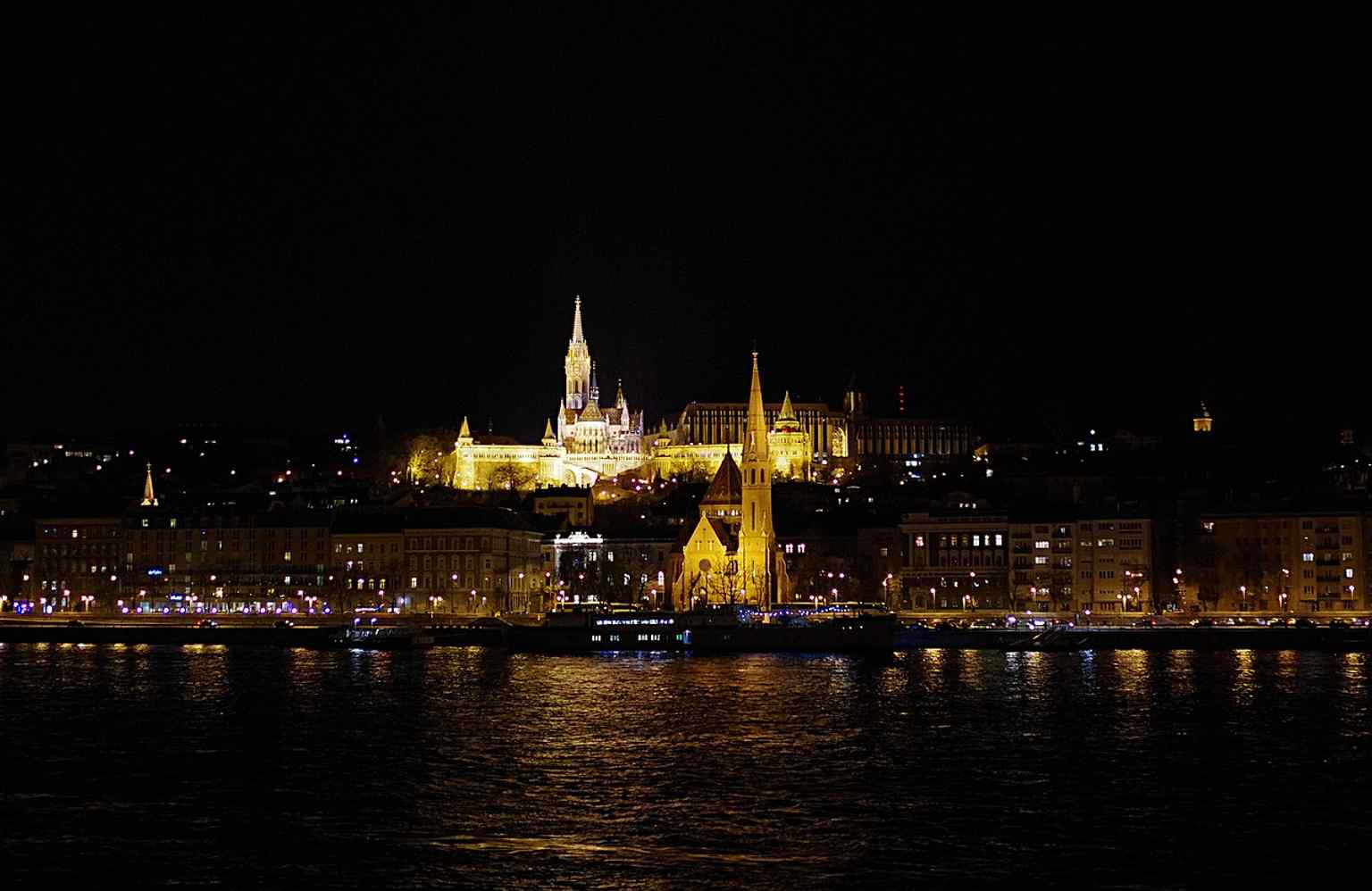
On your left is a sprawling structure of pale stone, defined by its grand sweeping staircases and distinctive, cone-shaped towers. This is Fisherman's Bastion.
It looks like something plucked straight out of a fairy tale. Built between 1895 and 1902 by the architect Frigyes Schulek, its seven towering stone peaks symbolize the seven chieftains of the Magyars who settled this land back in 895. But do not let the whimsical exterior fool you. Beneath this romanticized surface lies a much darker history. For centuries, persistent legends have spoken of a subterranean Buda, a hidden network of secret passages woven directly beneath and behind these very walls. Officially, historians say this stretch was guarded by the medieval guild of fishermen, but local lore claims these tunnels were used by those same fishermen to smuggle their catches into the castle market unseen. A darker version of the tale insists the hidden route was an attempted, and ultimately failed, escape path for a doomed royal brother right before his execution in 1457.
Whether folklore or fact, the earth here does hold secrets. When Schulek was digging the foundations for this bastion in 1899, he stumbled into a grim discovery... a massive hidden cavity packed with human skull fragments and intact skeletons. He initially thought he had uncovered a medieval dungeon, and he actually redesigned his plans to build around and protect the hollow space. It wasn't until decades later that experts realized he had accidentally found the lost Saint Michael's Chapel, an underground cemetery chapel from the fourteen hundreds.
And uncovering the past here has always been dangerous work. After the bastion was heavily damaged in the Second World War, the task of restoring it fell to Schulek's own son, János. But before János could lay a single stone, firefighters had to sweep the grounds centimeter by centimeter to clear unexploded mines left behind by retreating armies.
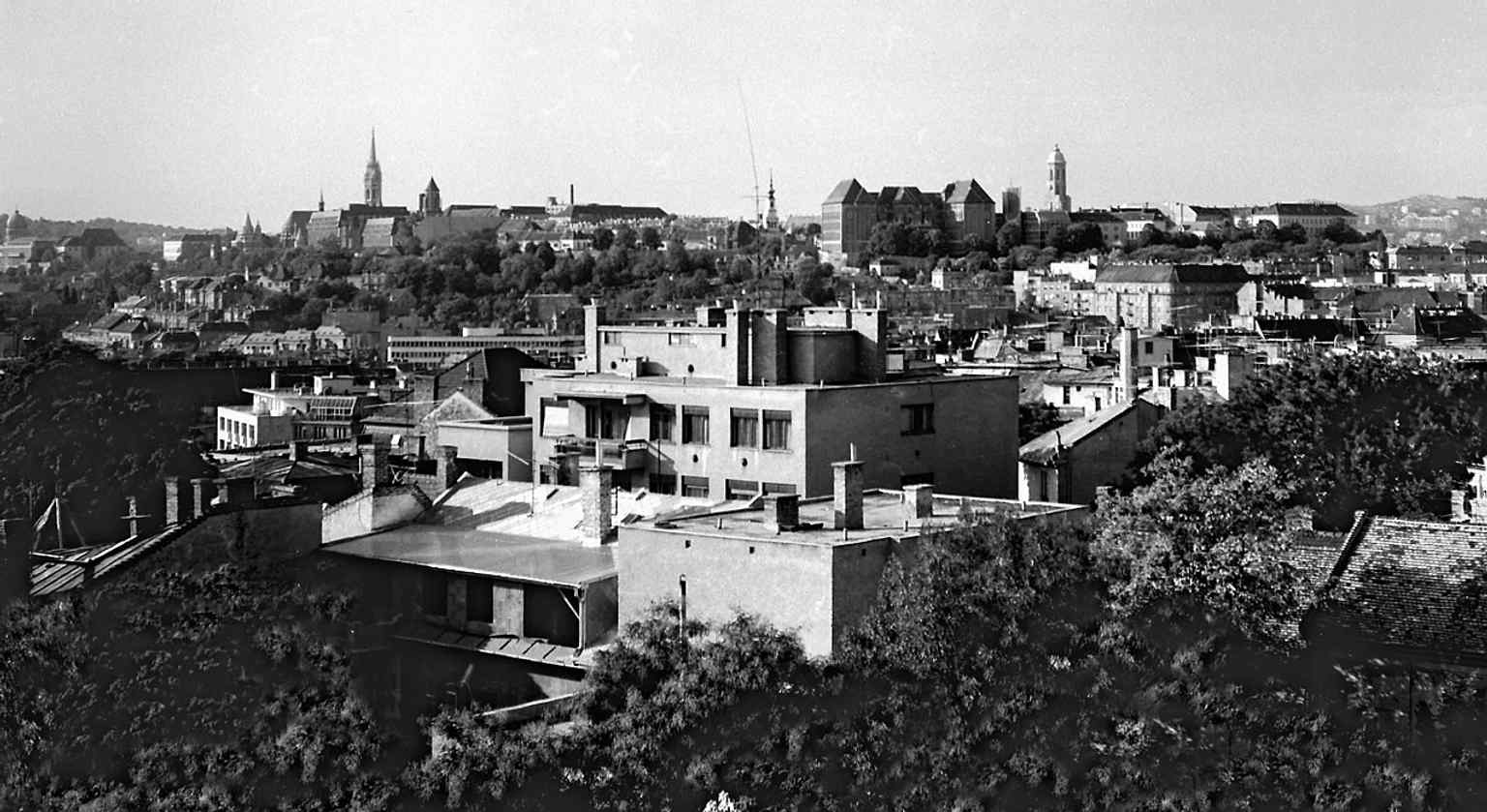
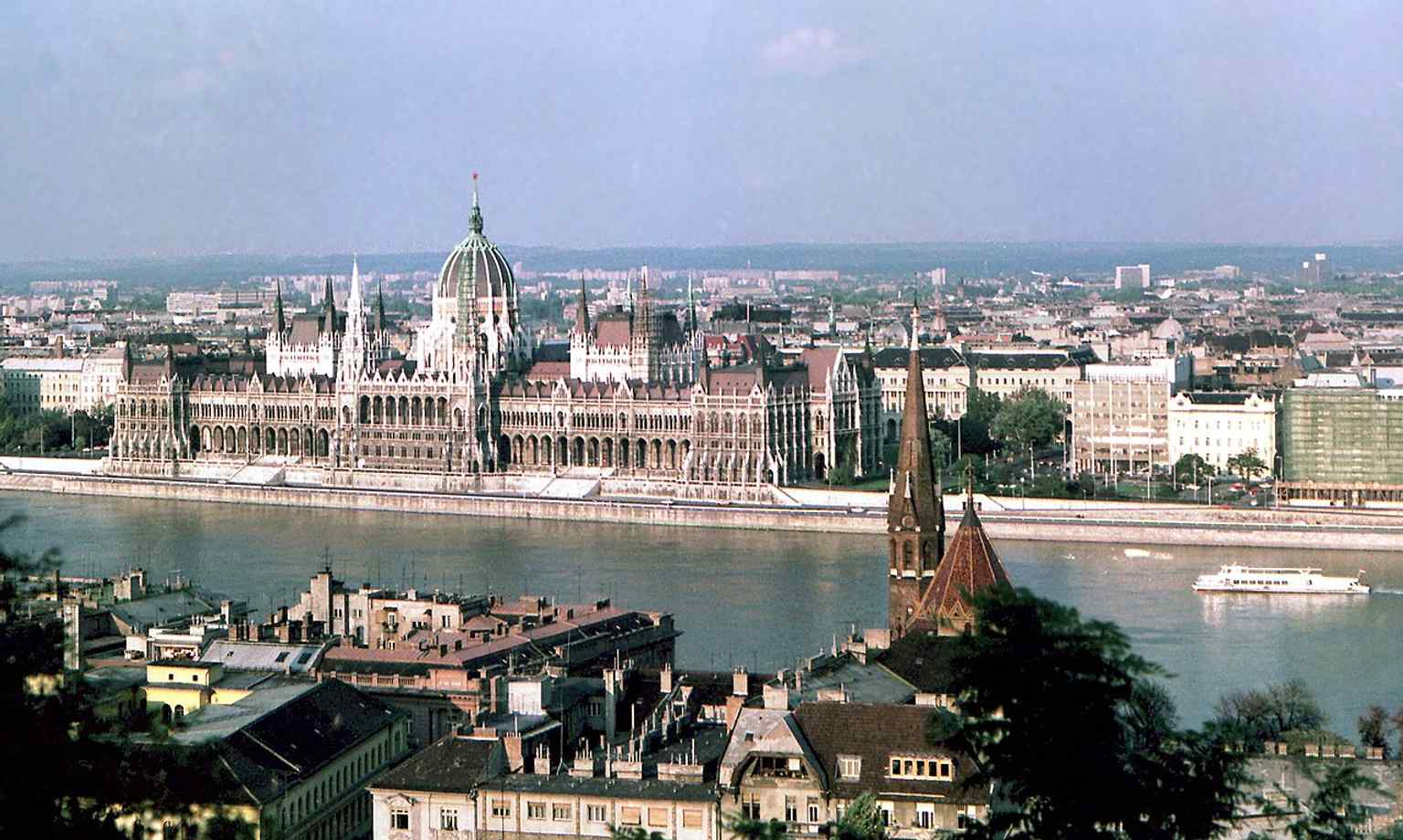
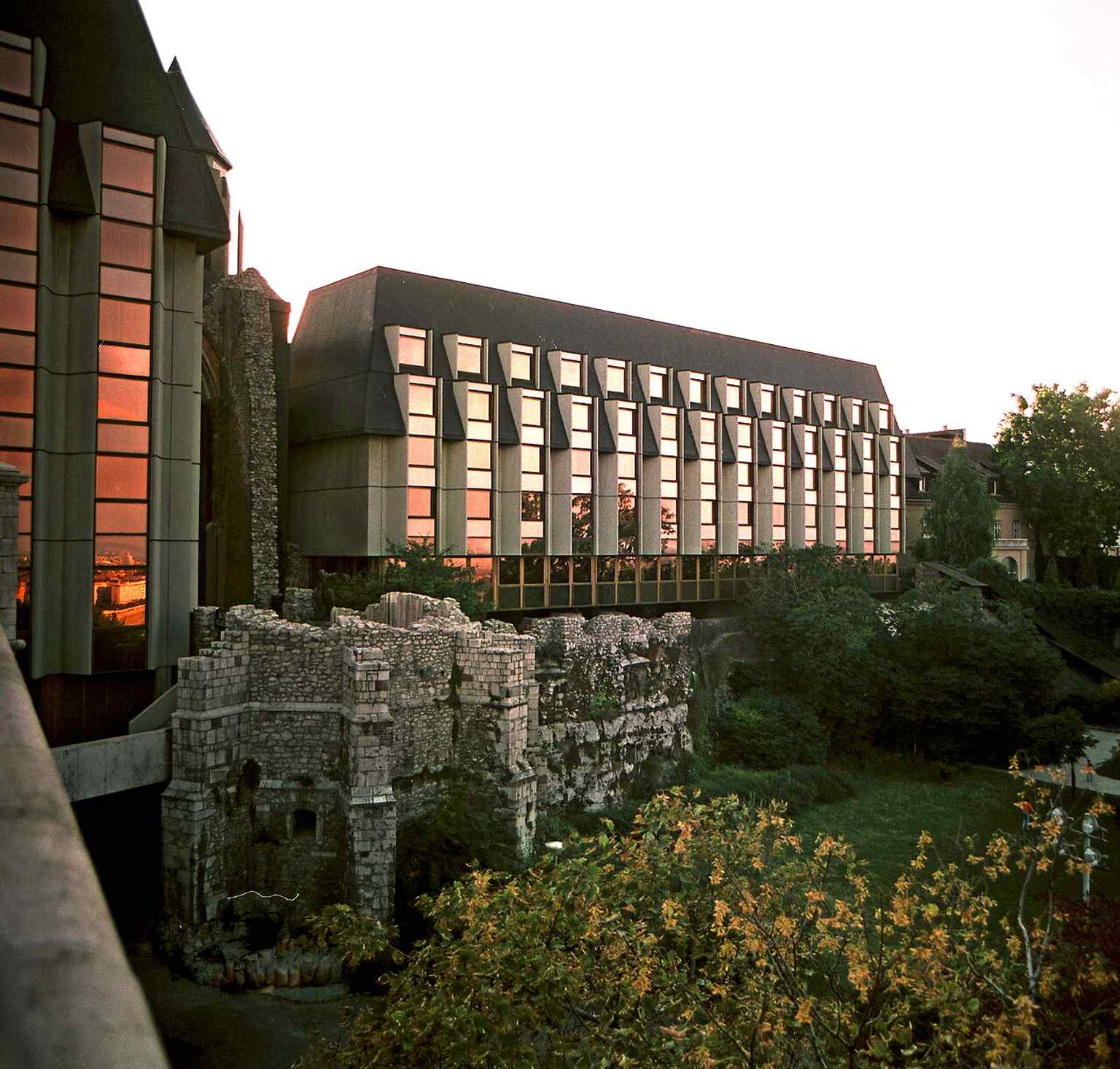
Creating this perfect, panoramic view also came at a severe architectural cost. Schulek's intense foundation work accidentally destabilized the neighboring thirteenth-century church of the Dominican Order. It was a structure that had survived countless medieval sieges, but it simply could not survive nineteenth-century urban planning. Take a look at your screen to see what that magnificent lost church looked like before it had to be pulled down. You can also check out the before and after view on your app to see how this dramatic overlook has anchored the hill over the last century.
Take a moment to look closely at the sprawling walls of the bastion, which happens to be open twenty-four hours a day. Can you imagine the hidden subterranean passages supposedly woven right behind those pale stones?
When you are ready, keep a close eye on the ground beneath your feet as we move on to our next stop, the Old Buda Town Hall, just a three-minute walk away.






%20Stadtansicht%20mit%20Parlament.jpg)
%20mit%20Kettenbr%C3%BCcke.jpg)
%20Hilton%20auf%20der%20Fischerbastei.jpg)