
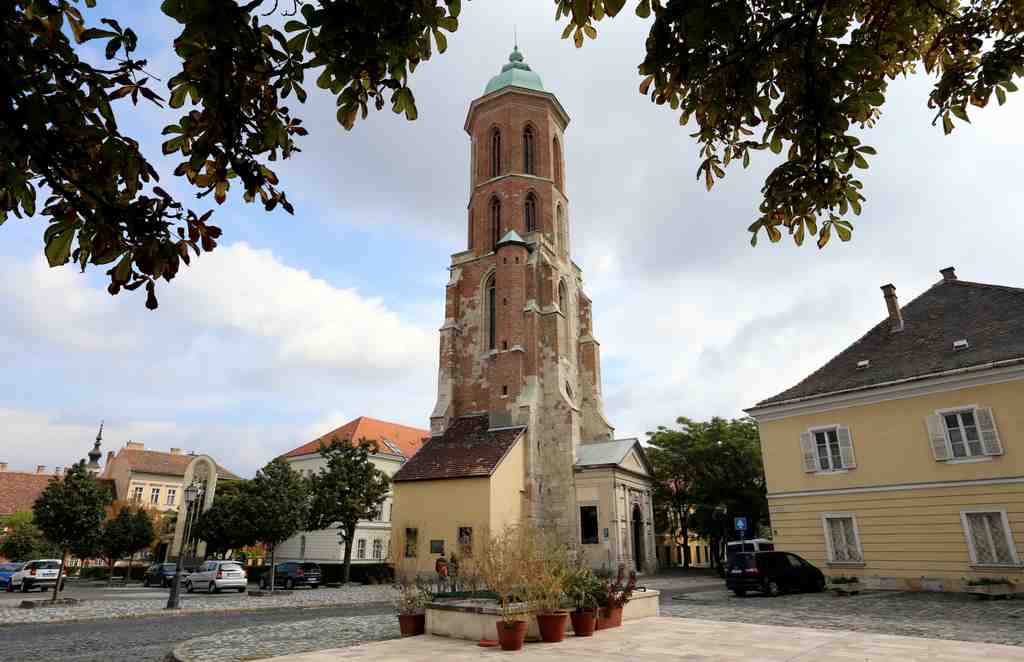
On your left stands the Mary Magdalene Church, recognizable by its tall, multi-tiered tower of exposed brick and stone, topped with a distinctive green bell-shaped dome and fronted by a small classical portico.
What you are looking at is merely a fragment, a lone structure reaching into the sky that masks a much deeper, buried history of stubborn endurance. When the vast Ottoman forces swept through Buda in the sixteenth century, their sheer dominance was absolute, systematically replacing the local culture and skyline with their own imperial administration. Yet, by some miracle, this specific church survived the initial wave of confiscations.
It became an unprecedented act of cultural survival, serving as the sole functioning Christian sanctuary in the entire Castle District. Necessity forced a remarkable compromise in this single building. Catholics celebrated mass in the sanctuary, the enclosed holy area around the main altar, while Protestants simultaneously held their services in the nave, the expansive central hall of the church. They shared the space peacefully, their overlapping hymns rising to the rafters in a desperate bid to preserve their faith.
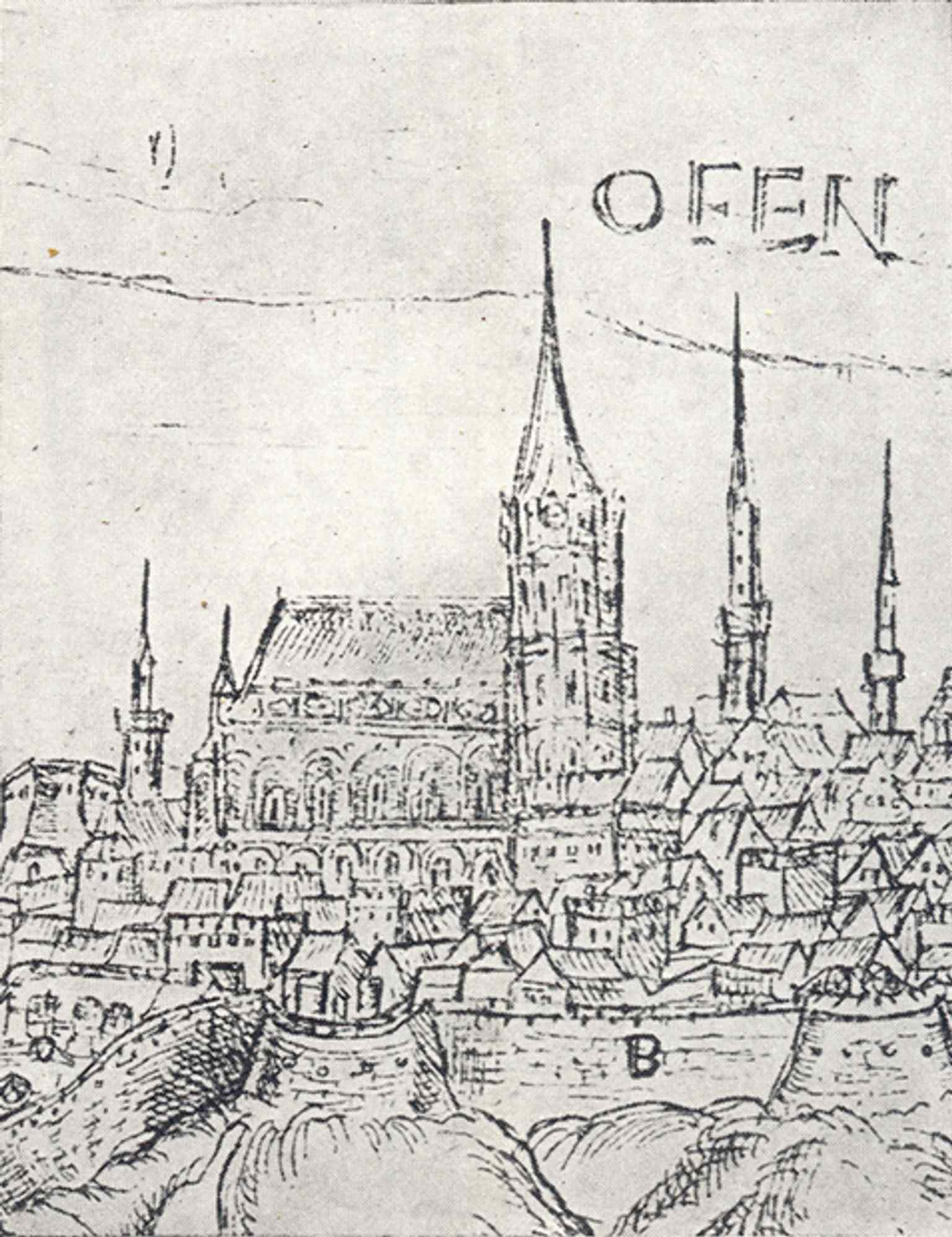
This fragile tolerance lasted until 1594. The ongoing wars made the Ottomans suspicious of the Christian population, and they finally seized the building, transforming it into a mosque. Because of the timepiece running in its tower, they called it the Clock Mosque. If you check your screen, you can see a 1598 engraving of this exact structure standing during that long occupation.
The church survived centuries of conflict, only to face its greatest threat long after the wars had ended. Despite sustaining severe damage in World War Two, the true destruction came in 1950 under the communist regime. The dictatorial leadership despised the church's past political associations and ordered it torn down. The only reason this tower still stands is because a clever architect named József Csemegi bluffed. He suggested to the dictator that the Gothic spire would make a perfect centerpiece for a grand monument honoring the communist labor movement. The monument never materialized, but the lie halted the bulldozers.
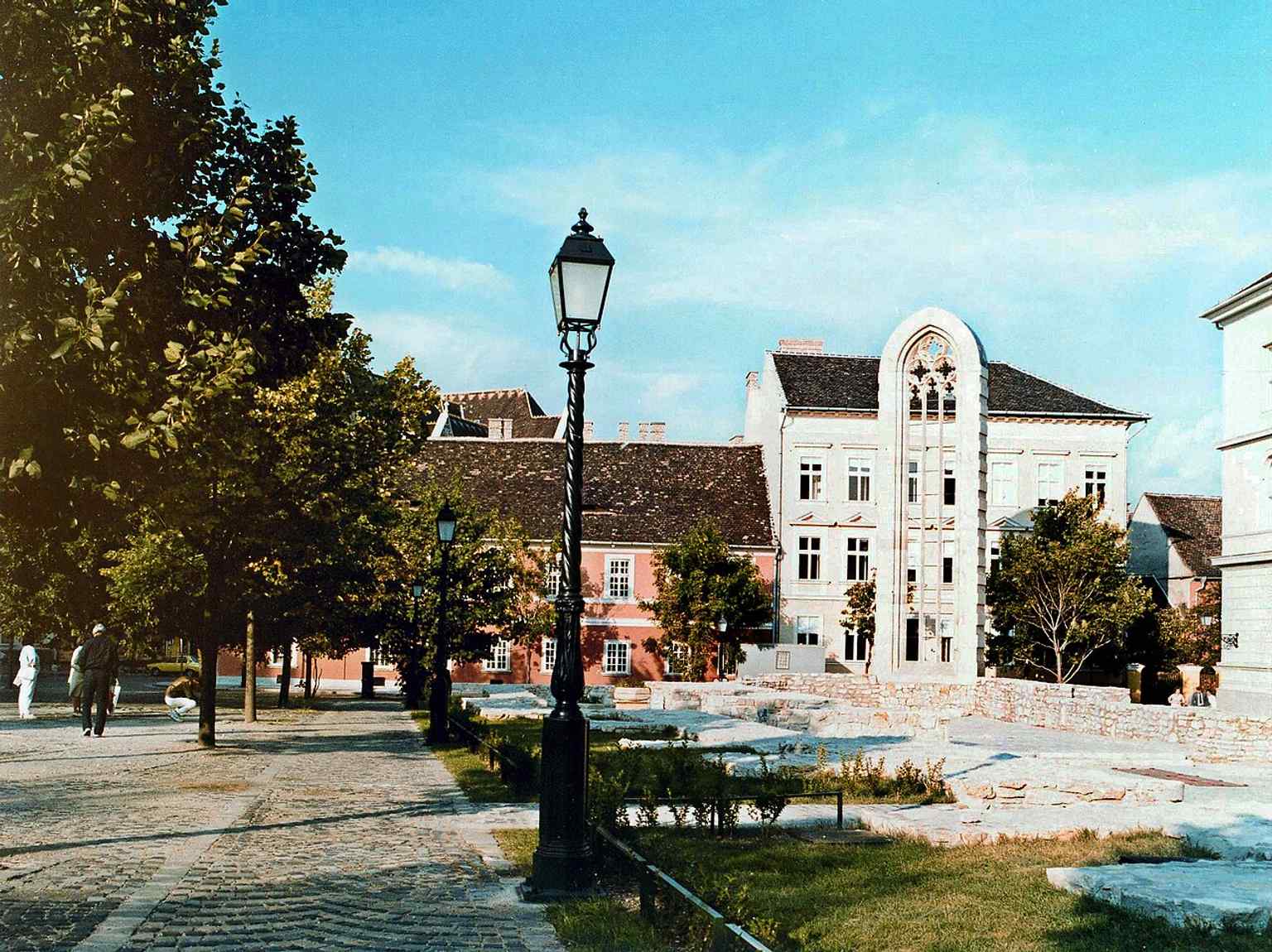
Over the decades, the surrounding ruins were excavated to reveal the original footprint of the building. You can see how this lone medieval survivor has been stabilized into the poignant monument before us by checking out the before and after image on your app.
Take a moment to imagine the desperate, overlapping prayers whispered in this lone sanctuary centuries ago, keeping a flicker of hope alive against impossible odds. When you are ready, we will transition to our next stop, the National Archives of Hungary, which is just a two minute walk away. By the way, if you wish to go inside the tower, it is open every day from 9 AM to 7 PM.






%20Maria-Magdalena-Kirche.jpg)