
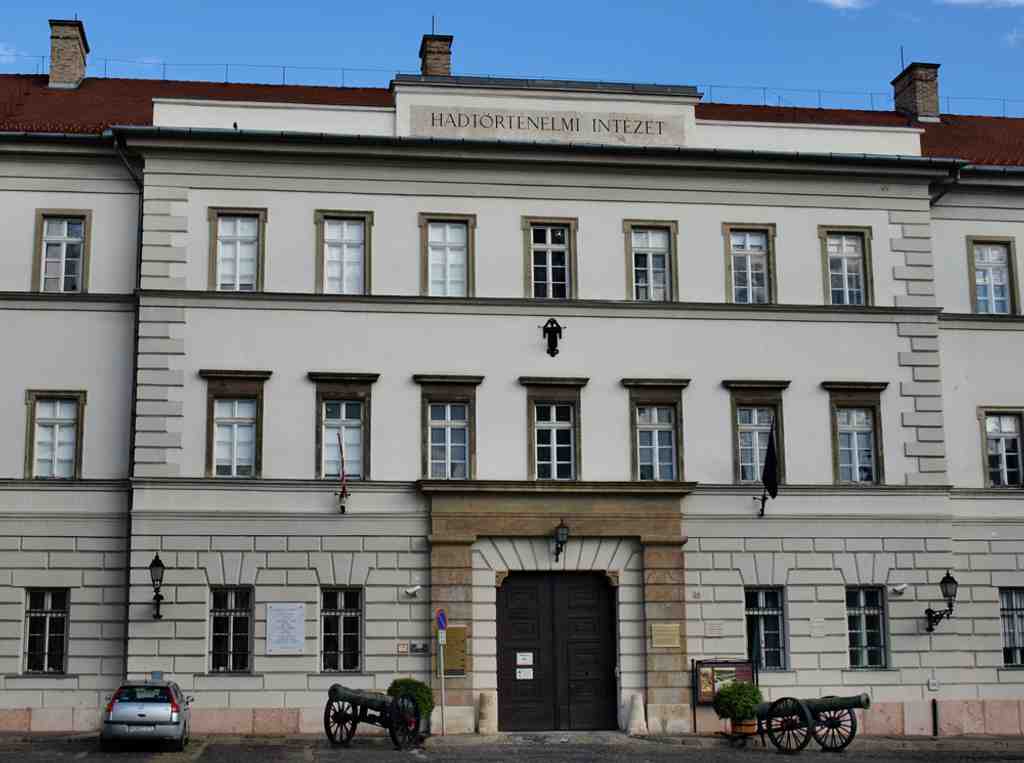
You are standing before a grand, classicist building characterized by its pale, neatly structured stone facade, orderly rows of rectangular windows, and a prominent arched entryway framing dark, heavy wooden double doors.
This is the Institute and Museum of Military History... or rather, it was until quite recently. What you see before you is a perfect example of how the grand, official exteriors of power often mask a much more complex, unsaid reality. In 2023, the museum was suddenly closed to the public and its vast collections were packed away, making room for the Ministry of Defense to move their administrative offices into the space. While the official reasoning cited a need for a more accessible, twenty-first-century museum facility elsewhere, a widely reported underlying truth was much simpler. The Minister of Defense reportedly wanted this exact building for the spectacular, sweeping panoramas of the Buda hills visible from the upper offices. It is a striking reminder of how heritage can easily be reshuffled behind closed doors, a move the professional museum community called barbaric and arbitrary.
The museum was originally founded in 1918, driven largely by the passion of an early collector of these military memories named Kamil Aggházy. Aggházy was an autodidact, meaning a self-taught scholar, who practically invented the field of military archaeology in Hungary. When this former barracks was renovated in 1926, he went so far as to permanently conserve the authentic 1848 cannonballs lodged within the masonry, turning the very walls of the building into a living exhibit.
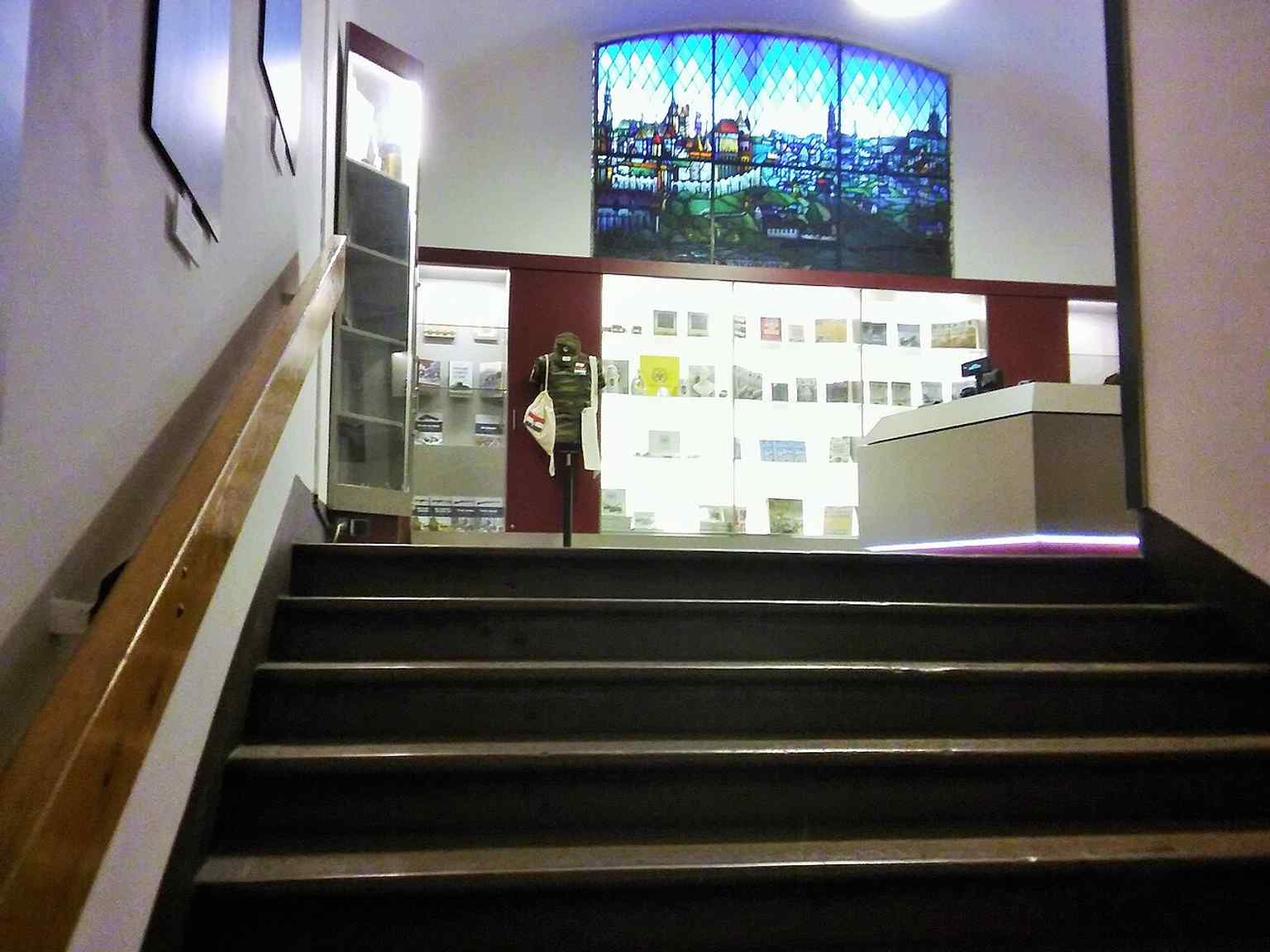
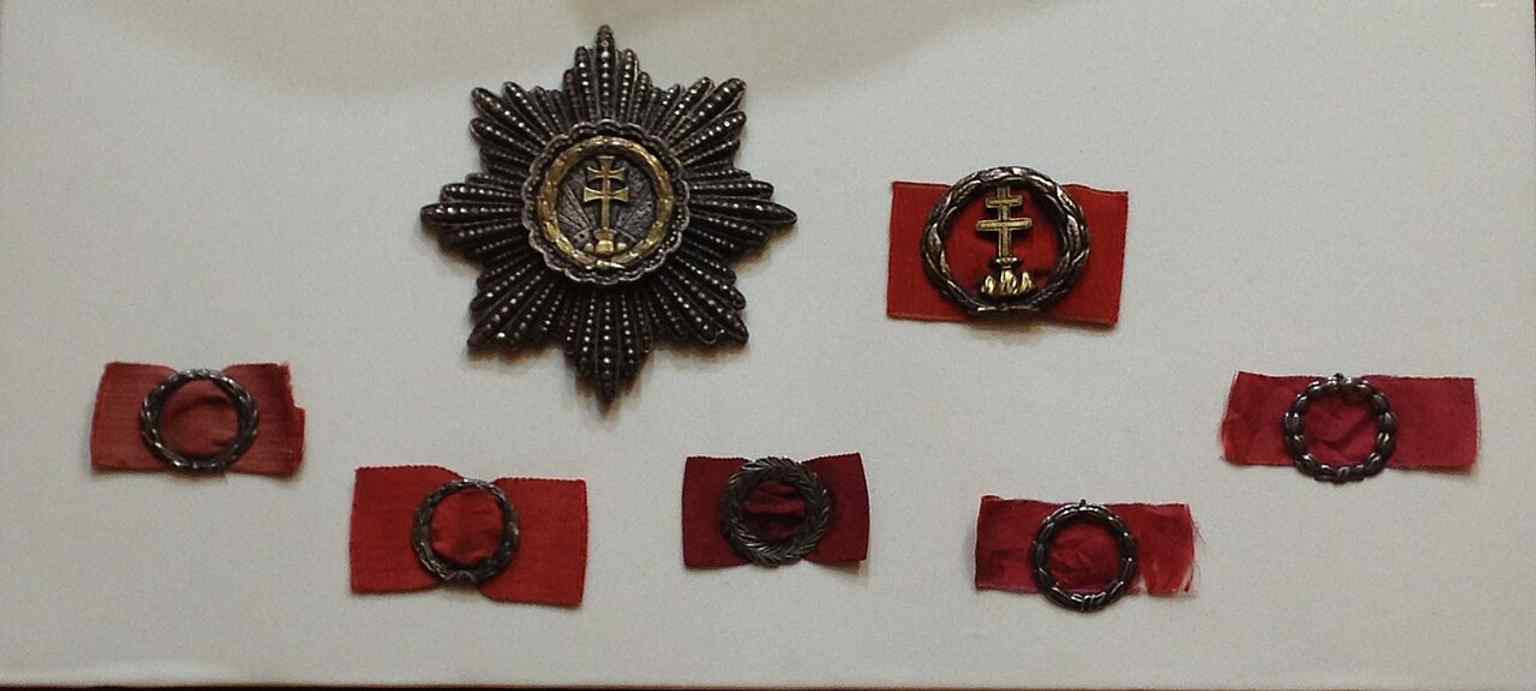
Before the sudden eviction, the museum held staggering collections. Take a glance at your screen to see what the grand exhibition halls looked like before the doors were locked, housing an astonishing array of over thirty thousand historical military uniforms. The archives also held more than twenty-eight thousand military medals. If you check your app again, you can see a close-up of the Hungarian Order of Military Merit from the 1848 revolution, a beautiful piece of craftsmanship that rewarded immense bravery. They even possessed a sixteenth-century Turkish steel cannon shaped like an elephant head, an incredibly rare metallurgical marvel from an era when European smiths could not forge anything close to that quality.
Now, all of that is in storage or scattered to temporary exhibits. Curiously enough, the government announced the museum will eventually move to the Honvéd High Command building in Dísz Square. That is a building that was bombed into a ruin in 1949 and is only now being entirely reconstructed, while this perfectly intact, historical barracks was claimed for bureaucratic offices. It makes you wonder about the stories we choose to project on the surface, and the motives that operate quietly out of sight.
As we leave this administrative fortress behind, keep that questioning eye open to the layered narratives of Buda Castle, and let us take a short three-minute walk to our next stop, the Mary Magdalene Church. Just note that while the museum exhibits here are permanently closed, the military archives and library inside remain open to researchers Tuesday through Sunday from 10 AM to 6 PM.






.JPG)