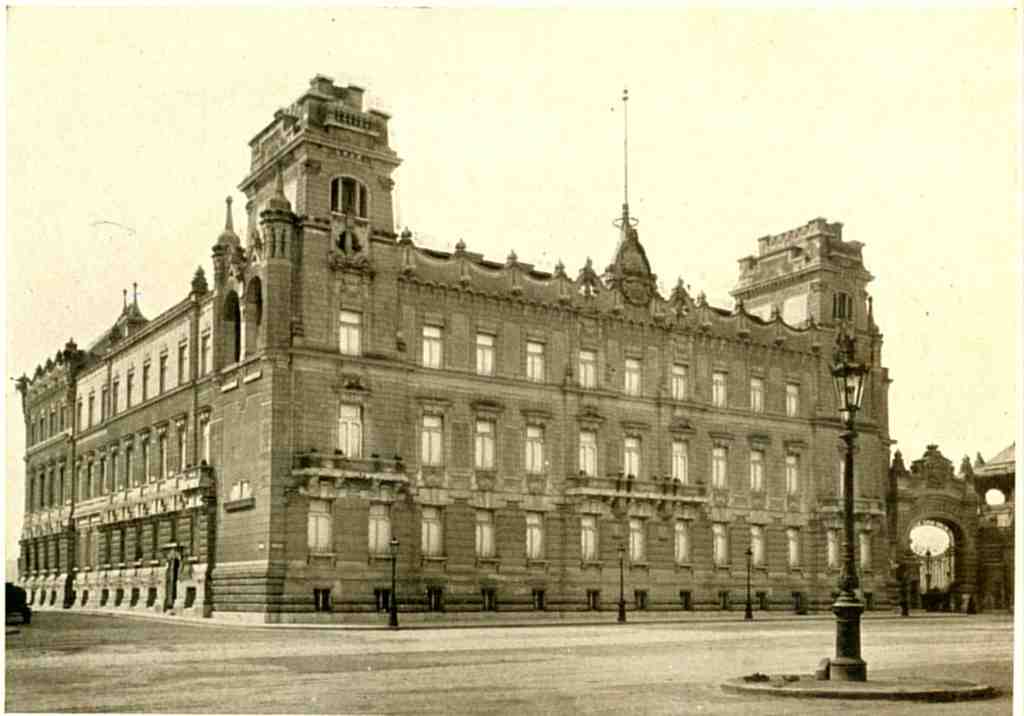
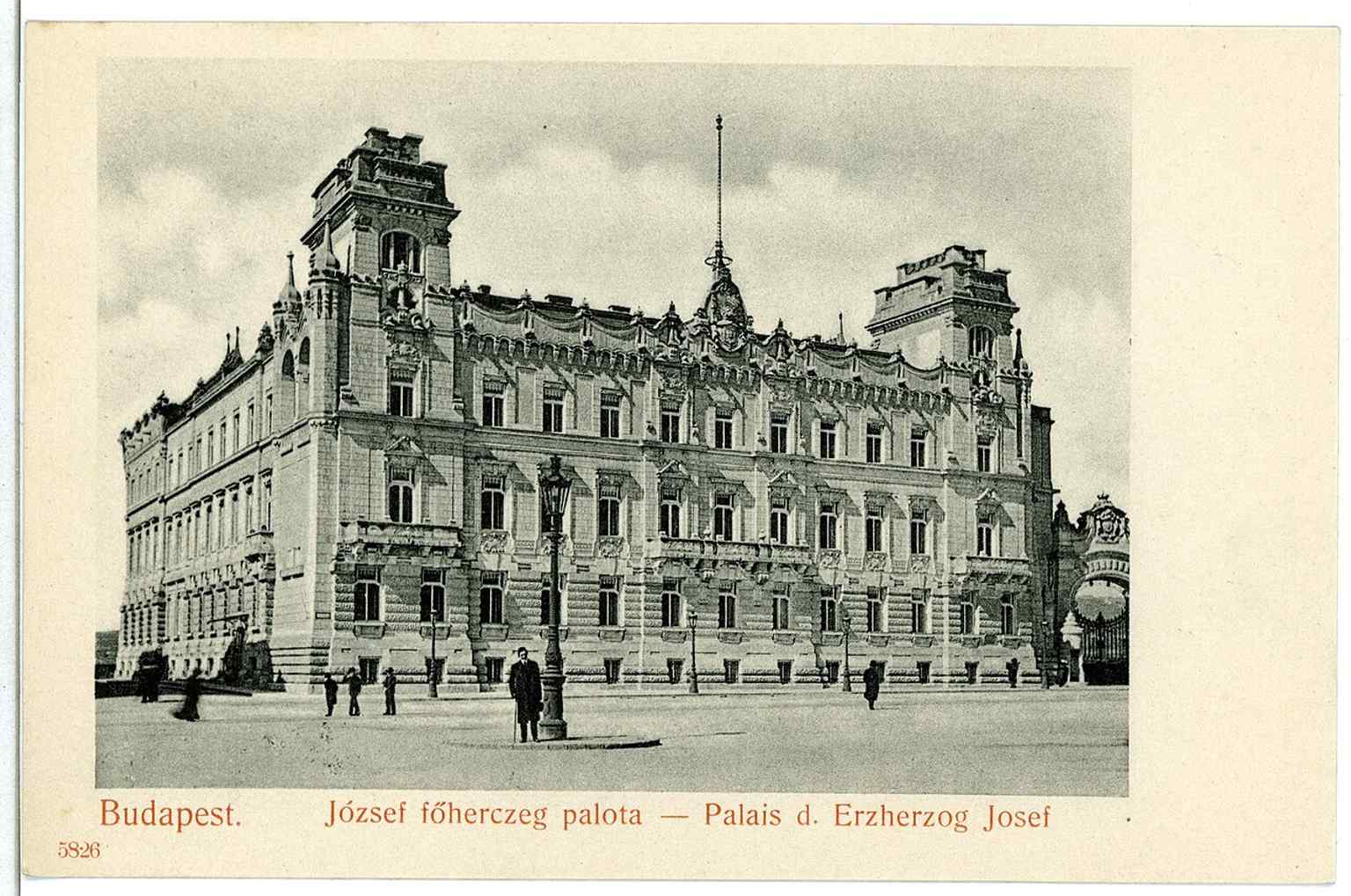
Archduke Palace of JosephPhoto: Mór Erdélyi, Wikimedia Commons, Public domain. Cropped & resized.
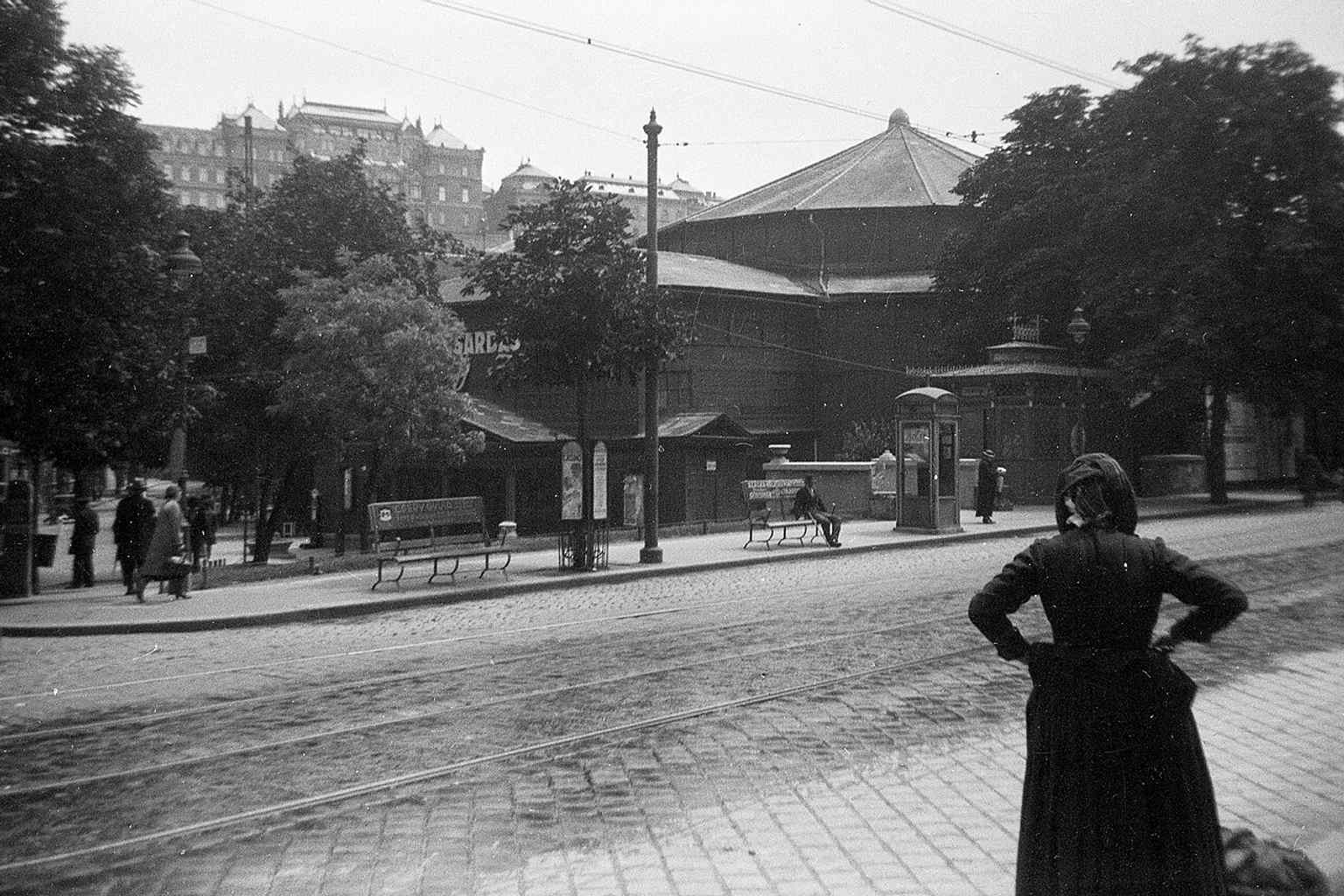
You are looking at an imposing, multi-story stone exterior characterized by its prominent, square corner towers and an arched gateway structure connecting to the right.
For decades, this spot was an empty field, a stark reminder that what stands proudly in the light of day is often fleeting, while the earth below quietly hoards the truth. This is the Archduke Palace of Joseph, originally built in the seventeen eighties.
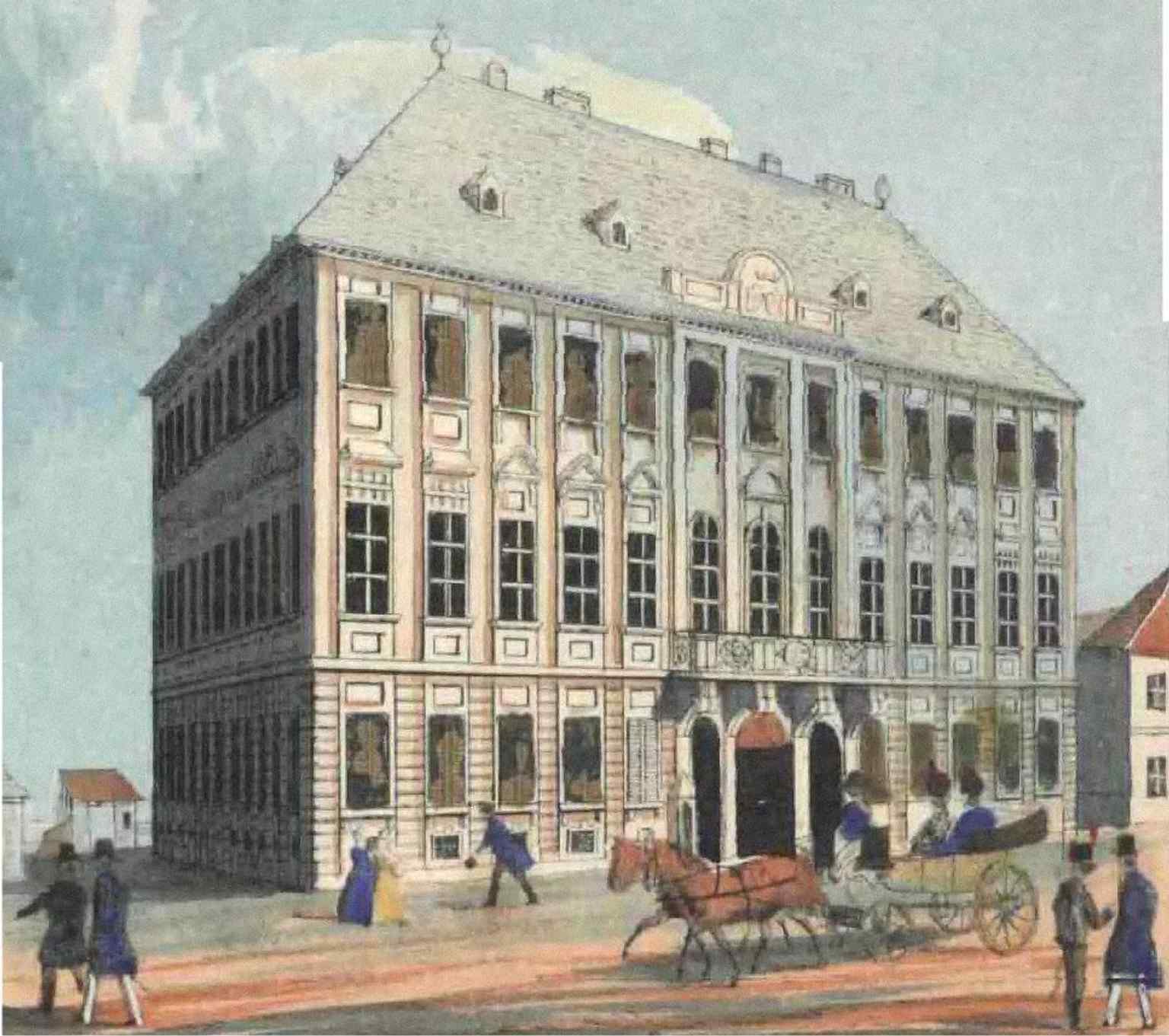
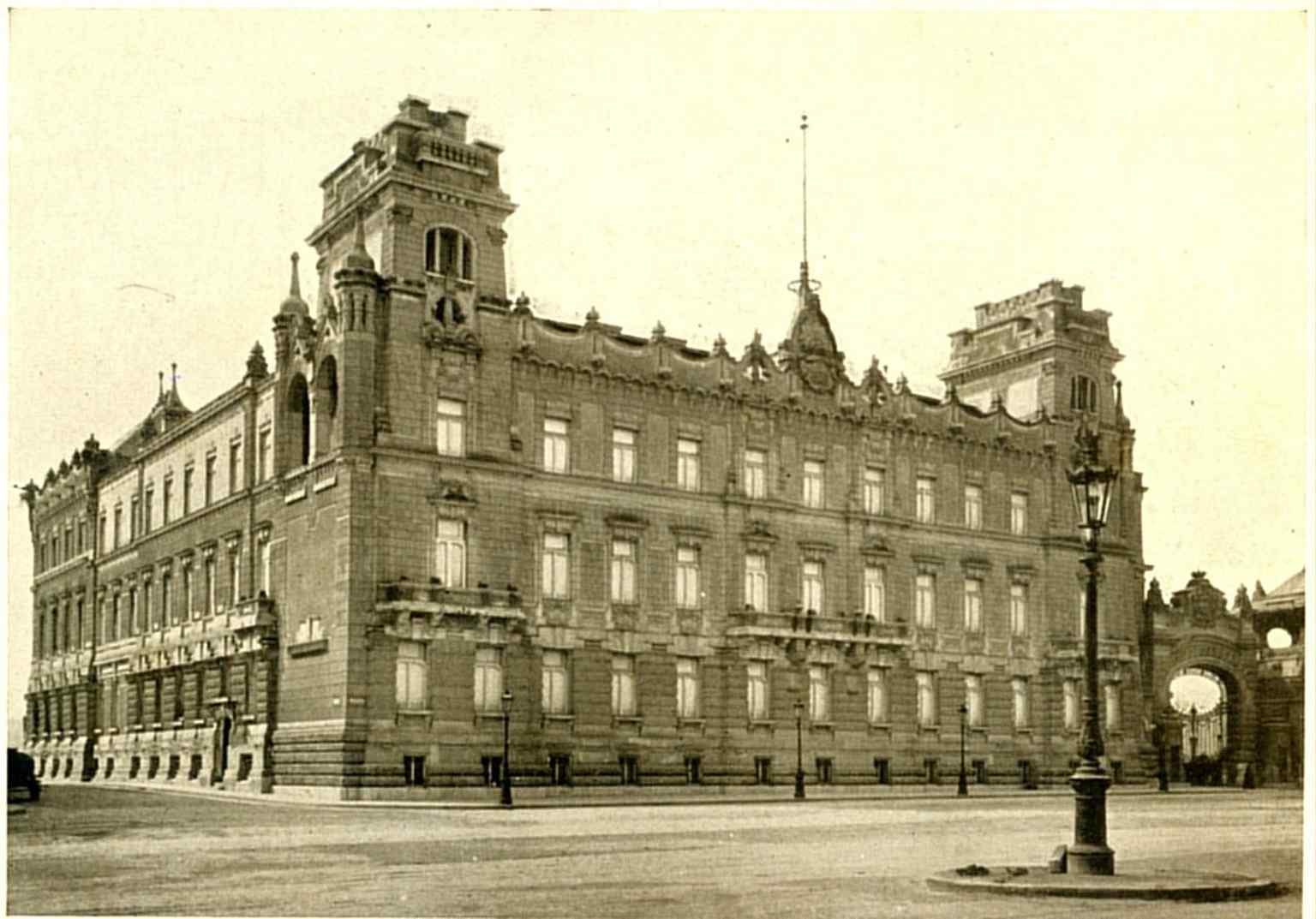
Oddly enough, it was not built as a royal residence. Count József Teleki constructed it as a twelve apartment rental property to generate income for his family. It only became a true palace in nineteen oh two, when Archduke Joseph Karl Ludwig gave it a massive historicist makeover. Historicist architecture basically means reviving and mixing older, classical styles to make a building look incredibly grand and established. During that renovation, engineers used a pioneering reinforced concrete technique that was considered so risky, the lead university professor had to personally guarantee it would not collapse.
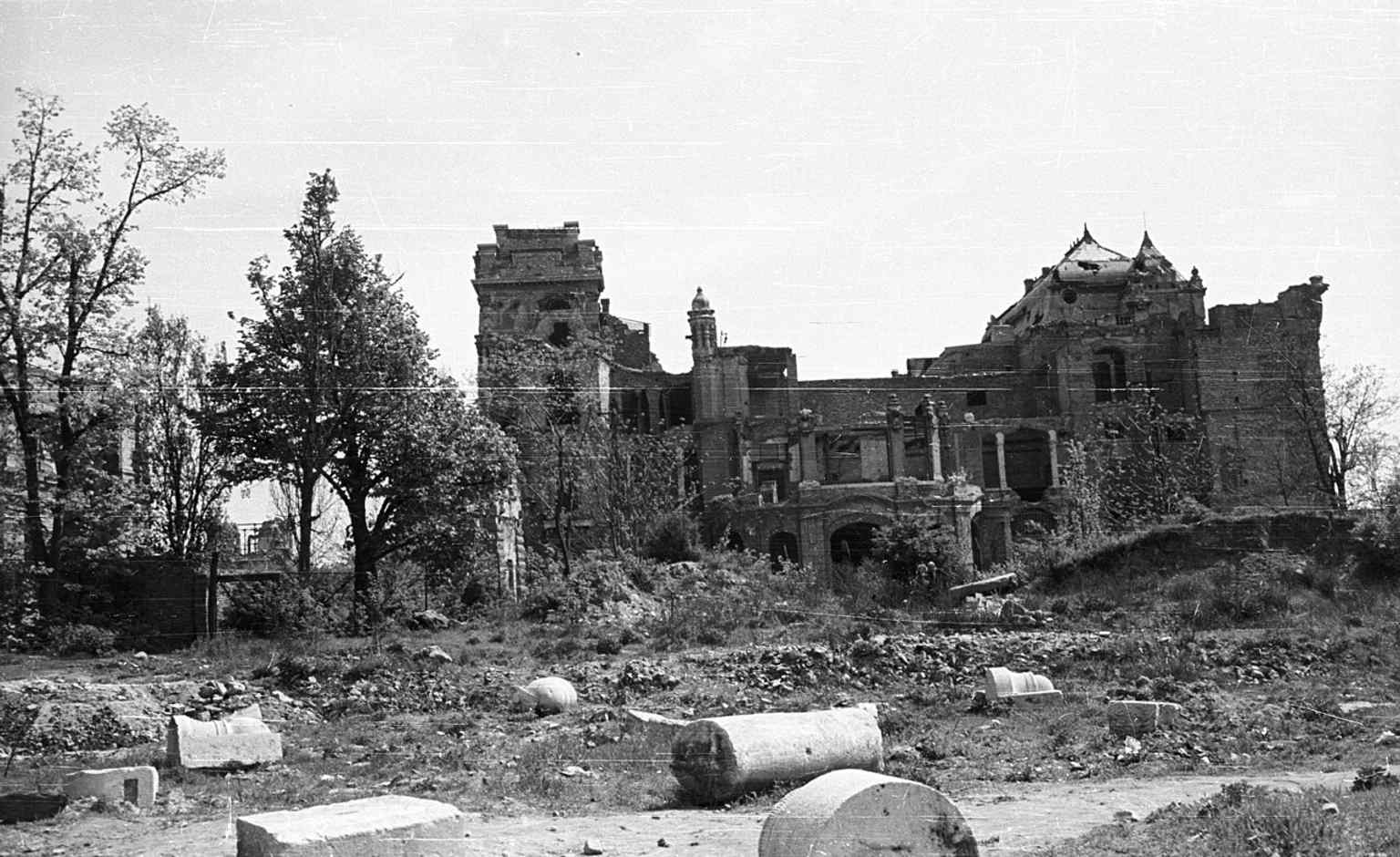
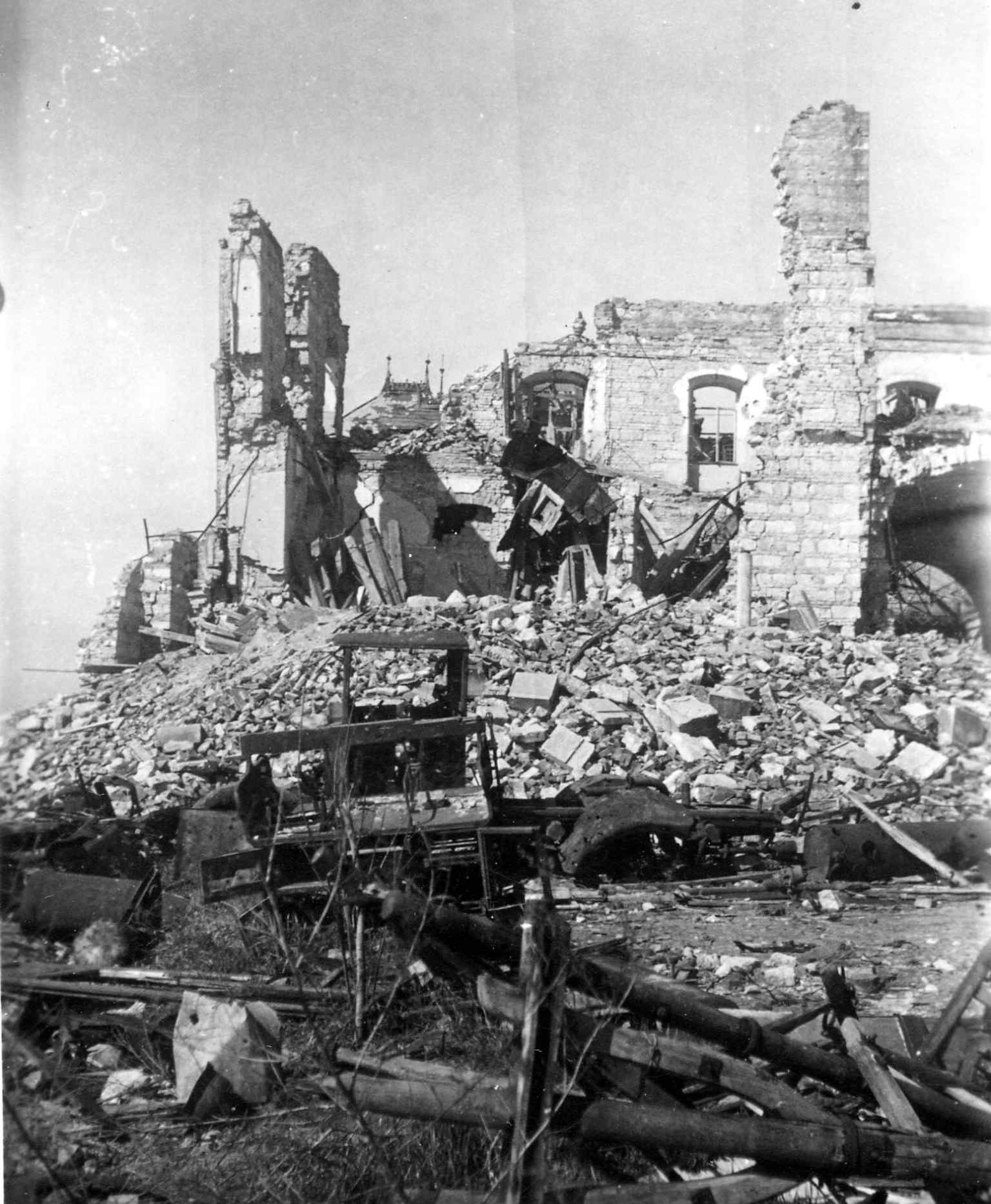
The palace survived World War Two, damaged but entirely repairable. Yet, its ultimate downfall was a movie. In nineteen sixty seven, a film crew intentionally set the roof on fire to shoot a dramatic scene. The staged blaze burned completely out of control, causing so much structural damage that the government decided to demolish the building entirely the following year.
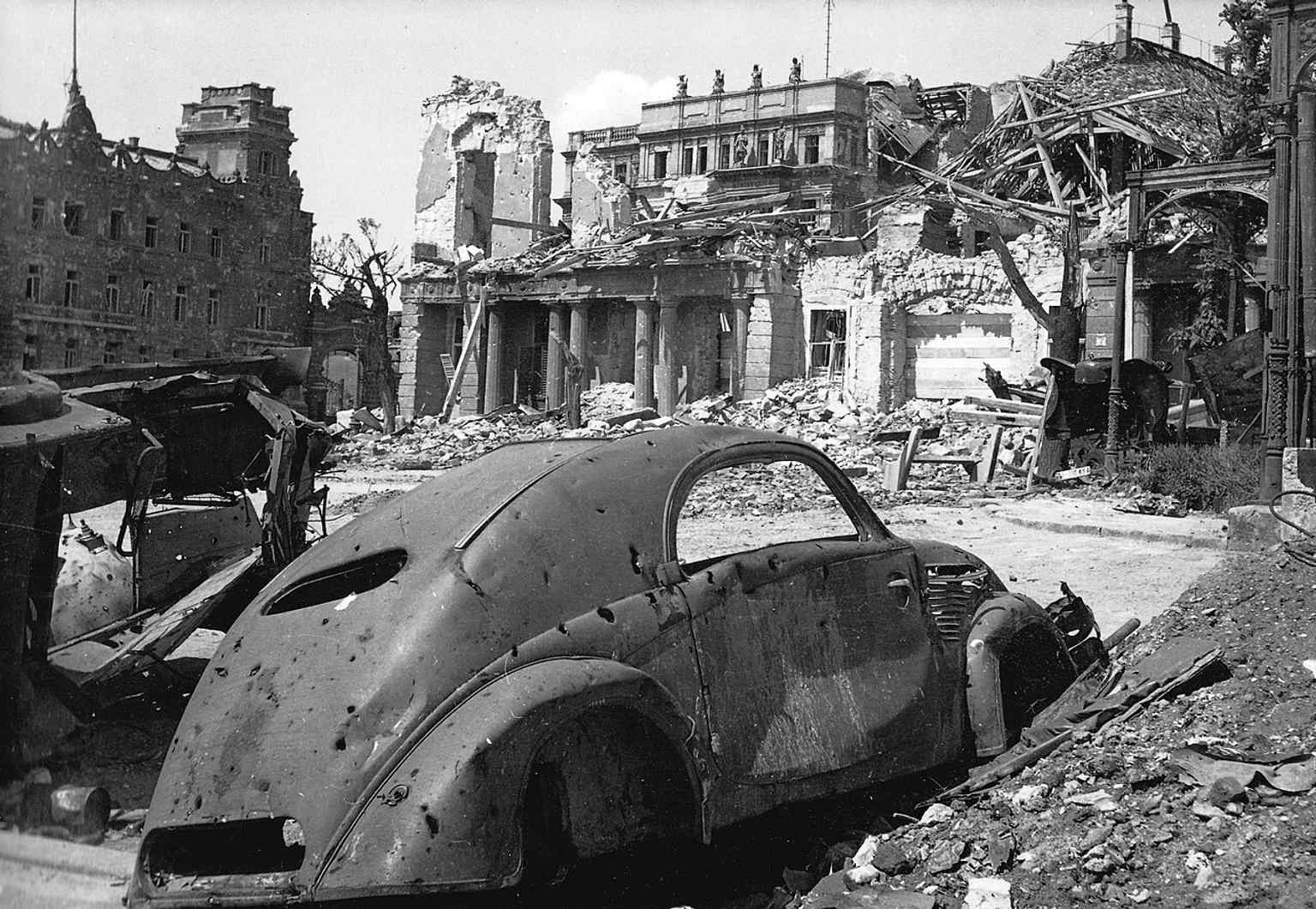
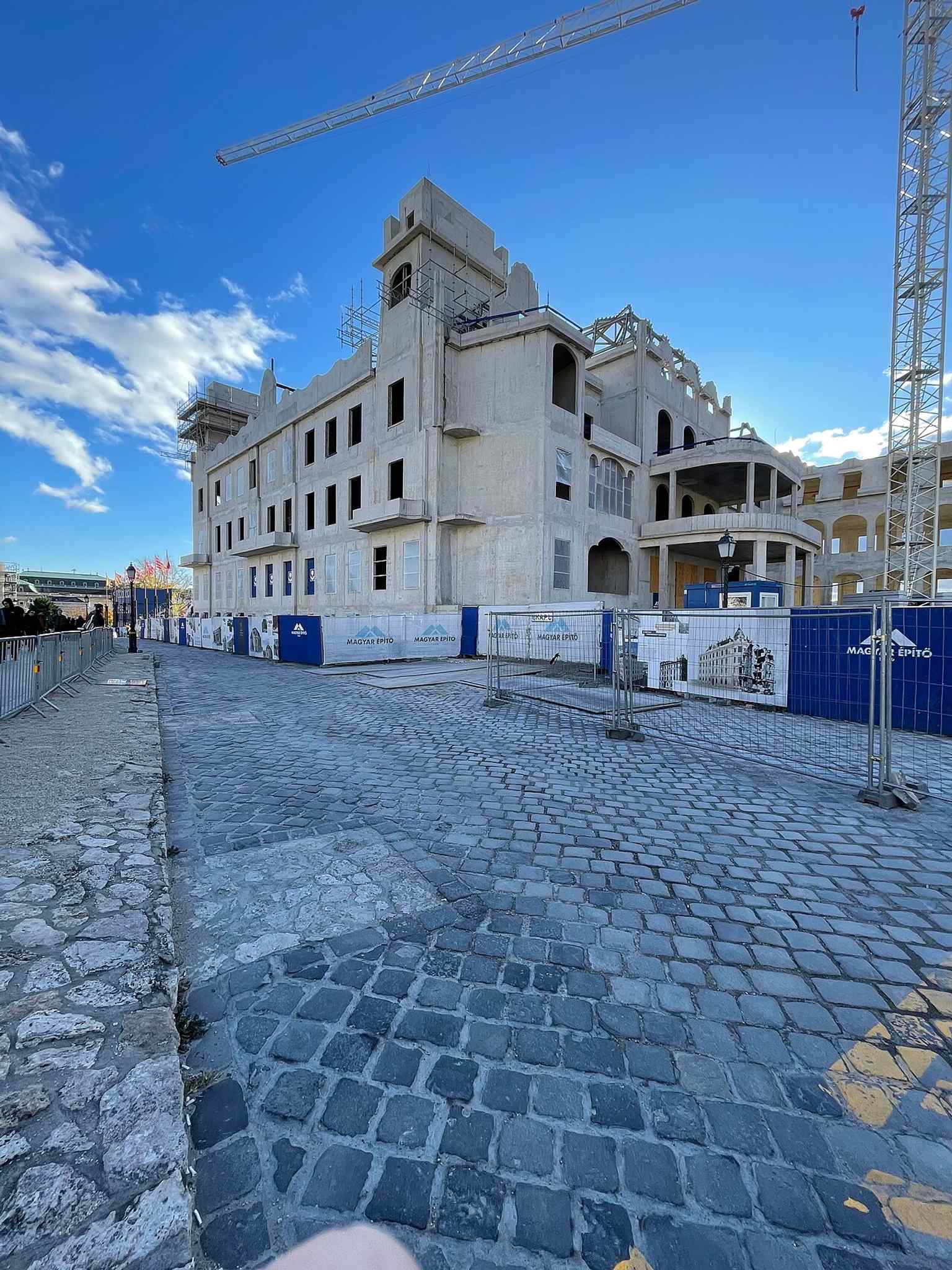
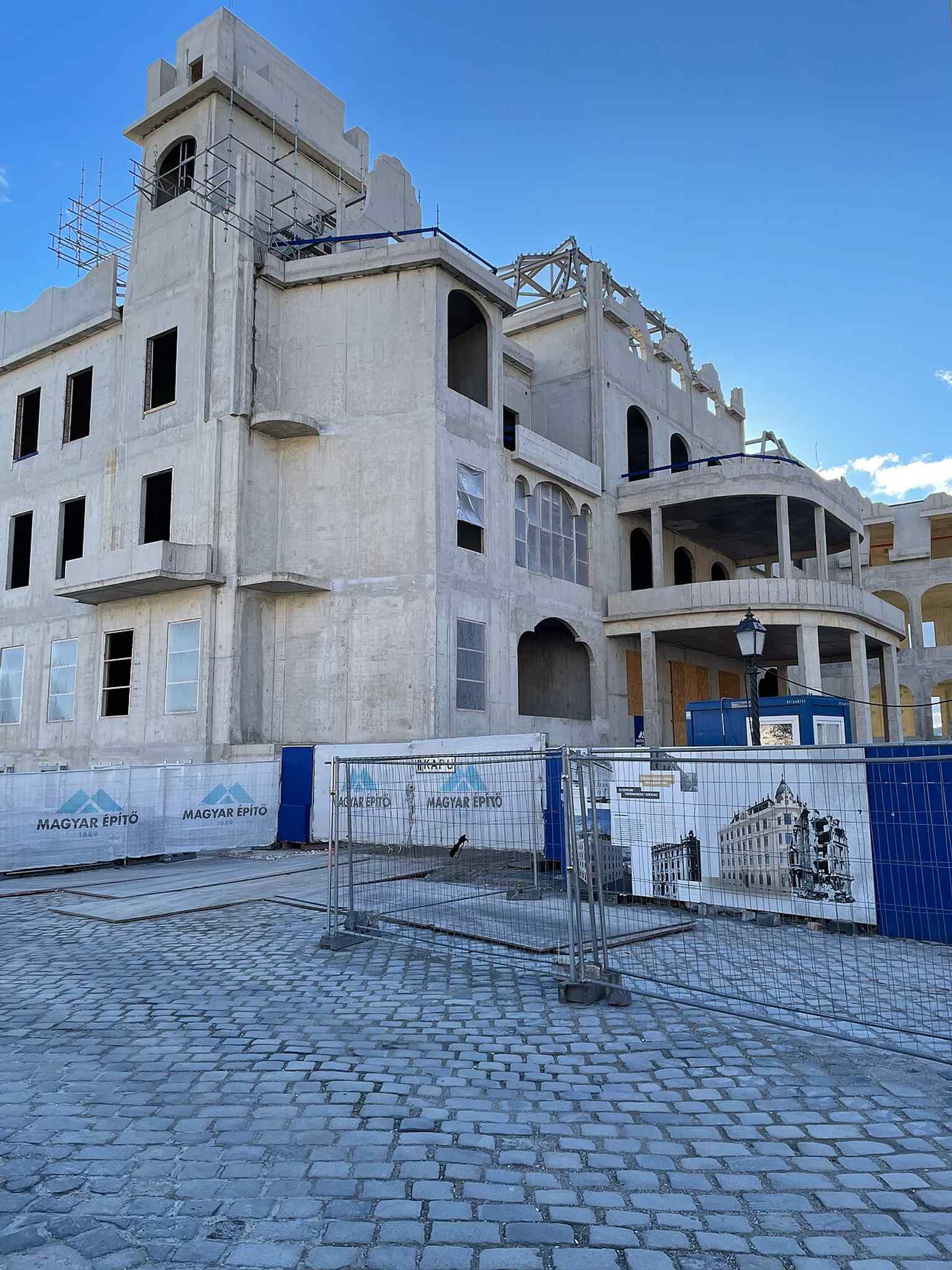
You can check your screen to see the tragic state of the ruins as they stood in nineteen fifty eight, ten years before the explosives were brought in. And while you have your phone out, take a look at the before and after comparison to see the palace in its original nineteen oh six glory, contrasted with its recent, meticulous reconstruction from the ground up.
But the most fascinating part of this site is what survived underneath. When excavation began for the recent rebuilding, archaeologists dug past the massive foundation of the demolished palace. Down in a natural rock cave used as a cellar in the Middle Ages, they uncovered a layer sealed since the Ottoman Occupation. There, buried in the darkness for centuries, sat an almost perfectly intact copper jug. Someone, hundreds of years ago, used that very vessel to serve coffee. Nearby, they found a silver coin from the fifteenth century reign of King Matthias.
All those towering walls and concrete innovations were blasted away, yet a simple copper coffee pot slept safely in the dirt, waiting to tell its story.
We have reached the end of our journey. Our final destination, St. Sigismund Provost's Church, is just a few steps directly ahead of you. Let us head over and reflect on the layers of life left behind in the rubble.
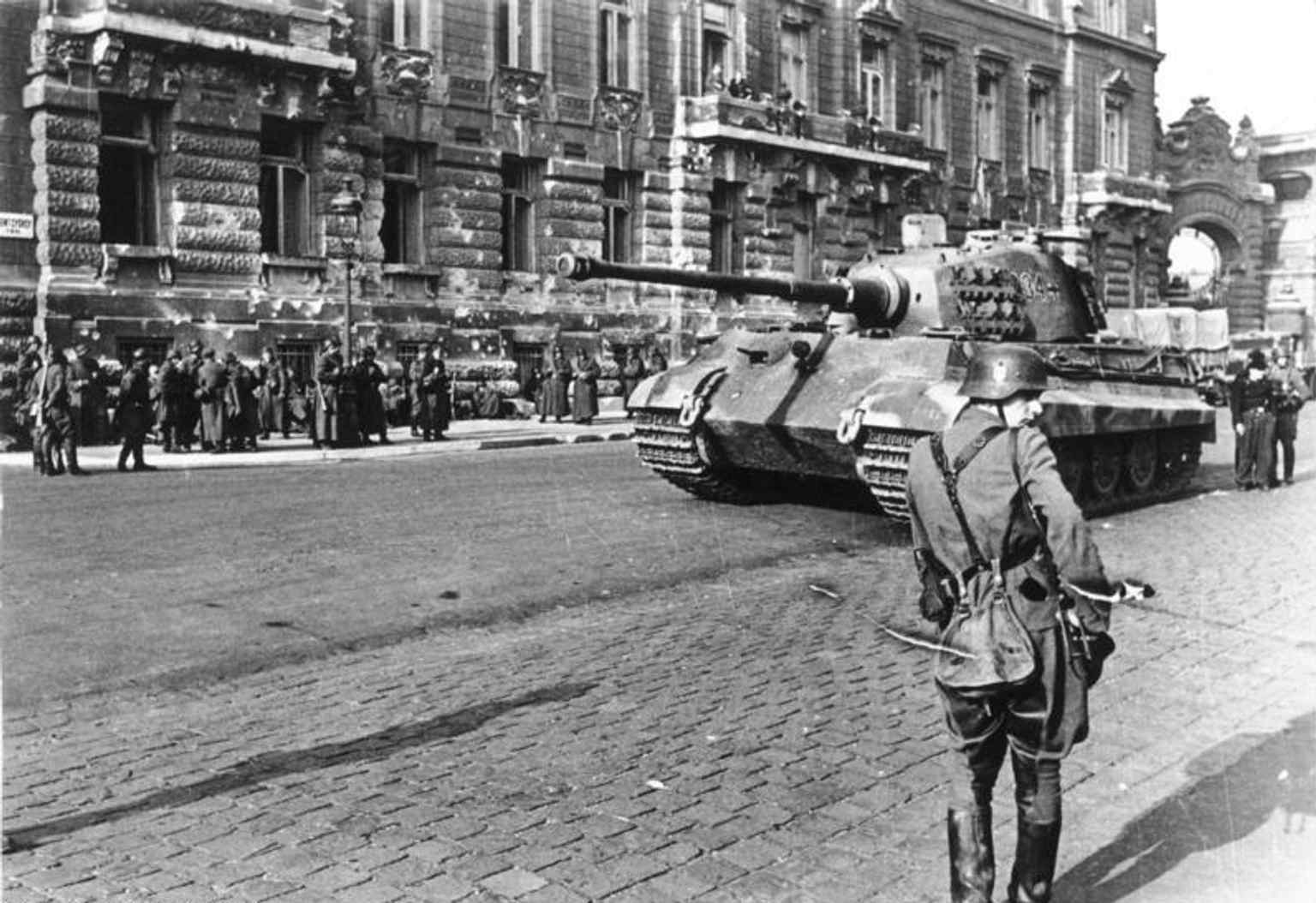
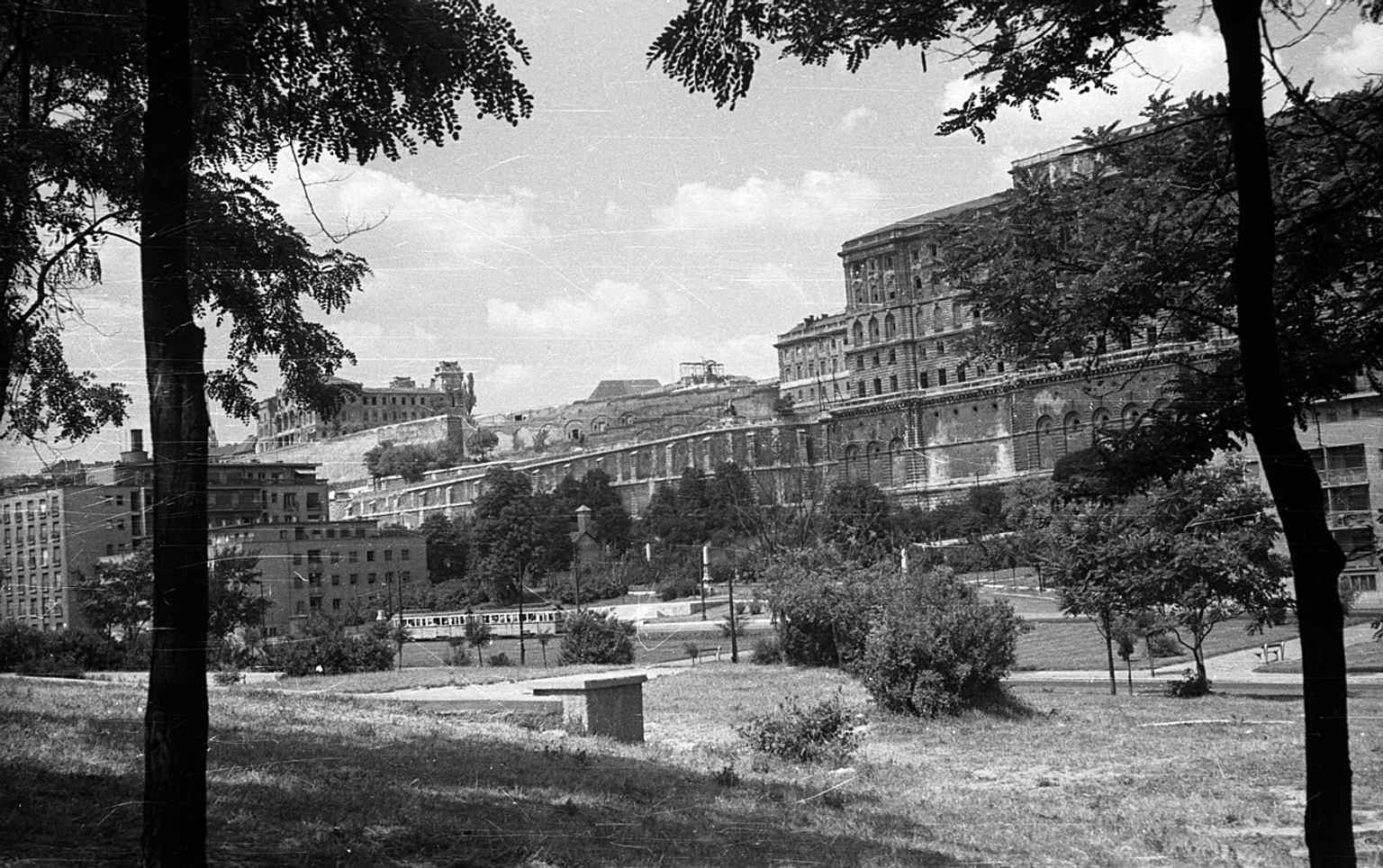
The 1837 lithograph shows the palace in its original Zopf style, built as a 12-apartment rental property by Teleki József between 1787-89, rather than a family residence.Photo: Carl Vasquez Pinos, Wikimedia Commons, Public domain. Cropped & resized.The Archduke Joseph Palace in 1906, showcasing its new historicizing style with prominent corner towers and oriental decorations added during the extensive 1902 reconstruction.Photo: Mór Erdélyi, Wikimedia Commons, Public domain. Cropped & resized.A 1936 view of the Archduke Joseph's Palace from Krisztina körút, highlighting its western facade before it sustained severe damage in World War II.Photo: FOTO:Fortepan — ID 55592: Adományozó/Donor: Magyar Bálint. archive copy at the Wayback Machine, Wikimedia Commons, CC BY-SA 3.0. Cropped & resized.The Archduke Joseph Palace in 1905, just a few years after its groundbreaking 1902 renovation, which famously incorporated Hungary's first Hennebique-style reinforced concrete structure.Photo: Brück & Sohn Kunstverlag Meißen, Wikimedia Commons, CC0. Cropped & resized.A German Panzer VI tank positioned in front of the Archduke Joseph Palace on October 15 or 16, 1944, during the critical moments when the Arrow Cross Party seized power.Photo: Faupel, Wikimedia Commons, CC BY-SA 3.0 de. Cropped & resized.St. George Square in 1945, showing the extensively damaged Archduke Joseph's Palace (left) and the ruined Sándor Palace, illustrating the widespread devastation of the Siege of Buda.Photo: FOTO:Fortepan — ID 30897: Adományozó/Donor: Military Museum of Southern New England. archive copy at the Wayback Machine, Wikimedia Commons, CC BY-SA 3.0. Cropped & resized.The ruins of the Royal Palace stables in 1945, with the distinctive roof ornaments of Archduke Joseph's Palace visible in the background, both severely damaged during the Siege of Buda.Photo: FOTO:Fortepan — ID 5832: Adományozó/Donor: Mészöly Leonóra., Wikimedia Commons, CC BY-SA 3.0. Cropped & resized.A 1959 view of Buda Castle from Tabán Park, featuring the heavily ruined Archduke Joseph's Palace (left), which stood in disrepair for over two decades after the war.Photo: Gyula Nagy (1922-1990), Wikimedia Commons, CC BY-SA 3.0. Cropped & resized.The ongoing reconstruction of Archduke Joseph's Palace in 2023, a significant project under the National Hauszmann Program, aiming to restore the building based on its 1902 appearance.Photo: Carl Ha, Wikimedia Commons, CC BY-SA 4.0. Cropped & resized.A detailed view of the 2023 reconstruction of Archduke Joseph's Palace, meticulously recreating the historicizing architectural elements that were added during its 1902 renovation.Photo: Carl Ha, Wikimedia Commons, CC BY-SA 4.0. Cropped & resized.arrow_back Back to Budapest Audio Tour: Legends and Labyrinths of Castle Hill
Loved by travellers
Thousands of tours started. Plenty of opinions.
4.8 across the App Store and Google Play. Here's a few we keep coming back to.
starstarstarstarstar
This tour was such a great way to see the city. The stories were interesting without feeling too scripted, and I loved being able to explore at my own pace.
Started this tour with a croissant in one hand and zero expectations. The app just vibes with you, no pressure, just you, your headphones, and some cool stories.







.jpg)
%20Fortepan%2030897.jpg)


.jpg)
.jpg)