AudaTours logoAudaTours

Stop 4 of 14

German Historical Museum

headphones 04:11 Buy tour to unlock all 16 tracks
German Historical Museum
Schutzstaffel
SchutzstaffelPhoto: Schutzstaffel, Wikimedia Commons, Public domain. Cropped & resized.

On your right, look for a long glass-and-steel pavilion with a low horizontal roof and exposed brick foundations beside it, marking the former S-S and Gestapo headquarters site.

The Schutzstaffel, shortened to S-S, began as a small Nazi guard unit and grew into the regime’s central machine of persecution, surveillance, and genocide. What started as “protection” became organized terror with offices, forms, ranks, and a truly catastrophic talent for administration.

In the early nineteen twenties, Hitler first used small volunteer guards like the Saal-Schutz, literally “hall security,” to police party meetings in Munich. Then he wanted a more exclusive bodyguard, separate from the party’s own rougher paramilitary crowd. Even dictators, apparently, have standards. In nineteen twenty-five, the group took the final name Schutzstaffel, “protection squad.” Heinrich Himmler joined that same year and took command in nineteen twenty-nine. He turned a fading unit of a few hundred men into an elite order obsessed with racial purity, obedience, and loyalty to Hitler personally. By the end of nineteen thirty-three, S-S membership had exploded to about two hundred nine thousand.

That growth mattered because the S-S did not remain a bodyguard. It split into branches. The Allgemeine S-S handled ideology, policing, and racial policy. The Waffen-S-S became combat formations. The Totenkopfverbände, the “Death’s Head Units,” ran concentration and extermination camps. In nineteen thirty-four, Himmler took control of the Gestapo, the secret state police. In nineteen thirty-six, Hitler put all German police forces under Himmler and the S-S. In nineteen thirty-nine, security and intelligence offices merged into the Reich Security Main Office. Files, arrests, interrogation, deportation, murder... all increasingly linked.

If you glance at your screen, image eight reduces that system to neat boxes and arrows. That is the unpleasant lesson here. Bureaucracy does not arrive wearing horns. Sometimes it arrives with organizational charts.
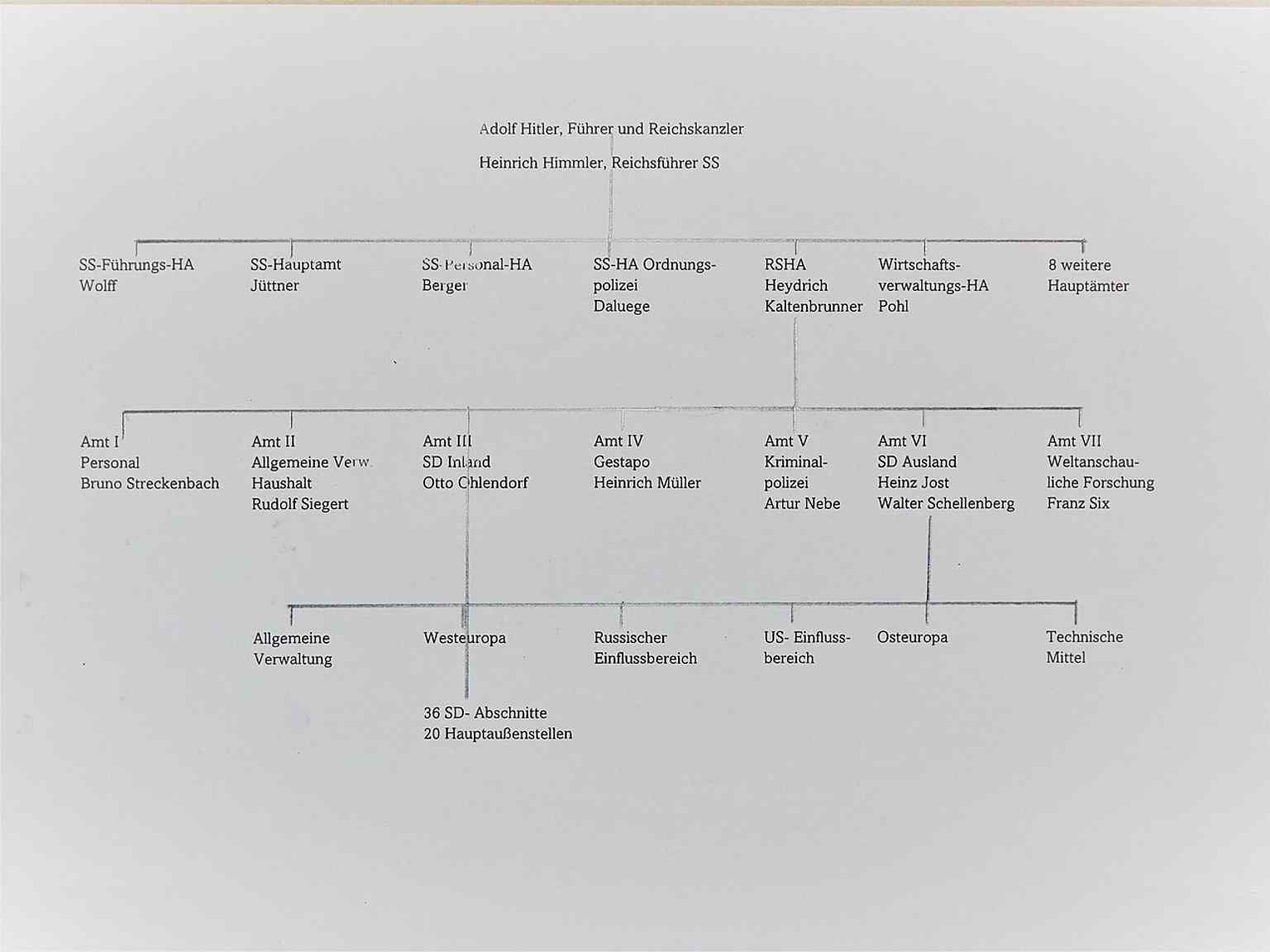
A simplified chart of SS domestic and foreign intelligence, showing how the SS networked the Gestapo, SD, and police.
A simplified chart of SS domestic and foreign intelligence, showing how the SS networked the Gestapo, SD, and police.Photo: Loracco, Wikimedia Commons, CC BY-SA 4.0. Cropped & resized.

From offices on this site and across occupied Europe, the S-S enforced a police state, crushed opposition, and drove genocide. Its units helped carry out Kristallnacht. Einsatzgruppen, mobile killing squads drawn from the S-S, police, and security service, followed the army into Poland and the Soviet Union and shot civilians in mass executions. In occupied Poland in nineteen thirty-nine, S-S units helped murder about fifty thousand Poles. Across the Holocaust, the S-S bore primary responsibility for the murder of about six million Jews and millions of other victims, including Roma, disabled people, homosexuals, political opponents, clergy, Jehovah’s Witnesses, and many more the regime marked for removal.

The camps turned murder into routine. Theodor Eicke made Dachau the model. In early nineteen forty-two, the S-S expanded Auschwitz with gas chambers using Zyklon B. On your phone, image fourteen shows Jews arriving at Auschwitz-Birkenau in nineteen forty-four. Many went through “selection” on the ramp, a calm administrative word for deciding who would be worked, and who would be killed within hours.

After the war, the Nuremberg tribunal declared the S-S a criminal organization. That was not symbolism. It was a factual summary.

In a moment, head toward Martin-Gropius-Bau, about a one-minute walk away, where the city starts showing how culture and rebuilding had to stand beside moral ruin, not erase it. If you want to return here later, the site is generally open daily from ten to six.
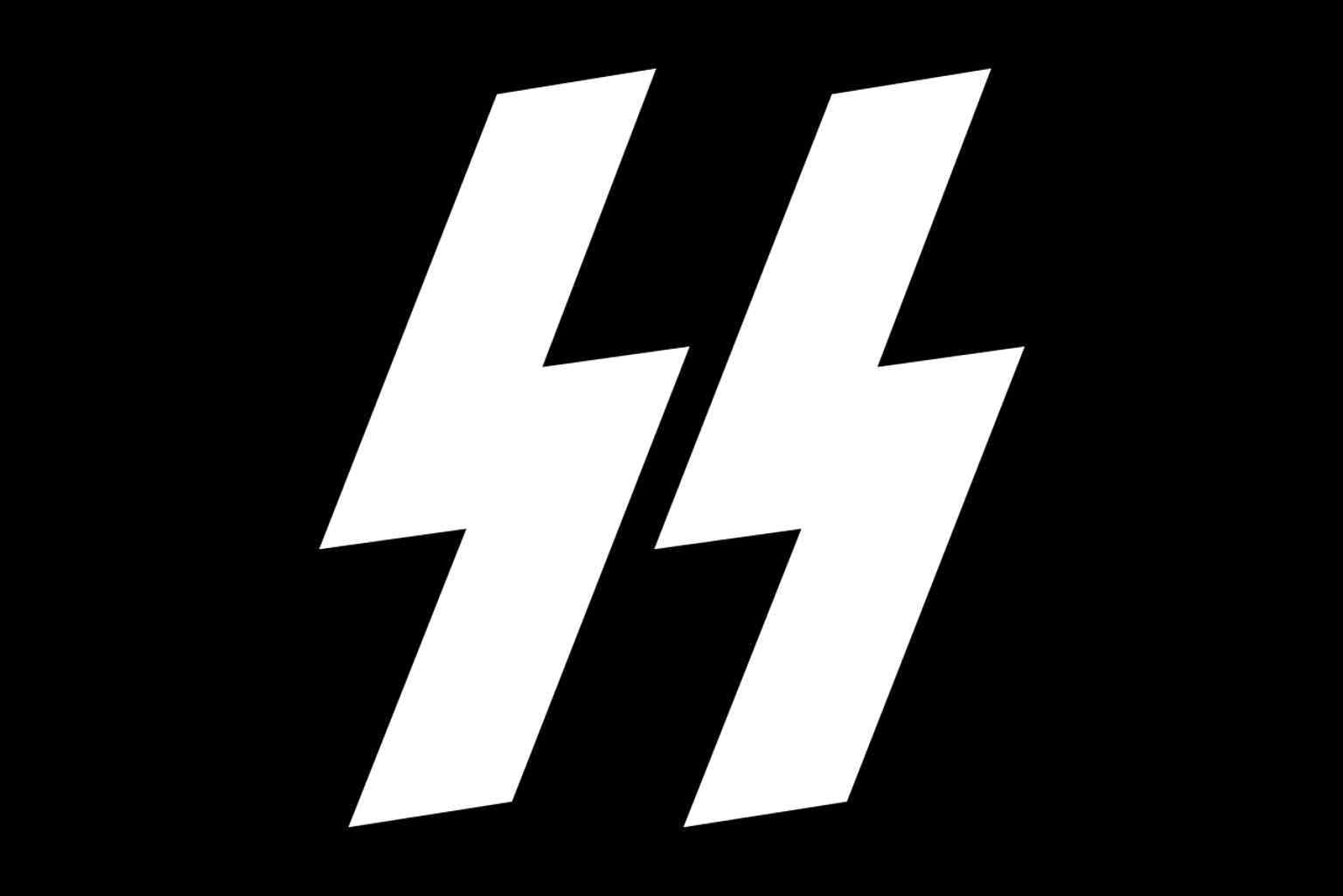
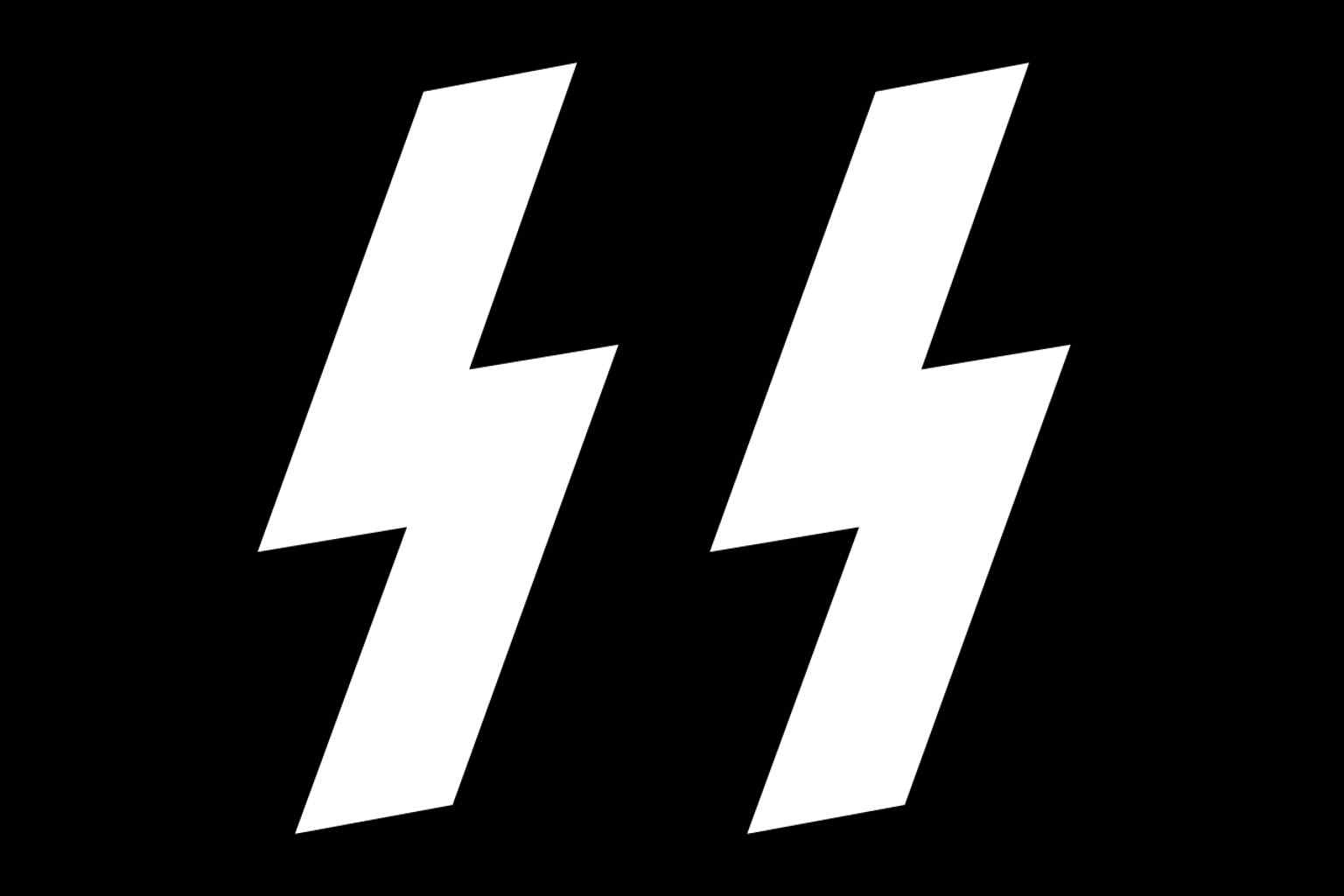
The SS runes flag, the organisation’s most recognisable symbol, designed to project elite loyalty to Hitler and Nazi ideology.
The SS runes flag, the organisation’s most recognisable symbol, designed to project elite loyalty to Hitler and Nazi ideology.Photo: Schutzstaffel, Wikimedia Commons, Public domain. Cropped & resized.
A variant of the Schutzstaffel flag, showing how the SS used stark black-and-white insignia to build its own identity.
A variant of the Schutzstaffel flag, showing how the SS used stark black-and-white insignia to build its own identity.Photo: FDRMRZUSA, Wikimedia Commons, Public domain. Cropped & resized.
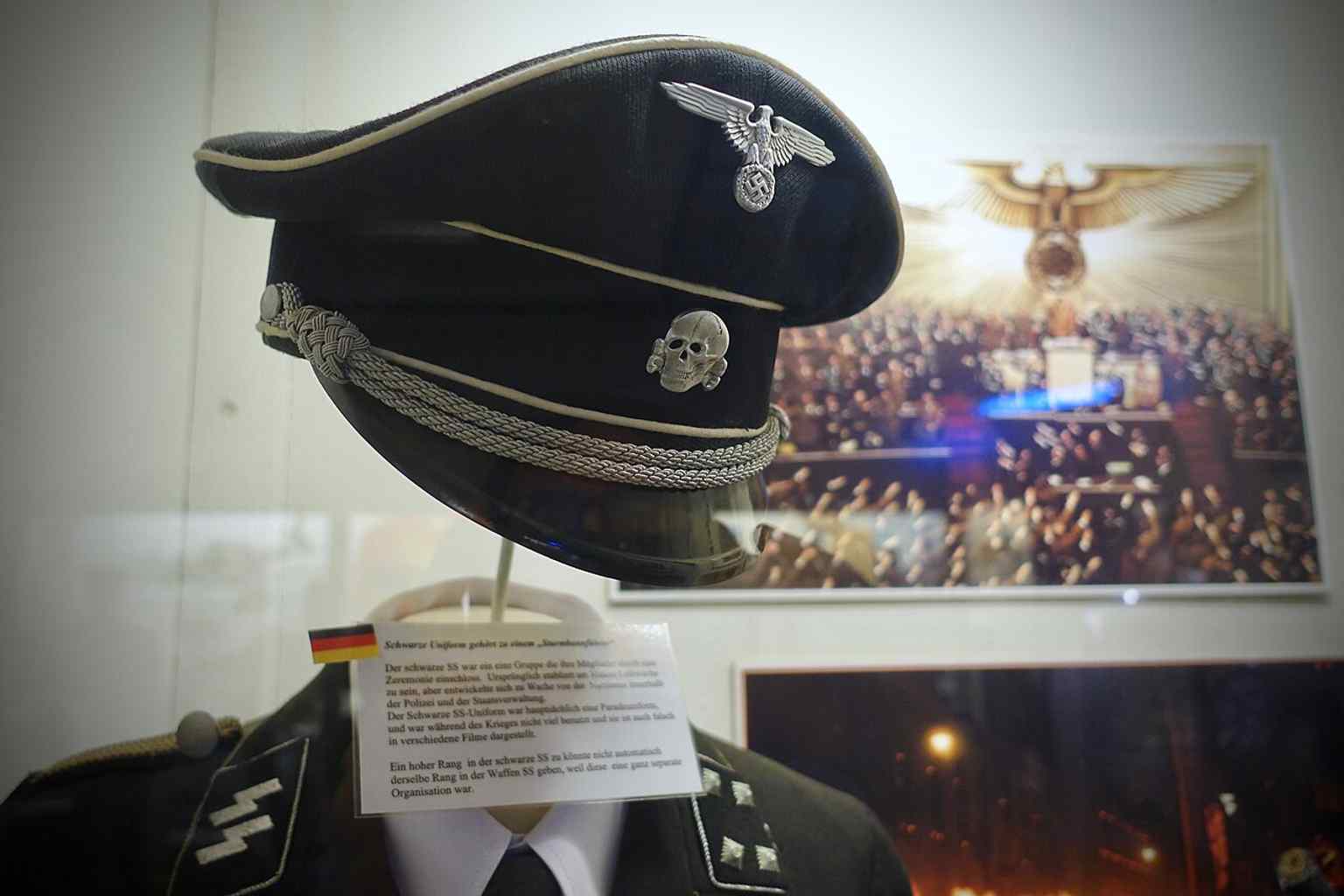
An Allgemeine SS black parade uniform on display, with the Totenkopf skull that signalled willingness to fight to the death.
An Allgemeine SS black parade uniform on display, with the Totenkopf skull that signalled willingness to fight to the death.Photo: Wolfmann, Wikimedia Commons, CC BY-SA 4.0. Cropped & resized.
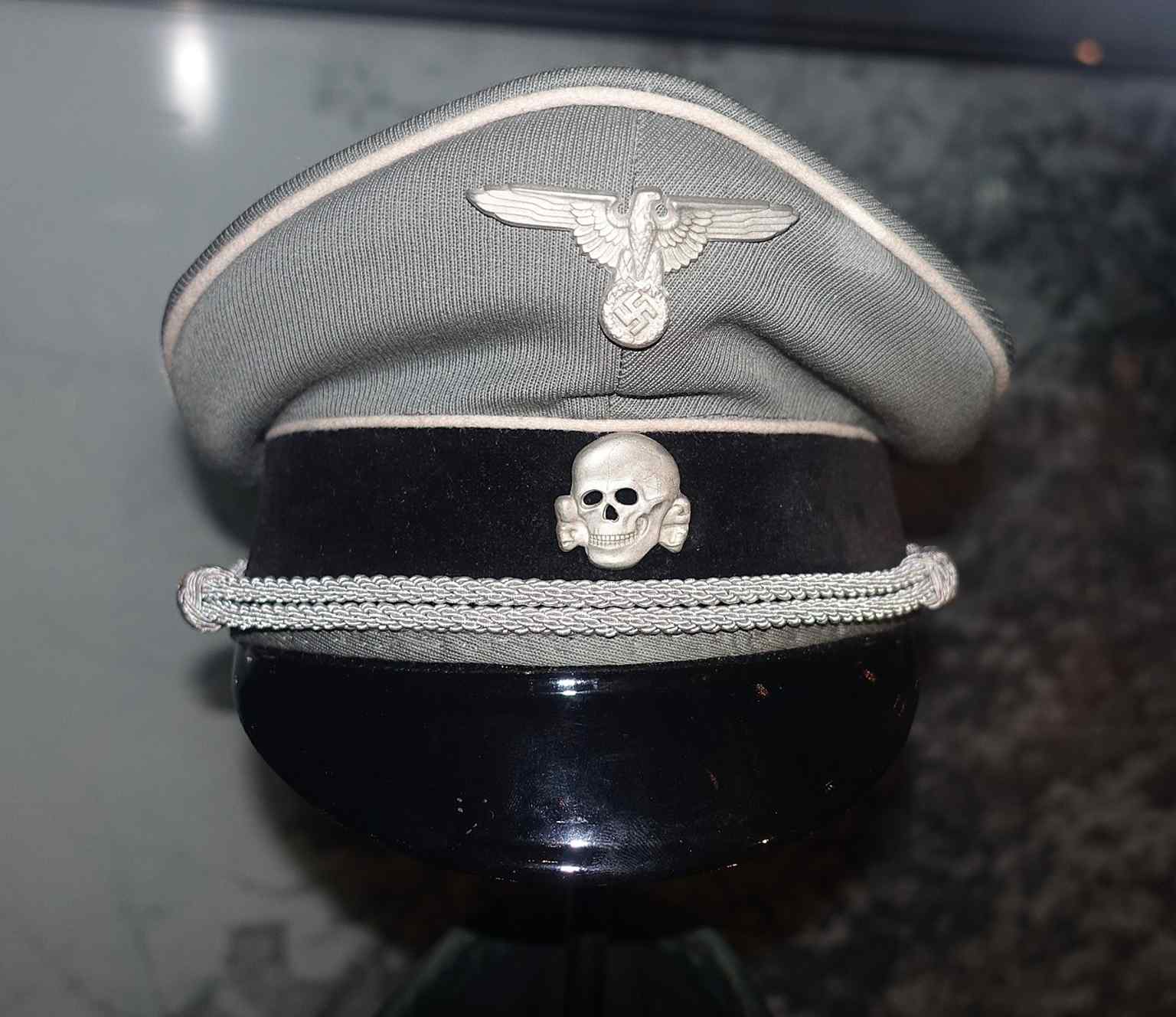
A close view of an SS visor cap, combining the eagle and death’s-head symbols that defined SS uniform design.
A close view of an SS visor cap, combining the eagle and death’s-head symbols that defined SS uniform design.Photo: Wolfmann, Wikimedia Commons, CC BY-SA 4.0. Cropped & resized.
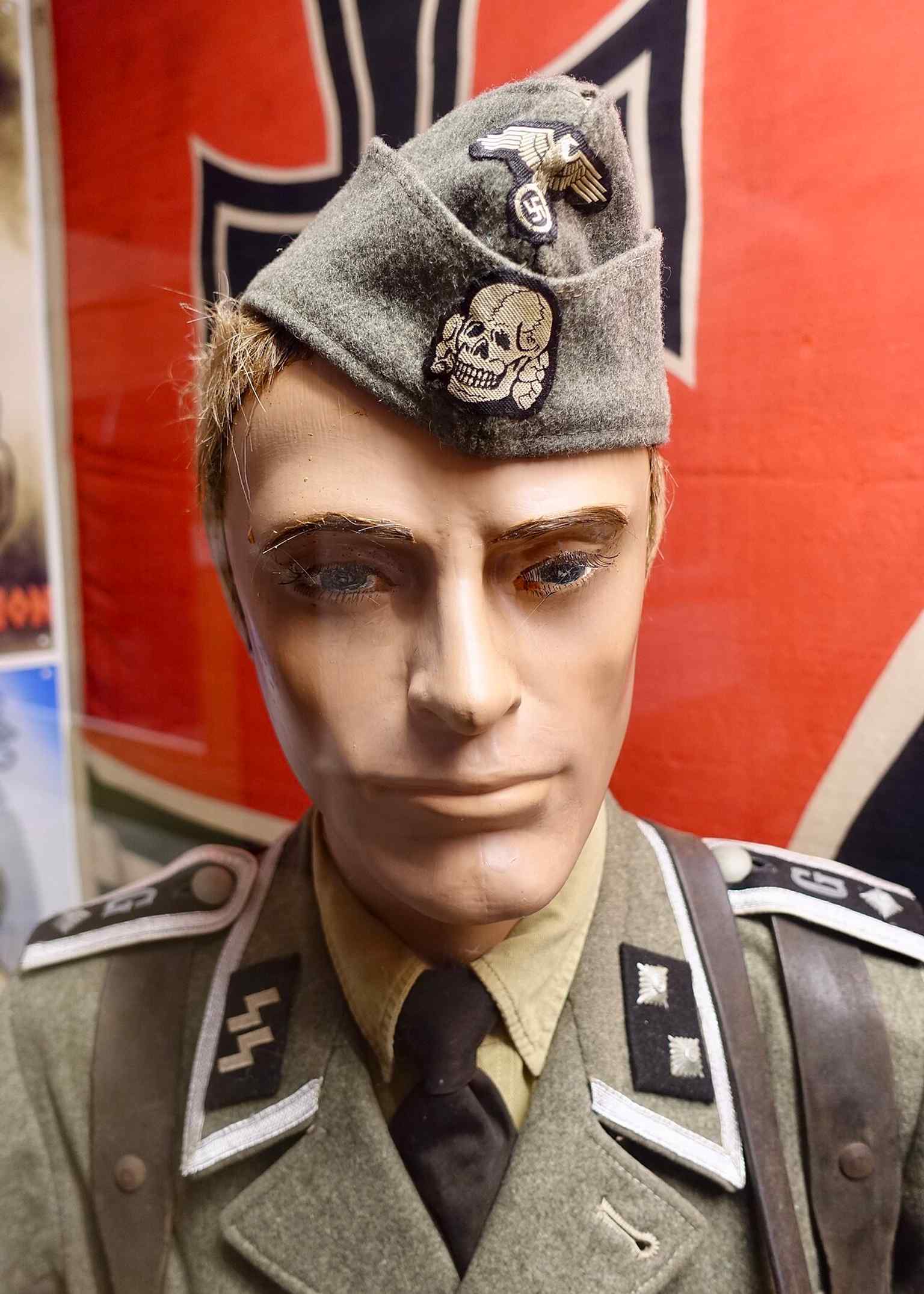
A Waffen-SS field uniform with SS runes and Totenkopf insignia, reflecting the branch’s military role on the Eastern Front.
A Waffen-SS field uniform with SS runes and Totenkopf insignia, reflecting the branch’s military role on the Eastern Front.Photo: Wolfmann, Wikimedia Commons, CC BY-SA 4.0. Cropped & resized.
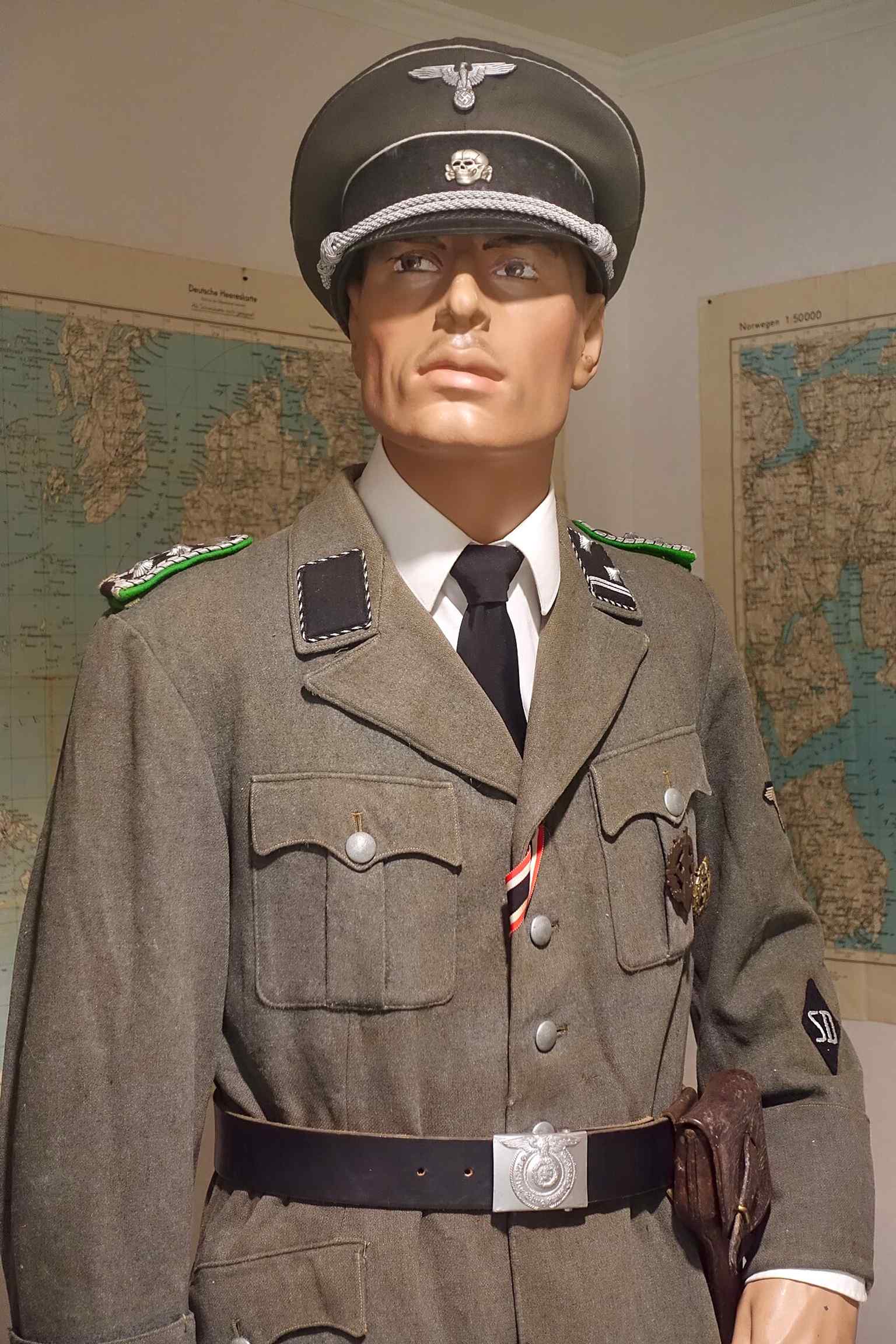
An SD officer’s uniform from occupied Norway, linking the SS to security policing, intelligence, and occupation rule.
An SD officer’s uniform from occupied Norway, linking the SS to security policing, intelligence, and occupation rule.Photo: Wolfmann, Wikimedia Commons, CC BY-SA 4.0. Cropped & resized.
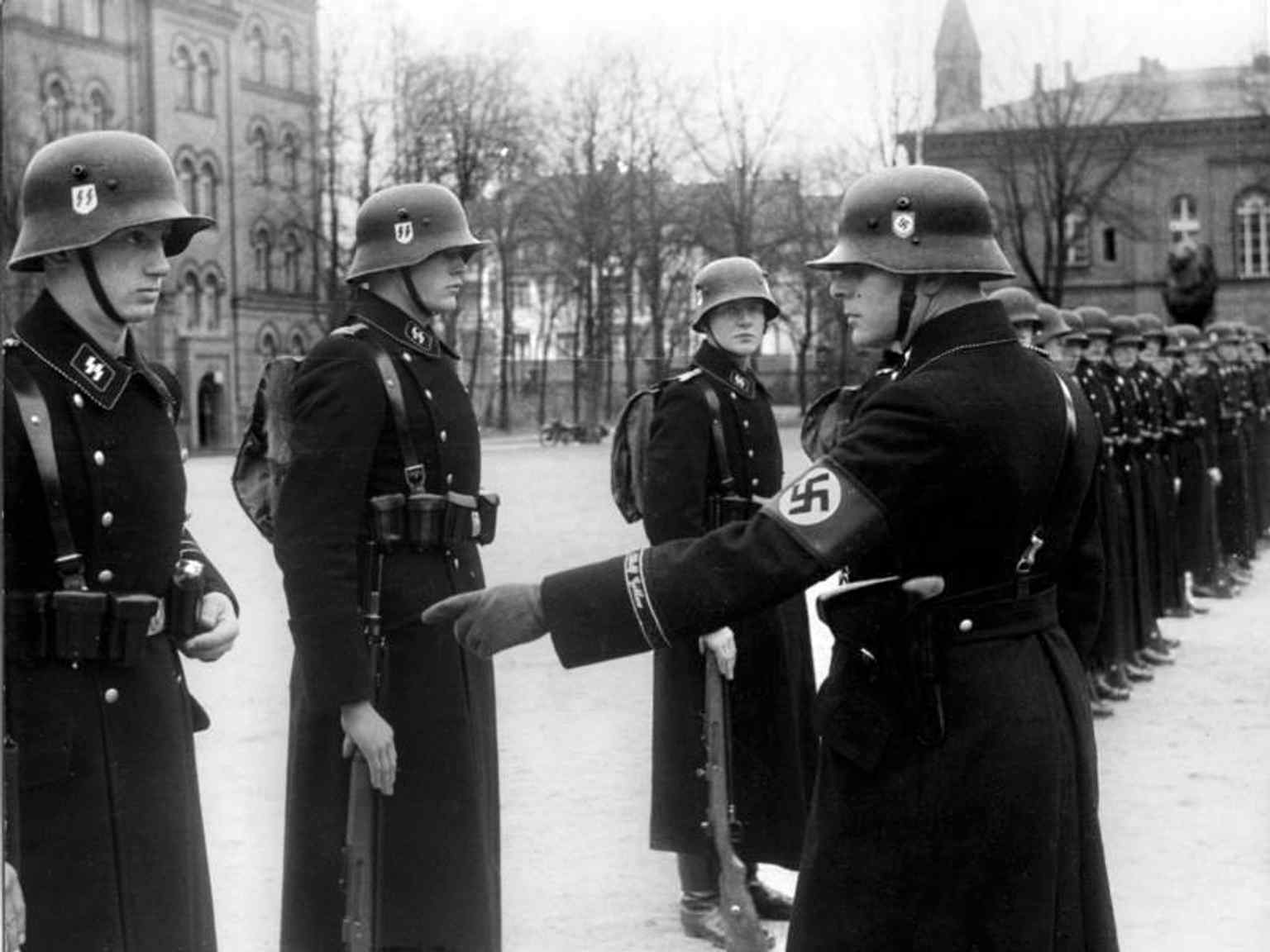
The Leibstandarte SS Adolf Hitler in Berlin, the SS bodyguard unit created to protect Hitler personally.
The Leibstandarte SS Adolf Hitler in Berlin, the SS bodyguard unit created to protect Hitler personally.Photo: UnknownUnknown, Wikimedia Commons, CC BY-SA 3.0 de. Cropped & resized.
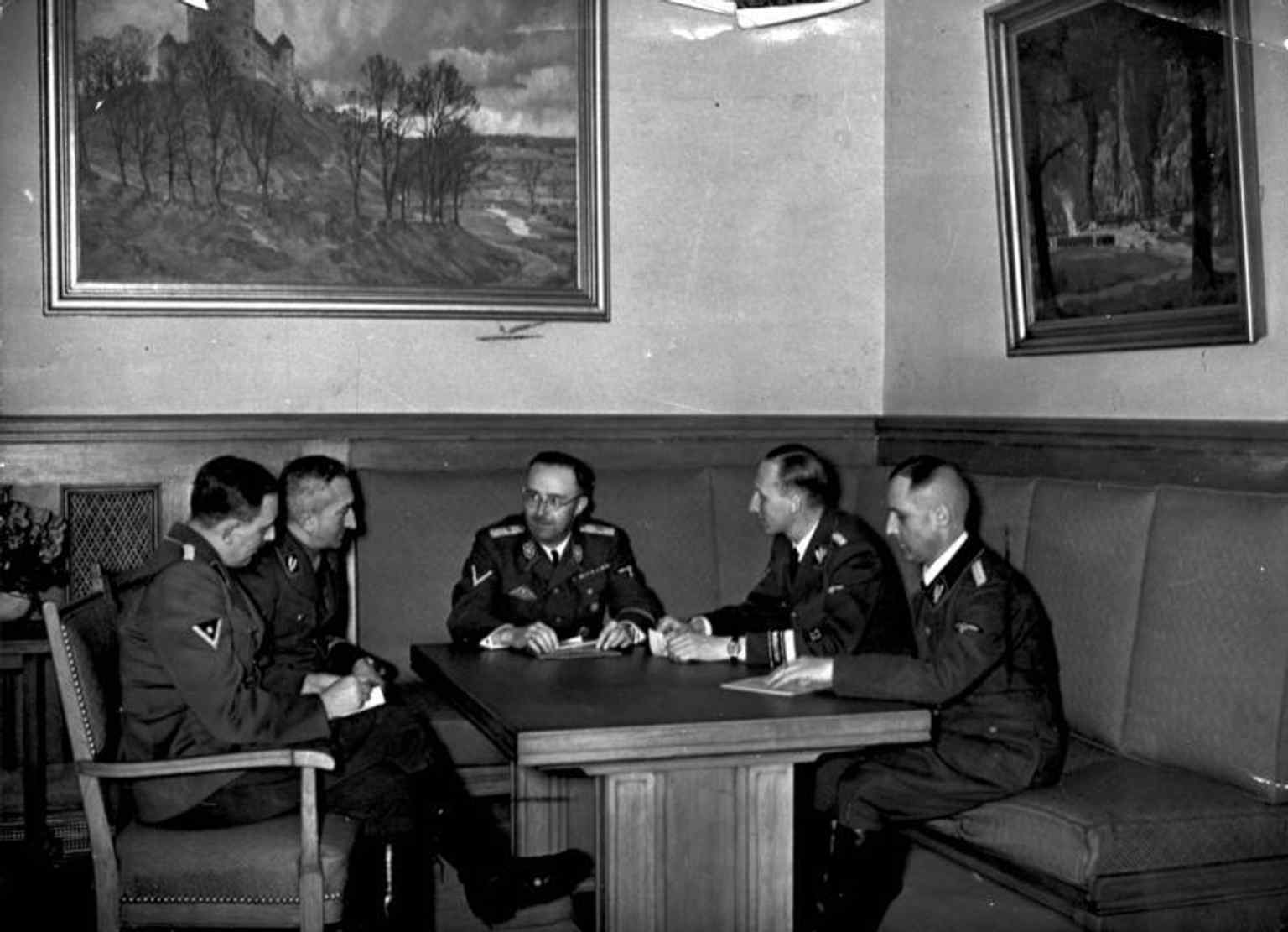
Himmler meeting Heydrich and Gestapo officials in Munich, illustrating the SS command circle behind state terror.
Himmler meeting Heydrich and Gestapo officials in Munich, illustrating the SS command circle behind state terror.Photo: UnknownUnknown, Wikimedia Commons, CC BY-SA 3.0 de. Cropped & resized.
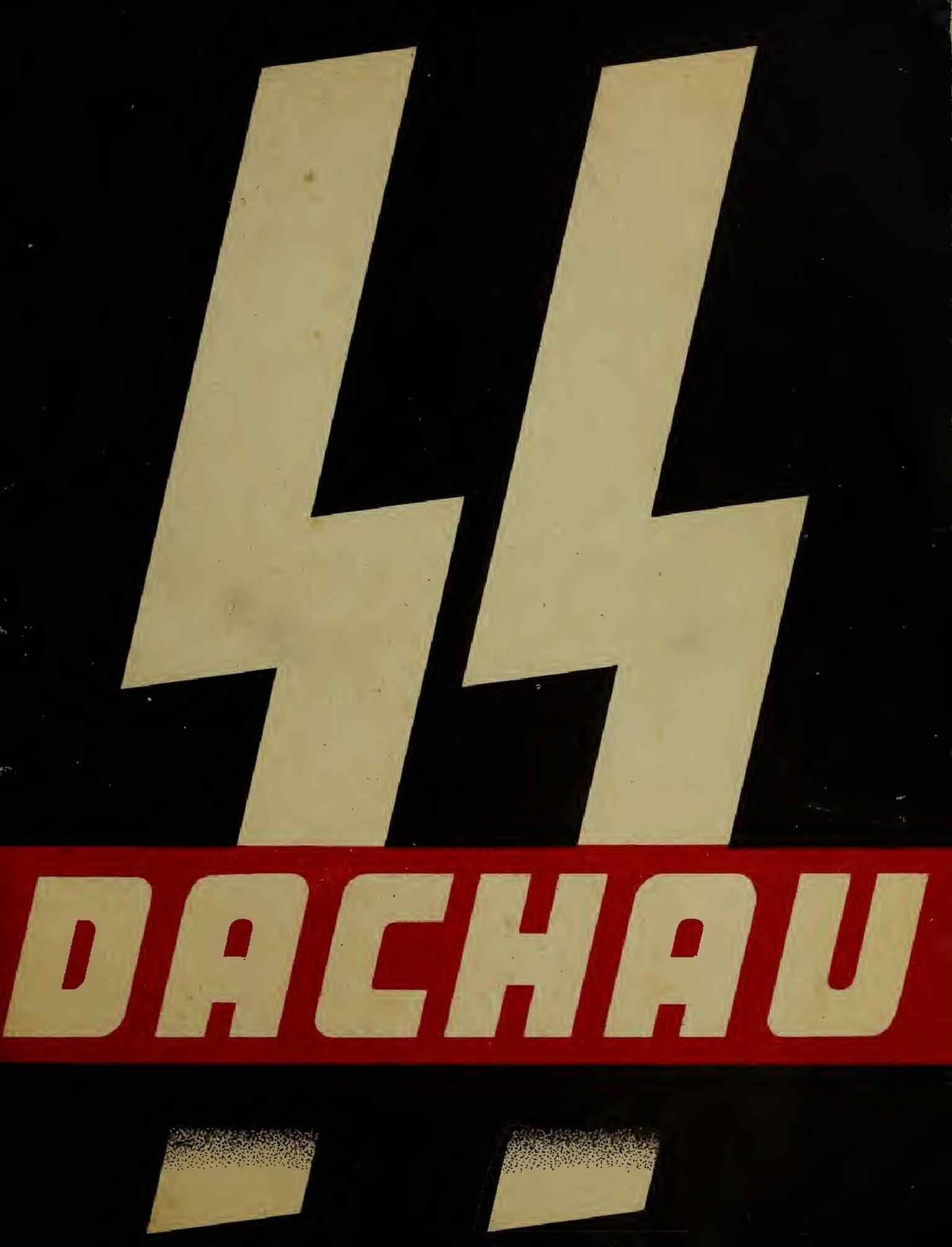
A 1945 Dachau intelligence report on the camp system, which the SS built into a model of organised repression and murder.
A 1945 Dachau intelligence report on the camp system, which the SS built into a model of organised repression and murder.Photo: Various anonymous authors from different US intelligence branches: 7th US Army military intelligence (G-2), Office of Strategic Services (OSS), Counter Intelligence Corps (CIC), and Psychological Warfare Branch (PWB), Wikimedia Commons, Public domain. Cropped & resized.
arrow_back Back to Berlin Audio Tour: Journey Through Art, History, and Modern Marvels

AudaTours: Audio Tours

Entertaining, budget-friendly, self-guided walking tours

Try the app arrow_forward

Loved by travelers worldwide

format_quote This tour was such a great way to see the city. The stories were interesting without feeling too scripted, and I loved being able to explore at my own pace.
Jess
Jess
starstarstarstarstar
Tbilisi Tour arrow_forward
format_quote This was a solid way to get to know Brighton without feeling like a tourist. The narration had depth and context, but didn't overdo it.
Christoph
Christoph
starstarstarstarstar
Brighton Tour arrow_forward
format_quote Started this tour with a croissant in one hand and zero expectations. The app just vibes with you, no pressure, just you, your headphones, and some cool stories.
John
John
starstarstarstarstar
Marseille Tour arrow_forward

Unlimited Audio Tours

Unlock access to EVERY tour worldwide

0 tours·0 cities·0 countries
all_inclusive Explore Unlimited