
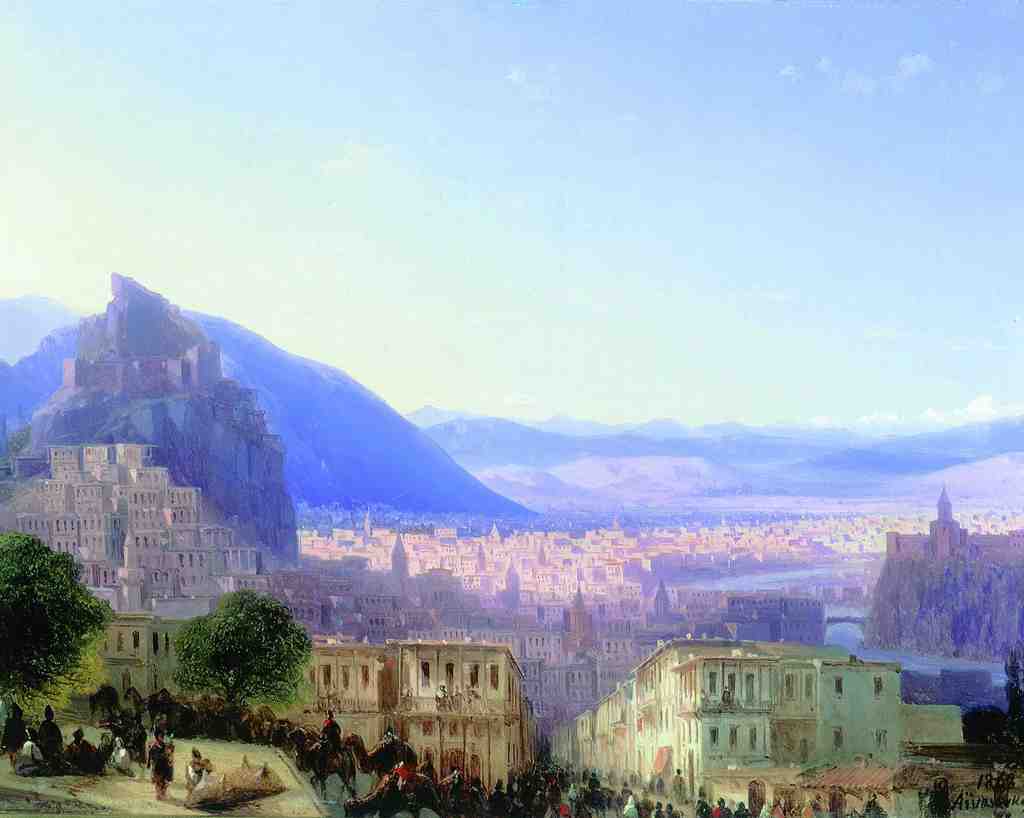
Ah, you’ve made it to the final stop! Look to your left. You’ll spot a lively area with narrow winding streets, colorful balconies, and a diverse architectural mix that almost seems like it’s straight out of a history book. Yes, you’re looking at Old Tbilisi!
Old Tbilisi (Georgian: ძველი თბილისი, dzveli t'bilisi) is like the city’s time capsule. Although folks have been calling it "Old Tbilisi" for ages, it only got its official designation as an administrative district in 2007 before being reshuffled in 2013. Despite these changes, locals and visitors alike still affectionately refer to this historic part of the city as "Old Tbilisi."
This historic district, rich with eclectic architecture from the 5th to the 20th century, lies on both sides of the Kura River. You might notice the grand Mount Mtatsminda keeping watch over the area, along with the imposing Narikala fortress and the Kartlis Deda monument. Though much of the pre-19th century city was lost in a devastating Persian invasion in 1795, wandering through these streets, you’ll still find a vibrant blend of history and culture with churches, museums, sulphur bathhouses, and wooden houses with charming carved balconies.
In the 19th century, this area was a melting pot of different ethnic neighborhoods-from the Armenian and Georgian quarters of Avlabari to the German Alexanderdorf and the Persian Quarter (Said-Abad).
Old Tbilisi has long been a magnet for artists. One name you might hear is Giovanni Vepkhavadze, a celebrated painter of the district’s street scenes. In 2010, efforts to spruce up the old and damaged houses and cobbled streets kicked off to make this area even more inviting for tourists and visitors.
So go ahead, dive into the past! Enjoy the winding streets and let the stories of Old Tbilisi enchant you. You've certainly earned it after this whirlwind tour!




