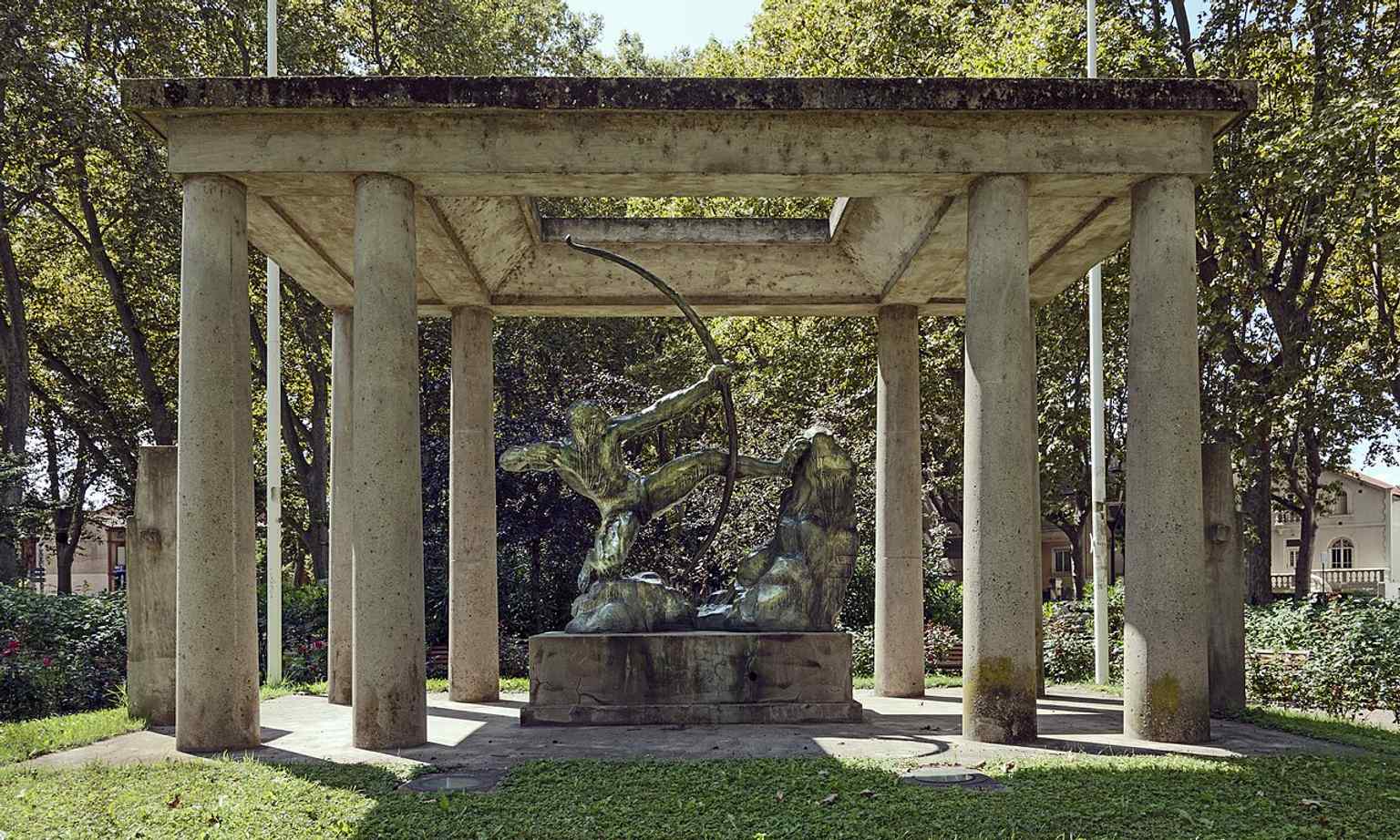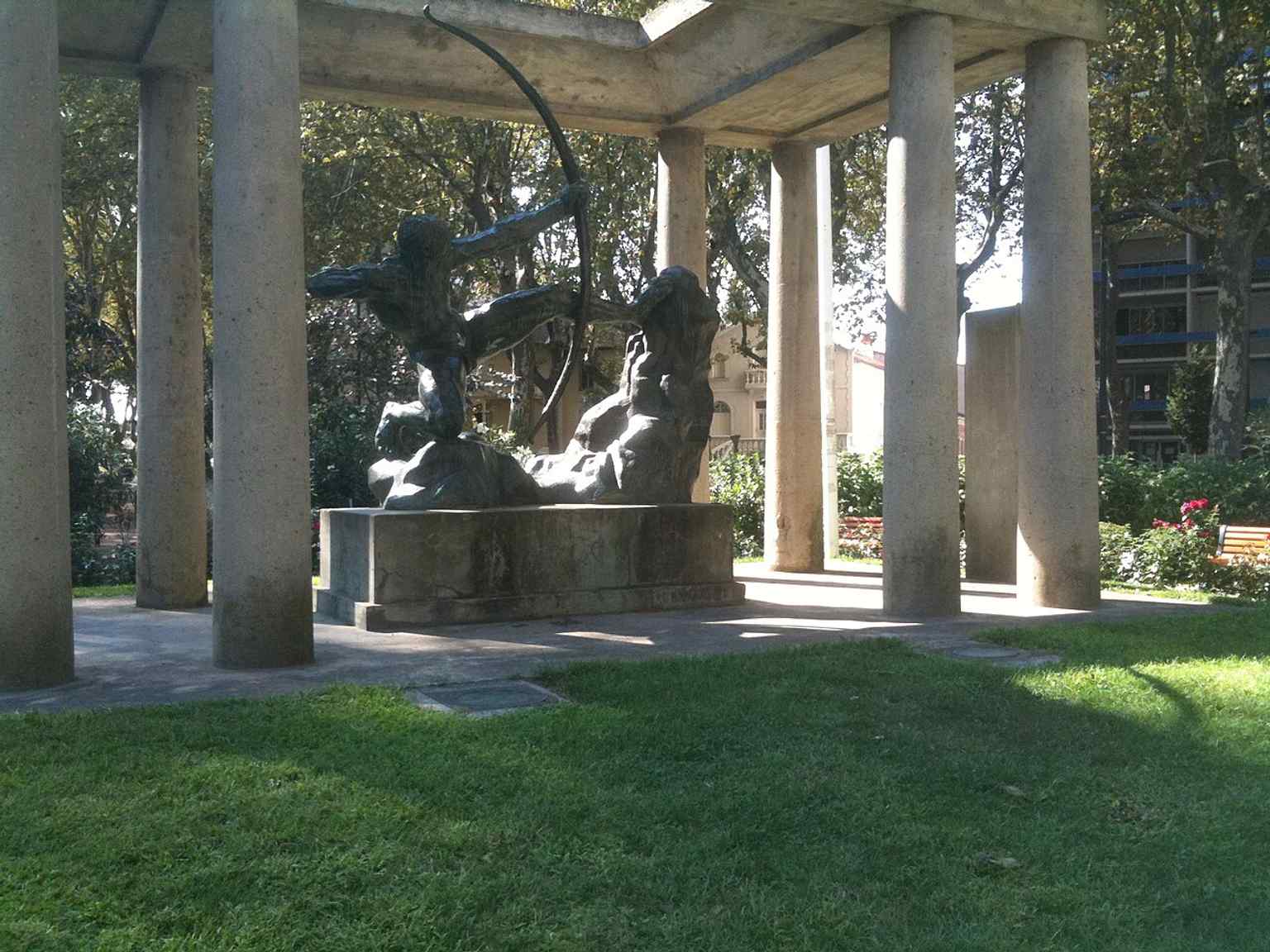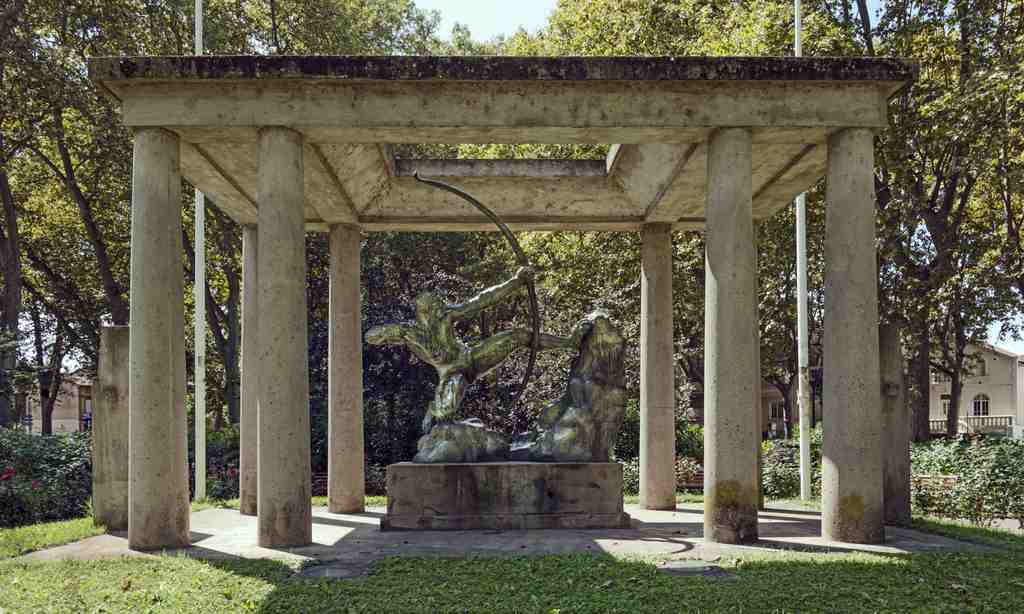
On your left, look for a dark bronze archer stretched into a powerful lunge, set on a pale stone and concrete monument with plain columns and carved reliefs at its base.
At first glance, this seems to be a hero from myth: Herakles, bow drawn, every muscle tightened to the point of release. And it is that. Antoine Bourdelle shaped the figure in nineteen oh nine, using his friend, Captain Paul Gustave André Doyen-Parigot, as a model in the studio, even photographing him from different angles so he could study how the body twists under strain. When Bourdelle showed the bronze in nineteen ten at the Salon in Paris, it caused a sensation. Critics saw something new in it: not the polished obedience of academic sculpture, and not the language of Rodin either, but a sharper, more modern kind of force.
But here in Toulouse, Herakles does not stand alone. Here, Herakles, Mayssonnié, and rugby remembrance are bound together in one act of public memory.
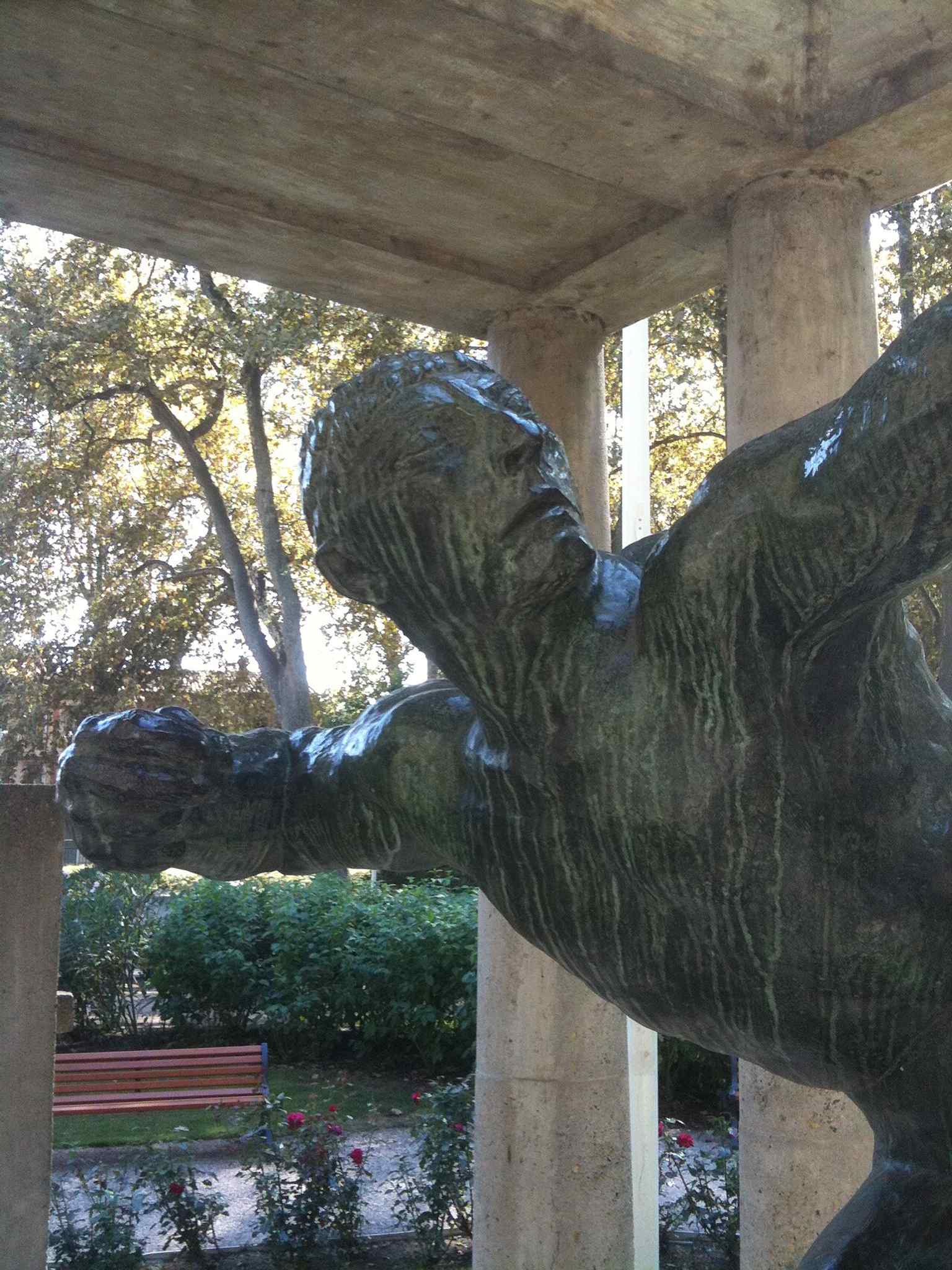
Take a moment to study the tension in the back, the shoulders, the pulled arm. Does this body feel to you like a god, an athlete, a mourner, or someone refusing to yield?
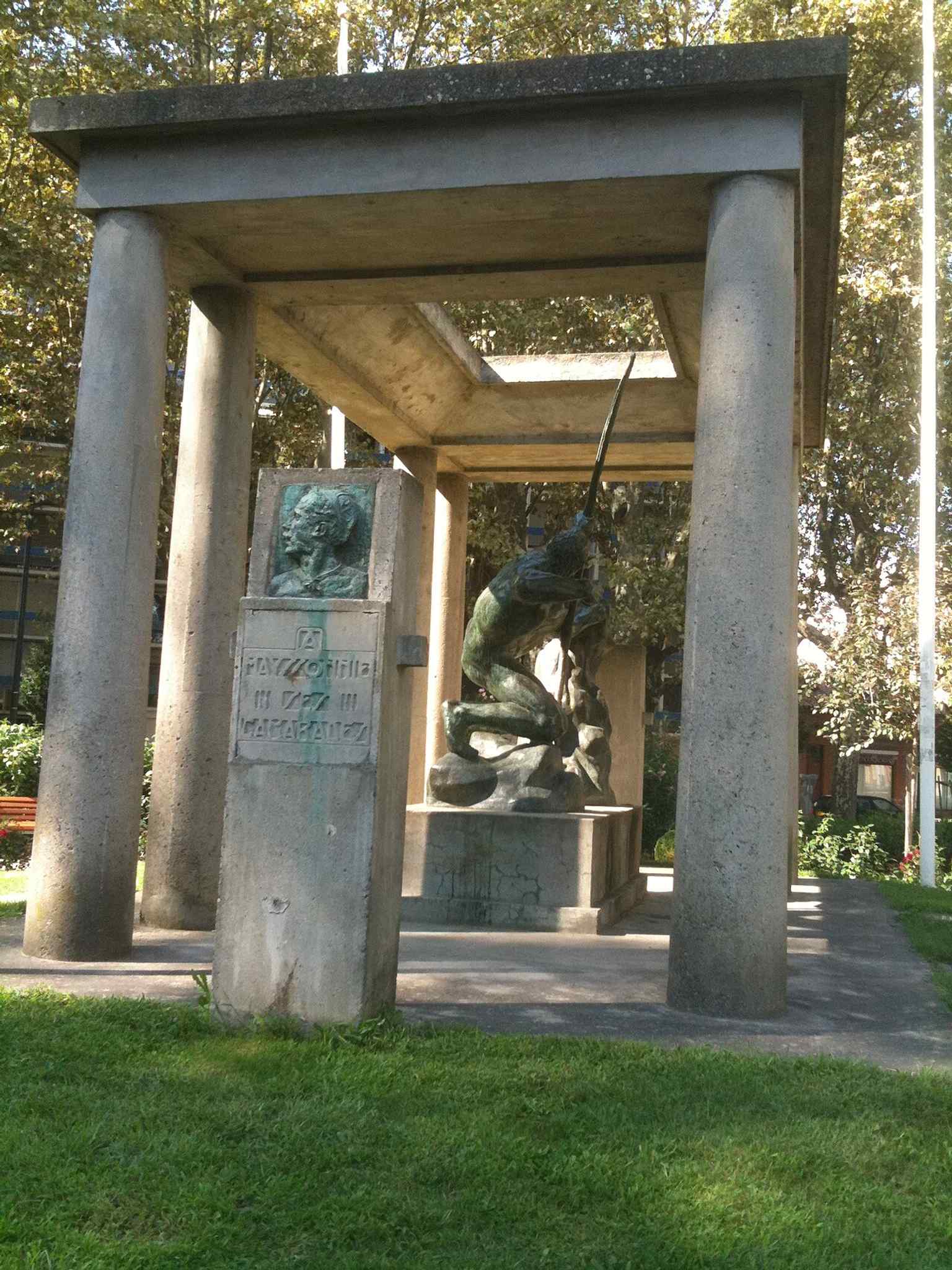
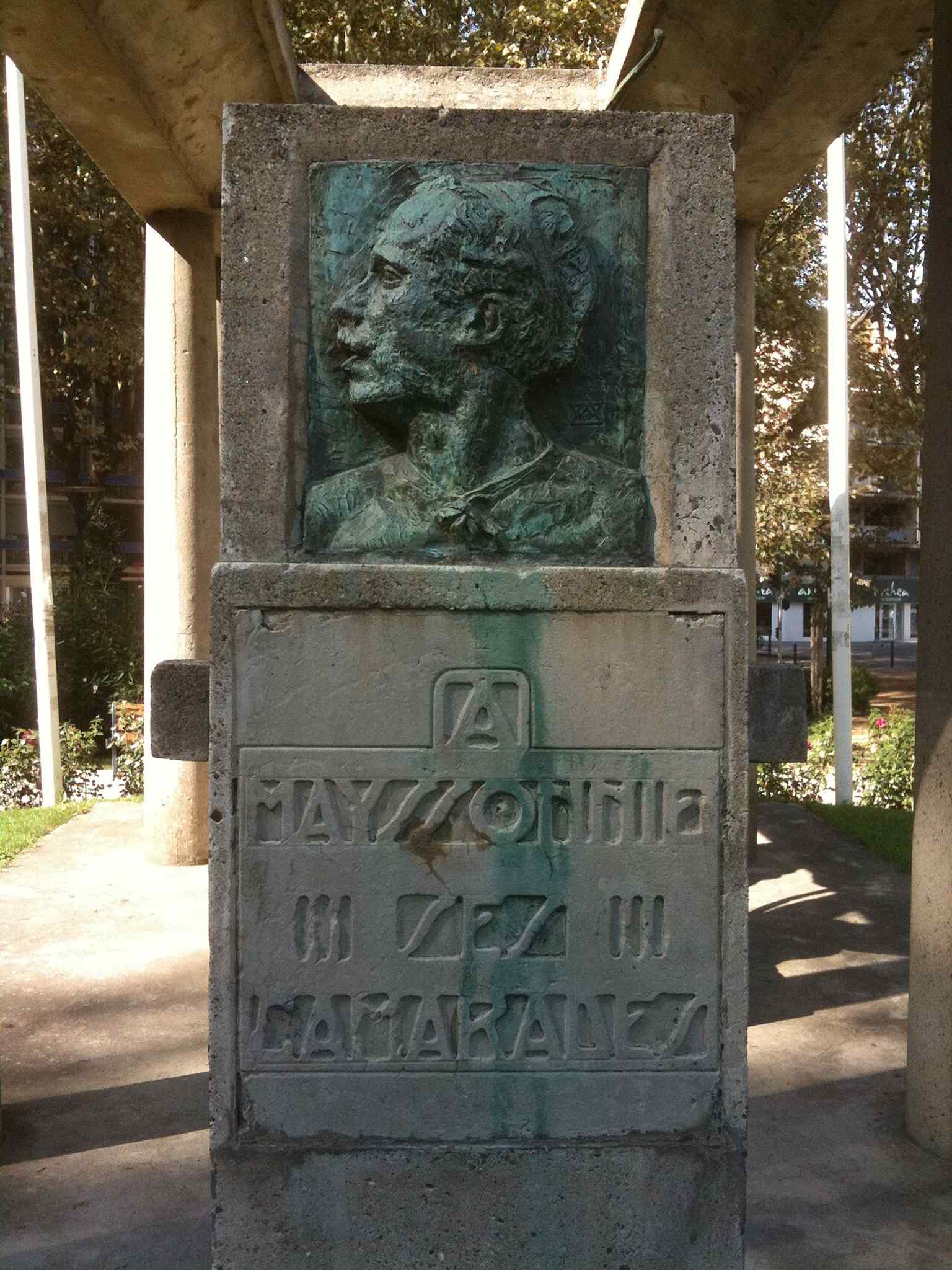
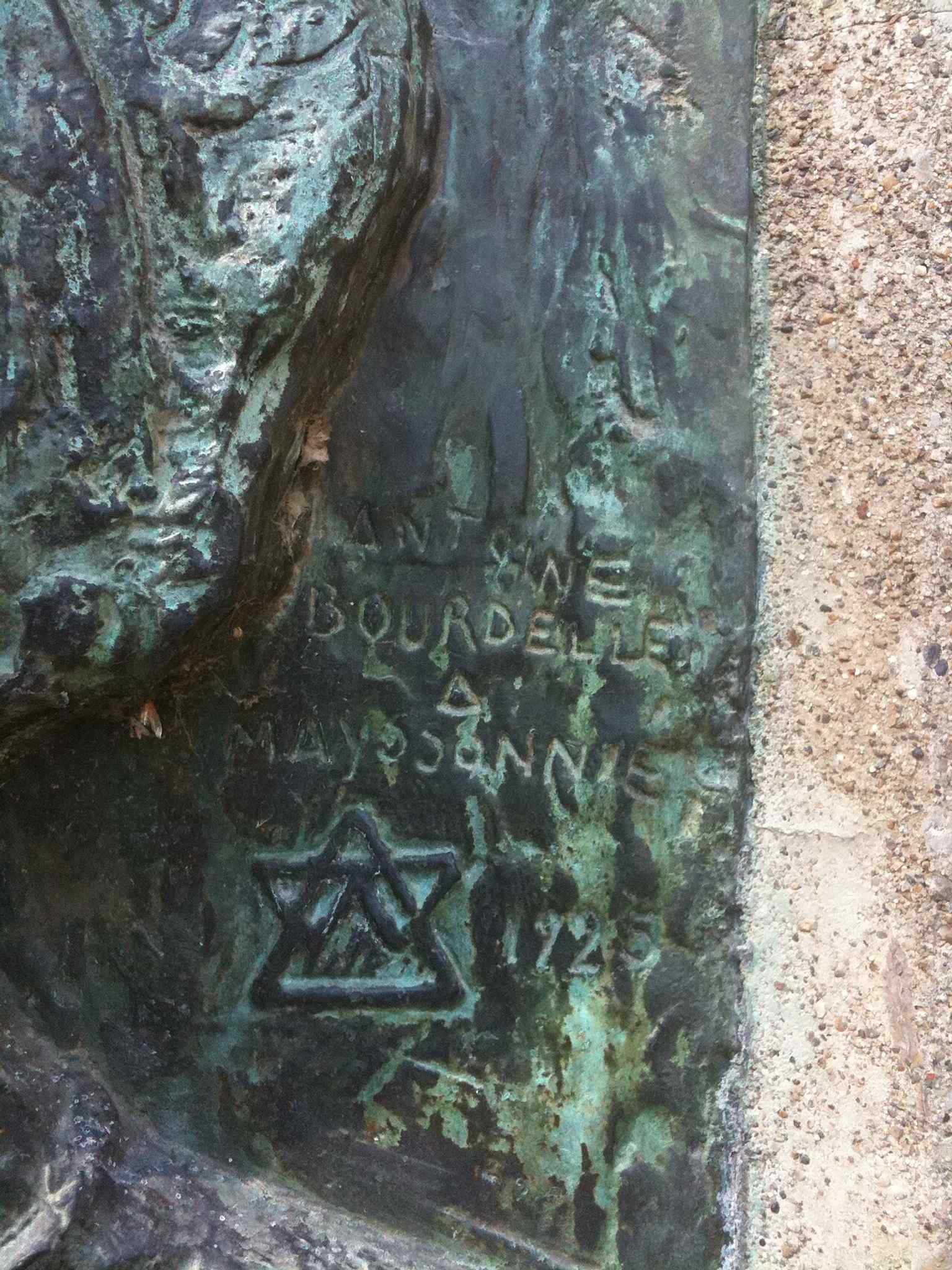
Most visitors miss the twist. This tribute did not begin as a broad memorial to all fallen rugby players. It began with one man: Alfred Mayssonnié, known as Maysso, a Stade Toulousain player, a French international, and part of the team that won the club’s first national title in nineteen twelve, the unbeaten side nicknamed the Red Virgin. He died in combat in nineteen fourteen, one of the first international rugby players killed in the Great War. Paul Voivenel, who led the campaign, first wanted to honor Mayssonnié. Then the project widened, carrying the grief of an entire sporting community.
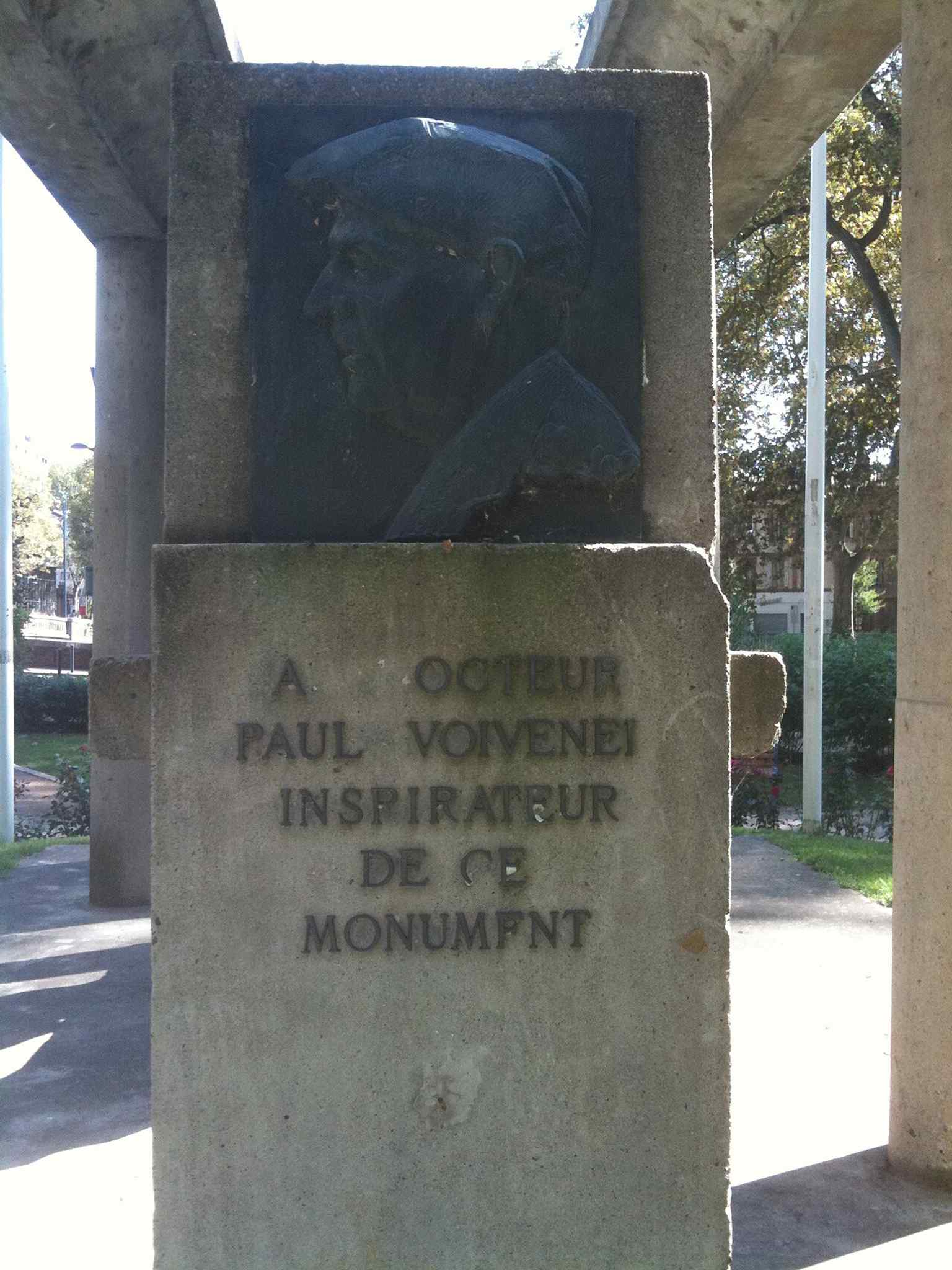
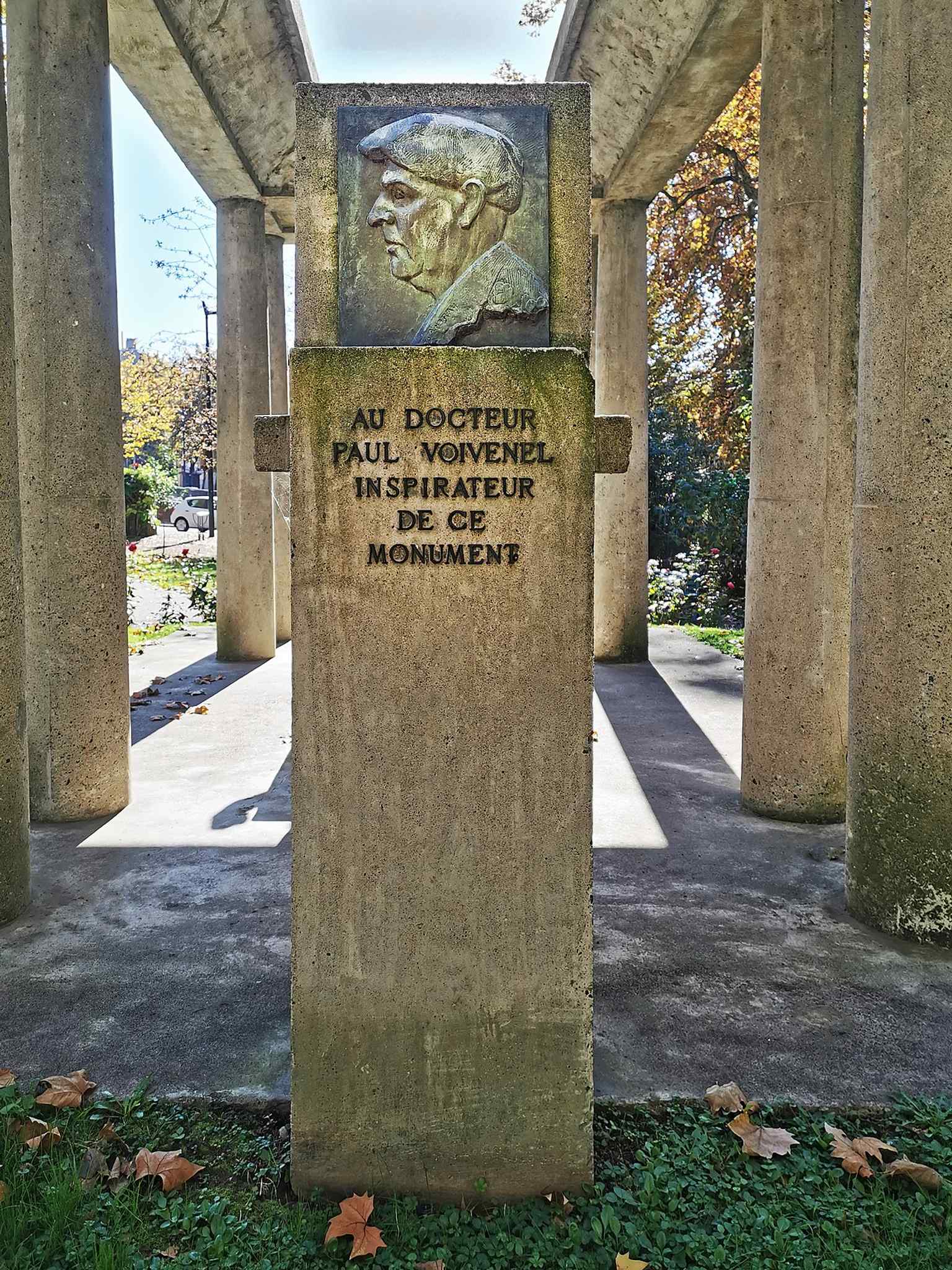
Bourdelle, born in Montauban and trained in Toulouse, did more than send an already famous statue. He designed this sober architectural frame as well, with eight stripped-back columns, and he added reliefs of Herakles fighting the Nemean lion and the Hydra, plus a portrait of Mayssonnié on the south face. If you glance at the before-and-after image in the app, you can see how the setting later gained the more legible Voivenel stele beside it, telling a fuller story than the early views did. When they inaugurated the monument on the twenty-sixth of April, nineteen twenty-five, it honored five hundred and seventy-five rugby players dead in the war. During the Occupation, it even narrowly escaped being melted down for metal in nineteen forty-three.
That is the quiet shock of this place: the city took a famous work of art and made it answer grief. This is not decoration. It is Toulouse deciding what courage should look like. When you are ready, Brienne Alley is about a three-minute walk away, and this monument remains open to view at any hour.