
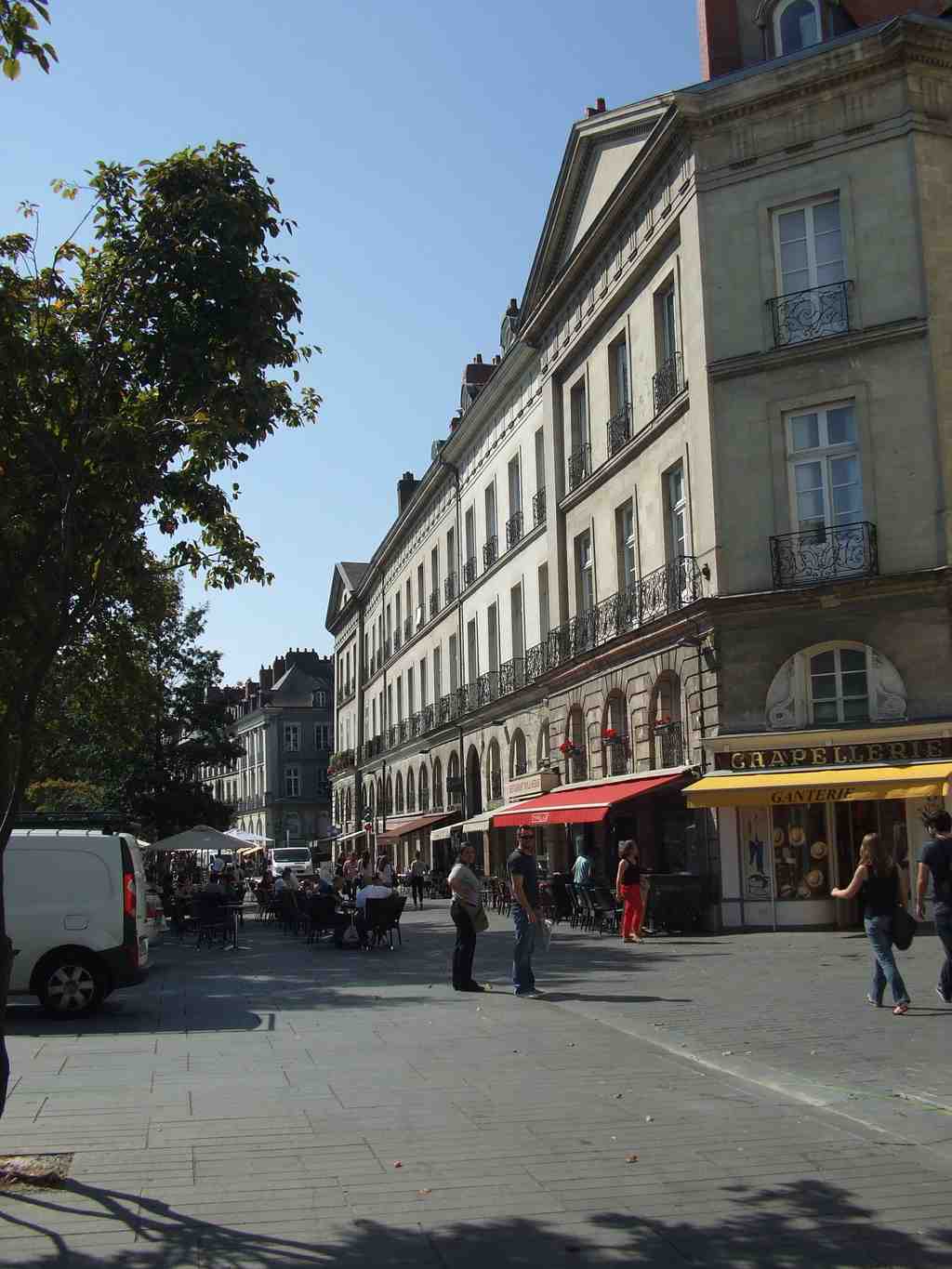
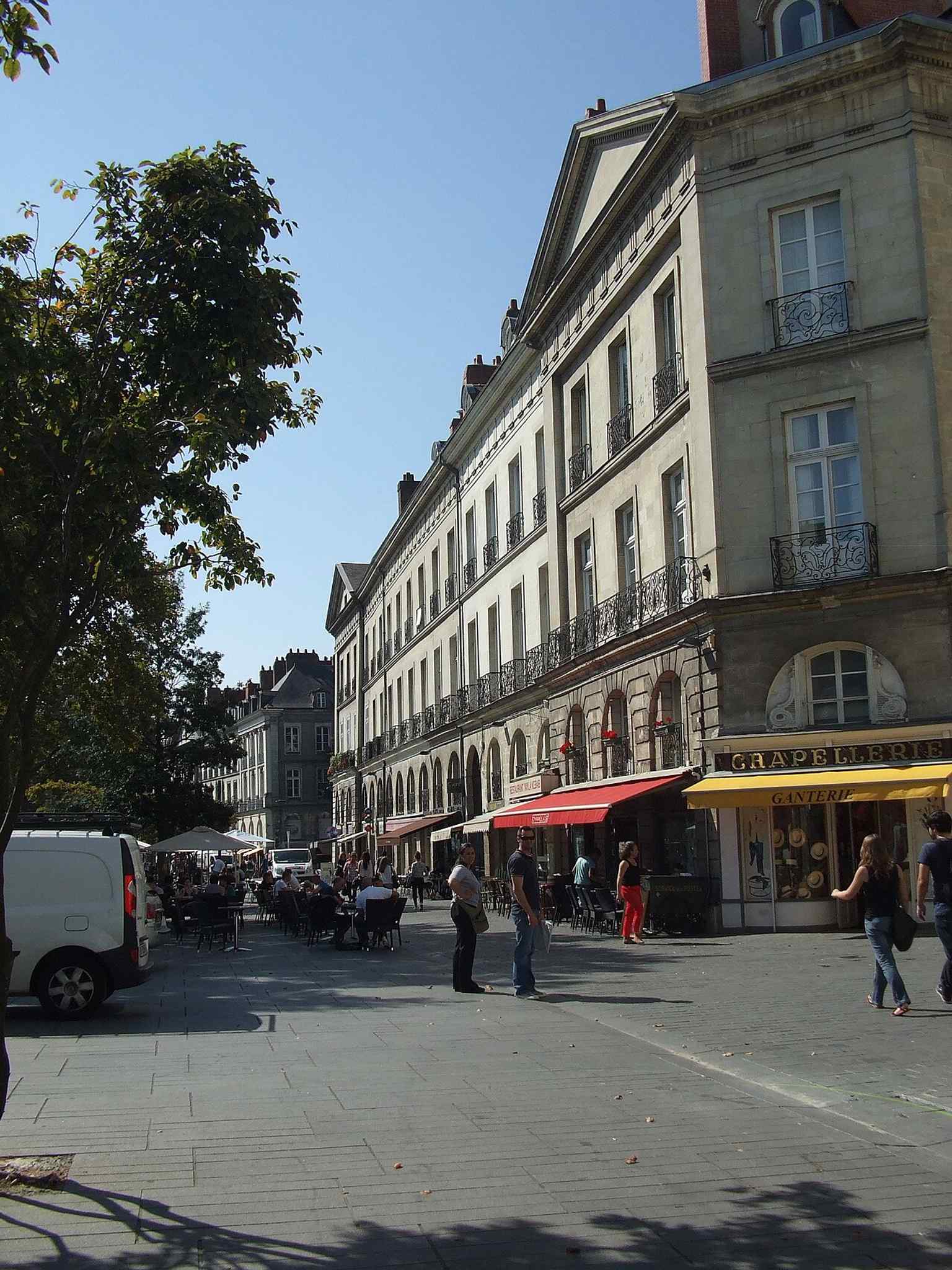
This place looks like a long stone promenade edged by a calm row of pale classical facades, with a deep central passageway cut through the buildings like a hidden doorway.
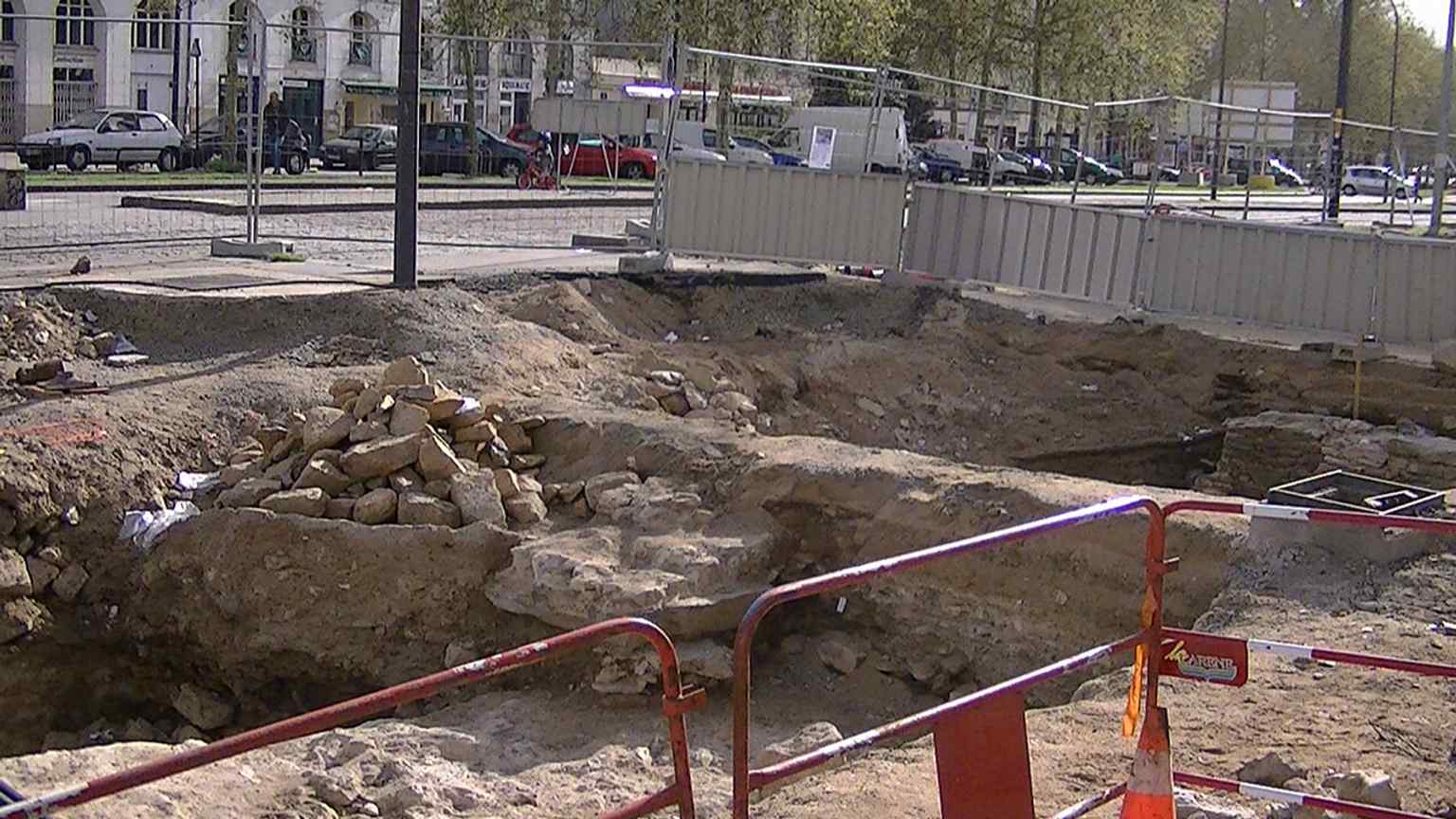
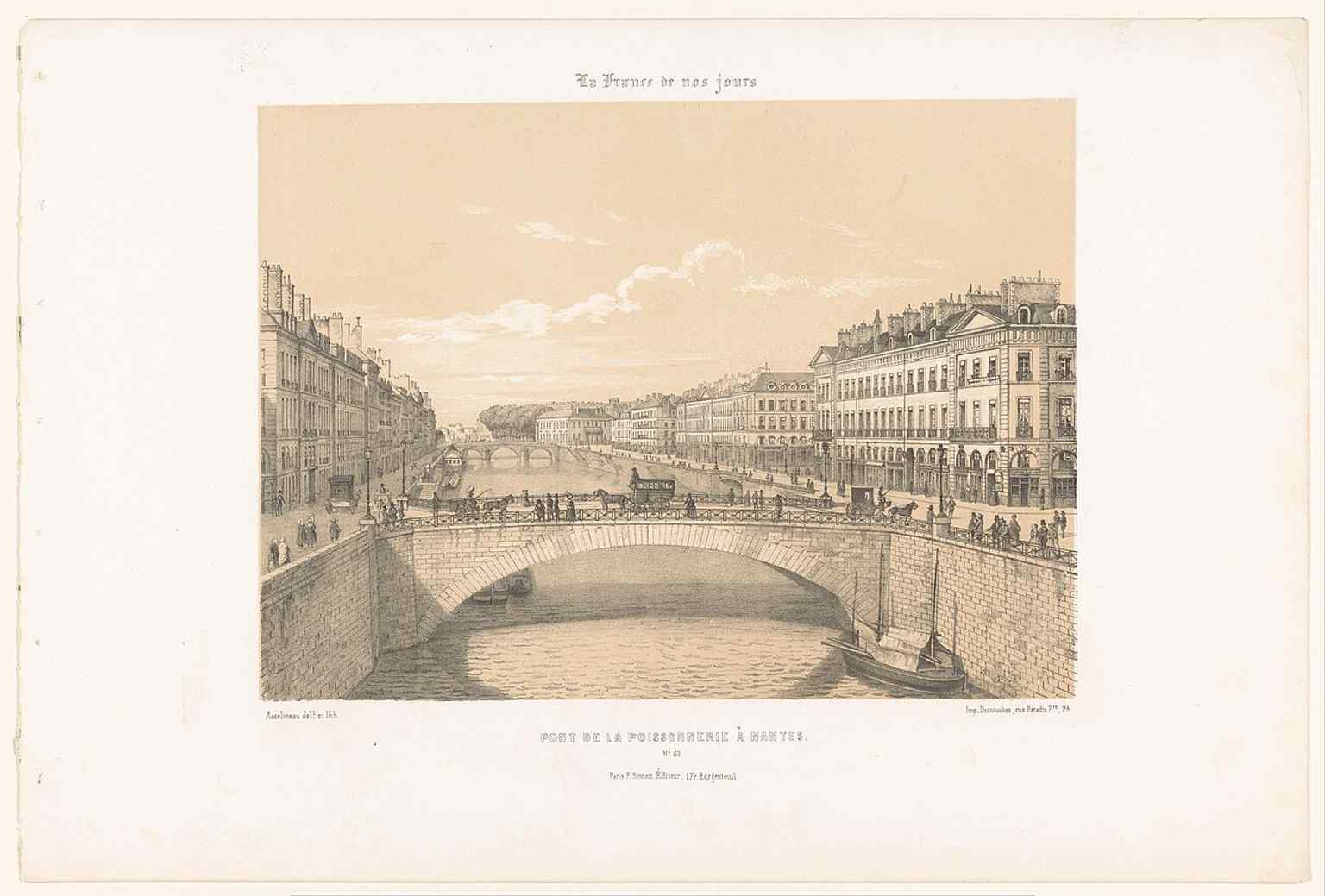
Flesselles Alley asks you to trust what your eyes cannot see... because this was not born as an alley at all. You are standing on a former quay of the Loire. Most visitors read it as an ordinary city lane, but the ground under your feet used to be the river’s edge, part of the Bourse branch of the Loire, before the great infill works of the nineteen twenties and nineteen thirties buried the water and left a promenade in its place. If you glance at the image on your screen, you can see archaeologists uncovering that lost waterfront, like a memory rising through the pavement.
Its name carries another buried story. Jacques de Flesselles, killed on the fourteenth of July, seventeen eighty-nine, became one of the Revolution’s first victims in Paris. But in Nantes, people remembered him for something older: as Intendant of Brittany, from seventeen sixty-five to seventeen sixty-seven, he helped push forward the major urban works that reshaped this riverfront. So the quay took his name... then the Revolution stripped it away and renamed it for the Gardes-Françaises... and in eighteen fifteen, the Restoration gave Flesselles his place back. Even a street name here keeps arguing with history.
Before that, people called this stretch Quai de la Poterne, after a poterne, a small gate in the old wall. Then architect Jean-Baptiste Ceineray dreamed bigger. He aligned quays and facades from the city center toward the castle, turning this river edge into a kind of formal urban stage. That tidy front still hides messier truths: older parcels, damaged wartime interiors, and at number three, an eighteenth-century staircase protected as a historic monument, though you would never know it from the street.
Human lives rushed through here too. In seventeen seventy-seven, Charles Mangin set up his son, Louis Victor Mangin, with Nantes’s first “little post,” a private local mail service. Letters dropped into boxes around the city arrived by uniformed carriers several times a day. It feels touching, doesn’t it? On this quay of merchants and movement, Nantes learned to send news house to house.
Then came rails, trams, and near disaster. A railway reached this quay in the eighteen fifties. Nantes’s first tram line rolled through in eighteen seventy-nine. In nineteen oh five, a tram derailed at the nearby Pont de la Poissonnerie and plunged into the Loire. Miraculously, the passengers survived. In nineteen ten, floodwater rose so high it covered the tram tracks.
Look along the allée for a moment and try replacing pavement with dark moving water. That is Nantes, really: a city that keeps covering, renaming, cutting through, and rebuilding... yet never quite erases what came before.
Thank you for walking with me.






.JPG)
%20Hedendaags%20Frankrijk%20(serietitel)%20La%20France%20de%20nos%20jours%20(serietitel%20op%20object)%2C%20RP-P-1907-4389.jpg)