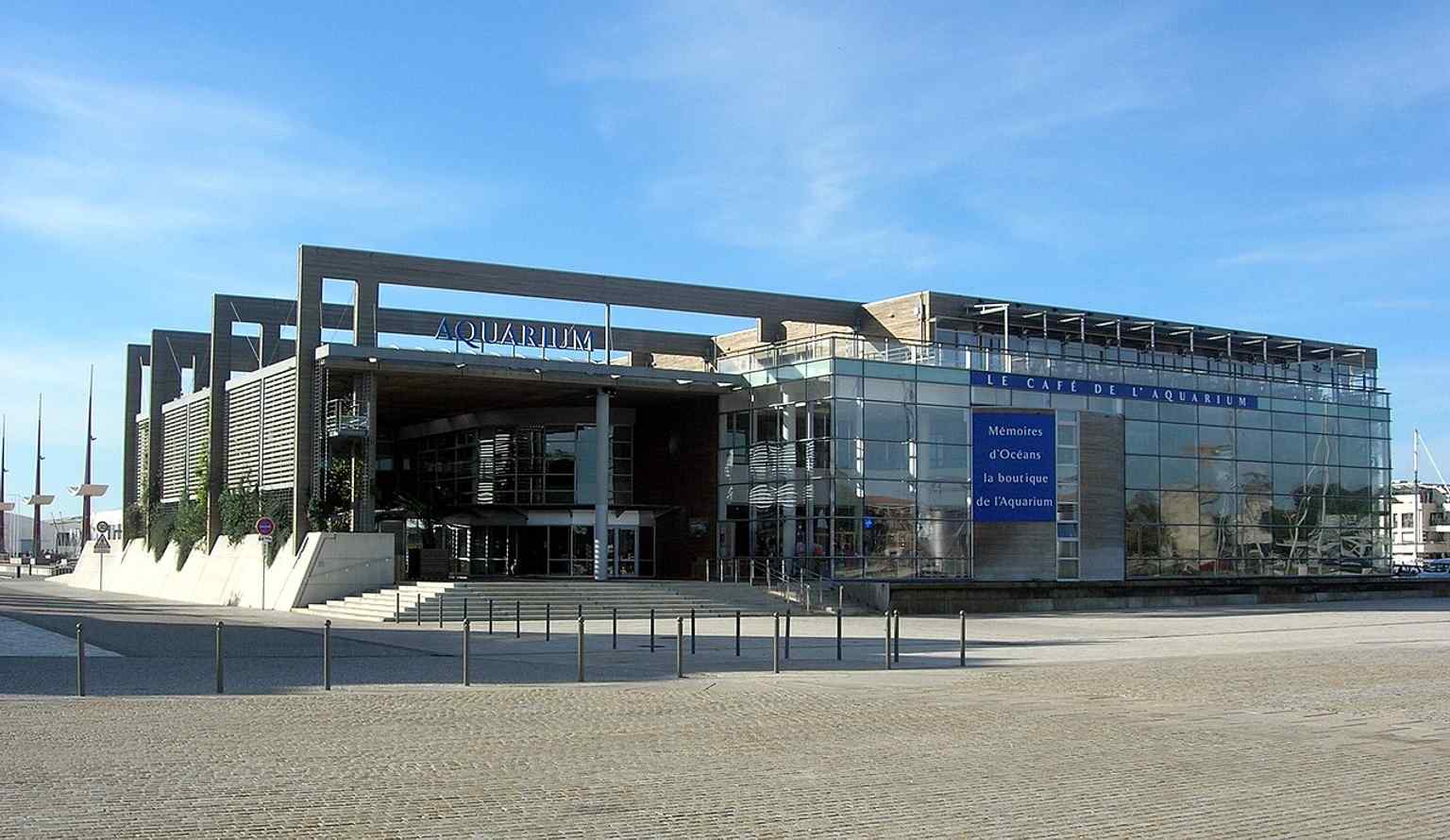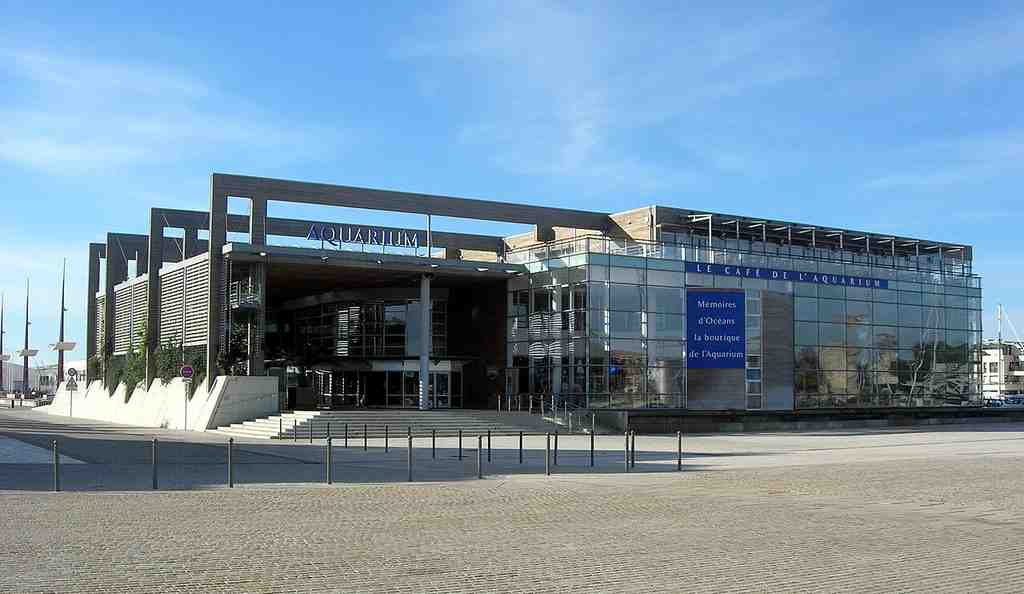
In front of you stands a broad modern block of pale concrete and glass, stretched in long horizontal bands with a rounded entrance canopy marking the Aquarium de La Rochelle.
For a city famous for ships, merchants, and stubborn stone towers, starting with an aquarium seems almost suspiciously modern... but it makes perfect sense. Picture René Coutant in the early nineteen-fifties, a horticultural engineer tinkering with seawater aquariums long before this place existed. Most visitors never realize that this major attraction began as something much smaller: René opened a public aquarium here in La Rochelle in nineteen seventy, just two hundred and fifty square meters, after years of quiet experimentation with living saltwater.
That small beginning grew into a family story. René handed the work to his children, Roselyne and Pascal, in nineteen seventy-five. Then the sea, in a way, reminded them that it offers wonder and risk in the same breath. The same water that fills these tanks with reef fish, sharks, jellyfish, and turtles has always fed port cities, fired curiosity, and made fortunes. It also strands animals, destroys plans, and refuses to behave like a tidy museum object. Oceans are magnificent... and gloriously uncooperative.
In nineteen eighty-five, fire destroyed the family aquarium at Ville-en-Bois. René had died the year before, so Roselyne and Pascal had to rebuild without him. They spent three years creating the Grand Aquarium, which opened in nineteen eighty-eight and ranked among the biggest in France at the time. Near the marina at Les Minimes, it covered more than one thousand six hundred square meters, with thirty-six aquariums holding five hundred and fifty thousand liters of seawater. Within twelve years, seven million people came through. That is not a hobby gone well. That is a local institution announcing itself.
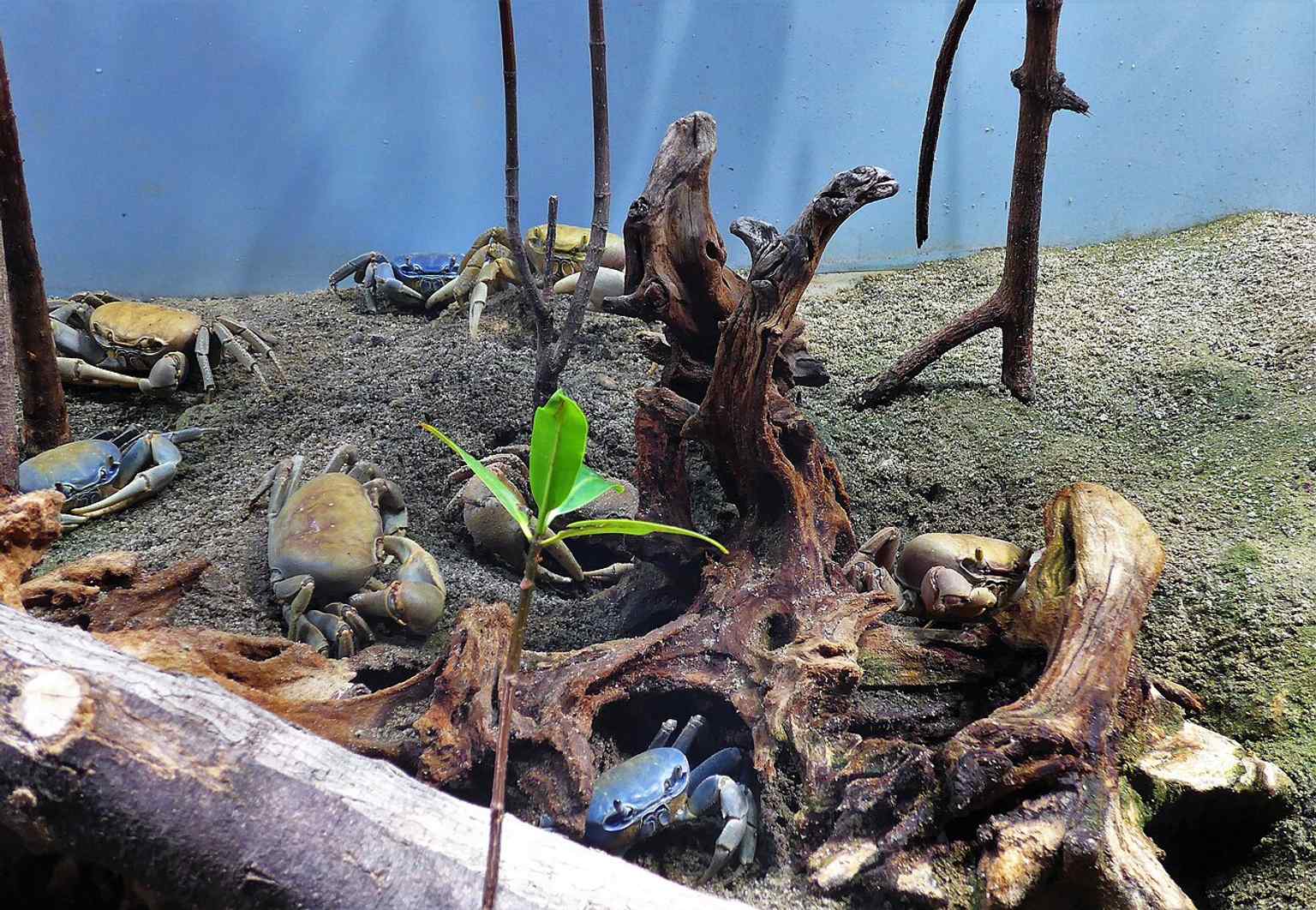
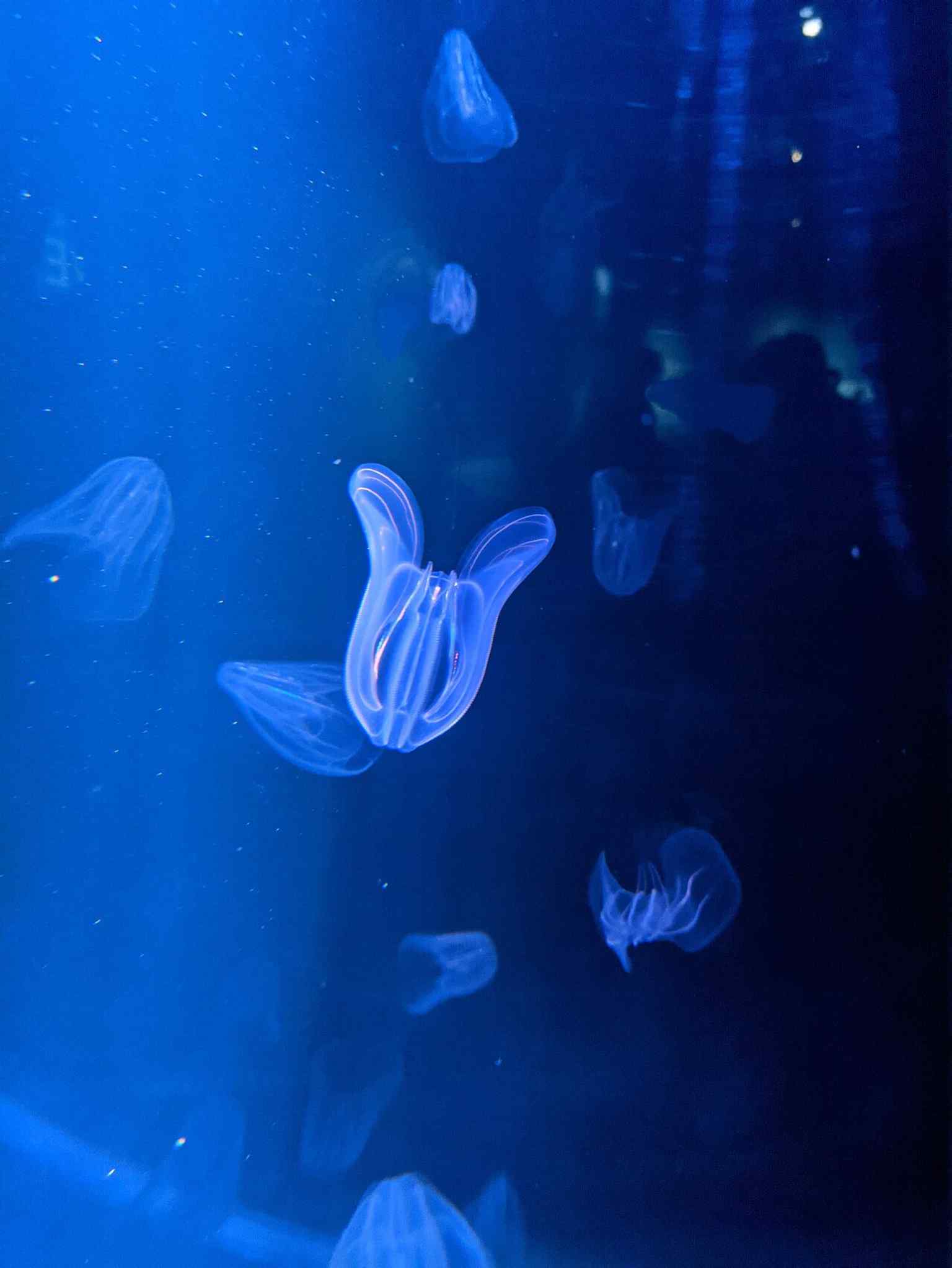
Success pushed the next reinvention. In two thousand one, the aquarium moved here, close to the old harbor and right into the city’s daily life. Now it spreads across more than eight thousand four hundred and forty-five square meters, with three million liters of seawater, seventy-three display tanks, one hundred and fifty quarantine aquariums, and more than twelve thousand animals from six hundred species. If you check the image on your screen, you can peek inside those great interior basins. Another glance shows one of the aquarium’s jellyfish displays, those floating creatures that look elegant right up until you remember they are basically drifting nerve nets.
What I like most is that this place does more than exhibit marine life. Inside, elevators guide visitors downward as if descending into the sea, and children get their own low observation points... a smart choice, since fish have shown very little interest in redesigning themselves for adult eye level. The aquarium also runs a sea turtle care and studies center. Between October of twenty twenty-three and June of twenty twenty-four alone, the team returned one hundred and thirty-seven loggerhead turtles and one green turtle to the ocean. So this building doesn’t just display the sea; it studies it, repairs some of the damage, and sends living pieces of it back out again.
That instinct matters in La Rochelle. Here, marine knowledge becomes memory, business, rescue work, and family inheritance all at once. At the next stop, the Maritime Museum, five minutes away, the boats themselves take over as witnesses. If you plan to come back inside later, the aquarium opens every day from nine in the morning to eight in the evening.