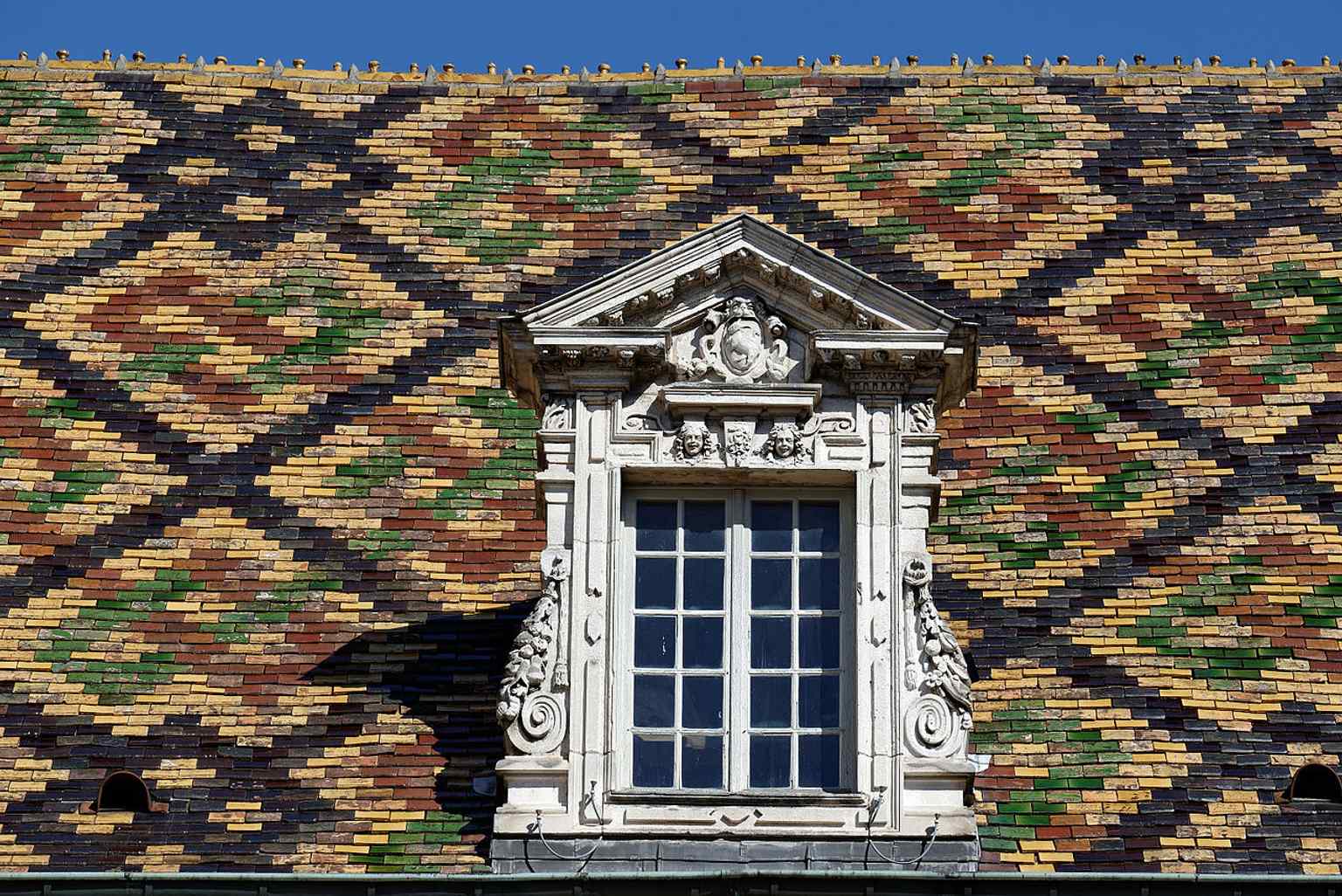
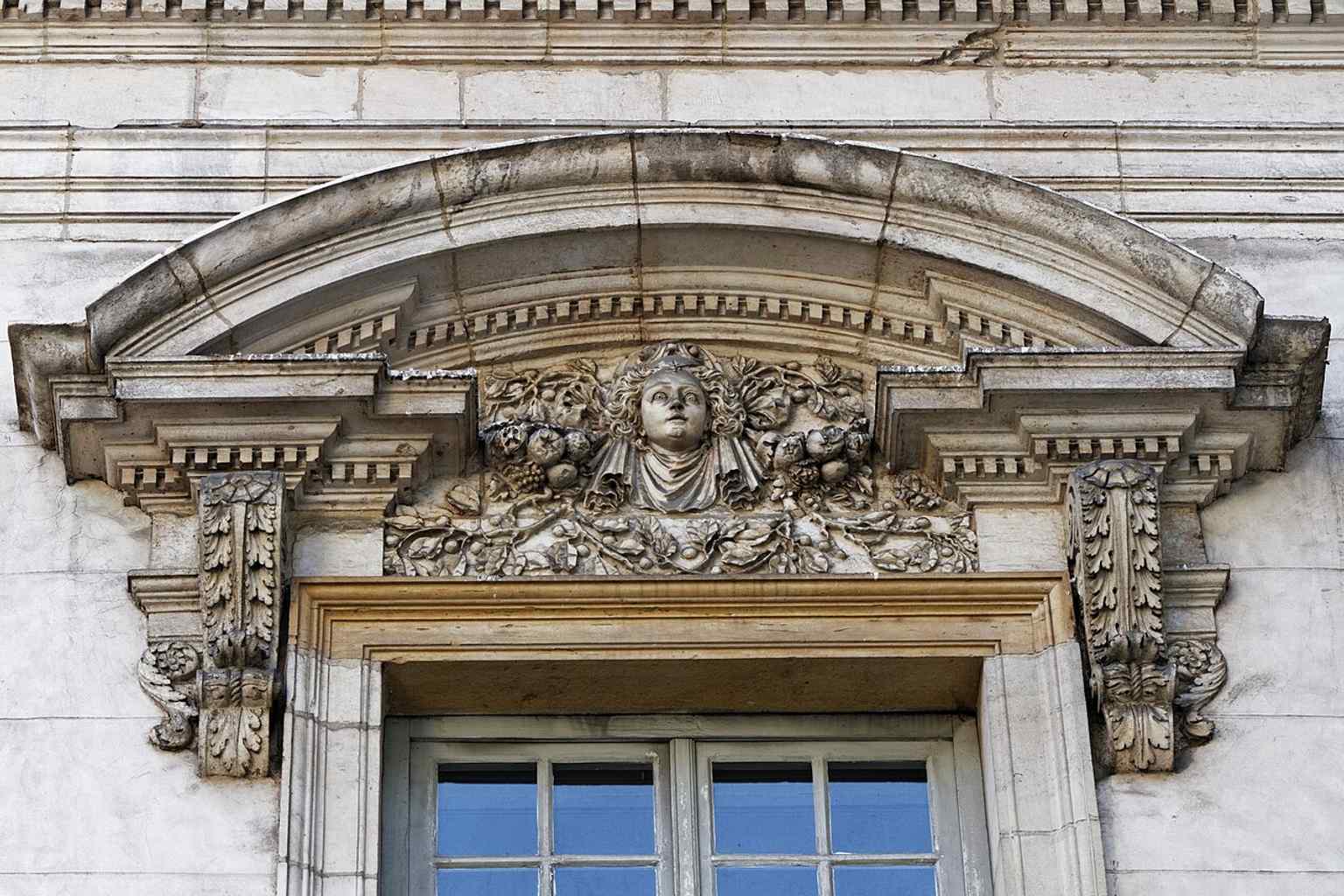
You will spot the Hotel de Vogüé on your left by its pale stone facade, large arched windows, and the spectacular geometric mosaic pattern of its glazed tile roof. This seventeenth-century masterpiece is considered the ultimate prototype for Dijon's grand parliamentary mansions.
The story begins when a parliament counselor named Jean Bouhier bought three separate houses on this spot starting in fifteen eighty-nine. But it was his son, Étienne Bouhier, who truly brought this vision to life. Étienne was a powerful magistrate and a massive art enthusiast. According to family tradition, Étienne did not just fund the construction, he actually designed it himself. He had studied law in Padua, Italy, but it seems he spent quite a bit of his time there admiring the local architecture. When historians checked his library records, they found several Italian volumes on geometry and building design. He clearly brought that Italian Renaissance inspiration back to Burgundy with him.
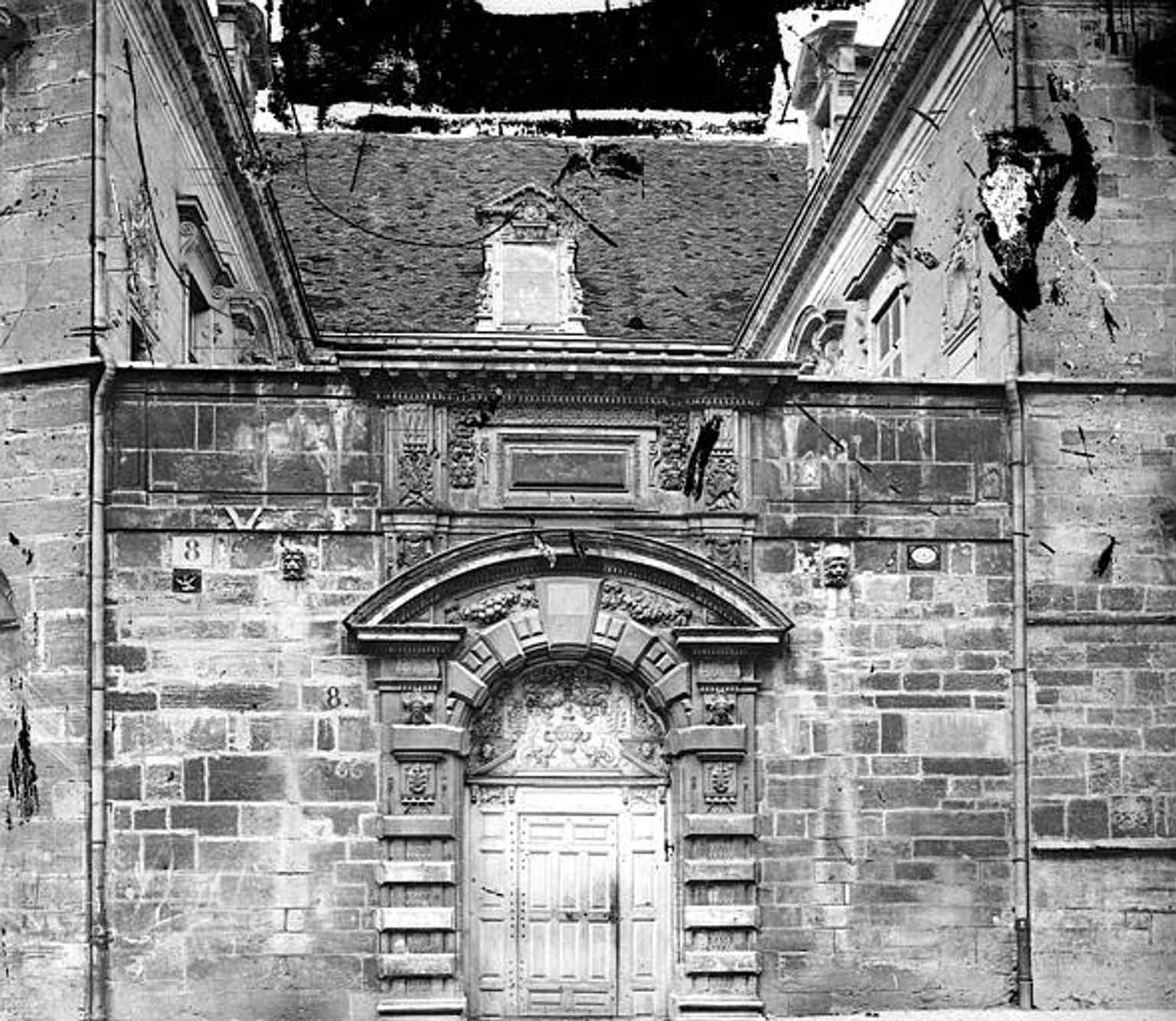
You can check your screen for a before and after image showing how beautifully preserved the main street facade and grand portal have remained since nineteen nineteen.
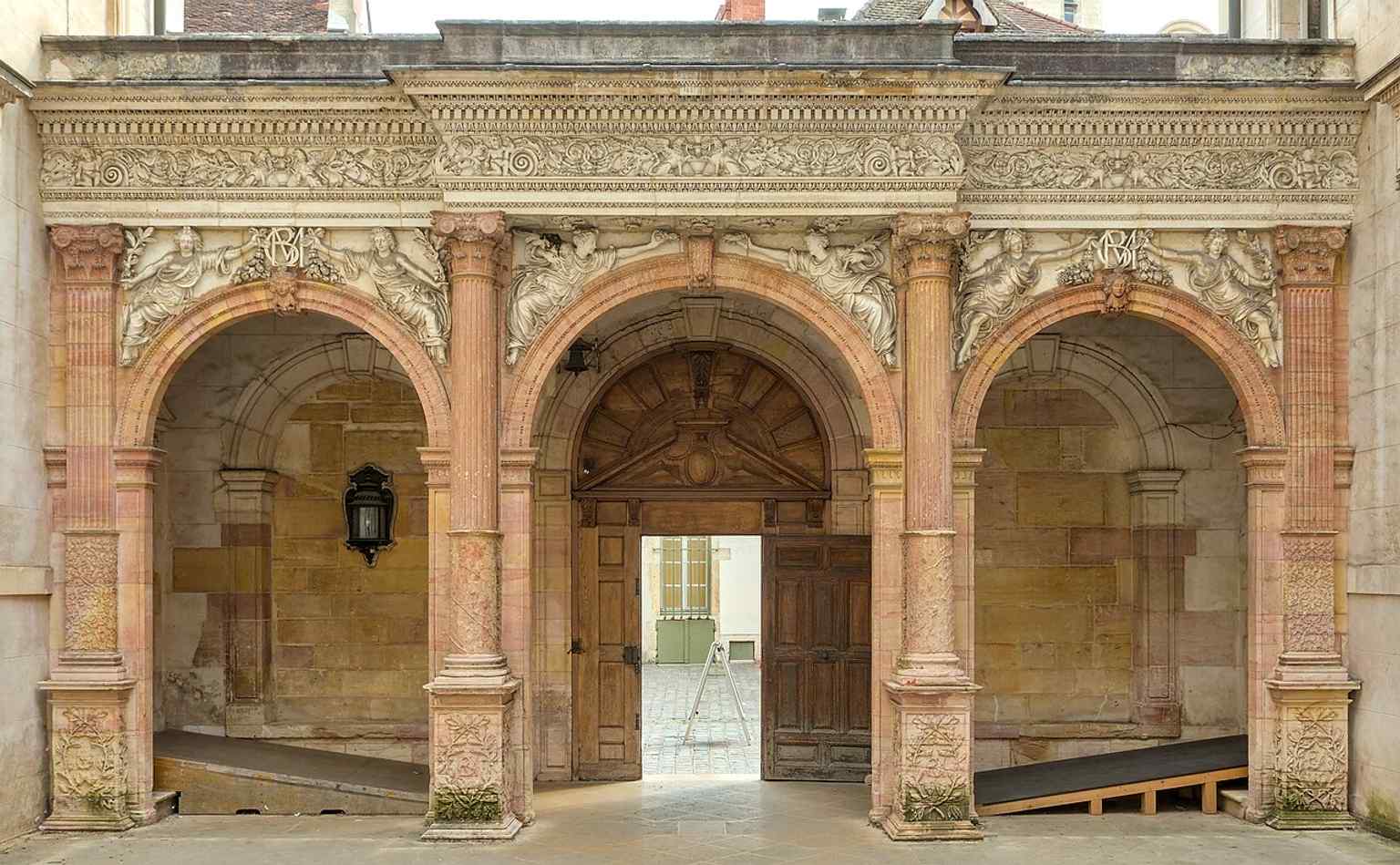
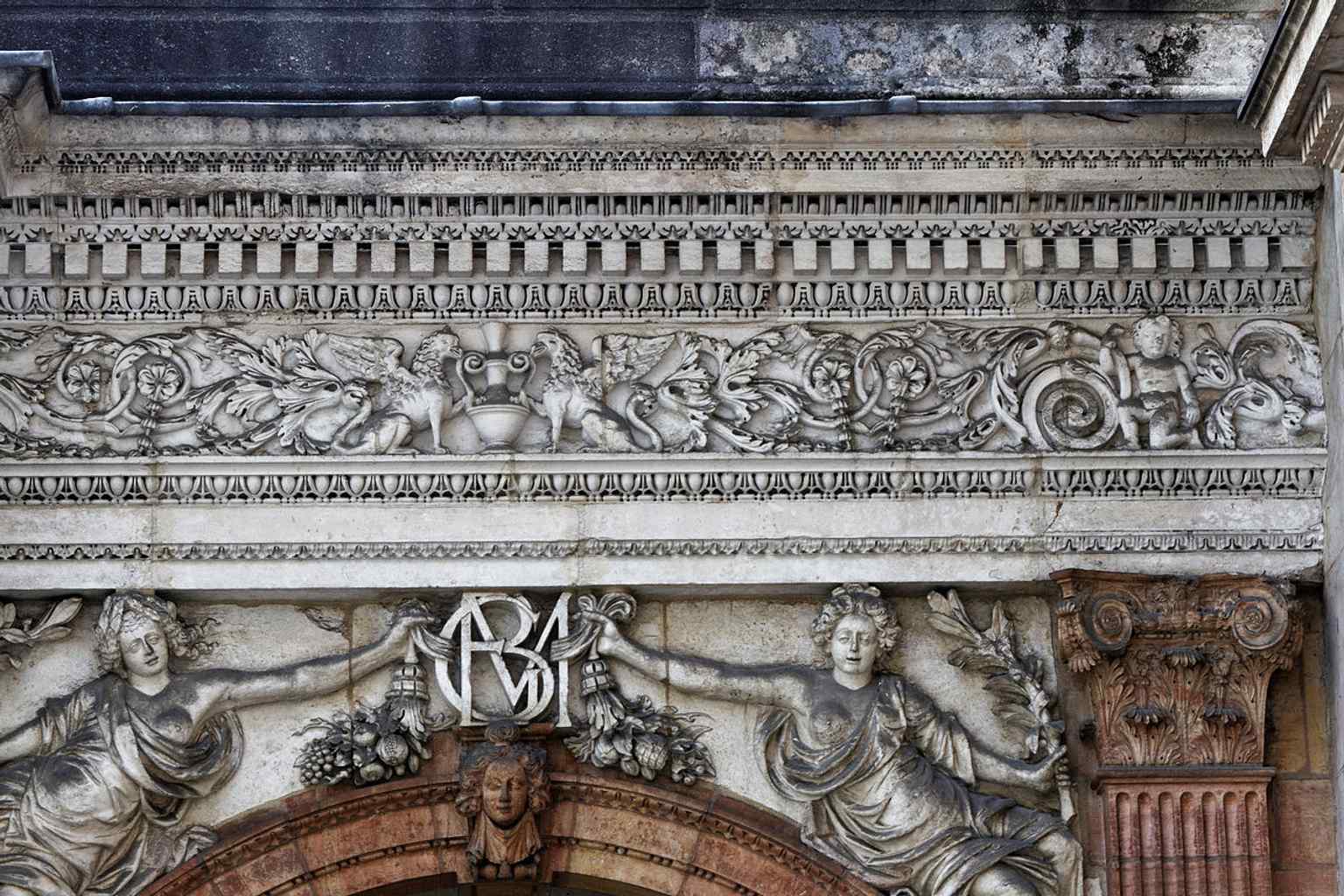
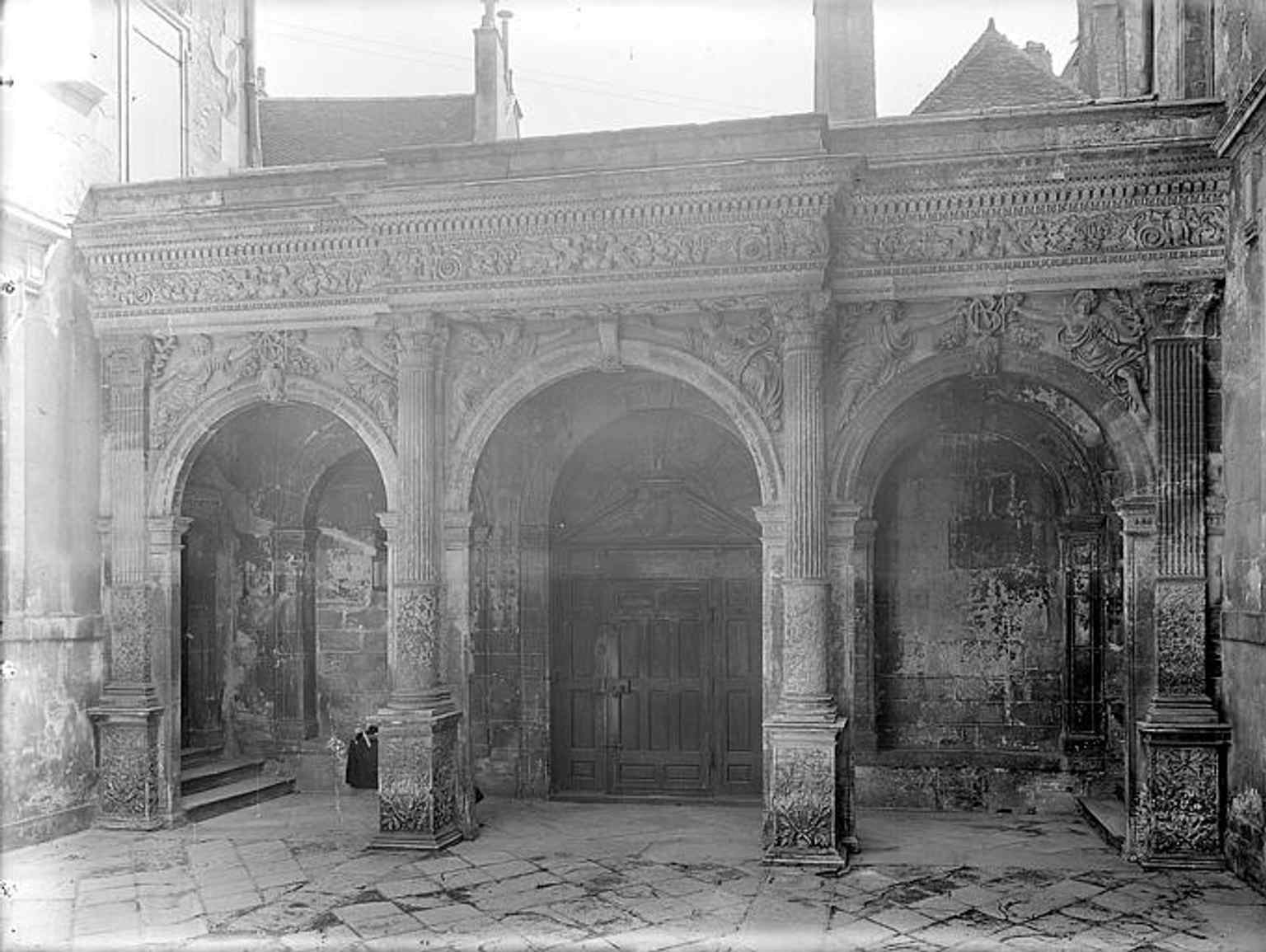
If you could wander all the way through into the inner courtyard, you would see a magnificent Italian-style portico. Take a look at your app to see a close-up of this courtyard, where the stone columns are carved with intertwining ivy and the initials E-B-M-G. That monogram stands for Étienne Bouhier and his second wife, Madeleine Giroud, forever carved into the stone of their home.
Observe the elegant Italian-style portico in the courtyard, adorned with intricate decorations, including intertwining ivy on the columns and the monogram E.B.M.G. of its builder Étienne Bouhier.Photo: Benjamin Smith, Wikimedia Commons, CC BY-SA 4.0. Cropped & resized.
The mansion stayed in the Bouhier family for generations until seventeen sixty-six, when a daughter named Catherine married Count Cerice-François Melchior de Vogüé. The name stuck, and it has been known as the Hotel de Vogüé ever since.
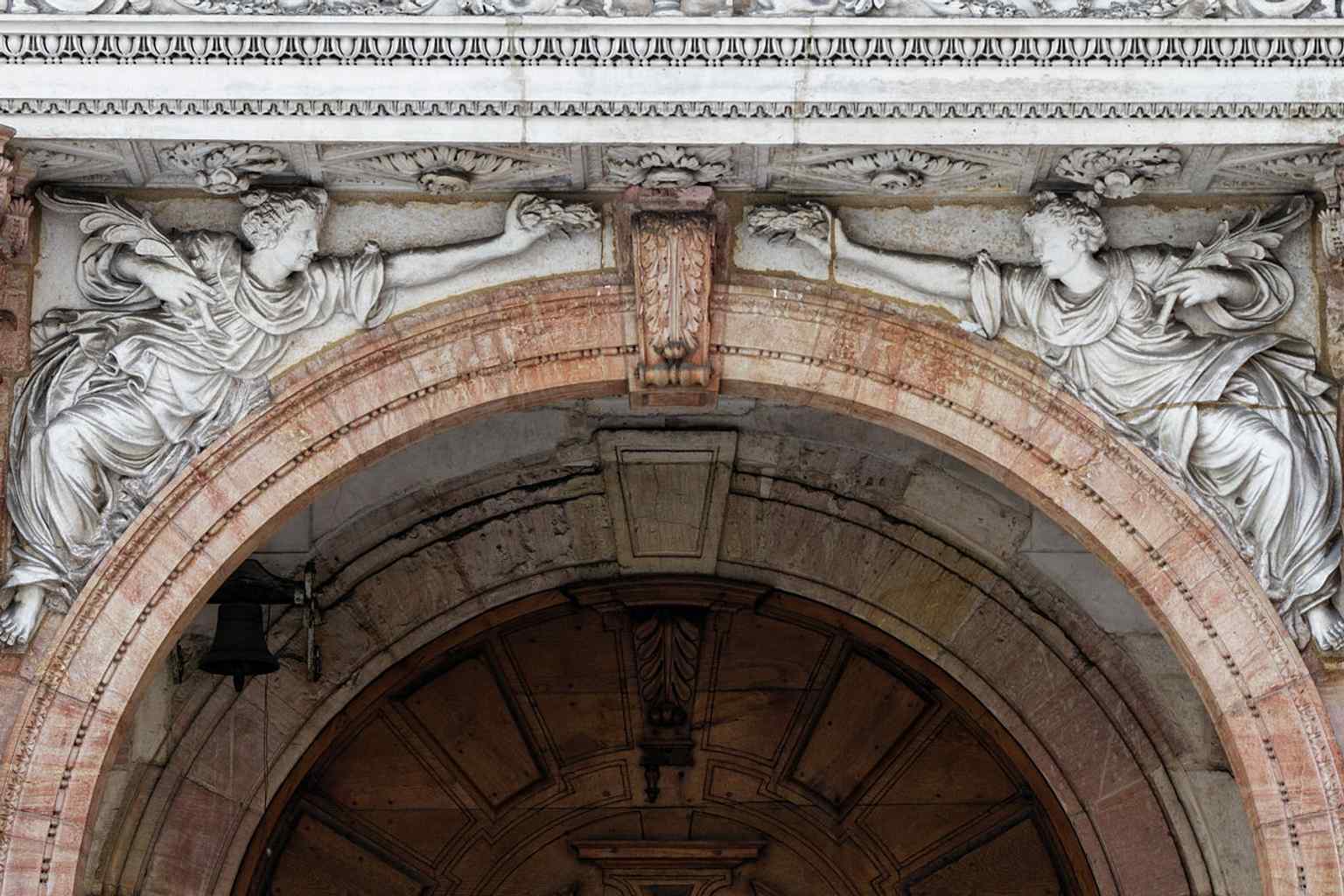
Today, the building belongs to the City of Dijon, but it does not house dukes or counts anymore. It is actually the headquarters for the city human resources department. Imagine having your annual performance review or discussing your health benefits under a sweeping Renaissance ceiling decorated with classical myths and carved caryatids-sculpted female figures serving as architectural pillars.
This elegant mansion stands as a perfect bridge between Italian grace and traditional Burgundian style. Appreciate the Italian grace of this mansion. When you are ready, we can head to the next stop.
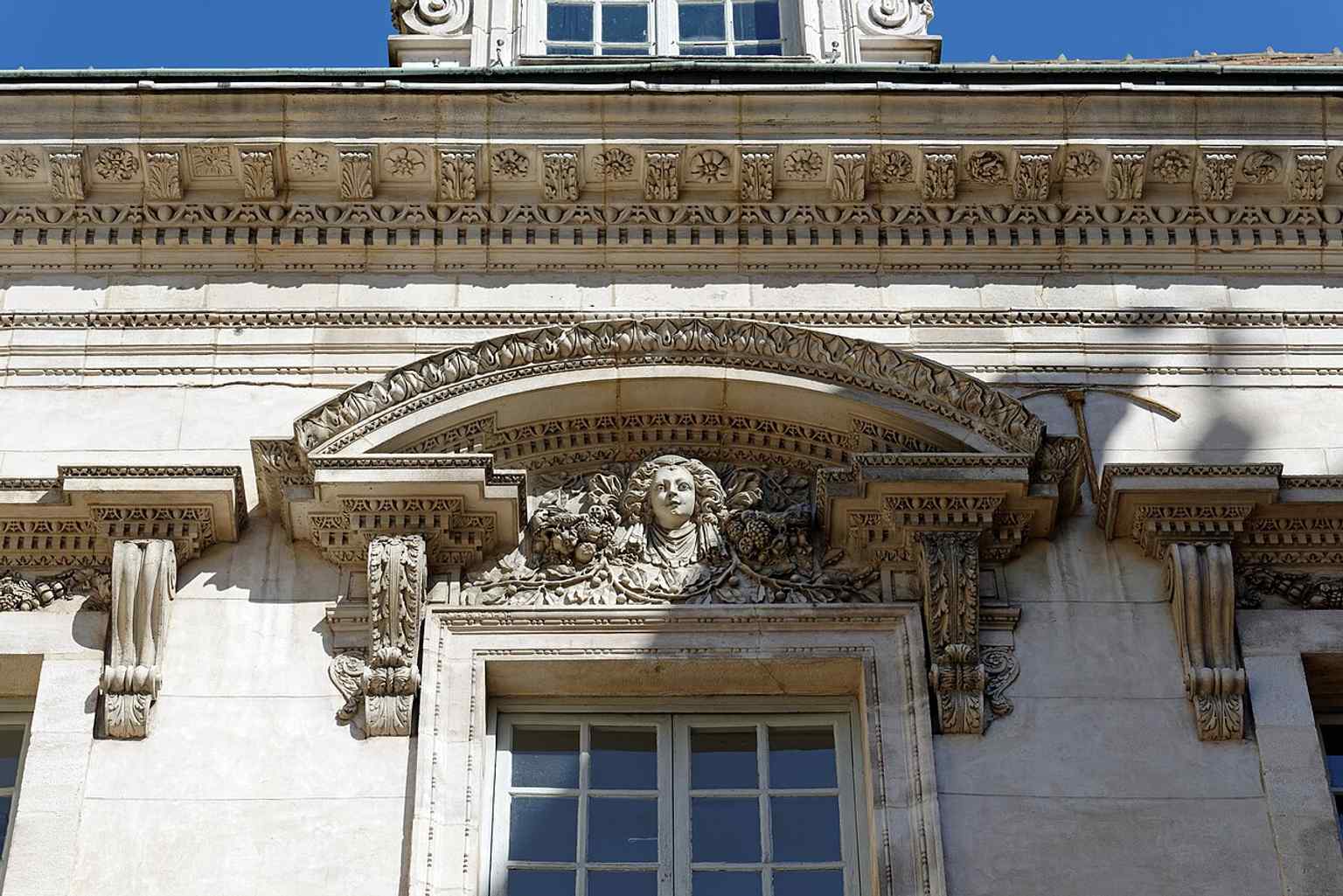
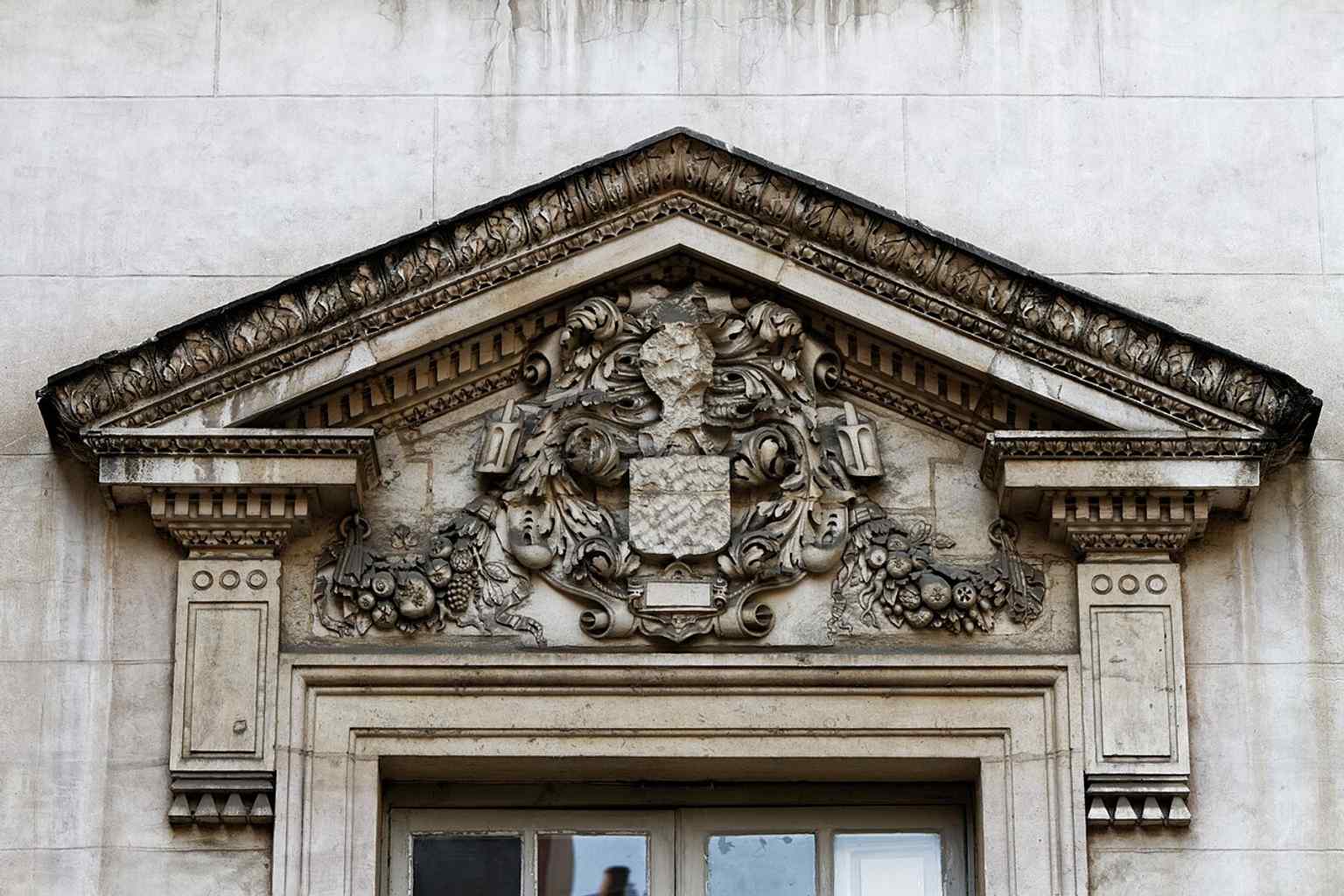
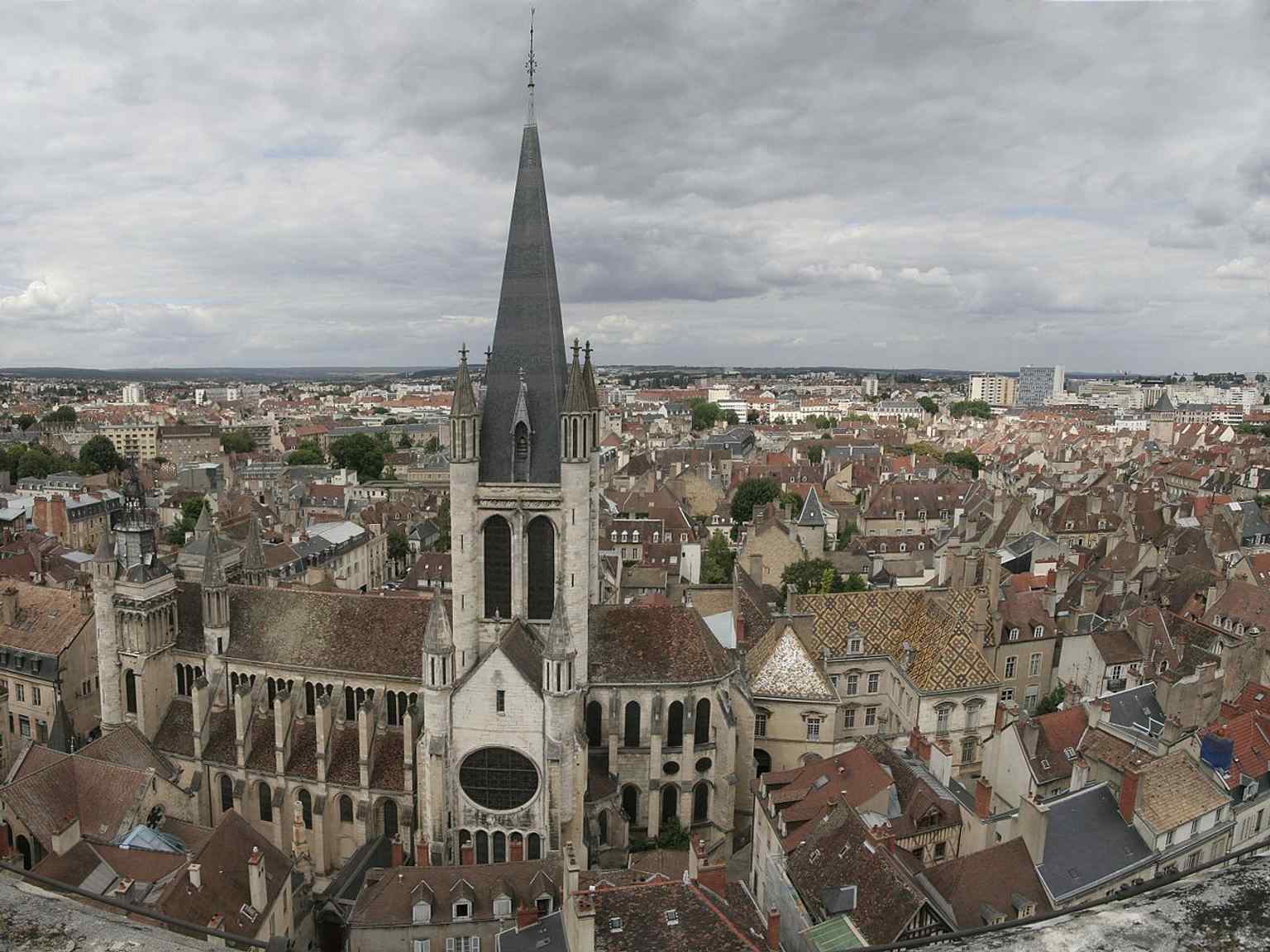
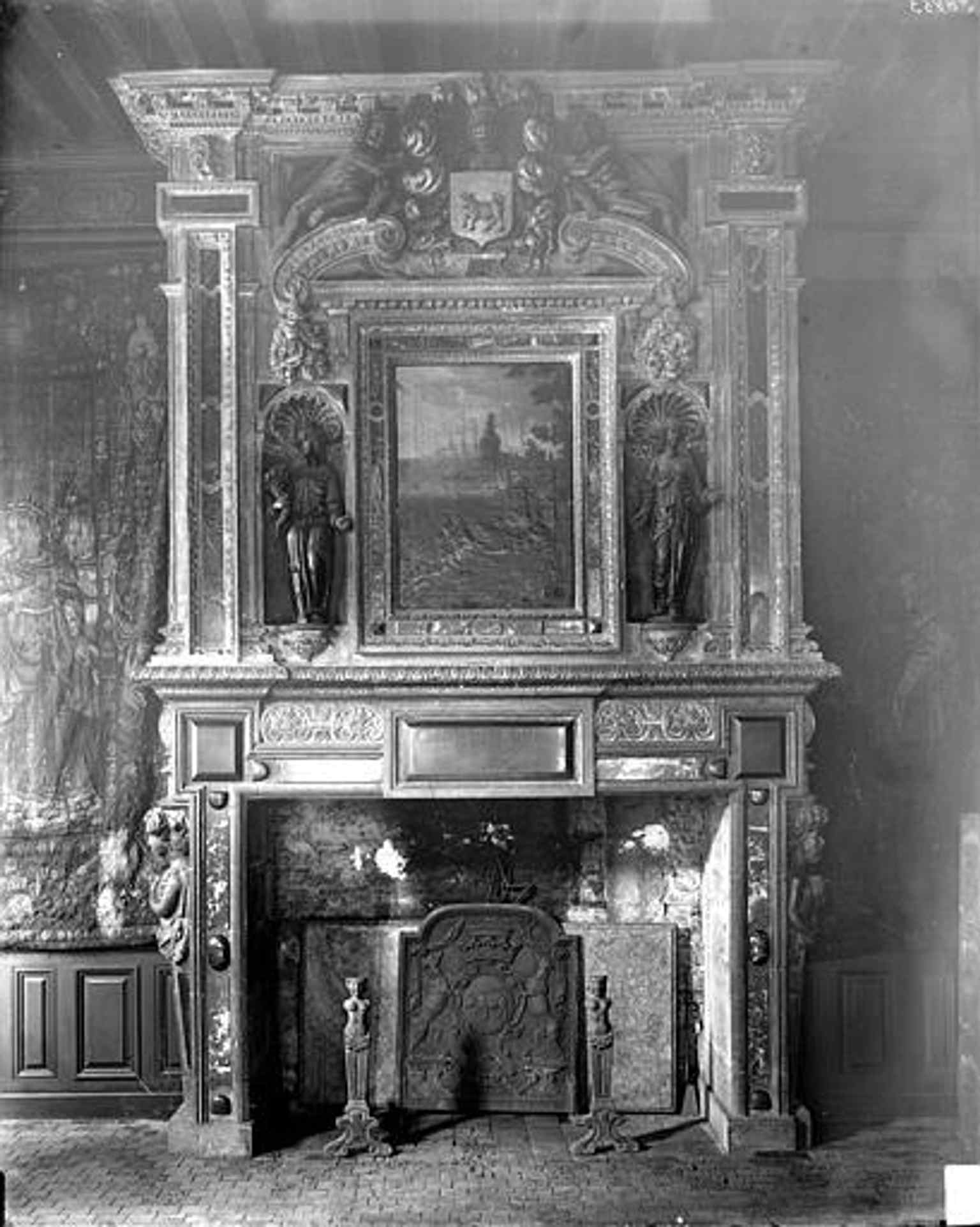
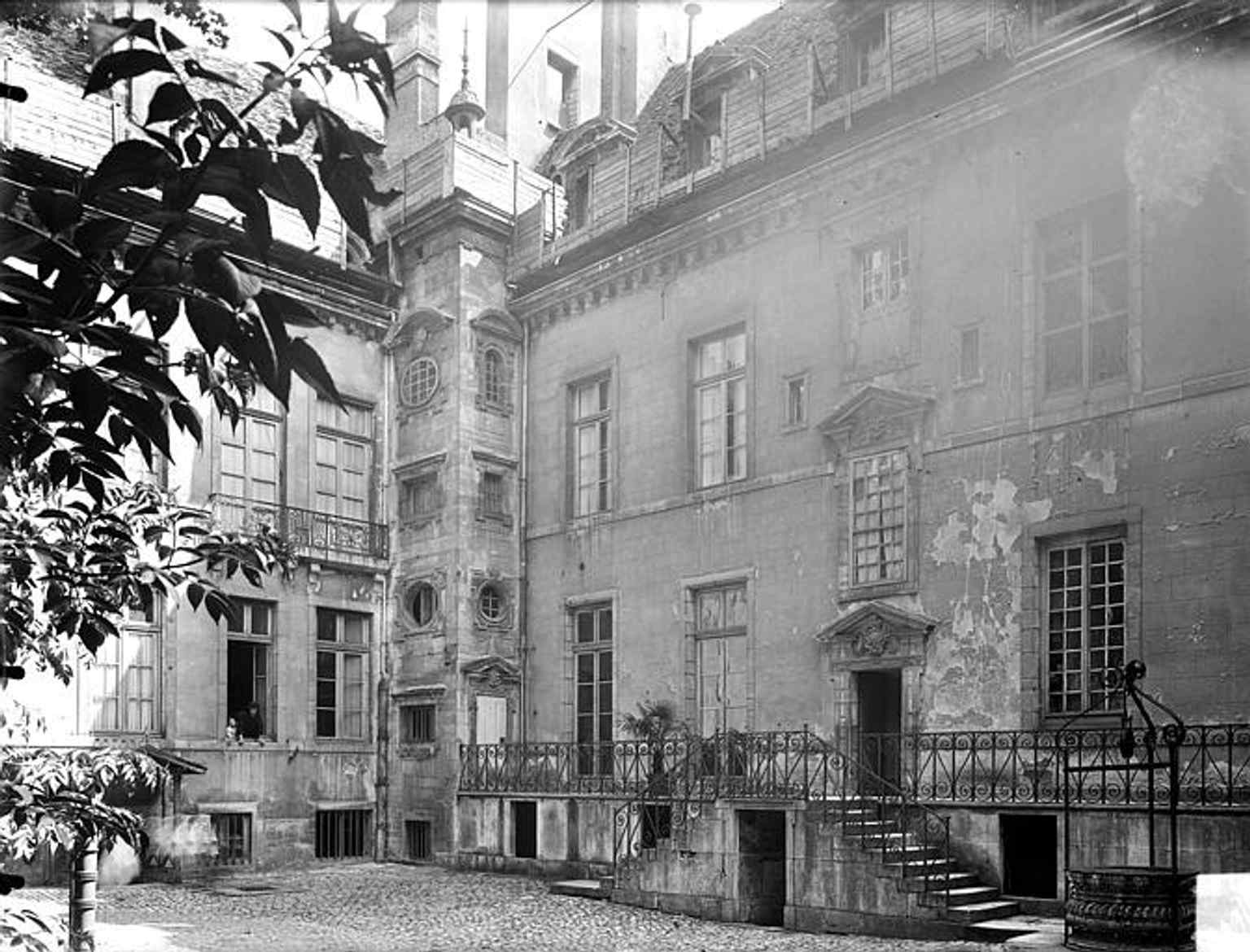
This elegant exterior view showcases the Hôtel de Vogüé, a grand private mansion known as a prototype of Dijon's parliamentary hotels.Photo: François de Dijon, Wikimedia Commons, CC BY-SA 4.0. Cropped & resized.This contemporary view captures the architectural layout of the Hôtel de Vogüé, considered a prototype for Dijon's parliamentary mansions with its distinctive courtyard and garden plan.Photo: Thesupermat, Wikimedia Commons, CC BY-SA 3.0. Cropped & resized.This aerial perspective highlights the Hôtel de Vogüé's proximity to the Notre-Dame church and its distinctively Burgundian glazed tiled roof.Photo: Bernard Marti, Wikimedia Commons, CC BY-SA 4.0. Cropped & resized.A close-up of the Hôtel de Vogüé's mosaic-like glazed tiled roof, a quintessential feature of traditional Burgundian architecture.Photo: François de Dijon, Wikimedia Commons, CC BY-SA 4.0. Cropped & resized.A close look at the facade reveals intricate Renaissance-inspired details, including curved and triangular pediments, mascarons, and garlands, a style that recalls Hugues Sambin's work.Photo: Thesupermat, Wikimedia Commons, CC BY-SA 3.0. Cropped & resized.Step inside to appreciate the opulent interiors of the Hôtel de Vogüé, reflecting the refined tastes of its original owner, Étienne Bouhier, a great art lover.Photo: Thesupermat, Wikimedia Commons, CC BY-SA 3.0. Cropped & resized.The elegant interior spaces of the Hôtel de Vogüé highlight its Renaissance Italian influences, a style favored by its builder Étienne Bouhier after his travels and studies.Photo: Thesupermat, Wikimedia Commons, CC BY-SA 3.0. Cropped & resized.This 1919 historical photograph captures the main street facade and its richly decorated portal, a key entrance to the hotel.Photo: Delaunay, Wikimedia Commons, CC BY-SA 4.0. Cropped & resized.A historical view from 1919 showing the inner courtyard side of the entrance portico, part of the hotel's classic "between courtyard and garden" layout.Photo: Gossin, Wikimedia Commons, CC BY-SA 4.0. Cropped & resized.This 1919 historical image depicts the grand fireplace in the Guard Room, which features caryatids and a painting representing Hero and Leander, as mentioned in the family tradition.Photo: Delaunay, Wikimedia Commons, CC BY-SA 4.0. Cropped & resized.This historical photo from 1919 showcases the inner courtyard, illustrating the hotel's influential architectural plan with its main body and two flanking wings.Photo: Gossin, Wikimedia Commons, CC BY-SA 4.0. Cropped & resized.arrow_back Back to Dijon Highlights Audio Tour: Architectural and Cultural Treasures
Loved by travellers
Thousands of tours started. Plenty of opinions.
4.8 across the App Store and Google Play. Here's a few we keep coming back to.
starstarstarstarstar
This tour was such a great way to see the city. The stories were interesting without feeling too scripted, and I loved being able to explore at my own pace.
Started this tour with a croissant in one hand and zero expectations. The app just vibes with you, no pressure, just you, your headphones, and some cool stories.