
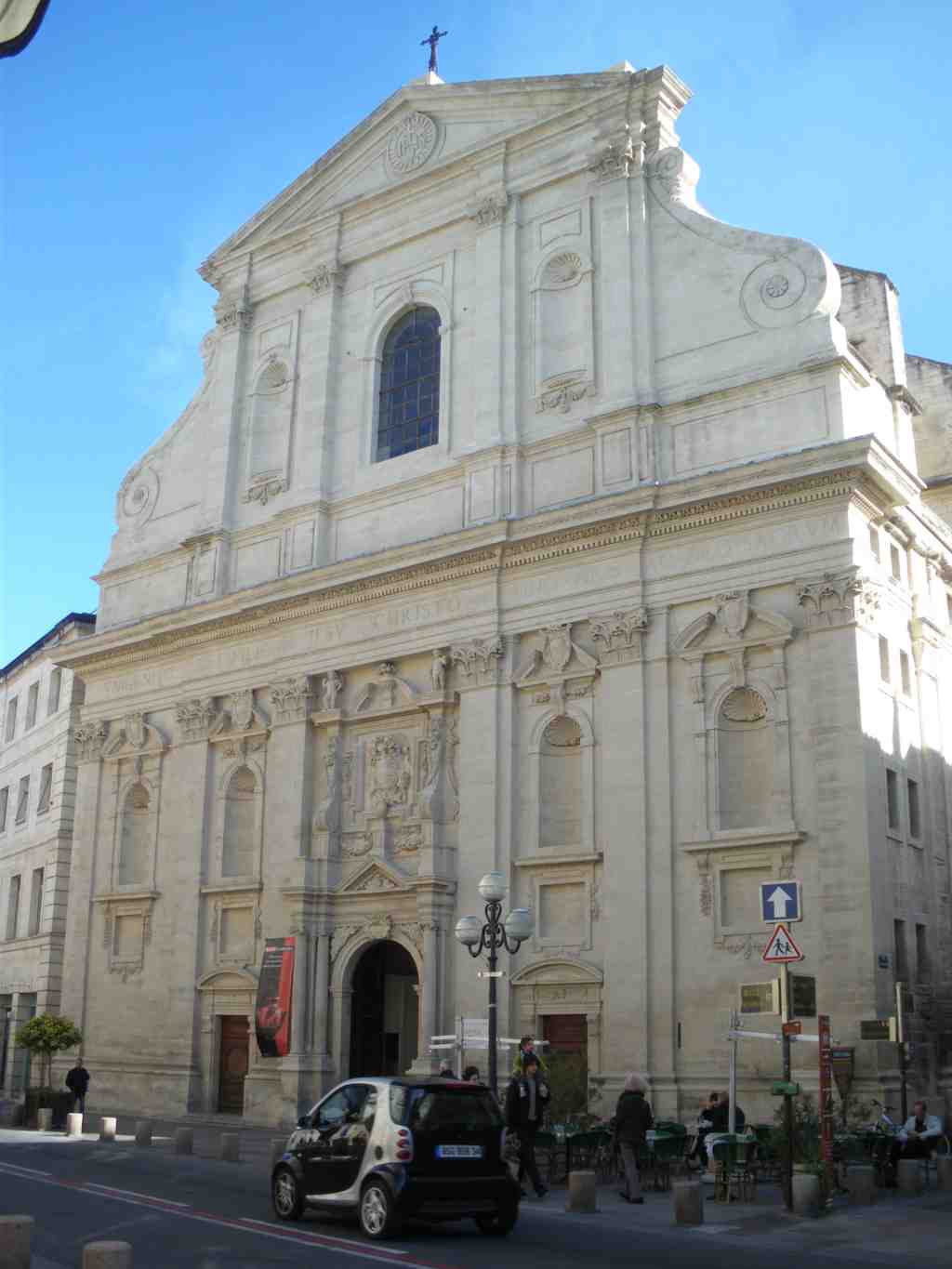
To spot the Lapidary Museum, look for the grand cream-colored stone building with intricate Baroque carvings and a tall, arched window just above its central front door-it’s right on rue de la République, standing out with its elegant curved gables and sculpted details.
Okay, deep breath-can you feel the past rumbling under your feet? This stunning 17th-century building in front of you wasn’t always a museum. Picture the clatter of carriages on cobbles as Jesuit scholars hurried inside when it was a chapel, back in 1616, with Étienne Martelange dreaming up the plans and François de Royers de la Valfenière raising these very walls. Fast-forward a few centuries, and now, beneath those stone arches, a collection of ancient wonders awaits, rescued from Greece, Etruria, Rome, and Gallo-Roman Gaul. Imagine-statues missing their heads, deities like Athena dressed in armor decorated with rams’ heads, and stone stelae showing women holding ducks or offering snacks to mysterious snakes.
The Lapidary Museum is not just about old stones and dusty relics. Listen carefully, and you might hear whispers of Etruscan funerals or Roman priestesses holding sacred dishes. There’s even a funerary urn dedicated to C. Silius Herma and their faithful slave-talk about loyalty beyond the grave! And at the heart of it all lies the Lauris-Puyvert Stela, carved from tough limestone, linking you directly to prehistoric hands.
Today scholars flock here for secretive conferences and summer exhibitions exploring cults, gods, and mummies. Just imagine, right behind these walls, the buzz as new exhibits roll in and stories over two thousand years old come alive. Every corner here is full of drama, mystery, and yes-even a missing statue head or two. Welcome to the Lapidary Museum, where every stone could tell you a joke…if only you spoke ancient Greek!




