
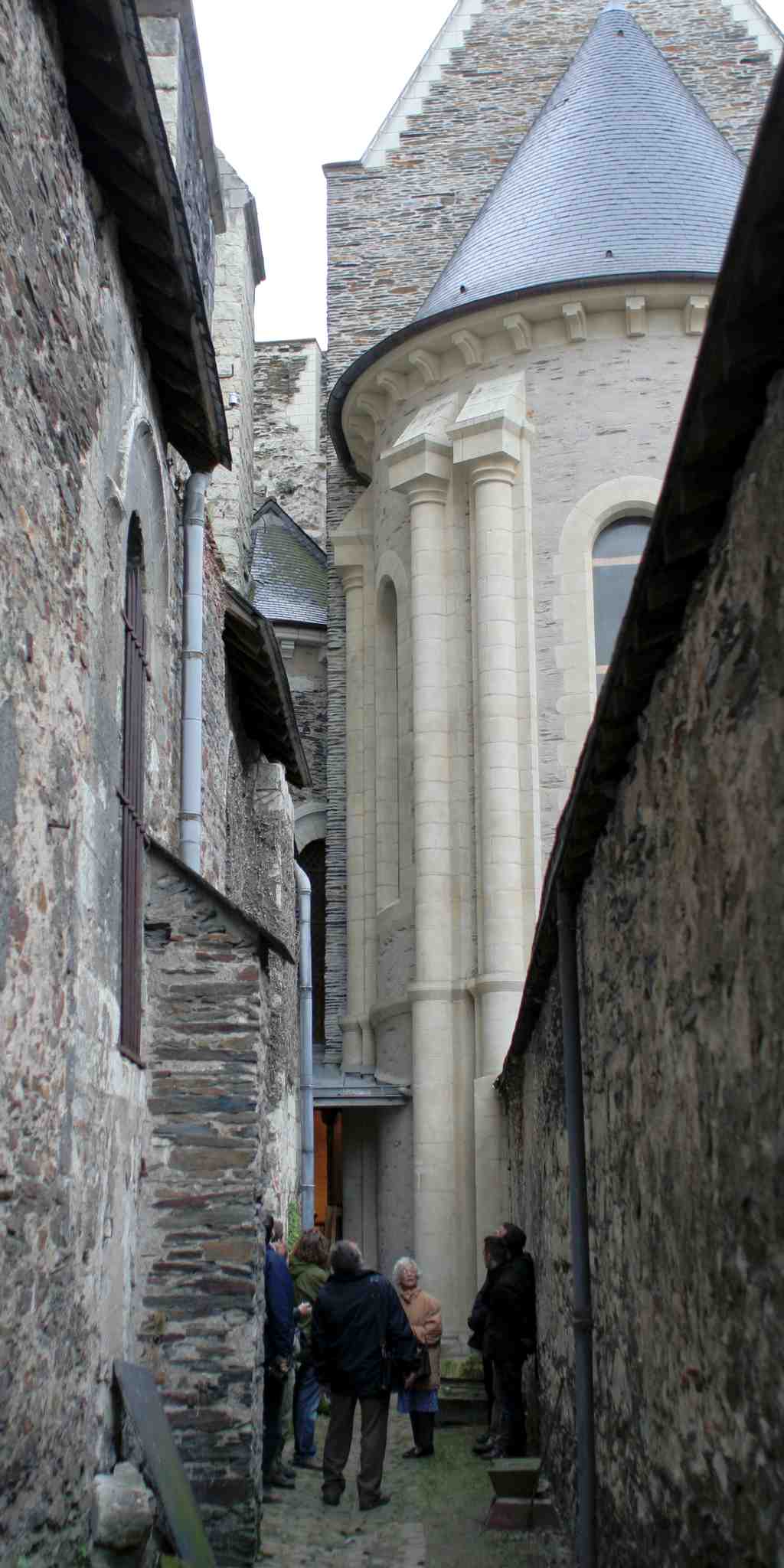
Look for the tall, pale stone semi-circular structure featuring distinct vertical columns and a conical slate roof, squeezed tightly between the older rough stone walls. Welcome to the Abbey of Ronceray.
If you want to understand this place, you first have to understand medieval relationship counseling. In the year one thousand and twenty-eight, Count Foulques Nerra-also known as Fulk the Black-was looking to make amends. He had just returned from a pilgrimage to Jerusalem and needed to atone for his aggressively suspicious nature and his fierce, entirely unjustified jealousy toward his second wife, Hildegarde. His solution? He authorized her to build a massive monastery over the ruins of a sixth-century sanctuary. Nothing says I promise to stop accusing you of treason quite like funding a monumental abbey.
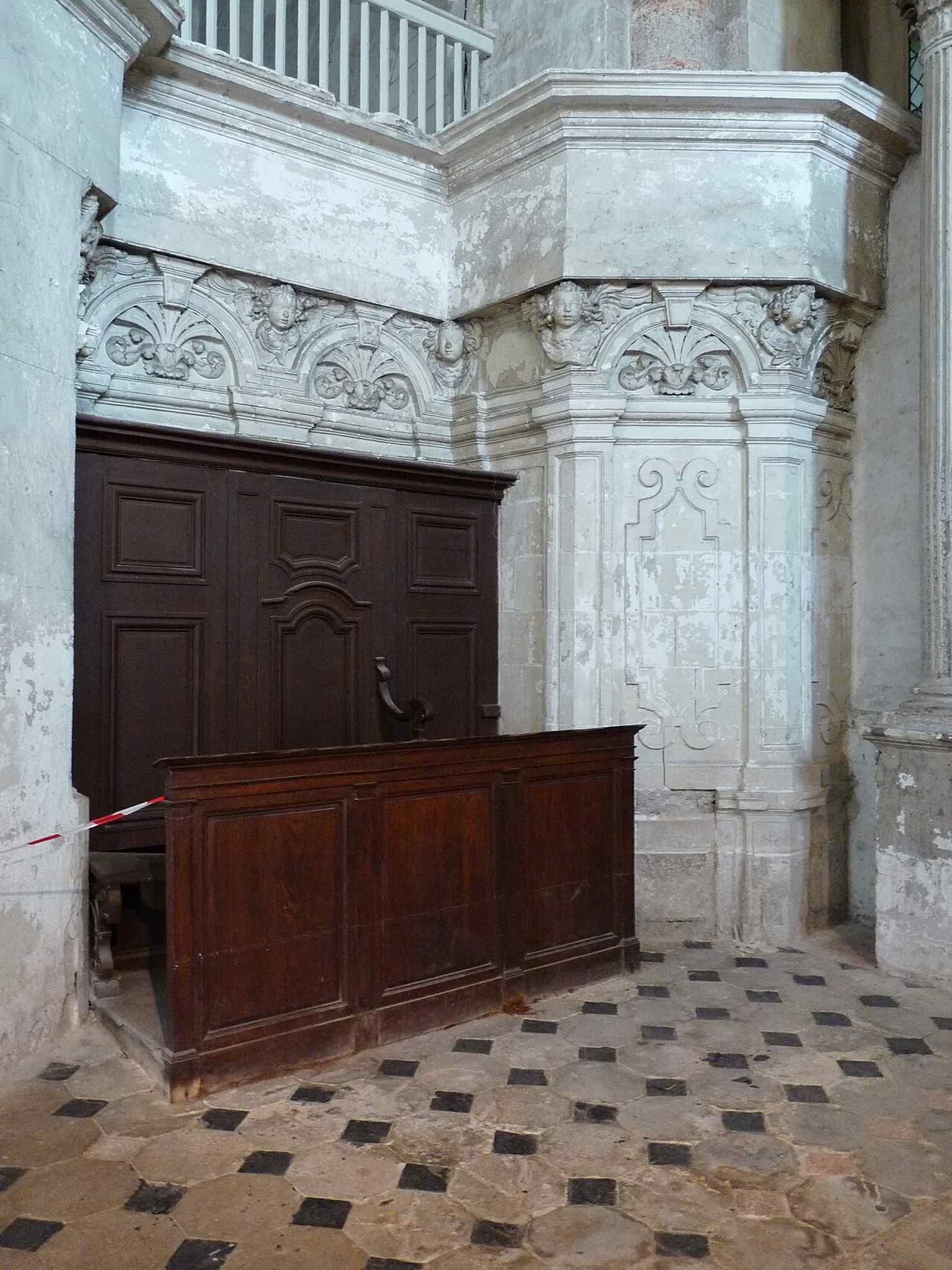
Check your device to see the impressive Romanesque exterior of the abbatial church, which was rebuilt starting in ten sixty. Under the strict Rule of Saint Benedict, this institution was highly exclusive. It only accepted daughters of the nobility. Naturally, accepting the elite meant accepting their colossal endowments. Ronceray quickly became one of the wealthiest, most powerful abbeys in the region, acting as a training ground for aristocratic women destined to run other major religious houses. You can check your phone to see the vast interior nave, the soaring central hall of the church, where these noble daughters once gathered.
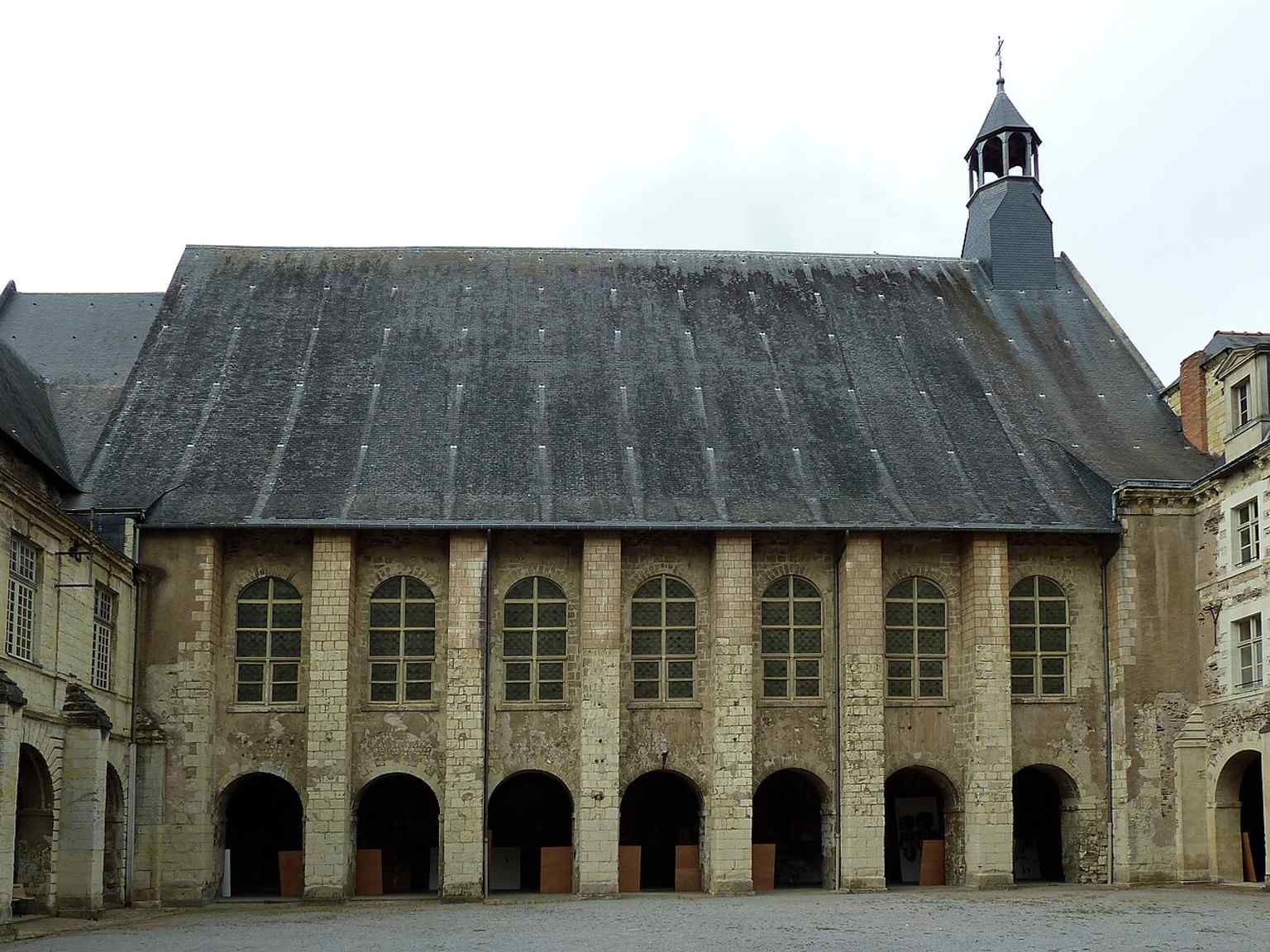
Originally, the abbey was called Notre Dame de la Charité. But in fifteen twenty-seven, nuns excavating the crypt made a surprising discovery. They found a statue of the Virgin Mary with underground brambles-or ronces in French-miraculously wrapping around its feet. The imagery caught on, and the popular nickname Ronceray permanently eclipsed the official title.
As the abbey grew richer, it attracted the local goldsmiths, tanners, and merchants of the neighborhood who wanted to attend services. But the influx of laypeople shattered the contemplative life of the cloistered nuns. The abbess faced a logistical nightmare. How do you keep the locals happy without letting them ruin your peace and quiet? Her structural solution in the twelfth century was brilliantly simple. She ordered the construction of a separate parish church right next door. That Church of the Trinity of Angers we stood outside a few minutes ago? That was her elegant solution.
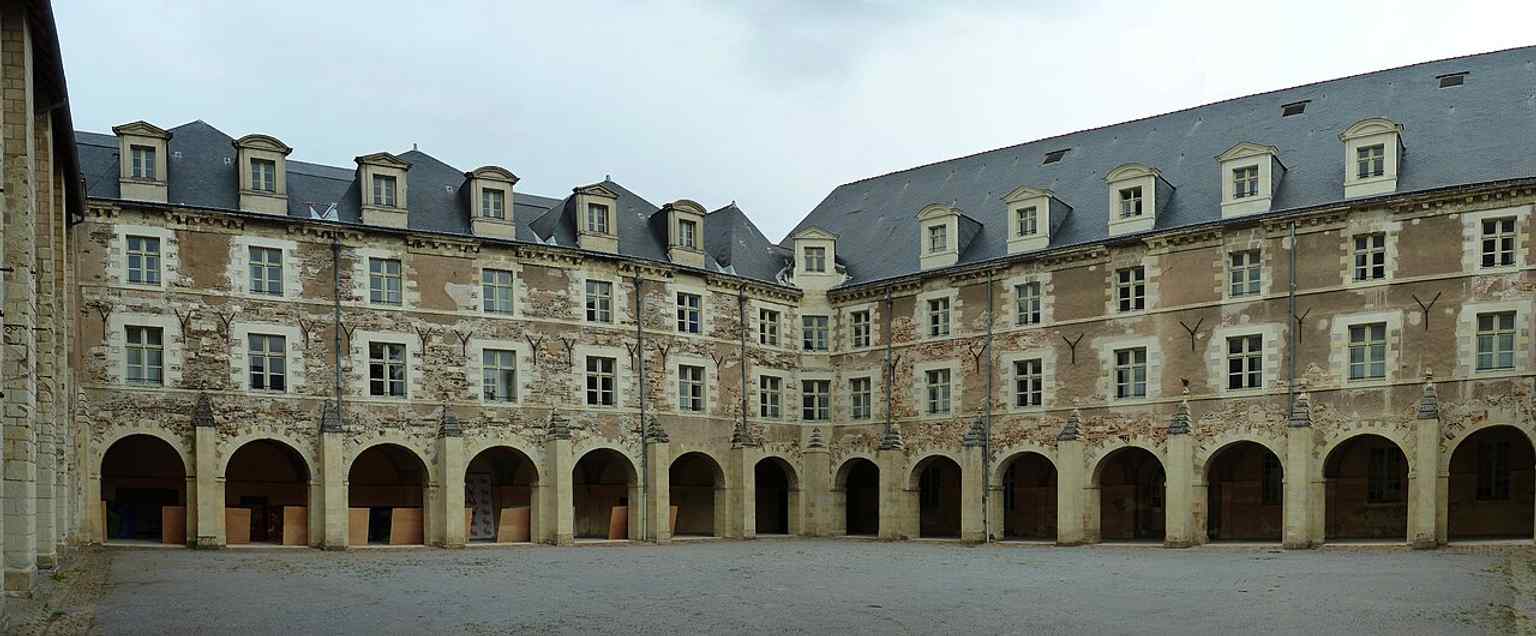
The aristocratic tranquility lasted until the French Revolution forced the final abbess and her nuns out in seventeen ninety. After a brief stint as a military hospital, the austere convent was handed over to a very different crowd in eighteen fifteen. The rowdy, undisciplined engineering students of the new School of Arts and Crafts moved in. These young students-known as the Gadzarts-clashed hilariously with the solemn architecture. They even forged an immense metal key, the Ex Key, to symbolize their graduation and final exit from the school's strict discipline. I appreciate the irony of industrial students turning a convent cloister into a theater for their noisy rituals.
It is a remarkable survival of medieval architecture perfectly adapted for industrial minds. Feel free to linger here as long as you like, and when you are ready, we can head to the next stop.
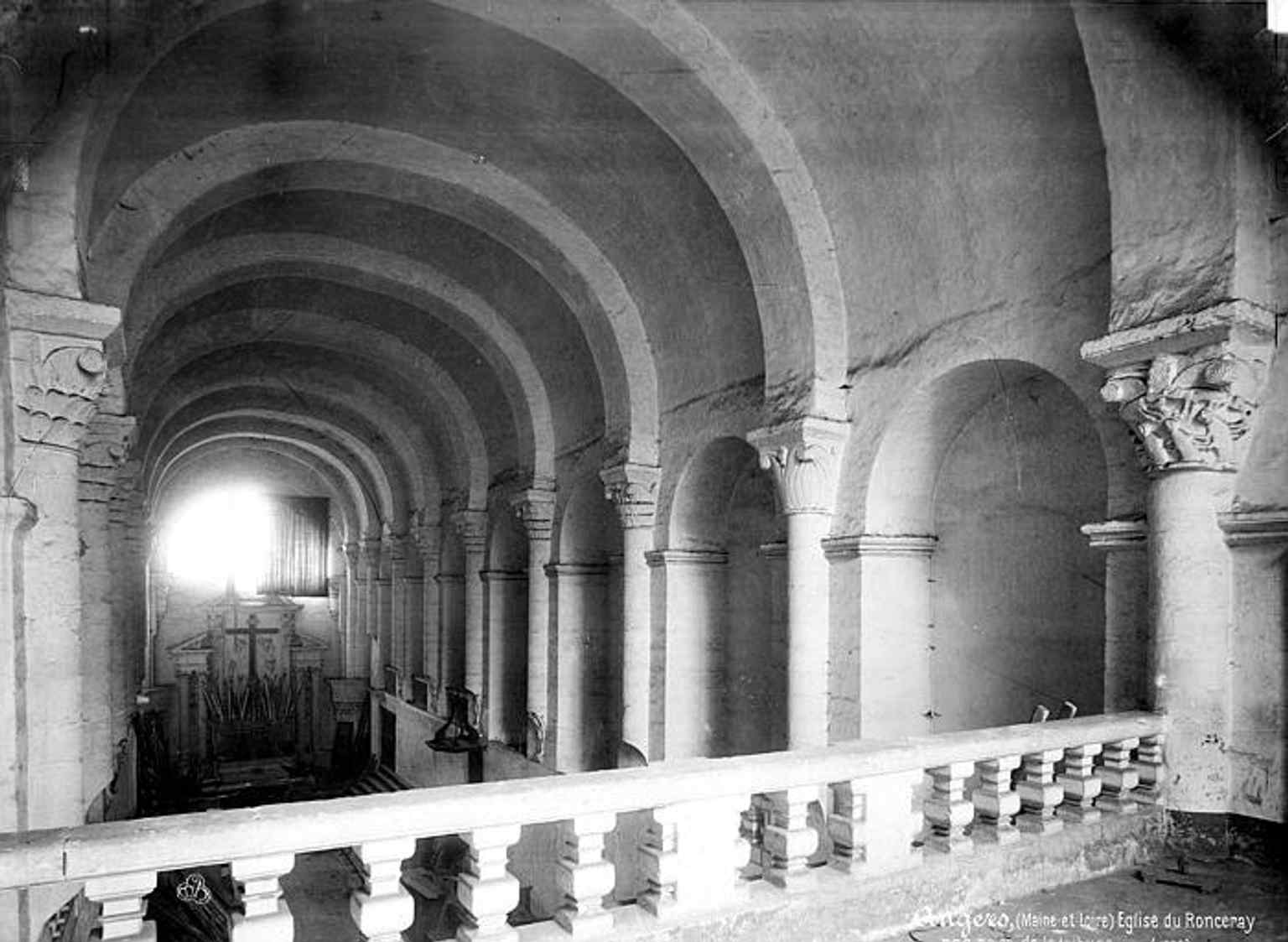






%20-%20Eglise%2C%20nef%20vue%20de%20la%20tribune%20-%20Angers%20-%20M%C3%A9diath%C3%A8que%20de%20l'architecture%20et%20du%20patrimoine%20-%20APMH00007971.jpg)
%20Abbatiale%20Notre-Dame%20du%20Ronceray%20-%20Int%C3%A9rieur%20-%2013.jpg)
%20Abbatiale%20Notre-Dame%20du%20Ronceray%20-%20Int%C3%A9rieur%20-%20Chapiteau%20-%2004.jpg)
%20Abbatiale%20Notre-Dame%20du%20Ronceray%20-%20Int%C3%A9rieur%20-%20Peintures%20murales%20-%2001.jpg)