
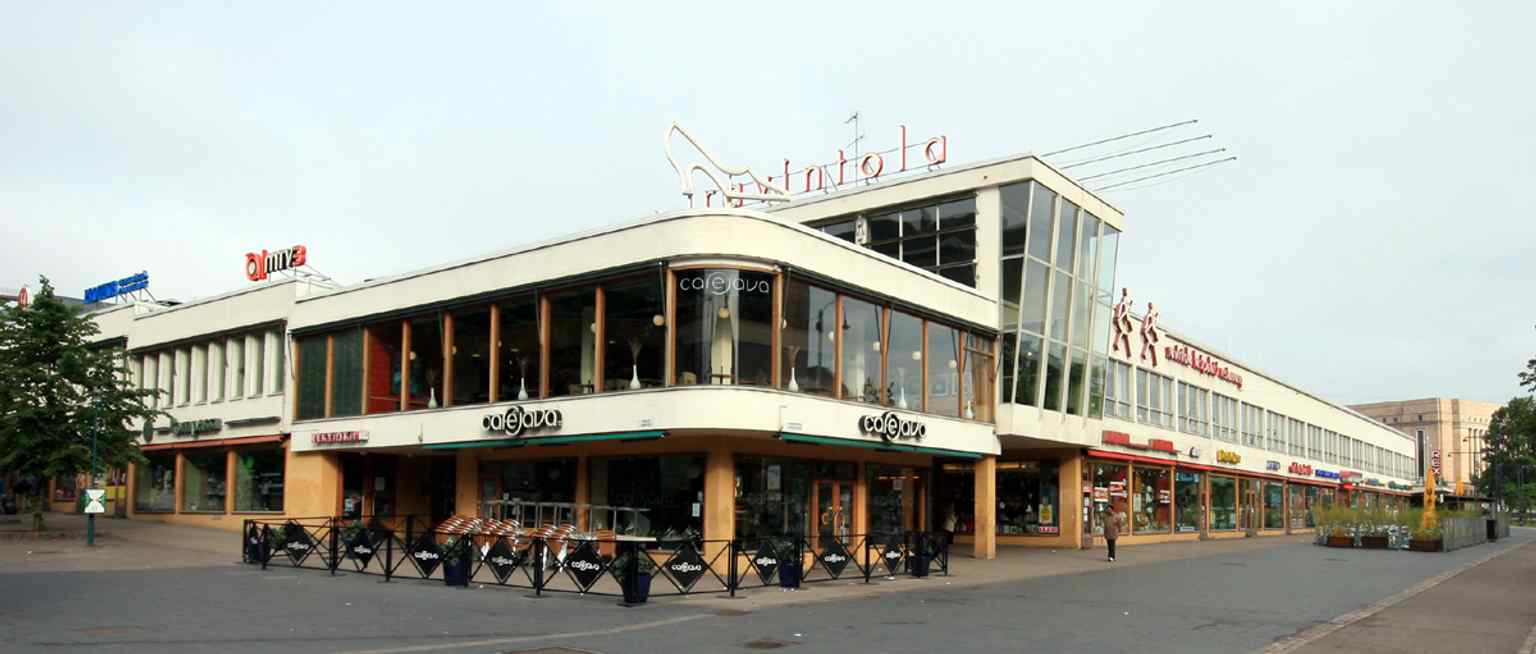
Look to your right for a low pale concrete plaza that swells into smooth round domes, paired with the long white Lasipalatsi facade and its horizontal bands of windows.
Amos Rex is one of Helsinki’s boldest little reversals... a major museum that mostly disappears underground, then announces itself with skylights that look like the square has started breathing. Because apparently a normal rectangular building would have been too straightforward.
This museum opened in twenty eighteen, but its story starts with Amos Anderson, a publisher, collector, and arts patron with expensive tastes and a stubborn belief that private wealth should leave a public trace. Amos Anderson’s legacy still shapes Helsinki: he founded Konstsamfundet in nineteen forty, and after his death in nineteen sixty-one, that foundation kept funding art and culture, especially for Swedish-speaking Finns. First it ran the Amos Anderson Art Museum in his former home on Yrjönkatu. If you check the image on your screen, you can see that earlier chapter of the story: more grand house than experimental bunker.
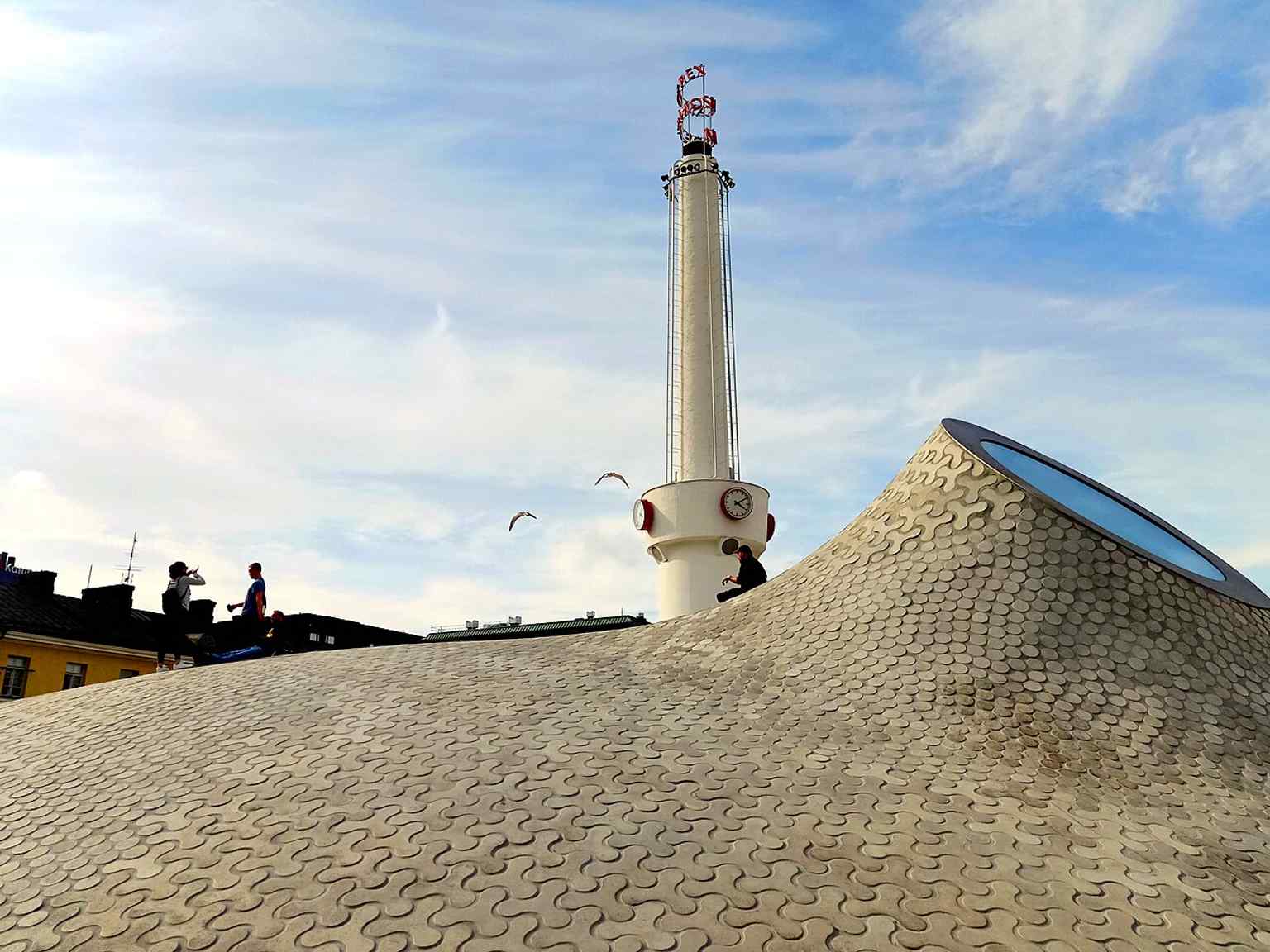
By the early twenty-tens, that old museum had a problem. Contemporary art had grown larger, stranger, more immersive. The rooms could not keep up. So Konstsamfundet backed a fifty million euro gamble: build the new galleries under Lasipalatsi Square instead of on some distant plot. J-K-M-M Architects kept the nineteen thirty-six Glass Palace above ground largely intact and turned the roof of the museum into a public square. That matters. Helsinki did not hide this institution away; it folded it into daily city life.
Those domes are not sculpture for sculpture’s sake. They bring daylight into the galleries and keep contact between the street and the subterranean world. Have a look at the roofscape image in the app and you’ll see how deliberate that is. The whole design says art here should spill into public space, not wait politely behind a grand staircase.
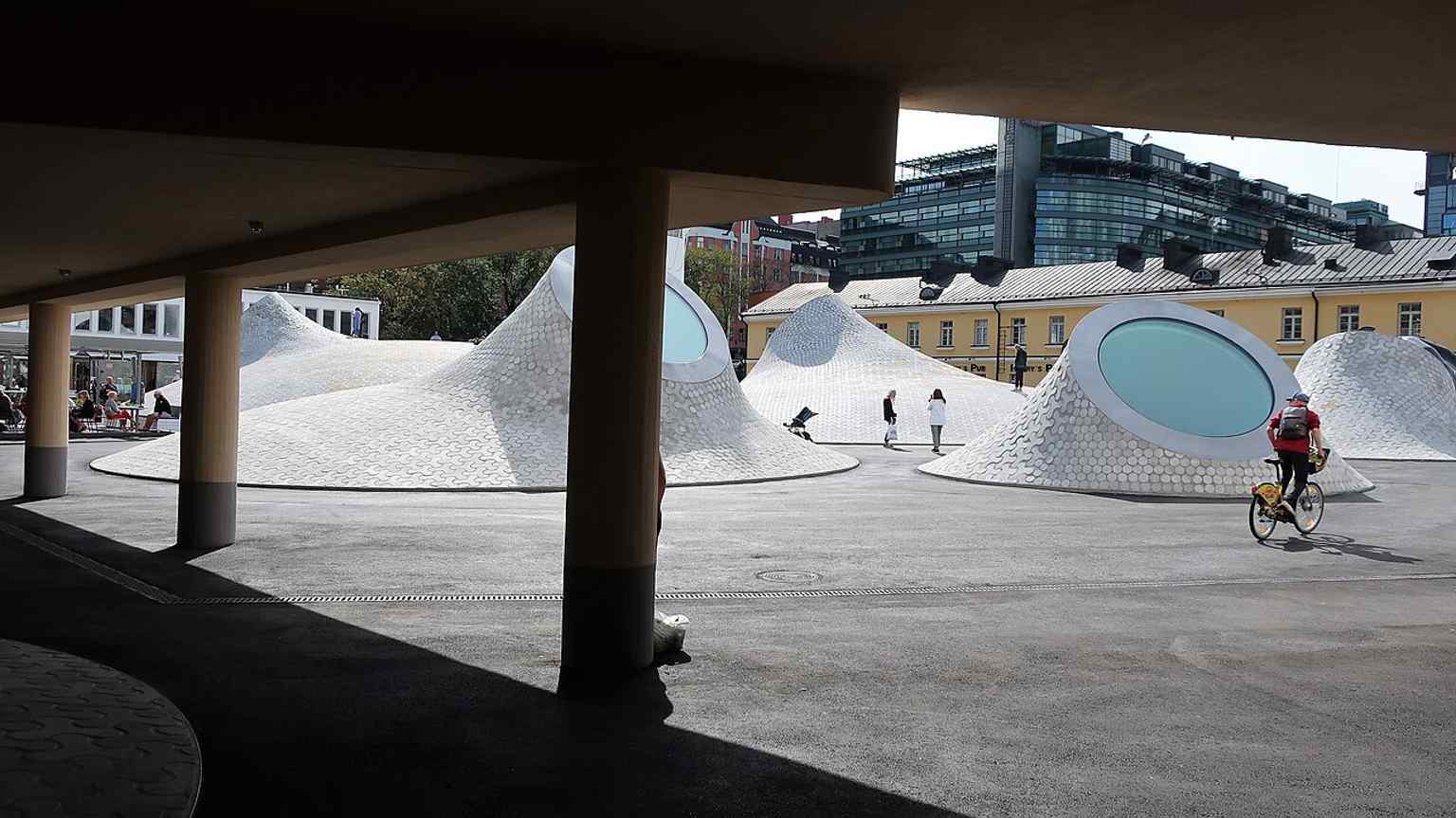
If the Ateneum felt like an earnest civic academy, Amos Rex feels like its unruly younger cousin... still serious, just less interested in behaving. Its opening show, teamLab’s Massless, drew huge crowds, with waits of up to four hours. Later exhibitions ranged from René Magritte to young artists in Generation, a series created because people aged fifteen to twenty-three had almost nowhere to show work publicly. That may be the sharpest point here: this museum does not only preserve culture, it keeps renegotiating who gets to make it.
Even the name was engineered with Finnish practicality. It had to nod to Amos Anderson, connect to Bio Rex and Lasipalatsi, and work without translation. Short, clear, slightly playful. Very Helsinki, really.
Along this Mannerheimintie corridor, power keeps changing clothes: parliament, national culture, and now private patronage turned public experiment. From here, the city feels less like a finished masterpiece and more like an open proposal. When you’re ready, continue about nineteen minutes to the Old Market Hall, where public life shifts from art to appetite. If you plan to go in later, Amos Rex is usually open from eleven AM, closed on Tuesdays, and shuts at six PM on weekdays or five PM on weekends.






.jpg)