AudaTours logoAudaTours

Stop 2 of 16

Toompea Castle

headphones 03:12
Toompea Castle
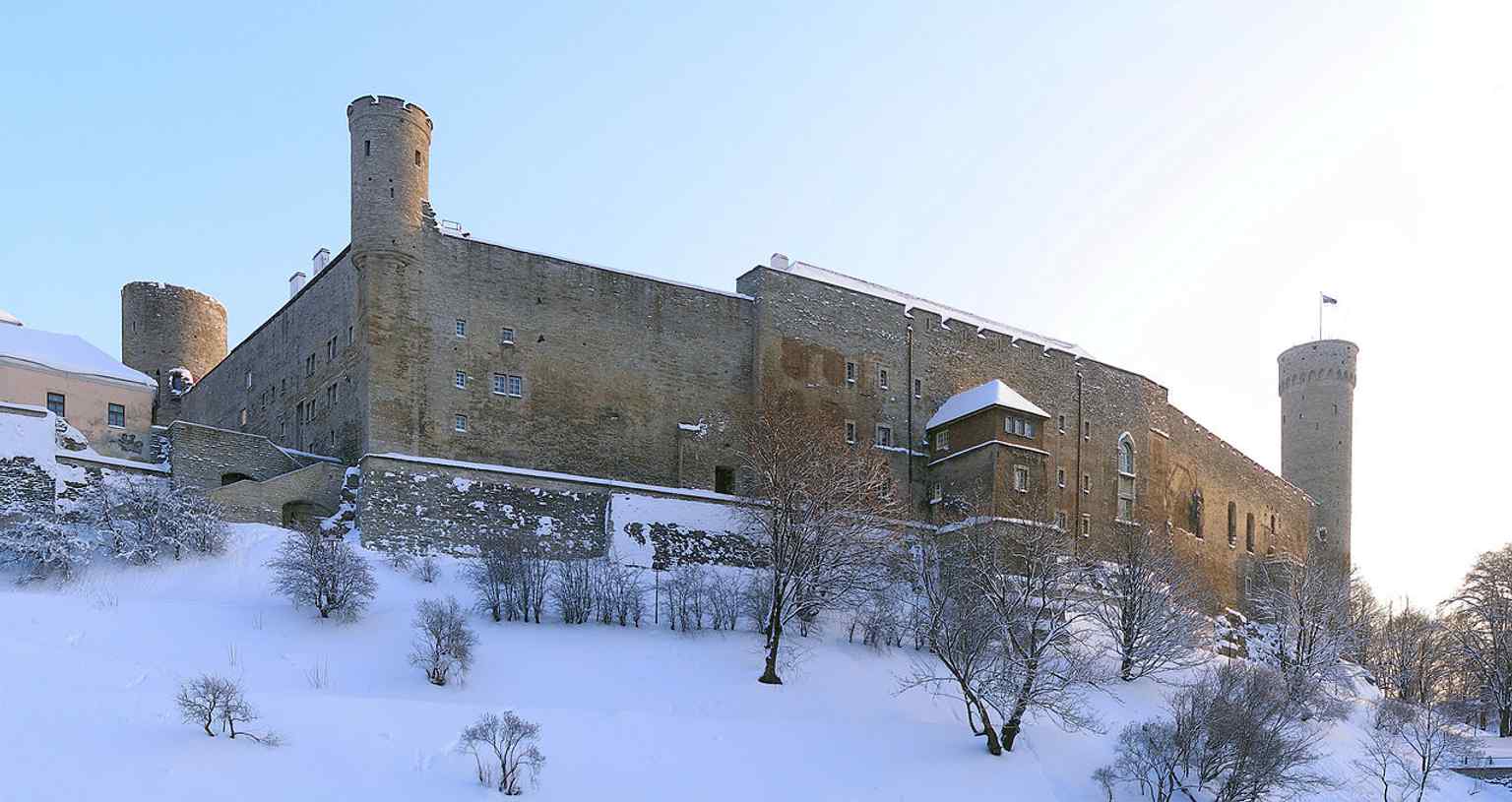
Vyshgorod Castle
Vyshgorod CastlePhoto: Ivar Leidus, Wikimedia Commons, CC BY-SA 3.0 EE. Cropped & resized.

Look for a long pale stone-and-pink complex stretched along the hilltop, edged with fortress walls and marked by the tall round tower rising from one corner.

This is Toompea Castle, and it tells you something important about Tallinn right away... the city did not begin here as a postcard view. It began here as a command post. On Toompea Hill, about fifty meters above sea level, whoever held the summit could watch the roads, the harbor approaches, and the settlement below. Height meant warning, control, and the useful ability to make everyone else feel slightly smaller.

That is where power and identity start to tangle together in Tallinn. A castle like this does more than defend a place; it declares who gets to rule it, name it, and speak for it. Stone becomes a policy statement... admittedly a very expensive one.

The first watchtower here likely rose in the eleven twenties, guarding an older stronghold on the steep slope. Then came the big turning point: the Danish conquest of twelve nineteen, after the Battle of Lindanise. King Valdemar the Second ordered the fortress strengthened, and conquest hardened into administration. The Danes shaped it as a castel, meaning a rectangular fortress enclosed by stone walls, then split it into sections with a governor's residence and defensive towers. For the Danes, this became their main Baltic foothold, so important that people called it simply the Fortress of the Danes, Castrum Danorum. Some historians connect that Danish name, Taani linn, to the very name Tallinn.

If you want a clearer sense of the layers, glance at the image on your screen. You can see how one seat of authority kept swallowing the next: medieval fortress, governor's palace, parliament.
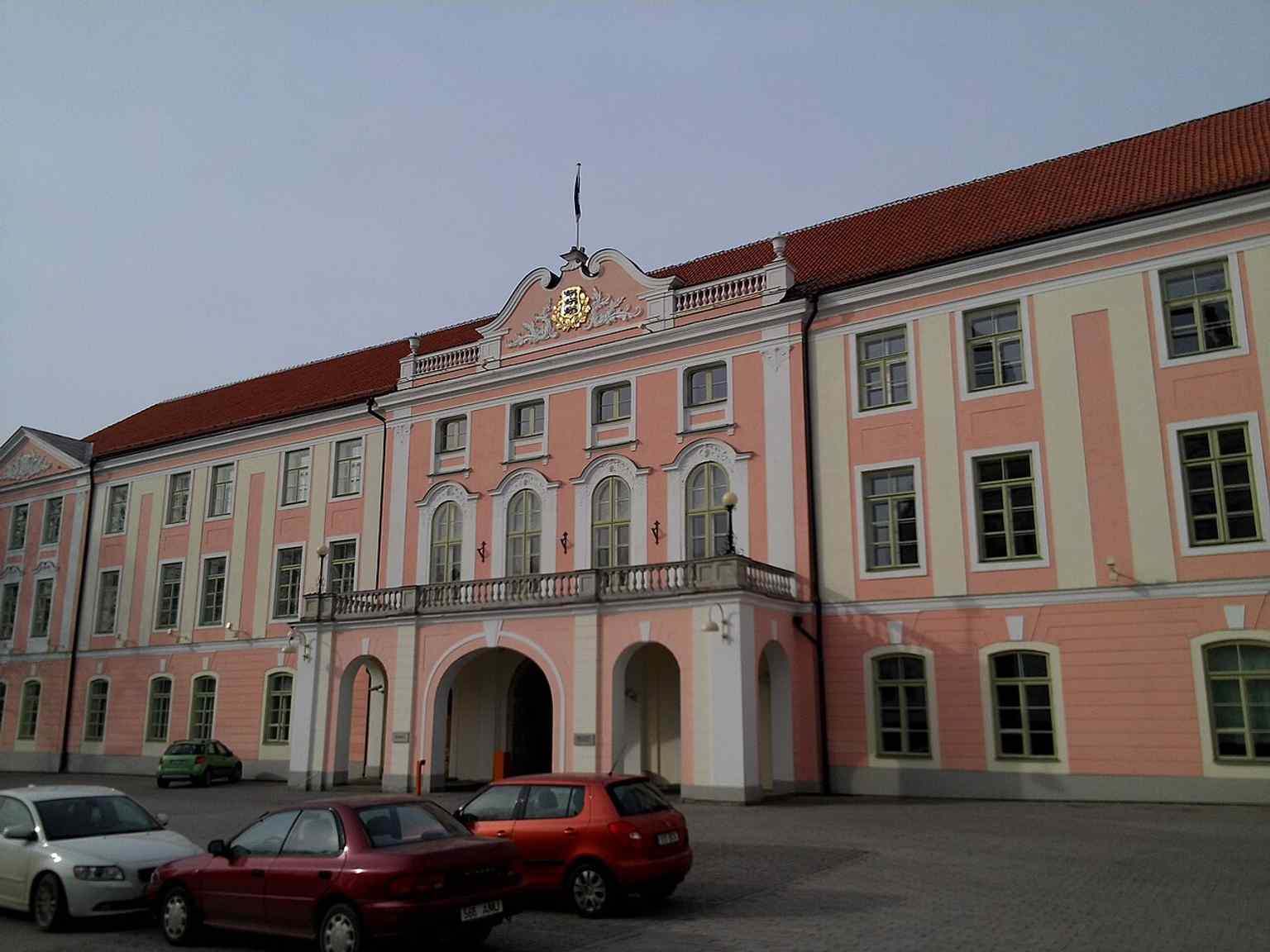
Toompea Castle seen as a layered historic complex, where the medieval fortress, governor’s house, and parliament building meet.
Toompea Castle seen as a layered historic complex, where the medieval fortress, governor’s house, and parliament building meet.Photo: Visem, Wikimedia Commons, CC BY-SA 4.0. Cropped & resized.

Now, take a moment and look up at the height of this hill and the mass of the walls. Before satellites, cameras, and all the other modern toys of surveillance, this was the advantage that mattered. Who saw danger first? Who controlled the view? Usually, the same people who wrote the rules.

And those rules kept changing. Under Swedish rule, new state rooms went up. Under the Russian Empire, Catherine the Second pushed a major rebuild in the seventeen sixties, and architect Johann Schultz turned parts of the old fortress into a governor's palace, even clearing away some medieval defenses to do it. By the nineteenth century, one section even served as a prison. In February of nineteen seventeen, a crowd stormed in and burned that prison block to free inmates, and the old fortress briefly looked less eternal than it liked to pretend.

But one part outlasted every political costume change: the tower called Pikk Hermann, or Tall Hermann. In a moment, we'll head to that tower, where military height became something more than defense... it became a national signal.
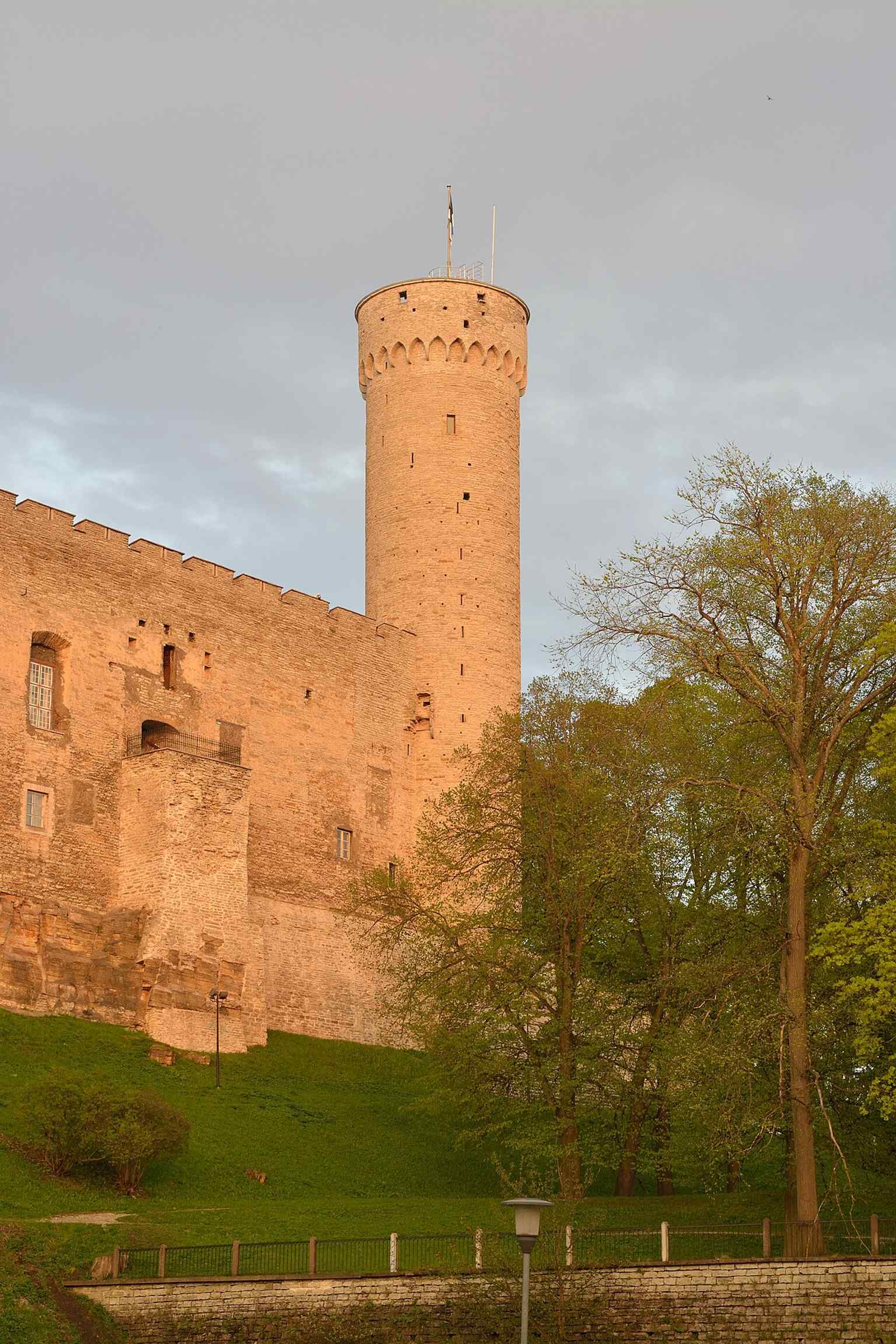
Tall Hermann Watchtower, first built in the 14th century and later rebuilt — today it remains the tower where Estonia’s flag is raised daily.
Tall Hermann Watchtower, first built in the 14th century and later rebuilt — today it remains the tower where Estonia’s flag is raised daily.Photo: Ivar Leidus, Wikimedia Commons, CC BY-SA 3.0 ee. Cropped & resized.
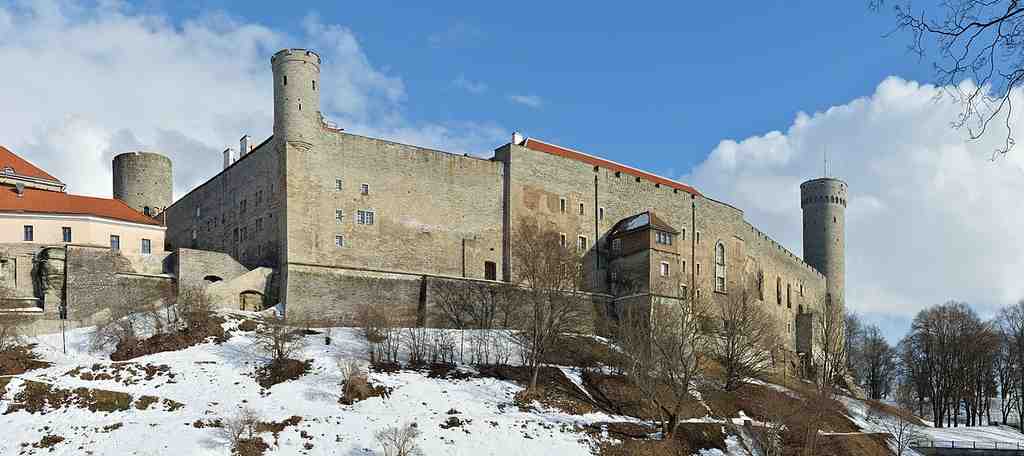
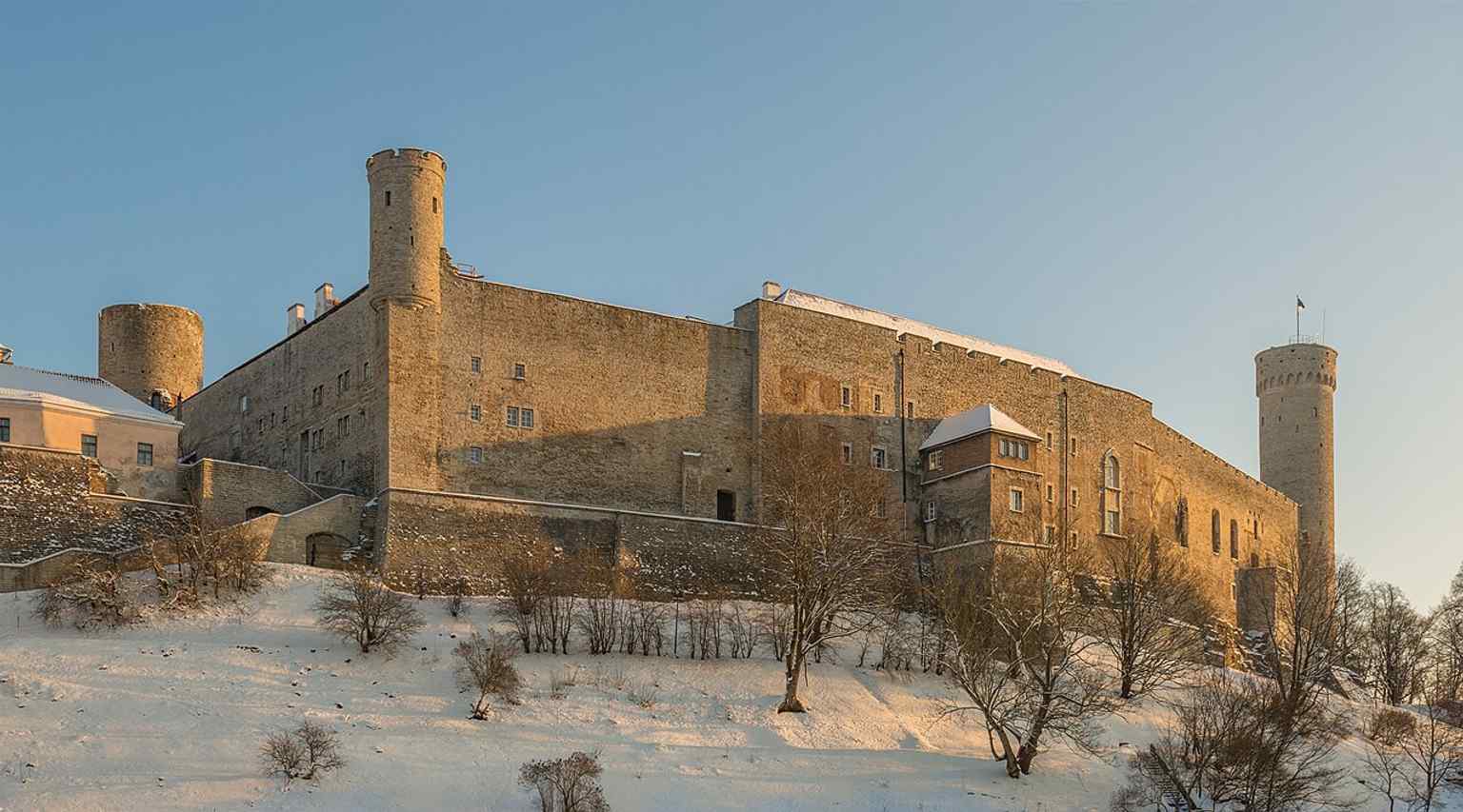
The main castle ensemble in a clear modern view — the seat of power that evolved from a medieval fortress into a government complex.
The main castle ensemble in a clear modern view — the seat of power that evolved from a medieval fortress into a government complex.Photo: Abrget47j, Wikimedia Commons, CC BY-SA 3.0. Cropped & resized.
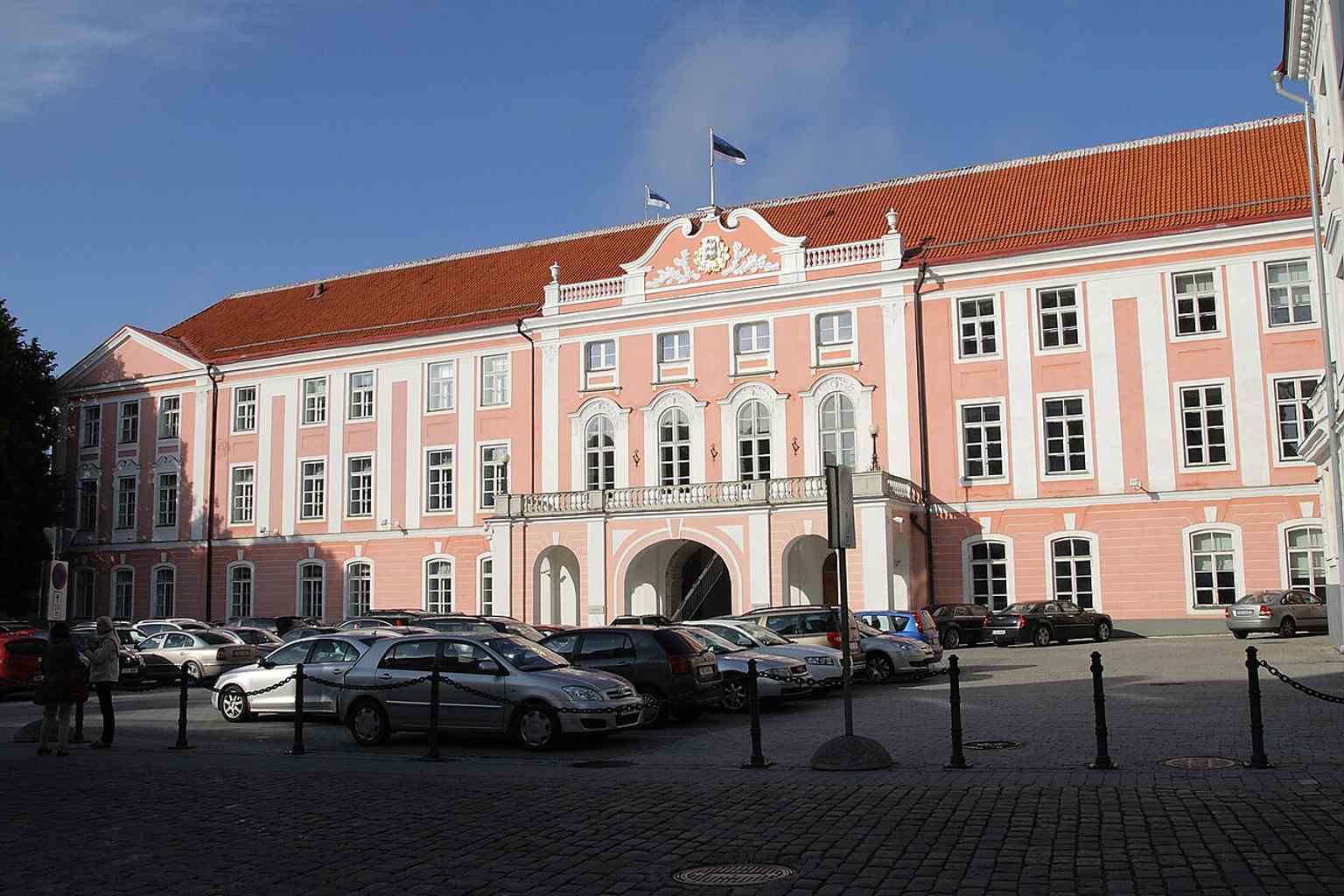
The Riigikogu building at Toompea, built on the castle grounds in the early 20th century after Estonia became independent.
The Riigikogu building at Toompea, built on the castle grounds in the early 20th century after Estonia became independent.Photo: Geonarva, Wikimedia Commons, CC BY-SA 3.0 ee. Cropped & resized.
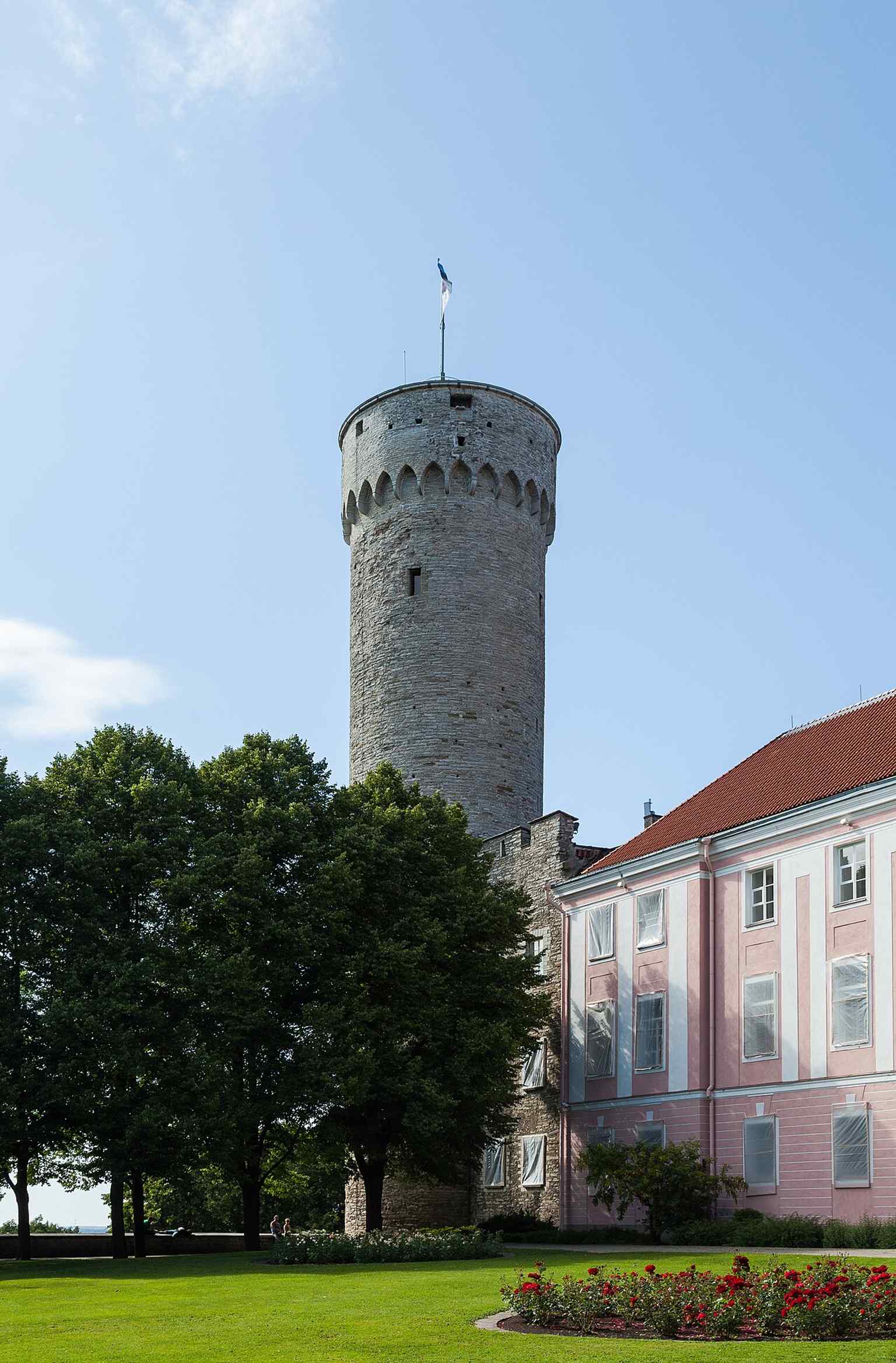
A close view of Tall Hermann, the tower that became a symbol of Estonian independence when the flag was first raised here in 1918.
A close view of Tall Hermann, the tower that became a symbol of Estonian independence when the flag was first raised here in 1918.Photo: Diego Delso, Wikimedia Commons, CC BY-SA 3.0. Cropped & resized.
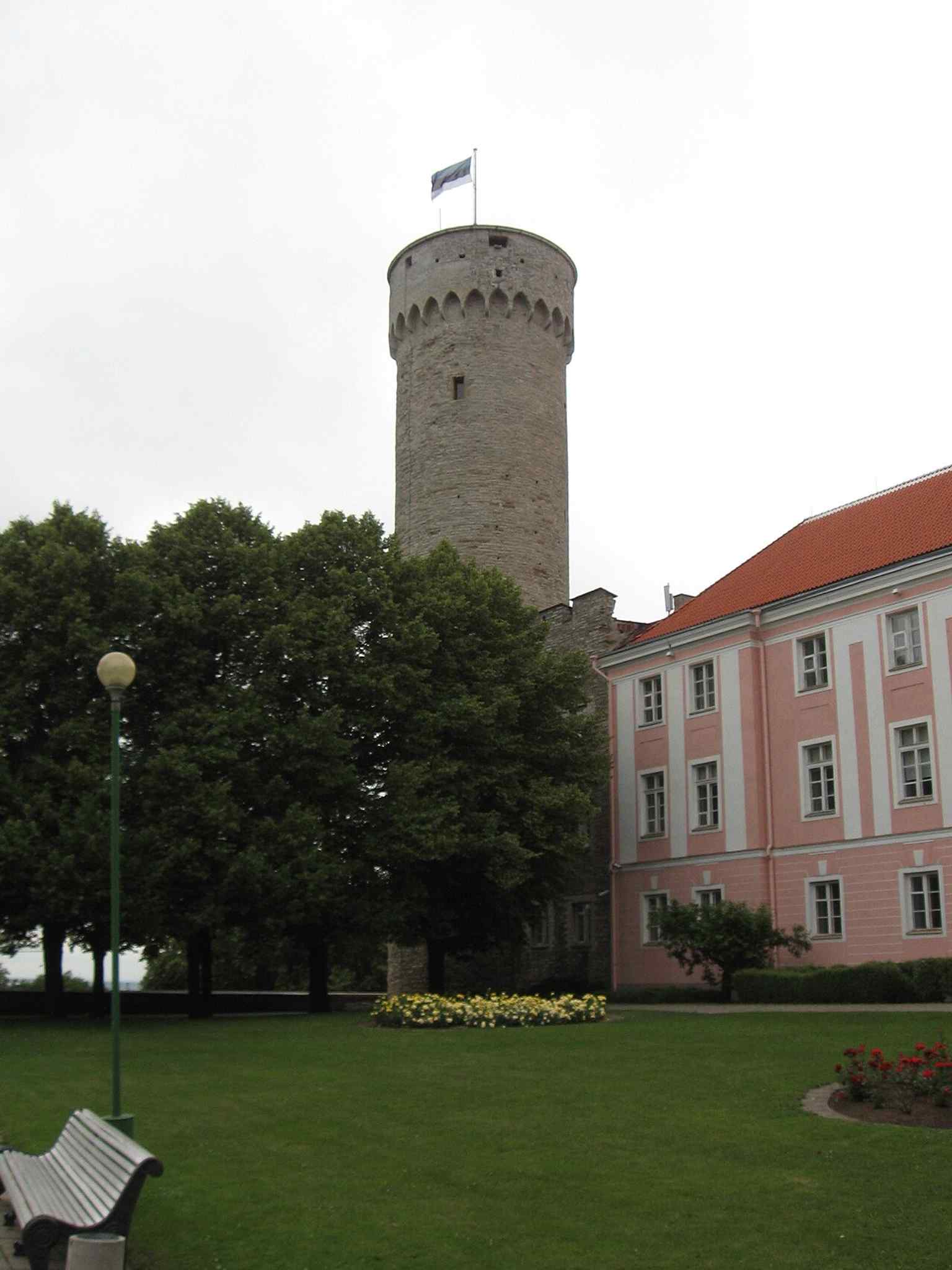
Tall Hermann with the castle beside it, a strong visual link between the medieval fortress and the modern state symbolism of the tower.
Tall Hermann with the castle beside it, a strong visual link between the medieval fortress and the modern state symbolism of the tower.Photo: Geonarva, Wikimedia Commons, CC BY-SA 3.0 ee. Cropped & resized.
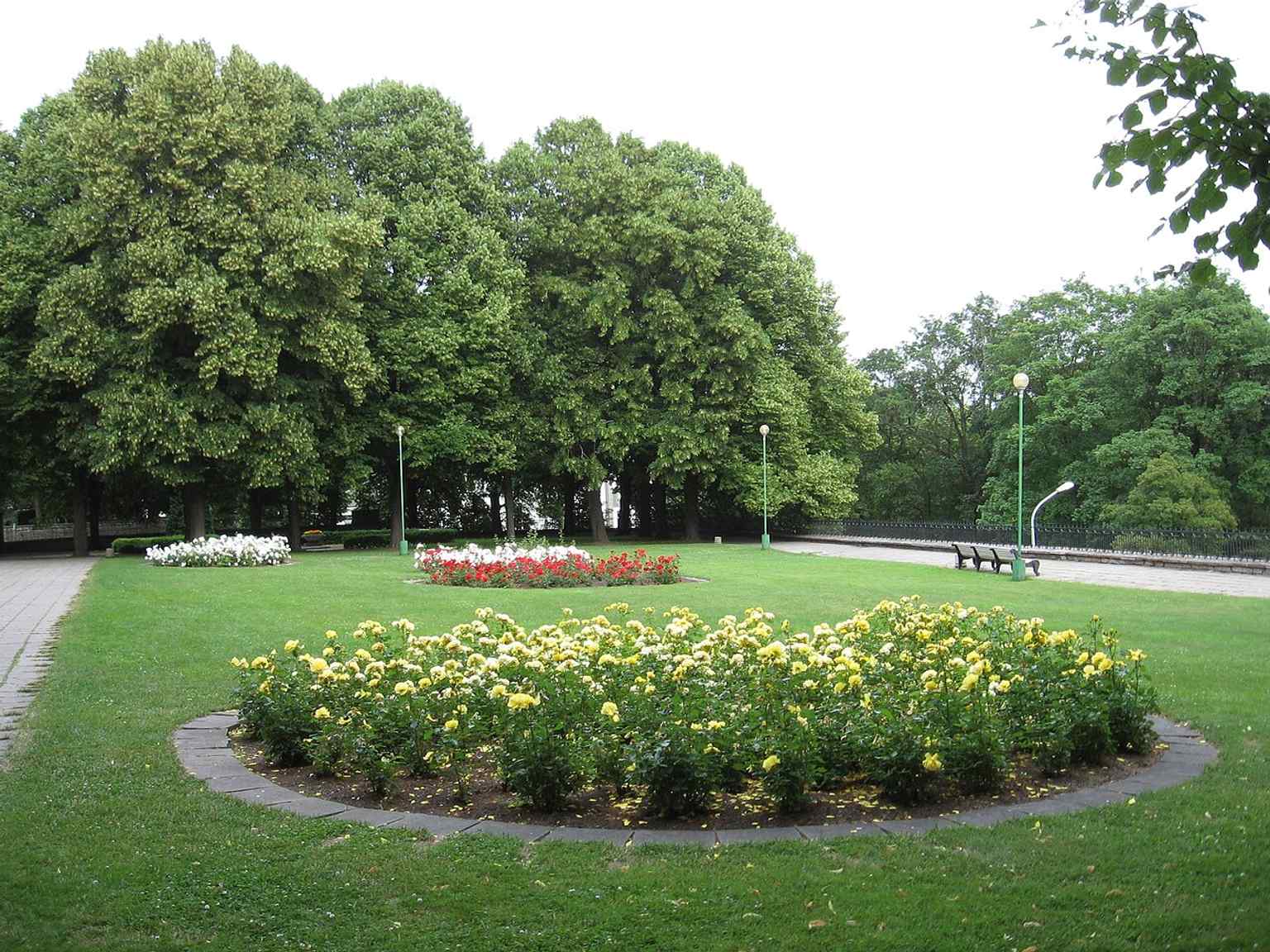
The Governor’s Garden next to the castle, part of the historic setting reshaped when the complex became a seat of administration.
The Governor’s Garden next to the castle, part of the historic setting reshaped when the complex became a seat of administration.Photo: Geonarva, Wikimedia Commons, CC BY-SA 3.0 ee. Cropped & resized.
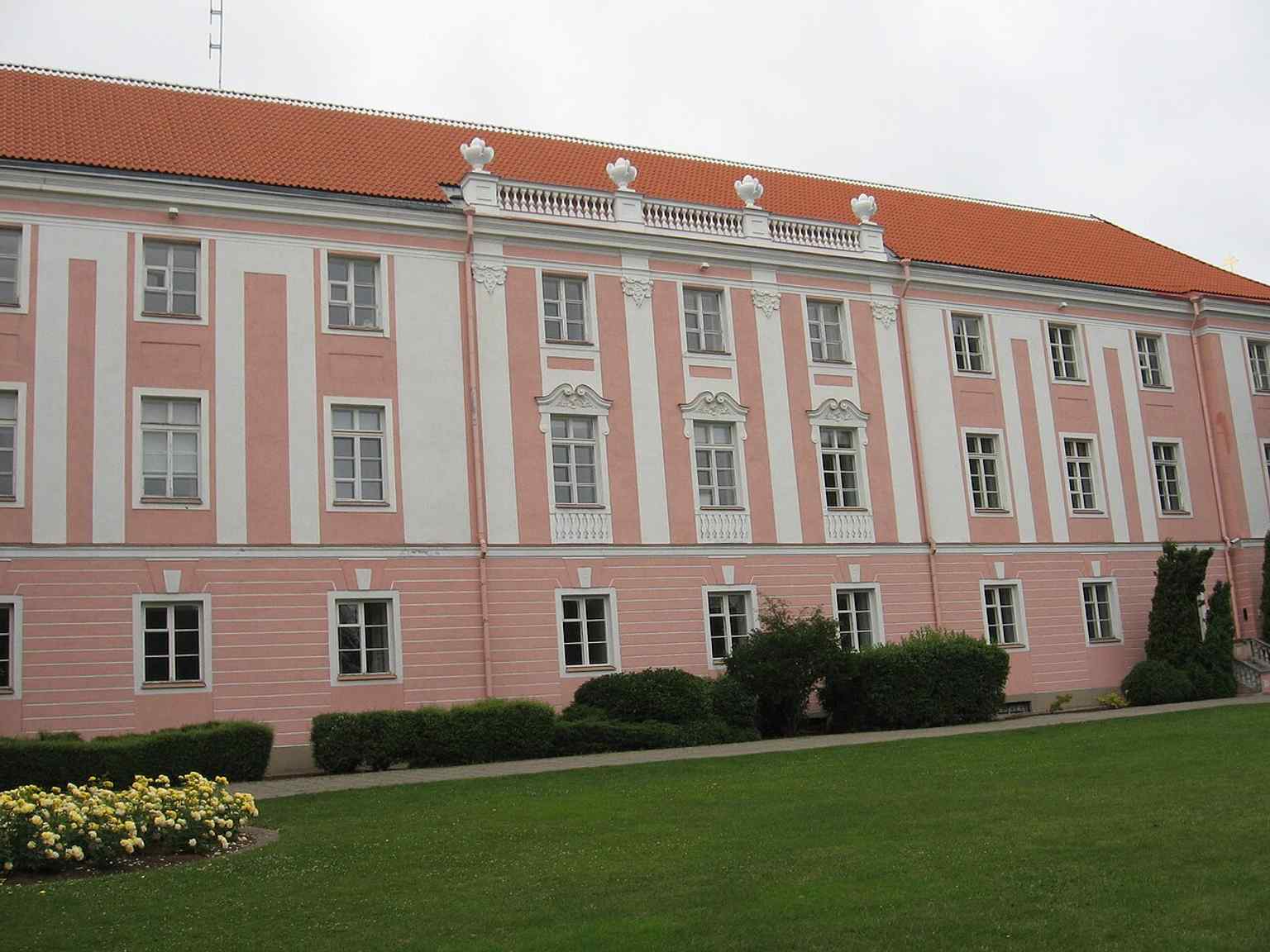
A clean modern exterior of Toompea Castle, showing the preserved fortress that still anchors Tallinn’s political skyline.
A clean modern exterior of Toompea Castle, showing the preserved fortress that still anchors Tallinn’s political skyline.Photo: Hannu, Wikimedia Commons, Public domain. Cropped & resized.
A historic-complex view labeled with the castle’s long timeline from 1230 to 1935, capturing the palimpsest of buildings across centuries.
A historic-complex view labeled with the castle’s long timeline from 1230 to 1935, capturing the palimpsest of buildings across centuries.Photo: Vamps, Wikimedia Commons, CC BY-SA 3.0 ee. Cropped & resized.
arrow_back Back to Tallinn Highlights Audio Tour: Medieval Marvels
Loved by travellers

Thousands of tours started.
Plenty of opinions.

4.8 across the App Store and Google Play. Here's a few we keep coming back to.

starstarstarstarstar
This was a solid way to get to know Brighton without feeling like a tourist. The narration had depth and context, but didn't overdo it.
Christoph
Christoph
Brighton Tour
starstarstarstarstar
Started this tour with a croissant in one hand and zero expectations. The app just vibes with you, no pressure, just you, your headphones, and some cool stories.
download Get the app

Pop your headphones in.
Step outside.

Free to download. Tours in every city. Start in 60 seconds — no account, no card.

Download on the App StoreGet it on Google Play
starstarstarstarstar_half
4.8
AudaTours app icon
headphones
~ 4 min until your first tour starts
public
1,000+ cities worldwide
all_inclusive
AudaTours
Unlimited

Every tour. Every city. One subscription.

3101 tours2271 cities138 countries50+ languages