
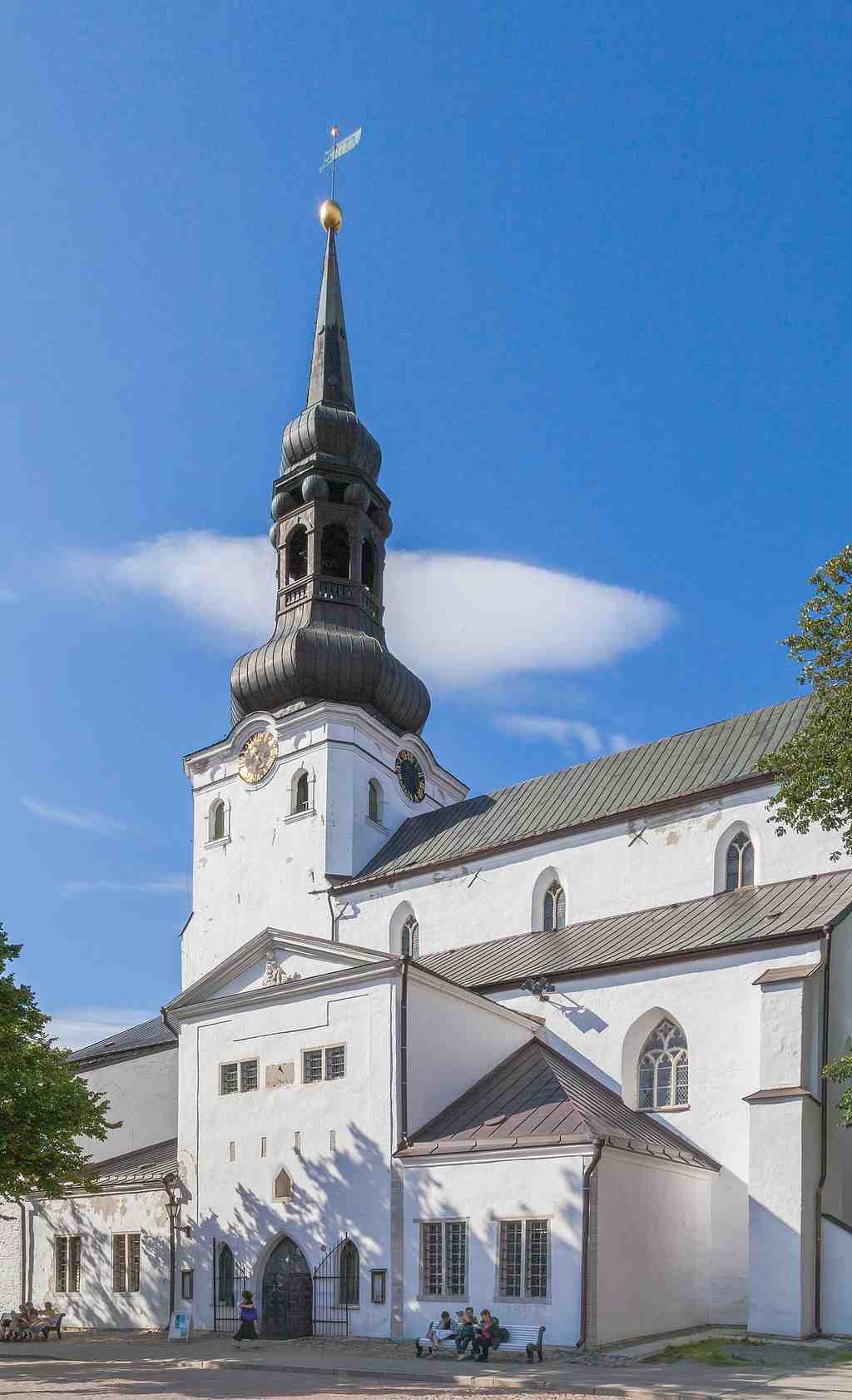
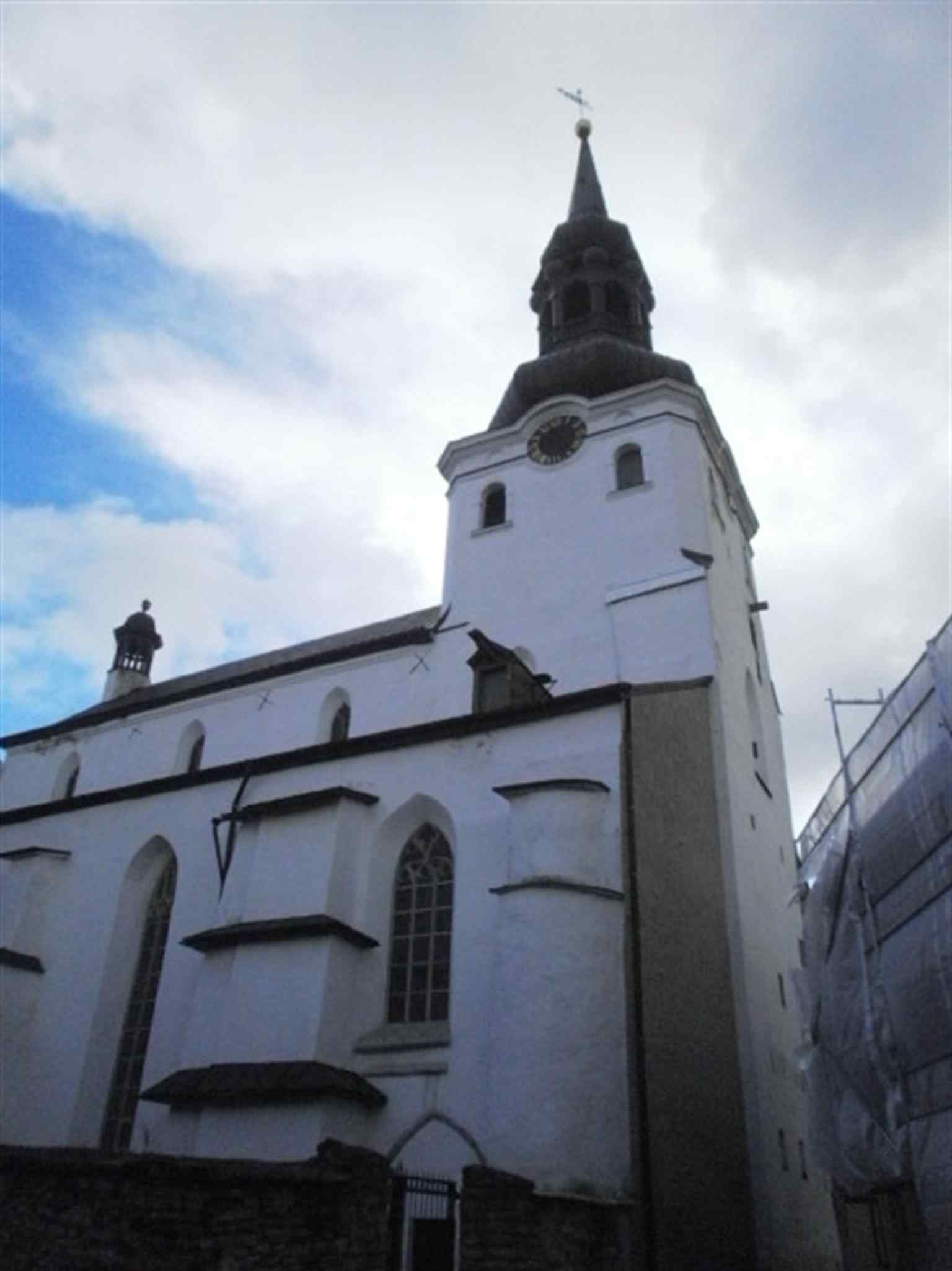
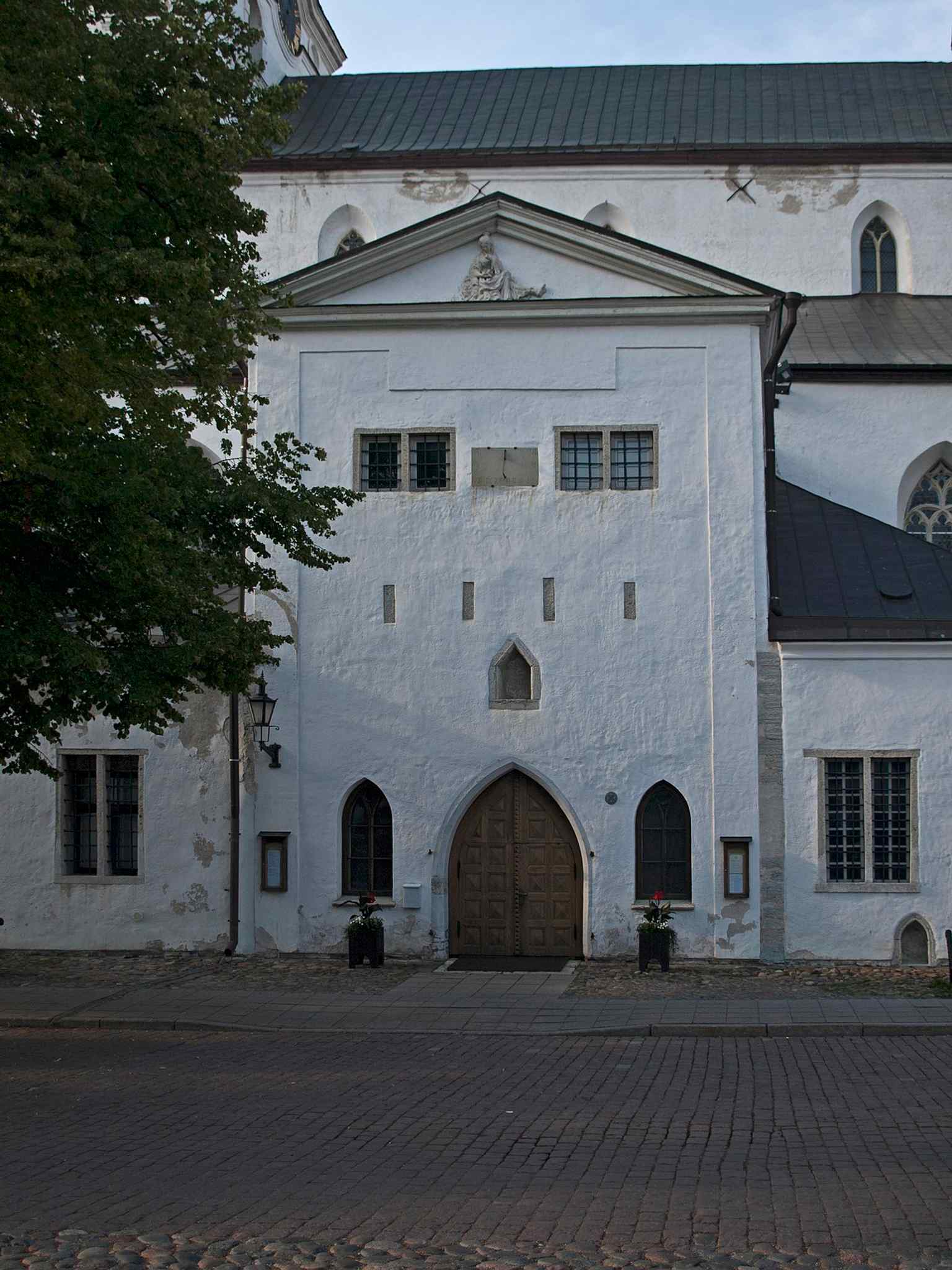
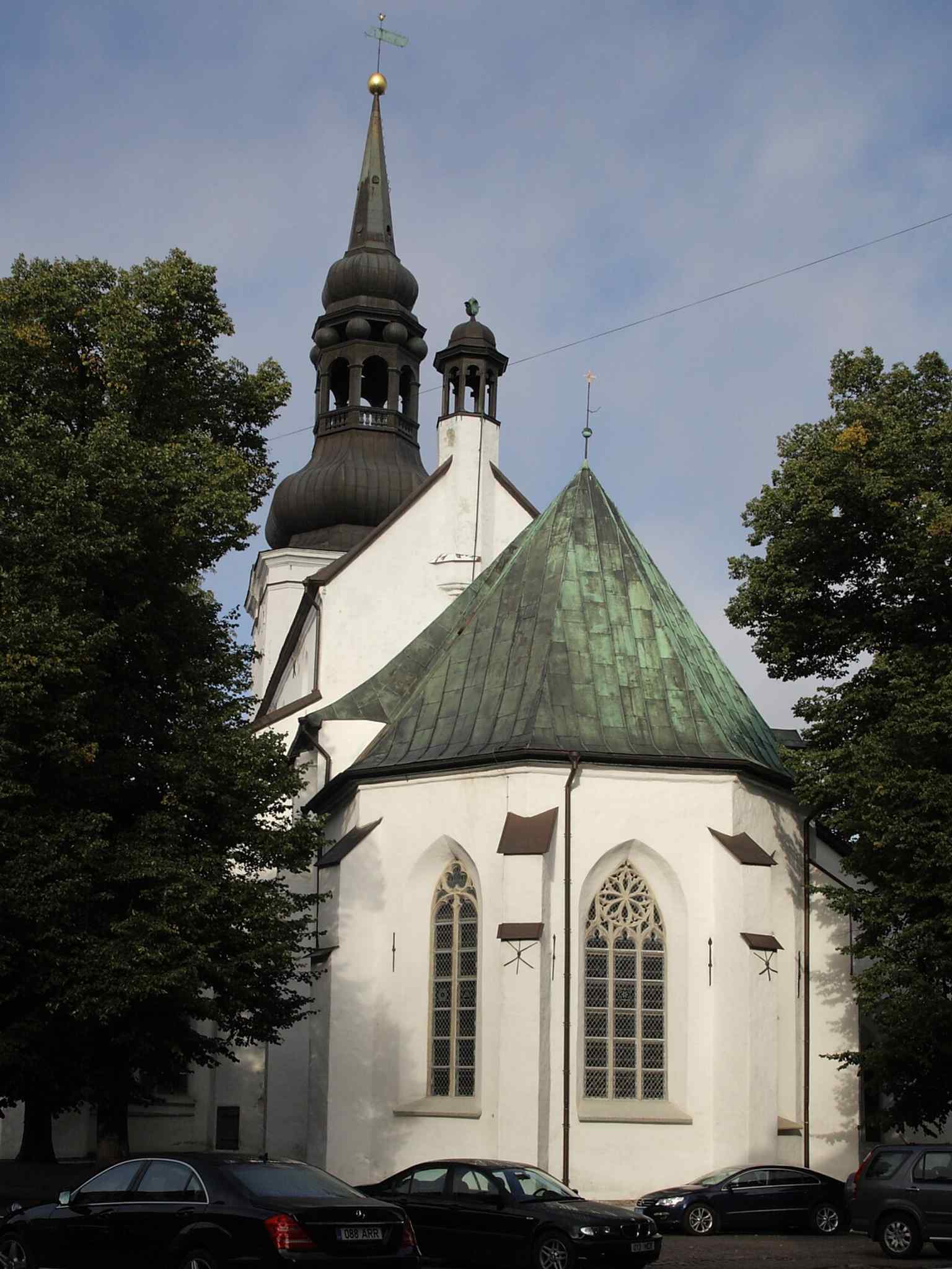
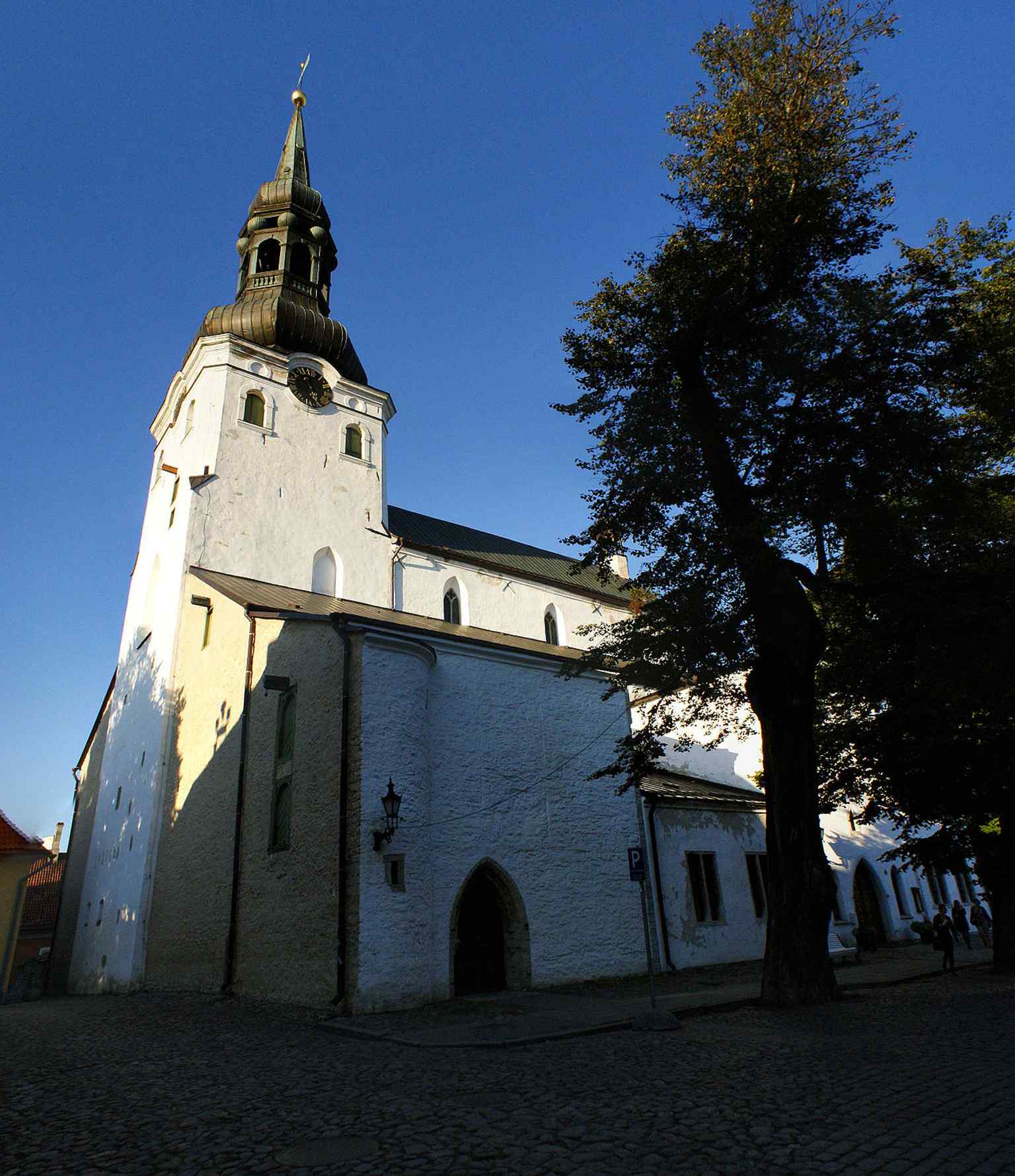
On your right, look for a pale stone church with a long, simple Gothic body, a square-ended massing, and a tall Baroque tower topped by a dark bulb-shaped spire.
This is Dome Cathedral, dedicated to Saint Mary... and it has the unsettling habit of refusing to stay in just one category. It is a church, yes, but also a seat of rank, a burial hall for the powerful, and for centuries a place tied to the cathedral school. In Tallinn, prayer and status rarely kept to separate rooms.
The Danes founded the earliest church here around twelve nineteen, probably first as a wooden building. By twelve forty, they laid out the cathedral proper as the seat of the bishop of Reval, the old name for Tallinn. That matters, because a bishop’s church was never only about religion. It helped organize authority, teach elites, bless rule, and display who belonged near the altar... and who did not.
And then came one of the grimmest episodes in the city’s early story. In twelve thirty-three, during what later complaints to the pope called a bloody bath, the Brothers of the Sword killed the Danes here and piled their bodies near the altar. So yes... even sacred ground could turn into a stage for raw power.
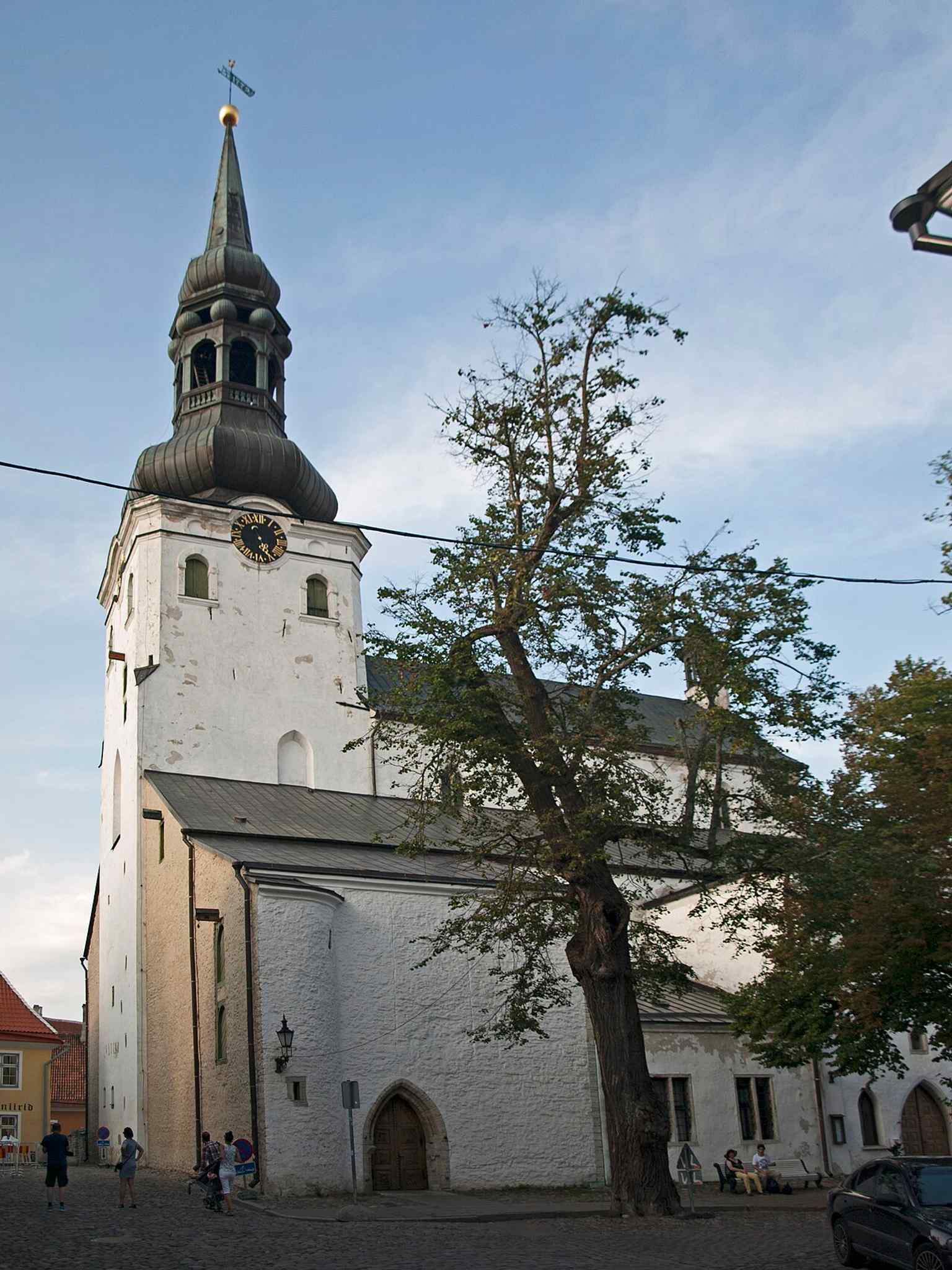
What you see now is the result of centuries of revisions, arguments, disasters, and stubborn survival. The main body is Gothic. The west tower, the one that defines the skyline today, came much later, in seventeen seventy-eight and seventeen seventy-nine, when architect Geist gave the church its Baroque bell tower after the great fire of sixteen eighty-four destroyed much of the decoration and the earlier tower. If you glance at the image on your screen, you can see that later tower clearly rising above the older church body. It is a neat architectural summary of Tallinn itself: medieval backbone, later ambitions, no clean ending.
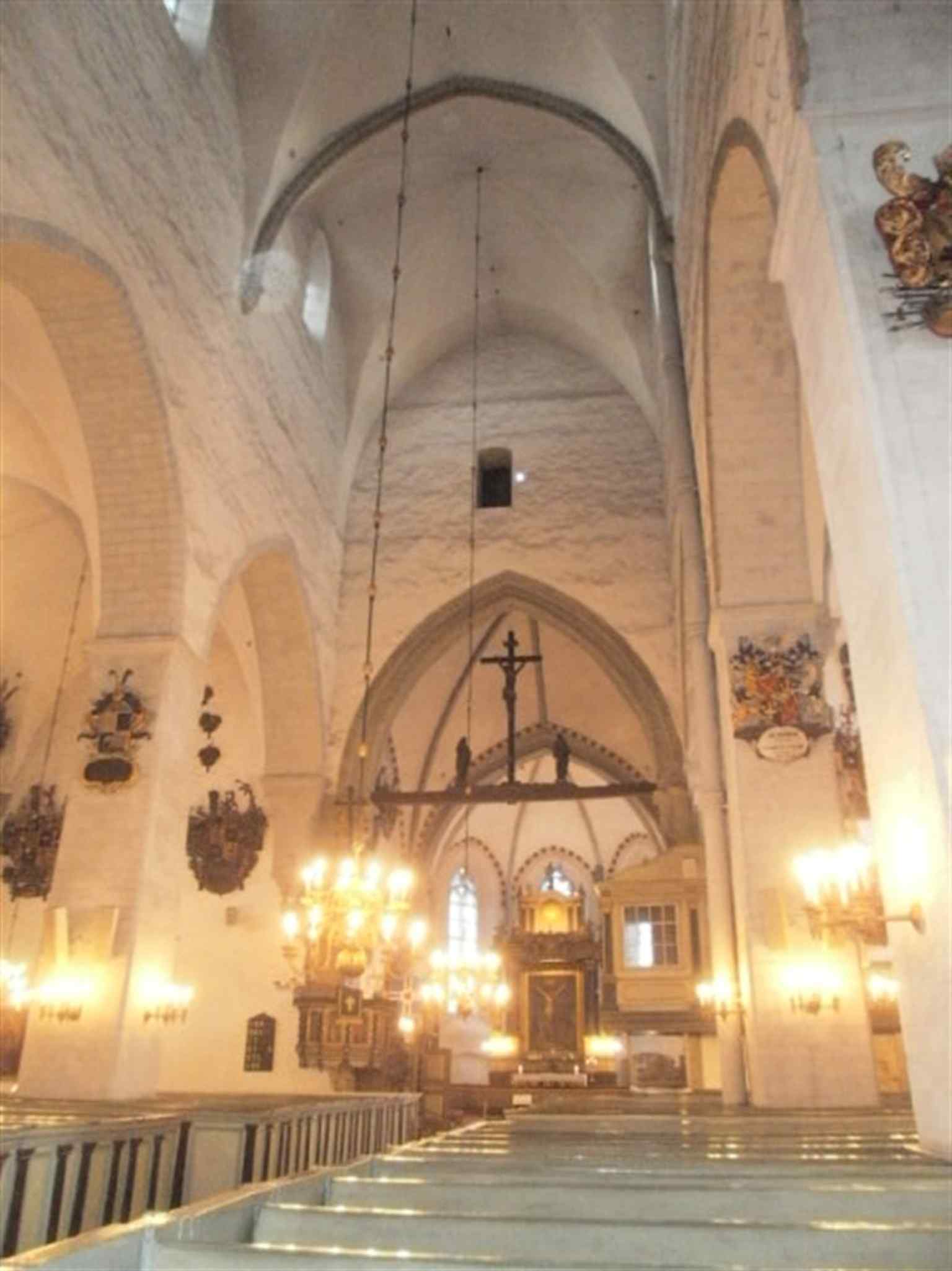
Inside, the cathedral turns into a stone family archive. There are burials from the thirteenth to the nineteenth centuries, more than a hundred noble coats of arms, and monument after monument insisting that memory should look expensive. The most human story belongs to Pontus de la Gardie, whose Renaissance tomb is one of Estonia’s finest. He was French by birth, became a Swedish commander, captured Narva in fifteen seventy-eight, and ended up buried here beside his wife Sofia, a daughter of King Johan the Third. One tomb, and suddenly you have war, dynasty, foreign service, and family politics all meeting under one roof. If you want a peek before going inside, the app image of the nave shows how burial monuments line the central hall of the church.
There is another layer too: education. The cathedral school likely began here in the thirteenth century and appears by name in thirteen nineteen, a reminder that this place helped train the people who would later run church, city, and state. Nothing says humility quite like raising generations of elites beside heraldic memorials.
So as you stand here, notice how Tallinn’s skyline keeps arguing with itself in stone: fortress, church, tower, tomb. In a few minutes, we’ll reach another cathedral, one that speaks with a very different imperial accent... Alexander Nevsky.
If you want to go inside later, the cathedral is generally open from Tuesday through Sunday, from ten in the morning to four in the afternoon.






.jpg)
