
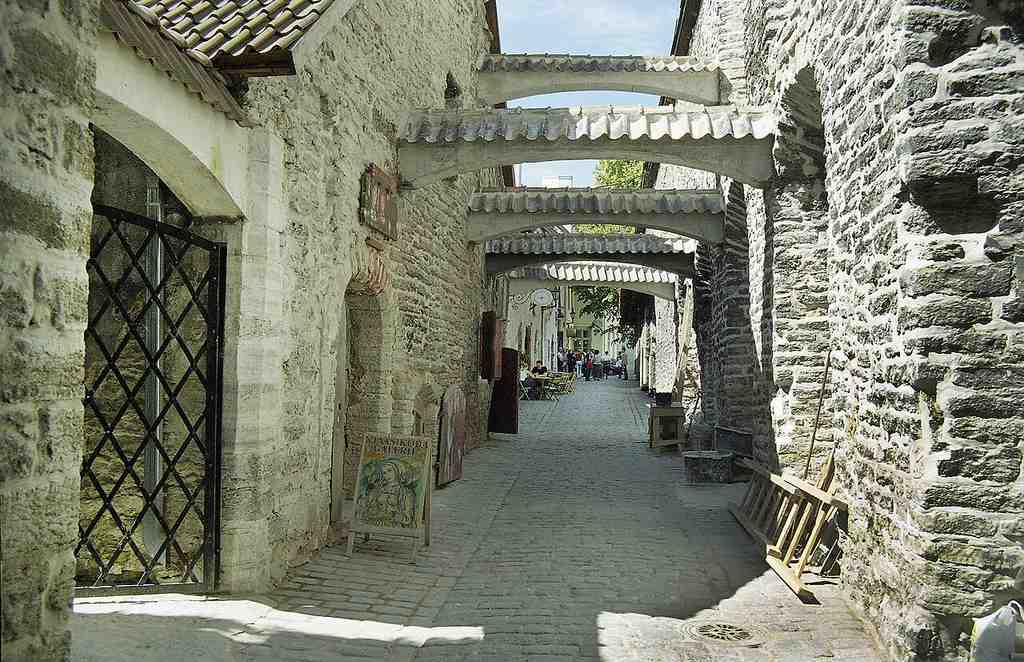
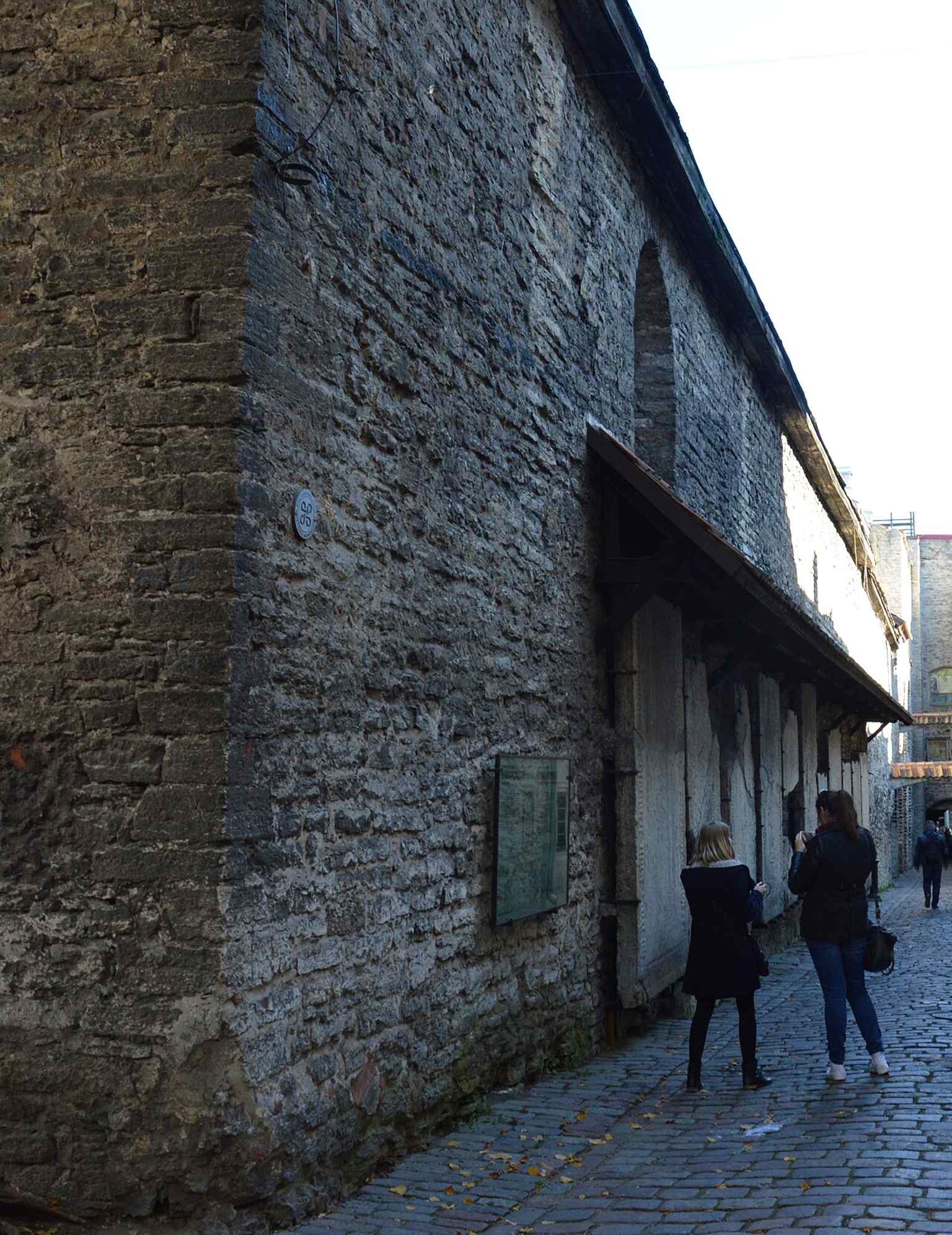
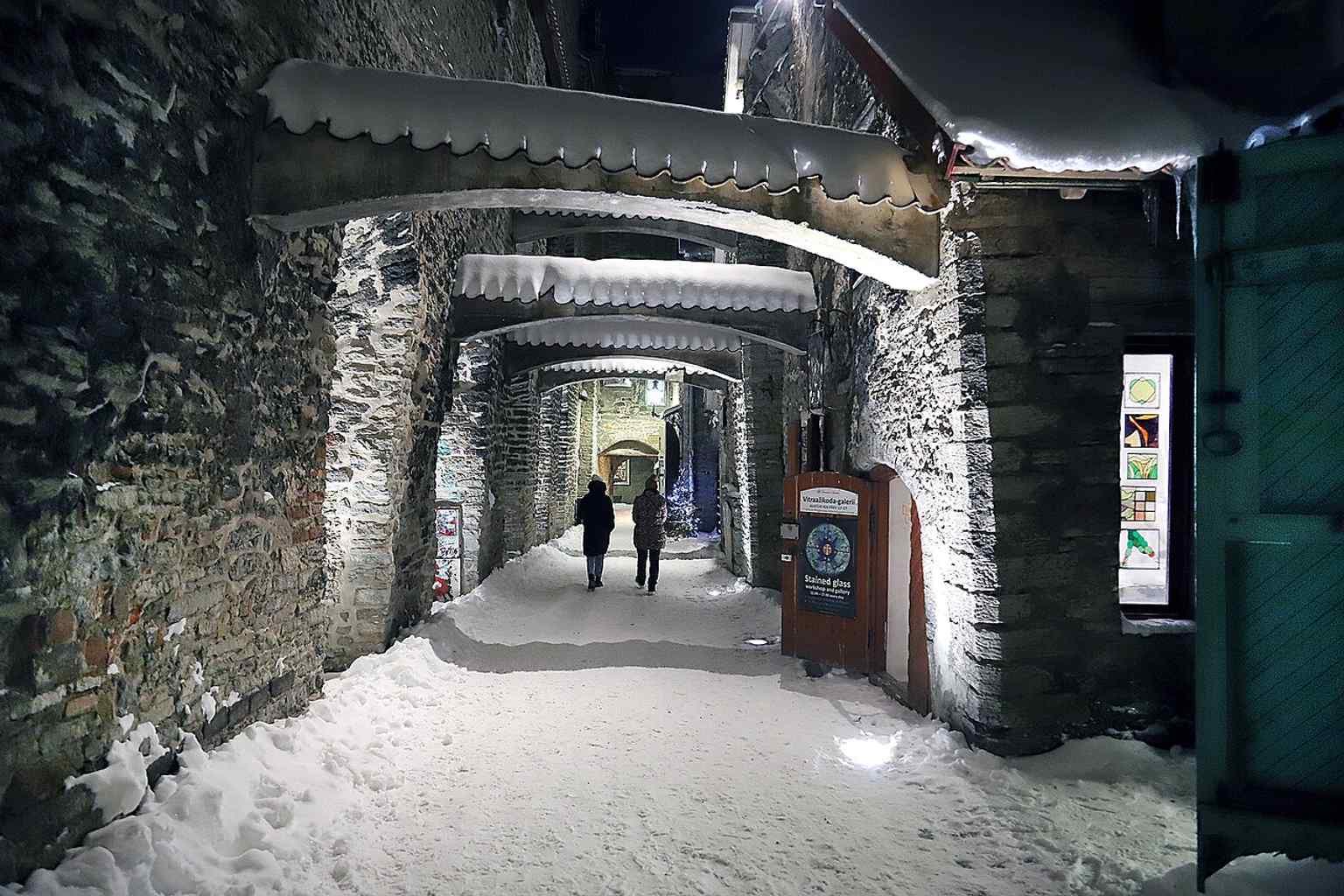
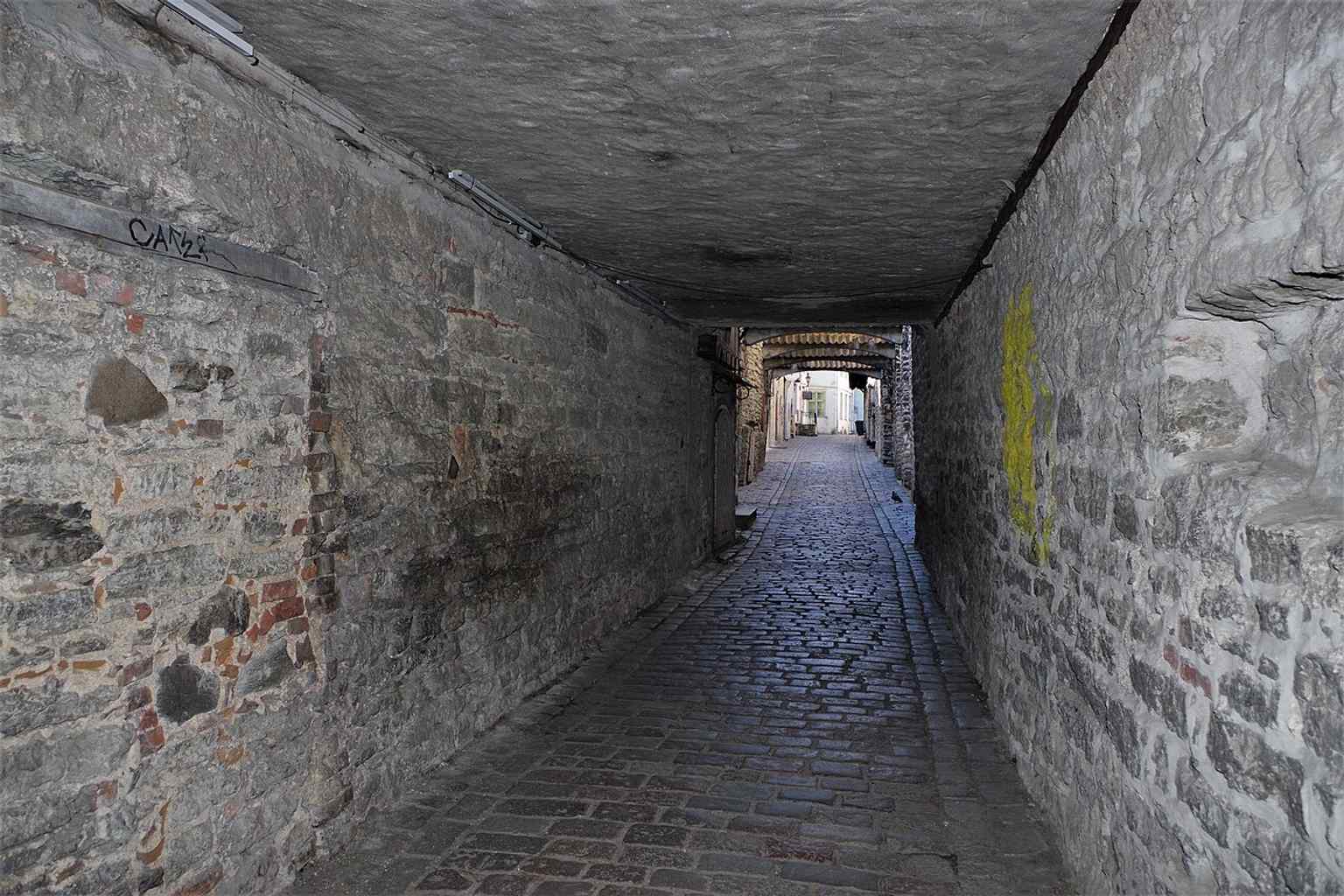
Look for a narrow stone passage framed by archways, lined with pale masonry walls, and marked by carved grave slabs set into the long church wall.
Katariina Käik is only about one hundred and forty-five meters long, but it carries an awful lot of Tallinn in a very short stretch. This lane follows the southern wall of the former Church of Saint Catherine and traces an old road that once pulled traffic from the harbor toward the markets. So even in the medieval city, this was a seam: trade on one side, prayer and study on the other.
The Dominicans arrived in Reval in twelve forty-six, and they did more than preach. They taught, learned Estonian, drew in local brothers, and pushed so hard on education that their argument with the Dome Cathedral over teaching rights went all the way to the pope. Modest ambitions, clearly.
Then the Reformation cut the story hard. In fifteen twenty-five, city authorities forced the monks out. In fifteen thirty-one, the abandoned church burned, and the monastery complex collapsed into ruin. What survived is this passage... a strip of city stitched along the edge of something much larger that vanished.
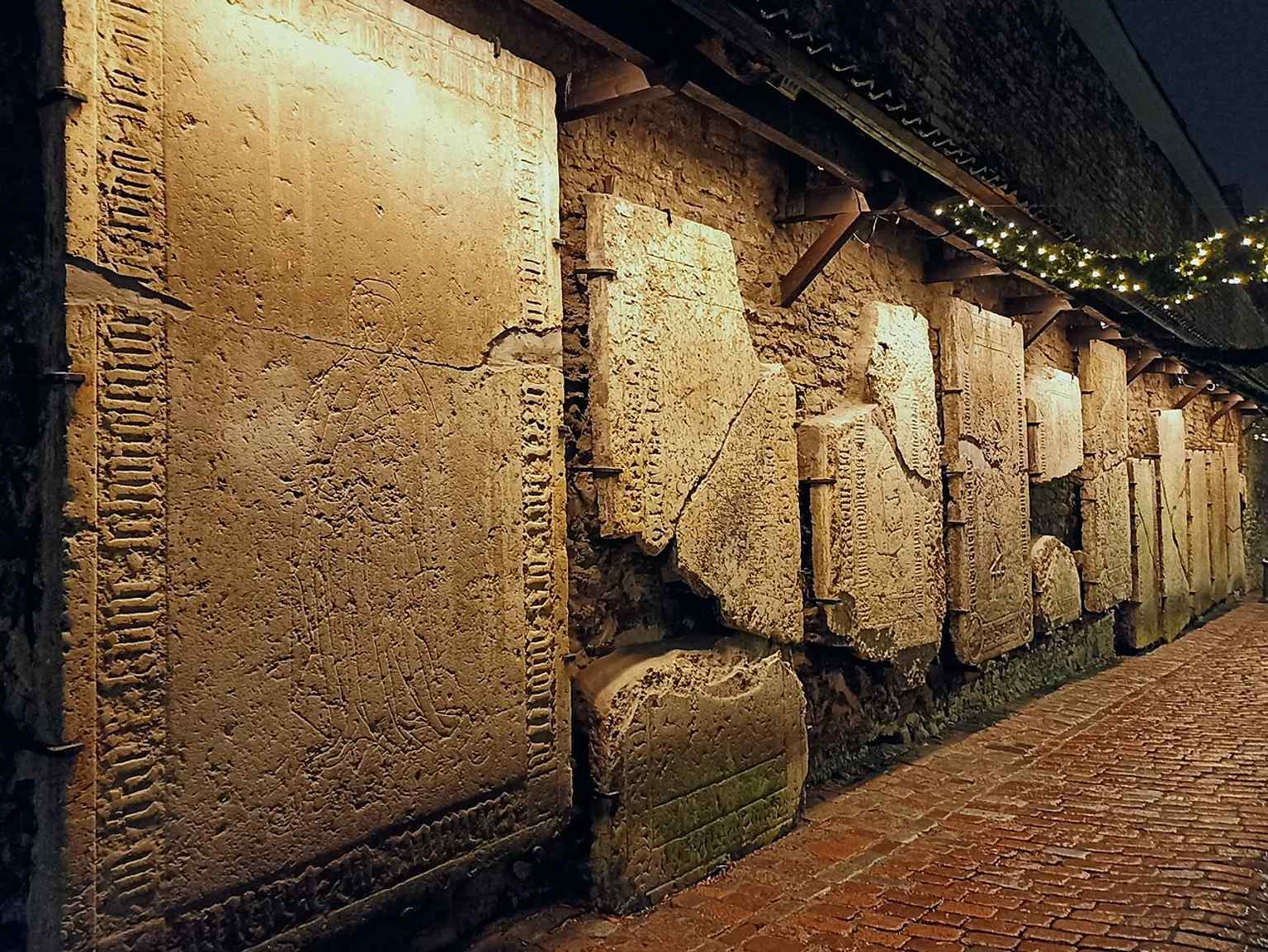
On the wall, look for the memory of Kunigunde Schotelmund, widow of a Reval burgomaster, buried in thirteen eighty-one. Her grave slab is famous as Tallinn’s oldest surviving carved image of a woman; if you want the detail, check your screen.
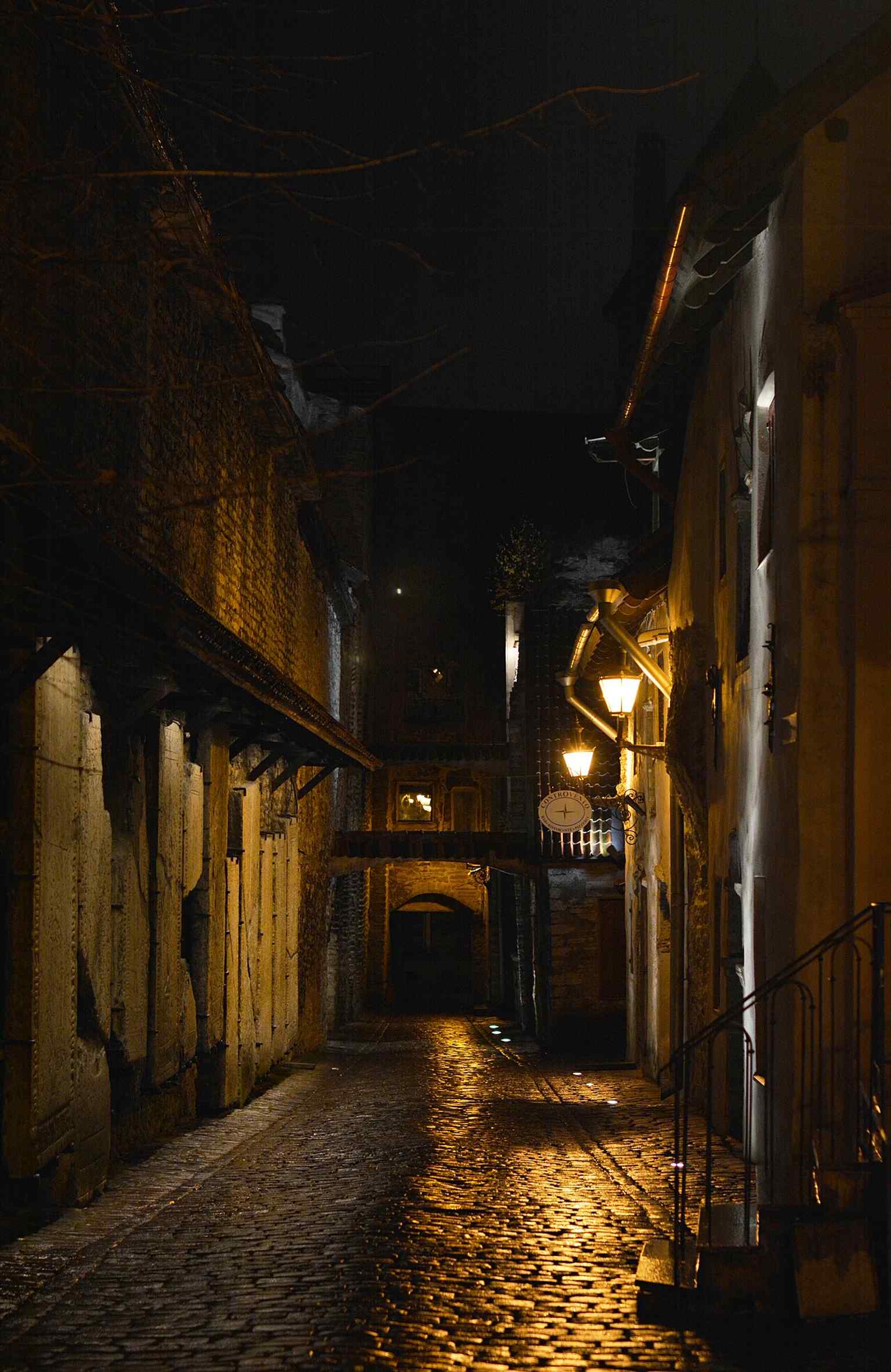
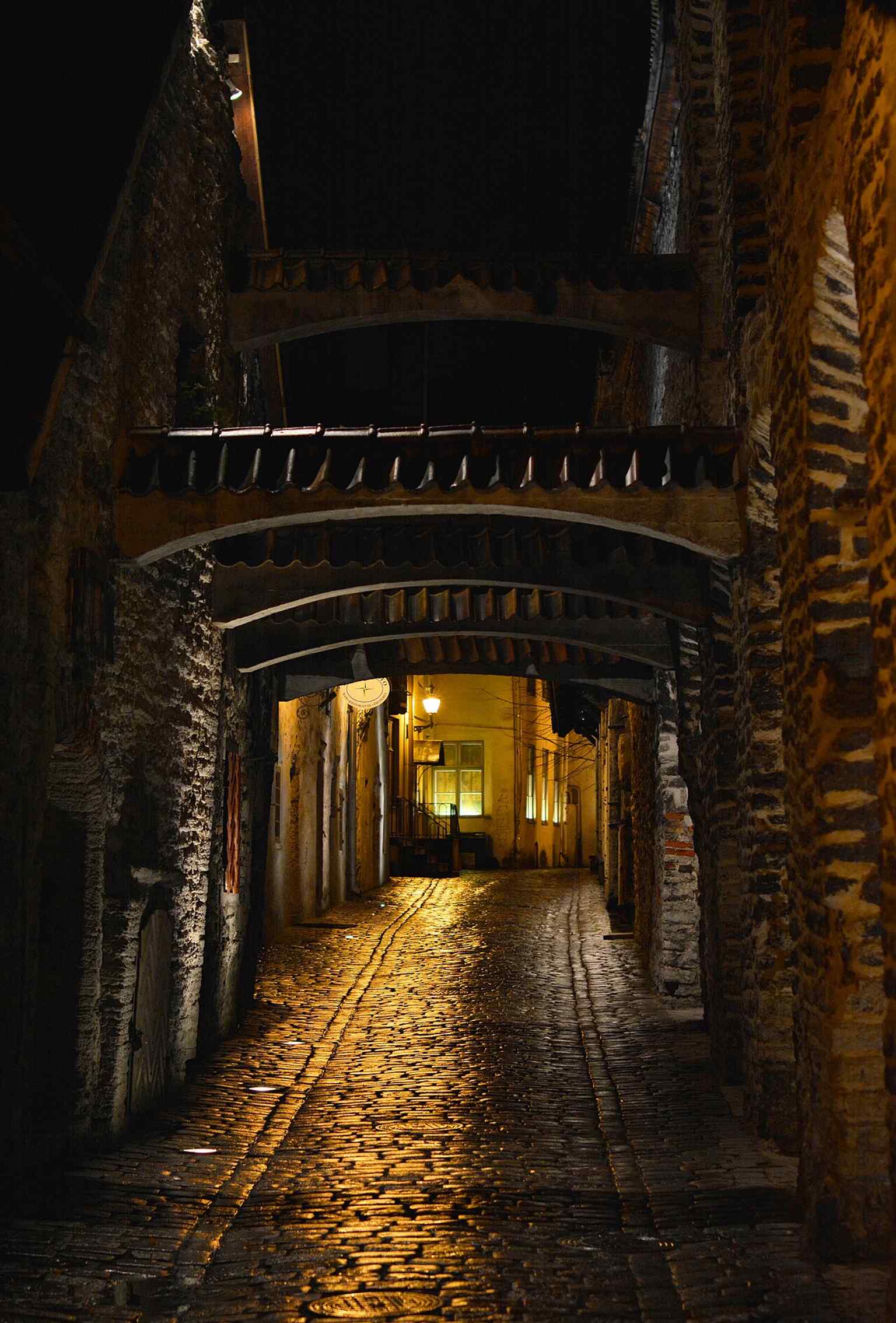
After restoration in nineteen ninety-five, the lane took its current name in nineteen ninety-six, and artists moved back in with workshops like the Katariina Guild. If you glance at the before-and-after image, you can see how a plain old lane turned into a carefully tended artisan quarter.
And that older monastic story is still waiting just ahead... at the Dominican Monastery.





.jpg)


